
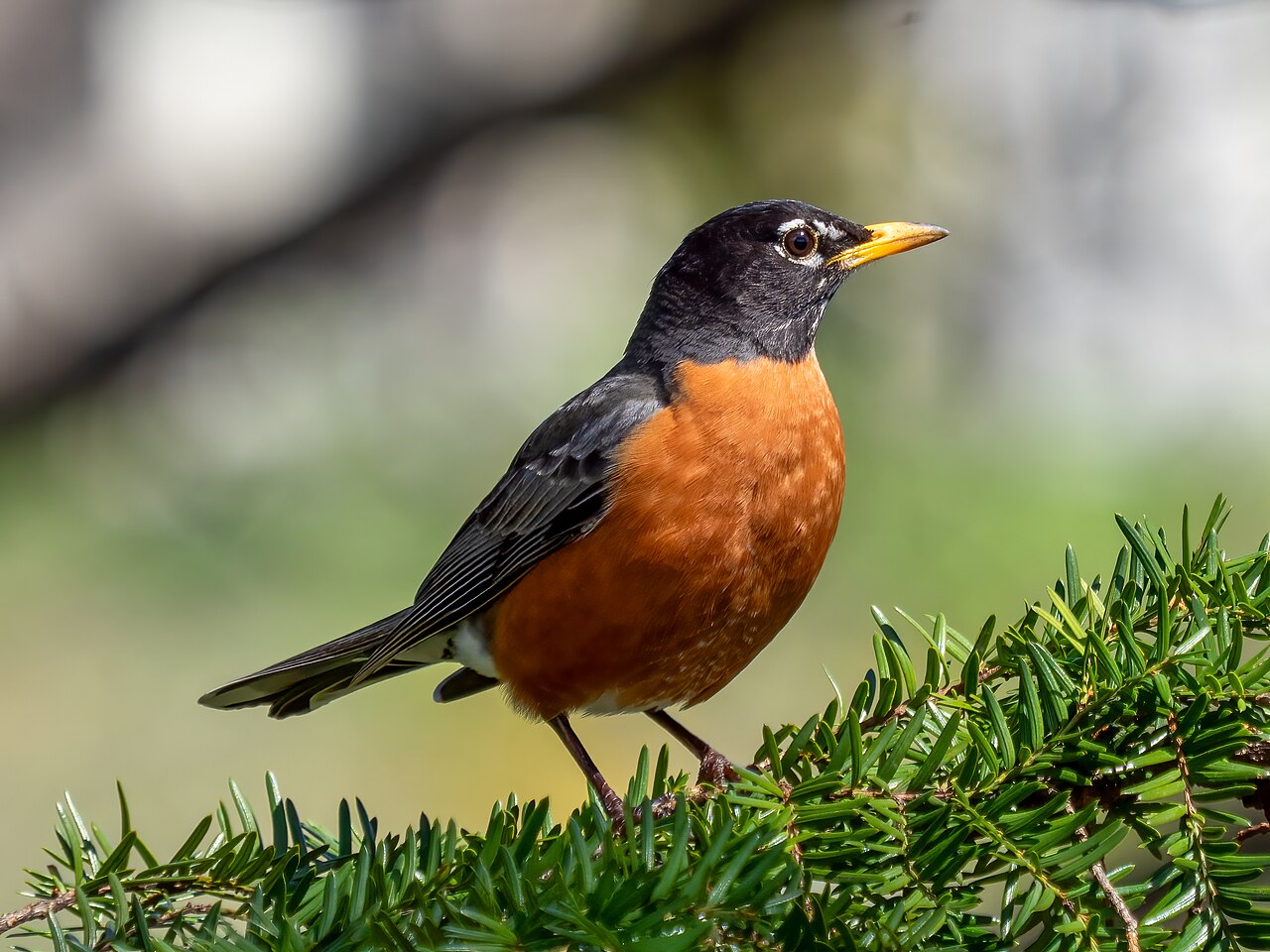
 American robin
The American robin (Turdus migratorius) is a migratory bird of the true thrush genus and Turdidae, the wider thrush family.
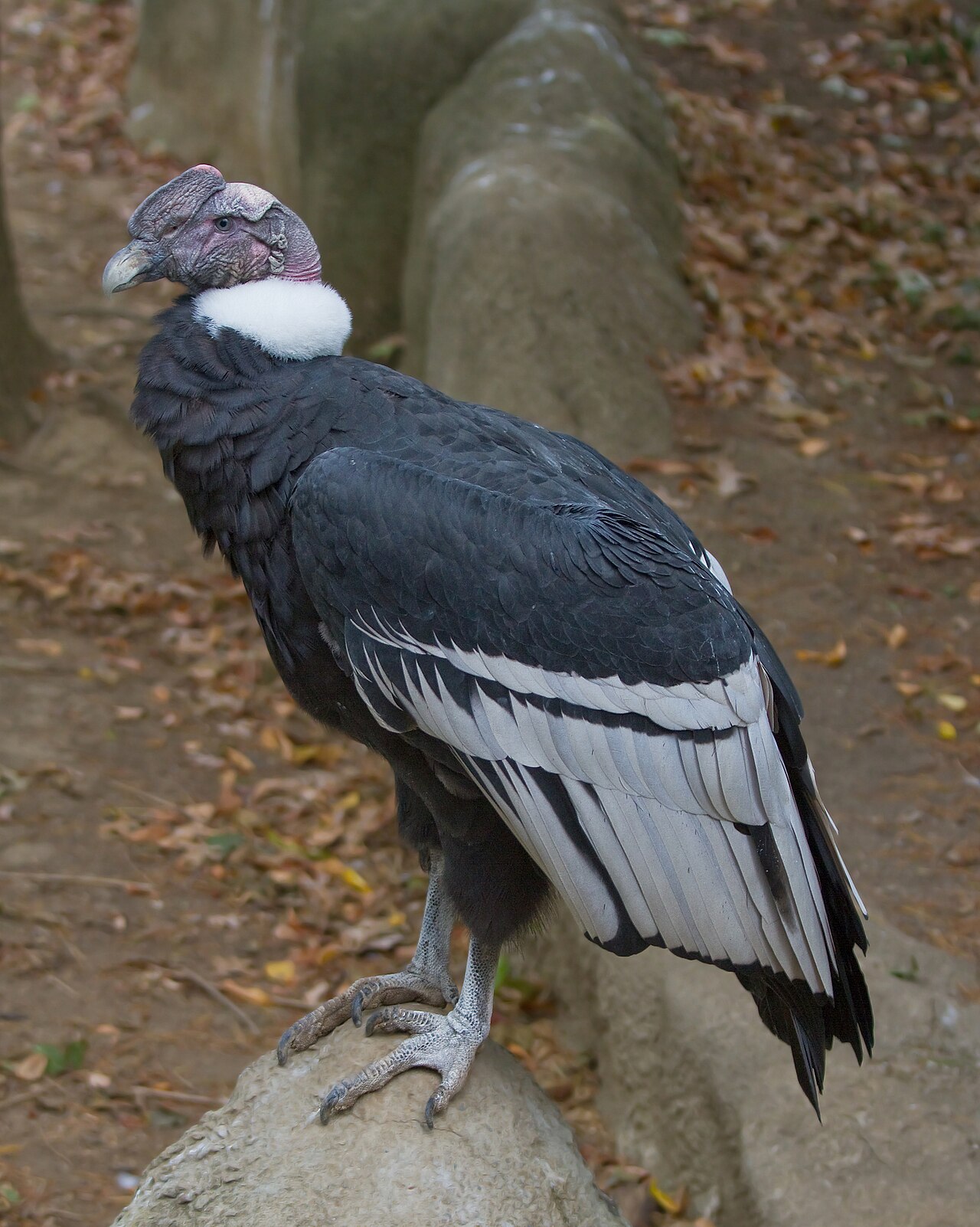 Andean condor
The Andean condor (Vultur gryphus) is a South American New World vulture and is the only extant member of the genus Vultur.
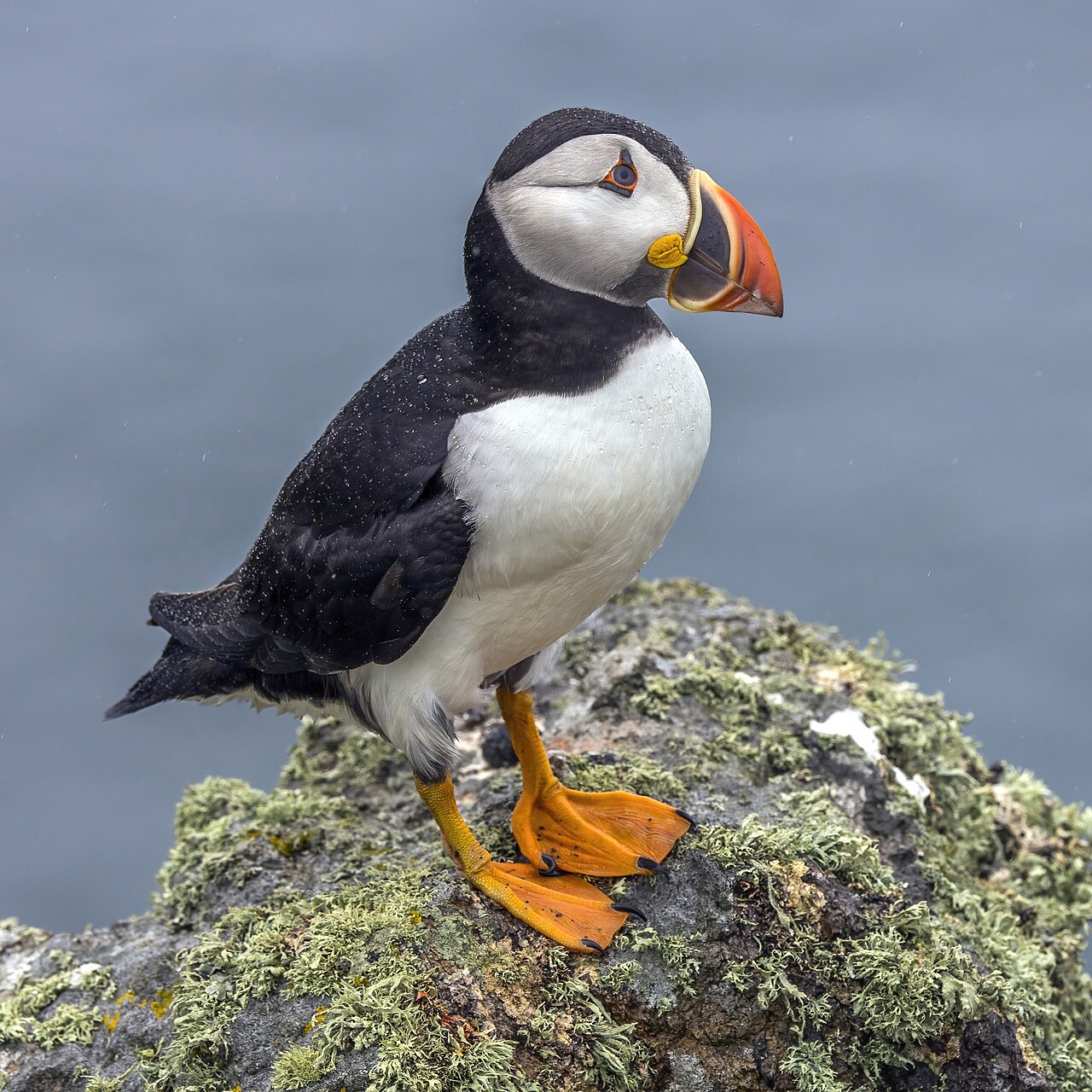 Atlantic puffin
The Atlantic puffin (Fratercula arctica), also known as the common puffin, is a species of seabird in the auk family.
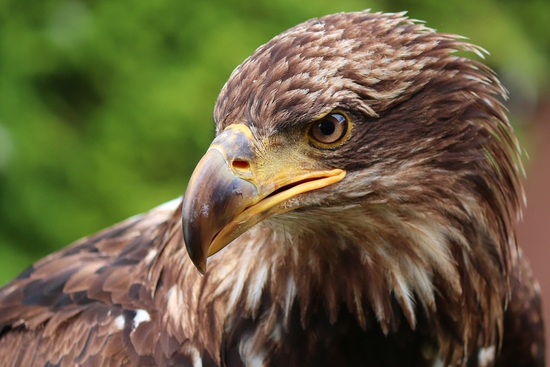
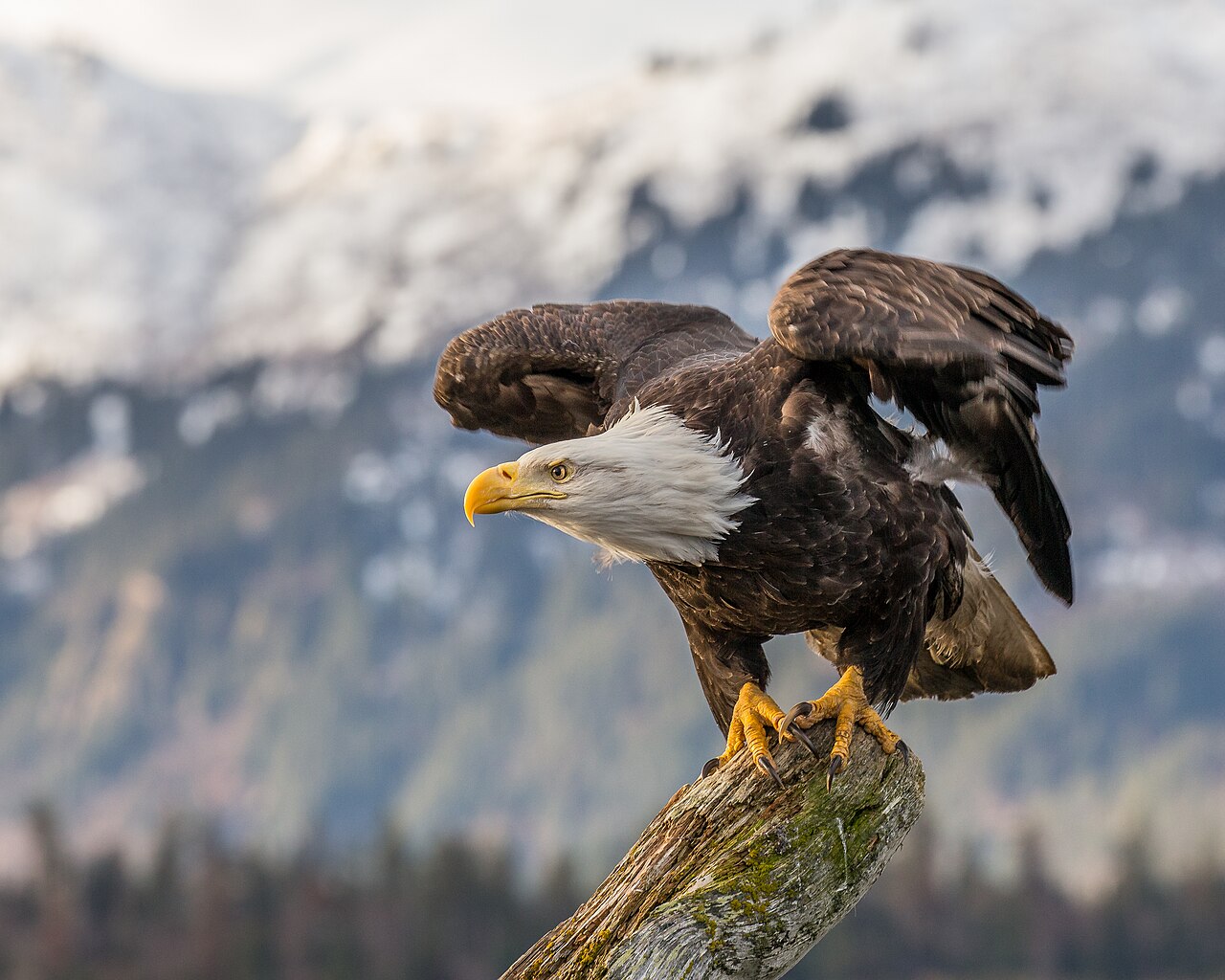 Bald eagle
The bald eagle (Haliaeetus leucocephalus) is a bird of prey found in North America.
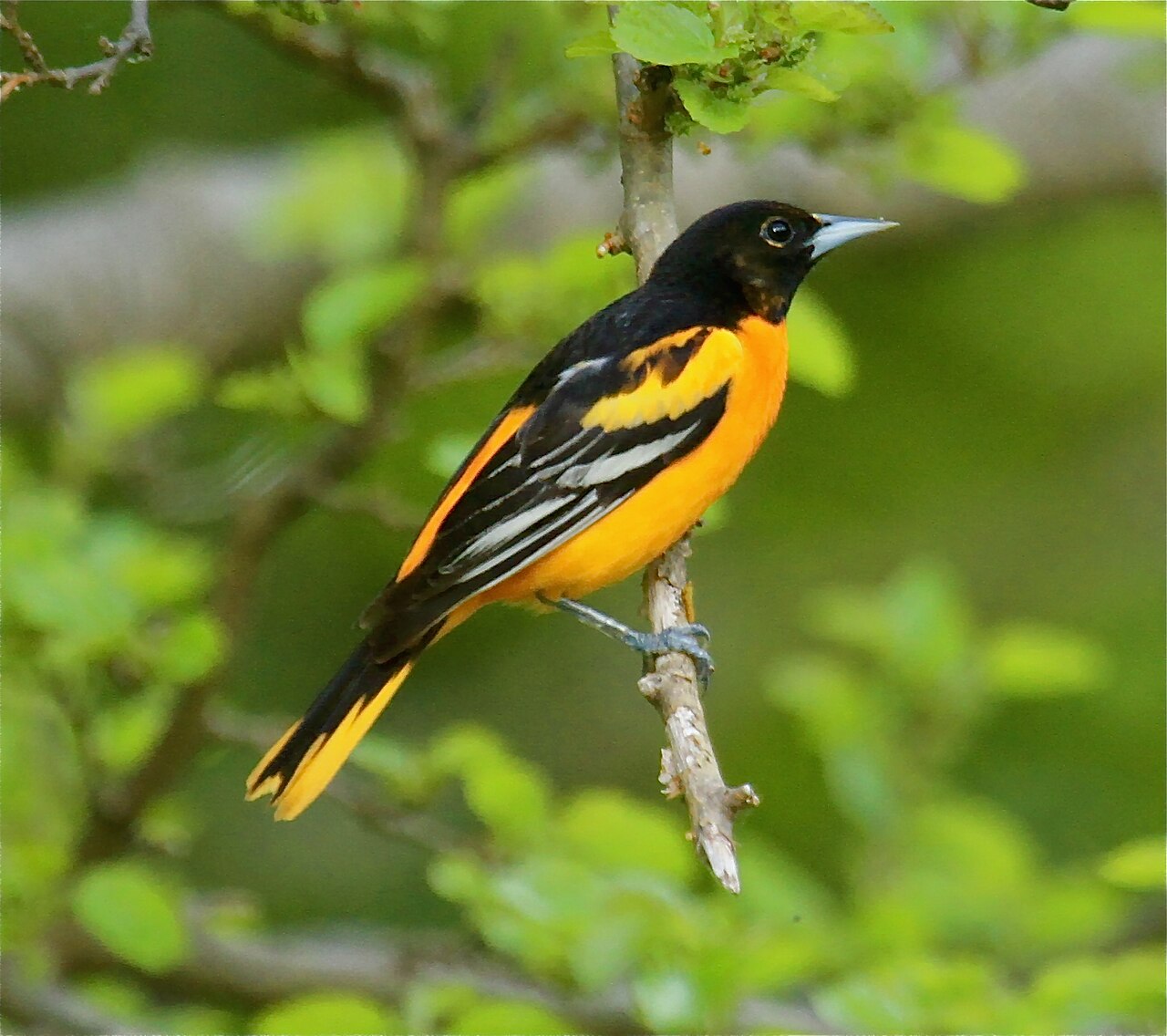 Baltimore oriole
The Baltimore oriole (Icterus galbula) is a small icterid blackbird common in eastern North America as a migratory breeding bird.
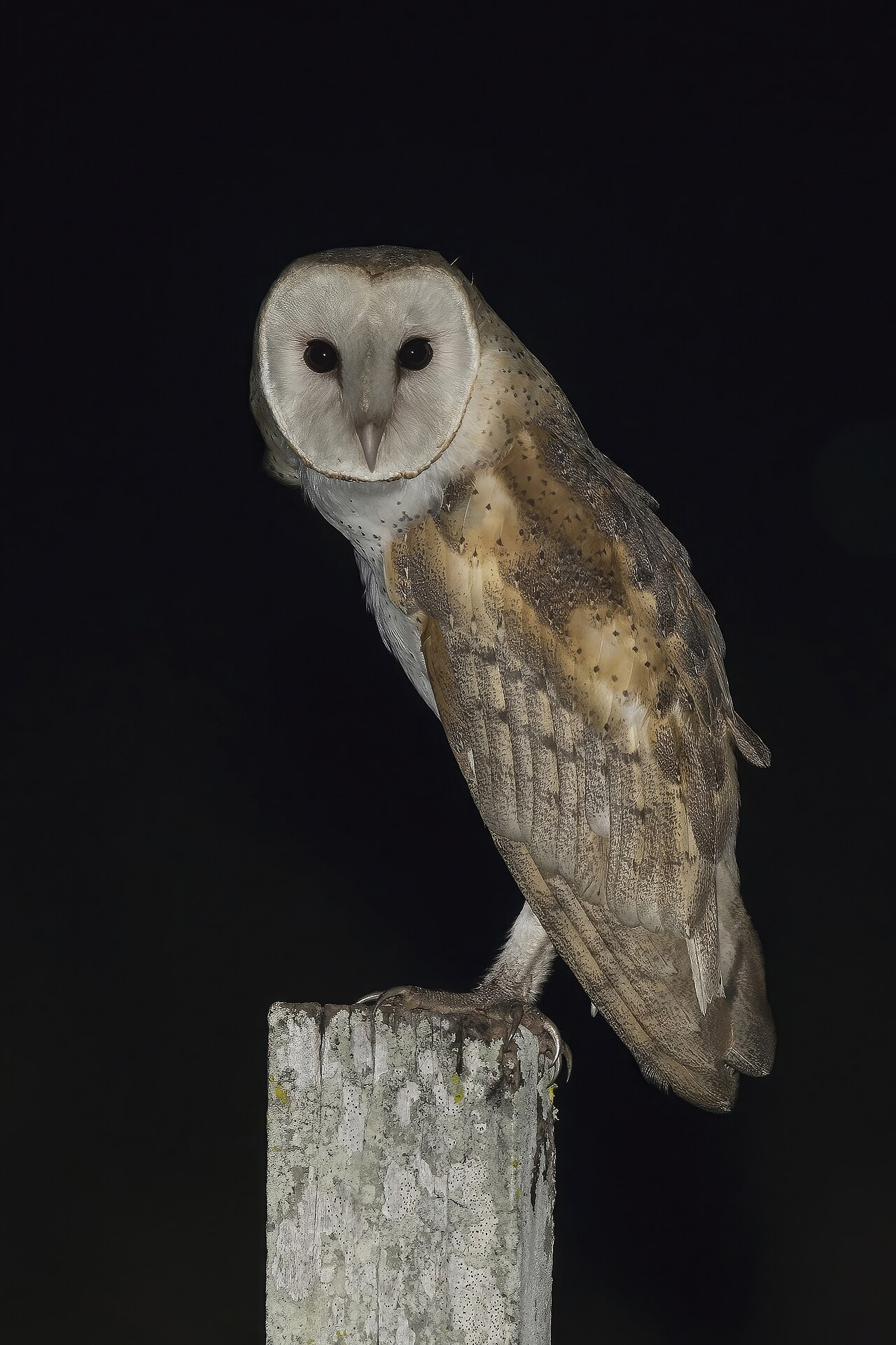 Barn owl
The barn owls are owls in the genus Tyto, the most widely distributed genus of owls in the world.
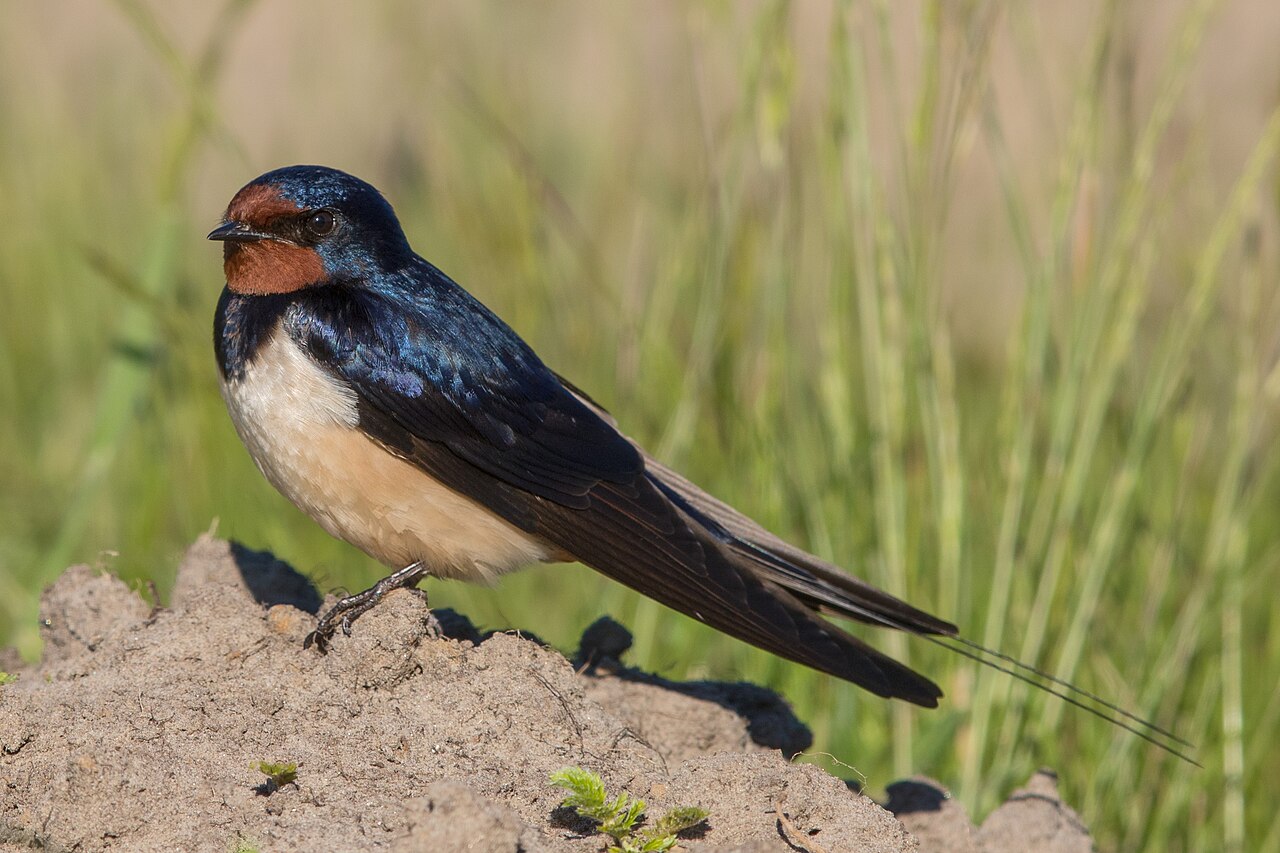 Barn swallow
The barn swallow (Hirundo rustica) is the most widespread species of swallow in the world, occurring on all continents, with vagrants reported even in Antarctica.
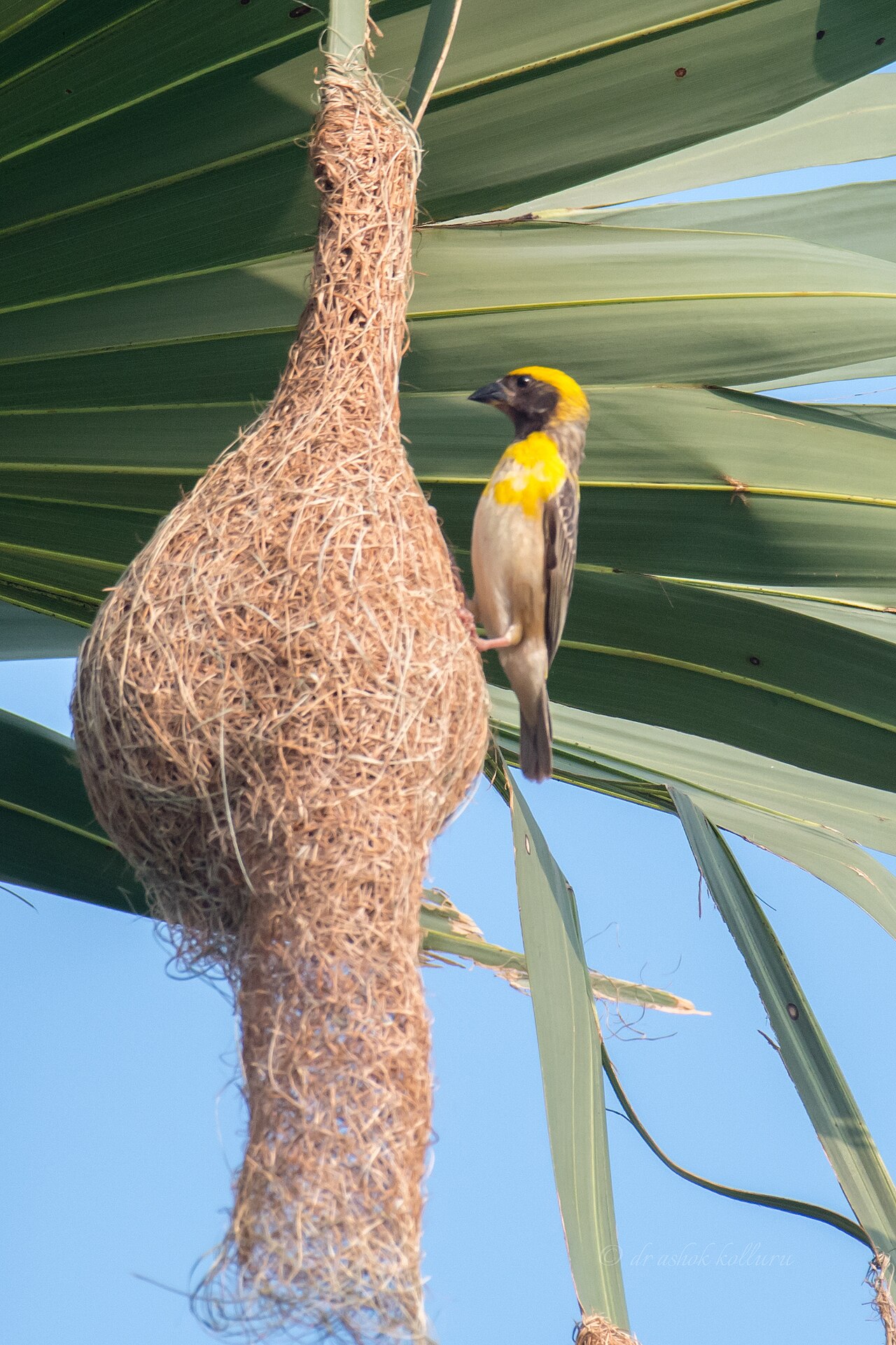 Baya weaver
The baya weaver (Ploceus philippinus) is a weaverbird found across the Indian subcontinent and Southeast Asia.
Pictures via Wikimedia Commons, free-licensed. Tap any card for its full picture and facts.
Top 10 birds name in the World
1. Peacock (मोर)

- peacock, also called peafowl, any of three species of resplendent birds of the pheasant family, Phasianidae (order Galliformes).
- In blue and green peacocks, the male has a 90–130-cm (35–50-inch) body and 150-cm (60-inch) train of tail feathers that are coloured a brilliant metallic green.
- During the breeding season, the male forms a harem of two to five hens, each of which lays four to eight whitish eggs in a depression in the ground.
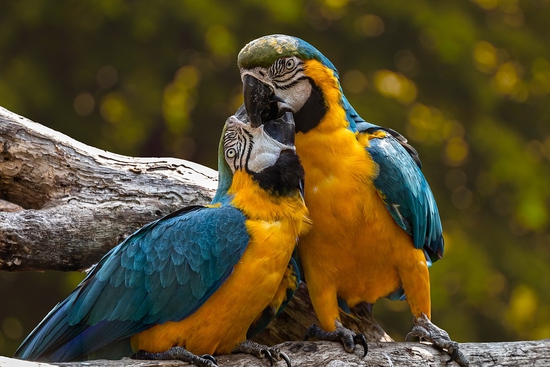
2. Parrot (तोता)

- Parrots are found in warm climates all over most of the world.
- Some parrot species are highly endangered.
- Currently the Convention on International Trade in Endangered Species (CITES) bans the sale of any wild-caught species, yet the parrots' popularity continues to drive illegal trade.
3. Swan (हंस)

- Swans are birds of the family Anatidae within the genus Cygnus.
- There are six living and many extinct species of swan; in addition, there is a species known as the coscoroba swan which is no longer considered one of the true swans.
- The number of eggs in each clutch ranges from three to eight.
4. Pigeon (कबूतर)

- About 250 species are known; two-thirds of them occur in tropical Southeast Asia, Australia, and the islands of the western Pacific.
- Pigeons are gentle, plump, small-billed birds with a skin saddle (cere) between the bill and forehead.
- The numerous genera of pigeons may be classified into subfamilies as follows.
5. Flamingo (राजहंस)

- The flamingo’s pink or reddish color comes from the rich sources of carotenoid pigments (like the pigments of carrots) in the algae and small crustaceans the birds eat.
- In order to fly, flamingos need to run a few paces to gather speed.
- Flamingos are social birds that live in groups of varying sizes, from a few pairs to sometimes thousands or tens of thousands.
6. Kingfisher (राम चिरैया)

- Most species have bright plumage with only small differences between the sexes.
- While kingfishers are usually thought to live near rivers and eat fish, many species live away from water and eat small invertebrates.
- The smallest species of kingfisher is the African dwarf kingfisher (Ispidina lecontei), which averages 10 cm (3.9 in) in length and between 9 and 12 g (0.32 and 0.42 oz) in weight.[
7. Great Egret (बगुला)

- The Great Egret is the symbol of the National Audubon Society, one of the oldest environmental organizations in North America.
- Aggression among nestlings is common and large chicks frequently kill their smaller siblings
- The oldest known Great Egret was 22 years, 10 months old and was banded in Ohio.
8. Crane (सारस)

- crane, any of 15 species of tall wading birds of the family Gruidae (order Gruiformes).
- These graceful terrestrial birds stalk about in marshes and on plains, eating small animals of all sorts as well as grain and grass shoots.
- This brownish-gray crane is about 90 to 110 cm (35 to 43 inches) long. Its call is long, harsh, and penetrating.
9. Pheasant (तीतर)

- Pheasants are characterised by strong sexual dimorphism, males being highly decorated with bright colours and adornments such as wattles.
- Pheasants eat mostly seeds, grains, roots, and berries, while in the summer they take advantage of insects, fresh green shoots, spiders, earthworms, and snails.
- The best-known is the common pheasant, which is widespread throughout the world, in introduced feral populations and in farm operations.
10. Blue jay (नीलकंठ)

- The blue jay feeds mainly on seeds and nuts, such as acorns, which it may hide to eat later;[2] soft fruits; arthropods; and occasionally small vertebrates.
- It builds an open cup nest in the branches of a tree; both sexes participate.
- The blue jay measures 22–30 cm (9–12 in) from bill to tail and weighs 70–100 g (2.5–3.5 oz), with a wingspan of 34–43 cm (13–17 in).


 Menu
💬 Comments
Login to comment
No comments yet. Be the first to share your experience!