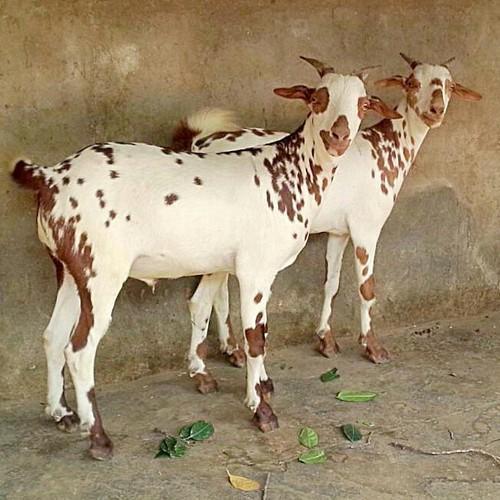
How to spot a Barbari
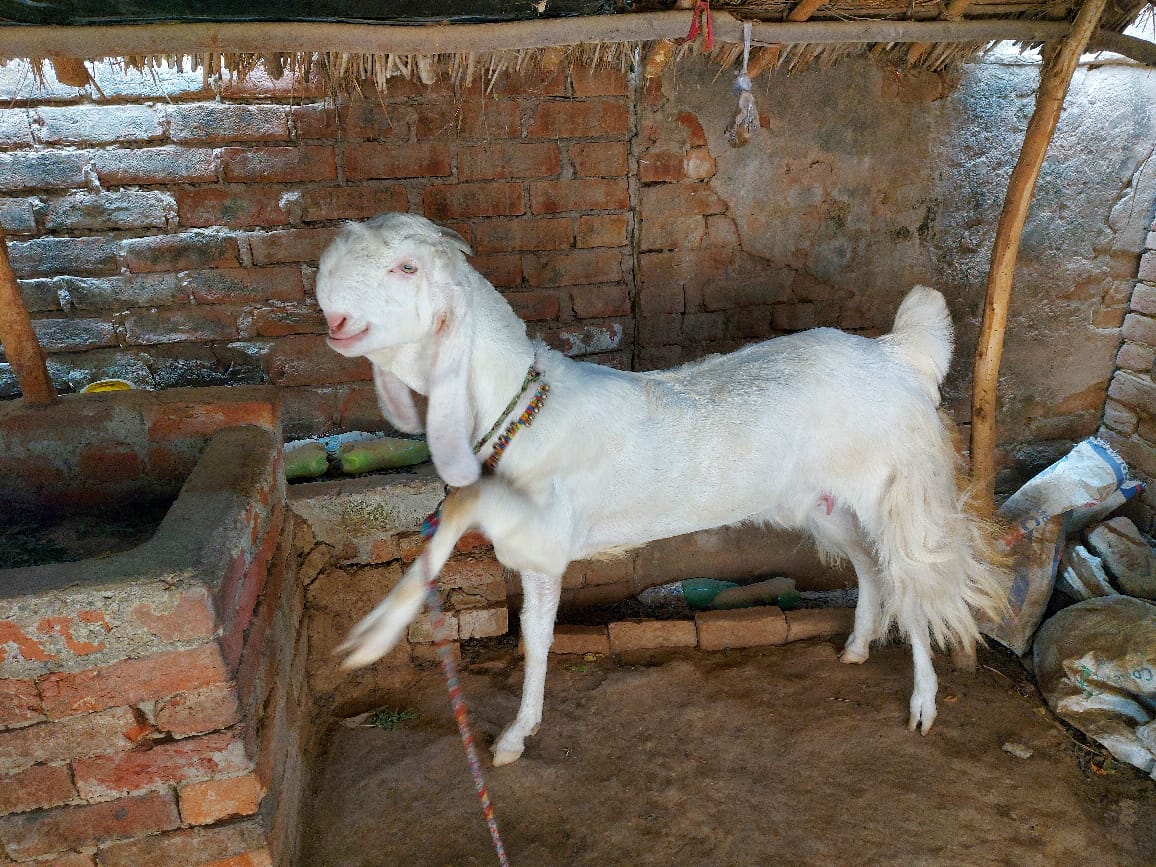
The Barbari is easy to pick out of a crowded goat market. It is a small, compact animal — an adult buck around 38 kg, a doe about 23 kg — with a short coat that is usually white flecked with small reddish-brown spots, though solid-coloured ones turn up. The giveaway is the head: small, neat and alert, with short ears that stand up and point forward. Almost every other Indian goat has drooping ears, so those erect ears and the wide, slightly bulging eyes give the Barbari a deer-like look you won't mistake for anything else. Most carry small horns, though a naturally polled strain exists.
One myth to clear early: the name is often said to come from Berbera in Somalia, and sellers repeat it as fact — but that origin is disputed, and the breed is now treated as native to the Indian subcontinent.
Where it belongs
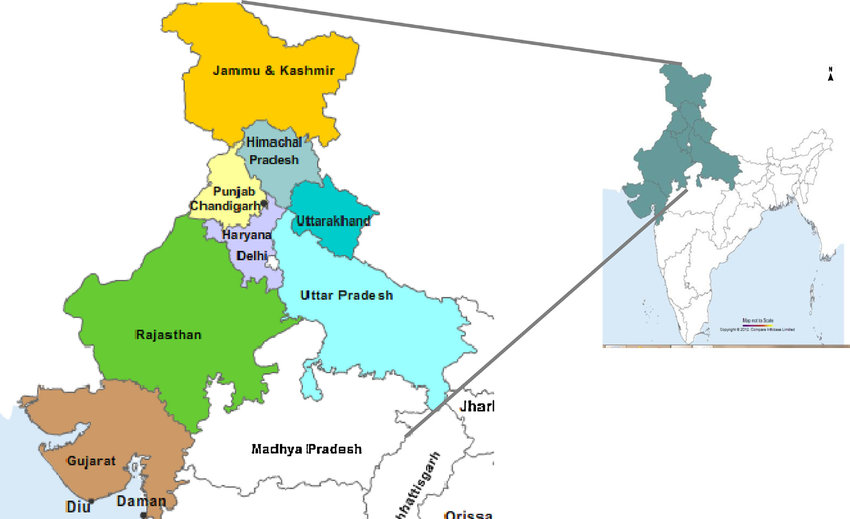
The recognised home of the Barbari is the belt of western Uttar Pradesh between the Ganga and Yamuna — the Etawah, Agra, Mathura and Aligarh districts — spilling into neighbouring Rajasthan. From there it has spread across Haryana, Punjab and well beyond, with a large population in Pakistan too. It is no accident that the ICAR Central Institute for Research on Goats sits at Makhdoom, near Mathura, right inside the home tract — much of what is genuinely known about the Barbari comes from decades of recorded work there, not from market talk.
The real reason to keep one
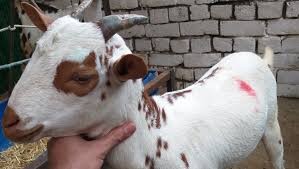
The Barbari's reputation is one of the few in the goat trade that holds up: it breeds fast and young. In a long CIRG feeding trial the share of does giving twins rose with each kidding — about 15% at the first, climbing toward 40% in later ones — well above the twinning seen in the larger Jamunapari over the same study. Well-fed does averaged around two kids per doe per year, and triplets, though uncommon, did occur. It matures early too — puberty recorded near eight months, and first conception around ten months on good feeding against well over a year on plain grazing. Kids are born small, about 1.5 kg, and grow away quickly.
There is an honest catch. The twinning and early kidding are real but not automatic — they rise with good feeding and with the doe's age. A first-timer or an underfed animal on scrub more often gives a single, and that two-kids-a-year figure comes from properly fed does; on poor feed it can drop to about one. This is exactly why the Barbari suits stall-feeding and small peri-urban units: it tolerates being penned and fed, and pays the feed back in kids. Expect triplets off roadside grazing and you'll be let down; feed it well and it earns its keep.

Meat and milk, without the sales pitch
The Barbari is kept mainly for meat, and it has a real name for quality — a small, well-fleshed carcass that finishes young, which is what makes it popular in intensive systems. Don't expect bulk: it is small-framed, so any one animal yields modestly. What it offers is numbers and turnover, not size.
On milk, be realistic. Recorded yields sit around 107 litres over a lactation of about 150 days — modest in litres, but fair for a goat this size, and enough to raise a set of twins with a little to spare. It is a reasonable milker, not a dairy breed; if steady household milk is the aim, a Jamunapari will out-yield it. Judge the Barbari on kids and meat, and take the milk as a bonus.
What to check before you buy
Start with age, and read it off the teeth, not the seller's word: a kid has small milk incisors, and each pair of permanent teeth marks roughly another year. Look for a bright, tight coat, clear eyes, a clean nose and free movement. On a doe, feel the udder for softness with no lumps or hard patches, and if you are paying for prolificacy ask about her kidding record — better, see her with kids at foot, because a proven twinner beats a promise. On a buck, check both testicles are present, even and firm.
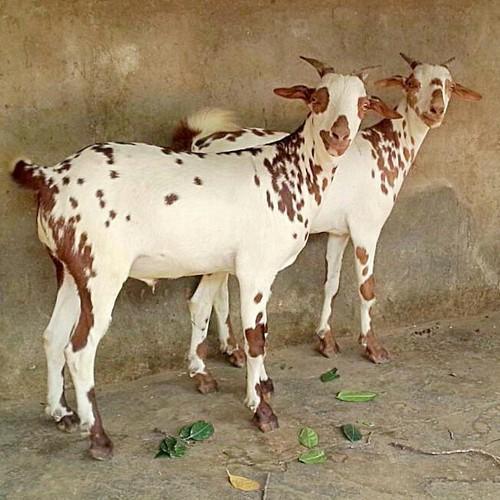
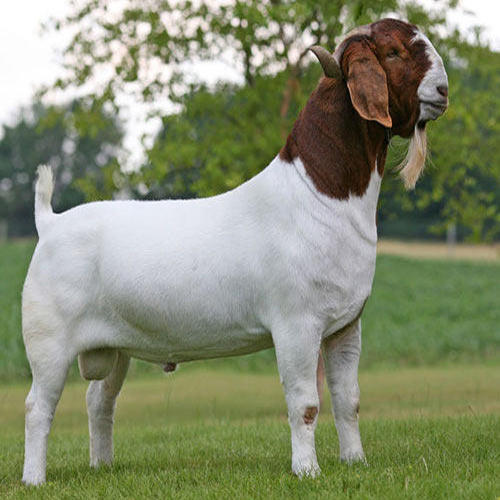
Confirm the breed with your own eyes. The small erect ears and white, spotted coat mark a true Barbari; crosses with local or Jamunapari goats are common and get passed off as pure, so a large, plain, floppy-eared animal called a "Barbari" is a red flag — if you are paying purebred money, ask to see the parents. And be skeptical of the "four kids a year, always triplets" pitch: the prolificacy is real, but it depends on feeding and age, so judge what a doe will do on your feed, not the best case. On price, the box at the top of this page shows what sellers on Animalsss have actually been asking for Barbari goats, which is a better guide than any single quoted rate.
Figures here come from the Wikipedia Barbari goat entry with its cited sources, and from ICAR–Central Institute for Research on Goats (CIRG, Makhdoom) work, including a Journal of Agricultural Science study of Barbari reproductive performance.


 Menu
Menu
💬 Comments
Login to comment
No comments yet. Be the first to share your experience!