
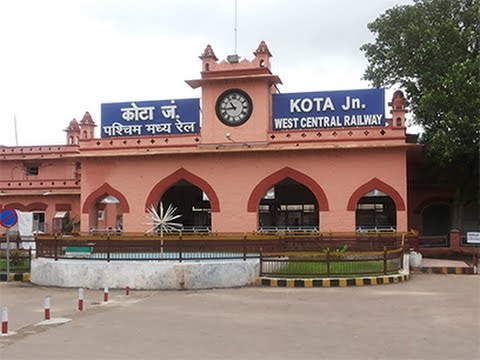
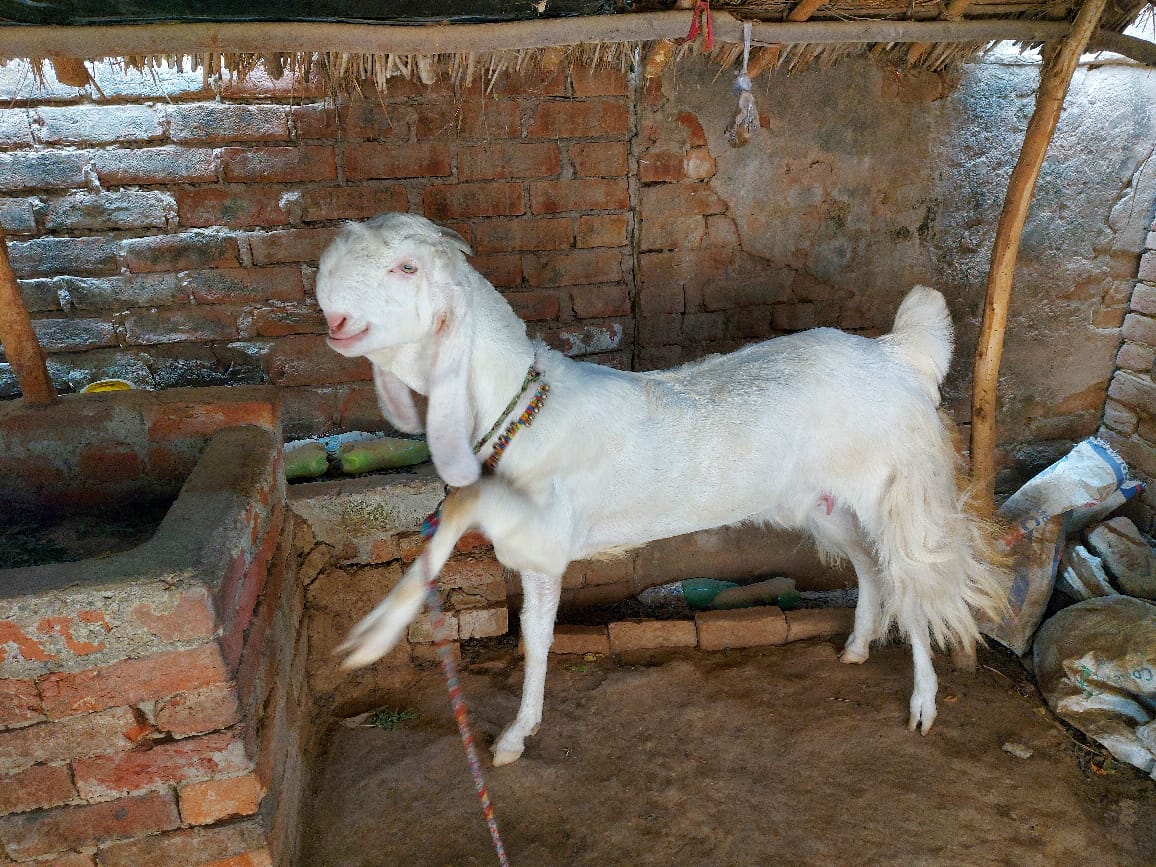
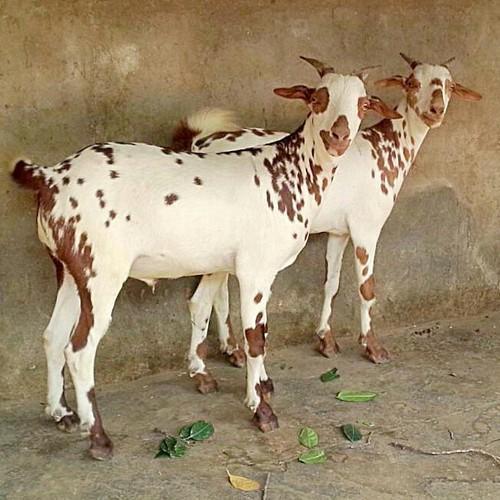
If you have been searching for a "Kota goat," it helps to know what you are actually looking at. There is no separate breed officially called the Kota goat. In the livestock records it is the Karauli (also written Karoli) goat, one of the black meat goats of south-east Rajasthan, and the Kota, Bundi and Baran belt sits squarely inside its home ground. So an animal sold as "Kota breed" in the mandis around Kota is, in breed terms, almost always a Karauli or a Karauli-type local goat.
Where it comes from
The Karauli is a Rajasthan breed listed among the country's registered indigenous goats by ICAR-NBAGR, alongside two other Rajasthani meat goats, the Sojat and the Gujari. Its home tract runs across the south-east of the state — Kota, Bundi, Baran and Sawai Madhopur — the dry, broken "Dang" country of ravines and open scrub along the Chambal. That landscape matters: this is a goat bred to walk and forage, not one built for a shed.
Be honest with yourself about the paperwork, though. The Karauli is nowhere near as well documented as the Sirohi or the Beetal. You will find it named in ICAR breed lists and a few regional studies, but carefully surveyed figures for it are thin. Treat confident-sounding breed "specs" from a seller with the same caution.

How to recognise one
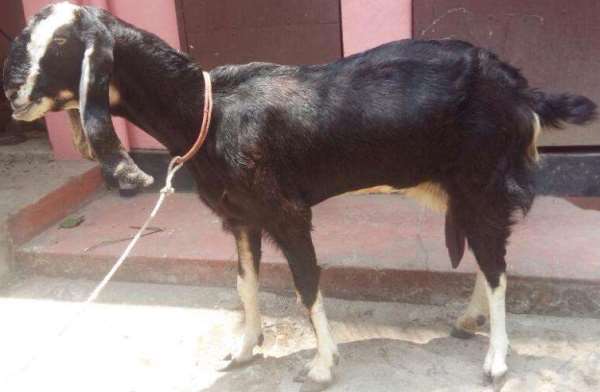
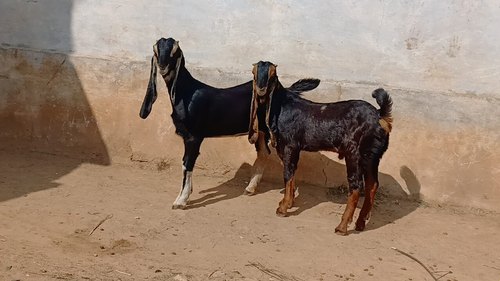
The most consistent marker people report is colour: a largely black body with the lower part of the legs turning brown or tan. The build is that of a proper meat goat — a solid, deep-bodied frame that fills out well when the animal has room to graze. Beyond the coat, there is no reliable published "typical weight" or height figure for this breed the way there is for Sirohi, so judge the animal standing in front of you, not a number someone quotes at you.
What it is kept for
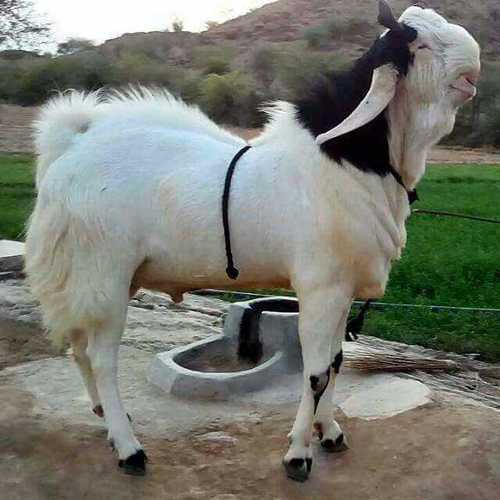
First and foremost, meat. The Karauli's local reputation is for lean, low-fat meat, and it sells well in markets across Rajasthan and neighbouring Uttar Pradesh. It does its best growing out on open grazing — fields, fallow land and ravine scrub — rather than penned on bought feed, so it suits a farmer who has land to range it on.
Some households also milk it, but do not buy it as a dairy animal. It is kept mainly for meat, and the daily milk-yield numbers you see repeated in regional articles come from casual reporting, not a controlled survey, so don't build a plan around them.
What to check before you buy
Breed label aside, the same practical checks decide whether an animal is worth the money:
Age. Read it off the teeth, not off the seller. A goat cuts its first pair of permanent (bigger) front teeth at around a year and adds roughly a pair a year after that — count them rather than trusting a stated age.
Health. Bright, clear eyes; a clean, glossy coat; no scouring under the tail; steady breathing. A pot-belly with a dull coat usually means worms, not condition.
The right animal for the job. On a doe, feel the udder for lumps or hardness; on a buck you mean to breed, check that both testicles are present and even. Watch it walk — no limps or swollen joints.
See the parents and the herd. If you are paying extra for a "pure Kota/Karauli," ask to see the dam and the rest of the flock. Because this type blends into the local Sirohi-cross meat goats of the region, a purity claim you can't see behind is just talk.
On price, ignore any single "going rate" someone quotes you. The box at the top of this page shows what sellers on Animalsss have actually been asking for Kota goats, which is a better guide than any single quoted rate.
Breed details here follow ICAR-NBAGR's registered-breed listing, which records the Karauli among Rajasthan's goat breeds, together with Indian agricultural-press reporting on the Karauli/Karoli goat; documentation for this breed is genuinely limited, so where firm surveyed figures don't exist — adult body weight, milk yield — this post deliberately leaves the number out rather than guess.

 Menu
Menu
💬 Comments
Login to comment
No comments yet. Be the first to share your experience!