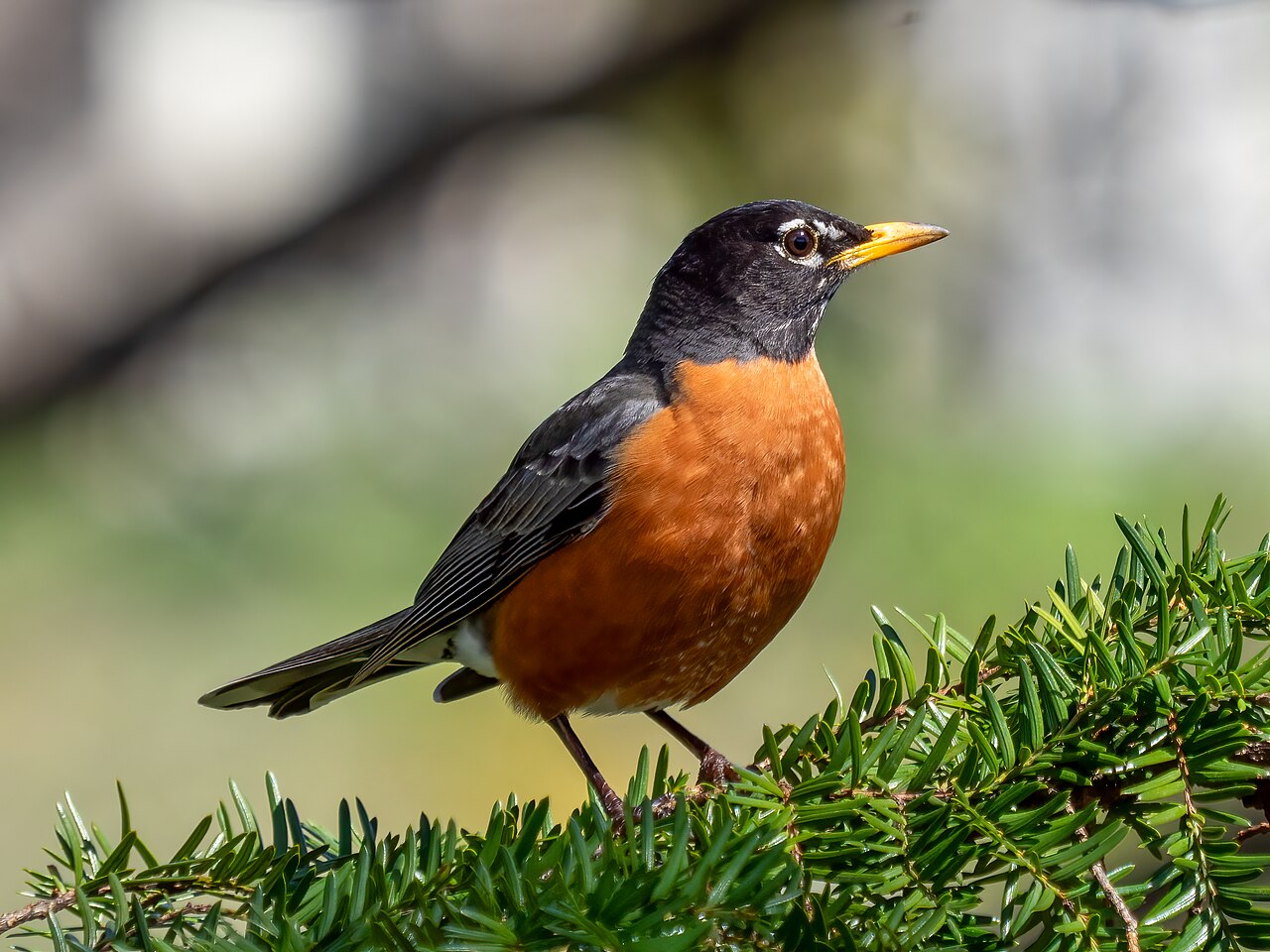
 American robin
The American robin (Turdus migratorius) is a migratory bird of the true thrush genus and Turdidae, the wider thrush family.
American robin
The American robin (Turdus migratorius) is a migratory bird of the true thrush genus and Turdidae, the wider thrush family.
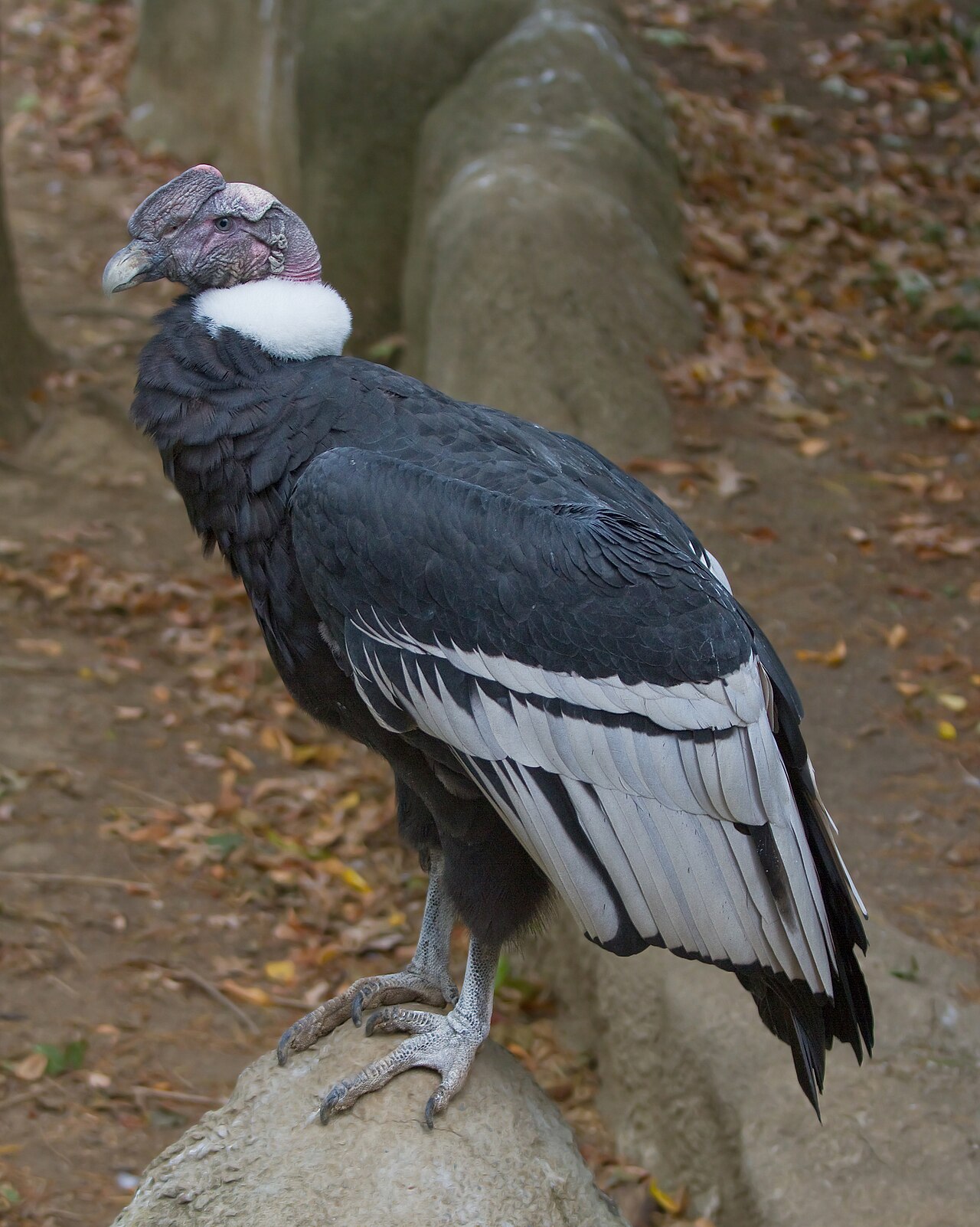 Andean condor
The Andean condor (Vultur gryphus) is a South American New World vulture and is the only extant member of the genus Vultur.
Andean condor
The Andean condor (Vultur gryphus) is a South American New World vulture and is the only extant member of the genus Vultur.
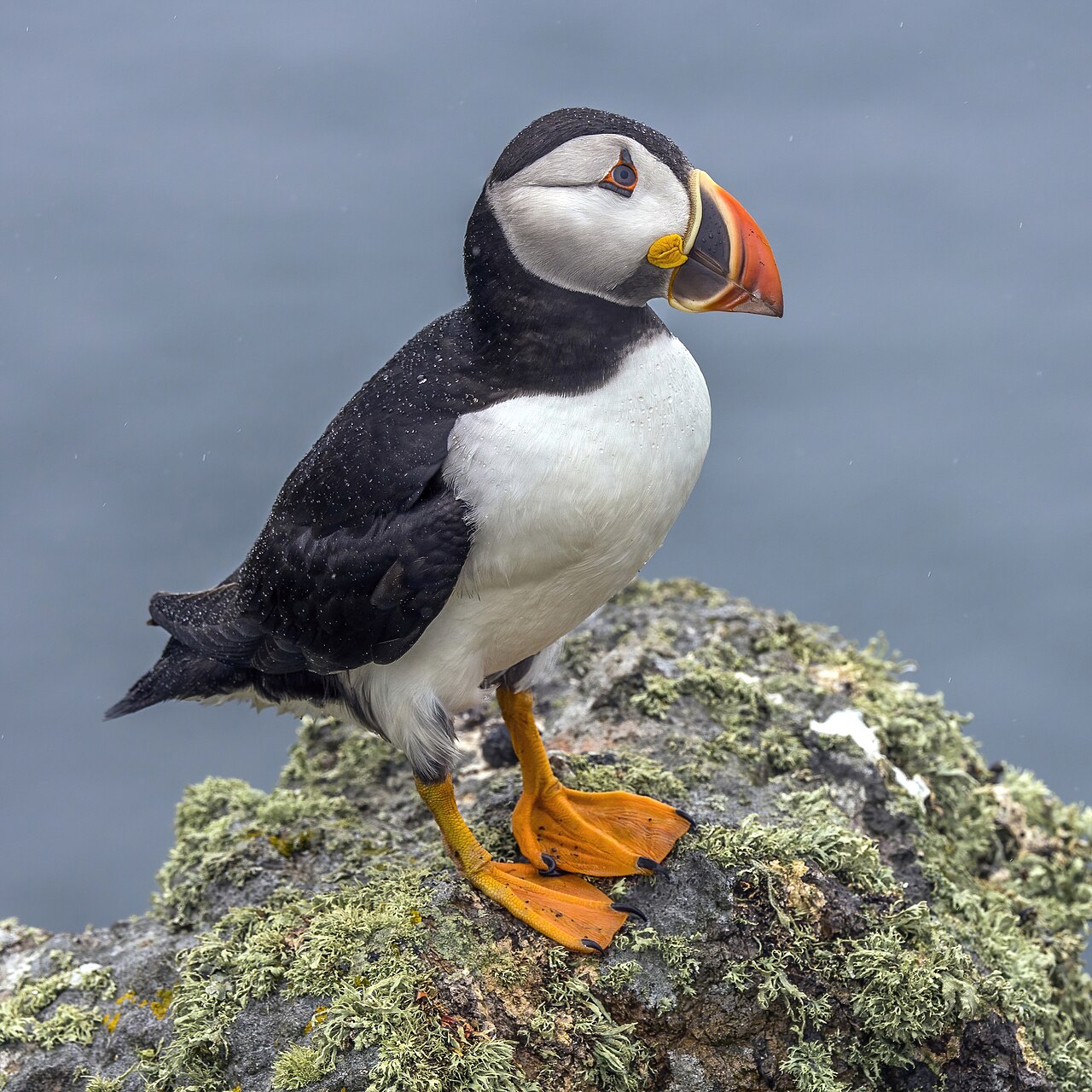 Atlantic puffin
The Atlantic puffin (Fratercula arctica), also known as the common puffin, is a species of seabird in the auk family.
Atlantic puffin
The Atlantic puffin (Fratercula arctica), also known as the common puffin, is a species of seabird in the auk family.
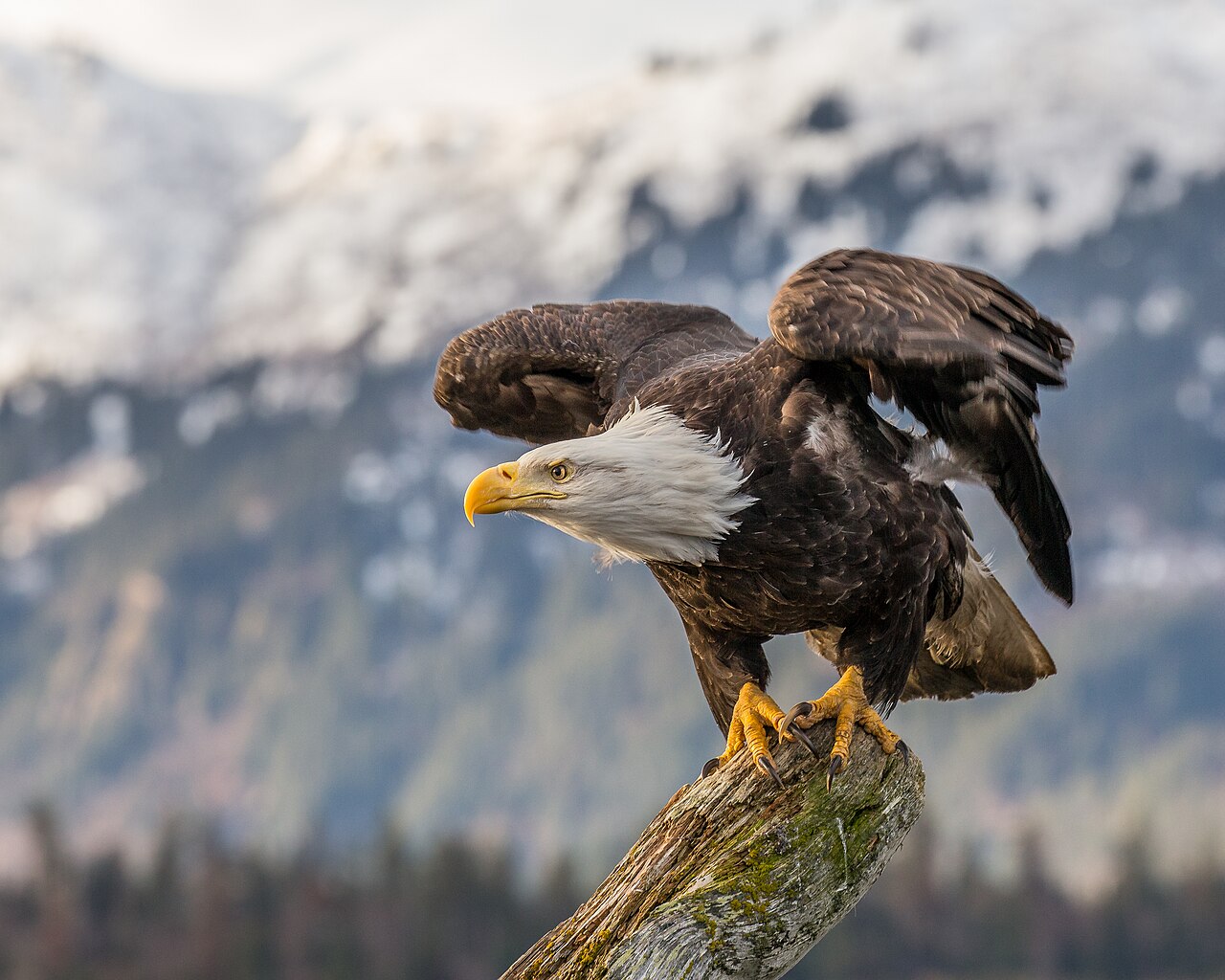 Bald eagle
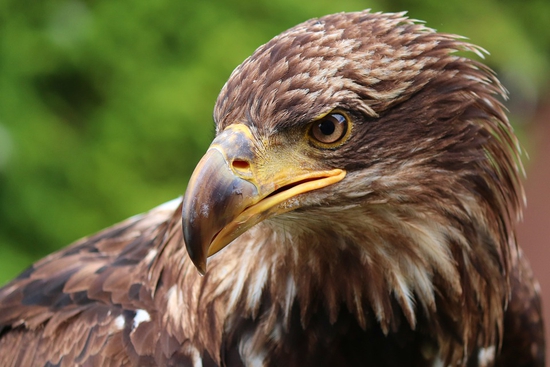
The bald eagle (Haliaeetus leucocephalus) is a bird of prey found in North America.
Bald eagle
The bald eagle (Haliaeetus leucocephalus) is a bird of prey found in North America.
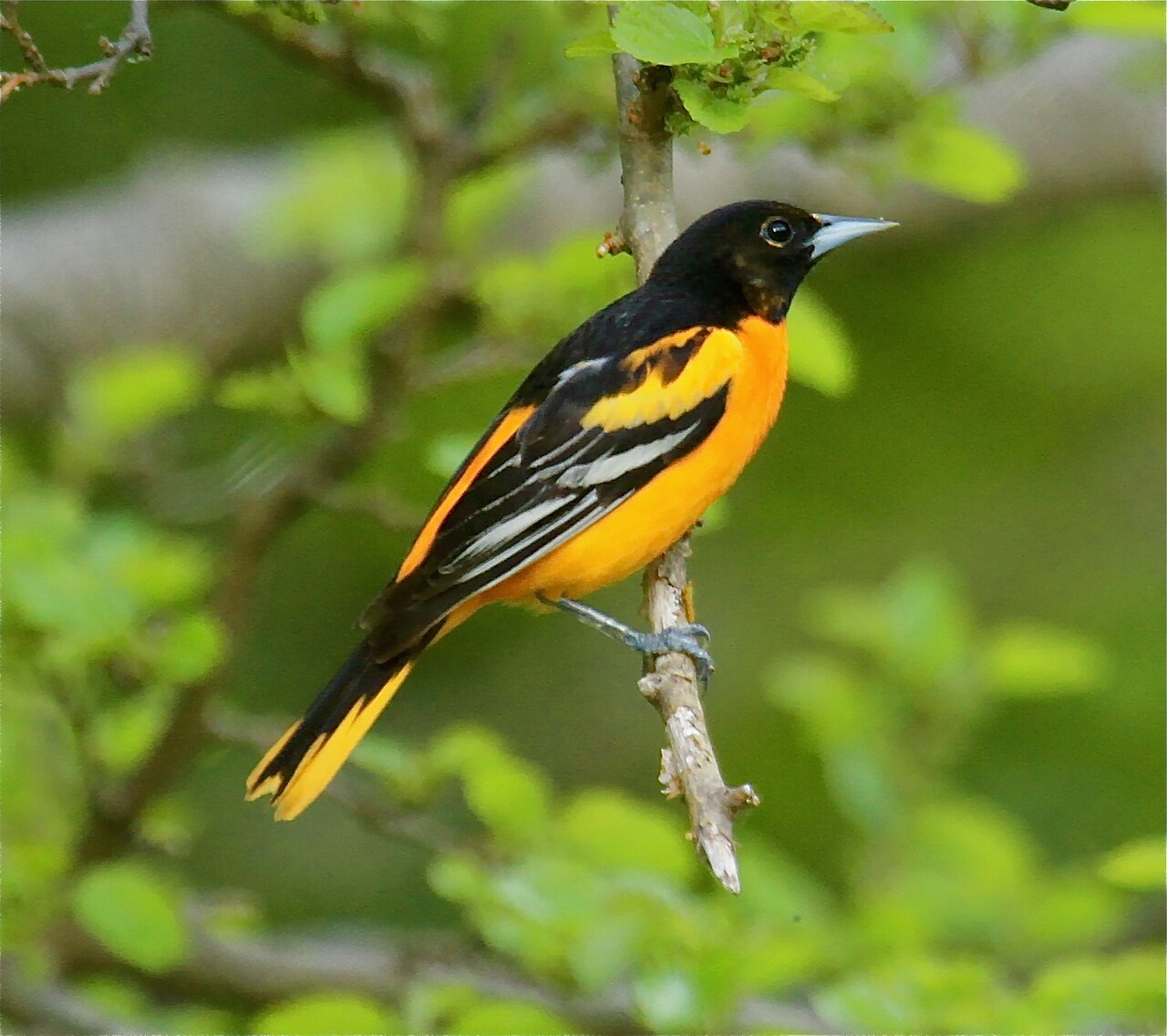 Baltimore oriole
The Baltimore oriole (Icterus galbula) is a small icterid blackbird common in eastern North America as a migratory breeding bird.
Baltimore oriole
The Baltimore oriole (Icterus galbula) is a small icterid blackbird common in eastern North America as a migratory breeding bird.
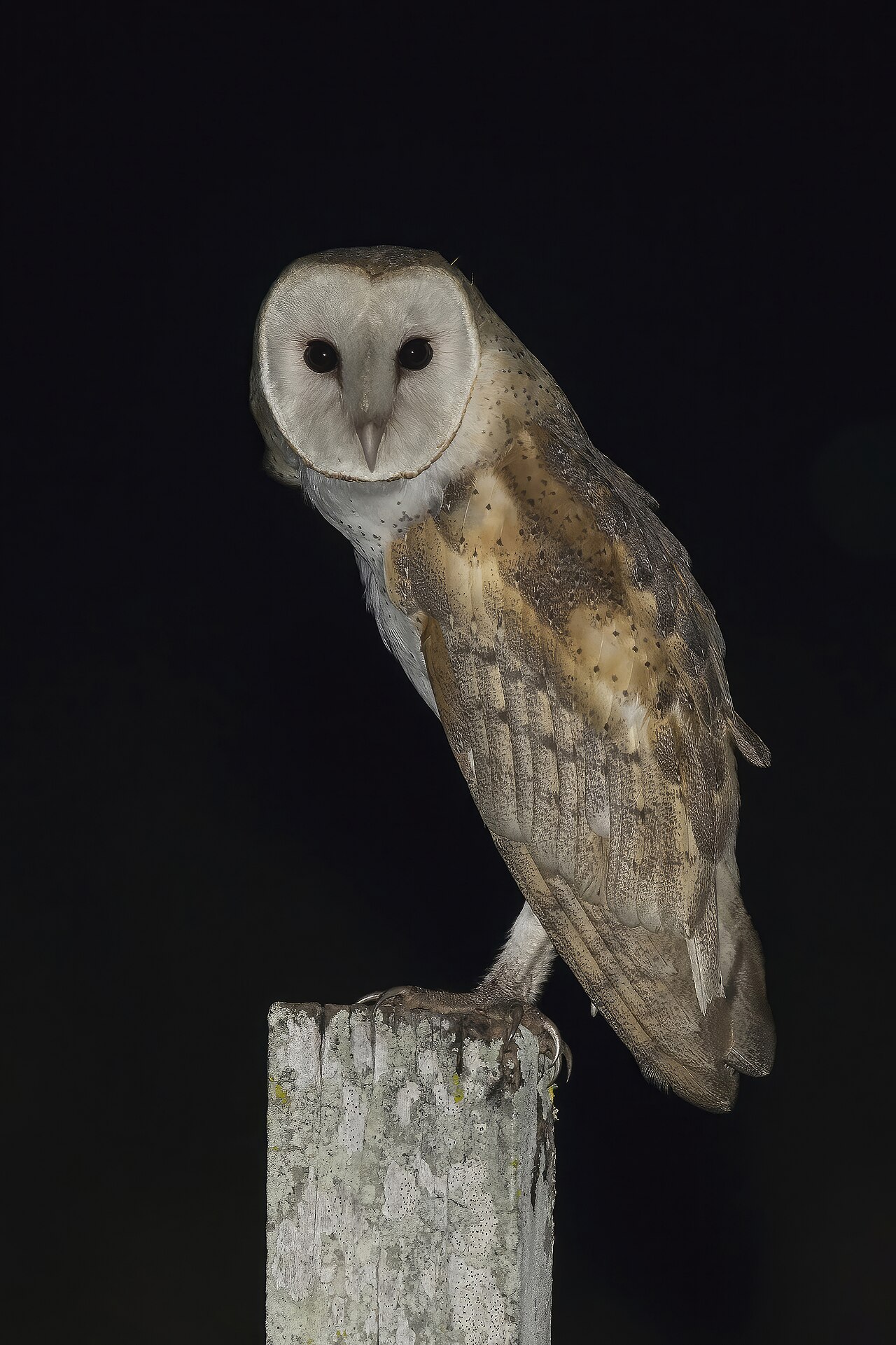 Barn owl
The barn owls are owls in the genus Tyto, the most widely distributed genus of owls in the world.
Barn owl
The barn owls are owls in the genus Tyto, the most widely distributed genus of owls in the world.
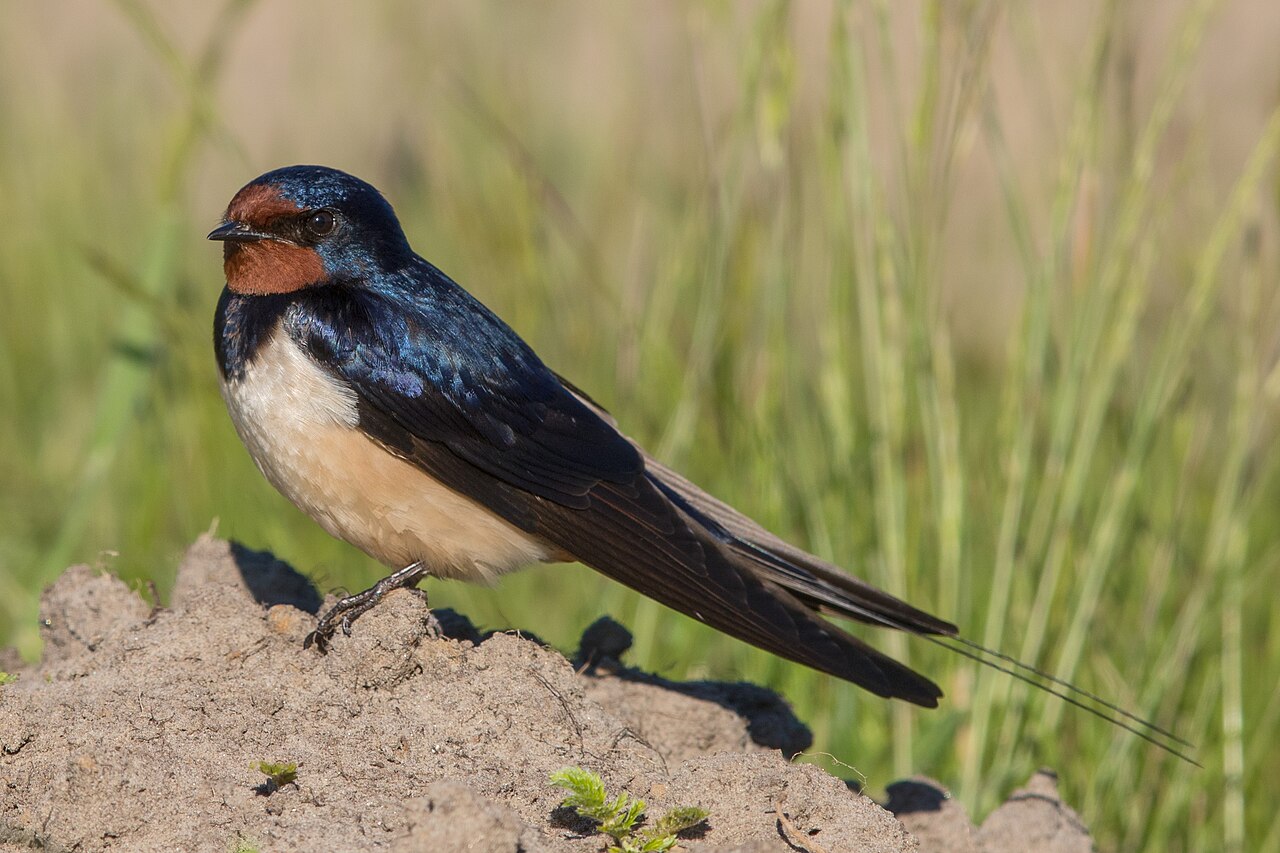 Barn swallow
The barn swallow (Hirundo rustica) is the most widespread species of swallow in the world, occurring on all continents, with vagrants reported even in Antarctica.
Barn swallow
The barn swallow (Hirundo rustica) is the most widespread species of swallow in the world, occurring on all continents, with vagrants reported even in Antarctica.
 Baya weaver
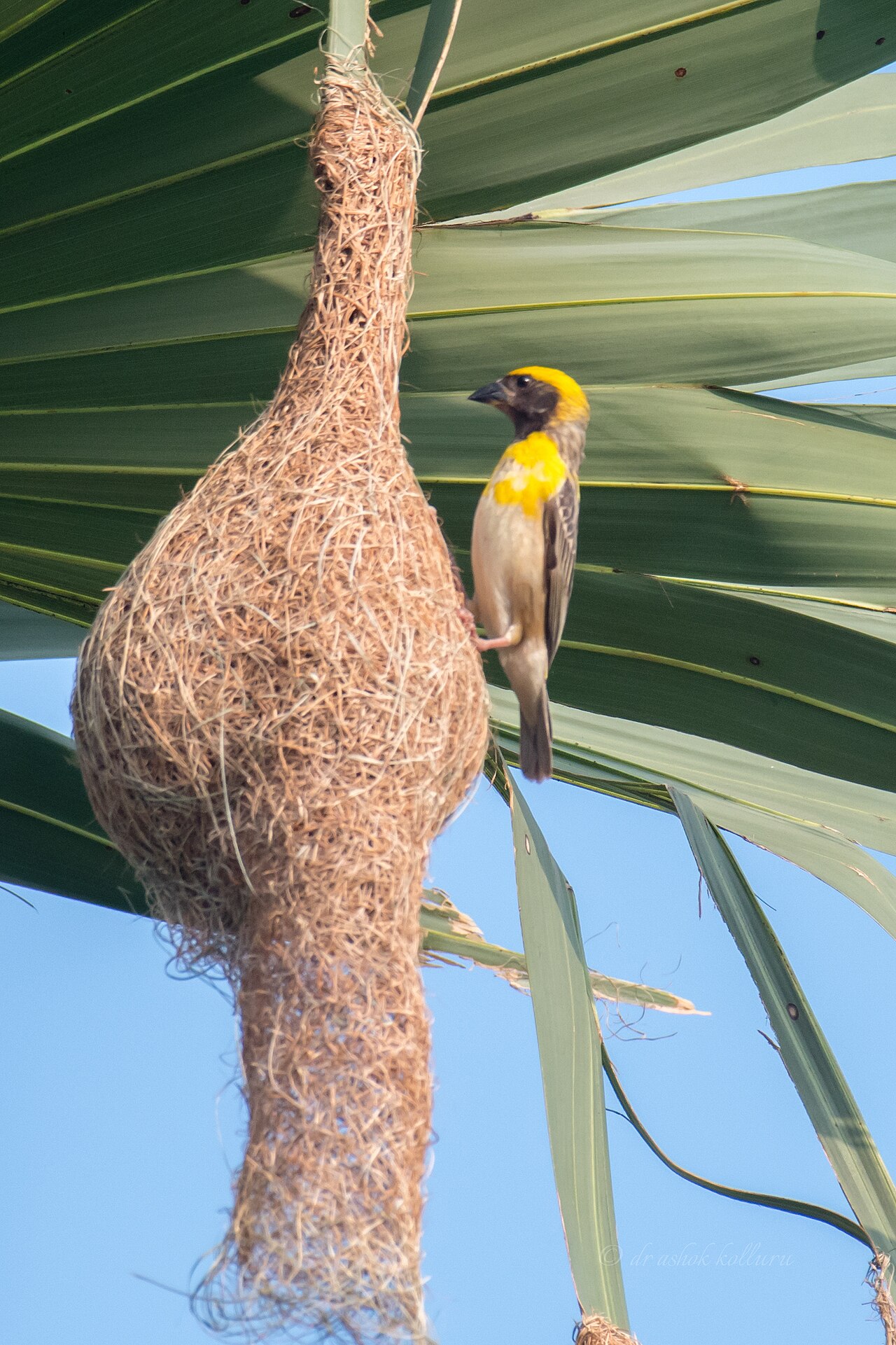
The baya weaver (Ploceus philippinus) is a weaverbird found across the Indian subcontinent and Southeast Asia.
Baya weaver
The baya weaver (Ploceus philippinus) is a weaverbird found across the Indian subcontinent and Southeast Asia.
Pictures via Wikimedia Commons, free-licensed. Tap any card for its full picture and facts.
fastest bird in the world
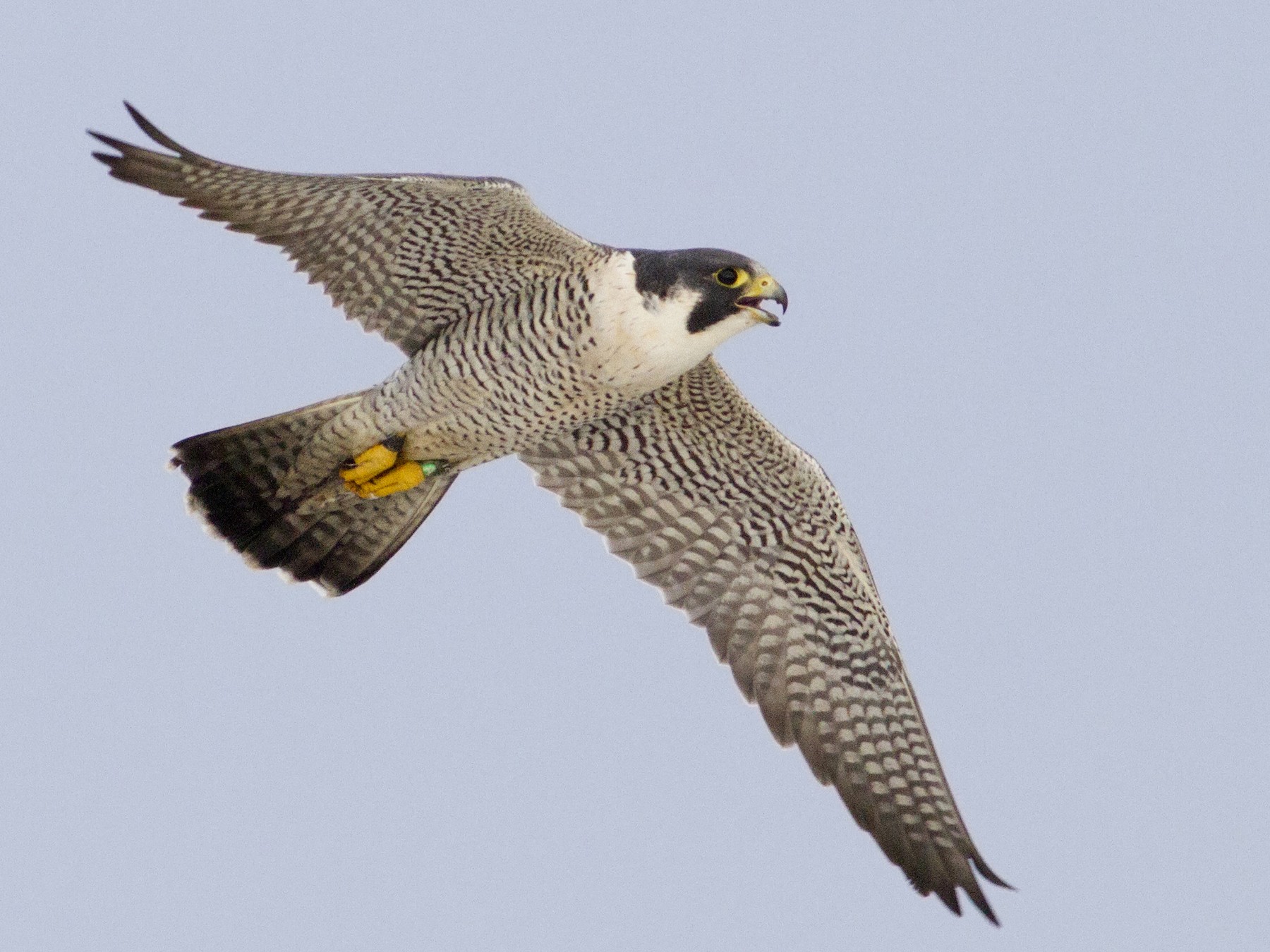
1. Peregrine Falcon
speed- 389 km/h(242 mph)
species- Falco peregrinus
family- Falconidae
- The peregrine falcon (Falco peregrinus), also known as the peregrine,[2] and historically as the duck hawk in North America,
- With a top speed of 242 mph, peregrine falcon is the fastest living creature on Earth.
- Peregrine falcons are one of the most common birds of prey and are found on all continents except Antarctica
- The peregrine falcon is a well-respected falconry bird due to its strong hunting ability, high trainability, versatility, and availability via captive breeding
- The Common Swift has officially lost its crown as the fastest-flying animal in the sky.
2. Saker falcon
Speed-320 km/h (200 mph)
Species-Falco cherrug
Family-Falconidae
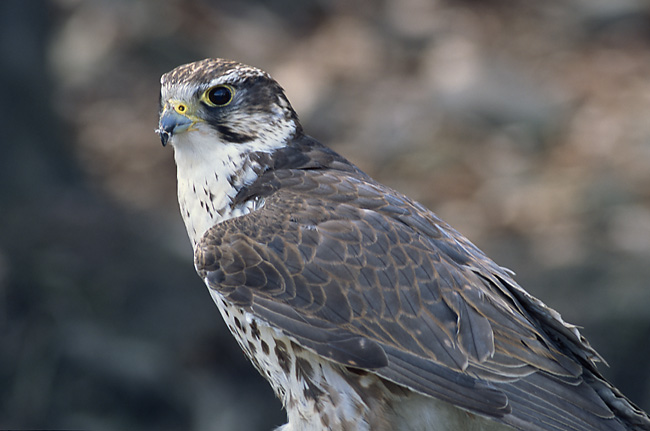
- The saker falcon (Falco cherrug) is a large species of falcon.
- The saker falcon is such an important element of some cultures that it was named the national bird of Mongolia.
- Saker falcons tend to have variable plumage. Males and females are similar, except in size, as are young birds, although these tend to be darker and more heavily streaked.
- This species usually builds no nest of own, but lays its 3–6 eggs in an old stick nest in a tree which was previously used by other birds such as storks, ravens or buzzards.
3. Golden eagle
Speed - 322 km/h(200 mph)
Species - Aquila chrysaetos
Family - Accipitridae
- The golden eagle (Aquila chrysaetos) is a bird of prey living in the Northern Hemisphere. It is the most widely distributed species of eagle.
- The golden eagle is a symbol of both size and power.
- One of the largest raptors in North America, the golden eagle is a powerful brown bird with trademark golden feathers on its head and neck.
- This powerful eagle has a length between 26-40 inches and weigh up to 7 kg.
Golden eagles can also fly at an attitude of 10000-15000 feet.

4. Gyrfalcon
Speed - 187–209 km/h (116–130 mph)
Species -Falco rusticolus
Family - Falconidae
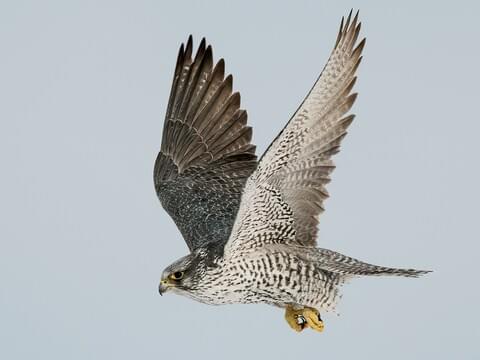
- The white-feathered gyrfalcon is a fascinating species in many different ways. It is believed to be the largest falcon species in the world.
- Gyrfalcons also has exceptional control over their speedy dive.
- The gyrfalcon was formally described by the Swedish naturalist Carl Linnaeus in 1758 in the tenth edition of his Systema Naturae under its current binomial name Falco rusticolus.
- They also chase their prey, following them from behind, quickly and low to the ground.
5. White-throated needletail
Speed --169 km/h(105 mph
Species - Hirundapus caudacutus
Family - Apodidae
- While the peregrine falcon and golden eagle show remarkable speed when diving after prey, other birds are much faster in level flight.
- hailing from East Asia, it spends a great deal of time in the air, feeding on small flying insects.
- The spine tailed swift is a migratory bird.
- At the end of winter they return back to their breeding grounds.
- The specific name caudacutus comes from the Latin words cauda meaning "tail" and acutus meaning "pointed"

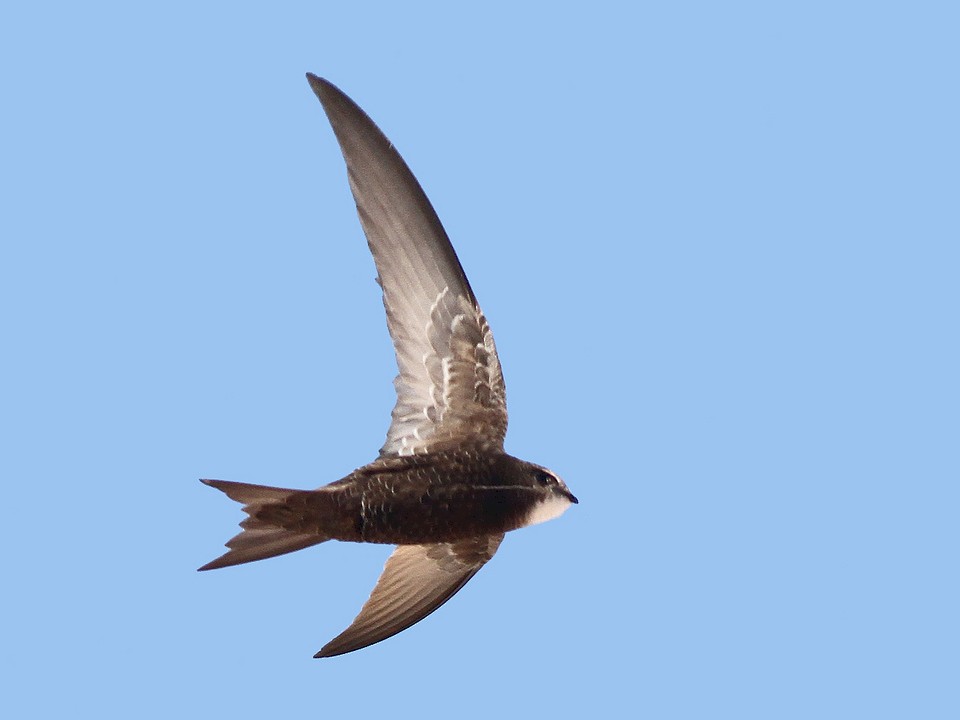
6.Common swift
Speed -166 km/h
Species - Apus apus
Family - Apodi
- The common swift (Apus apus) is a medium-sized bird, superficially similar to the barn swallow or house martin but somewhat larger,
- though not stemming from those passerine species, being in the order Apodiformes.
- When common swifts get together to mate — at what scientists call "screaming parties" — they turbo boost their speed.
- It spends the spring and summer in its natural breeding territories of Europe and Asia and travels to the southern part of Africa for the winter
7. Eurasian hobby
Speed -159 km/h
Species - Falco subbuteo
Family- Apodi
- The Eurasian Hobby is a small, slender species of falcon that breeds in Europe and Asia and then migrates as far south as the tip of Africa for the winter.
- These falcons are believed to be able to reach speeds up to 99 mph (159 km/h) when they snatch small birds and dragonflies out of the air.
- It became the trademark for the Subbuteo games company after its creator, who was an ornithologist, was refused permission to register "Hobby".

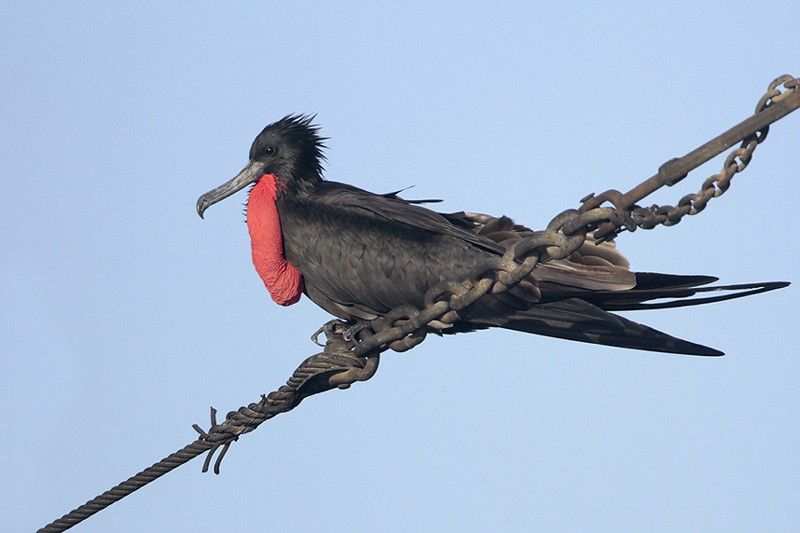
8. Frigatebird
Speed- 153 km/h
Species - Fregata magnificens
Family- Fregatidae
- Frigatebirds can fly for weeks at a time.
- Their main prey are fish and squid, caught when chased to the water surface by large predators such as tuna.
- Separation from Magnificent Frigatebird can be difficult; note pale wing panel in males and indistinct pale throat in females (Magnificent females have a clean all-dark head).
- Chases other seabirds to steal their prey.
- Classified in the genus Limnofregata, the three species had shorter, less-hooked bills and longer legs, and lived in a freshwater environment.
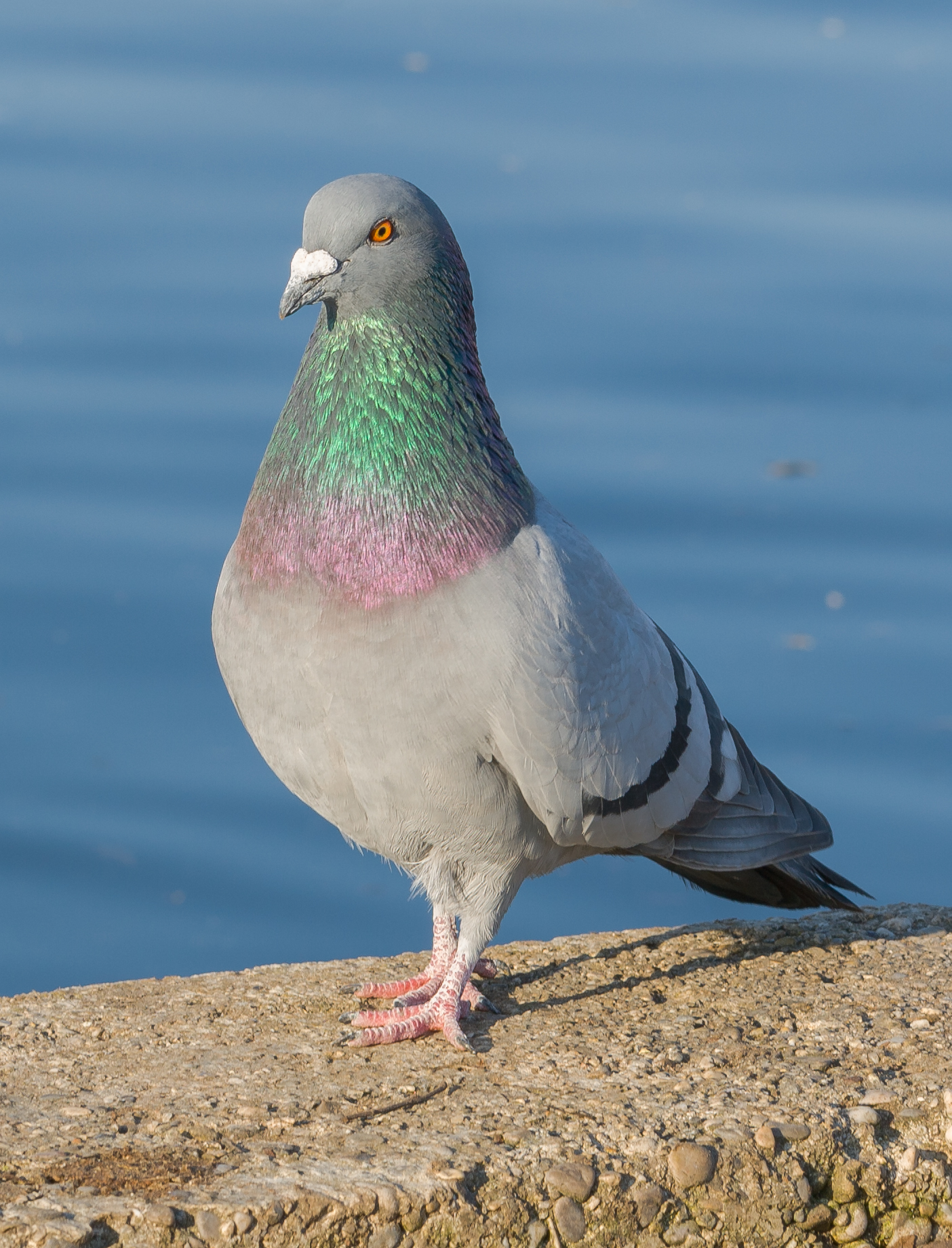
9. Rock dove (pigeon)
Speed- 148.9 km/h
Species - C. livia
Family- Columbidae
- Fairly large pigeon with wild and feral populations throughout the world.
- Aristophanes (Birds, 304) and others use the word κολυμβίς (kolumbis), "diver", for the name of the bird, because of its swimming motion in the air.
- The rock dove was first described by German naturalist Johann Gmelin in 1789.
- In places it has reverted to wild habits, nesting on cliffs far from cities.
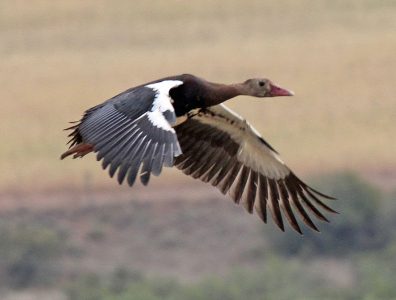
10. Spur-winged goose
Speed- 142 km/h
Species - P. gambensis
Family - Anatidae
- It has a warty red bill, face, and legs.
- Africa were found to average only 3.87 kg (8.5 lb), with a range of 2.4 to 5.4 kg (5.3 to 11.9 lb)
- During breeding displays or in instances of alarm, both sexes may utter other inconspicuous calls.
- The poison is also stored in their wing spurs, making them that much deadlier.
- They occasionally ingest toxic beetles, in which their body absorb the insects’ poisons, making their own flesh deadly for humans to consume.
fastest birds in the world
world's fastest bird
| 1 | Peregrine Falcon |
| 2 | Raw |
| 3 | Variety |
| 4 | Cow Feed, Cattle, Buffalo Feed |
| 5 | Bag |
| 6 | All Life Stages |
| 7 | Unilac Gold : 5062 |
| 8 | Frigatebird |
| 9 | Rock dove (pigeon) |
| 10 | Spur-winged goose |


 Menu
Menu
💬 Comments
Login to comment