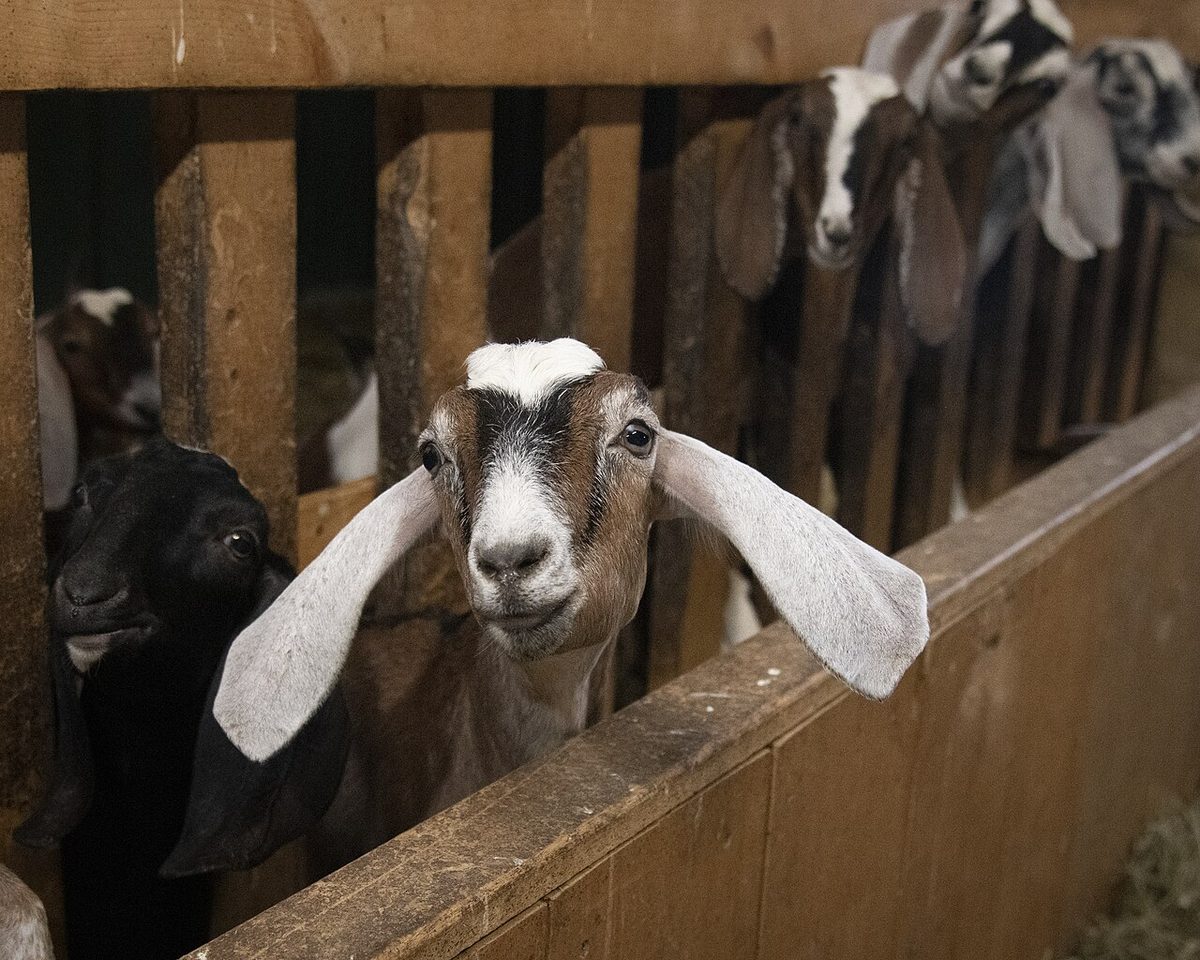
Starting a goat farm in the United States can be hard to plan. Goats can produce meat, milk, cheese, wool or fiber, and skins. They can also provide useful services. But markets, production costs, rules, and suitable breeds can differ from one area to another. Before you buy animals, decide what your goats will do and who is likely to buy your product or service.
A sound goat farming plan begins with a clear purpose. A meat herd will have different goals from a dairy enterprise or a brush-control operation. Your local climate, available buyers, and nearby services should guide the final decision. When information is not available for your area, speak with a nearby vet, dealer, processor, or appropriate government office.
Choose the Right Goat Enterprise for Your Farm
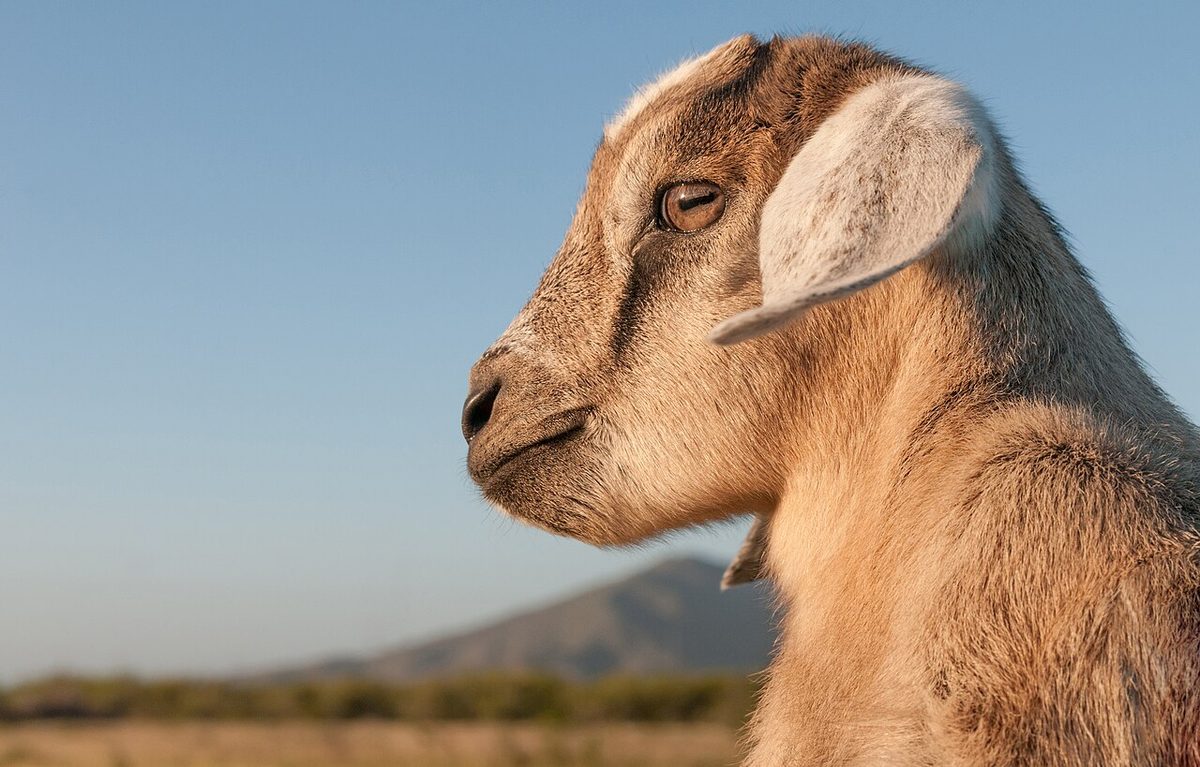
Goats can support several types of farm businesses. You do not have to limit your enterprise to selling meat. The best choice depends on the market you can reach and the work you want the animals to perform.
Meat production
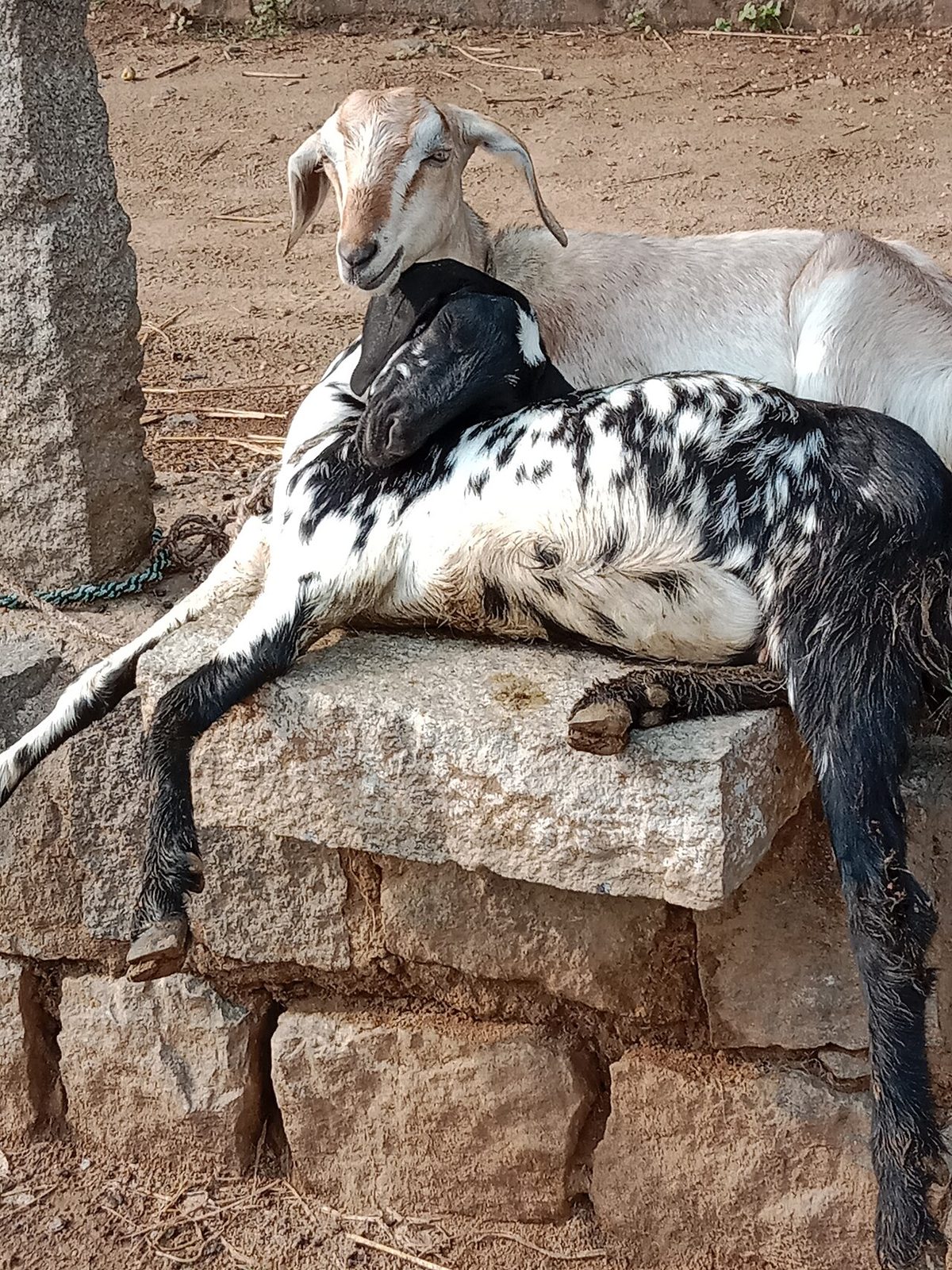
Goat meat is still less commonplace than many other meats in the United States. However, it has developed niche demand, especially in markets serving immigrant communities from Asia and Africa.
There are other signs of demand. Some upscale restaurants and purveyors in New York City and San Francisco offer goat meat. Certain Costco stores also carry whole frozen goats. In Brady, Texas, the Annual World Championship BBQ Goat Cook-Off has been held annually since 1973.
These examples do not guarantee that a buyer is available near your farm. They do show why you should study the people, stores, restaurants, and processors in your own market before setting a herd size.
Dairy, fiber, skins, and farm services
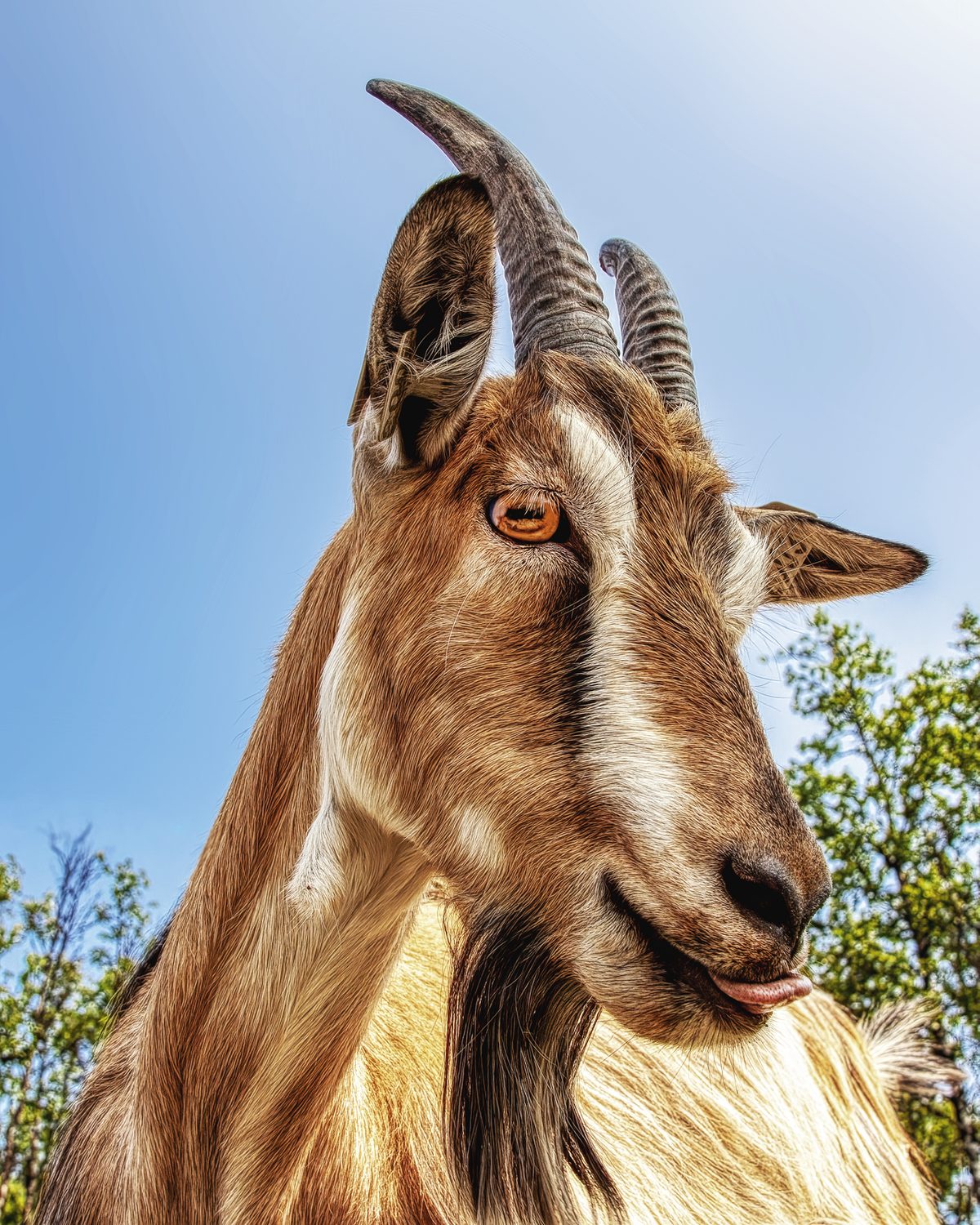
Goats may also be kept for milk, wool or fiber, and skins. Goat milk is often processed into cheese. If you are considering milk or cheese, check the rules that apply to dairy processing, raw milk, transport, and direct sales in your location.
Wethers, which are castrated male goats, can add other possibilities. They may be used as:
- Pack animals
- Flock leaders
- Pets
- Browsing animals for weed and brush control
Wethers are the standard choice for pack goats because they are stronger and larger than does but more pliable than bucks. They can also browse difficult terrain and consume forage that other ruminants will not touch. This makes them useful when brush control, rather than breeding, is the main goal.
Build Your Market Plan Before Buying Goats

A goat enterprise needs a specific buyer, not just general interest in goats. Begin by deciding whether you want to sell animals, meat, milk, cheese, fiber, skins, or a service such as brush control. Then ask local buyers what they actually need.
Do not assume that a national market example reflects your local price. A set of United States price observations contains 254 rows covering chicken meat, cattle meat, hen eggs, cow milk, turkey meat, pig meat, and honey, but it contains no goat commodity price. Current prices for live goats, goat meat, goat milk, and breeding stock therefore need to be checked locally.
Startup costs, operating costs, margins, and suitable herd sizes also depend on the local situation. Ask nearby dealers and buyers for current figures. If slaughter or processing is part of your plan, speak with the processor before you settle on production dates or sales terms.
Use language your buyers understand
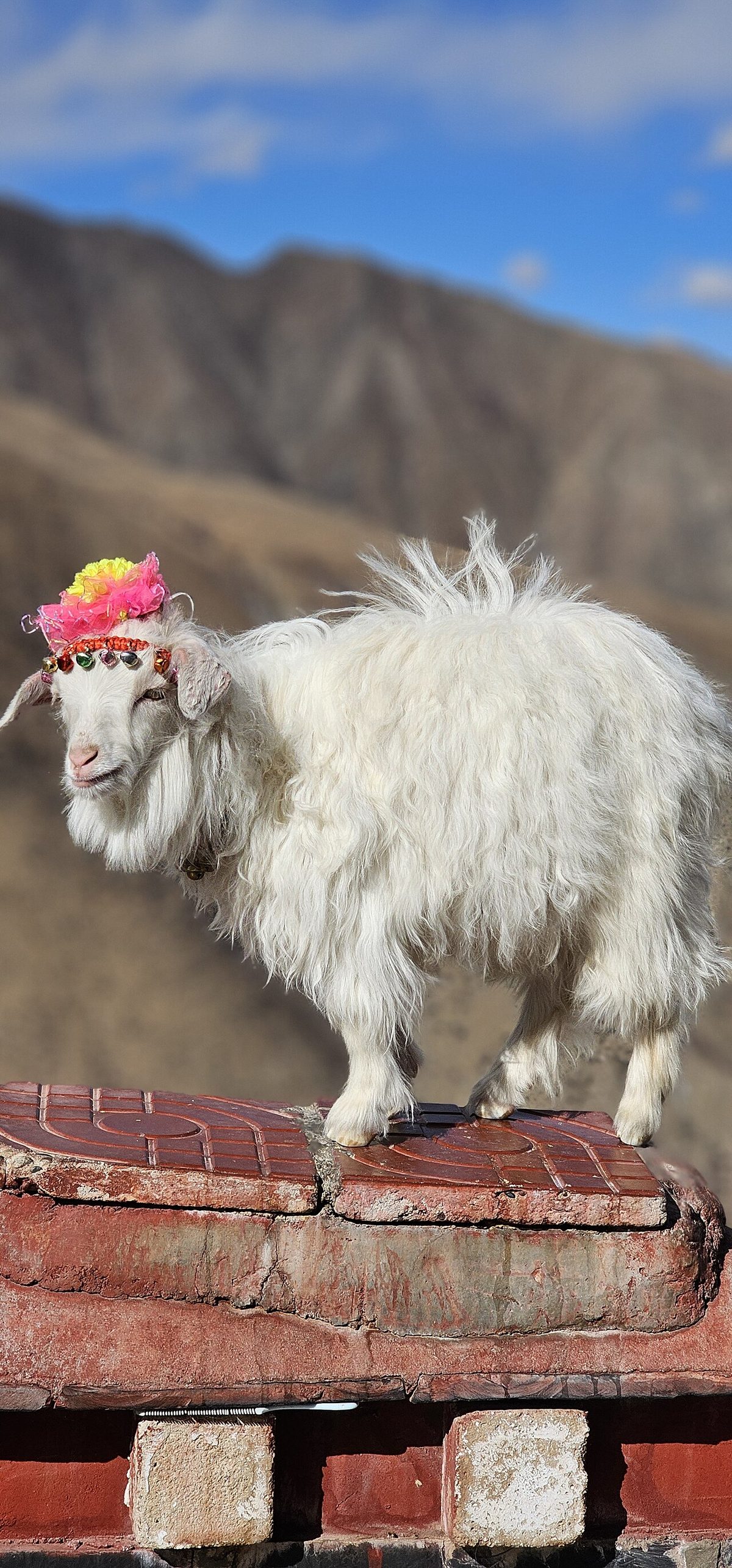
The word used for goat meat can vary. A trade association coined the term chevon in 1922, and the United States Department of Agriculture adopted it in 1928. The name did not catch on in the United States.
The use of mutton also varies. Some sellers and communities, particularly in South Asian cuisine, use mutton for goat meat. Others treat lamb and mutton as separate from goat meat. When speaking with a buyer, describe the product clearly rather than assuming everyone uses the same name.
Select Animals for a Clear Purpose
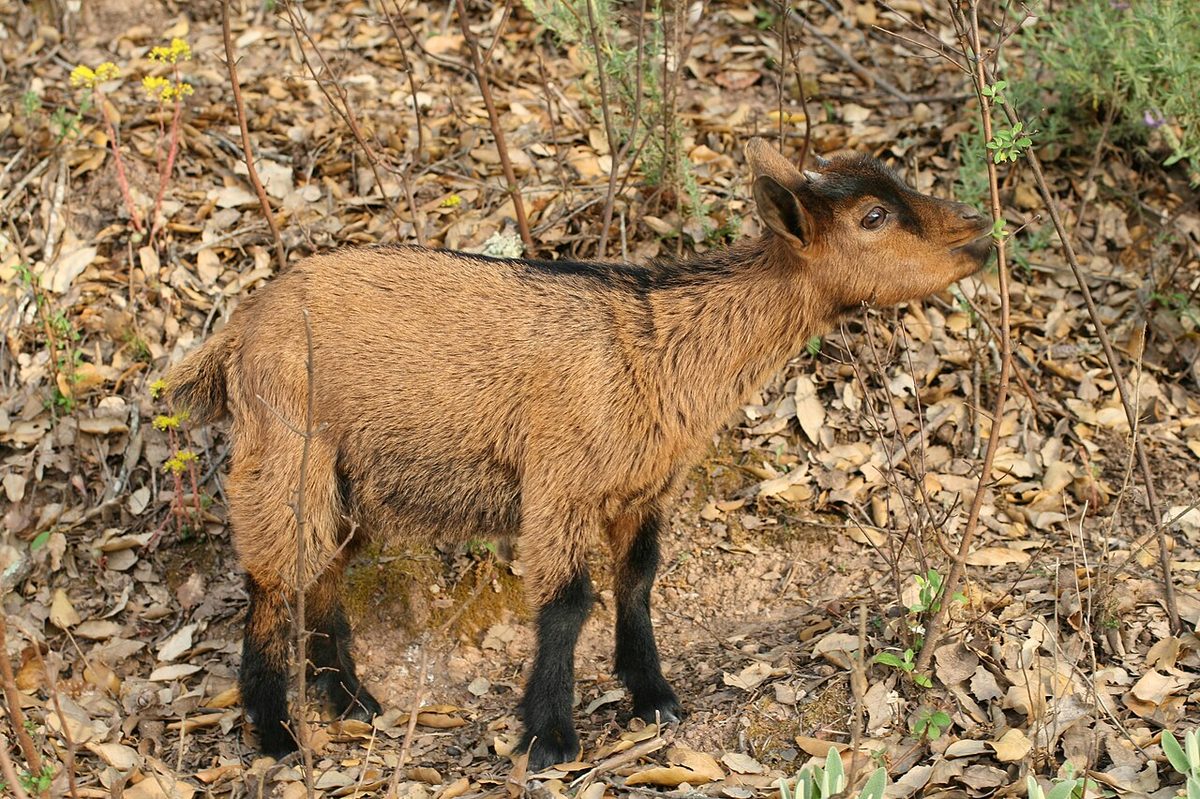
Breed and bloodline can make a major difference to mature size. Even strains within the same breed may have different recognized sizes. This matters when you are deciding what kind of animal fits your intended market or service.
For comparison:
- Larger-breed bucks, including Boers, may weigh more than 140 kg (310 lb).
- Smaller does may weigh 20 to 27 kg (44 to 60 lb).
- Adult African Pygmy goats stand 41 to 58 cm (16 to 23 in) at the shoulder.
These figures show the wide range found among goats. They do not identify the best breed for every United States climate region. Ask a nearby vet, dealer, or experienced local farmer which breeds and bloodlines suit your intended meat, dairy, fiber, or brush-control enterprise.
Know the basic animal terms
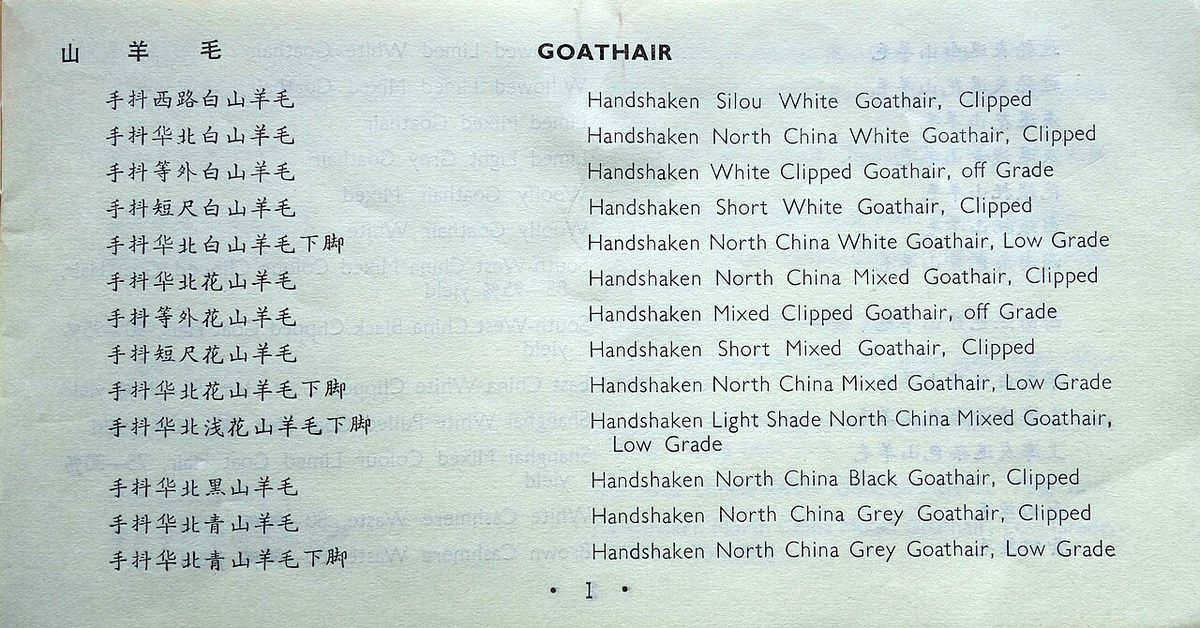
A female goat normally has an udder with two teats, although Boer goats may sometimes have up to eight teats. Goats are ruminants with four stomach chambers: the rumen, reticulum, omasum, and abomasum.
A wether is a castrated male goat or sheep. Reduced testosterone makes wethers less aggressive and generally easier to manage. Since only a small percentage of males are needed for breeding, castration may be considered for surplus males, depending on their intended use and slaughter age.
Do not confuse domestic farm goats with the North American mountain goat. The mountain goat is Oreamnos americanus. It is not part of Capra, the genus containing true domestic goats. It is a wild animal associated with rugged alpine and subalpine areas of western North America.
Make a Careful Castration Decision
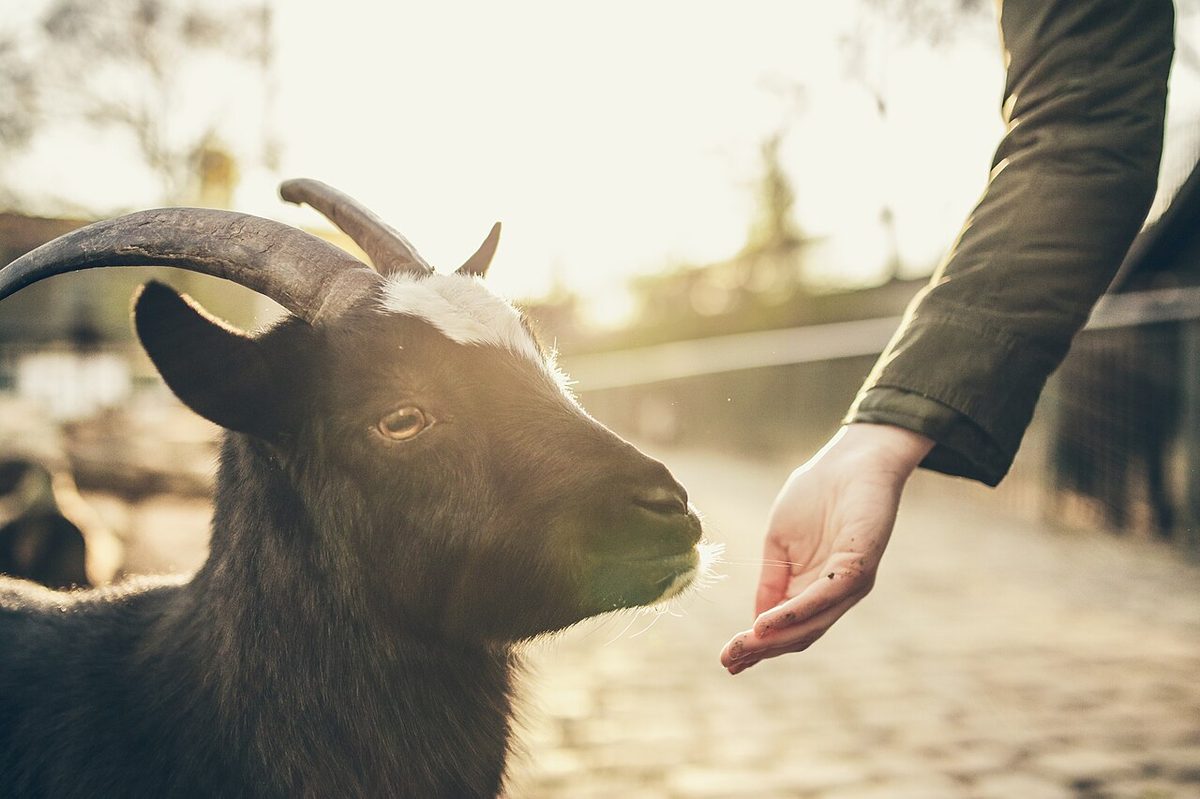
Whether a male goat needs to be castrated can depend on how long you intend to keep it. Castration may be unnecessary when a goat will be slaughtered very young, such as around 5-6 months age. Males raised longer, such as to an age of 6-12 months, will generally be castrated. Slaughterhouses usually prefer castrated males kept for this longer period and pay more for them.
Timing may differ with the purpose of the animal. One example for fiber goats places castration at around 6 months of age rather than 3–4 weeks. Your decision should be discussed with a vet because both timing and method carry risks.
Common castration methods
Three methods are commonly described:
- Surgical castration: The testicles are removed with a scalpel or emasculator.
- Burdizzo: The tool crushes the blood supply to the testicles.
- Elastration: Tight rubber bands are placed above the testes. The testicles then atrophy and fall off weeks later.
Each method requires careful management. Castration can increase the risk of tetanus, and tetanus vaccines are recommended. Wounds may also face risks from screwworms, flystrike, and maggots, especially in warm weather.
Castration at less than 4 weeks of age can increase urinary calculi risk because the urethra does not grow to its intended size. A nearby vet can help you choose a method and timing suited to the animal and its purpose.
Set Local Plans for Feeding, Housing, Health, and Sales
A complete goat farming guide must fit the farm’s location. The right feeding, pasture, fencing, housing, predator-control, and stocking plans vary locally. The same is true for vaccination, parasite control, hoof care, kidding, and veterinary schedules.
Instead of copying a plan from another region, gather local answers before the goats arrive. Your checklist should include:
- The breed or bloodline suited to your chosen enterprise
- A feeding and pasture plan for your location
- Suitable fencing, housing, and predator control
- A health schedule prepared with a nearby vet
- A buyer or service customer for the finished product
- A processor if you plan to sell meat or dairy products
- The federal, state, and local rules that apply to your operation
Rules for slaughter, dairy processing, raw milk, transport, and direct sales are not the same in every place. Check with the appropriate offices before investing in facilities or promising products to customers.
Do not mistake foreign production rules for United States rules
Charolais cheese provides an example of how closely a named dairy product may be tied to production standards. It is made from raw, whole milk from Alpine and Saanen goats under a French appellation. Its rules limit stocking to 10 per hectare, require fresh grass for at least 150 days per year, prohibit silage and wrapped hay, and require aging for at least 16 days.
Those requirements belong to a French appellation. They are not presented as United States rules. If you plan to make goat cheese in the United States, find the requirements that apply in your own state and local area.
Take a Practical, Step-by-Step Approach
- Choose one main purpose, such as meat, milk, cheese, fiber, skins, pack work, or brush control.
- Identify likely buyers or service customers in your area.
- Ask for current local prices and the exact product specifications buyers want.
- Check which breeds and bloodlines fit your purpose and local conditions.
- Speak with a nearby vet about health care and male-goat management.
- Confirm the rules for transport, slaughter, processing, raw milk, and direct sales that apply to your business.
- Build your cost and herd-size plan from current local information rather than unsupported national assumptions.
Goat farming offers several possible products and services, but a good enterprise needs a defined purpose and a reachable market. Start with the buyer, choose animals that match the job, and settle local health and regulatory questions before spending heavily. That careful groundwork will give you a clearer, more practical goat farming plan for your part of the United States.


 Menu
Menu
💬 Comments
Login to comment
No comments yet. Be the first to share your experience!