Dog age · human years
How old is my dog in human years?
Forget “times seven” — it is a myth. Put your dog’s age and size in below and this calculator uses the method vets actually use to work out its age in human years, its life stage, and where it sits on the full chart. Bigger dogs age faster, so size changes the answer.
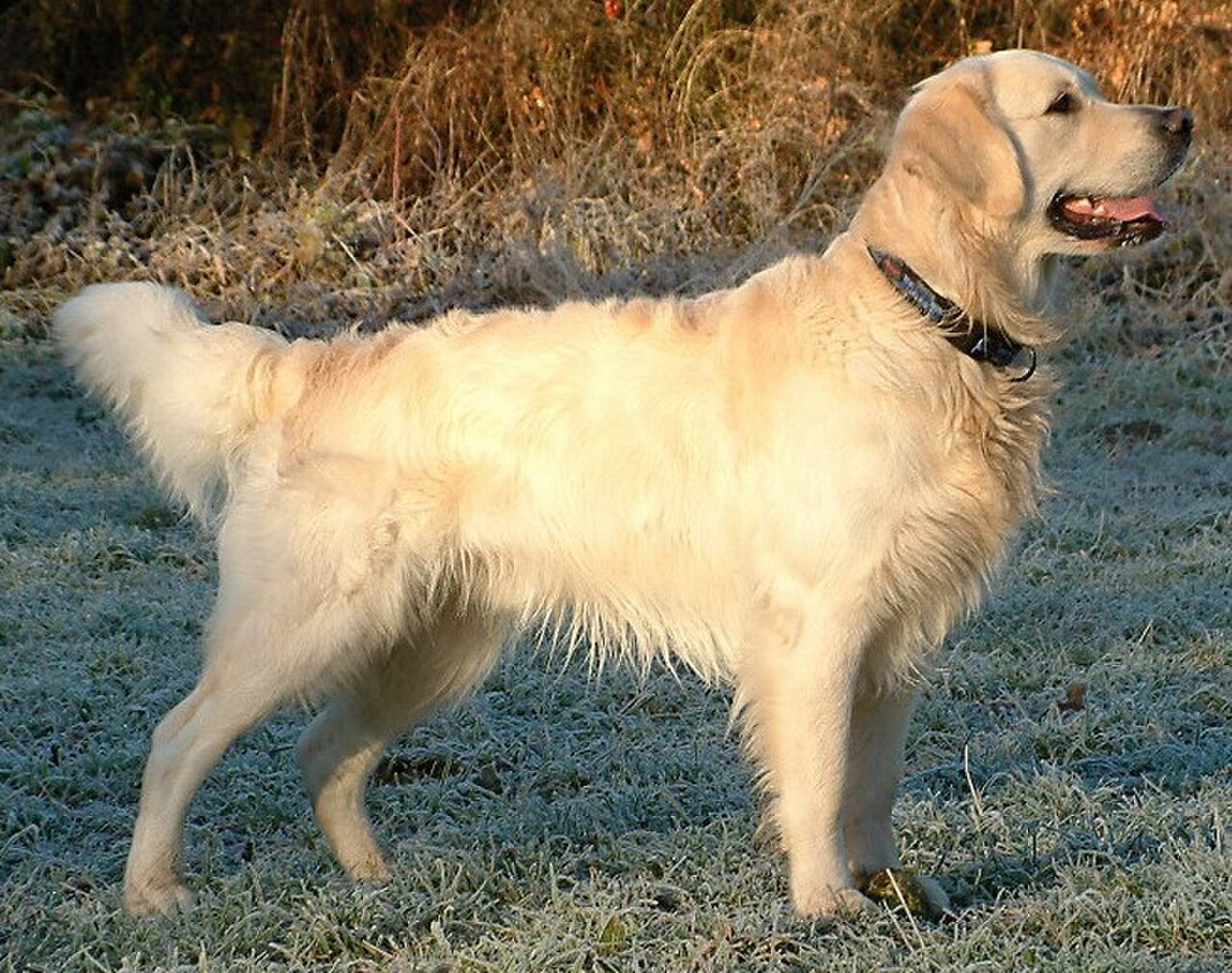
Grown up and, all being well, in the healthy middle of life.
How we work it out (and why “times seven” is wrong)
A dog does not age at a steady seven human years a year. It races through childhood and adolescence, then slows down. By its first birthday a dog is nearly full-grown and can already breed — closer to a 15-year-old human than to a 7-year-old. So a single multiplier can never be right.
Vets use a curve instead. The AVMA puts the first year at about 15 human years and the second at about nine more, reaching 24. After that each dog-year adds roughly four human years for a small dog, five for a medium one, six for a large one and seven for a giant breed — because larger dogs age faster and live shorter lives. That is the model this calculator runs, and it matches the size chart the American Kennel Club publishes.
Nobody is sure where it came from, but it was probably just 70 (a human lifespan) divided by 10 (a rough dog lifespan). It is easy to remember and wrong at every age — most of all for puppies. This page uses the veterinary curve instead.
The stages of a dog’s life
Where your dog is now matters more for its care than the human-years number.
Puppy
under 1 yearRapid growth and the developmental work of a whole childhood packed into twelve months — which is why year one is worth about 15 human years.
Adult
1 year to seniorFully grown and in the steady middle of life. How long this lasts depends on size: a small dog stays adult until about seven, a giant only to five.
Senior
about 5–7 years onSmall dogs are generally senior at about seven, large dogs at six and giant breeds at five. It is the age to add a senior vet check and watch weight, joints and teeth — not a problem, just a new chapter.
Dog years to human years — the full chart
Every age from one to sixteen, by size. Small and toy dogs age alike, so they share the first column.
| Dog’s age | Small | Medium | Large | Giant |
|---|---|---|---|---|
| 1 year | 15 | 15 | 15 | 15 |
| 2 years | 24 | 24 | 24 | 24 |
| 3 years | 28 | 29 | 30 | 31 |
| 4 years | 32 | 34 | 36 | 38 |
| 5 years | 36 | 39 | 42 | 45 |
| 6 years | 40 | 44 | 48 | 52 |
| 7 years | 44 | 49 | 54 | 59 |
| 8 years | 48 | 54 | 60 | 66 |
| 9 years | 52 | 59 | 66 | 73 |
| 10 years | 56 | 64 | 72 | 80 |
| 11 years | 60 | 69 | 78 | 87 |
| 12 years | 64 | 74 | 84 | 94 |
| 13 years | 68 | 79 | 90 | 101 |
| 14 years | 72 | 84 | 96 | 108 |
| 15 years | 76 | 89 | 102 | 115 |
| 16 years | 80 | 94 | 108 | 122 |
Human-years figures are floored to the whole year and follow the AVMA method; your own dog may be a year either side depending on breed, weight and health.
Find your dog’s breed
Pick a breed to load its size into the calculator, or open its full profile.
Common questions
How old is my dog in human years?
A dog’s first year is about 15 human years and the second brings it to about 24. After that, add roughly four human years a year for a small dog, five for a medium one, six for a large one and seven for a giant breed — big dogs age faster. So a 5-year-old medium dog is about 39, and a 5-year-old giant breed is about 45. Put your dog’s exact age into the calculator above for its number.
Is one dog year really seven human years?
No — that is a myth, and it gets a puppy badly wrong. The “times seven” rule would make a 1-year-old dog seven in human years, but a 1-year-old dog is closer to a 15-year-old: it is nearly full-grown and can already have puppies. Dogs age fast early and then slow down, which is why a curve, not a single multiplier, is used.
Why does my dog’s size change the answer?
Because larger dogs age faster and live shorter lives. A small dog often reaches 15 or 16; a giant breed may only reach eight or nine. So after the first couple of years the same calendar year counts for more human years in a big dog than a small one — the calculator uses about four a year for small dogs up to seven for giants.
When is a dog a senior?
It depends on size. Small dogs are generally considered senior at about seven, large dogs at six and giant breeds at around five. That is the point to add a senior wellness check and keep a closer eye on weight, joints, teeth and kidneys — it is a good age to catch things early, not a cause for alarm.
How accurate is a dog age calculator?
Treat it as a good estimate, not a birth certificate. The method is the one vets use and it is far better than “times seven”, but every dog is an individual — breed, weight, diet and health all matter. For anything health-related, your vet, who can see the actual dog, is the real authority.
Where these figures come from
- AVMA — “How to calculate your dog’s age” — The veterinary rule this calculator uses: about 15 human years for the first year, 24 by the second, then roughly five a year for a medium dog — more for big dogs, fewer for small.
- American Kennel Club — dog years to human years chart — The size-by-size chart (small, medium, large, giant) whose columns this calculator reproduces.
- Wang et al., Cell Systems (2020) — the epigenetic clock — The UC San Diego study that put hard science behind “dogs age fast then slow”, using DNA methylation in Labrador Retrievers.
- AAHA — canine life stage guidelines — Where the puppy / adult / senior life stages, and the note that big dogs turn senior earlier, come from.
This calculator is a guide, not veterinary advice. Every dog is an individual — for anything about your dog’s health, ask your vet.
 Menu
Menu