Dogs on the American Farm

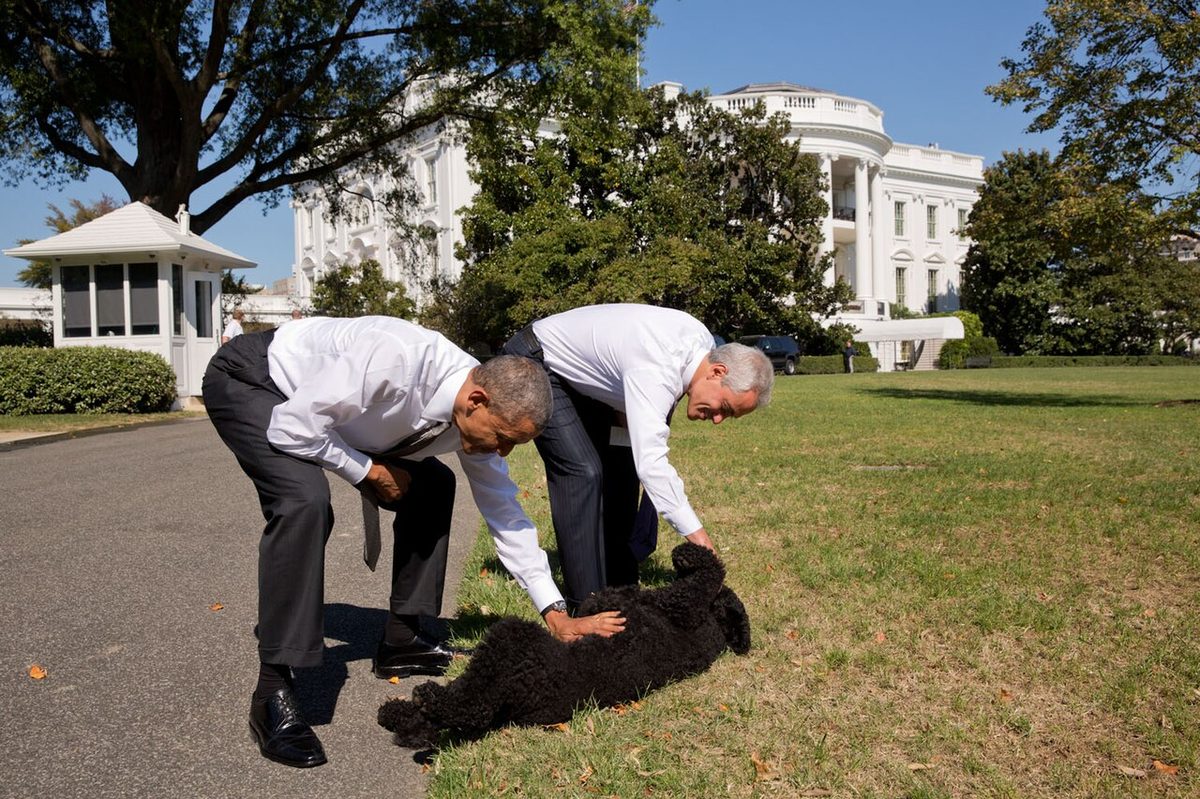
Dogs are the most popular pet in the United States, present in an estimated 34 to 40% of households. They were also the first species to be domesticated. Dogs were domesticated over 14,000 years ago, before the development of agriculture itself. Genetic studies suggest the process may have begun over 25,000 years ago, with genetic divergence from wolves estimated between 27,000 and 40,000 years ago. That long history of living alongside people has shaped both their bodies and their behavior in ways that still matter to you as a farmer today.
The earliest conclusively identified domesticated dog — known as the Bonn-Oberkassel dog and dated at 14,223 years ago — had survived canine distemper as a puppy. Survival without intensive human care was unlikely at that age, and the dog was buried alongside humans with red hematite powder. That story is a reminder that the bond between people and dogs runs deep, and that keeping dogs healthy has always required care and attention.
Physically, dogs are built for the work many of them do on farms. They have powerful jaws that house around 42 teeth, and well-developed senses of smell, hearing, and sight. They communicate through eye gaze, facial expression, vocalization, body posture, and chemical communication including scents and pheromones. Over the millennia, dogs have uniquely adapted to human behavior, including the ability to understand and communicate with humans. They mark territories by urinating, especially in new environments. That intelligence and responsiveness is one of the things that makes a good farm dog irreplaceable.
The global dog population is estimated at 700 million to 1 billion, distributed around the world. Around 75% of dogs are estimated to be from developing countries, mainly in the form of feral and street dogs. The United States falls within the approximately 20% of the global dog population in developed countries. Those American dogs tend to benefit from better nutrition and care overall — but that level of care costs money, and understanding those costs is what this guide is about.

What Farm-Sourced Ingredients Actually Cost
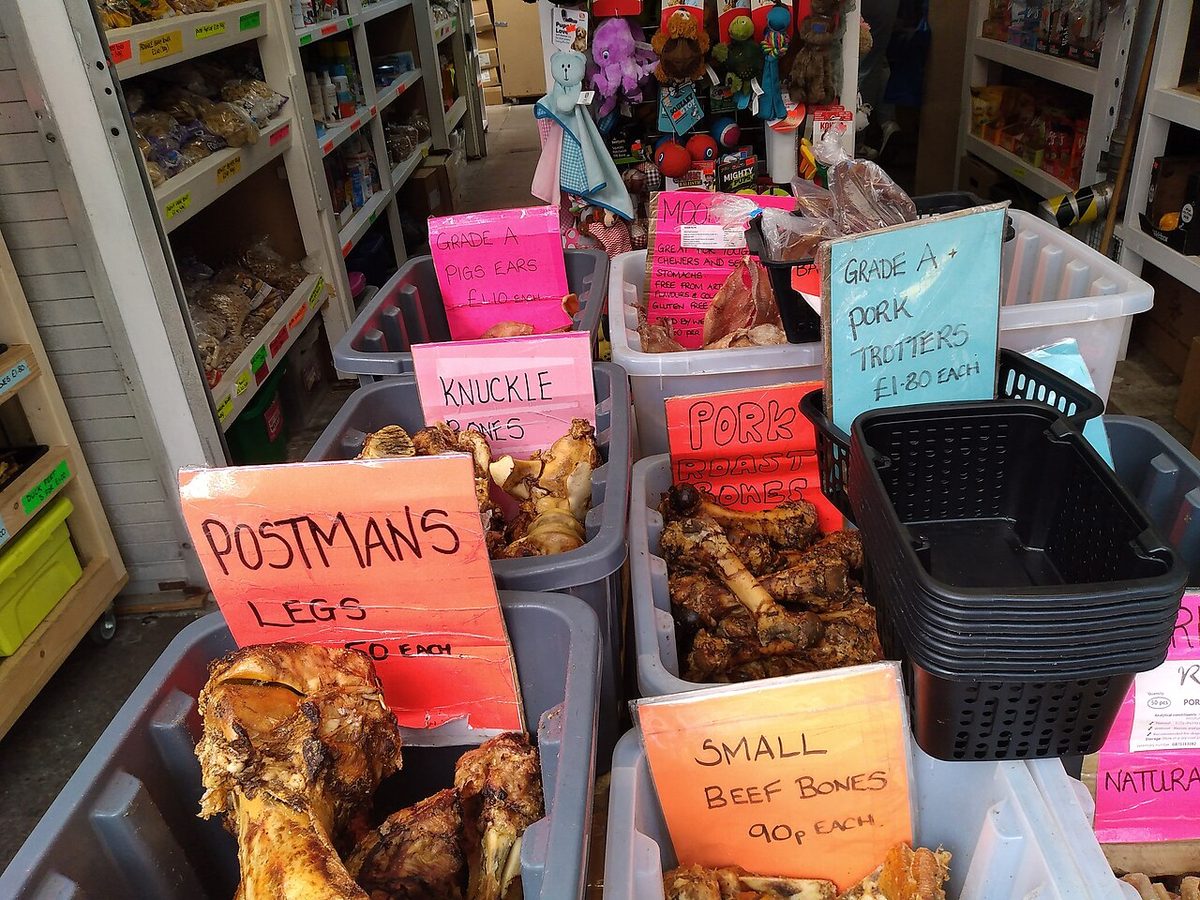
If you want to feed your dog using products from your own farm or from local US markets, knowing what those ingredients are worth per tonne gives you a solid baseline. All prices below are in US dollars, sourced from FAOSTAT data covering US markets.
Meat commodities

Meat is usually the biggest cost in any dog's diet, and the prices vary widely depending on the animal:
- Pig meat averages USD1,451 per tonne, with a range from USD1,107 to USD1,892 per tonne. This is the lowest-cost meat commodity tracked, which makes pork a potentially affordable protein source for farm dog diets.
- Chicken meat averages USD1,581 per tonne, ranging from USD919 to USD2,357 per tonne. Chicken sits near the middle of the meat price spectrum and is one of the most widely available proteins across US markets.
- Turkey meat averages USD1,860 per tonne, ranging from USD1,038 to USD2,800 per tonne. Turkey is less commonly raised on smaller farms but can be competitive with chicken, especially at the lower end of its price range.
- Cattle meat averages USD3,448 per tonne, ranging from USD2,425 to USD4,387 per tonne. This is the highest-priced meat commodity tracked, which means beef — whether whole cuts or by-products — will likely be your most expensive protein option.
Dairy and eggs
Non-meat farm products fill out the rest of the picture:
- Cow milk averages USD499 per tonne, ranging from USD381 to USD600 per tonne. Milk represents the lowest-cost dairy commodity among those tracked. It is a cheap, calorie-dense supplement if your farm produces it.
- Hen eggs average USD3,363 per tonne, ranging from USD1,374 to USD8,789 per tonne. That wide spread reflects real volatility in egg pricing. Eggs may be very affordable at certain times and significantly more expensive at others, depending on market conditions.
- Honey averages USD5,947 per tonne, ranging from USD5,600 to USD6,636 per tonne. Honey is the highest-priced commodity tracked, though it is not a primary dog food ingredient and would typically serve only as an occasional treat or supplement rather than a dietary staple.
Comparing Protein Options for Your Budget

When you are planning what to feed your farm dogs, the per-tonne prices above tell a clear story. Pork is your most economical meat choice on paper, averaging USD1,451 per tonne. If you raise hogs or have access to pork trimmings that would otherwise go to waste, that is the protein source that puts the least pressure on your budget.
Chicken follows close behind at USD1,581 per tonne on average. What makes chicken especially interesting is its price range: at the low end, it dips to USD919 per tonne, which would make it the cheapest meat option available in those market conditions. Chicken is also the most widely raised and processed meat in the US, so access is rarely an issue for farmers anywhere in the country.
Turkey at USD1,860 per tonne is a moderate option. Its range runs from USD1,038 to USD2,800, which overlaps with both chicken and beef. If you raise turkeys or process them seasonally, they can fit into a rotation that smooths out costs over the year.
Beef is the clear outlier. At USD3,448 per tonne, it costs roughly two and a half times as much as pork. If you run cattle and are considering using your own beef — even trimmed cuts or offal — as dog food, it is worth thinking carefully about whether that is the best use of that resource. Beef has its place, but it will dominate your dog food budget if it is a regular ingredient.
Dairy, Eggs, and Other Farm Products
Protein from meat is only part of the equation. Cow milk at USD499 per tonne is the cheapest commodity in this entire list. If your dairy operation produces surplus milk, it is an extremely cost-effective way to add calories, fat, and protein to your dog's meals. The catch is that not every dog digests dairy well — some are lactose intolerant — so you would need to observe how your individual animals respond.
Eggs sit in an interesting middle position. At an average of USD3,363 per tonne, they are more expensive than all the meats except beef. But they are also among the most nutritionally dense foods you can offer a dog, packed with protein, fat, vitamins, and minerals. The price swing — from USD1,374 to USD8,789 per tonne — is dramatic. If you keep laying hens and your own egg supply costs you little beyond feed, eggs are an excellent supplement regardless of what the market is doing.
And then there is honey. At USD5,947 per tonne, it is the most expensive item tracked — far beyond any practical use as a staple dog food ingredient. A small amount as an occasional treat is realistic. Relying on it for nutrition would be cost-prohibitive for most farmers.
What Makes Dogs Different from Other Canids
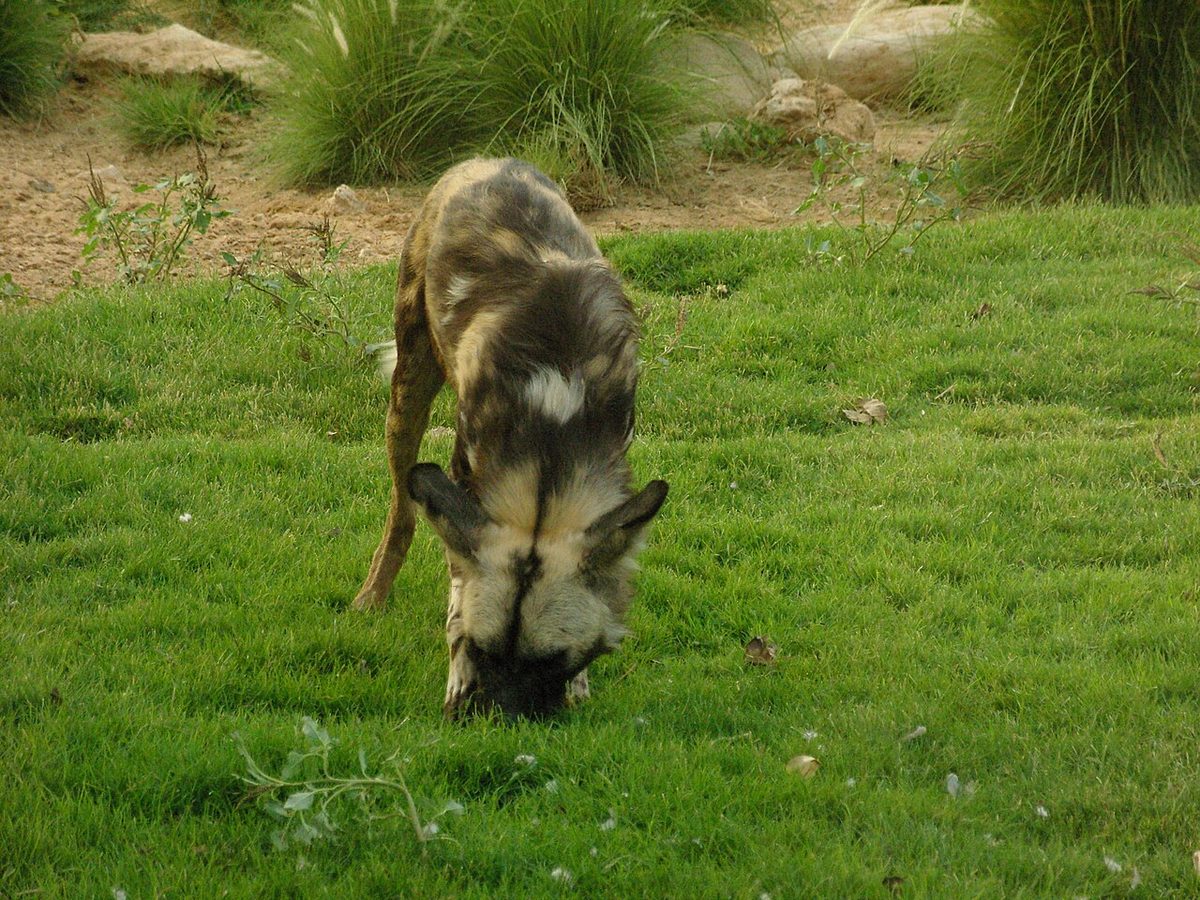
Understanding why your dog can eat the way it does starts with its evolutionary history. Dogs have powerful jaws that house around 42 teeth, built for gripping, tearing, and crushing. That is a carnivore's toolkit. But dogs are not just carnivores — they are something uniquely shaped by thousands of years of living with humans.
Due to their long association with humans, dogs have gained the ability to thrive on a starch-rich diet that would be inadequate for other canids. This is a genuine evolutionary adaptation. Dogs have extra copies of the genes that produce amylase, the enzyme that breaks down starch, compared to wolves. That means your farm dog can handle grains, potatoes, corn, or other starchy crops alongside meat in a way that no wild canine could. It does not mean every dog does well on starch alone, but it does mean you have more dietary flexibility than you might expect when building meals from farm ingredients.
That flexibility is a direct result of domestication. Dogs were domesticated over 14,000 years ago, before the development of agriculture — meaning the relationship started with hunting and scavenging around human camps, not with settled farming. Genetic studies suggest the process may have begun over 25,000 years ago, with genetic divergence from wolves estimated between 27,000 and 40,000 years ago. As human societies shifted to agriculture, dogs shifted with them, developing the ability to digest the grains and starches that became central to the human diet. No other canid has that ability. It is one of the things that makes your farm dog genuinely special — and genuinely well-suited to life on a farm, where diets are often practical and varied rather than strictly controlled.
That close relationship with people also shows up in how dogs communicate. Dogs communicate through eye gaze, facial expression, vocalization, body posture, and chemical communication including scents and pheromones. They understand and respond to human communication signals in ways no other animal does. They read our body language, follow our gestures, and form social bonds that mirror the relationships between people. That intelligence and attentiveness is what makes a farm dog worth feeding well — and it is what makes the cost of doing so feel like an investment rather than just an expense.
Health Risks Farm Dogs Face
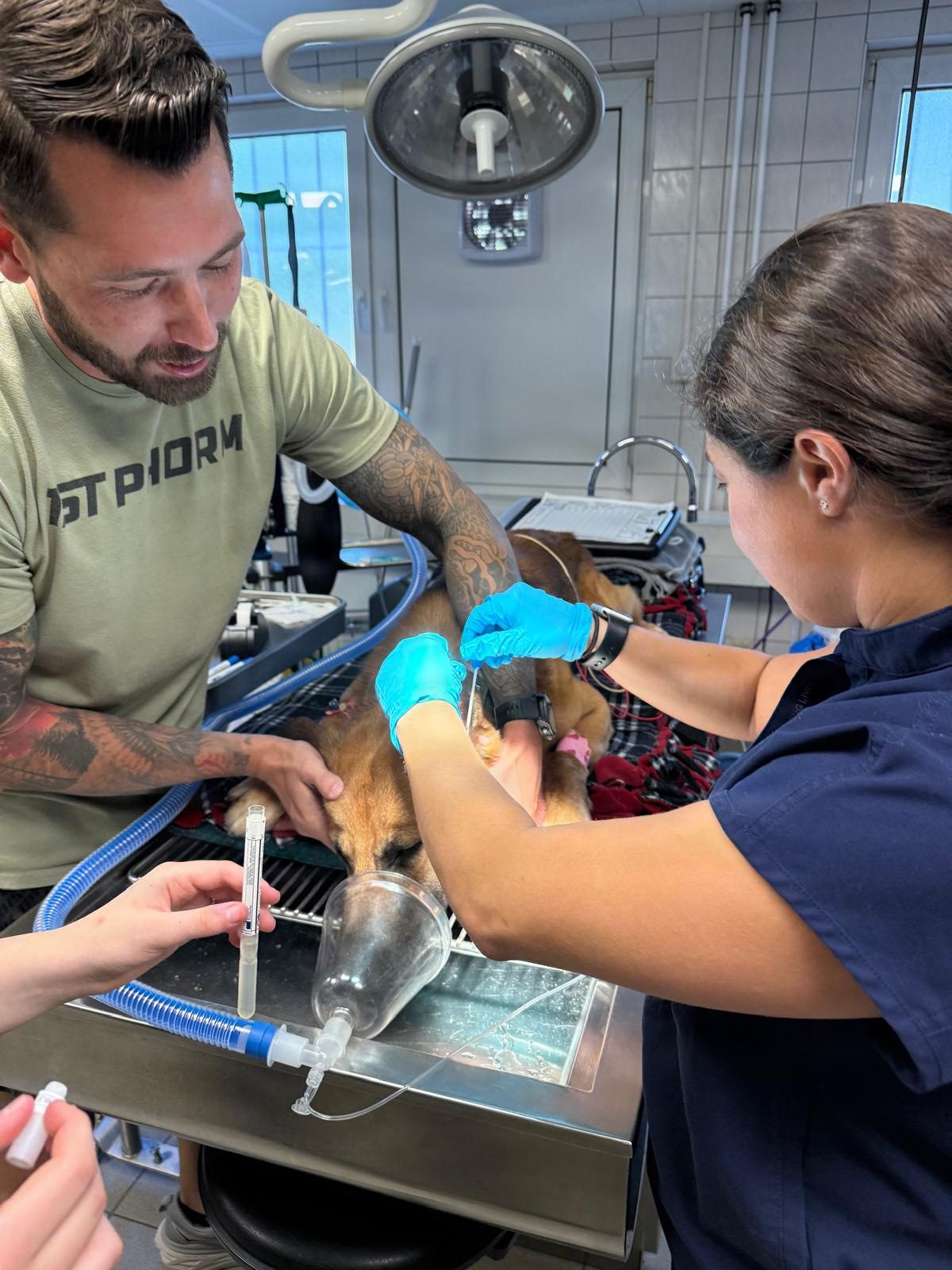
Disease has always been part of the dog's story. The earliest conclusively identified domesticated dog — the Bonn-Oberkassel dog, dated at 14,223 years ago — had survived canine distemper as a puppy. That survival likely required intensive human care. The dog was later buried alongside humans with red hematite powder, a sign of the deep bond that existed even at that early date.
Canine distemper remains a serious concern in some parts of the United States today, along with other diseases that vary by region. What preventive measures make sense for your dog depends on many local factors — which diseases are common in your area, your dog's age and overall health, whether it interacts with wildlife or other dogs, and the conditions on your farm. For specific guidance on preventive health measures, talk to a veterinarian who knows the disease landscape in your part of the country.
Nutrition is one piece of keeping your farm dog healthy, but it is not the only one. The costs of preventive care, shelter from extreme weather, and prompt treatment when something goes wrong all add up. Using farm-sourced ingredients for meals can help manage your food costs, but building a complete picture of what it costs to keep your dogs healthy means looking at the whole picture, not just the bowl.
The commodity prices in this guide give you a market-based starting point. The real cost of feeding your farm dog depends on what you can produce yourself, what you need to buy, and how you balance nutrition against budget. In many cases, farm-sourced ingredients can bring that cost down — especially if you have access to pork, chicken, milk, or eggs from your own operation. The key is knowing what those ingredients are worth, then building a diet that keeps your dogs healthy, active, and ready for the next day's work.
Seasonal Adjustments and Working-Dog Considerations
A working dog burns more calories than a house pet. During peak seasons — lambing, calving, or harvest — your dogs may need 20 to 30 percent more food. Keep an eye on body condition each month. You should be able to feel your dog's ribs without pressing hard, and see a clear waist from above. If the dog is carrying too much fat or looks too thin, adjust portions before health problems develop.
Season also matters. Cold winter months increase energy needs, while hot summer days can reduce appetite. Split large meals into two smaller ones during heatwaves. Always provide fresh, clean water — working dogs can dehydrate faster than you might think, especially when temperatures climb above 80 degrees Fahrenheit.
A Final Word on Smart Feeding
Good nutrition doesn't have to break the bank. The farmers who keep their feed costs lowest are the ones who blend store-bought feeds with ingredients already on hand. Track what you spend each month, compare it to your dogs' condition and performance, and adjust as needed. A well-fed farm dog is a dependable partner — and with a little planning, you can keep that partnership affordable for years to come.






 Menu
Menu
💬 Comments
Login to comment
No comments yet. Be the first to share your experience!