Starting a sheep farm in the United States means making several connected decisions. You need to know what you will sell, which sheep fit that market, what facilities you need, and when your ewes will lamb. A plan that works for a wool flock may not suit a sheep dairy or a farm focused on lamb and mutton.
The U.S. sheep sector is smaller than it once was, so careful local planning matters. Before buying animals, speak with nearby buyers, processors, dealers, veterinarians, and agricultural offices. Current prices, regulations, land needs, feed systems, and veterinary programs depend on your location and chosen market.
Start With the Market, Not the Breed
Sheep farming in the United States has changed greatly over time. The national inventory rose from 45 million head in 1867 to a peak of 51 million head in 1884. It later declined to almost 6 million head.
The number of U.S. sheep operations also fell from around 105,000 in the 1990s to around 80,000 by 2012. Annual per-capita consumption of lamb and mutton declined from nearly five pounds (about 2 kg) to just about one pound (450g) between the 1960s and 2012. Today, the sheep industry accounts for less than one percent of U.S. livestock industry receipts.
These changes do not mean that every sheep enterprise faces the same conditions. They do mean that you should identify your likely customers before selecting a breed or setting a lambing schedule.
Check demand close to your farm
There is no sheep-market price benchmark in the available U.S. price observations. They include no price series for sheep, lamb, mutton, wool, or sheep milk. Ask local buyers and dealers for current prices before preparing your budget.
Find out which products nearby customers or processors will accept. You may also need to check transport, processing, and direct-sale requirements with the appropriate local or state office. Rules vary, so do not assume that a plan used in another part of the country will apply to your farm.
Choose the Products Your Sheep Farm Will Sell
A sheep enterprise can produce more than one product. The main choices are lamb or mutton, milk, and wool. Other possible outputs include pelts, sheepskin, and parchment.
You do not have to pursue every option. Each additional product can affect your choice of animals, facilities, labor, lambing season, and buyer. A simple plan built around a clear market may be easier to manage than several products without reliable customers.
Questions to answer before buying sheep
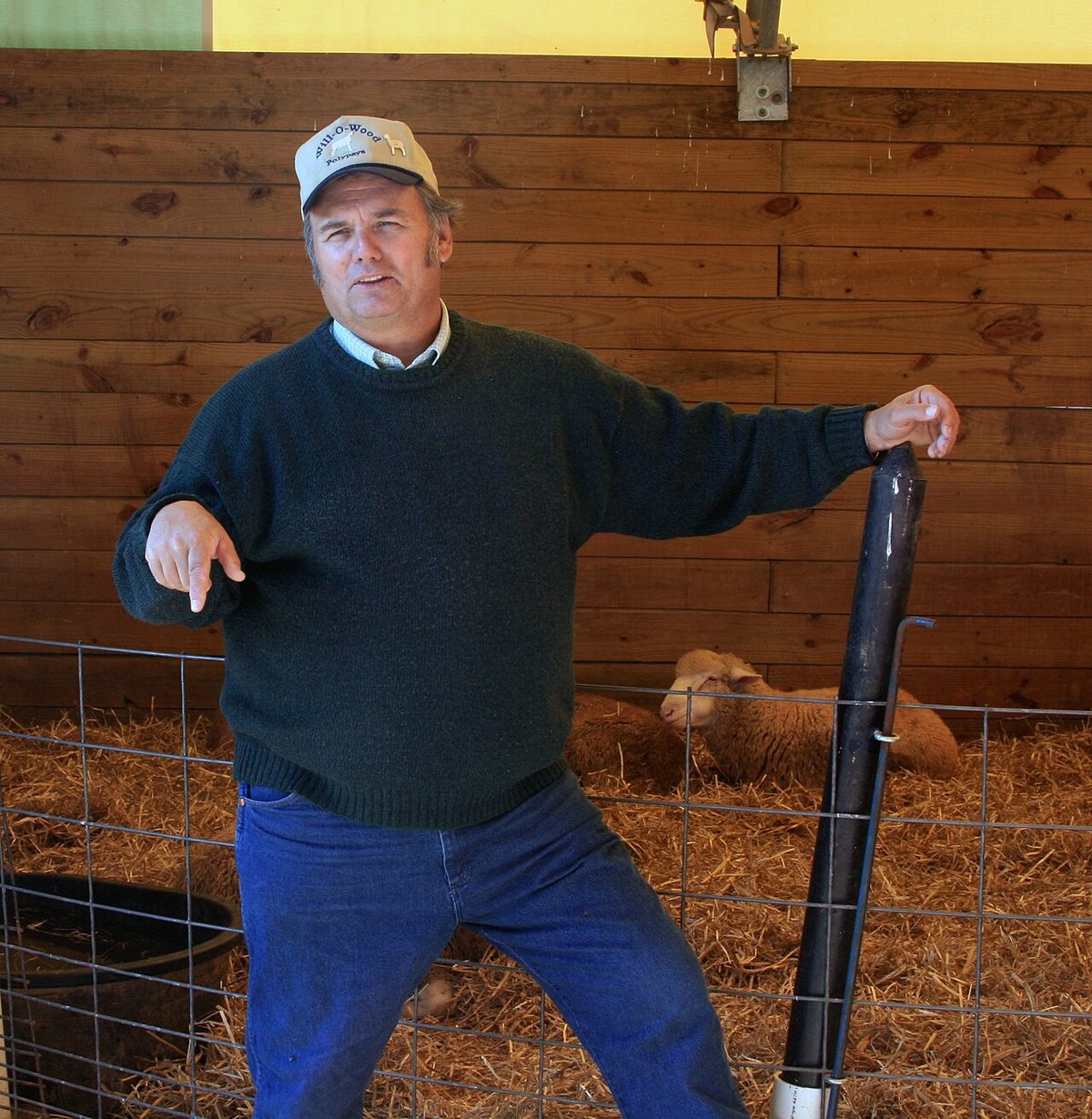
- Meat: Is there a nearby market for lamb or mutton, and when does that buyer want animals?
- Milk: Will you sell milk or process it into cheese and other cultured products?
- Wool: Does your buyer want white wool for commercial use or naturally colored fleece for a niche market?
- Other products: Is there a practical outlet for pelts, sheepskin, or parchment?
Prices for lambs, mutton, breeding stock, wool, and sheep milk depend on the local situation. Obtain current quotes rather than guessing. This will help you judge whether your planned products can support the facilities and management they require.
Select Breeds for Your Region and Purpose
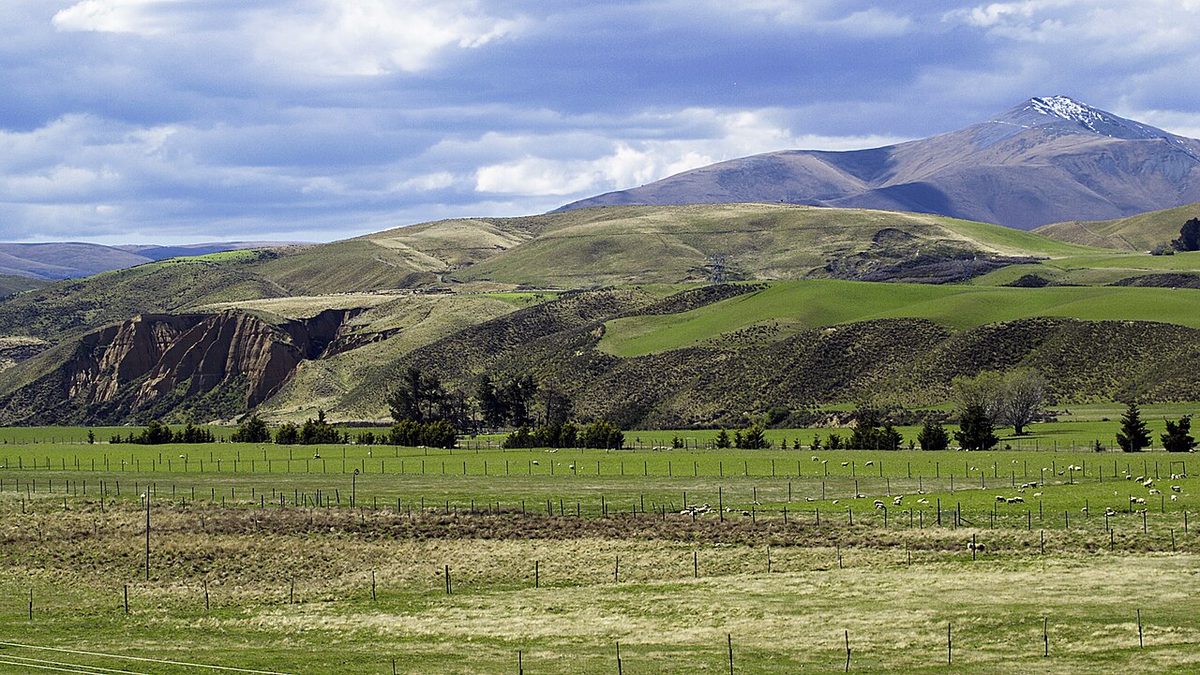
Breed choice should follow your local conditions and target market. A breed that suits dairy production may not be the right choice for a flock centered on meat or wool. The best meat and wool breeds also vary by U.S. climate and market, so discuss your options with nearby breeders, buyers, and veterinarians.
If wool is important, look beyond the breed name. Fleece type and quality can vary widely between breeds and can also differ among animals in the same flock. Inspect the sheep and its fleece, and ask what local wool buyers or processors prefer.
Dairy breed options
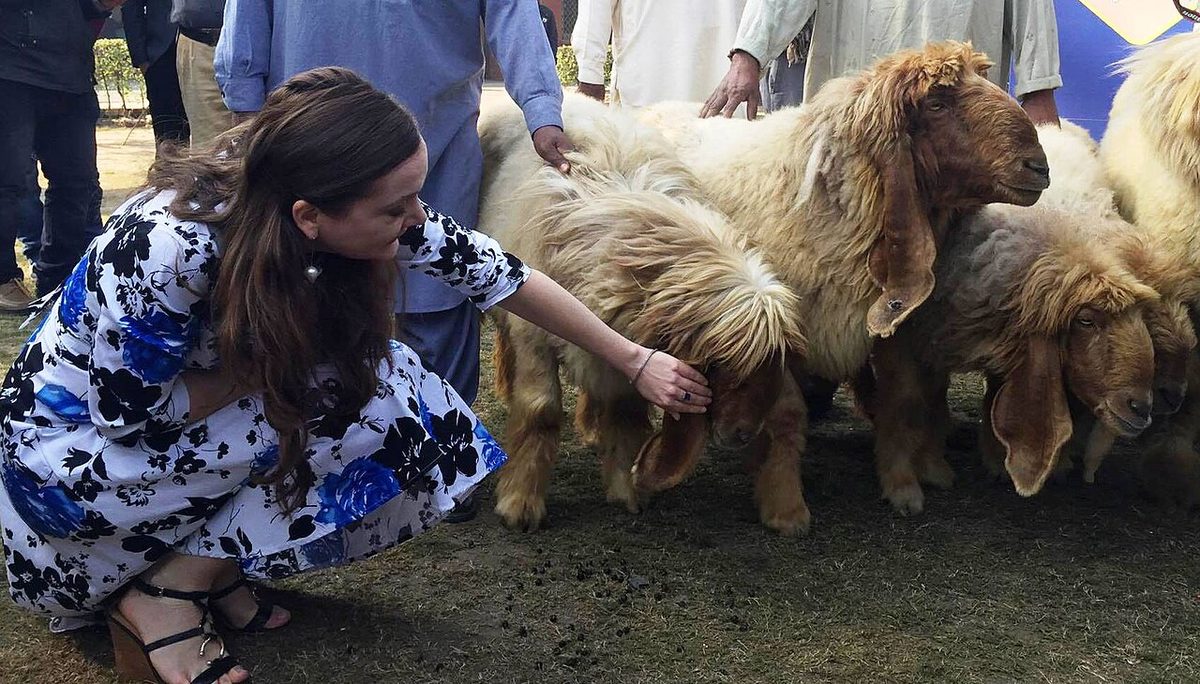
East Friesian and Lacaune are identified as the most common dairy sheep breeds in the U.S. Dairy sheep generally have longer lactations and higher reported milk production than meat and wool breeds.
Reported annual production is:
- Dairy sheep: 400–1,100 lb (180–500 kg) of milk per year.
- Other sheep: 100–200 lb (45–91 kg) of milk per year.
- Crossbred ewes: 300–650 lb (140–290 kg) of milk per year.
Meat and wool breeds produce less milk, but they may still provide enough for small quantities of cheese and other products. Crossbreeding may offer another option where you want milk production alongside other flock goals.
Prepare Pasture and Essential Facilities
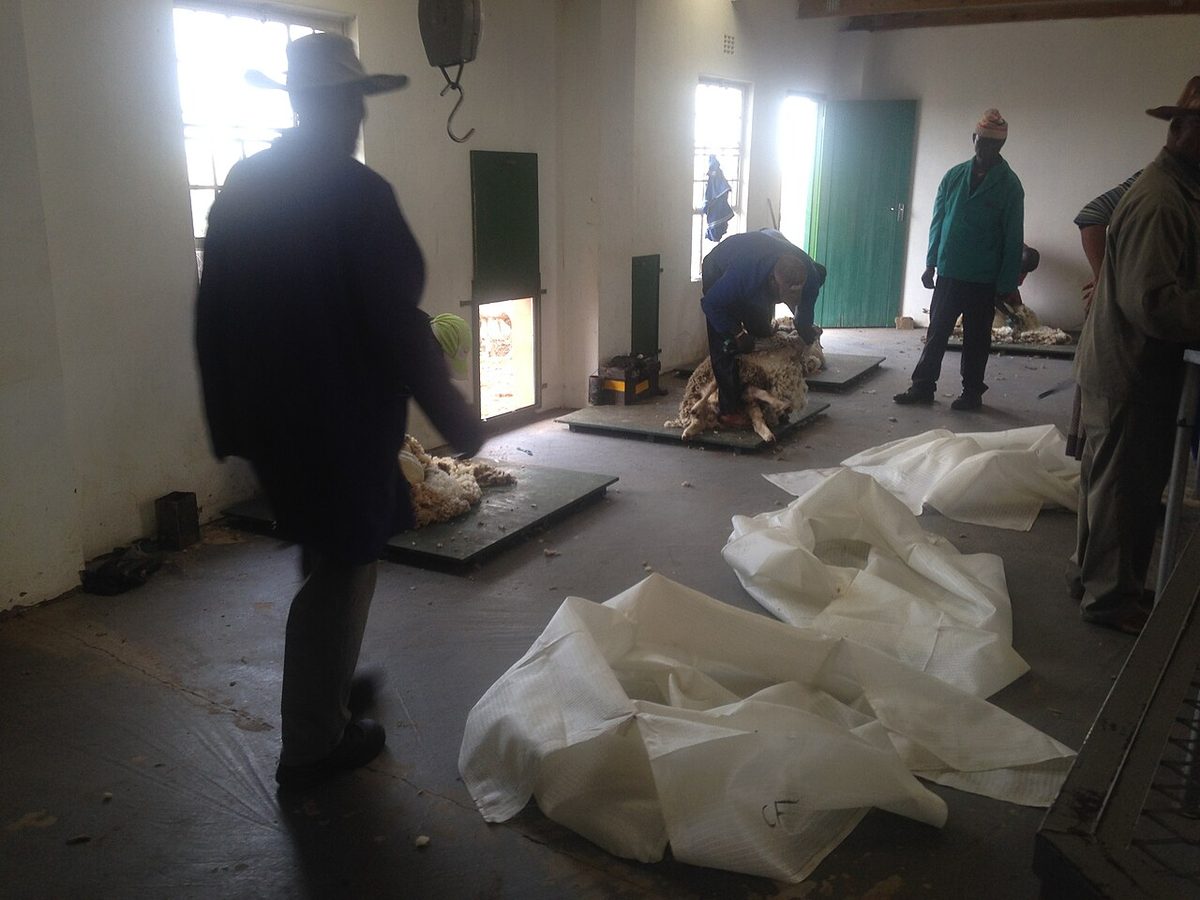
Most sheep farms are managed so the flock can graze pasture. Some flocks are managed with help from a shepherd or sheepdog. Your exact land and labor needs will depend on local forage, climate, flock size, and management system.
Basic sheep-farming infrastructure can include:
- Pasture access and fences
- Housing
- Shearing sheds
- Water and feed facilities
- Transport arrangements
- Pest-control facilities
Do not choose a stocking rate or feed plan based only on another farm’s experience. Land needs, forage systems, feeds, and minerals vary across U.S. regions. Ask a nearby veterinarian, dealer, or agricultural office what fits your local conditions.
You should also check which vaccination, parasite-control, predator-control, and veterinary programs are needed in your area. Requirements for animal identification, transport, welfare procedures, slaughter, dairy production, and direct sales may differ by state and by the products you sell.
Choose a Lambing Season You Can Manage
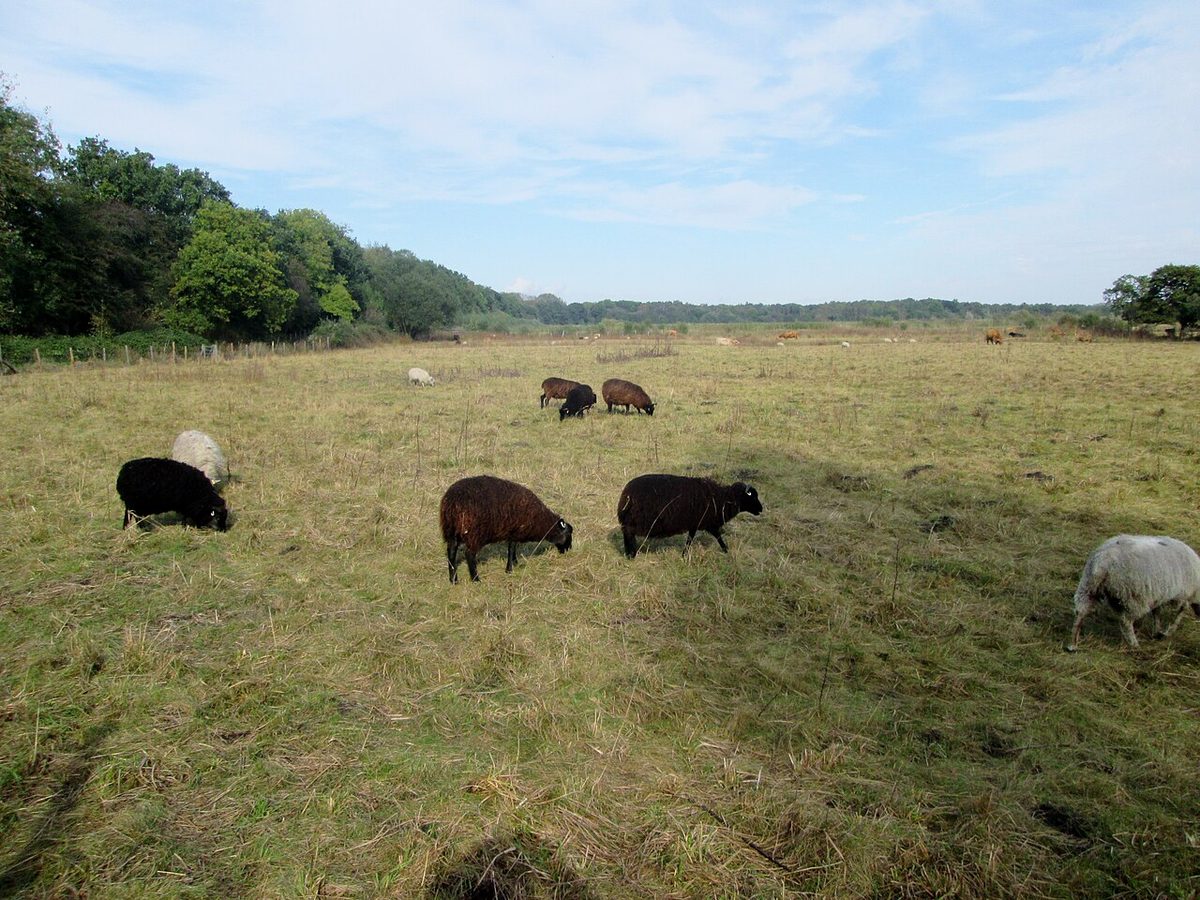
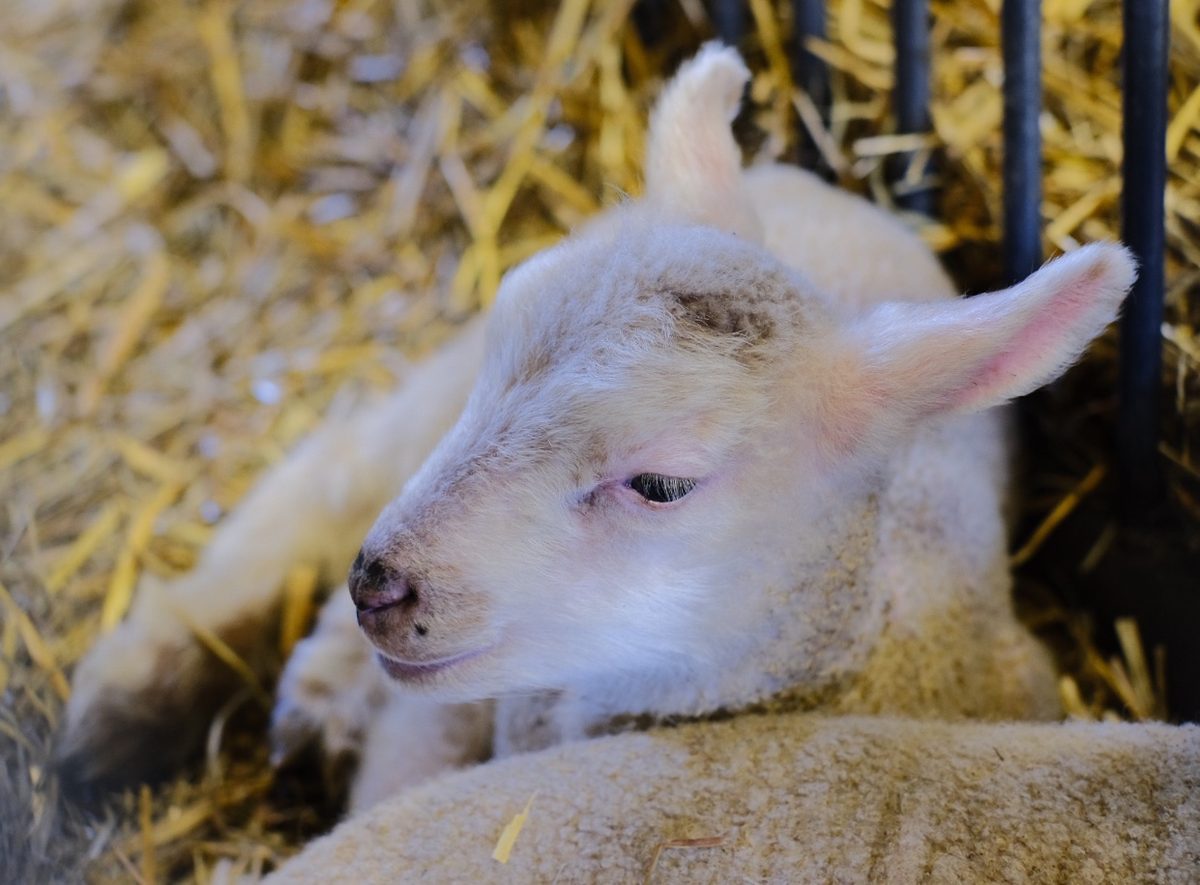
Sheep naturally breed in the fall, so most lambs are born in winter or early spring. Your best lambing season will depend on your market, pasture, facilities, feed supply, weather, and ability to watch and care for newborn lambs.
Spring lambing
Spring lambing follows the natural breeding and lambing cycle. However, supplemental feed is often needed. Before choosing it, check whether your farm can supply the required feed and whether the resulting sale period suits your buyers.
Winter lambing
Winter-born lambs can be weaned when spring pasture is most fertile. They can then be sold in summer, when prices are generally high. This schedule can help connect weaning with pasture growth, but winter weather creates serious newborn-management risks.
Roughly one in every four newborn lambs may die within a few days of winter birth from malnutrition, disease, or cold exposure. If you choose winter lambing, make sure your housing, feed facilities, labor, and care plan are ready for those risks.
Fall lambing
Fall lambing is generally avoided. Lamb-crop percentage may be low, hormone therapy may be required, and summer gestation can expose lambs to heat stress. Some farmers may still consider it for a particular market, while others stay with the natural breeding cycle. Base the decision on local conditions and professional guidance.
Accelerated lambing
Accelerated lambing means lambing more than once a year, typically every 6 to 8 months. It can produce more lambs, create sales in different seasons, spread the use of facilities and labor across the year, and provide greater income per ewe.
Those possible gains come with more demanding management. Accelerated lambing requires early weaning, exogenous hormones, artificial impregnation, and intensive flock management. It is not simply a faster version of a seasonal system. Make sure you have suitable skills, labor, facilities, and veterinary support before considering it.
Plan Sheep Milk Production Carefully
Sheep milk is commonly processed into cheese and other cultured dairy products. Its high fat and solids content make it well suited to cheesemaking, and it produces more cheese than the same amount of cow milk.
Milk production is initially described during the 80–100 days after lambing. Reported lactation periods are 90–150 days for meat and wool breeds and 120–240 days for dairy breeds. An individual ewe does not produce milk continuously. Output declines before stopping as lambs are weaned or the days become shorter.
Producing milk across the year
A dairy can support a year-round farm milk supply by breeding groups of ewes at different times. Controlled internal drug release products, known as CIDR products, contain progesterone and can bring ewes into estrus outside the normal season.
This approach requires planned breeding groups rather than expecting each ewe to milk throughout the year. Because it involves controlled reproduction, work with a nearby veterinarian to decide whether it is suitable for your flock and how it should be managed.
Match Wool to the Right Buyer
White wool is desirable in large commercial markets because it can be dyed easily. Naturally colored fleece serves a smaller niche market, mainly among handspinners. Neither route should be chosen without checking local demand.
Commercial wool processing includes wool classing because fleece type and quality can vary, even within one flock. If wool will be an important product, consider both breed-level fleece traits and differences between individual animals. You will also need suitable shearing facilities and a clear outlet for the wool.
Build the Farm Around a Clear, Local Plan
A viable U.S. sheep farming plan begins with the customer. Decide whether your main product will be meat, milk, wool, or another sheep product. Then choose breeds, facilities, and a lambing schedule that support that goal.
Keep the plan practical. Confirm current prices with local buyers, assess facilities honestly, and check regional feed, health, and regulatory needs with nearby veterinarians, dealers, and offices. When every part of the farm points toward a real market, you can make better decisions before committing land, labor, and animals.





 Menu
Menu
💬 Comments
Login to comment
No comments yet. Be the first to share your experience!