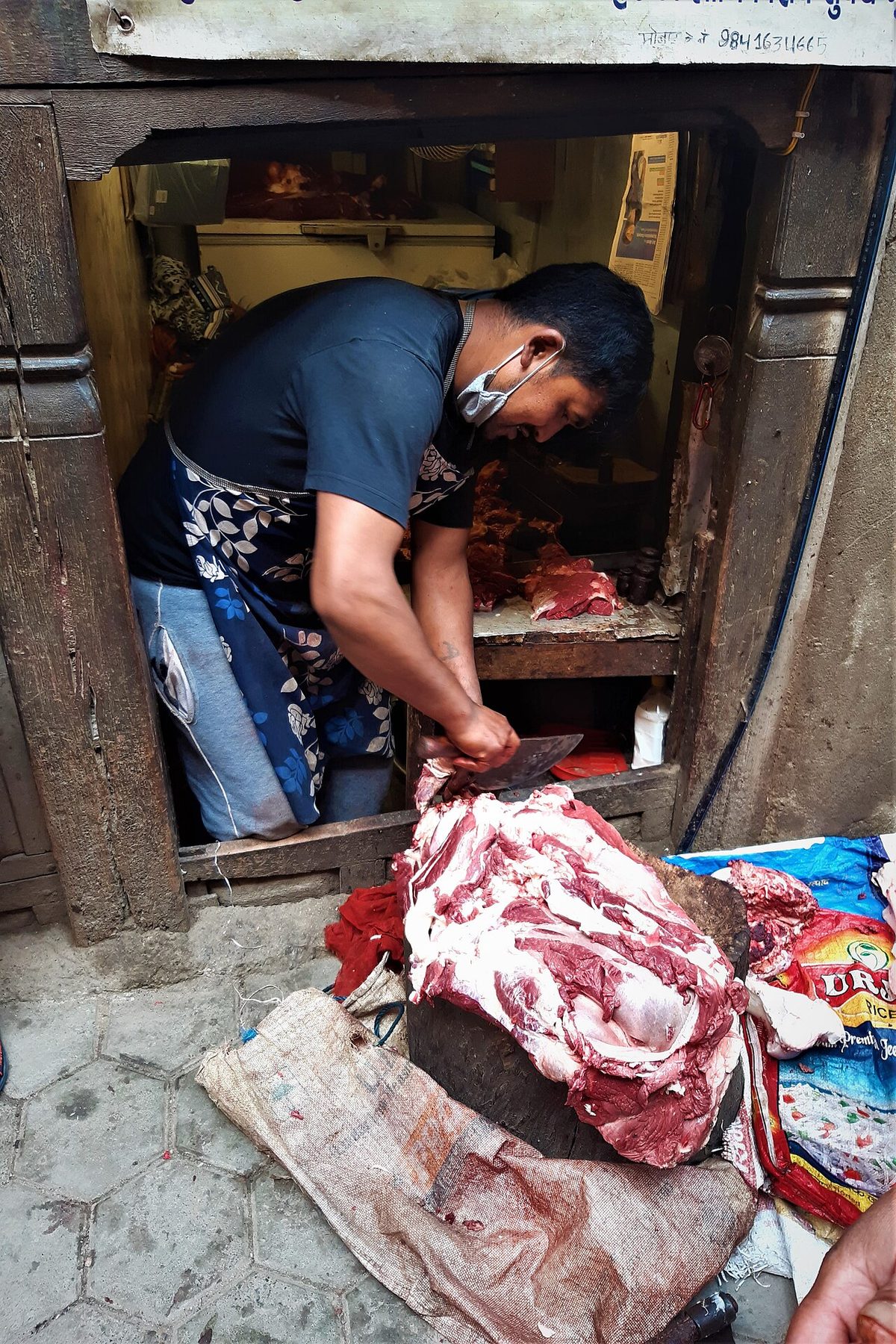
You typed "buffalo meat rate today" because you wanted a number. Per pound, per hundredweight, live or dressed — something you could set beside your beef receipts and decide whether buffalo deserves space in your pens this year.
Here is the honest answer up front: there is no public buffalo meat rate you can safely lean on. No trusted dollar-per-pound figure, no per-cwt quote, nothing for live weight or carcass weight that holds true across the country. Buffalo in the United States is a small, quiet trade. The price is made locally, animal by animal, between you and whoever is willing to pay. Anyone showing you a firm "today's rate" is showing you one asking price, not a market.
That does not mean you are working blind. There is a lot you can know — what the animal is, what it eats, how it grows, who eats it, and why it sells at all. Get those right and you will be able to judge a price when someone finally offers you one.
Why there is no simple buffalo meat rate today
Beef has daily reports and a whole language of grades and cut-outs behind it. Buffalo does not have that, at least not in a form you can pull up on your phone. So your first job is not price hunting. It is getting a real quote from a real buyer, in the unit you actually sell in.
Make sure you and your buyer mean the same animal

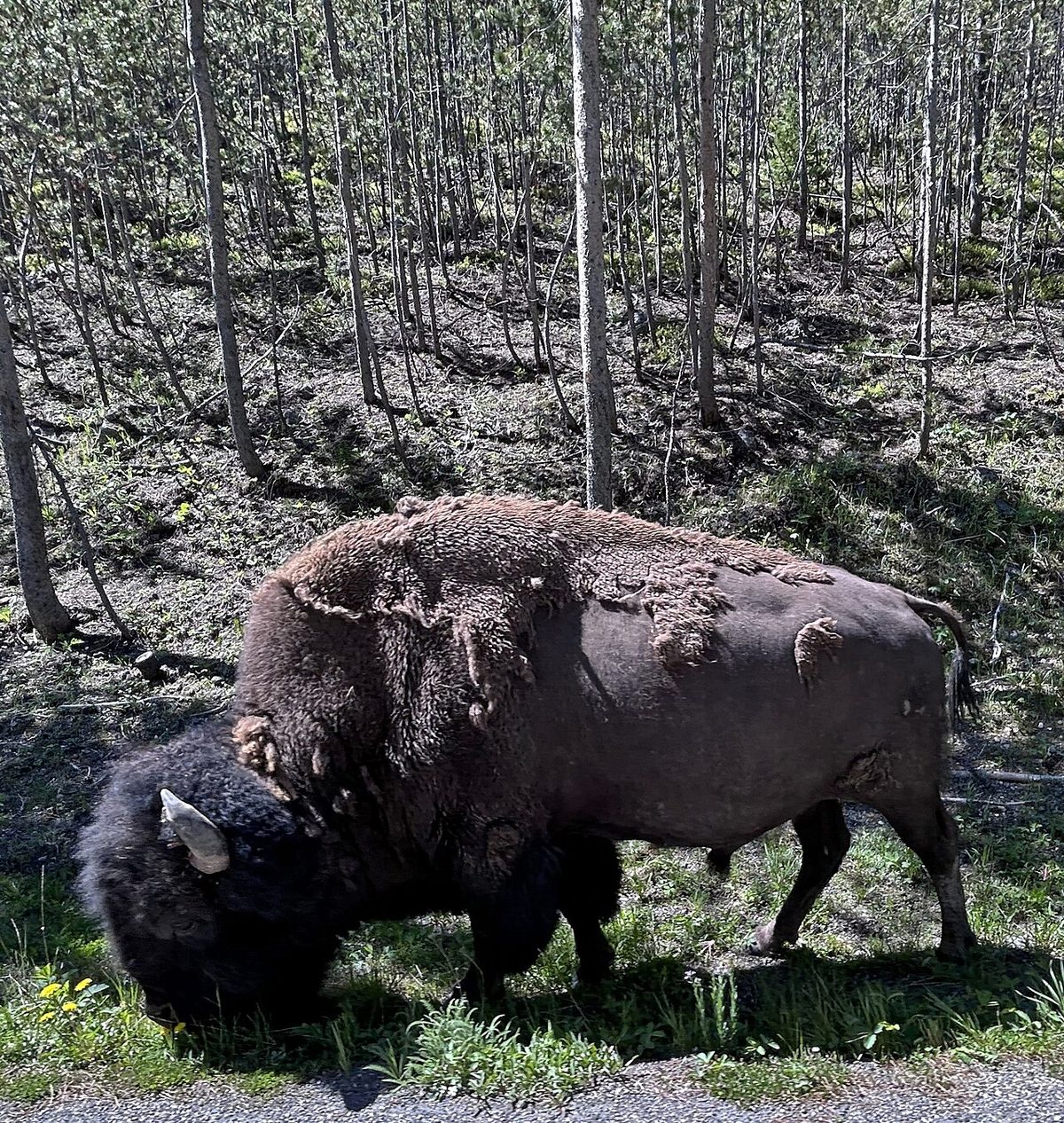
In the US, "buffalo" gets used loosely. It can mean water buffalo, Bubalus bubalis, the domestic animal kept across Asia and in Italy. It can also mean American bison. These are different animals with different markets, and a price quoted for one tells you very little about the other. Before you take a number seriously, ask plainly which animal it refers to.
On naming, the science is settled: a ruling in March 2003 made Bubalus arnee the valid name for the wild form, while B. bubalis stays valid for the domestic form and also covers feral populations. Within the domestic species there are two types — river buffalo with 50 chromosomes and swamp buffalo with 48. They do not readily interbreed, though fertile offspring can happen.
The words to search and label under

If you only search "buffalo meat" you will miss most of the trade. The meat travels under several names:
- Buff or red beef — India and Nepal
- Carabeef — a blend of "carabao" and "beef", coined in Philippine English in the 1970s
- Padwa (India), pado (Nepal), bansgosh (Pakistan) — meat from young animals
- Buffalo broilers — milk-fed calves raised for young slaughter
Those words are worth knowing on both sides of the deal: for finding buyers, and for labelling your product so the right customer recognises it.
On inspection, grading and labelling rules for selling water buffalo meat in the US, and on which plants near you will even take the animal, there is no general answer to give. That genuinely depends on where you farm. Call your state agriculture office and ring the processors within hauling distance before you buy a single head.
The world market you would be selling into
The volumes tell you this is not a fringe meat globally, even if it is unfamiliar at your local counter.
- India produces about 43% of the world's buffalo meat, rising from 4.1 million tonnes CWE in 2014 to 4.3 million tonnes CWE in 2015.
- In 2015, India exported more than 2.4 million tonnes of buffalo meat and allied products, Brazil 2 million tonnes and Australia 1.5 million tonnes.
- India's share of global buffalo meat exports was put at 23.5%, up from a 20% share in fiscal year 2014.
- Indian exports grew at approximately 14% yearly since 2011 and earned more than $4.8 billion in 2014 — the first year buffalo meat brought India more than Basmati rice.
- Ninety-seven percent of the world's water buffalo population sits in Asia, with China, Pakistan and India holding most of the stock.
Be careful with the percentage shares, though. Published export shares do not always add up cleanly — one figure puts India alone at 23.5% of global exports, while another line has two unnamed countries at 58.7%. Treat any single share you see as a rough marker, not a fixed truth.
Demand moves with price, and with health talk

The one clear cause-and-effect story on record is not encouraging for high prices. In India, buffalo meat consumption came down by (-) 44.5% in 2014 from 2000, and rising buffalo meat prices are given as one reason, along with health consciousness. Over the same stretch, chicken consumption rose 31%. White meat gained while red meat lost.
Yet the picture is not agreed on. Some figures show consumption falling as above; other forecasts for calendar year 2014–2015 had it rising, from 3.1% and 3.5% to 2.1 and 2.175 million tonnes CWE. Both readings are in circulation, so do not build your plan on either one alone.
Also keep the health headwind in view. Red and processed meat consumption is linked to higher risk of cancer, coronary heart disease and diabetes, and high beef consumption is associated with colorectal cancer and cardiovascular disease, especially in processed form. Meat has already been reshaped by that pressure once: after saturated-fat worries in the 1980s, the fat content of UK beef, pork and lamb fell from 20–26 percent to 4–8 percent within a few decades, through breeding for leanness and different butchery. The move to pre-packaged cuts also pushed demand towards larger cattle breeds.
Why buffalo meat is a different product from beef

If you plan to ask for a premium, this is what you have to work with. Buffalo meat is genuinely, measurably different:
- Lower fat content, and the fat is milky white rather than the yellow-white of beef.
- Darker meat colour.
- Lower muscle pH — 5.6±0.4 against 6.4±0.7 for beef muscle.
- Significantly less collagen, though the two species do not differ much in how that collagen is cross-linked.
- Lean, high in protein — higher in protein than chicken — which is why it has long been called "poor people's protein".
- Harder bones than cattle, because the animals are bigger.
That leanness is what drives interest among health-conscious eaters. Water buffalo also sits in a group of species not traditionally farmed for meat that are now being raised for it, alongside antelope, zebra and camel, and organic production supports growing demand for meat raised to that standard. Those are real positioning hooks — novelty, leanness, and a farming story.
What none of this comes with is a price gap over beef. The product difference is documented. The premium is not. You will have to find out what your own buyers will pay for it.
What the animal does on feed, and when to finish it
There is one published growth benchmark worth knowing. On an ad libitum, high-concentrate ration at a 75:25 ratio, a buffalo grows at 610 g/day with a feed efficiency of 7:1. The nutrient requirement for a buffalo steer is given as 1.8 kg TDN, 6.6 MCal ME, 0.24 kg DCP, 11 g P and 14 g Ca.
For a rough sense of scale, feed-to-liveweight ratios for beef run from 7:1 up to 43:1, against about 2:1 for chicken — roughly 4–5 kg of high-protein feed, or more than 20 kg of much lower quality feed, per kilogram of beef liveweight.
Cheap feed is the real selling point
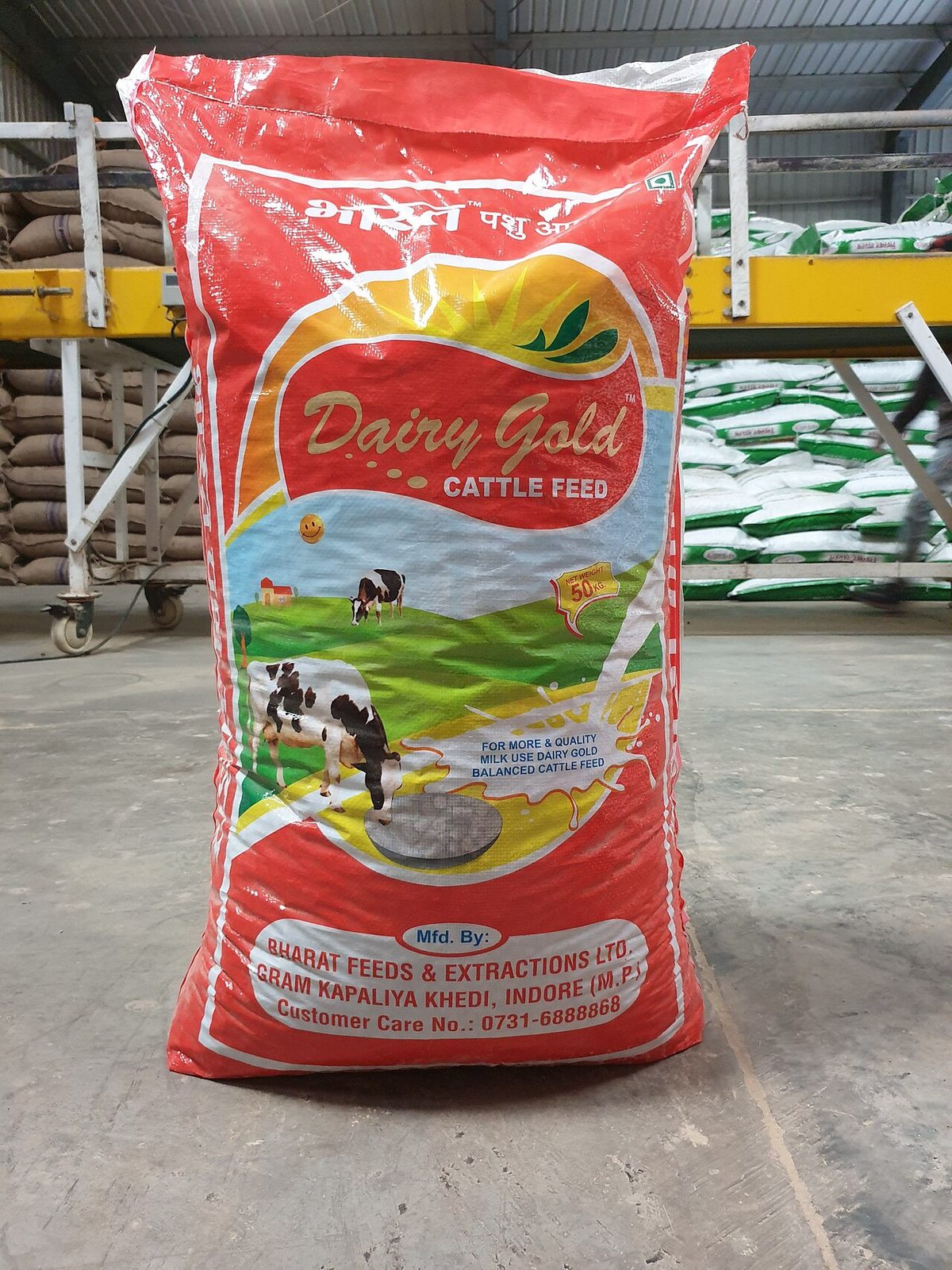
Buffalo are described as very cheap to feed. They are generally raised on coarse feeds and straw crop residues, which they turn into protein-rich lean meat, and they suit places with poor feed resources. They are also described as possibly more resistant to disease than cattle. For fattening and for milk, common green fodders include alfalfa, banana plants, cassava, maize, oats and sorghum, often conserved as hay, chaffed or pulped. In flooded ground the animals will even graze underwater on reeds and sedges.
Part of this comes down to the gut. The buffalo rumen carries a larger bacterial population, especially cellulolytic bacteria, fewer protozoa, more fungal zoospores, and higher rumen ammonia nitrogen and pH than cattle.
Note what "cheap" does not mean here: there is no dollar figure attached to any of it. Feed cost per day, breeding stock prices, labour, vet, transport, mortality, break-even — those are yours to work out locally, on your own feed prices.
Finishing age: practice varies
Top-grade young buffalo meat is called padwa, and the age that defines it is not settled. Some go by under 20 months; others take it up to under 24 months. Meat from animals reared up to 24 months and fed with milk is described as high quality, and calves brought up exclusively on milk for early slaughter are the "buffalo broilers". The reason young animals grade well is straightforward: a higher proportion of muscle and a lower proportion of fat than other cattle meat.
Dressing percentage, carcass yield and saleable pounds per animal are not something you can borrow from anyone else's figures. Ask your processor what they see, and keep your own records from your first few head.
Raising water buffalo on US ground
Water buffalo are already kept across the Americas, as well as in Italy, the Balkans, Australia and parts of Africa. What is not on record is any US herd count, state, region or producer number — so treat this as a niche you would be helping to build, not an established sector with a beaten path.
Plan around the animal's size and its need for water:
- Weight: 300–550 kg (660–1,210 lb) is typical, with animals over 1,000 kg (2,200 lb) also recorded.
- Height at the withers: 129–133 cm (51–52 in) for bulls and 120–127 cm (47–50 in) for cows, with large individuals reaching 160 cm (63 in).
- Climate: both river and swamp types are well suited to hot, humid conditions, from 0 °C (32 °F) in winter to 30 °C (86 °F) and above in summer.
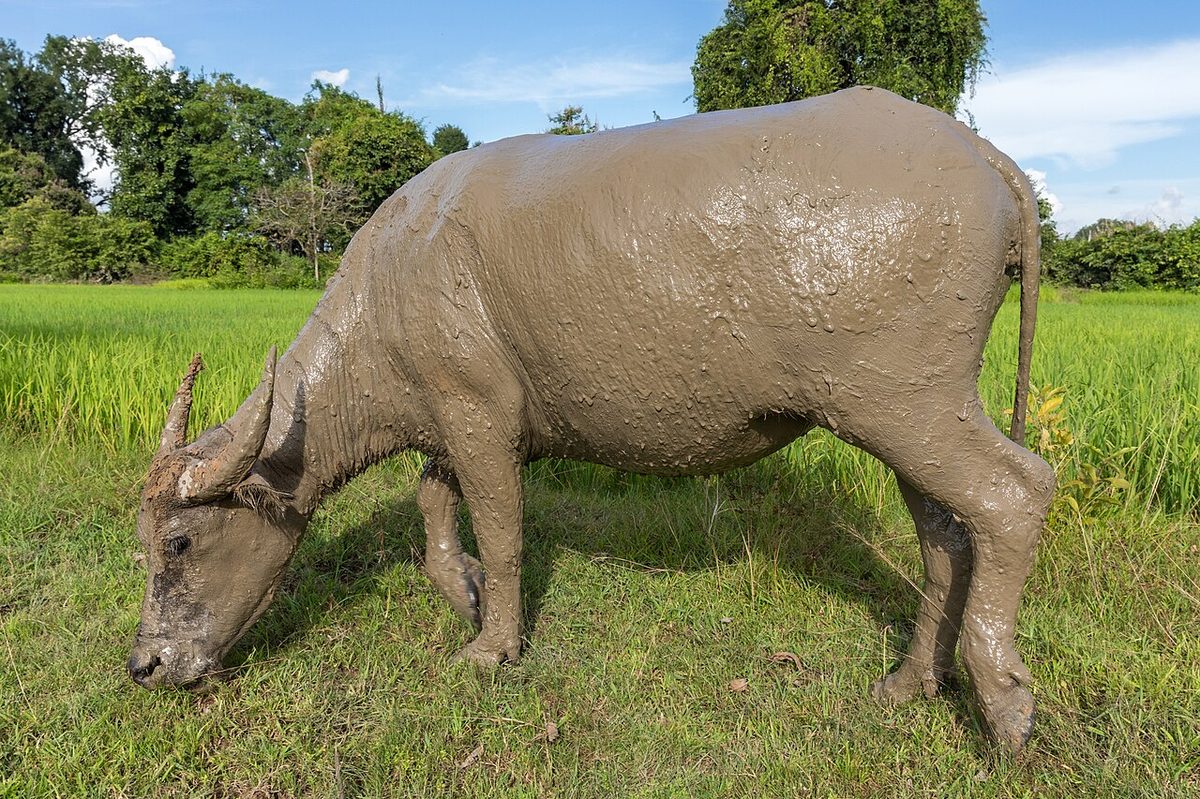
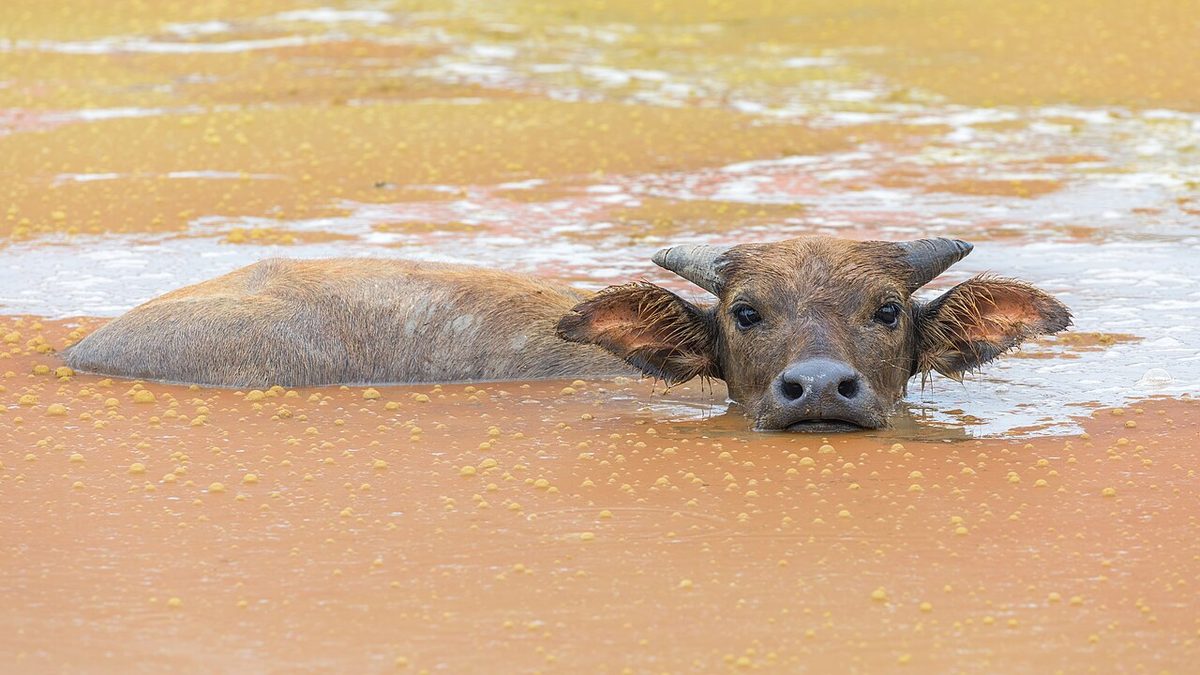
- Water: in heat they need wallows, rivers or splashing water to cool themselves. River buffaloes prefer deep water; swamp buffaloes wallow in mudholes they dig with their horns.
- Ground: some breeds handle saline seaside shores and saline sandy terrain.
Heat management is an economic matter, not just a welfare one. Low temperatures tend to prolong an animal's development and high temperatures tend to delay it, though cattle in general tolerate a wide temperature band. The species is hardy enough to go wild given the chance — a large feral population took hold in northern Australia in the late 19th century.
Testing, movement paperwork, and fencing and handling suited to a bovine that may top 1,000 kg all vary by state and by facility. Sort those out with your vet and your state office before the animals arrive, not after.
Who would actually buy from you
The documented buyer base for buffalo meat is largely overseas, and that is worth knowing before you count on domestic demand.
- Religious markets: restrictions on beef in India, Nepal and parts of eastern Bhutan create a need to keep buffalo meat clearly separate from beef. Cattle slaughter is prohibited in many Indian states and in Nepal. Hinduism prohibits beef; Buddhists oppose animal slaughter but hold no doctrine about wrongful eating.
- Export destinations: Asian countries take more than 80% of India's buffalo meat exports and African countries around 15%, with Vietnam alone at 45%.
- Dual-purpose dairy areas: in parts of Campania in southern Italy, where water buffalo are reared for mozzarella, the meat is served locally and made into cured sausages.
- Whole-carcass cooking: Nepali Newar cuisine uses roasted, smoked and marinated meat (choila, hāku chhoylā), raw minced kachilā, curries such as pālulā, dāyekālā and jellied takhā, momochā dumplings and dried sukulā — plus liver, blood, tongue, brains, intestine and bone marrow dishes. Where that cooking exists, there is paying demand across the whole animal, not just prime cuts.
Remember milk usually comes first
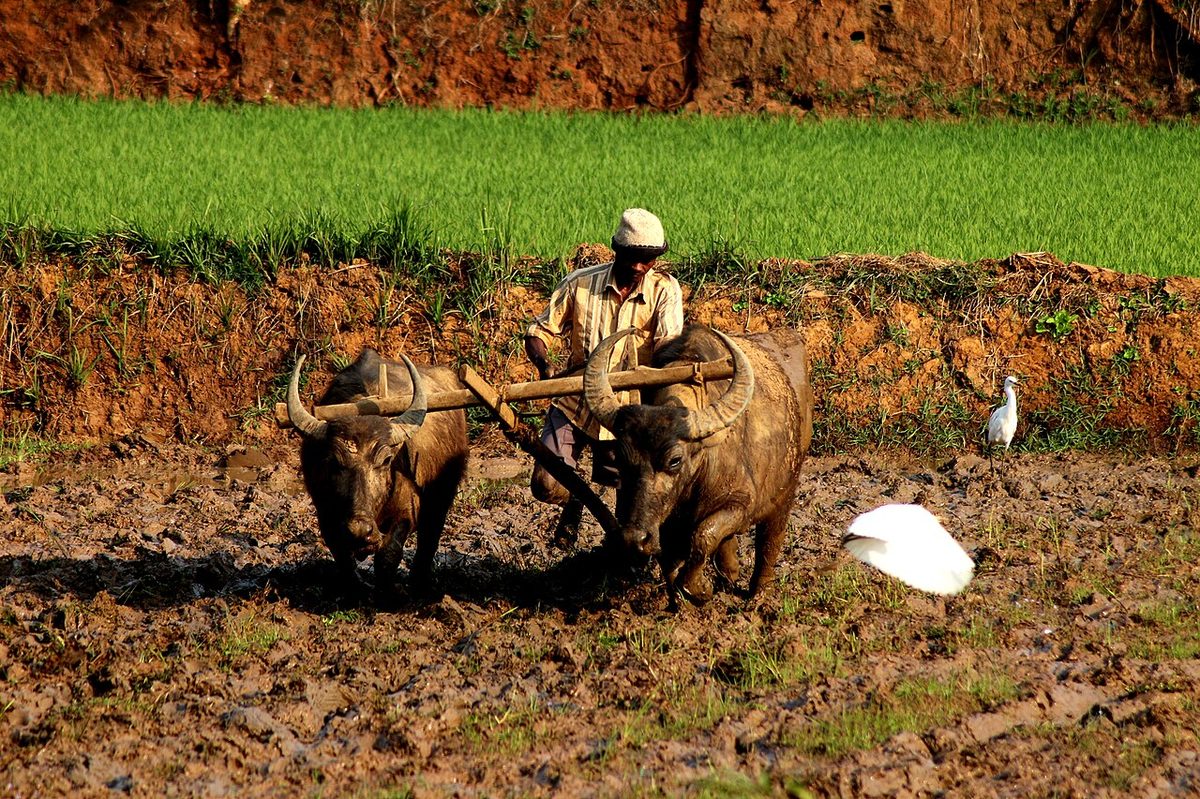
Worldwide, the main reason buffalo are kept is milk; slaughtering them for meat is a secondary priority. India alone produces nearly 57 million tonnes of buffalo milk a year, 67% of global production, and buffalo milk is richer in fat and protein than dairy cattle milk. The animals are also long-standing draught stock, especially suited to tilling rice fields. Whether milk beats meat on your farm is a sum only you can do with local prices in hand.
The US market you are standing in
The domestic backdrop is beef at scale. As of 2018 the United States, Brazil and China were the largest beef producers. CAFOs supply 70.4% of cows in the US market and 99% of all meat in the US supply, 42% of medically important US antibiotic use went to cattle, and E. coli O157:H7 contamination is flagged as a CAFO-linked risk. In 2023, US production was forecast to peak by 2035. That system has deep roots — the beef trade grew through expansion in the Southwest after the Mexican–American War of 1848, starting with feral and semi-feral Longhorn cattle, with the Chicago and New York City stockyards gaining first, and industrialised production of beef, dairy and pigs took hold from 1966.
You will not out-scale that. What you can do is be different from it: leaner meat, an unusual species, and a production standard buyers care about. Newer proteins are circling the same premium space — the first commercial sale of cell-cultured meat was in December 2020 in Singapore, cultured chicken from the US firm Eat Just, and Orbillion Bio is working on high-end and unusual meats including elk, lamb, bison and Wagyu beef. Cultured meat is not widely available yet.
Turning all this into a number for your own farm
Since there is no rate sheet to check, build your own price picture. A short list of calls will get you further than another hour of searching:
- Ring the processors within hauling distance. Ask whether they will take water buffalo at all, and what they charge.
- Ask any buyer to quote in your unit — per pound or per cwt, and clearly live or dressed — and get it in writing.
- Confirm which animal a quote covers: water buffalo or bison.
- Ask about the whole carcass, not just steaks. Offal, marrow, blood and dried product all have eaters somewhere.
- Check inspection, grading and labelling rules with your state office before you commit money.
- Line up cold storage early. Unpreserved meat is spoiled by bacteria and fungi within hours or days.
- Record everything from your first animals — days on feed, feed used, finished weight, carcass weight, price paid. That becomes your benchmark.
Buffalo can be a good fit for a farm with rough forage, crop residues, water for wallowing and patience for a niche. It is a poor fit if you need a known price before you start, because that price does not exist yet in this country. Get your quotes locally, write down what you learn, and you will be the one with the real numbers next season.


 Menu
Menu
💬 Comments
Login to comment
No comments yet. Be the first to share your experience!