If you have typed "sheep meat farm near me" into your phone, you already know the problem. There is very little clear information for Canadian sheep producers. You want to know what lamb is worth, which breed will cope with your winter, when to sell, and how nearby buyers are supposed to find you. Instead you get advice written for Australia, price talk with no numbers attached, and a lot of guessing.
So let us be honest from the start. Some of what follows comes from our own price records for Canada. Some of it comes from sheep farming experience overseas, because that is where the breed and product data exists. And some things — your feed bill, your abattoir rules, your local buyers — nobody can tell you from a screen. Where that is the case, we will say so plainly instead of making up a figure.
What sheep meat is worth in Canada
Our own recorded price observations for Canada put sheep meat at an average of CAD3452 per tonne. That average comes from 49 rows of data, with sample and manually entered rows taken out. The lowest observation in the set is CAD2463 per tonne and the highest is CAD5242 per tonne. The most recent observation is dated 2025-01-31.
Two things matter about that range. First, it is wide. Second, the data does not tell us which years the high and low points fall in, so we cannot say whether that swing is a season, a cycle, or a long climb.
What these numbers do not tell you
Be careful here, because this is where farmers get burned. Our figures are a per-tonne series only. They give you:
- No price per kilogram, per pound or per head.
- No breakdown by province or region.
- No statement of whether the price is farm gate, wholesale or retail.
So you cannot use CAD3452 per tonne to work out what a single lamb will fetch at your local auction. For that, you need to ring your nearest livestock dealer, auction mart or abattoir and ask what they are paying this month. That is a local number, and it changes. Nobody should hand you one from a distance.
How lamb compares to beef, pork and poultry
This is where sheep start to look interesting. In the same Canadian records, each of five meats is represented by 49 rows with the same most recent date of 2025-01-31. Here is how the averages line up:
- Cattle meat: CAD4088 per tonne (range CAD2832 to CAD5583)
- Sheep meat: CAD3452 per tonne (range CAD2463 to CAD5242)
- Turkey meat: CAD2892 per tonne (range CAD2470 to CAD3140)
- Chicken meat: CAD2726 per tonne (range CAD2290 to CAD2940)
- Pig meat: CAD1922 per tonne (range CAD1466 to CAD2386)
Sheep meat sits second on average price, behind cattle meat and ahead of turkey, chicken and pig. It is also second on its peak: sheep meat's high of CAD5242 per tonne is beaten only by cattle meat's CAD5583, and it clears the ceilings for turkey (CAD3140), chicken (CAD2940) and pig (CAD2386) by a good margin.
The wide swing cuts both ways
Look again at those ranges. Chicken moves inside a narrow band. So does pig meat. Sheep meat and cattle meat are the two lines that swing hard. In a good stretch, sheep meat reaches heights poultry and pork never touch. In a poor stretch, it drops to CAD2463 per tonne, which is close to the chicken average.
That tells you something useful about how to plan. A wide-swinging line rewards a farmer who can hold nerve and pick a moment, and it punishes one who has no margin to absorb a bad year.
One more caution: none of this accounts for what it costs you to produce a lamb. Winter feed, hay, shelter for lambing, land, stocking rate, predator losses — those are the numbers that decide whether the enterprise pays, and they are farm-specific. Sit down with your own figures, or with a local farm adviser, before you take price alone as an answer.
Choosing a meat breed: the case for the Dorper
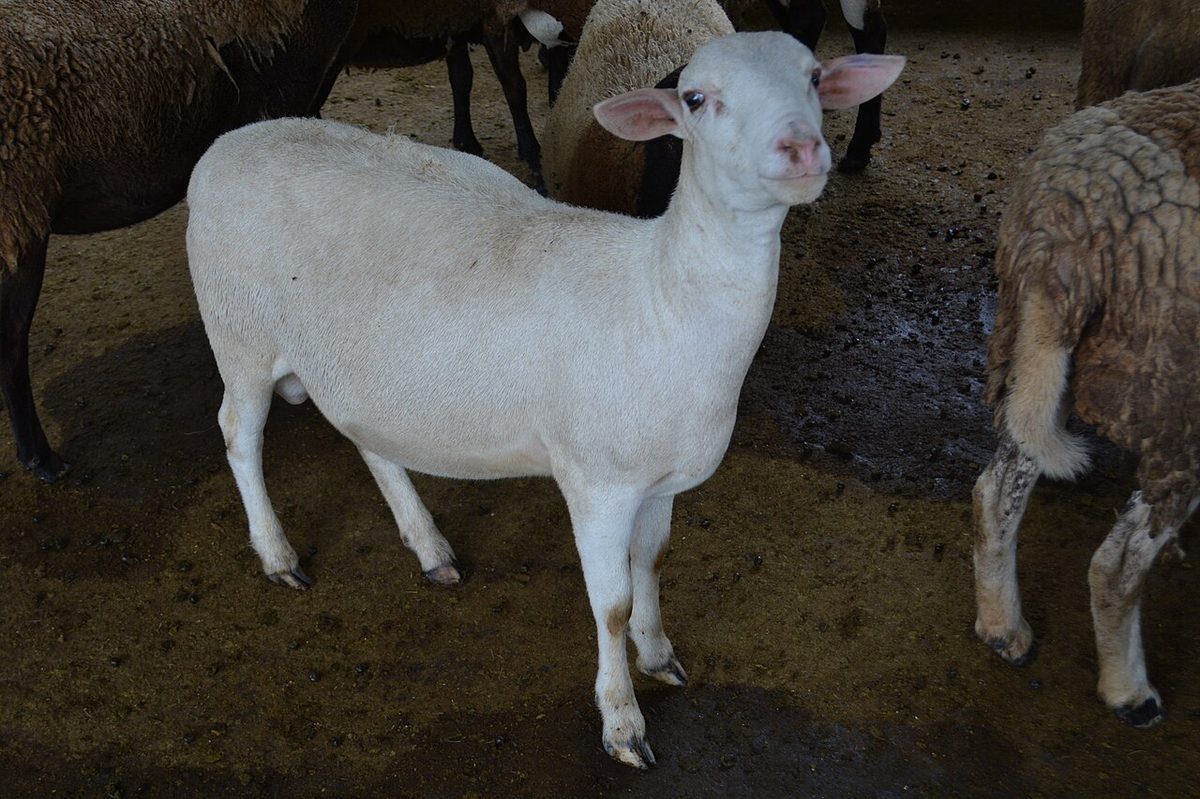
The Dorper is worth a serious look if you want meat lambs with less work. It was developed in South Africa around the 1930s by crossing Dorset Horn with Blackhead Persian — Van Rooy is also believed to have contributed to the White Dorper — and it is now the second most common sheep breed in South Africa.
No shearing, no crutching, no mulesing
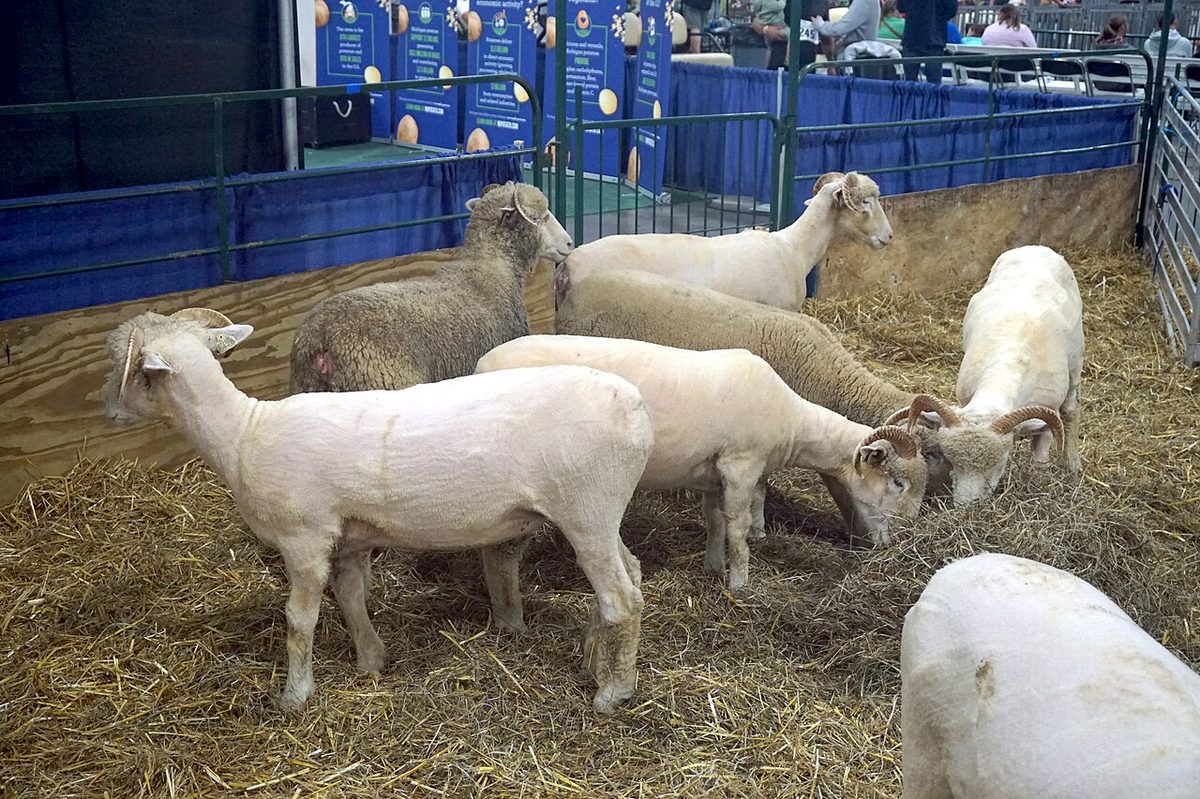
The Dorper grows a short, light coat of wool and hair, and sheds it in late spring and summer. That means no shearing, no crutching and no mulesing, and it is much less prone to flystrike than a Merino. It is described as an easy-care breed needing minimal labour, with a thick skin that protects it in harsh conditions. With shearing costs rising, that saved labour is a real part of the argument for running Dorpers either as a replacement flock or alongside a wool flock.
Climate and finishing
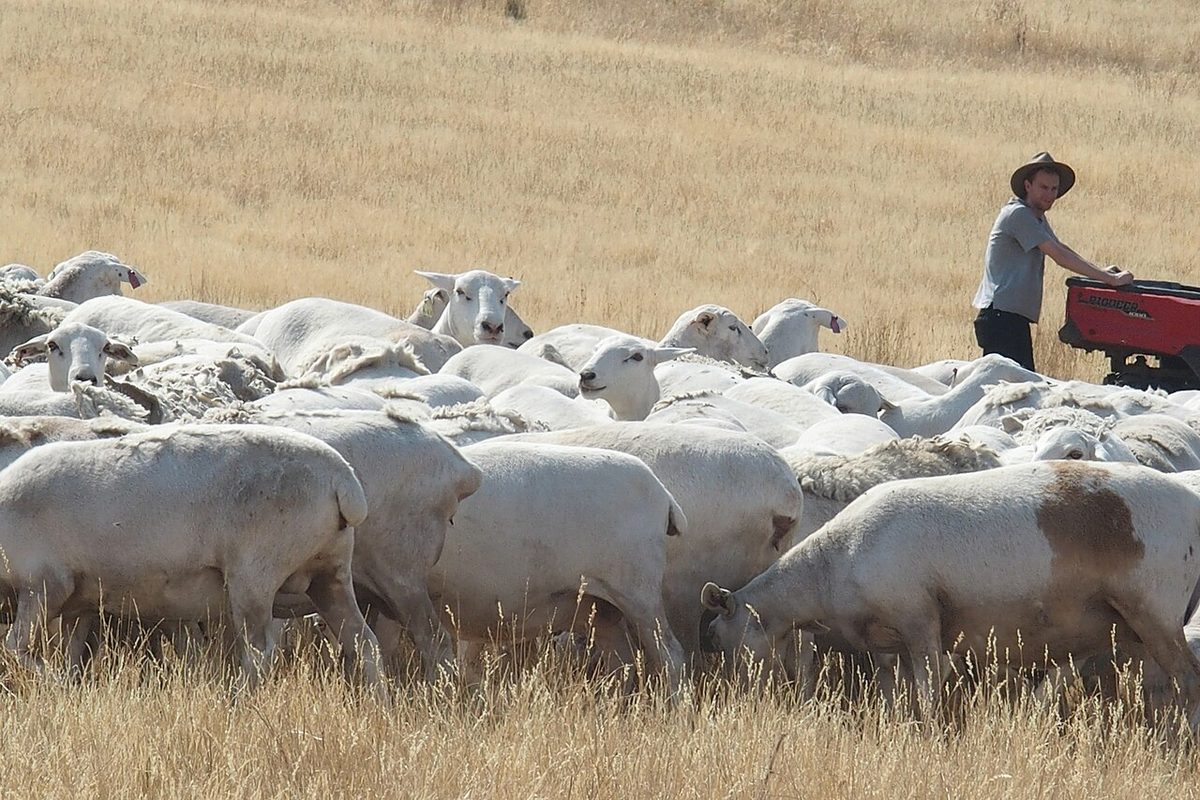
The breed was bred for South Africa's more arid regions, but it adapts well to a variety of grazing conditions. In Australia it is farmed across arid and tropical country and in the high-rainfall southern states, and it is reported to thrive even in the extreme cold and wetness of Tasmania. It also adapts well to feedlot conditions, which gives you a second way to finish lambs when grazing runs short in a dry spell. Dorpers graze and browse, and will eat plants a Merino seldom touches.
Be clear about the limit of that evidence, though. Tasmania is the only cold-and-wet claim available, and there is no trial data here on how any breed performs through a Canadian winter, or on indoor winter lambing and snow-season feeding. For that, talk to sheep producers in your own region and to your vet. They have seen what survives your January.
Growth and fertility figures
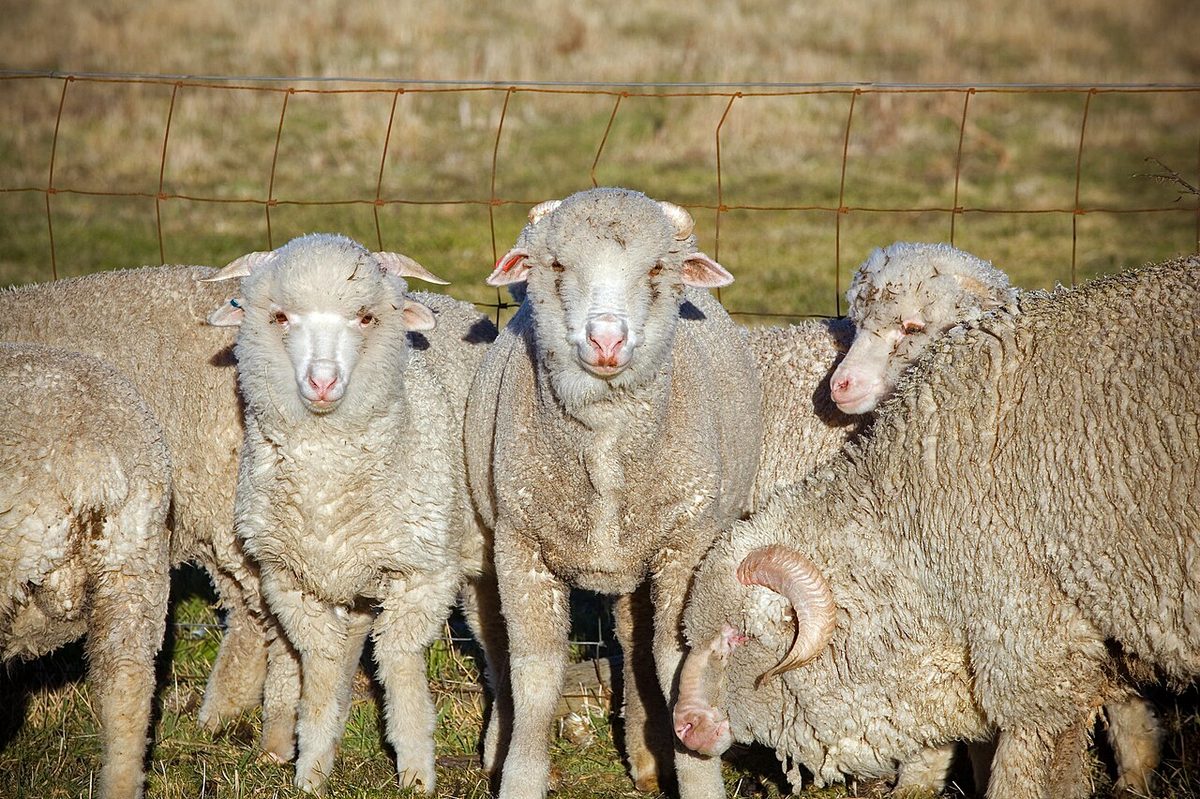
- First-cross Dorper lambs grown in the Mallee region reached about 36 kg (79 lb) liveweight in 100 days, giving a carcase of 17 kg (37 lb) to 18 kg (39 lb).
- Under those conditions, carcase fat scores of 2 to 3 are easily obtained.
- In South Africa, lambing percentages of 150% are not uncommon, with an average fecundity of 160%.
- Rams mature early and have been observed to start working by five months.
The breed is credited with high fertility and strong maternal instinct alongside fast growth and hardiness, and with the ability to produce and reproduce in irregular, low-rainfall country. No comparable growth figures are available here for other breeds or other regions, so treat these as one breed's record rather than a ranking.
Lamb, hogget or mutton: when to sell
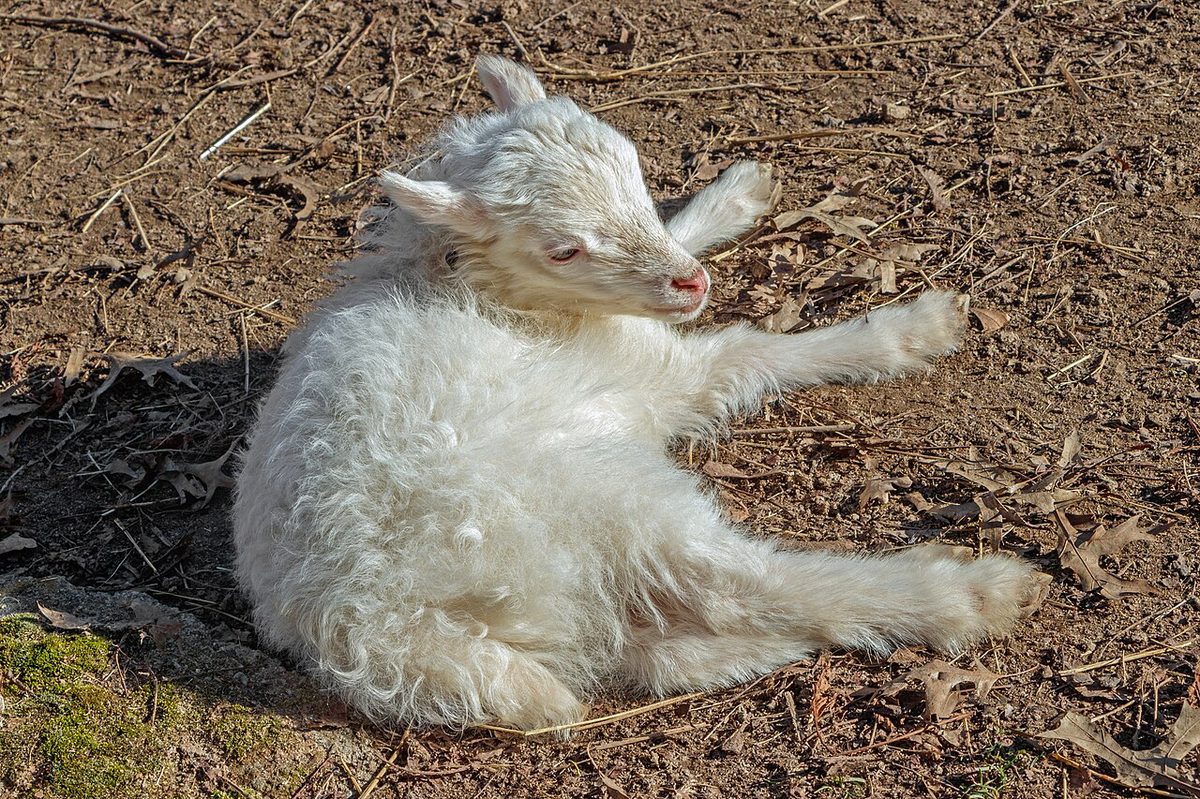
Sheep meat splits into three products. Lamb is meat from the first year, hogget from the second, and mutton from older sheep. Lamb is the most expensive of the three. Younger animals give smaller, more tender meat, and as a rule, the darker the colour, the older the animal.
The dividing lines are drawn by teeth — permanent incisors in wear — and the rules genuinely differ from country to country:
- Britain still defines lamb as 0 permanent incisor teeth.
- Australia, from 1 July 2019, defines lamb as an ovine under 12 months of age, or with no permanent incisor teeth in wear. New Zealand made a similar change in 2018.
- Hogget is a sheep of either sex with no more than two permanent incisors in wear. Some quote that band as 11 to 24 months (UK usage), others as 13 to 24 months (Australian butchers).
- Mutton is meat from a ewe or wether with more than two permanent incisors in wear, over two years old, with tougher flesh.
In practice, almost everything now sells as "lamb". In British, Australian and New Zealand supermarkets, meat from any sheep under two years old tends to be called lamb, and hogget has become a rare word outside farming talk and speciality butchers — sometimes stretching the accepted age distinctions. In the United States, federal labelling rules permit all sheep products to be marketed as lamb, USDA prime is open to animals up to 20 months, and as of 2010 most US sheep meat came from animals between 12 and 14 months old. "Hogget" is not used there at all.
There is no Canadian definition or grading system in any of this, and no Canadian carcase classification. Before you promise a customer or a butcher anything about age class, check the rules that apply where you sell — with your provincial office, your abattoir or your buyer.
The premium, very young end
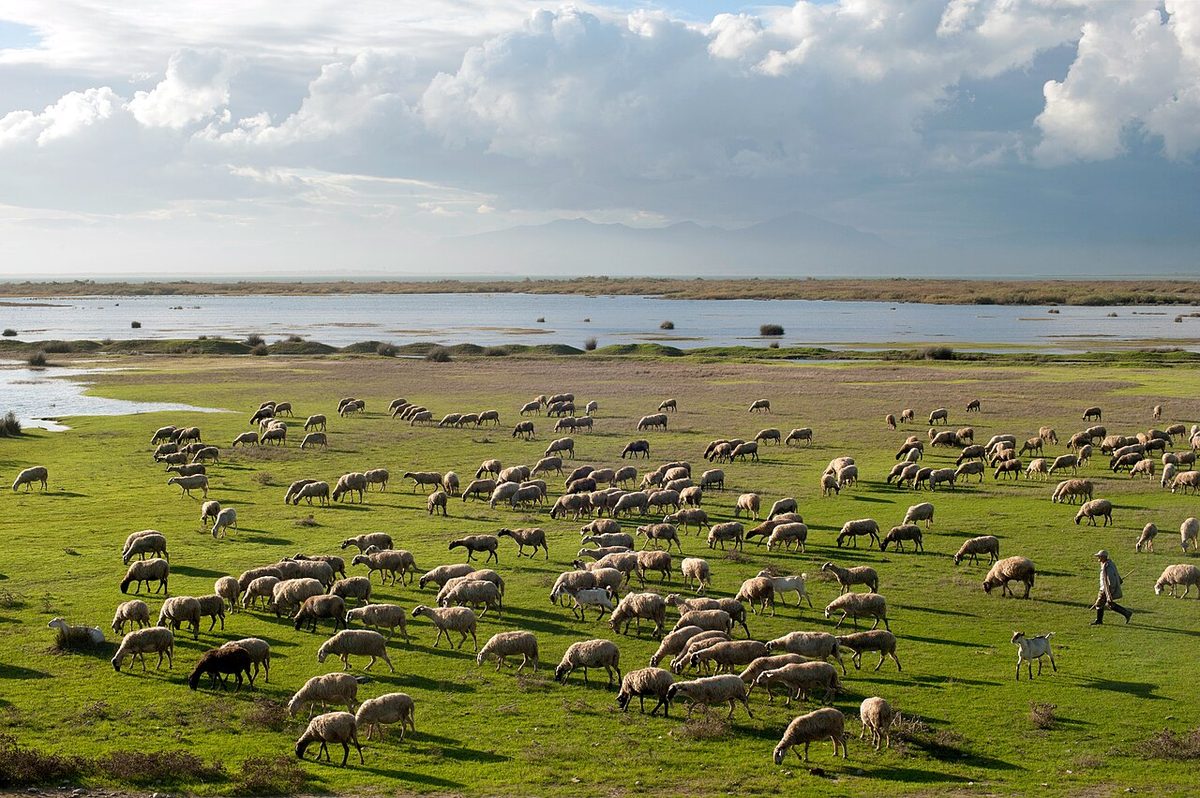
There is a separate market above ordinary lamb. Suckling or milk-fed lamb is meat from an unweaned lamb, typically 4–6 weeks old and weighing 5.5–8 kg. Its flavour and texture are generally thought finer than older lamb and it fetches higher prices, though it is typically unavailable in the United States and United Kingdom. Related terms: "young lamb" is milk-fed and six to eight weeks old, while "spring lamb" is usually three to five months old, born late winter or early spring — the USDA defines spring lamb as slaughtered between March and October.
Demand for this end of the market clusters around Easter and Christmas. Italy's abbacchio is an EU PGI-protected product eaten across central Italy at both, milk-fed lambs are especially prized for Easter in Greece, and Spanish lechazo is milk-fed unweaned lamb found in Asturias, Cantabria, Castile and León and La Rioja. Your own local calendar will look different, and faith-based and ethnic markets each have their own timing and requirements — ask the buyers and processors near you what they need and when.
Income beyond the carcase
Sheep are raised for fleeces, meat and sheep milk, and occasionally for pelts or as dairy animals. So the carcase does not have to be your only cheque.
- Wool. Wool is the most widely used animal fibre and is harvested by shearing. Quality varies even among sheep in the same flock, so wool classing is part of commercial processing. White wool is what the large commercial markets want, while coloured fleeces have a niche market, mostly for handspinning.
- Skins. The Dorper skin is described as the most sought-after sheepskin in the world, marketed as Cape Glovers, and it makes up 20% of the income in South Africa. That is a large share to leave on the table.
- Milk. Sheep milk is a recognised line for those set up to handle it.
Note the trade-off with a shedding breed. A Dorper saves you shearing cost but gives you no wool cheque. Which way that lands depends on your labour, your shearing rates and whether you have a buyer for fleece at all.
Selling lamb, and the red meat question
Sooner or later a customer will ask you about red meat and health, so know both sides.
Even what to call lamb is contested. In nutritional science, red meat means any mammal meat and includes lamb and mutton. In culinary usage, the term applies to adult or "gamey" mammals, while meat from young animals — rabbit, veal, lamb — is called white. Redness comes from myoglobin, so red meat is not always red in colour.
On the good side, red meat can be a strong source of protein, iron, zinc and vitamins B1, B2, B6 and B12, along with creatine, phosphorus, niacin, thiamin, riboflavin and lipoic acid. Offal such as liver carries much more vitamin D than other cuts.
On the other side, in 2015 the IARC classified unprocessed red meat as Group 2A, "probably carcinogenic to humans", citing limited epidemiological evidence for colorectal, pancreatic and prostate cancer plus strong mechanistic evidence, and classified processed meat as Group 1, carcinogenic to humans, causing colorectal cancer. Its conclusion was that if unprocessed red meat does cause cancer, the risk of colorectal cancer is 17% higher for every 100 g eaten daily, and 18% higher for every 50 g of processed red meat daily. The World Cancer Research Fund recommends minimising processed meat and limiting red meat to no more than three portions per week, about 350–500g (12–18oz) cooked weight. A 2025 umbrella review linked high red meat intake to increased all-cause mortality. It is worth knowing that this evidence is largely epidemiological — there are no long-term randomised controlled trials on the question.
Practically, that pushes you toward selling fresh, unprocessed lamb in sensible portions and being straight with customers rather than defensive.
Where Canada sits, and what to check next
Some context helps set expectations. There are around 1.2 billion domestic sheep in the world as of 2019. The countries most closely tied to sheep production in this century are Australia, New Zealand, nations of southern and western South America, South Africa and the British Isles, with China and India holding among the largest flocks by count. Canada is not on that list. Sheep husbandry is practised across most of the inhabited world, and European colonists brought it to the New World from 1493 onwards.
Being outside the big producing club is not a reason to stay out of sheep. It does mean the playbook you find online was written for someone else's climate and someone else's rules, and you have to fill in the Canadian half yourself.
Here is where to start. The price picture is genuinely encouraging: sheep meat averages CAD3452 per tonne in our Canadian records, second only to cattle meat, with a top observation of CAD5242 per tonne — but also a low of CAD2463, so plan for the swing. A shedding meat breed like the Dorper cuts your labour and can put a 17 kg to 18 kg carcase on the ground quickly under the right conditions. Sell most animals as lamb, since it is the dearest of the three products, and check locally exactly what age class you are allowed to call it. Then chase the extra income lines — skins and wool — instead of relying on the carcase alone.
And for everything that depends on where your farm actually is — the price per head this week, winter feed and shelter costs, which breeds survive your season, slaughter and inspection rules, what you must have in place to sell direct from the gate or at a market, vaccination and parasite programmes, and who the nearby buyers are — make three phone calls: your vet, your nearest abattoir or livestock dealer, and your provincial agriculture office. Those answers vary from one district to the next, and a local voice will serve you far better than a number pulled off the internet.
 Menu
Menu
💬 Comments
Login to comment
No comments yet. Be the first to share your experience!