Starting a fish farm in the United States means making several connected choices. You need a species that fits your local conditions, a production system you can control, a reliable source of feed and a clear route to market. You also need to understand environmental risks and the rules around fish names and sales. The difficult part is that many practical details vary by location. A sound fish farming plan starts with what you can confirm locally, rather than relying on broad promises about costs, yields or profits.
Understand What Fish Farming Involves
Aquaculture is the controlled cultivation of aquatic organisms in freshwater, brackish water or saltwater. It is different from catching wild fish.
Fish farming normally includes active management such as:
- Stocking fish under controlled cultivation
- Providing feed
- Protecting the stock from predators
- Managing the conditions in which the fish live
- Maintaining individual or corporate ownership of the stock
Harvesting wild fish is treated as fishing. Harvesting fish that you own and have raised through controlled cultivation is fish farming.
This distinction matters when you describe your business and discuss it with buyers or government offices. It also helps you think clearly about the work involved. A fish farm depends on planned cultivation and continuing intervention, not simply access to a body of water containing fish.
Choose a Production System You Can Manage
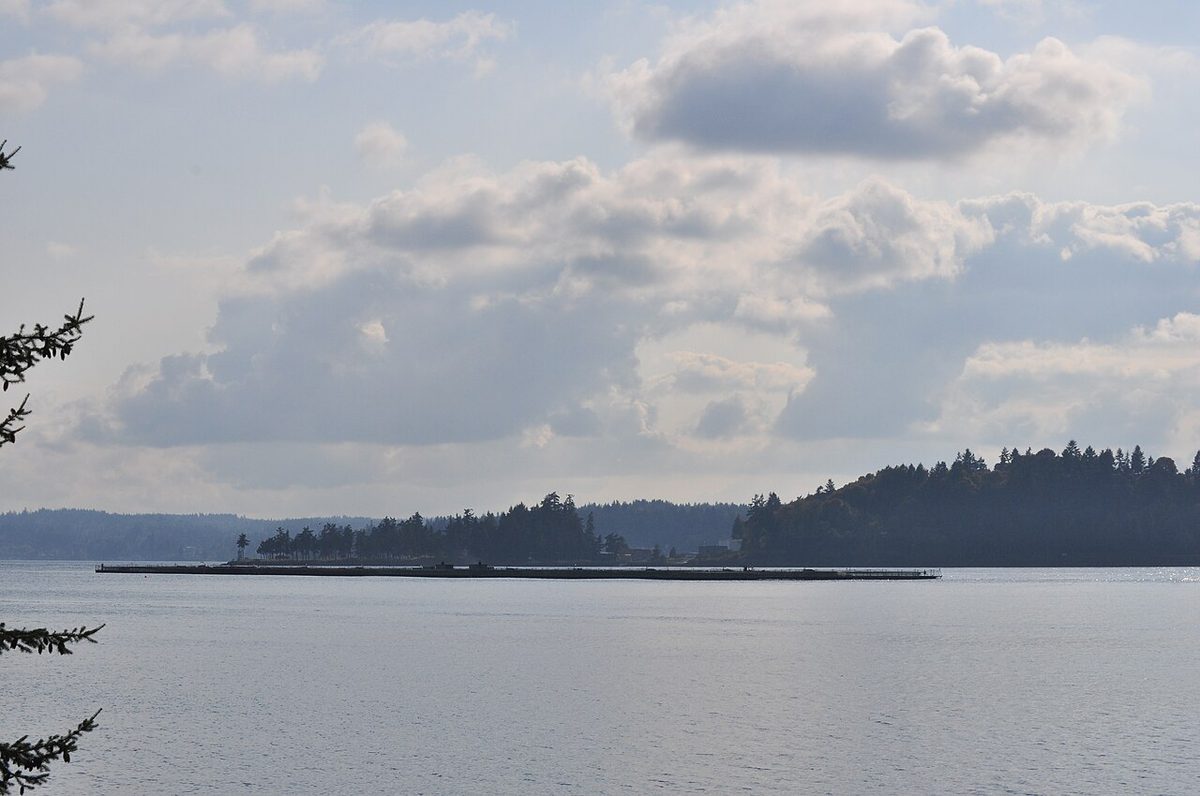
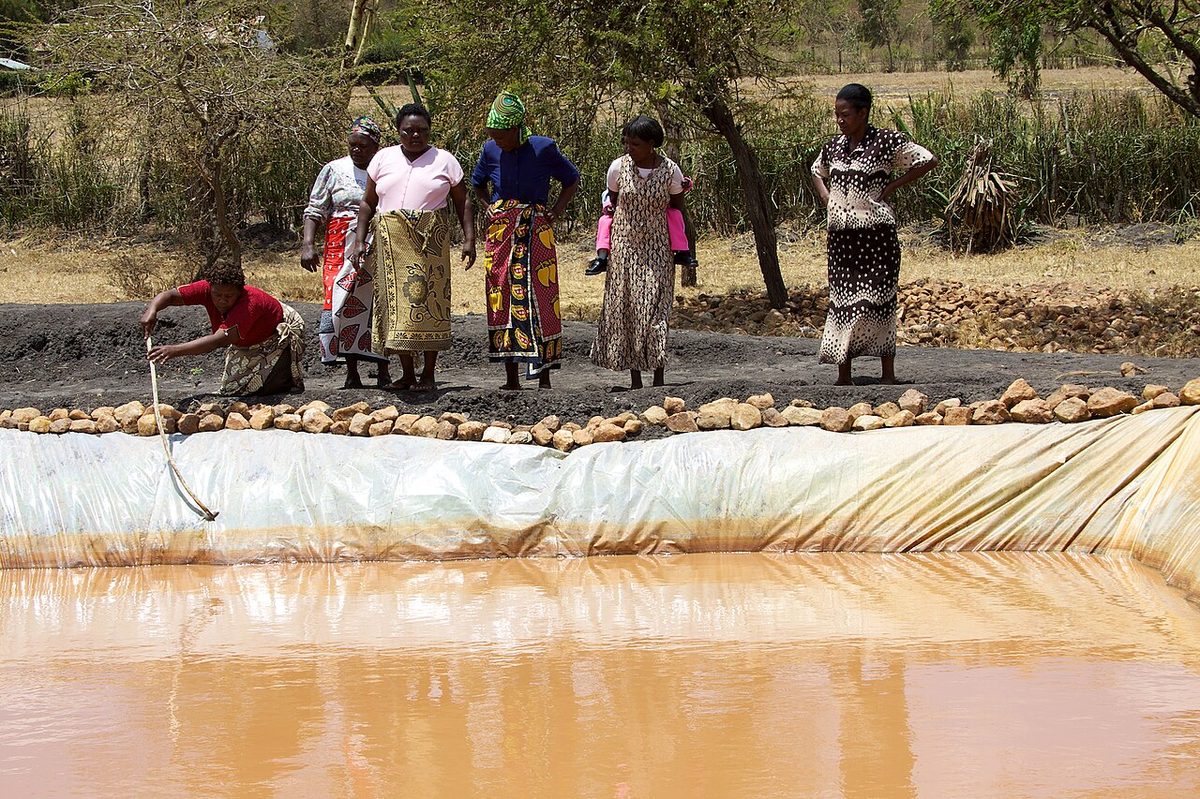
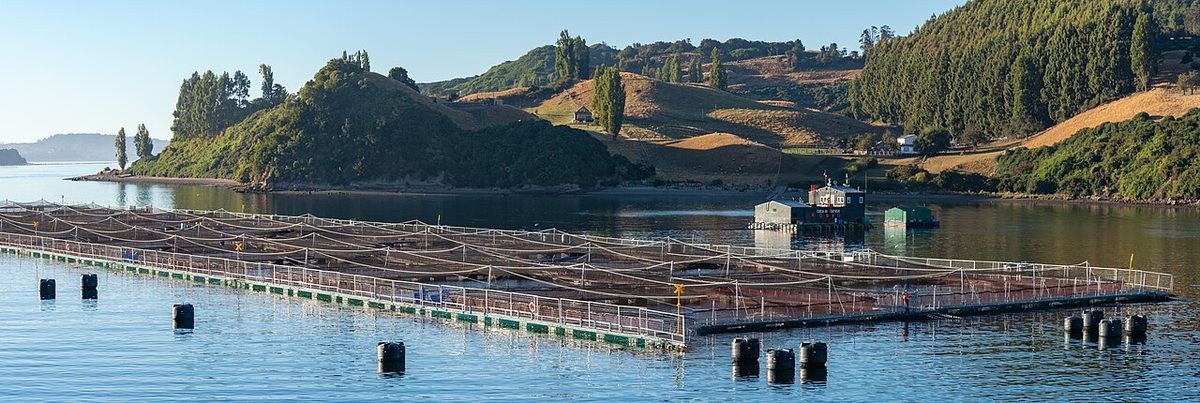
Fish can be farmed in ponds, tanks, raceways, aquaponics systems or cages. Aquaculture may take place in onshore, nearshore or offshore facilities. Offshore operations can also use racks or bags.
Onshore systems
Onshore options include tanks, ponds, aquaponics and raceways. In these systems, conditions such as water quality, oxygen, feed and temperature depend on human control.
Before selecting an onshore system, find out what conditions your chosen fish requires and whether you can maintain them. The right target temperature, dissolved oxygen, pH, ammonia level and other water-quality ranges depend on the species and local situation. Confirm those details with a nearby vet, dealer or relevant office.
Nearshore and offshore systems
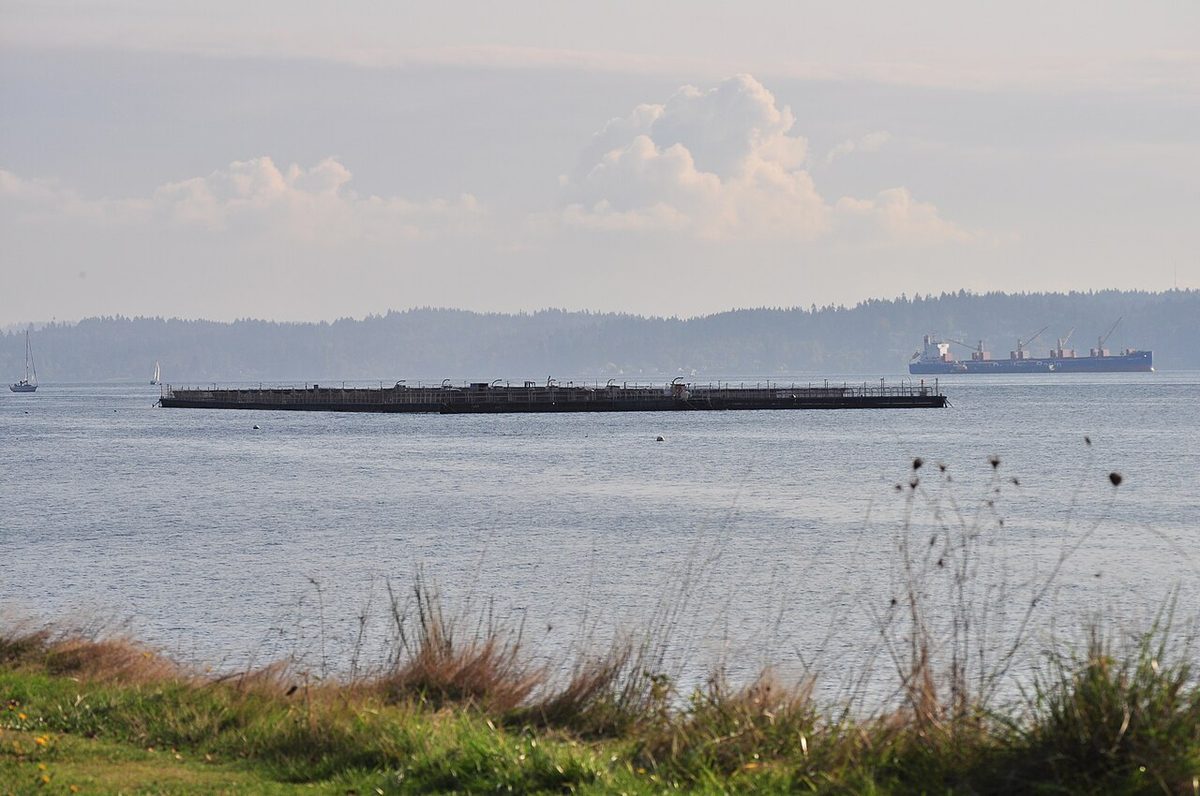
Nearshore facilities and offshore cages, racks or bags are also used in aquaculture. Open systems require careful attention to possible effects beyond the farm. Nutrients and disease can move into surrounding waters or wild populations.
Your choice of system should therefore reflect the water available to you, the fish you plan to raise and the level of control you can provide. Requirements for water use, discharge, construction and stocking vary locally. Check with the relevant federal, state and local offices before committing to a site or system.
Select a Species for Your Local Conditions
There is no single fish species that suits every part of the United States. Climate, water source and production system all affect the decision. Most fish are cold-blooded, which means their body temperature varies with the surrounding water. Large active swimmers such as tuna and white sharks are exceptions because they can maintain a higher core temperature.
Because temperature is closely connected to the surrounding water for most fish, do not choose a species by name or market reputation alone. Ask a nearby vet, fish dealer or relevant office which species fit your region and system. Local advice is also needed for stocking density, growth time, survival and expected yield.
Be careful with common market names
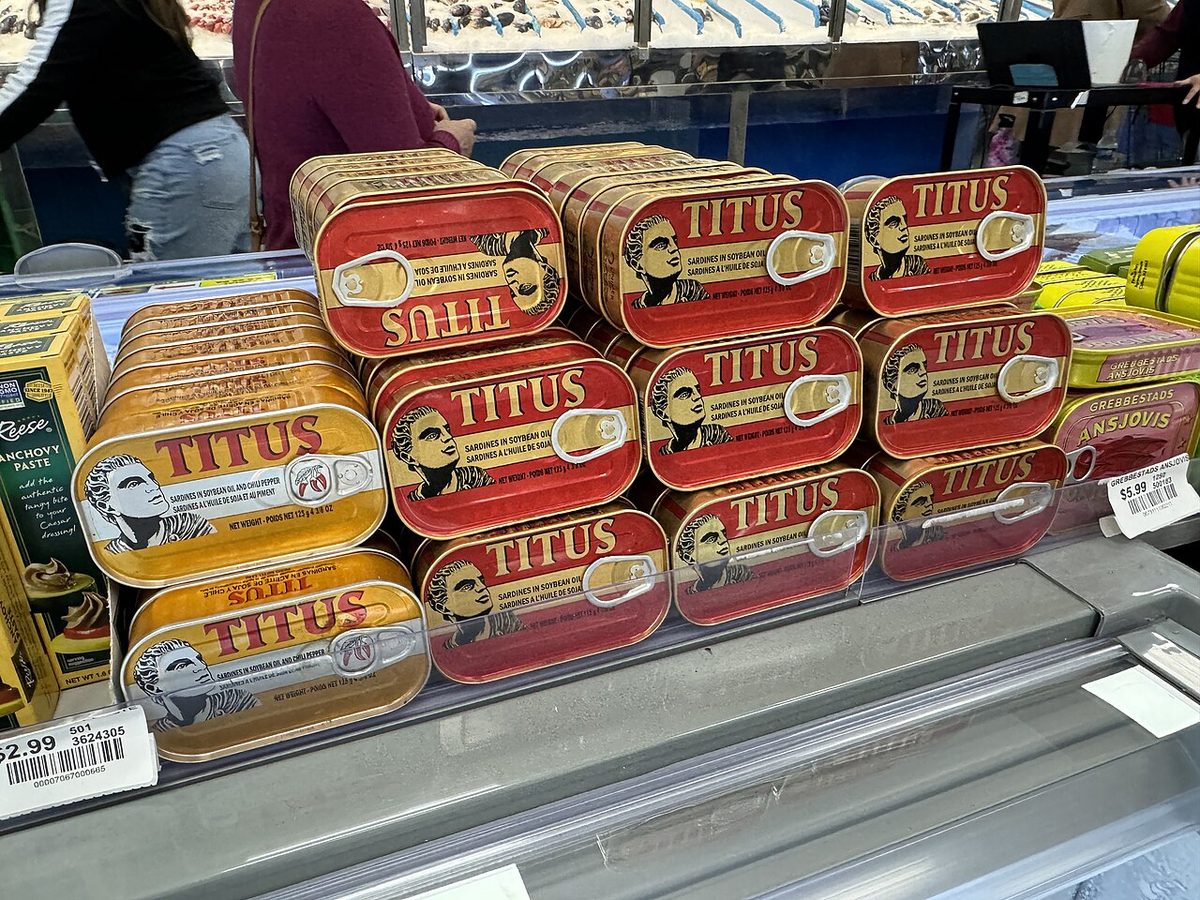
Fish names can describe different species in different markets. In the United States, Pollachius virens and P. pollachius are generally called pollock. P. virens is common in northern parts of the Northern Atlantic, including the Bay of Biscay. Juveniles remain closer to shore, especially near rocky areas, and move into deeper water as they grow.
The western Atlantic commercial saithe catch ranges from 5,000–45,000 tonnes (5,500–49,600 short tons) per year. The western Atlantic saithe population is assessed by the USA National Oceanic and Atmospheric Administration and Fisheries and Oceans Canada.
Saithe may also gather around fish farms and eat uneaten salmon feed that passes through cage nets. Tests found relatively minor differences in fillet quality overall, although catches near farms contained a higher share of poor-quality fish. Taste differences could be detected, but some testers preferred one product while others preferred the other.
Know what basa is—and what that does not tell you
Basa is primarily a freshwater catfish native to the Mekong and Chao Phraya river basins of Mainland Southeast Asia. It feeds on plants and spawns at the onset of flood season. Young fish are first seen in June and average about five centimetres (two inches) by mid-June. Its maximum reported length is 120 centimetres (47 inches).
These details do not establish whether basa is suitable for your U.S. location, water source or production system. That decision depends on local conditions and rules, which you should confirm before buying stock.
Manage Feed and Environmental Risks
Feed is a central input in controlled fish cultivation. For piscivorous fish such as salmon, current aquaculture practice can use products made from several kilograms of wild fish to produce one kilogram of farmed fish. Plant-based and insect-based feeds are being developed to reduce the use of wild fish in aquaculture feed.
Ask your feed dealer what is available for the species you plan to raise. Feed requirements and quality standards vary with the fish and local situation, so confirm them rather than assuming that one product suits every operation.
Limit pollution and disease concerns
Aquaculture can create nutrient pollution or transfer disease to wild populations. These concerns have been raised particularly around open-cage basa farming in Southeast Asia. Environmental groups have also questioned feed quality, farm operating standards and the use of wild stock for culture. They have described USA-farmed catfish as a more sustainable alternative to farmed basa.
Your practical environmental questions should include:
- How feed will be managed so less passes out of the production area
- How your system could affect surrounding water
- Whether disease could move between farmed and wild populations
- What operating standards apply in your area
- Whether you need approval for water use or discharge
Approved medicines, disease treatments, biosecurity procedures and withdrawal periods are not the same in every situation. Check with a nearby vet and the relevant government office before treating fish or setting farm procedures.
Follow U.S. Naming and Market Rules
The name used on a fish product matters in the United States. U.S. rules reserve the catfish label for species in the family Ictaluridae. Under the U.S. Food and Drug Administration ruling, only members of that family may be sold as true catfish.
Congress acted in 2003 to prevent imported Vietnamese Pangasius from being labelled catfish and imposed additional tariffs. Imported Vietnamese Pangasius is therefore sold in the U.S. under names that include:
- Basa fish
- Striped pangasius
- Swai
- Bocourti
In North America, Pangasius bocourti may be called basa fish, swai or bocourti. During the U.S. “catfish war,” domestic producers described imported basa as inferior. However, a small blind taste test involving 58 testers found that imported basa was preferred three-to-one to US catfish.
That result came from a small test and does not provide a current local price or buyer requirement. Before choosing a species, ask potential buyers exactly what fish they purchase, which product name they use and what handling or processing conditions they expect. Processing options and routes to market vary locally.
Assess Commercial Viability Without Guessing
Global aquaculture is large, but global totals cannot tell you whether one U.S. farm will be profitable. Reported global aquaculture output was over 120 million tonnes in 2019, valued at US$274 billion. In 2022, reported output reached 130.9 million tonnes, valued at USD 312.8 billion. These reported figures have reliability issues and should be treated cautiously.
Freshwater systems accounted for 64 million tonnes (63%) of aquatic-animal aquaculture production, while marine and coastal production accounted for 38 million tonnes (37%). Northern America represented 0.4% of global aquatic-animal aquaculture production.
These figures provide broad context, not a business forecast. They do not show what you will pay for land, water, tanks, ponds, cages, stock, feed or labour. They also do not establish growth periods, survival rates, yields or expected profit for your farm.
Build your plan around local evidence
No fish commodity appears in the available 254 rows of U.S. price observations. Those observations cover chicken meat, cattle meat, hen eggs, cow milk, turkey meat, pig meat and honey. They therefore provide no U.S. fish-farm price benchmark.
Do not use unrelated livestock prices as a substitute. Ask nearby dealers and potential buyers for current information. Your commercial plan should confirm:
- Which species buyers want
- What name the product can legally be sold under
- Current local prices and buyer requirements
- Available processing options
- Possible routes to market
- Startup and operating costs for your chosen system
- Likely stocking, growth, survival and yield expectations
Each of these points depends on your local situation. Avoid filling gaps with broad assumptions or global figures.
Make the Decision Step by Step
A practical U.S. fish farming guide cannot give one system, species or profit figure that works everywhere. Start by choosing a possible market, then confirm which fish buyers accept and what the naming rules allow. Match that species to your climate, water source and production system with help from a nearby vet, dealer or relevant office.
Before spending money, ask the appropriate federal, state and local offices what applies to water use, discharge, construction, stocking, transport and sale. Then check your feed options, environmental risks, disease requirements and operating costs. Fish farming is controlled cultivation, so your success depends on how well you can manage the stock and its conditions. Careful local checks will give you a stronger foundation than any unsupported promise about price, yield or profit.


 Menu
Menu
💬 Comments
Login to comment
No comments yet. Be the first to share your experience!