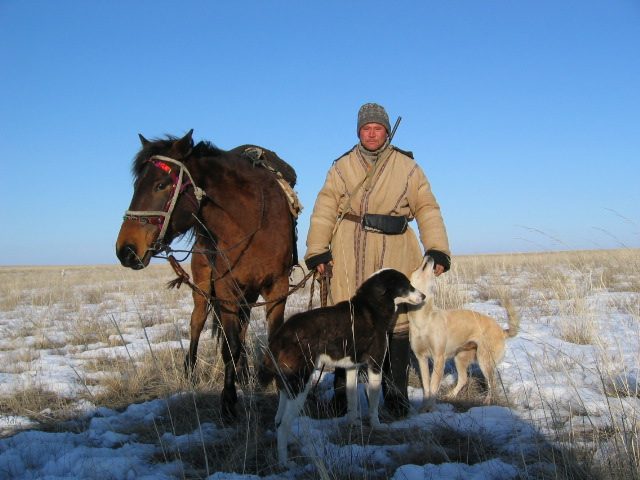
If you came looking for a list of horse breeds with furry, feathered hooves, here is the honest starting point: the material we hold does not name a single breed with feathered hooves, and it never describes hoof feathering at all. What it does give you is a firm grounding in what a horse is, how breeds are grouped — including the cold-blooded draft and pony types where the heaviest, hairiest animals sit — plus what horse-related products genuinely sell for, so you know exactly what is documented and what you need to look up yourself.
What the Records Actually Say About Furry Hooves
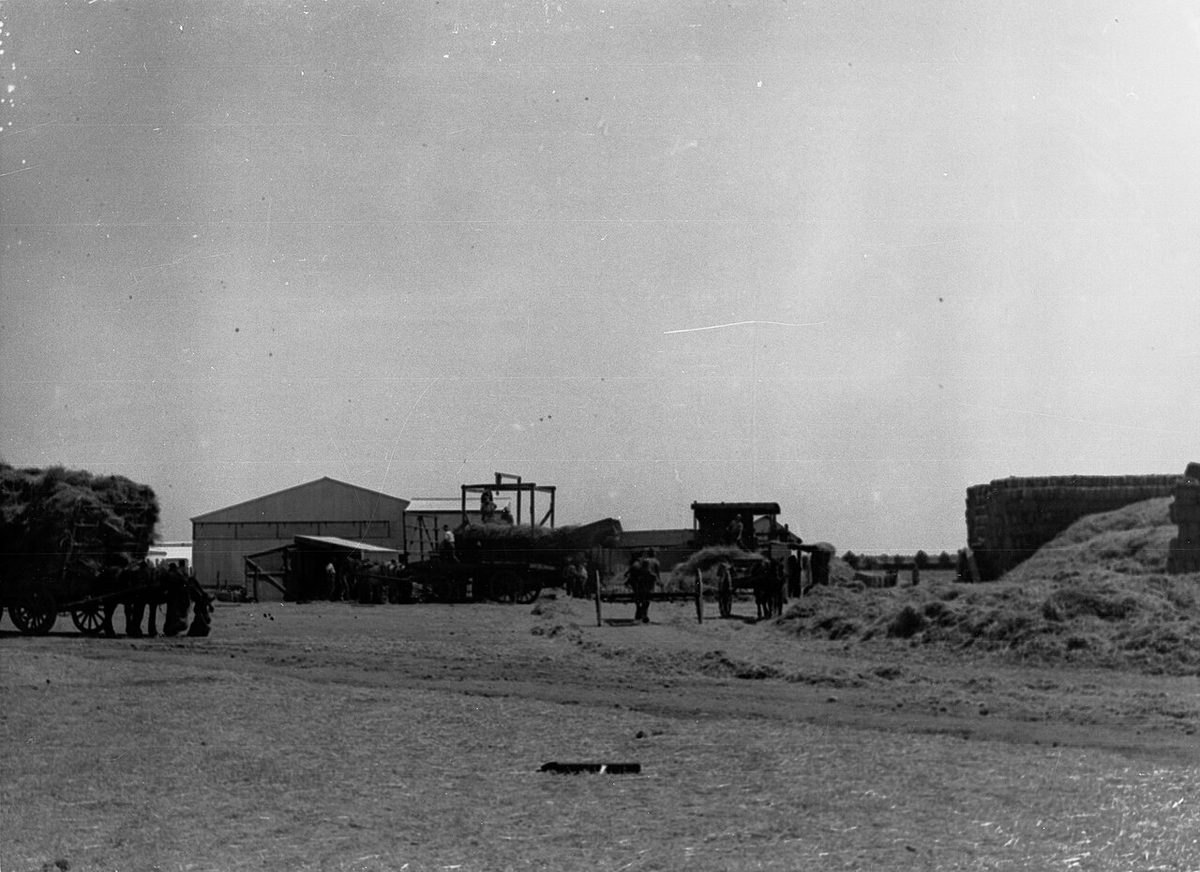
Let us be straight with you from the start, because it saves you time. More than 300 horse breeds exist worldwide, and they have been developed for a wide range of uses. That much is well recorded. But no list of breed names is given, and not one breed is described as having feathered or furry hooves.
That means the heavy-feathered draft and cob types you may have in mind are simply never identified in the material we have. Nor is any of the practical detail you would want next:
- At what age feathering appears, and how much hair grows
- Whether it is inherited, or influenced by climate and management
- Whether heavy hair around the hoof affects soundness, lameness risk or work capacity
- What trimming, cleaning and drying routine such horses need
None of that is covered. If you are shopping for a specific feathered breed or managing one already, that is a conversation for a breed society, a nearby vet or an experienced dealer who handles those animals. What follows is the solid ground we can stand on.
What a Horse Actually Is
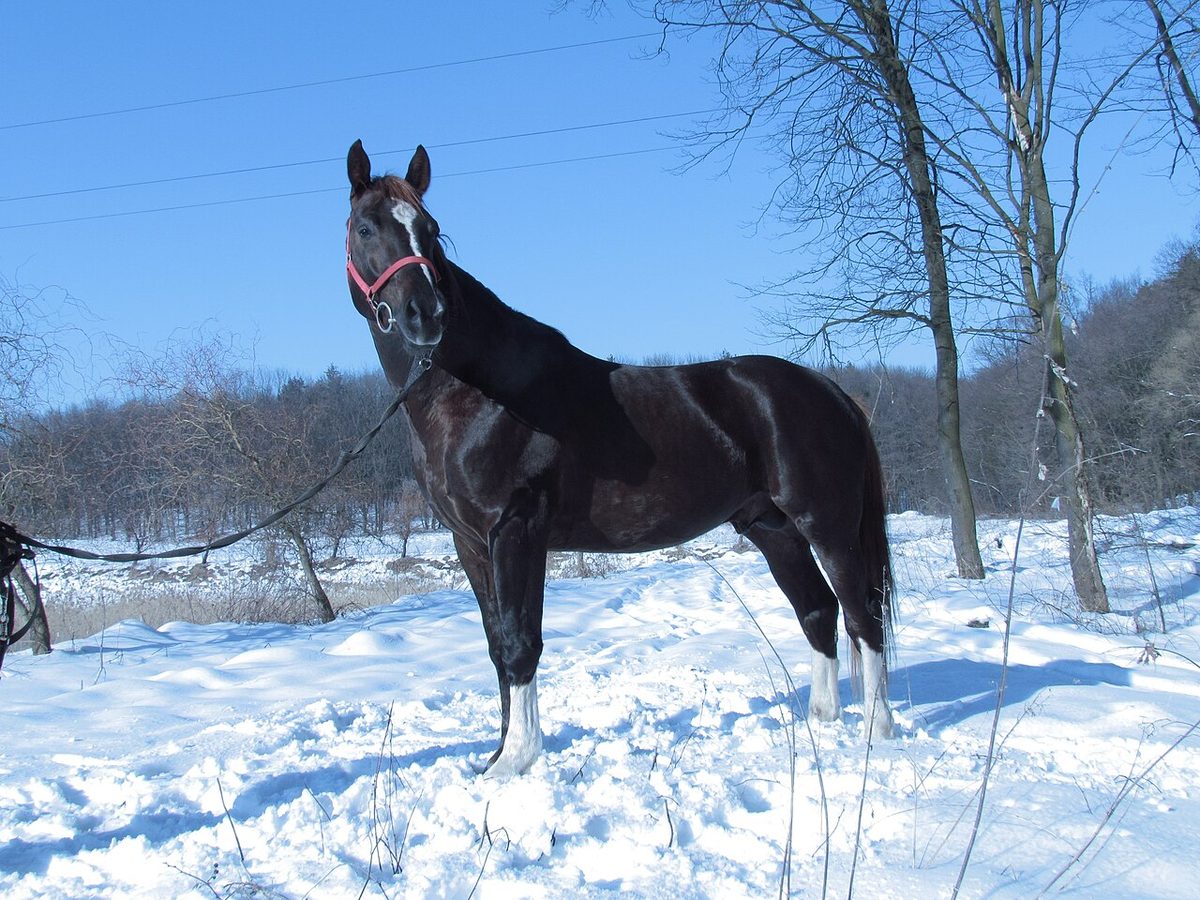
The horse is a domesticated, one-toed, hoofed mammal in the taxonomic family Equidae. It is also described as one of two extant subspecies of Equus ferus. That single hoof is the whole reason a horse stands the way it does, and it is worth understanding before you think about how much hair grows around it.
One toe, one hoof
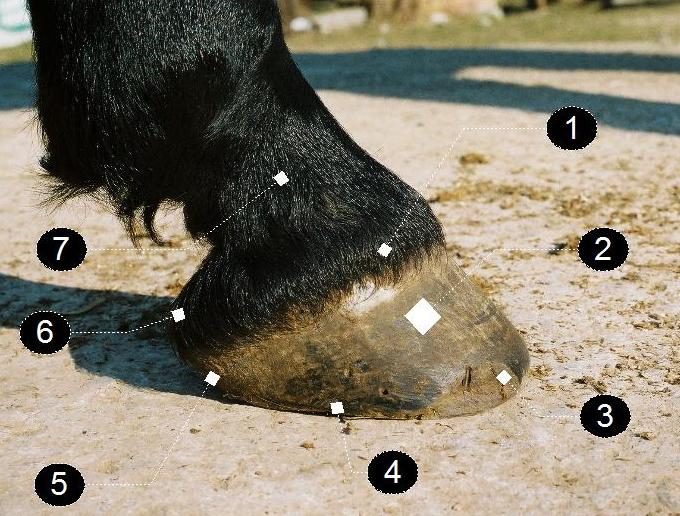
The horse evolved over the past 45 to 55 million years from a small multi-toed creature called Eohippus into today's large single-toed animal. That evolution began in North America. Everything a horse does — walking, trotting, carrying weight, pulling a load — happens on that one hoof per leg.
Where domestication happened
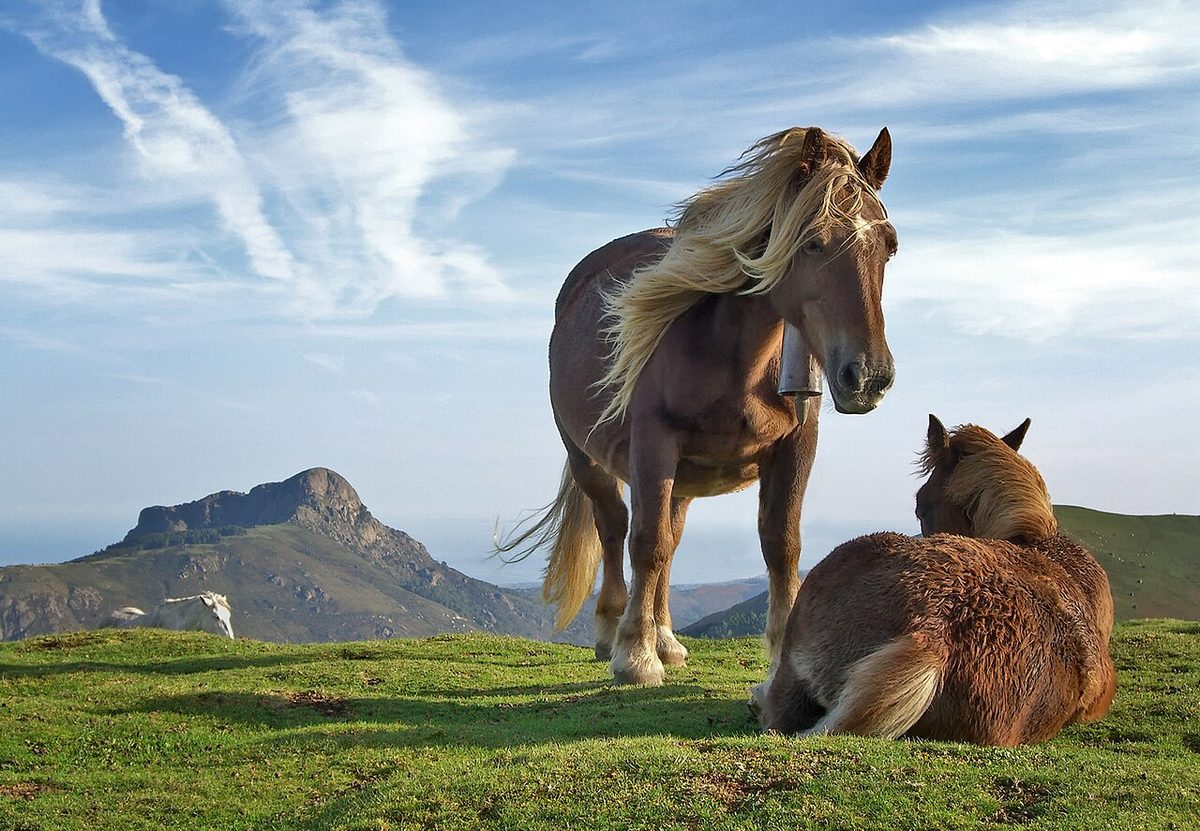
Humans began domesticating horses around 4000 BCE in Central Asia, primarily associated with the Botai culture, and domestication is believed to have been widespread by 3000 BCE. Contemporary genetic evidence indicates that modern domesticated breeds do not descend from that lineage. It points instead to the Western Eurasian steppes in the lower Volga-Don region, with the modern breed replacing local populations through rapid expansion across Eurasia from 2000 BCE.
Feral horses are not wild horses
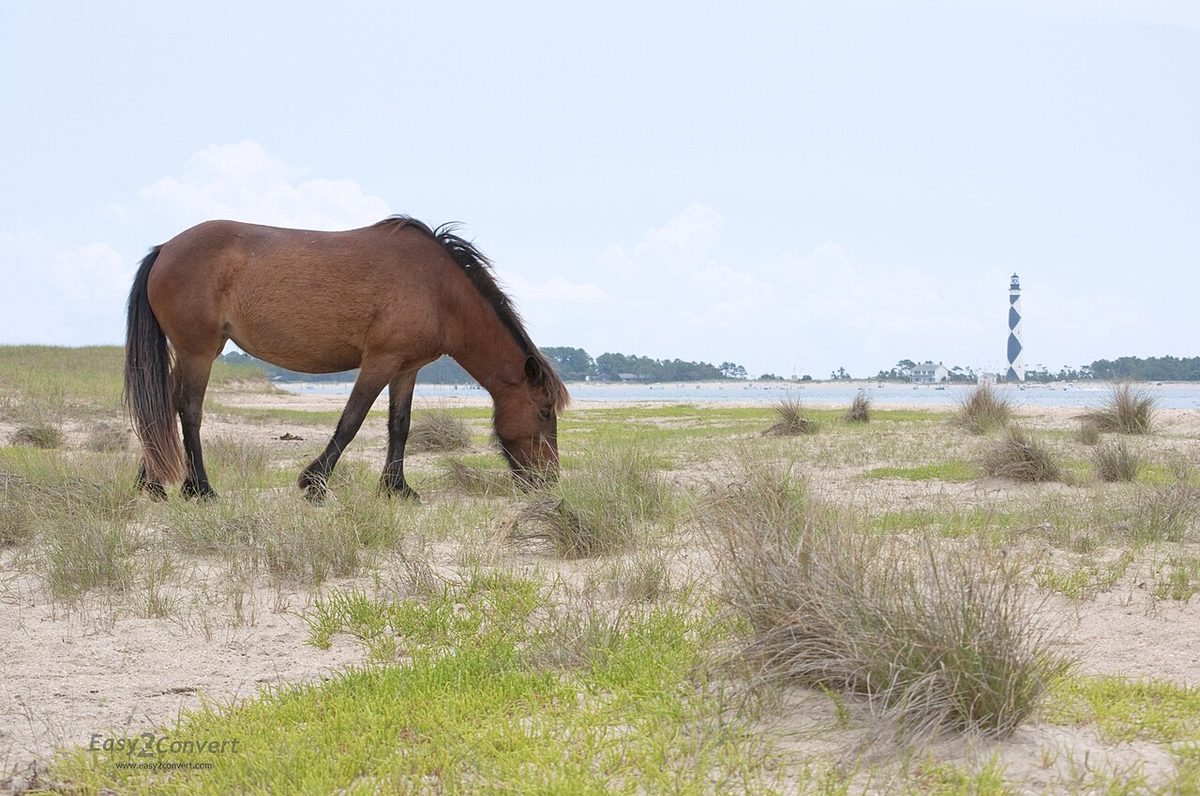
Domesticated populations of the subspecies caballus sometimes live in the wild as feral horses. These are not the same as true wild horses, which have never been domesticated. It is a distinction worth keeping straight when you read about free-living herds.
How Breeds Are Grouped — and Where the Heaviest Types Sit
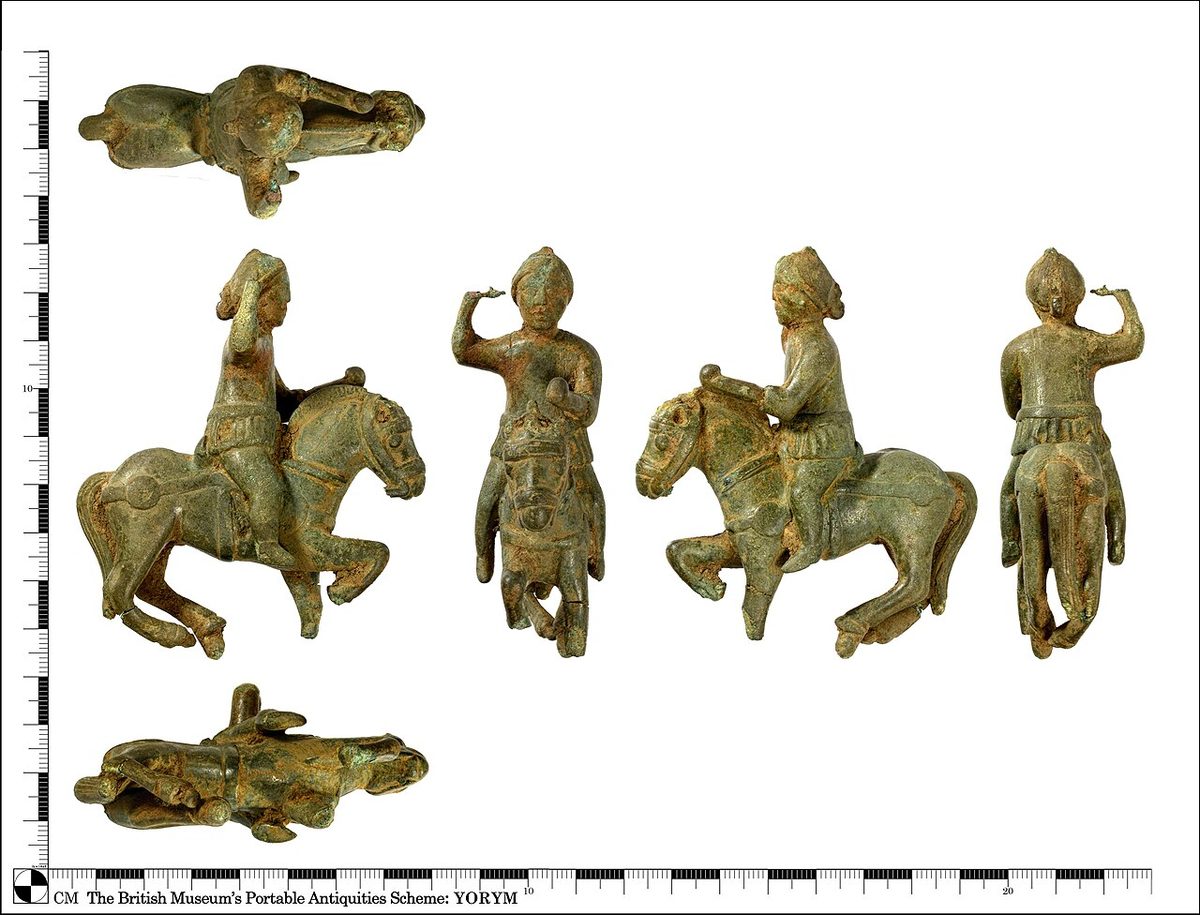
Breeds are broadly classified into three categories based on temperament. This is the single most useful framework for finding your way around the 300-plus breeds, because it tells you what an animal was built to do.
- Hot-blooded: spirited horses known for speed and endurance.
- Cold-blooded: draft horses and some ponies, suited to slow, heavy work.
- Warm-blooded: developed by crossing hot-blooded and cold-blooded horses, often bred for specific riding purposes, particularly in Europe.
So if you are picturing a big, thick-set, heavily haired animal, the cold-blooded group is where that picture belongs. It is the group described as draft horses and some ponies, built for slow, heavy work. That is as close as the documented material gets to the heavy, hairy horses you are probably thinking about.
To be clear about the limit here: the source does not connect the cold-blooded group to hoof feathering in any way. It groups draft horses and some ponies by temperament and workload, and stops there. Anyone who tells you the records confirm feathered hooves in that group is adding something that is not there.
Height, Weight and How to Read "Hands"
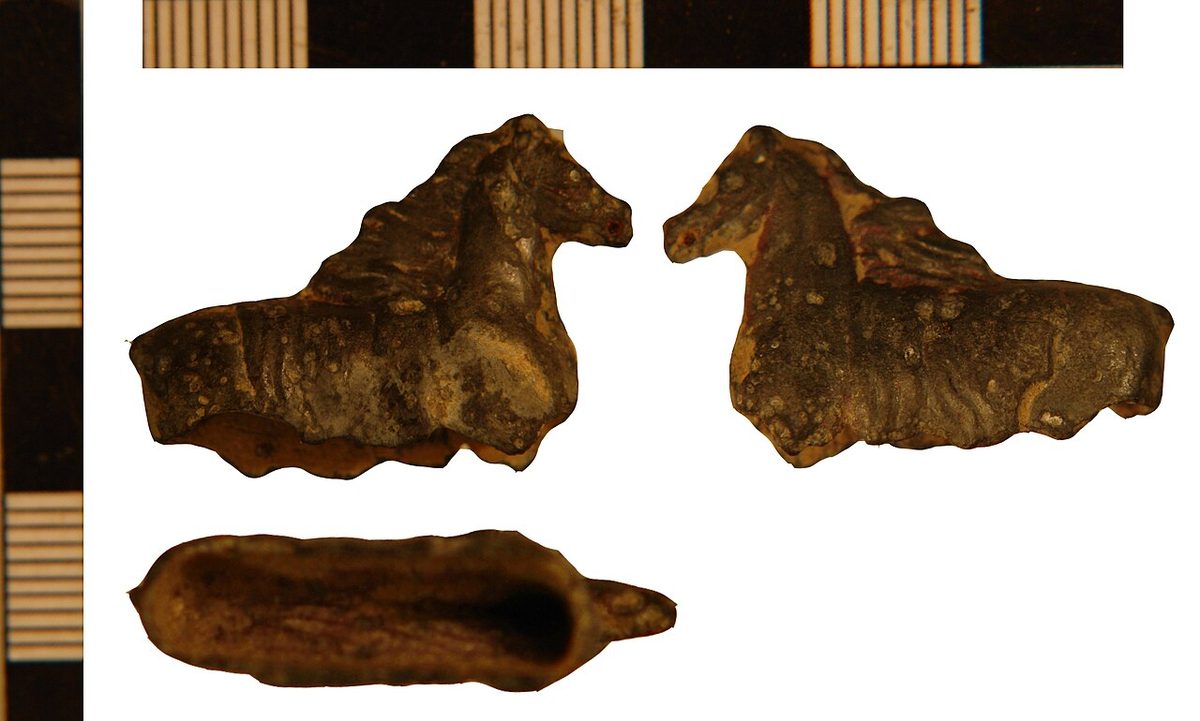
Size varies by breed, and it is also influenced by nutrition — so two horses of the same breeding can end up different sizes depending on how they were fed and kept. Here are the documented ranges:
| Measure | Figure |
|---|---|
| Light-riding horses, height | 14 to 16 hands (56 to 64 inches, 142 to 163 cm) |
| Light-riding horses, weight | 380 to 550 kilograms (840 to 1,210 lb) |
| Larger-riding horses, height | from about 15.2 hands (62 inches, 157 cm), often as tall as 17 hands (68 inches, 173 cm) |
| One hand | 4 inches (101.6 mm) |
| A horse written as "15.2 h" | 15 hands plus 2 inches — a total of 62 inches (157.5 cm) |
Why height is measured at the withers
The withers — where the neck meets the back — is used because it is a stable anatomical point, unlike the moving head or neck. Height is written as full hands, a point, then the extra inches, with "h" or "hh" after it. So "15.2 h" is not fifteen-point-two hands. It is fifteen hands and two inches.
This trips people up constantly at sales and at the vet's. Learn it once and you will read a sale advert correctly every time.
Lifespan, Foaling and the Age Words You Will Hear
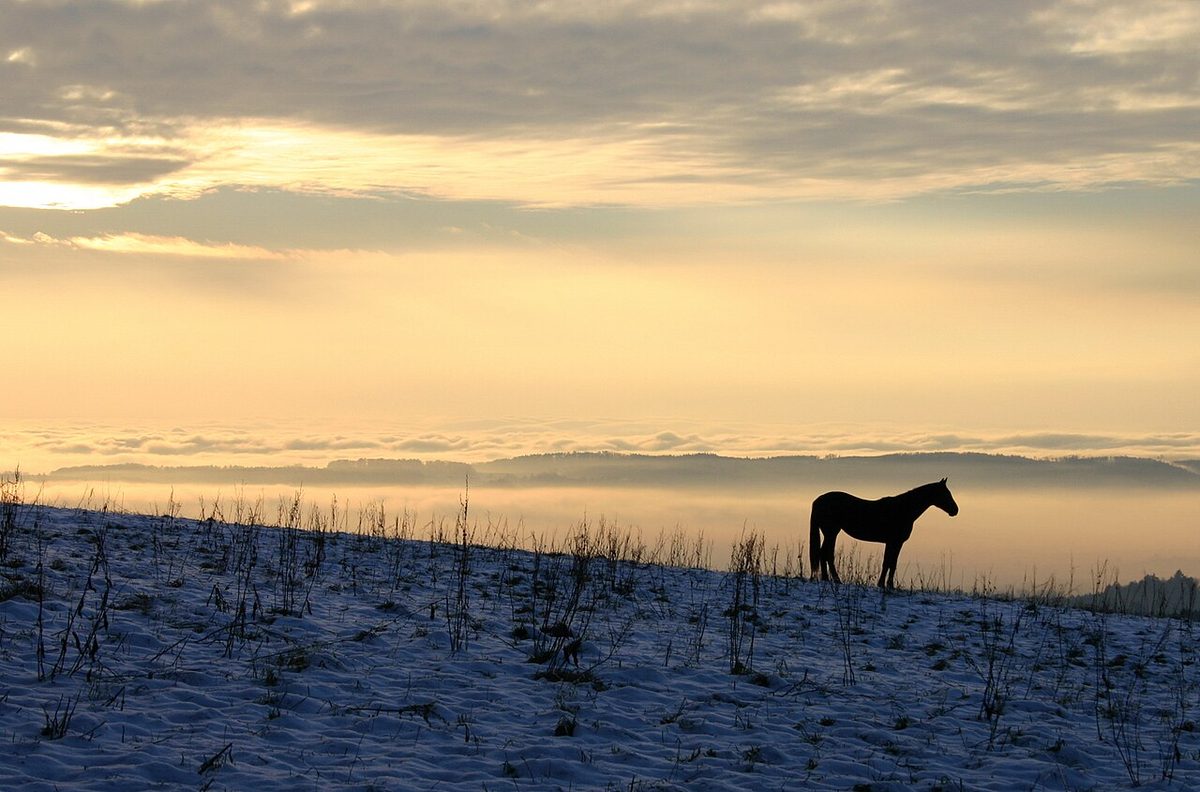
Depending on breed, management and environment, the modern domestic horse has a life expectancy of 25 to 30 years. Uncommonly, a few animals live into their 40s or occasionally beyond. The oldest verifiable record was "Old Billy", a 19th-century horse that lived to 62. In modern times, Sugar Puff, listed in Guinness World Records as the world's oldest living pony, died in 2007 at age 56.
Breeding and early life
Female horses, called mares, carry their young for approximately 11 months. A young horse, called a foal, can stand and run shortly following birth. Younger horses tend to sleep significantly more than adults, and horses can sleep both standing up and lying down.
Most domesticated foals are weaned at five to seven months of age, although foals can be weaned at four months with no adverse physical effects. A nursing foal is sometimes called a suckling, and a weaned foal is called a weanling.
Training
Most domesticated horses begin training under a saddle or in a harness between the ages of two and four. They reach full adult development by age five.
The age terms, in plain order
- Foal: either sex, under one year old
- Yearling: between one and two years old
- Colt: a male under four
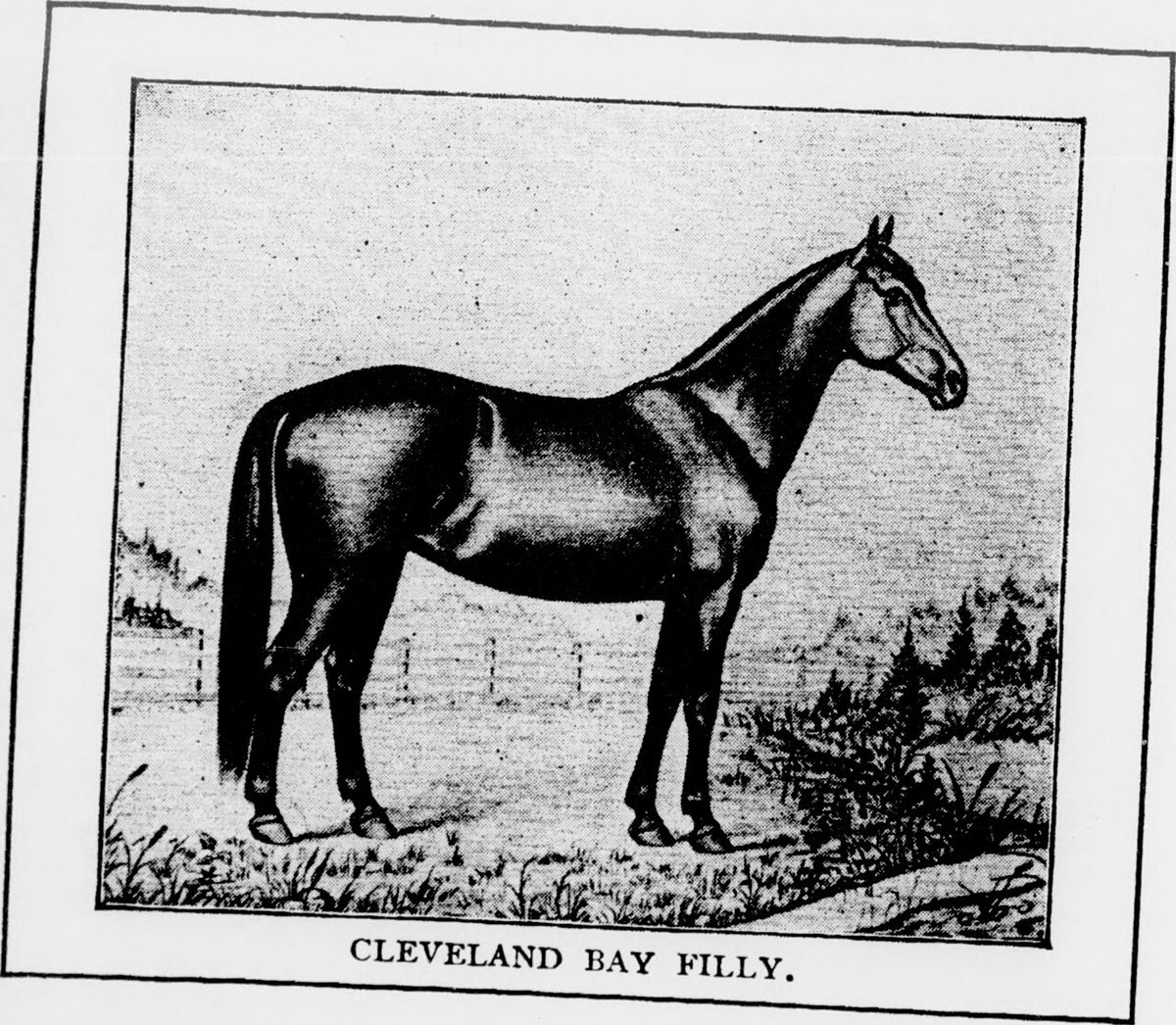
- Filly: a female under four
- Mare: a female four and older
- Stallion: a non-castrated male four and older
- Gelding: a castrated male of any age
A common terminology error is calling any young horse a "colt", when the term refers only to young males.
Age that shifts with the calendar — and with the country
Regardless of a horse's or pony's actual birth date, for most competition purposes a year is added to its age each January 1 in the Northern Hemisphere and each August 1 in the Southern Hemisphere. The exception is endurance riding, where the minimum age to compete is based on the animal's actual calendar age.
Racing definitions are country-specific too. In the British Isles, Thoroughbred horse racing defines colts and fillies as less than five years old, while Australian Thoroughbred racing defines them as less than four. The practical point for you: a horse's official age depends on where it competes. If you are buying for competition, confirm the rules where you will be entering.
What Horse Products Actually Sell For: Our Own Figures
Horses supply meat, milk, hide, hair, bone, and pharmaceuticals extracted from the urine of pregnant mares. In our own recorded price observations we hold 594 rows for all countries, excluding sample and manually entered rows. Horse meat dominates those records, listed per tonne.
| Currency | Lowest per tonne | Highest per tonne | Average per tonne |
|---|---|---|---|
| EUR (168 rows) | EUR124 | EUR26577 | EUR2159 |
| KZT | KZT822714 | KZT1249834 | KZT1028109 |
| PLN | PLN11064 | PLN15607 | PLN13625 |
| RUB | RUB83335 | RUB320899 | RUB140392 |
For the EUR records, the most recent entry is dated 2025-01-31. The records are grouped by currency only and name no countries, and horse meat appears in EUR, KZT, PLN, KGS, UZS, RUB, TRY, XOF, CLP, CHF, PHP, ISK, DKK, NOK, VND, UAH, MNT and ₹.
One important warning about reading these side by side: the most recent dates differ sharply by currency, so this is not a single global snapshot. The EUR and KZT horse meat records carry 2025-01-31, while the RUB records stop at 2023-01-31. Comparing the RUB average with the EUR average as though they were from the same month would mislead you.
A name that fools people: Horse Gram
Kulthi, also called Horse Gram, is a commodity priced per kilogram in ₹. It is not a horse product at all — it is a pulse, and the ₹ pricing indicates a market quoted in Indian rupees. Whole Kulthi is recorded at ₹15 to ₹70 per kg, average ₹53, across 121 rows, and small Kulthi is recorded at ₹262 per kg. Do not confuse it with horse meat when you are scanning our figures.
What is missing from the prices
There is no recorded price here for a live horse of any type, feathered or otherwise. Our records cover horse meat priced per tonne and the unrelated Horse Gram pulse. Nothing else. What a horse costs to buy or to keep will depend entirely on your local market, so ask a nearby dealer, breeder or agricultural office.
What Is Still Unknown About Feathered Hooves
We would rather tell you plainly than pad the page. The following questions have no answer in the material we hold:
- Which breeds actually have feathered or "furry" hooves
- How feathering develops — the age it appears, how much hair grows, and whether it is inherited or shaped by climate and management
- Whether heavy hair around the hoof affects soundness, lameness risk or work capacity
- What hoof-care routine — trimming, cleaning, drying — such horses need
- Whether feathered horses need different management in wet, muddy or cold climates, and how to handle mud-related skin problems
- What live horses of any type cost to buy or keep
- Whether any country has registration, welfare or transport rules specific to heavily feathered breeds, or export restrictions on live horses
These are exactly the things that vary most from place to place, so a generic answer would not serve you anyway. Ask a vet who sees feathered horses in your area, a breed society, or your local agricultural office. They will know the rules and conditions where you actually keep animals.
The Takeaway
The honest position on horse breeds with furry hooves is that the documented record does not name one, and does not describe hoof feathering at all. What it does give you is a reliable foundation: the horse is a domesticated, one-toed, hoofed mammal in the family Equidae, with more than 300 breeds worldwide, grouped by temperament into hot-blooded, cold-blooded and warm-blooded types — and it is the cold-blooded group, draft horses and some ponies built for slow heavy work, where the heavy, hairy animals sit.
From there you can size a horse properly: light-riding types run 14 to 16 hands (142 to 163 cm) and 380 to 550 kilograms (840 to 1,210 lb), larger-riding types start around 15.2 hands (157 cm) and often reach 17 hands (173 cm), one hand is 4 inches (101.6 mm), and height is measured at the withers. You can plan around a working life of 25 to 30 years, a gestation of about 11 months, weaning at five to seven months, and training starting between two and four years.
And if you are here for the money side, our own 594 rows of recorded prices are the part no other page has. Horse meat trades per tonne across many currencies, and Kulthi — Horse Gram — is a pulse in ₹ per kilogram that has nothing to do with horses. Read those numbers with the dates in mind, and treat everything about feathering as an open question to take to a local expert.
 Menu
💬 Comments
Login to comment
No comments yet. Be the first to share your experience!