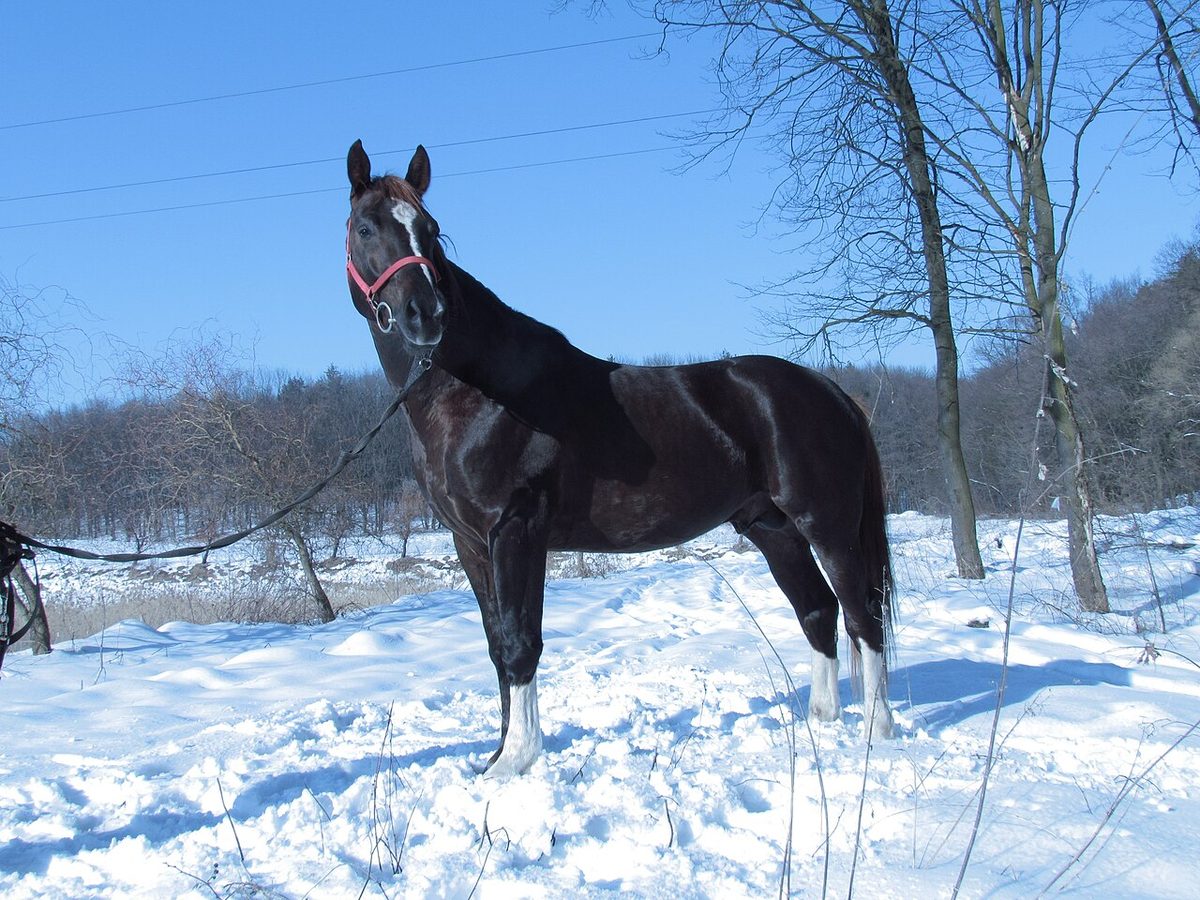
Horse breeds associated with Roman noses include the Clydesdale, Nonius and Mongolian horse. The trait may be slight in a Clydesdale, is strongly associated with the Nonius, and is considered desirable by Mongolian breeders.
These horses differ greatly in size, build and purpose. Some are powerful draught and carriage horses. Others are used for riding, transport, farming, competitive driving or racing. This comparison will help you understand what the Roman-nose profile looks like and how it appears in each breed.
What Is a Roman Nose on a Horse?
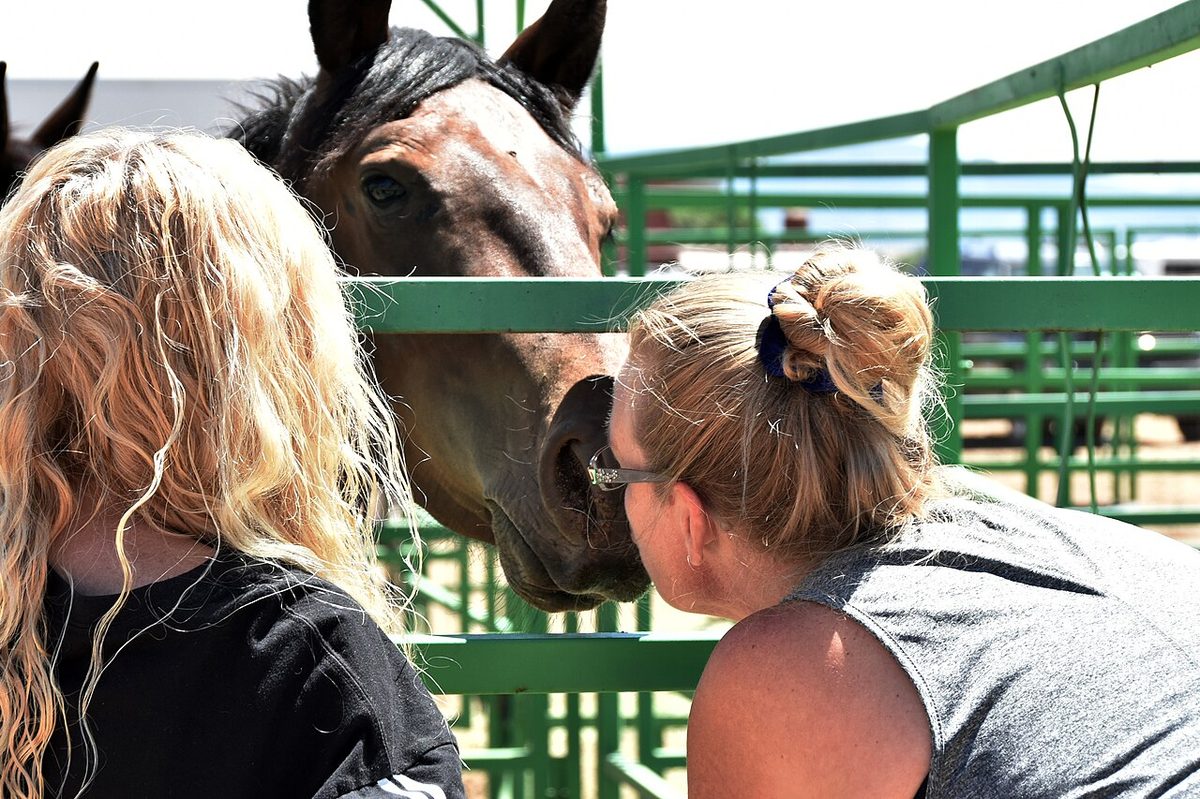
A Roman nose is a convex facial profile. In simple terms, the front of the horse’s face curves outward rather than following a straight line. The same profile may also be called a ram’s head.
The shape is especially associated with the Nonius, which has a heavy but proportional head. However, the meaning of the trait is not identical across all three breeds.
- Clydesdale: The facial profile can be straight or slightly Roman.
- Nonius: The convex or Roman profile is a recognised feature of the breed.
- Mongolian horse: Breeders consider a Roman nose desirable, but it is not described as universal.
How common the profile is within each breed depends on the local population and individual horses. Official requirements may also vary, so check with the relevant breed office if you need information about current standards.
The profile alone does not provide an answer about breathing, dental health or performance. If you are concerned about a particular horse, ask a nearby vet to examine the animal rather than judging it only by the shape of its face.
Roman-Nosed Horse Breeds at a Glance
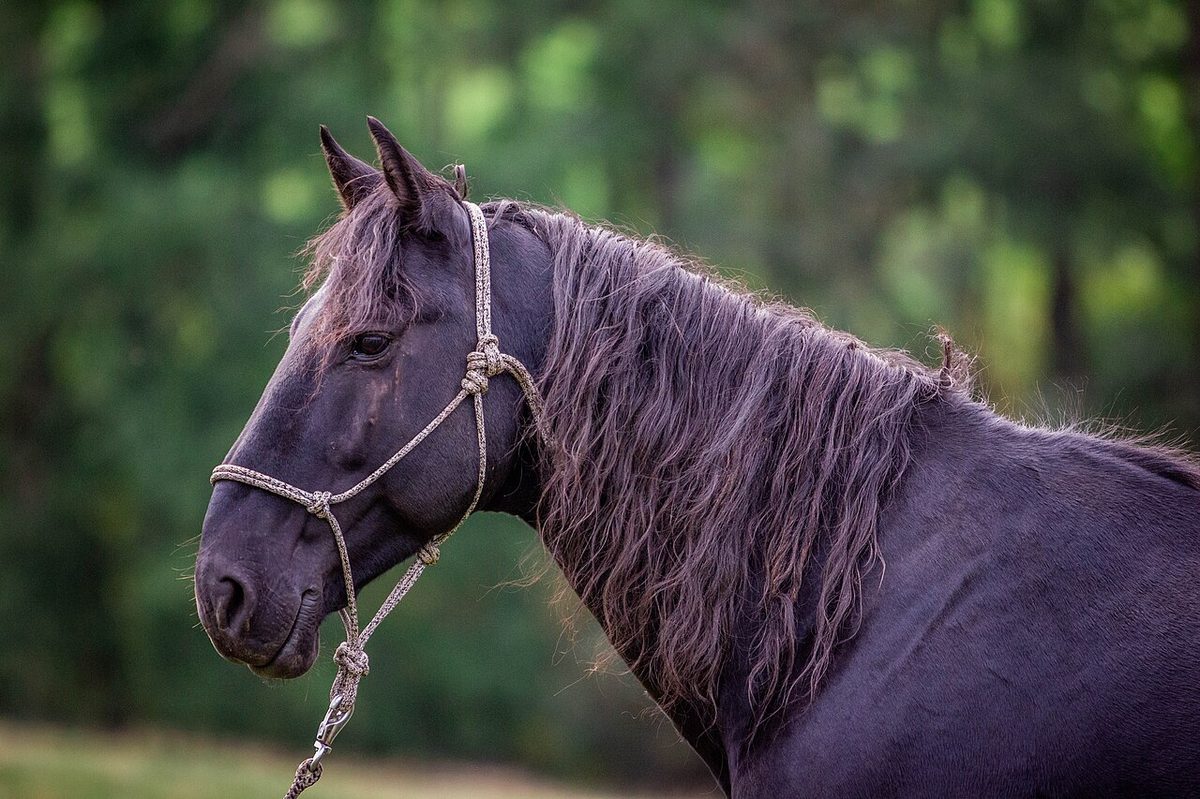
The easiest way to compare these horse breeds with Roman noses is to look at the status of the trait, their size and their main work.
- Clydesdale: A large, powerful and strongly muscled Scottish horse. It may have a straight profile or a slight Roman nose. Clydesdales stand 162 to 183 cm (16.0 to 18.0 h) high and weigh 820 to 910 kg (1800 to 2000 lb). They traditionally supplied draught power and are now principally carriage horses.
- Nonius: A Hungarian light-draft and driving horse known for its convex profile. Nonius horses stand 155 to 165 centimetres (15.1 to 16.1 hands; 61 to 65 in). They are used in agriculture, leisure riding and competitive driving.
- Mongolian horse: A hardy riding and working horse for which a Roman nose is considered desirable. Mongolian horses range from 14 to 15 hands (56 to 60 inches, 142 to 152 cm) high and weigh about 500 to 600 lbs. They are used for riding, transport, racing and daily nomadic work.
This comparison shows why the words “Roman-nosed horse” do not describe one particular type of animal. The profile appears in horses ranging from the strongly muscled Clydesdale to the smaller Mongolian horse.
A Closer Look at Each Breed
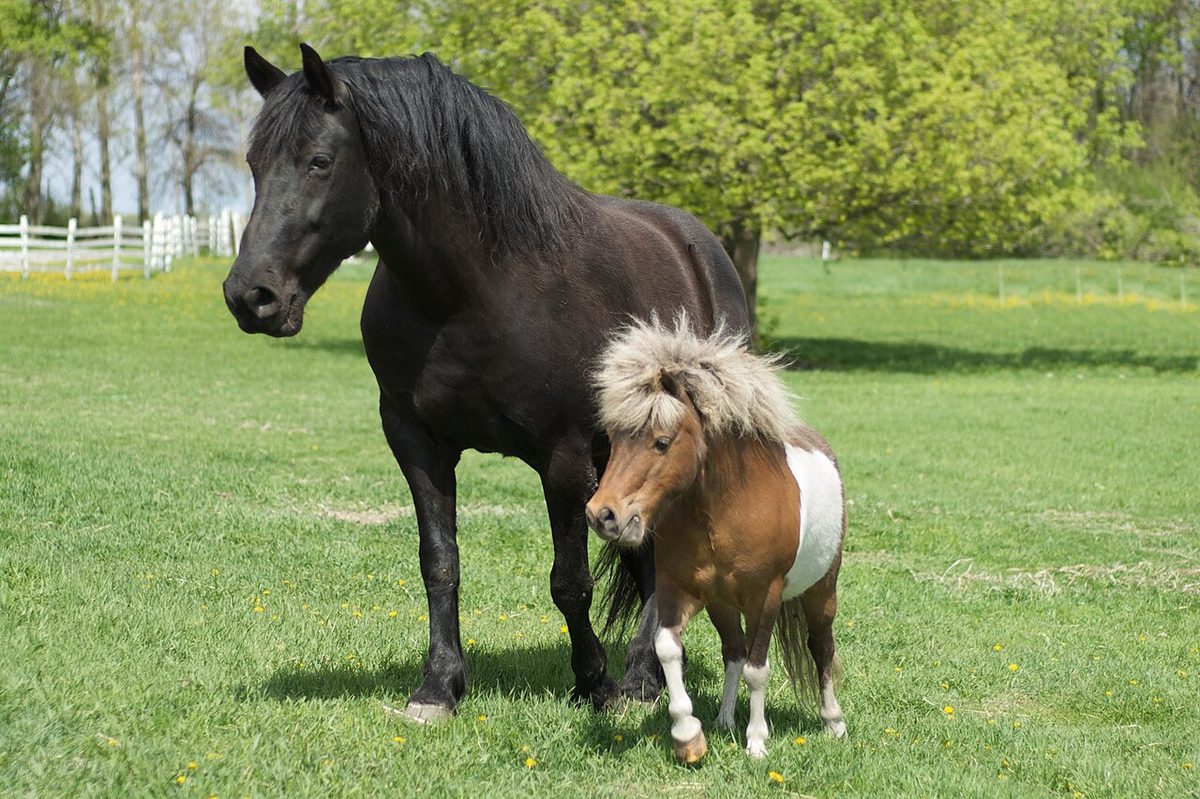
Clydesdale
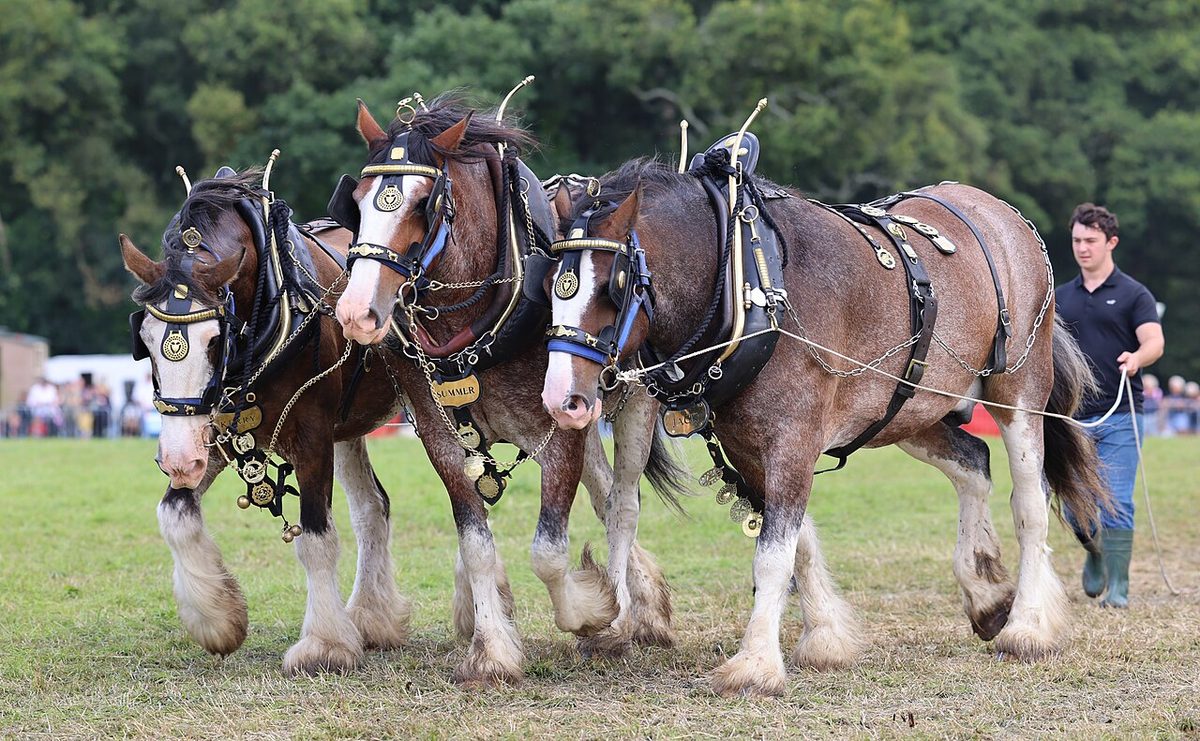
The Clydesdale has a broad forehead and wide muzzle. Its facial profile may be straight or have a slight Roman shape, so you should not expect every Clydesdale to show the feature.
This large, powerful breed originated in the seventeenth century. It takes its name from the Clydesdale district in Scotland, where it traditionally worked in farming and road haulage. Its strength and muscular build suited this demanding draught work.
The breed’s role has changed over time. Clydesdales are now principally used for carriage work, parades and processions. They are described as energetic as well as powerful.
Among the three breeds in this comparison, the Clydesdale has the tallest reported height range and is the only one for which the Roman profile is specifically described as slight. A straight-faced Clydesdale therefore still matches the description given for the breed.
Nonius
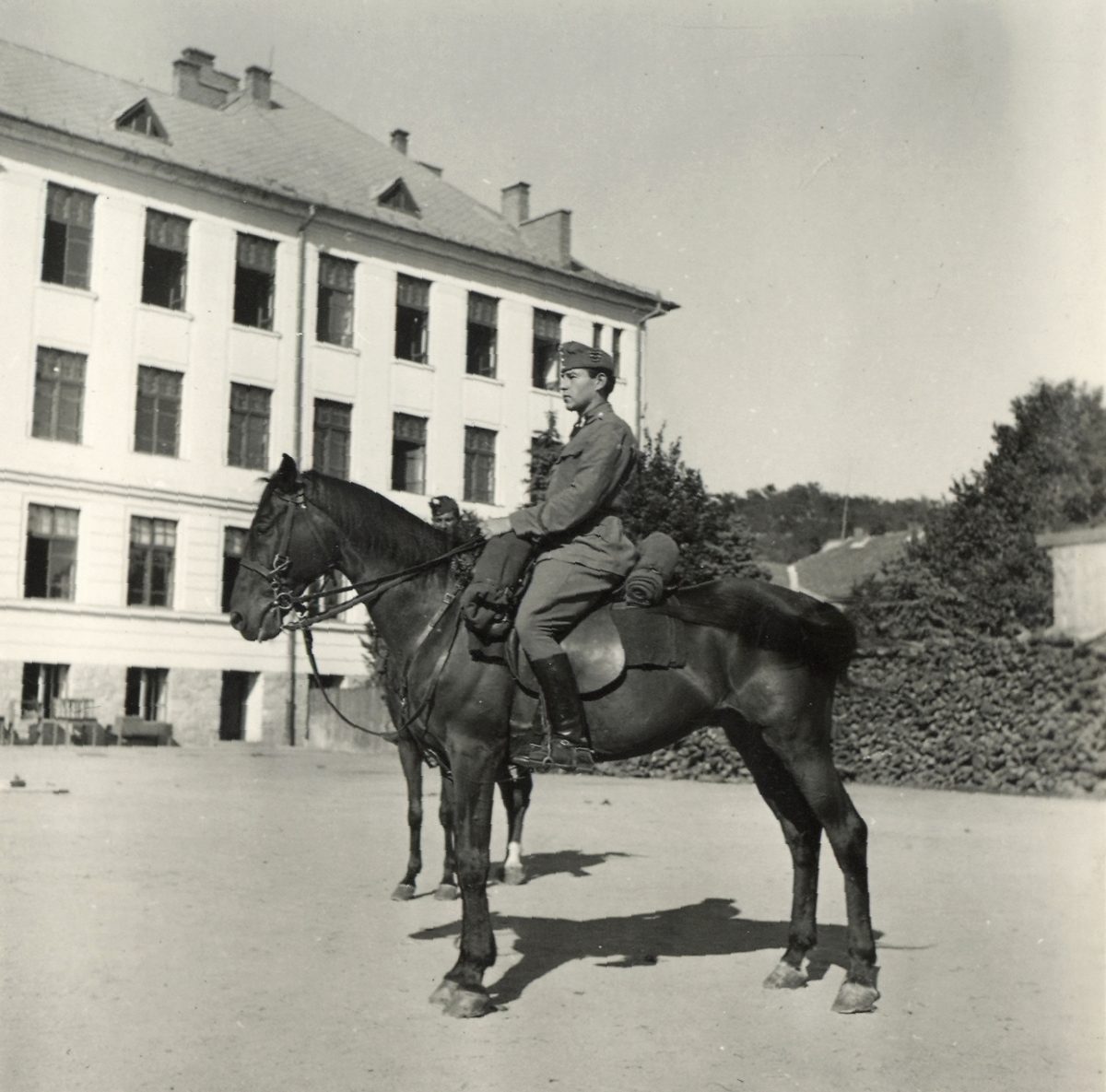
The Nonius has the clearest association with the Roman nose. Its head is heavy but remains proportional to the rest of the body, and its convex profile may also be called a ram’s head.
Other features include a high-set arched neck and a broad, muscular back. Large joints, hooves and a powerful frame reflect the breed’s light-draft and driving type. The ideal Nonius girth measurement is 180–210 cm (71–83 in), while the ideal Nonius cannon circumference is 22–24 cm (8.7–9.4 in).
The breed was developed at the Imperial Stud at Mezőhegyes in Hungary. It was named after its Anglo-Norman foundation sire. The Nonius began as a light-draft and utility horse for Hungary’s military before becoming useful in agriculture.
Today, its roles include agriculture, leisure riding and competitive driving. The breed is associated with an even temperament, endurance and willingness to work. Its largest numbers are still found at Mezőhegyes.
Mongolian Horse
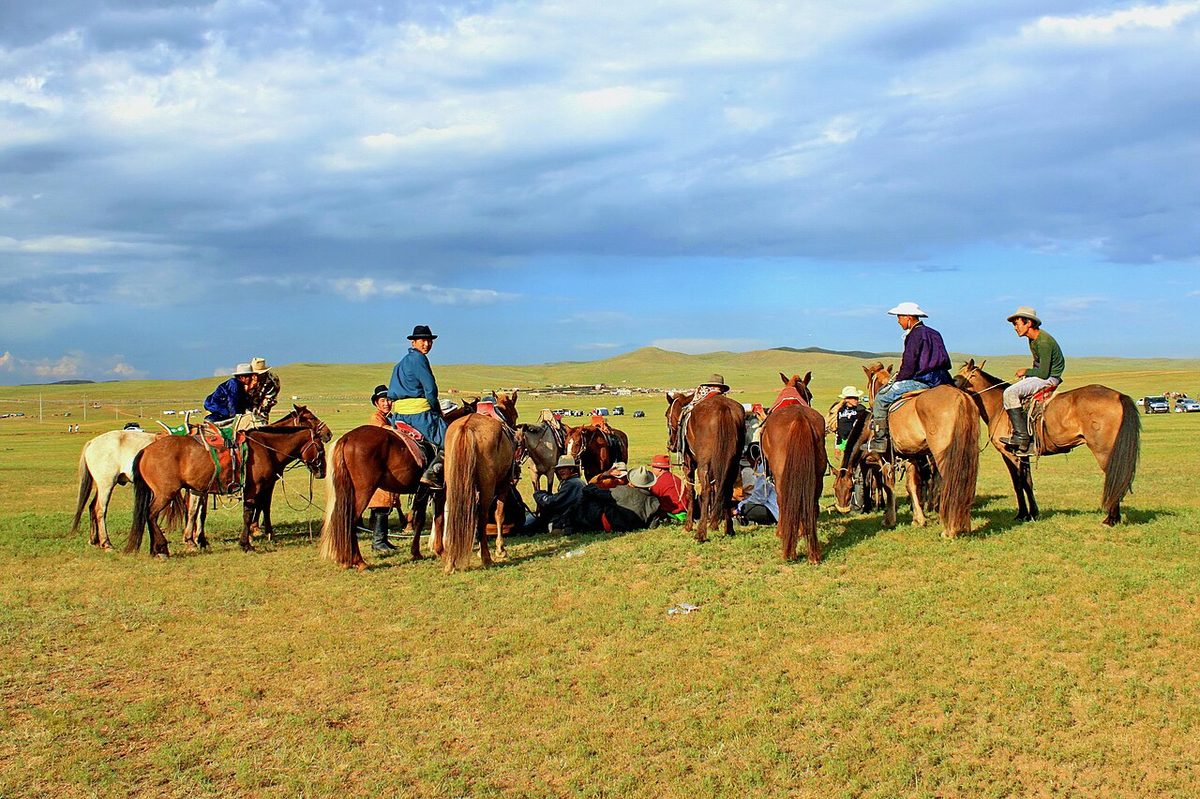
Mongolian breeders include a Roman nose among their preferred conformation traits. Other desirable features include a large head, thick bones, a large barrel and thick legs.
The preference for a Roman profile has a practical explanation in Mongolia: dish-faced horses are considered to have difficulty grazing. However, the Roman nose should still be understood as a desirable feature rather than one stated to occur in every Mongolian horse.
Mongolian horses live outdoors throughout the year. They graze independently and face temperatures from 30 °C (86 °F) in summer down to −40 °C (−40 °F) in winter. They are described as hardy and sure-footed in rough terrain, and they require little hoof care.
These horses support riding, transport, racing and daily nomadic work. Their reported galloping endurance is 10 km without a break. They may be somewhat wily, but they are described as reliable after accepting a rider.
How Their Size and Build Differ
The three breeds are easy to separate by their reported measurements and overall type.
- Clydesdale size: 162 to 183 cm (16.0 to 18.0 h) high, with a weight of 820 to 910 kg (1800 to 2000 lb).
- Nonius size: 155 to 165 centimetres (15.1 to 16.1 hands; 61 to 65 in), with a powerful light-draft and driving frame.
- Mongolian horse size: 14 to 15 hands (56 to 60 inches, 142 to 152 cm) high, with a weight of about 500 to 600 lbs.
The Clydesdale is large and strongly muscled. The Nonius combines a powerful frame with a heavy but proportional head. The Mongolian horse is smaller, with thick bones and legs among the features preferred by breeders.
If you are identifying a horse, look at the whole animal rather than the face alone. Height, body type and traditional role provide a clearer comparison, especially because the status of the Roman nose differs among these breeds.
Work, Temperament and Regional Importance
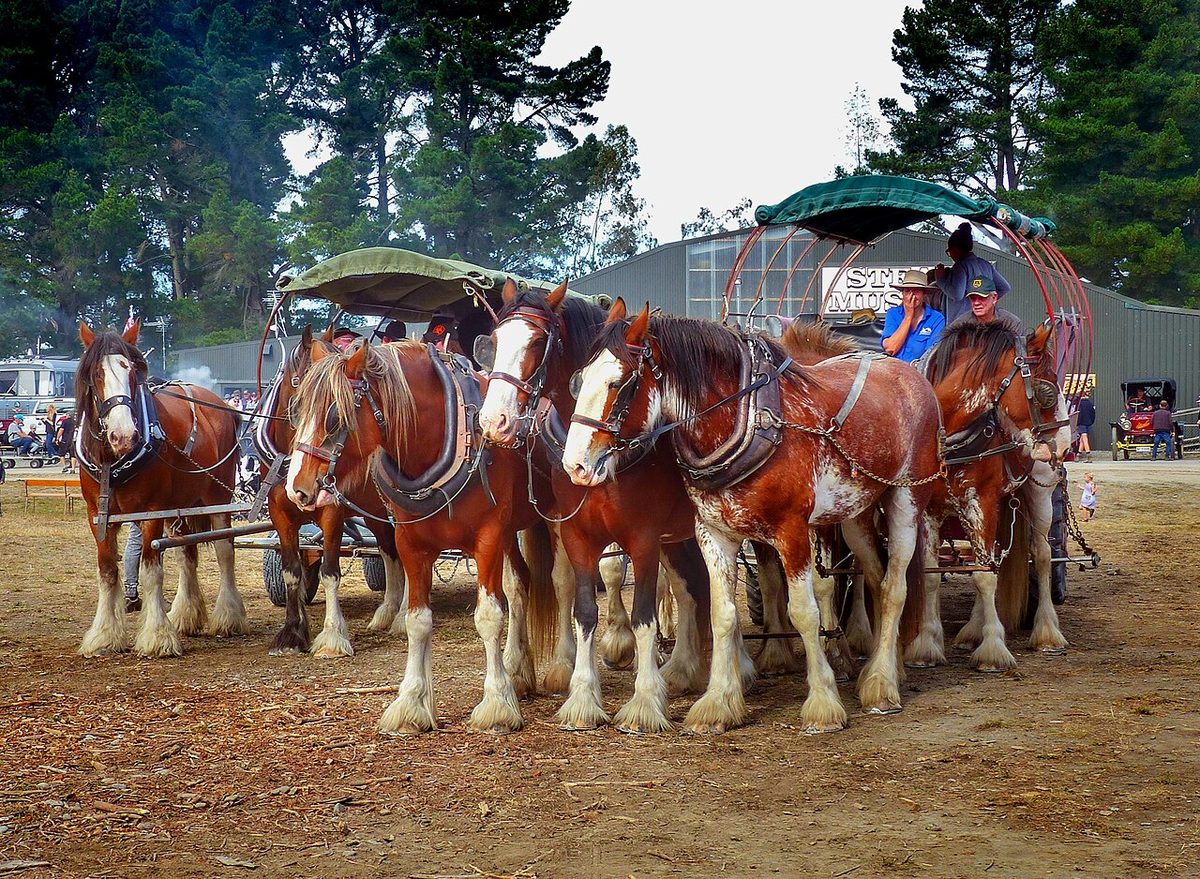
Roman-nosed examples cover a wide range of work. The Clydesdale’s history centres on draught power, farming and road haulage, followed by carriage work, parades and processions. The Nonius connects military utility and light-draft work with agriculture, leisure riding and competitive driving. The Mongolian horse remains closely tied to riding, transport, racing and nomadic work.
Their reported working qualities also differ:
- Clydesdales are energetic and powerful.
- Nonius horses have an even temperament, endurance and willingness to work.
- Mongolian horses are hardy and somewhat wily, becoming reliable after accepting a rider.
Regional conditions have shaped each breed. The Clydesdale developed around Scottish farming and road haulage. The Nonius developed at Mezőhegyes for Hungarian military utility and later agricultural work. The Mongolian horse lives outdoors, grazes independently and works across rough terrain.
Mongolia also has strong regional breeding preferences. Most Mongolians prefer dun, bay or black horses, while the Darkhad ethnic group prefers white horses. Eastern steppe provinces are informally called horse provinces because they are considered suitable for horse breeding. Traditional nomads hold more than 3 million animals.
Choosing the Right Way to Compare Them
A Roman nose can help you describe a horse, but it should not be your only point of comparison. Start by asking whether the profile is slight, clearly convex or simply considered desirable. Then compare the horse’s height, build, working role and regional background.
The Clydesdale, Nonius and Mongolian horse show how one facial feature can appear in very different types of horse. The Clydesdale may have only a slight Roman nose, the Nonius is known for its convex profile, and Mongolian breeders value the feature as part of their preferred conformation.
This is not a complete worldwide list of every breed that may show the profile. If you are assessing another breed, or need to know how its official standard treats a Roman nose, check with a local breed office. For an individual horse’s health or suitability for work, speak with a nearby vet.
 Menu
Menu
💬 Comments
Login to comment
No comments yet. Be the first to share your experience!