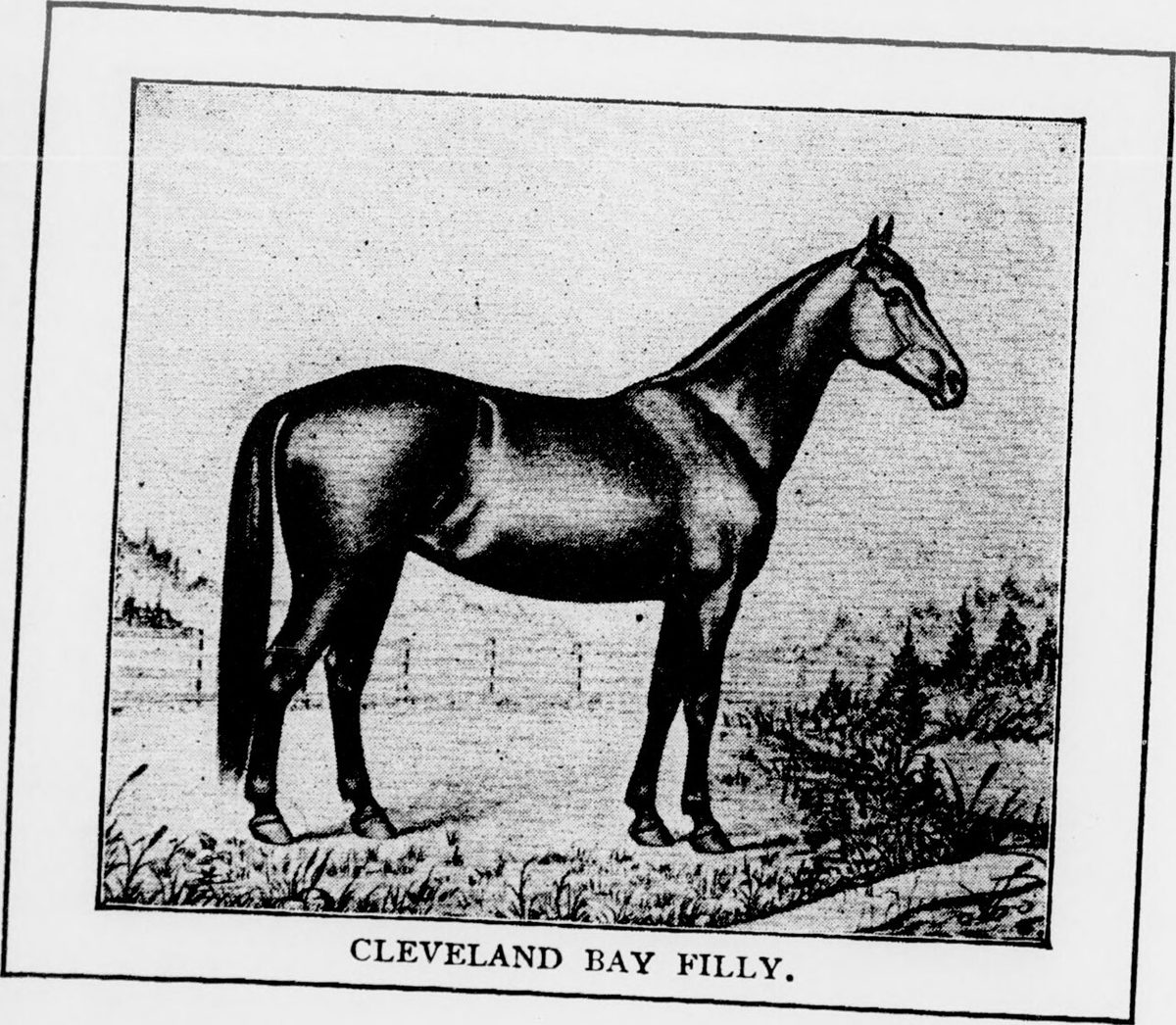
Most horses cost far less than people expect. The median asking price across all breeds in the US market is $2,000, with half of all priced listings falling between $1,000 and $3,500 — while at the very top, the most expensive horse ever sold was the American Thoroughbred Fusaichi Pegasus, bought by Coolmore Stud in June 2000 for $70 million at auction after winning the Kentucky Derby.
In between those two numbers sits the market you will actually shop in. A safe, well-trained riding horse for a hobby rider usually costs $3,000 to $8,000. The most affordable breeds — Mustangs, Shetland Ponies, retired Standardbreds and Haflingers — regularly sell for under $3,000 when they are sound and trainable. Top-level dressage and show jumping warmbloods routinely go for $200,000 or more, and auction records have passed $1M.
One thing to keep in mind before you read any further: the purchase price is the smaller half of the story. Keeping one horse costs somewhere around $8,000 to $26,000 per year, so the animal you can afford to buy is not always the animal you can afford to feed. Also note that the prices below are in US dollars and come mostly from the US market. If you are buying somewhere else, treat them as a shape rather than a quote, and check current local listings and a nearby vet or dealer for real numbers where you live.
What most horses actually sell for
The $2,000 median comes from an index built on every active priced listing on one US marketplace — 1,739 priced US listings in the August 2026 snapshot. The middle half of those listings, from the 25th to the 75th percentile, sits between $1,000 and $3,500. Medians are grouped by breed and by seller state, any group with fewer than 5 priced listings is left out, and a fresh snapshot is taken every month.
Two cautions about that figure. First, those are asking prices — what sellers request, not what buyers finally pay. There is no reliable published figure on how much sellers typically come down, so assume nothing and negotiate on the horse in front of you. Second, a median hides the extremes. The wider market runs from a few hundred dollars for an untrained horse, up through several thousand for a fully trained riding horse, to hundreds of thousands or even millions for elite competition animals.
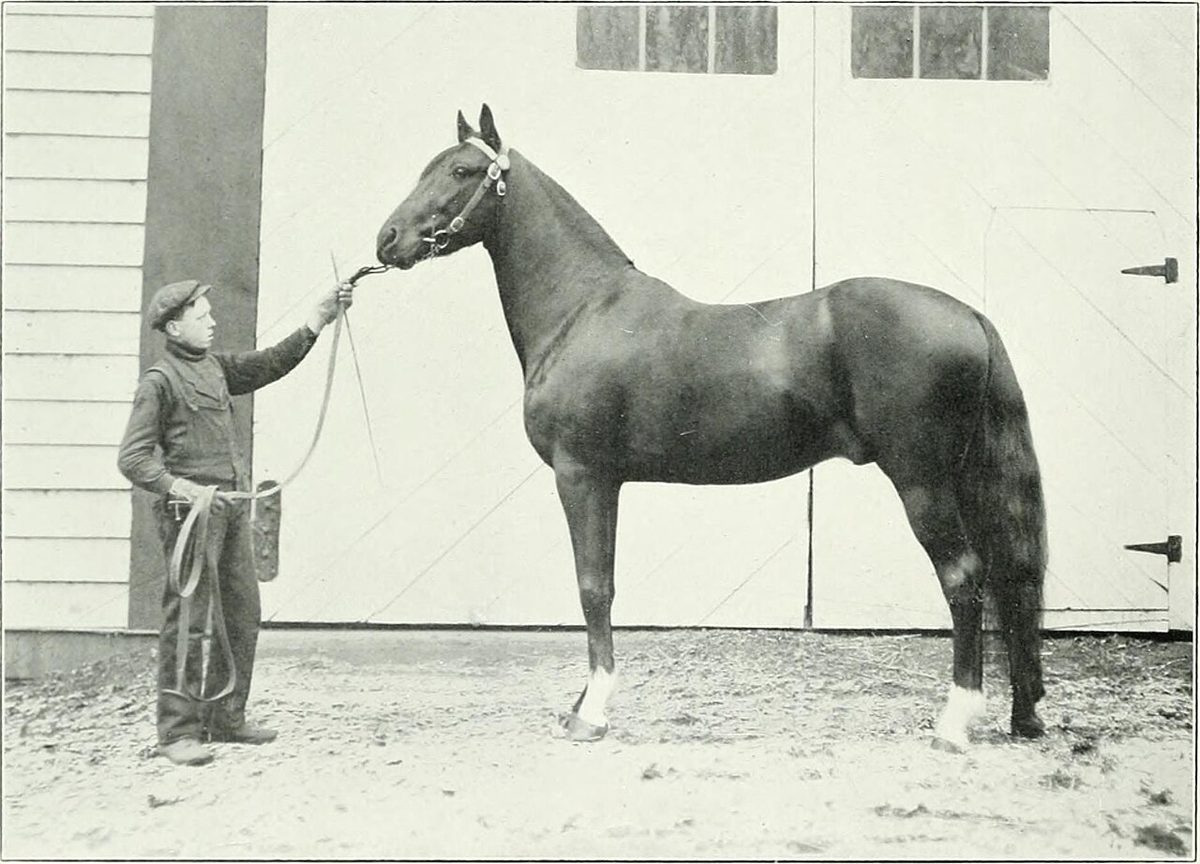
Horse breeds with price: from under $3,000 to $70 million
The affordable end — under $3,000
- Mustang — the cheapest route in, through the US Bureau of Land Management adoption program. The adoption fee is low, though the exact amount varies, so ask the program directly. Many of these horses are unhandled and nearly all need training.
- Shetland Pony — regularly sells under $3,000 when sound and trainable.
- Retired Standardbred — plenty come off the track needing a second career, which keeps the price low.
- Haflinger — also regularly available under $3,000, sound and trainable.
- Grade horses — horses with unknown, mixed or undocumented breeding. No papers usually means a lower purchase price.
- Crossbreds — another common budget option.
- Miniature horses — cheap to buy, but read the warning further down before you assume they are cheap to keep.
- Off-the-track Thoroughbreds — widely available and inexpensive, because racing fitness does not transfer to pleasure riding and they need retraining.
- Older, unregistered Arabians — widely available in many regions, which pulls the price down.
Treat that as a list of common budget options, not a guaranteed price ranking. Any individual horse can sell above or below its breed's usual band.
The published breed ranges — $4,000 to $300,000
- Oldenburg — $4,000 to $100,000. A huge spread, which tells you how much the individual horse matters.
- Holstein — averaging $10,000 to $30,000. Worth knowing that opinions split here: some place the Holstein in that mid-market band, while others group Holsteiners with the warmbloods that consistently break six figures.
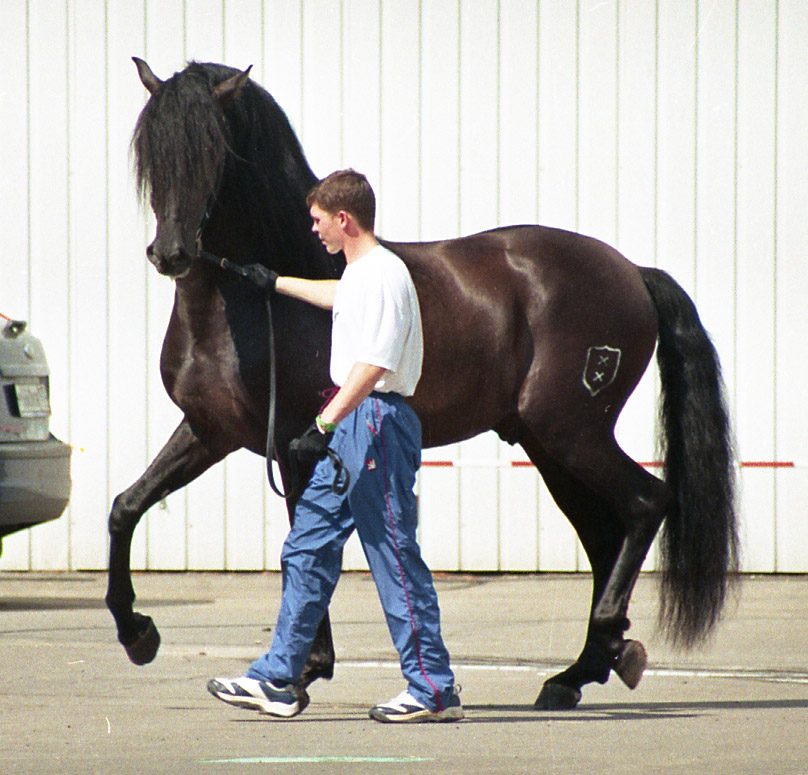
- Pura Raza Española (Pure Spanish Horse) — $10,000 to $200,000. From Spain, used in classical dressage and traditional Spanish festivals.
- Gypsy Vanner — prices soaring to $45,000 or more. From the United Kingdom, bred by the Romani people to pull caravans.
- Marwari — up to $50,000, driven by rarity and cultural significance. From India, linked to the Rajput warriors.
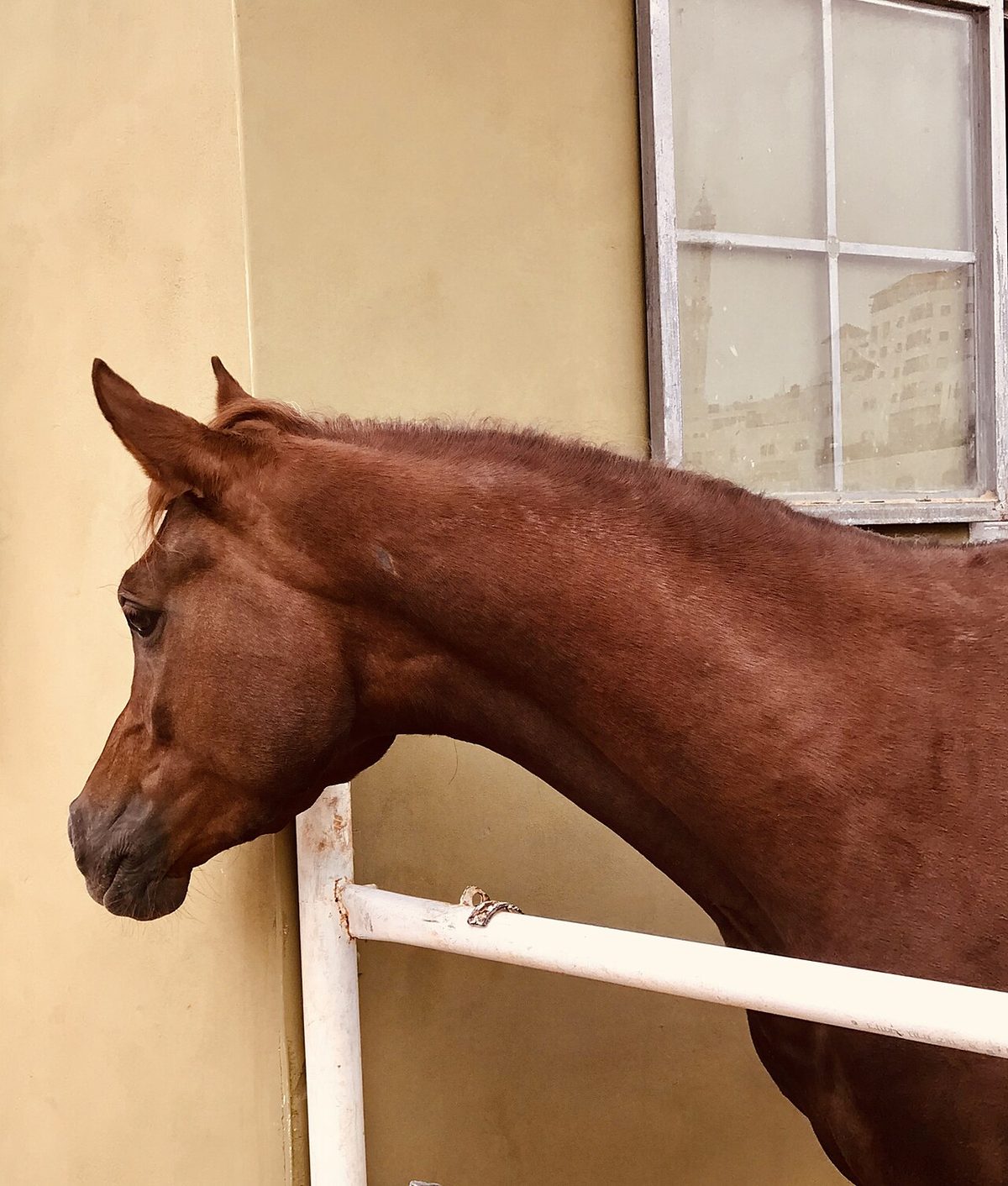
- Elite Arabian bloodlines — $25,000 to $300,000, with exceptional individuals exceeding $1 million.
The six-figure end
- Warmbloods — especially Hanoverians, Holsteiners and Dutch Warmbloods (KWPN) — these dominate competitive show jumping and dressage. Top-level horses routinely sell for $200,000+, and auction records have hit $1M+. Imported European warmblood lines carry a premium on top of that.
- Friesians — consistently break six figures.
- Thoroughbred racing prospects — also consistently six figures, and the source of the all-time record: Fusaichi Pegasus at $70 million in June 2000.
Which breed deserves the title of "most expensive" depends on who you ask. Some people name the Arabian as the most expensive horse breed in the world; others point to Friesians, warmbloods and Thoroughbred racing prospects as the breeds that reliably clear six figures. The same split shows up with Thoroughbreds themselves: racing prospects sit at the very top of the market, while retired, off-the-track Thoroughbreds are among the cheapest horses you can buy.
Popular breeds with no dependable published price
Plenty of well-known breeds — the Quarter Horse, the Selle Français from France, the Andalusian from the Iberian Peninsula and the Akhal-Teke from Turkmenistan among them — do not come with a trustworthy single price range. That is not a gap you should fill with a guess. Prices for these move too much by region, age and training level, so look at what is actually listed near you and get a vet's opinion on the individual animal.
Why two horses of the same breed sell for wildly different prices
Training is the biggest multiplier
A horse with years of professional training can cost 5 to 10 times more than an untrained one. Broken into steps: being started under saddle adds $5,000+, and finished show horse status adds $25,000+. Discipline-specific training in jumping, reining or dressage adds value again. Training level moves price more than the breed name does — and if you buy green and train later, professional training runs $500 to $1,200 per month.
Age
Prime-age horses cost the most. Some put that priciest band at 6 to 14 years, others at 6 to 12 — either way, that is the peak. Young horses of 1 to 3 years are cheaper but need training, and sound horses of 15+ are often noticeably less expensive and can be real bargains. Many beginner riders shop for horses aged 8 to 12, because they are usually experienced and steady. At the top of the market, a young horse with clean X-rays attracts more competitive bidding than an older animal past its competitive peak.
Papers
Studbook-registered horses cost 2 to 5 times more than unregistered ones. But papers do not predict ability or quality. A grade horse with unknown breeding can be just as good a riding horse — judge soundness, temperament, training and suitability for the job you want done, not the certificate.
Bloodline, record and rarity
Famous foundation sires and imported European lines carry a premium, and a horse descended from champions can be worth several times an otherwise identical animal with unknown lineage. Performance record turns into money directly: wins at the Kentucky Derby, the World Equestrian Games or the FEI World Cup feed straight into auction value and stud fees. Rarity stacks on top — the Akhal-Teke has fewer than 8,000 registered horses worldwide, and when supply is that tight, price follows. Location, soundness and temperament matter as much as any of it.
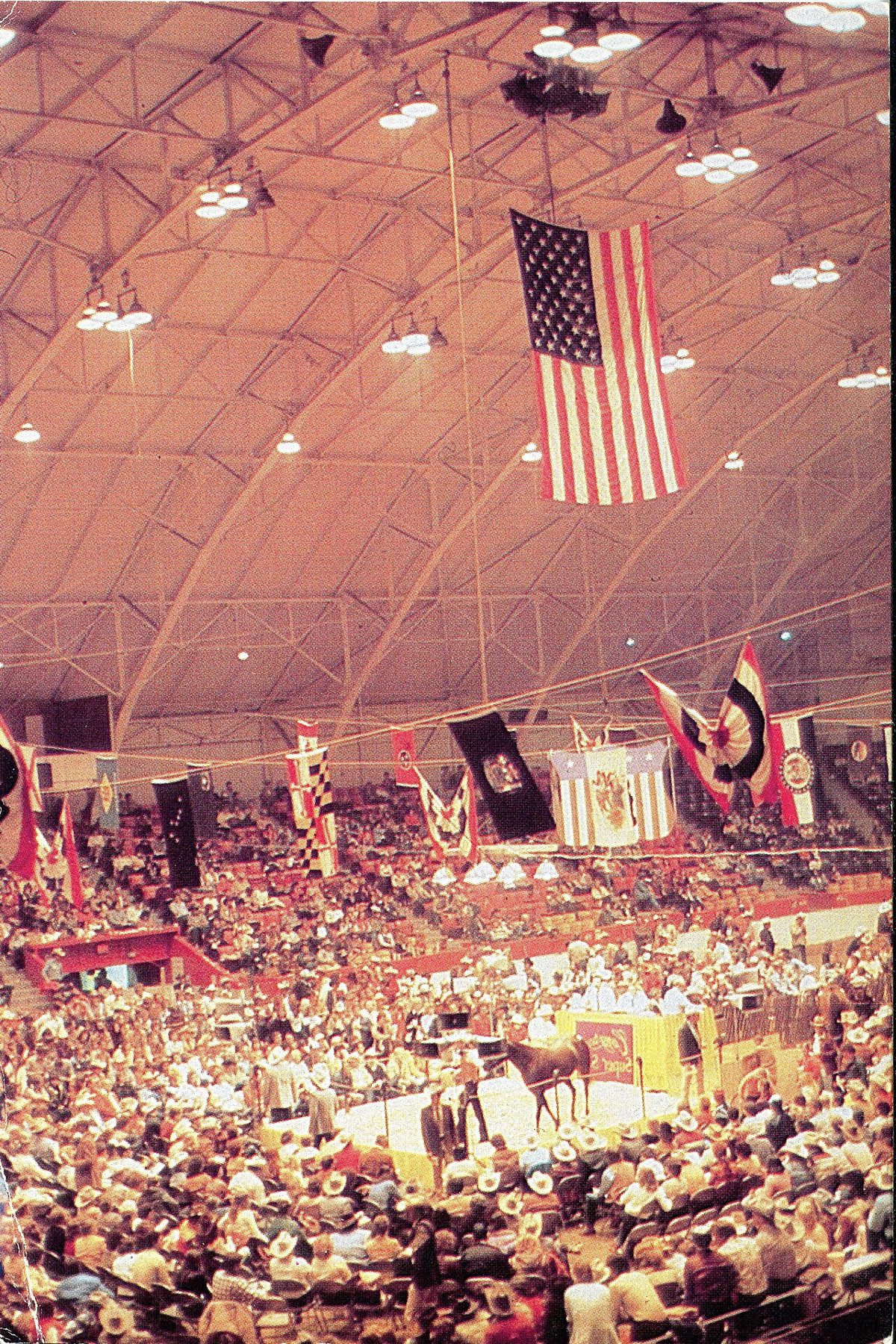
What it costs to keep a horse
Budget $8,000 to $26,000 per year, depending on where you live and how the horse is kept. Monthly figures vary by who you ask: some owners work to a typical $500 to $1,800 per month, while others put the total at $700 to $2,500 per month once region, board type and breed-specific needs are counted. Nobody disputes the direction of travel — premium boarding or competing pushes the figure considerably higher.
Keeping the horse on your own land removes the board bill but adds fencing, pasture maintenance and shelter costs instead. How those land and stabling costs work out depends entirely on your property and local prices, so price them locally rather than assuming.
Before you shop, sit down and write out a real budget covering feed, housing, farrier, dental care, vaccinations and an emergency fund. University of Minnesota Extension publishes budget guidance that works well as a reality check on the time and money horse ownership takes. For current livestock price trends, the USDA Agricultural Marketing Service is the place to look.
The cheapest horse to buy is rarely the cheapest to own
This is the mistake that catches most first-time buyers. The cheapest breeds are not automatically the cheapest horses to own. A well-trained, healthy horse of a common breed may cost more upfront and still be far less expensive — and far safer — over the years you own it.
- An unhandled mustang may need specialised gentling, training, stronger fencing and transport. It suits experienced owners, or beginners with professional help lined up.
- An off-the-track Thoroughbred needs retraining for its new job, because race fitness is not pleasure-riding fitness.
- A miniature horse is not a small horse with proportionally small bills, and many cannot safely carry a rider at all.
Also budget for the buying process itself: a pre-purchase examination, a written sales agreement, and any x-rays or breed-specific genetic testing. These affect what you end up paying, though what they cost varies by clinic and country — ask your vet for a quote before you book.
Stud fees: when a horse earns money back
A stallion is the one horse that can pay you rather than cost you. Stud fees run from $2,500 to over $500,000, which makes the right breeding stallion effectively a recurring income asset. The highest openly published stud fee in the world is shared by the Thoroughbred stallions Dubawi and Frankel, each at £350,000 (approximately $450,000 USD). Some stallions are not published at all — Coolmore's Justify is listed as "Private" — and historical fees have exceeded $500,000. This is also why an approved stallion and a breedable mare are priced as separate categories from a riding horse: you are buying future foals, not just a mount.
How to read a horse price list before you trust it
Price lists are built in different ways, and the difference matters. Some report asking prices, taken as medians from active listings and refreshed monthly. Others report actual completed transactions — one such list covers 44 breeds and prices each in six tiers: pleasure or trail gelding, trained riding horse, breedable mare, approved stallion, top show or dressage horse, and registered foal. Others say openly that their ordering is not a guaranteed price ranking at all.
So when you see a table of horse breeds with price attached, check what kind of number it is before you build a budget on it. And whatever the table says, the practical advice is the same everywhere: use current local listings plus a veterinarian's assessment of the actual horse, rather than an old national price table. Prices move quickly and vary a lot by location.
Where to start
If you want one number to plan around, start with the middle of the market: a median asking price of $2,000, most listings between $1,000 and $3,500, and $3,000 to $8,000 for a safe, well-trained horse you can enjoy from day one. Then add the yearly cost of $8,000 to $26,000, because that is the figure that decides whether ownership works for you.
Beyond that, spend your attention on training, age, soundness and temperament rather than the breed name. A steady 10-year-old grade gelding with no papers may serve you better than a registered youngster you cannot ride yet. And before you hand over money for any horse, at any price, get a vet to look at it and get the agreement in writing.
 Menu
Menu
💬 Comments
Login to comment
No comments yet. Be the first to share your experience!