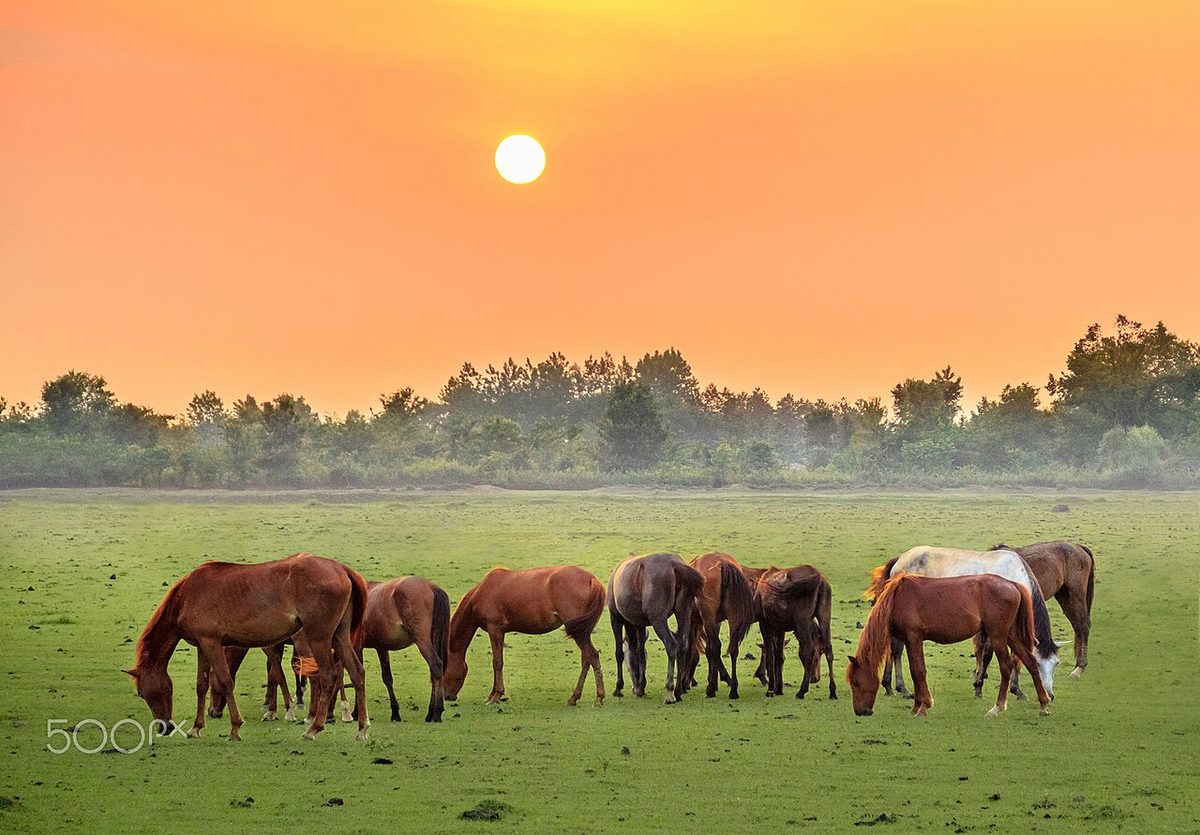
If you were hoping for a ranked list of horse breeds with the fewest health problems, here is the honest answer first: we cannot give you one, and we will not make one up. None of the material behind this guide ranks breeds by health or names the conditions particular breeds are prone to, so the truthful short answer is that a horse's health depends far more on how it is kept, where it is kept and the individual animal in front of you than on the breed name in the advert.
What you can do is walk into a purchase knowing the facts that actually help you judge a horse: there are more than 300 breeds sorted into three temperament groups, a domestic horse typically lives 25 to 30 years, height and size follow clear bands, and the age words sellers use have exact meanings. That is what this guide gives you, plus our own recorded horse meat prices, which no other page on this subject holds.
The three breed groups — and why there is no health league table
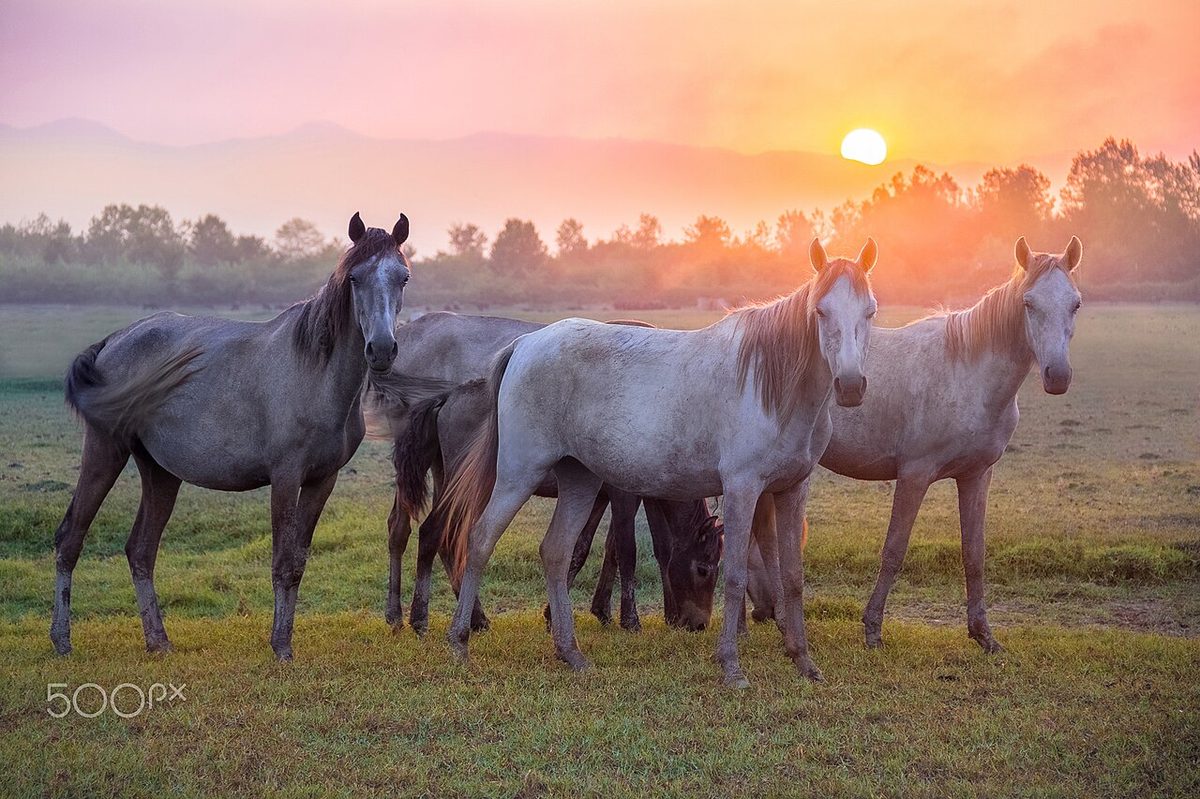
Horse breeds are broadly classified into three categories based on temperament. More than 300 breeds exist worldwide, developed for a very wide range of uses. What the groups tell you is what a horse was built to do, not how healthy it will be.
| Group | What the group is known for | Where the breeding emphasis sits |
|---|---|---|
| Hot-blooded | Spirited horses known for speed and endurance | Performance |
| Cold-blooded | Draft horses and some ponies, suited to slow, heavy work | Strength and steady work |
| Warm-blooded | Crosses of hot-blooded and cold-blooded horses, often bred for specific riding purposes | Particular riding jobs, particularly in Europe |
Notice what is missing from that table: any column for health. The classification is about temperament and use. So when a seller tells you a breed is "hardy" or "never lame", you are hearing a reputation, not a ranking. Treat it that way, and lean on a local vet's examination instead — how that is arranged and what it costs varies by country, so ask locally.
Where the breeds came from

Humans began domesticating horses around 4000 BCE in Central Asia, primarily associated with the Botai culture, and domestication is believed to have been widespread by 3000 BCE. Contemporary genetic evidence indicates that modern domesticated breeds do not descend from that lineage. It points instead to the Western Eurasian steppes in the lower Volga-Don region as the homeland of modern domestic horses, which replaced local populations through rapid expansion across Eurasia from 2000 BCE. The horse itself evolved over 45 to 55 million years from a small multi-toed creature, Eohippus, originally in North America.
One distinction worth keeping straight: horses living wild today are feral populations of domesticated animals, not true wild horses. True wild horses are horses that have never been domesticated.
How long will your horse live?
The modern domestic horse has a life expectancy of 25 to 30 years, depending on breed, management and environment. Uncommonly, a few animals live into their 40s and occasionally beyond. The oldest verifiable record is "Old Billy", a 19th-century horse that reached 62. In modern times, Sugar Puff, listed in Guinness World Records as the world's oldest living pony, died in 2007 at age 56.
That single range carries a bigger message than any breed label. A horse is a 25-to-30-year commitment, and the source gives no breakdown of lifespan by breed. So if you are choosing between two animals, the useful question is not "which breed lives longest" but "can I keep this animal well for three decades" — feed, shelter, land, farrier, dental and veterinary care included. What those cost where you live is something only local suppliers and a local vet can tell you.
Size, measured the way horse people measure it
Horses are measured at the highest point of the withers, where the neck meets the back. It is a stable point of the anatomy, unlike the moving head or neck. In English-speaking countries, height is given in hands and inches, with one hand equal to 4 inches (101.6 mm). A horse described as "15.2 h" is 15 hands plus 2 inches, or 62 inches (157.5 cm). Size varies by breed but is also influenced by nutrition.
| Type | Height | Weight |
|---|---|---|
| Light riding horses | Usually 14 to 16 hands (56 to 64 inches, 142 to 163 cm) | 380 to 550 kilograms (840 to 1,210 lb) |
| Larger riding horses | Usually start at about 15.2 hands (62 inches, 157 cm) and are often as tall as 17 hands (68 inches, 173 cm) | Not stated in the material behind this guide |
Why does this matter for health? Because the height and weight bands tell you what you are taking on in practical terms — fence height, trailer size, how much hay goes through the place, how much horse there is to handle when it is young and lively. Match the animal to your setup before you fall for its looks.
The age words in a sale advert, decoded
Age terminology is where buyers get caught out. Here is the exact vocabulary.
- Foal — either sex under one year old. A nursing foal is a suckling; a weaned one is a weanling.
- Yearling — between one and two years old.
- Colt — a male under four years old.
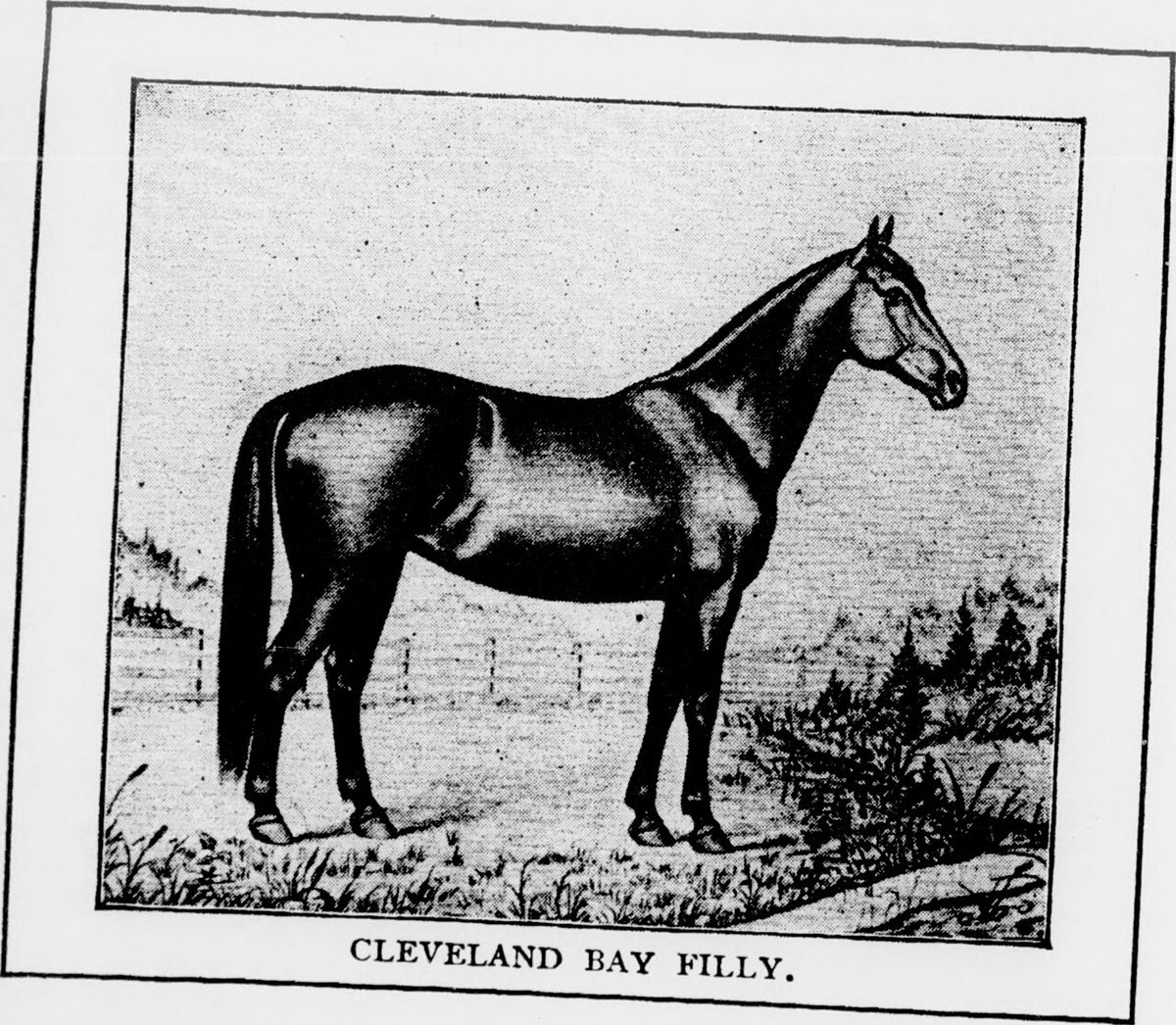
- Filly — a female under four years old.
- Mare — a female four years old or older.
- Stallion — a non-castrated male four years old or older.
- Gelding — a castrated male of any age.
A common mistake is calling any young horse a "colt". The word only refers to young males, so a young female advertised that way is either a misdescription or a sloppy advert — either way, worth questioning.
Weaning, training and adult development
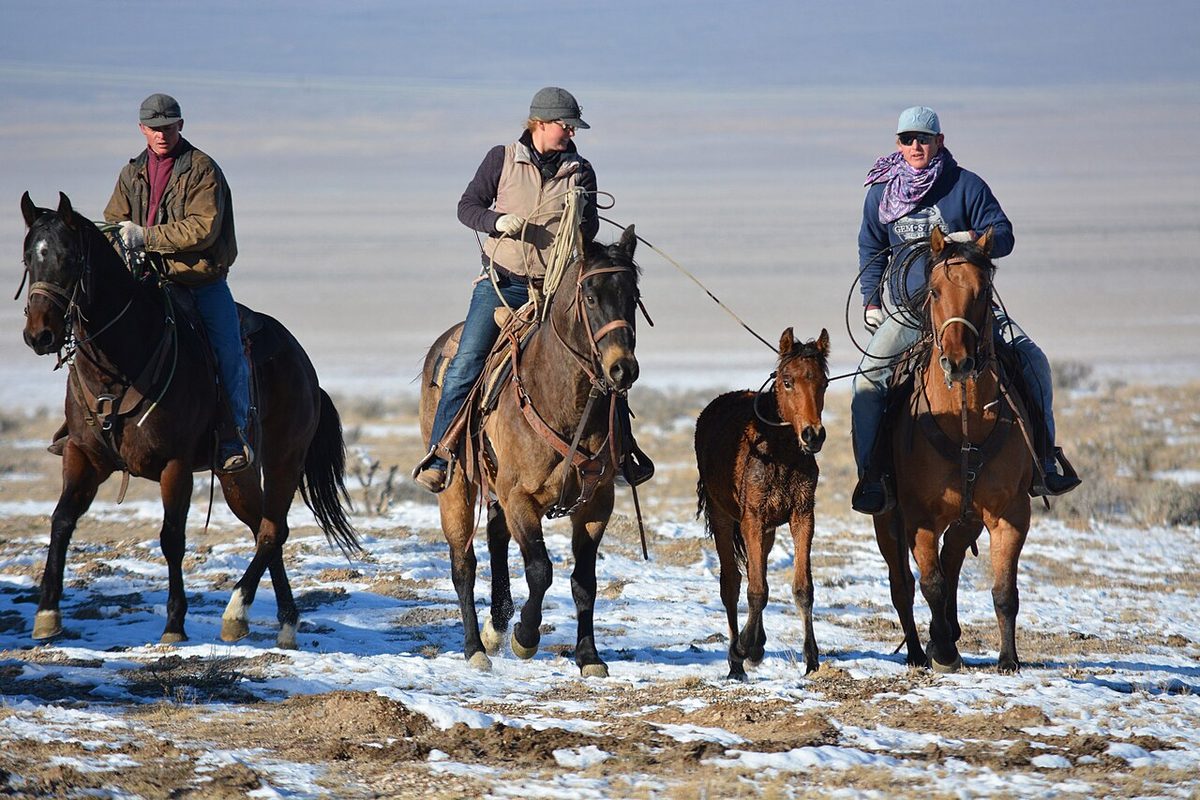
Mares carry their young for approximately 11 months, and a foal can stand and run shortly after birth. Most domesticated foals are weaned at five to seven months of age, though they can be weaned at four months with no adverse physical effects. Most domesticated horses begin training under a saddle or in a harness between the ages of two and four, and they reach full adult development by age five. That gap between starting work and finishing growing is worth respecting: a horse in work at two is still developing until five.
Competition age works differently from real age
Regardless of a horse's or pony's actual birth date, for most competition purposes a year is added to its age each January 1 in the Northern Hemisphere and each August 1 in the Southern Hemisphere. Endurance riding is the exception — there the minimum age to compete is based on the animal's actual calendar age. Racing has its own definitions: in the British Isles, Thoroughbred racing defines colts and fillies as less than five years old, while Australian Thoroughbred racing defines them as less than four. If you are buying with competition in mind, check the rulebook that applies where you ride, because the same animal can be two different ages on paper depending on the code.
What our own recorded prices show
This is the part of the picture you will not find elsewhere. Our own recorded price data holds 591 rows for horse meat across all countries, with sample and manually entered rows excluded, fed from faostat. For horse meat in EUR there are 168 rows, ranging from EUR124 to EUR26577 per tonne, with an average of EUR2159 per tonne, most recent 2025-01-31.
Prices are held in the currency they were recorded in, so we quote them that way rather than converting. Here is the full set.
| Currency | Lowest per tonne | Highest per tonne | Average per tonne | Rows and most recent |
|---|---|---|---|---|
| EUR | EUR124 | EUR26577 | EUR2159 | 168 rows, 2025-01-31 |
| KZT | KZT822714 | KZT1249834 | KZT1028109 | 49 rows, 2025-01-31 |
| PLN | PLN11064 | PLN15607 | PLN13625 | 49 rows, 2025-01-31 |
| KGS | KGS157477 | KGS238162 | KGS212442 | 37 rows, 2024-01-31 |
| UZS | UZS29053922 | UZS36893884 | UZS33533031 | 37 rows, 2025-01-31 |
| RUB | RUB83335 | RUB320899 | RUB140392 | 25 rows, 2023-01-31 |
| TRY | TRY7395 | TRY16193 | TRY9787 | 24 rows, 2022-12-31 |
| XOF | XOF387679 | XOF1660000 | XOF1167223 | 19 rows, 2024-12-31 |
| CLP | CLP790230 | CLP1246050 | CLP999569 | 13 rows, 2022-01-31 |
| CHF | CHF2503 | CHF5018 | CHF3784 | 8 rows, 2024-12-31 |
| PHP | PHP134968 | PHP230000 | PHP175133 | 8 rows, 2025-01-31 |
| DKK | DKK8476 | DKK11537 | DKK10506 | 4 rows, 2024-12-31 |
| ISK | ISK198323 | ISK245099 | ISK226786 | 4 rows, 2024-12-31 |
| VND | VND144986173 | VND162511820 | VND157523089 | 4 rows, 2024-12-31 |
| NOK | NOK4220 | NOK4220 | NOK4220 | 4 rows, 2024-12-31 |
| MNT | MNT9179077 | MNT10190808 | MNT9663770 | 3 rows, 2024-12-31 |
| UAH | UAH39401 | UAH118191 | UAH79583 | 3 rows, 2023-12-31 |
Read that table with care. The data is given only as an average per tonne by currency — it does not split prices by breed, age, sex or carcass cut, so you cannot use it to argue that one breed is worth more than another. It also tells you nothing about the price of a live horse for riding, which is a different market entirely and varies hugely by locality, so ask a local dealer.
A name that looks horse-related but is not priced as meat
Our data also lists a separate commodity, Kulthi (Horse Gram), priced per kilogram in rupees, quite apart from horse meat. The whole form has 117 rows between ₹15 and ₹70 per kg, average ₹54, most recent 2026-11-06. The FAQ entry has 13 rows from ₹56 to ₹67 per kg, average ₹61; a "Small" entry has 1 row at ₹262 per kg; and an unqualified entry has 1 row at ₹63 per kg. The name is shared, but the record gives no link between this commodity and horses, so do not read it as horse meat or as feed for horses.
What this means when you are standing at the gate
You now have the sourced skeleton of a buying decision, and it is more useful than a breed ranking would have been.
- Budget for decades, not seasons. A 25-to-30-year lifespan means your purchase outlasts most equipment, fences and vehicles you will buy alongside it.
- Buy the size that fits your land and your hands. The 14-to-16-hand light riding band and the larger 15.2-to-17-hand band are very different animals to keep.
- Read the age words precisely. A "colt" is a male under four — if the advert says otherwise, ask why.
- Expect a young horse to keep growing. Training starts between two and four; full adult development arrives at five.
- Check the competition rules where you ride. The January 1 or August 1 birthday can change what class your horse can enter, and racing age definitions differ between the British Isles and Australia.
- Treat breed reputation as reputation. Hot, cold and warm-blooded describes temperament and use, not soundness.
And be clear about what no guide can settle for you: which breed in your area genuinely has the fewest problems. That depends on the local population, the local climate, the local management and the local vet's experience. Ask a nearby vet to examine any horse before you buy it, talk to local owners of the breeds you are considering, and check any keeping, transport or welfare rules with the relevant local office. That is where the answer to "which breed stays healthiest here" actually lives — in your area, not in a table.
The bottom line
There is no honest ranking of horse breeds by health to hand you, and any page that claims one is guessing. What there is, is a clear picture of what you are buying: three temperament groups across more than 300 breeds, a 25-to-30-year life with a few animals reaching their 40s and beyond, size bands from 14 to 16 hands for light riding horses up to 17 hands for larger ones, precise age words, and training that starts between two and four with full development by five. Use those facts to choose an animal that suits your place and your plans, spend your money on a proper pre-purchase examination, and let the breed be the last thing you fall in love with rather than the first.
 Menu
💬 Comments
Login to comment
No comments yet. Be the first to share your experience!