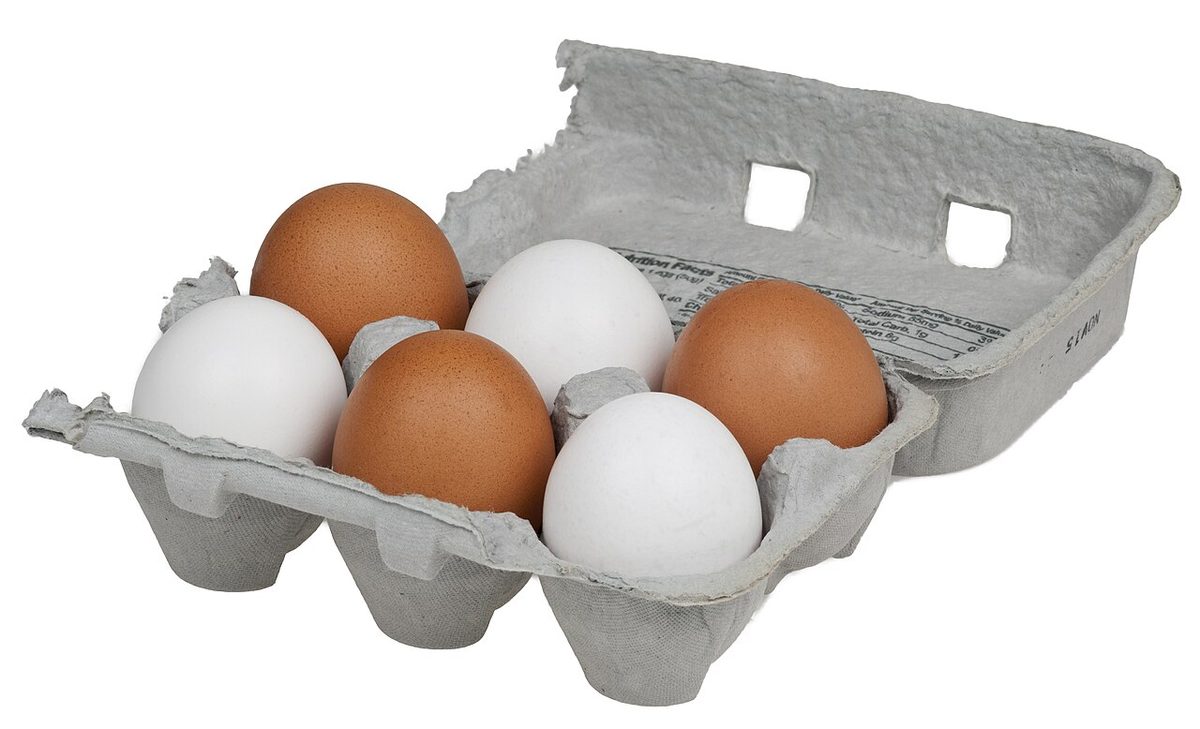
If you searched for today's chicken egg rate in Berhampur, Odisha, here is the honest answer first: our price records do not contain any Berhampur, Odisha or India-specific egg rate at all. Price rows are labelled only by commodity and currency, never by town or district — so nobody can hand you a genuine "today's rate" for Berhampur from this data. What we can do is show you real benchmark ranges per piece, per kg and per tonne, so you can check the number you hear in your local market against something solid.
Why there is no Berhampur or Odisha egg rate in our records

Our price table holds 6,865 rows for all countries, with sample and manually entered rows excluded. That sounds like a lot, but here is the catch: every row is labelled by commodity and currency — things like "Eggs", "Hen eggs", "Eggs (local)" or "Meat (chicken)" — and by a unit such as per piece, per kg or per tonne. There is no column for state, district or city.
So if you are standing in a Berhampur market and someone quotes you a rate per egg, you cannot look that exact figure up here. The same is true for the whole of Odisha, and for India in general. The only India reference we hold is its place in world production: India was the fourth-largest egg producer in 2017 at 4.8 million tonnes. That tells you India is a big player. It does not tell you what an egg costs near you this morning.
One more honest point. Our records do not explain how a daily egg rate is fixed or published anywhere — no exchange, no cooperative, no market committee is named. So "today's rate" as a published official number simply is not something this data can give you. Your local dealer, market committee or agriculture office is the place to ask, and you should ask them.
Three price formats — know which one you are being quoted

This is the mistake that trips up most buyers. Eggs get quoted three different ways in our records, and comparing one format against another without checking the unit is meaningless.
- Per piece — how most Indian retail buyers think about eggs. One egg, one price.
- Per kg — common in retail and wholesale where eggs are weighed rather than counted.
- Per tonne — the trade and bulk level, used in international price series.
Before you compare your local rate with anything below, ask one question: is this price for one egg, one kilogram, or one tonne? Get that wrong and the numbers look wildly different for no reason.
The benchmark ranges we actually hold
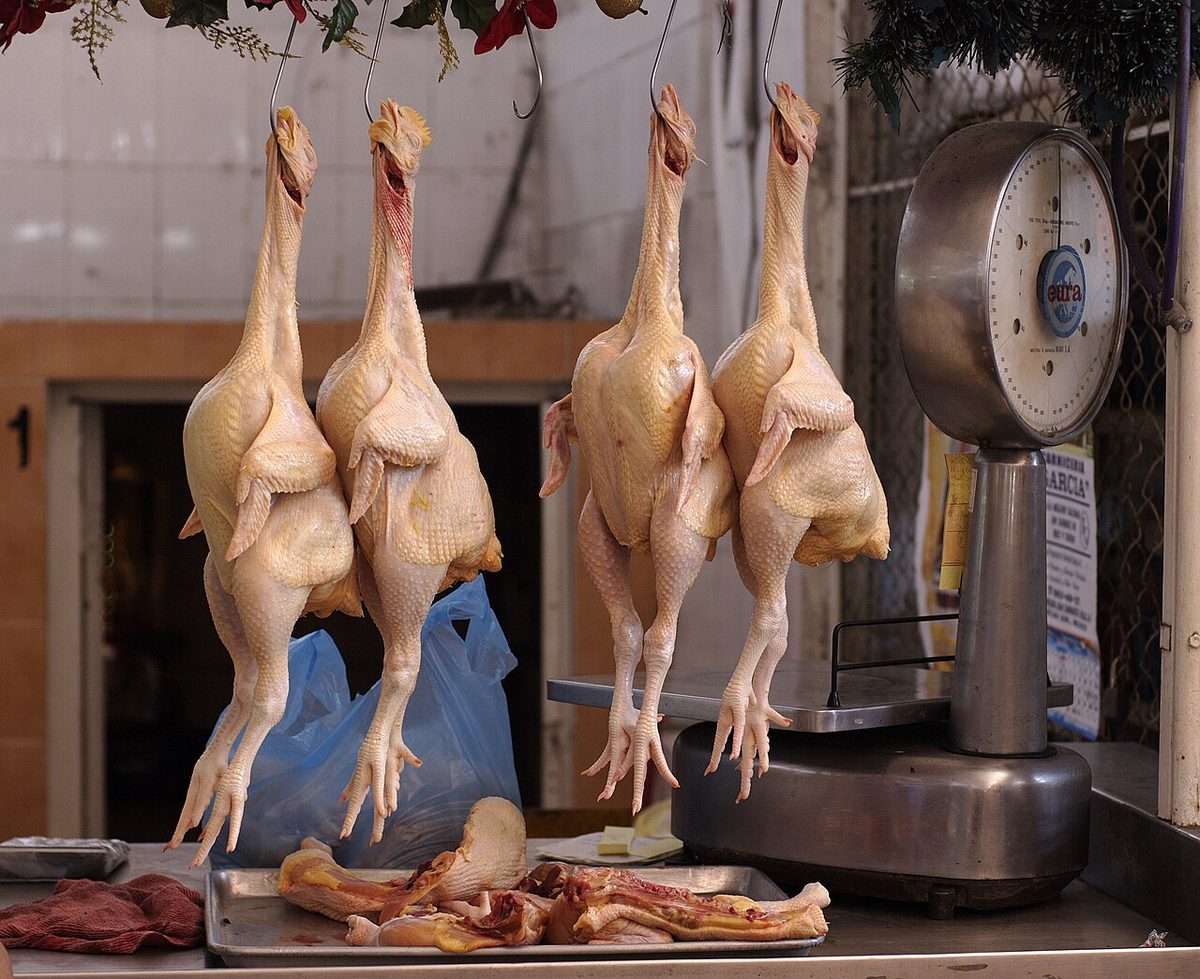
Here is our own recorded price data, exactly as it stands. Notice the currencies — these are the rows we have, not a list of where you live.
| Commodity and unit | Lowest | Highest | Average | Rows |
|---|---|---|---|---|
| Eggs (local), per piece, MMK | MMK450 | MMK1567 | MMK725 | 187 |
| Eggs (brown), per piece, ৳ | ৳11 | ৳13 | ৳12 | 89 |
| Eggs, per piece, ₱ | ₱7 | ₱11 | ₱9 | 71 |
| Eggs, per kg, Rp | Rp21750 | Rp47500 | Rp28490 | 431 |
| Hen eggs, per tonne, USD | USD1178 | USD8789 | USD2604 | 91 |
| Hen eggs, per tonne, EUR | EUR499 | EUR20565 | EUR2058 | 645 |
| Meat (chicken), per kg, Rp | Rp20500 | Rp70000 | Rp40661 | 425 |
| Meat (chicken, whole), per kg, ₱ | ₱177 | ₱254 | ₱214 | 64 |
| Chicken meat, per tonne, USD | USD919 | USD5159 | USD2181 | 87 |
| Chicken meat, per tonne, EUR | EUR735 | EUR10148 | EUR1381 | 570 |
What stands out in the per-piece rows

Three currencies in our records price eggs by the single piece. The widest spread is MMK450 to MMK1567 for local eggs, averaging MMK725 across 187 rows. The tightest is ৳11 to ৳13 for brown eggs, averaging ৳12 across 89 rows. In between sit eggs at ₱7 to ₱11, averaging ₱9 across 71 rows.
Where a range is narrow — like ৳11 to ৳13 — it usually means the market is steady and buyers and sellers broadly agree on value. Where a range is wide, like MMK450 to MMK1567, something else is going on: different qualities, different seasons or different selling points all feeding into one series.
What stands out in the per-kg and per-tonne rows
By weight, eggs sit at Rp21750 to Rp47500 per kg, averaging Rp28490 across 431 rows. By the tonne, the EUR series is our largest egg series at 645 rows, running from EUR499 to EUR20565 with an average of EUR2058. The USD series is smaller, 91 rows, at USD1178 to USD8789, averaging USD2604.
Those tonne ranges are enormous — the highest EUR figure is many times the average. That tells you these bulk series mix markets with very different cost structures. It is useful as a global benchmark, but it is not a number you can walk into a local market and trade against.
Eggs or chicken meat — which costs more?

In the Rp series, where we hold both, chicken meat averages Rp40661 per kg against eggs at Rp28490 per kg. In plain terms, meat averages about 1.4x the price of eggs. The meat range is also wider, Rp20500 to Rp70000 per kg.
That gap is worth remembering when you sell. If your eggs are priced at a level close to local meat, either eggs are unusually dear that week or meat is unusually cheap. Both happen, and both pass.
How to read your own local rate against these ranges
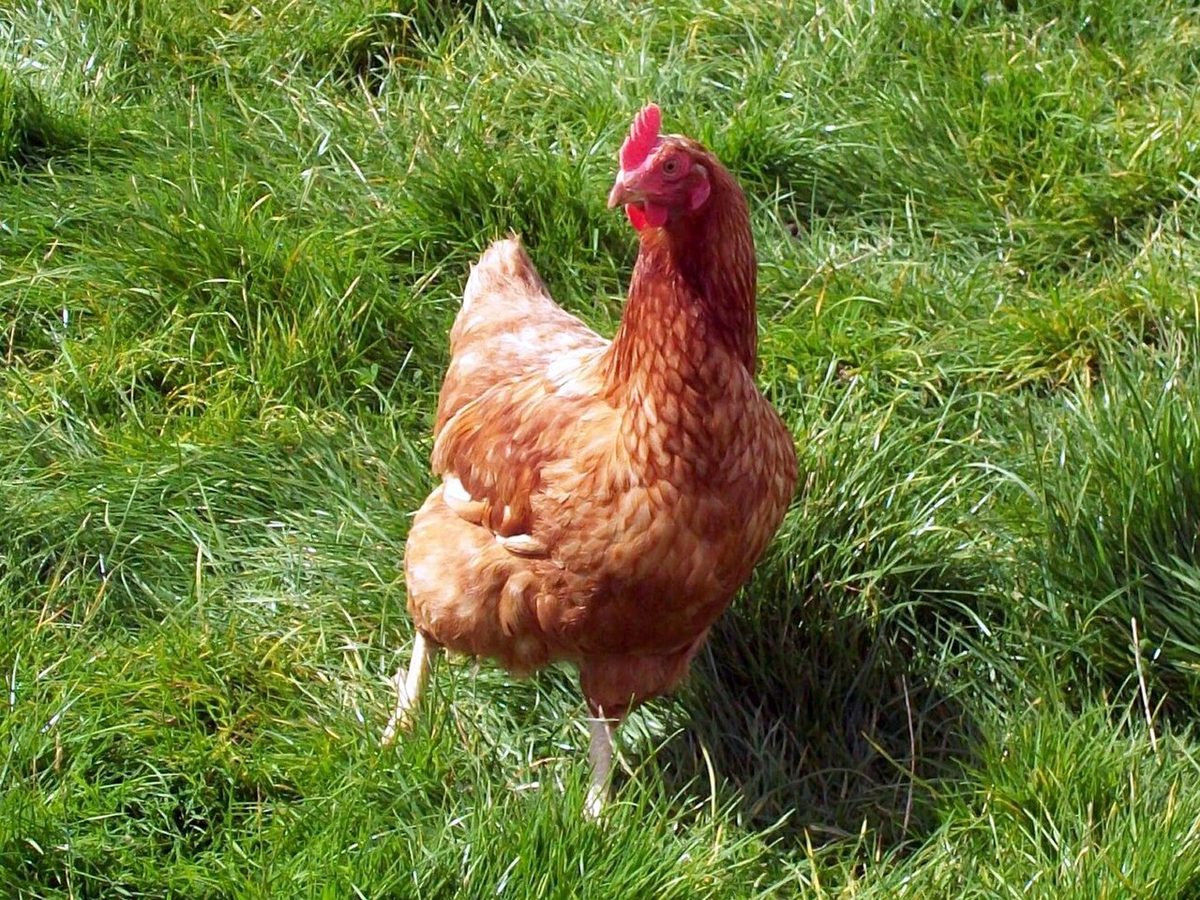
You still have to get your number locally. Here is how to test it once you have it.
- Fix the unit first. Per piece, per kg or per tonne. Without this, nothing else works.
- Find the closest currency row. Match yours, then use the lowest, highest and average from the table above as your fence posts.
- Check the row count. 645 rows carries more weight than 71 rows. A bigger series is a steadier picture.
- Look at the date on the row. Our records are dated. Some carry 2026 dates, others stop at 2025-01-31, and we cannot explain from the records why the freshness differs. Treat an older row as a rough guide, not today's price.
- Sense-check against eggs and meat together. If eggs are near the top of their range and chicken meat is near the bottom of its own, ask what is driving egg demand.
One warning about what our records do not give you: there is no conversion table here to move between per tonne, per kg and per piece. If you want to compare across those units, you have to do the arithmetic yourself. It also means we cannot tell you how many eggs make a kilogram or a tonne — that varies with egg size, and it varies locally.
Where India sits in the world egg business
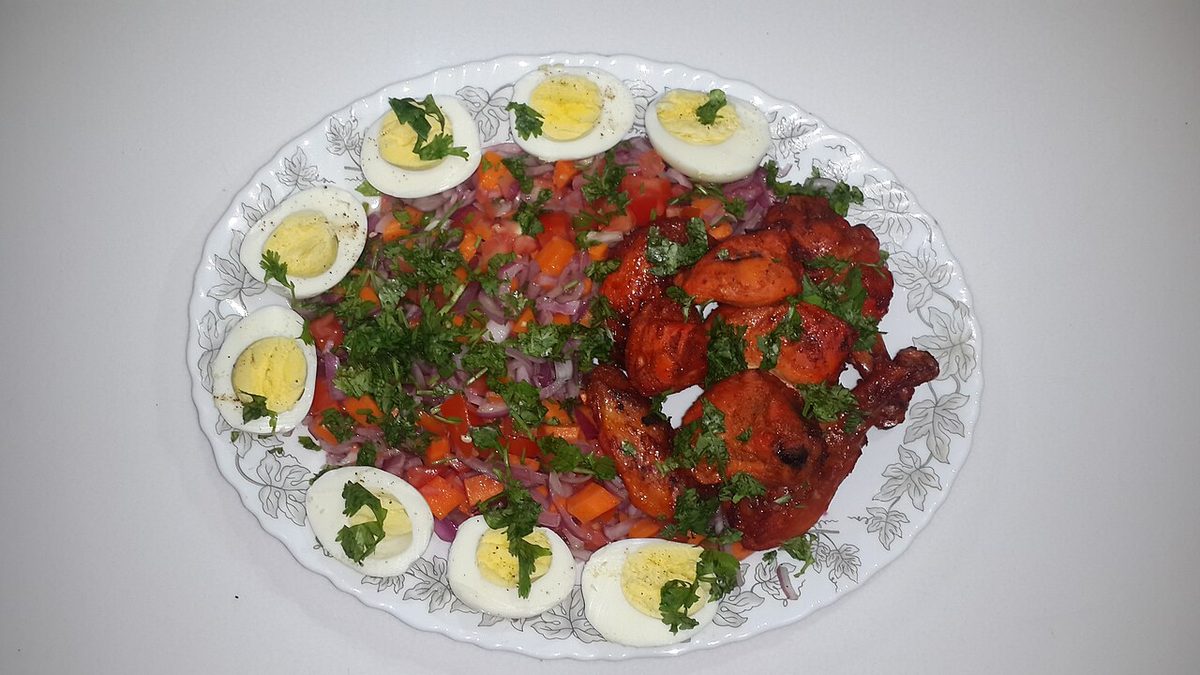
World hen egg production reached 91 million tonnes in 2023, a 77 percent increase from 2000 — an extra 40 million tonnes over that period. For scale, world chicken egg production in 2017 was 80.1 million tonnes, and in 2009 it was about 62.1 million metric tons from a laying flock of roughly 6.4 billion hens.
Inside the 2017 figure of 80.1 million tonnes, the leaders were:
- China — 31.3 million tonnes
- United States — 6.3 million tonnes
- India — 4.8 million tonnes
- Mexico — 2.8 million tonnes
- Japan — 2.6 million tonnes
- Brazil — 2.5 million tonnes
- Russia — 2.5 million tonnes
Asia as a whole supplied 59 percent of world egg production in 2013. Chicken eggs are also the most widely consumed eggs on earth; duck and goose eggs are common too, while quail, ostrich, gull and guineafowl eggs sit in the niche or luxury bracket. So when you sell eggs in India, you are part of the largest and most everyday egg market there is.
Why a hen can lay more than 300 eggs a year
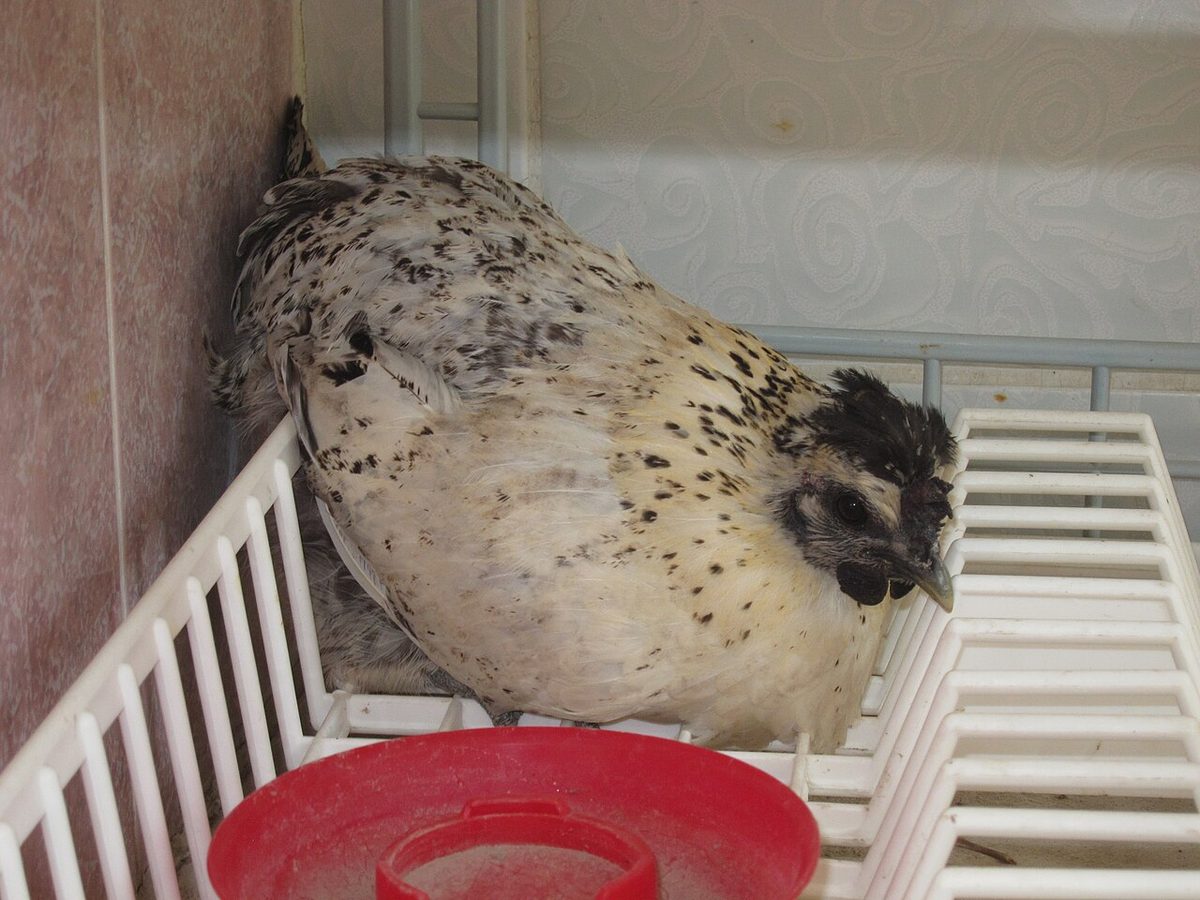
The wild Asian fowl that domesticated chickens come from lays about a dozen eggs a year, and only in the breeding season. Several thousand years of selective breeding changed that completely. A domesticated hen today can lay more than three hundred eggs in a year, and lay all year round.
That single fact explains why eggs are cheap and available every day of the year in most markets, and why a seasonal spike is about demand rather than a shortage of hens. It also explains why an odd, out-of-season price jump usually settles back down.
Freshness, fertility and the cage question
If you want to judge an egg's quality rather than its price, candling is the traditional check. A light behind the shell shows the size of the air cell — a useful freshness signal — and if fertilisation happened three to six days or earlier before candling, blood vessels are usually visible. Note that this is not conclusive proof of fertilisation, so treat it as an indicator, not a verdict.
On production methods, the one regulation in our records is from Europe: in 2012 the European Union banned battery husbandry of chickens. That is a rule for a market outside India, but it is worth knowing because it changes what a "cage-free" price actually means there. Methods of mass production remain under debate, and demand and expectations vary by region.
Packaging has moved in circles too. The egg carton was invented in 1911 by Joseph Coyle in Smithers, British Columbia, to settle a dispute about broken eggs, and early cartons were made of paper. Polystyrene took over in the later twentieth century for heat and breakage protection, and by the twenty-first century biodegradable paper cartons, often recycled, were widely used again.
What this means for you
If you sell eggs in or around Berhampur, the useful habit is not chasing a published national rate. It is knowing your own local rate, knowing which unit it is quoted in, and knowing whether that number sits low, mid or high against a benchmark range like those above. When a buyer pushes back on your price, a range with a low, a high and an average is far more convincing than a single figure you cannot explain.
And be honest about the limits. Our records contain no Odisha rate, no Berhampur rate and no Indian retail or mandi egg rate. Feed costs, chick costs, mortality and break-even figures for a layer flock are not here either, and neither is anything on layer breed names, vaccination or local festival demand. For those, talk to your vet, your feed dealer or your local agriculture office — they know your area and we do not.
The short version: read the unit, match your currency, check your number against the low, high and average, and keep your eyes on your own market. That is what a benchmark is for.


 Menu
💬 Comments
Login to comment
No comments yet. Be the first to share your experience!