🍪 Cookie Consent
We use cookies to improve your experience, analyse how the site is used, and show relevant content. By choosing Accept you agree to that. See our
Privacy Policy.
🇪🇸Usa este sitio en español
How Many Eggs Do Chickens Lay? Global Egg Production Facts & Market Prices
World hen egg production reached 91 million tonnes in 2023, up 77% from 2000. Before choosing your breed, understand the global market size, price ranges across 13 currencies, and production trends shaping commercial egg farming today.
A healthy domesticated hen can lay over 300 eggs per year. That is a remarkable distance from the roughly a dozen eggs a year laid by the wild Asian fowl from which all domestic chickens are descended. If you are considering commercial egg production, understanding the global market — what is being produced, where, and at what price — is the essential first step before you choose your stock.
From Jungle Fowl to Three Hundred Eggs a Year
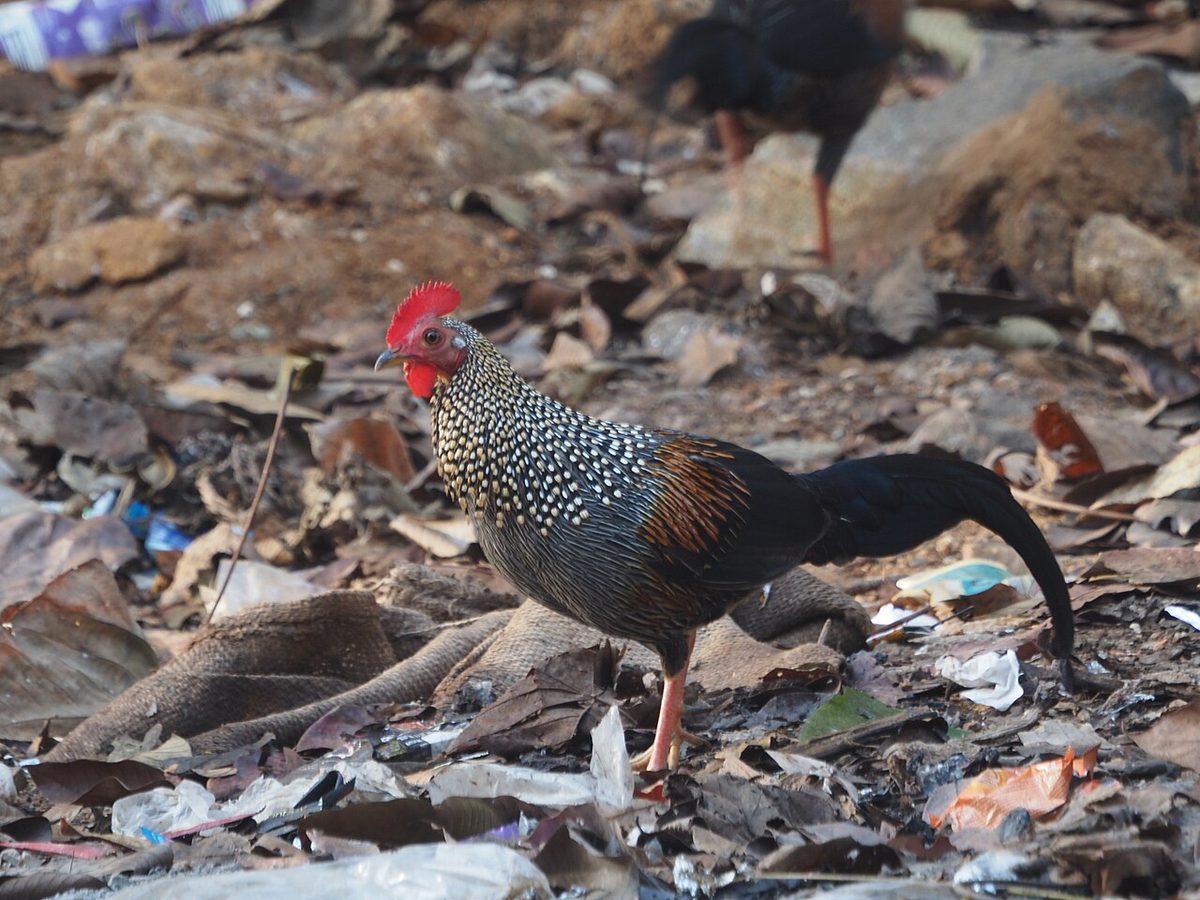
Jungle fowl at nilackal 01 by Tonynirappathu (CC BY-SA 4.0) · source
The story of the chicken's transformation from a Southeast Asian jungle bird into one of the world's most productive farm animals stretches back thousands of years. The chicken was most likely domesticated for its eggs from jungle fowl native to tropical and subtropical Southeast Asia and the Indian subcontinent before 7500 BCE. People in Southeast Asia began harvesting chicken eggs for food around 1500 BCE, nearly six thousand years after the first domestication.
The Power of Selective Breeding
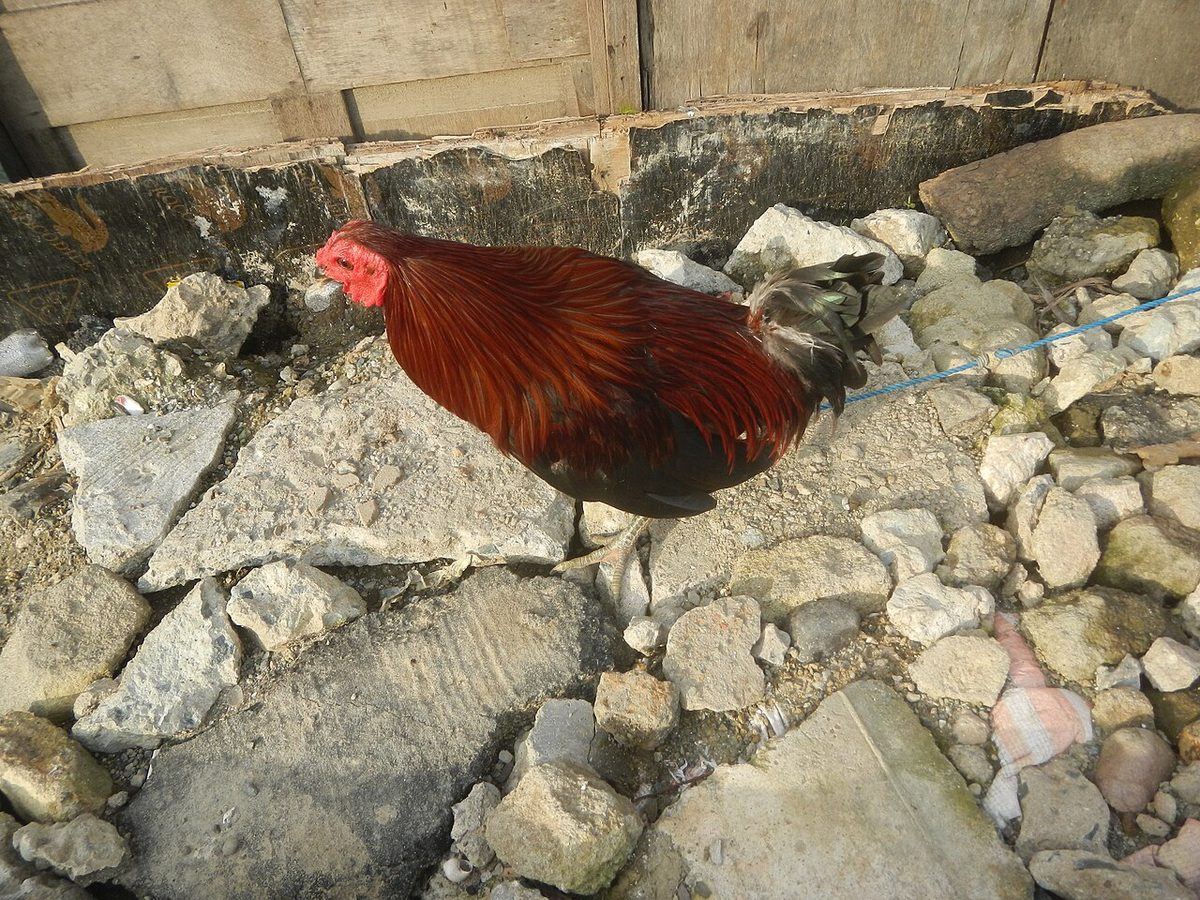
BES House of Chicken 04 by FBenjr123 (CC BY-SA 4.0) · source
Several millennia of selective breeding have changed the picture entirely. Where wild Asian fowl lay about a dozen eggs every year during a short breeding season, today's domesticated hens can produce more than 300 eggs each annually. Equally significant, modern hens lay year round rather than only during a narrow seasonal window. That shift — from a handful of seasonal eggs to a steady year-round supply — is the foundation on which the entire commercial egg industry is built. Every layer you buy today carries that long history of selective breeding in its genes.
How the Global Egg Market Has Grown
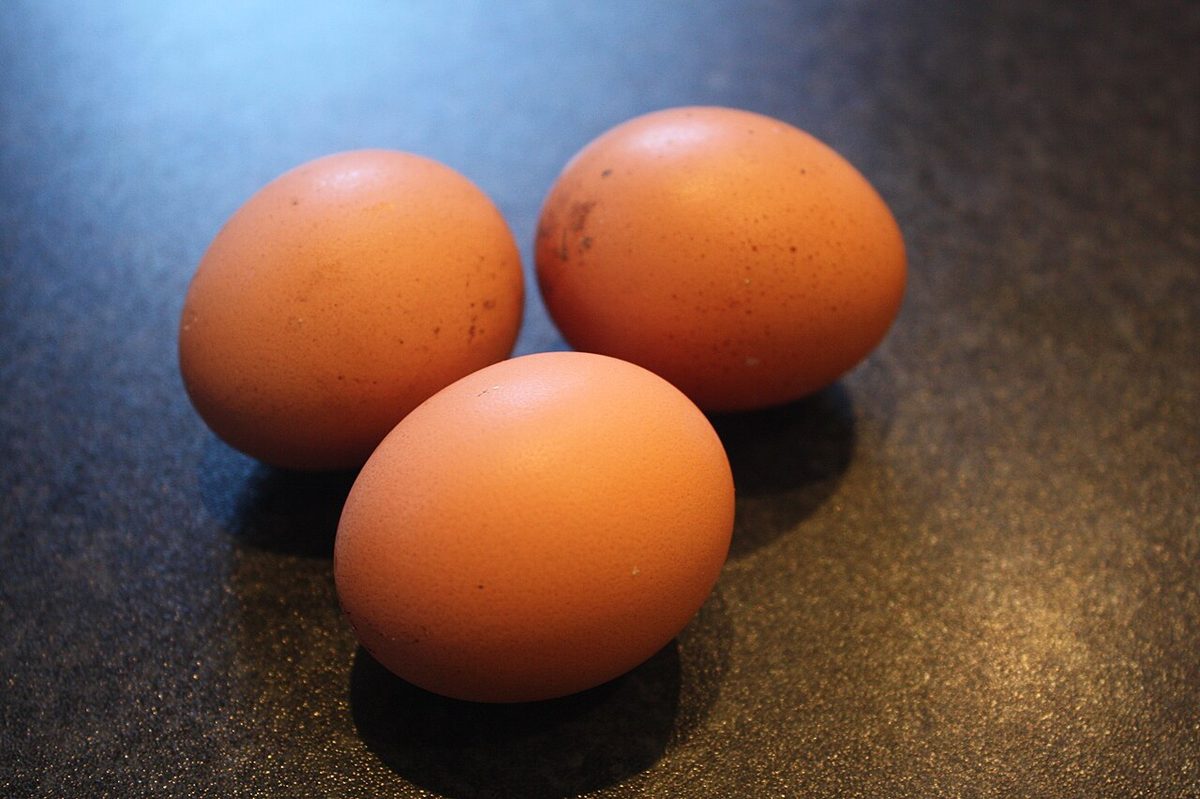
Eggs - Home Grown (or laid) by craigles75 (CC BY 2.0) · source
World hen egg production reached 91 million tonnes in 2023. That figure represents a 77 percent increase from the year 2000, which translates into an additional 40 million tonnes over that 23-year period. Chicken eggs are the most widely consumed eggs globally, with mass production now a worldwide industry touching every continent.
For context, global production in 2009 stood at an estimated 62.1 million metric tons, supported by a laying flock of approximately 6.4 billion hens. By 2017, production had climbed to 80.1 million tonnes. The upward trajectory has not slowed, and the 91 million tonnes recorded in 2023 confirms that the industry keeps expanding.
What This Growth Means for You
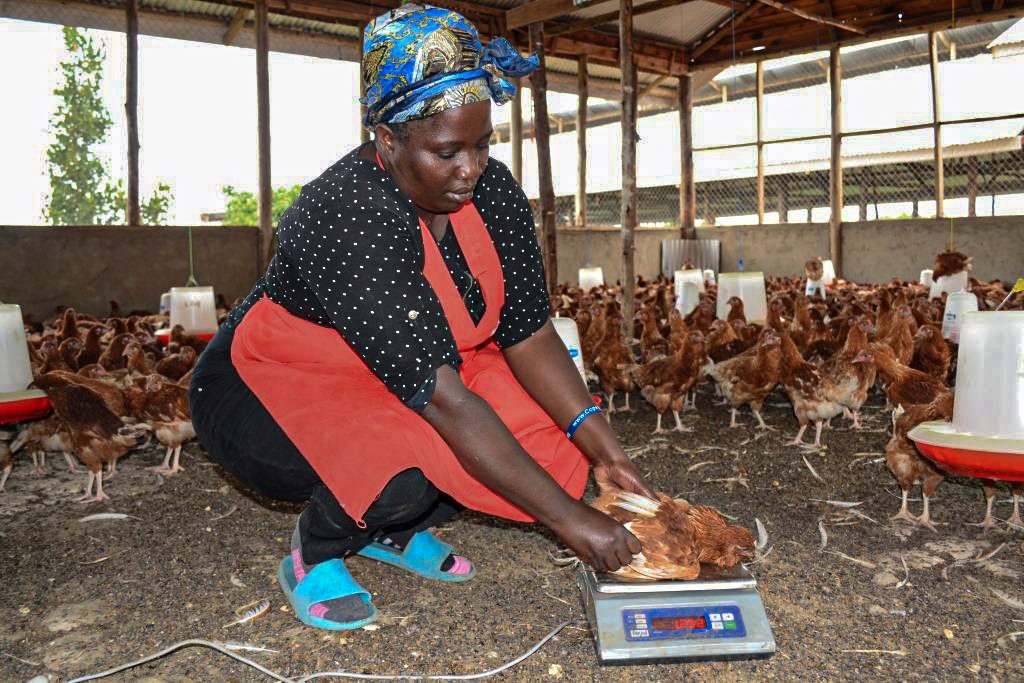
A farmer waiting her chicken to monitor their growth by Emmanuel Ssekaggo (CC BY-SA 4.0) · source
A market growing at that pace creates real opportunity, but it also means more producers are entering the space. The 77 percent growth since 2000 signals strong and sustained consumer demand — people around the world are eating more eggs, not fewer. If you are entering the industry now, you are not betting on a declining or stagnant market. You are stepping into one that has been expanding steadily for over two decades, driven by population growth, rising incomes in developing countries, and growing recognition of eggs as an affordable and nutritious source of protein.
Which Countries Produce the Most Eggs
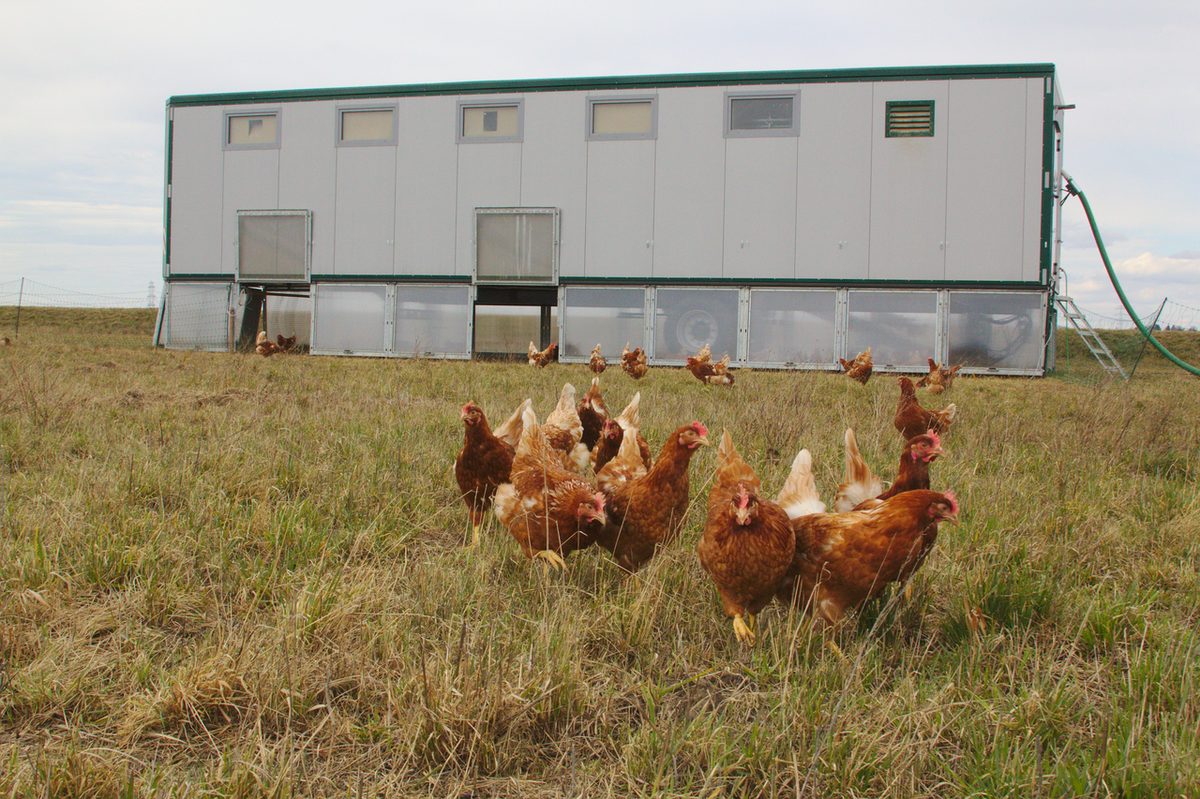
Mobile Chicken Barn by Florian Trabauer (CC BY-SA 4.0) · source
Egg production is not evenly spread around the world. A handful of countries account for the bulk of output, and understanding the production map helps you understand where prices are set and where demand is concentrated.
The Leading Producers
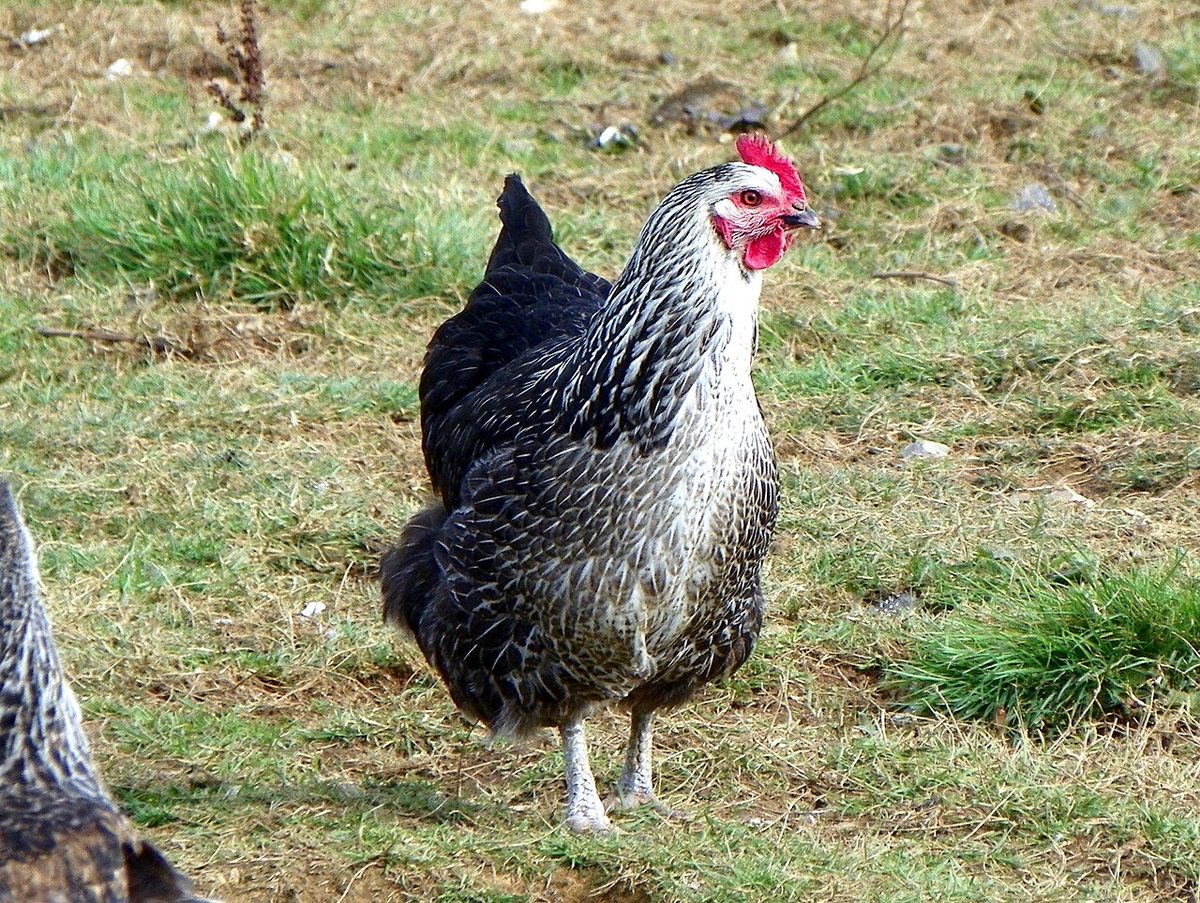
GOC Much Hadham 049 Chicken (Gallus gallus domesticus) by Peter O'Connor aka anemoneprojectors from Stevenage, United Kingdom (CC BY-SA 2.0) · source
In 2017, when world production reached 80.1 million tonnes, China alone produced 31.3 million tonnes — nearly two in every five eggs on the planet at that time. The United States came second with 6.3 million tonnes, followed by India at 4.8 million, Mexico at 2.8 million, and Japan at 2.6 million. Brazil and Russia each produced 2.5 million tonnes.
Asia's dominance runs even deeper than China's numbers alone suggest. Asian production as a whole provided 59 percent of the world total as recently as 2013. That regional concentration means that developments in Asian feed costs, trade flows, or disease outbreaks can send ripples across global prices and affect your market even if you farm on another continent.
What Eggs Cost Around the World
ASC Leiden - J. Th. Broekhuijse Collection - 01 - 043 - A chicken sacrifice. A pile of brown earth with chicken feathers on top, grass around it - Burkina Faso, 1970-1971 by Jan Broekhuijse (CC BY-SA 4.0) · source
If you are thinking about commercial egg production, the production numbers above tell you about the scale of the opportunity. But the real question for any farmer is what you might earn. Egg prices vary enormously depending on where you sell, and the spread is far wider than most people expect.
Prices in Major Currencies
PDB 1u3m EBI by Jawahar Swaminathan and MSD staff at the European Bioinformatics Institute (Public domain) · source
This site tracks 6,646 price observation rows across all countries, sourced from faostat. These cover hen eggs, chicken meat, and general eggs in markets across multiple continents and currencies. Across 645 rows of hen egg price data recorded in euros, the lowest recorded price is EUR499 per tonne and the highest is EUR20565 per tonne, with an average of EUR2058 per tonne as of January 31, 2025. Separate data for 91 rows of hen eggs in US dollars ranges from USD1178 to USD8789 per tonne, averaging USD2604.
That gap — from EUR499 to EUR20565 for essentially the same product — reflects real differences in production costs, living standards, transport infrastructure, and market structure. A farmer operating in a lower-cost region can compete on price in ways that would be nearly impossible in a high-cost market, while producers in expensive markets often rely on quality branding or specialty labels to justify higher prices.
Local Market Prices by Country
When you look at individual countries, the picture becomes even more varied. In Myanmar, local eggs range from MMK438 to MMK1400 per piece, averaging MMK713 as of August 2026. In the Philippines, eggs sell for between ₱7 and ₱12 per piece, averaging ₱9 as of June 2026. In Bangladesh, brown eggs average ৳11 per piece, with prices ranging from ৳10 to ৳13.
In Indonesia, eggs average Rp29608 per kilogram as of June 2026. For comparison, whole chicken meat in Indonesia averages Rp38294 per kilogram over the same period — meaning eggs sell for roughly 77 percent of the price of chicken meat by weight. That ratio is useful context if you are deciding whether to focus on eggs, meat, or both on the same operation.
Prices Across Additional Markets
The global price tracking spans at least 13 currencies, reflecting genuinely worldwide coverage. Hen eggs in Israel range from ILS3847 to ILS23474 per tonne. Kazakhstan averages KZT667191 per tonne. The Czech Republic averages CZK44863 per tonne for hen eggs, while Canada averages CAD3111 per tonne. In the East Caribbean, the average stands at XCD17918 per tonne as of December 2024.
Quality, Scale and What Buyers Expect
Price is one side of the equation. Quality is the other, and it determines whether you can hold or improve on the prices available in your market. Buyers — whether wholesalers, retailers, or individual consumers — have expectations, and meeting them consistently is what builds a lasting customer base.
Checking Egg Quality
During production, eggs can be candled to check their quality. The size of an egg's air cell is measured during candling, and if fertilization took place three to six days or earlier prior to the candling, blood vessels can usually be seen as evidence that the egg contains an embryo. Contrary to common misconception, candling is not conclusive proof of fertilization, so it tells you about quality and potential development but does not guarantee fertility one way or the other. For commercial table egg producers who do not keep a rooster, fertilization is not a concern — but candling remains a useful tool for checking internal quality and weeding out defects before eggs reach paying customers.
Operating at Commercial Scale
At the industrial end of the industry, the volumes are staggering and worth understanding as a benchmark. The largest egg factory in British Columbia ships 12 million eggs per week. In January 2019, the United States alone produced 9.41 billion eggs in a single month, with 8.2 billion for table consumption and 1.2 billion for raising chicks. Americans were projected to each consume 279 eggs that year — the highest per-person consumption since 1973 but still well below the 405 eggs eaten per person in 1945. That gap between historic and current consumption hints at room for growth in some mature markets, while also showing how much eating habits can shift over a single lifetime.
Rules That Shape How You Farm
Before you invest in equipment or stock, it is worth understanding the regulations that may apply to you — especially if you plan to export. In 2012, the European Union banned battery husbandry of chickens. There are ongoing debates concerning methods of mass production, as well as issues of regional variation in demand and expectation for eggs. If you are farming within or exporting to the EU, you will need to comply with these housing standards and stay current on any rule changes.
For other regions, regulations vary considerably from one country to the next. Housing requirements, animal welfare standards, and export certifications differ widely depending on where you operate and where you sell. Check with your nearest agricultural authority or vet to understand what applies to your operation and what you need to plan for.
Egg Prices at a Glance
Here is a quick-reference snapshot of average egg prices recorded across our global observation network, so you can see the range at a glance:
Indonesia: Rp29608 per kg of eggs (June 2026)
Philippines: ₱9 per egg piece (June 2026)
Bangladesh (brown eggs): ৳11 per piece (July 2026)
Myanmar (local eggs): MMK713 per piece (August 2026)
Eurozone average (hen eggs): EUR2058 per tonne
Canada (hen eggs): CAD3111 per tonne
United States average (hen eggs): USD2604 per tonne
Israel (hen eggs): ILS3847 to ILS23474 per tonne
The Bigger Picture for Your Farm
The Bigger Picture for Your Farm
Egg prices change with the seasons, feed costs, and how many hens are laying across the whole country. That means your profit depends on more than just how many eggs your flock produces.
If you keep just a few hens for home use, the numbers don't matter much. But if you sell eggs — even at a local market — you need to know your cost per egg. Feed is usually your biggest expense. A hen that lays 280 eggs a year uses roughly the same feed as one that lays only 180. That difference in feed cost is where smarter breeding and better care pay off.
Think about your market, too. Some buyers will pay more for free-range or organic eggs. Others want the lowest price. Knowing the local going rate helps you decide what type of hen to raise and how many to keep.
A Simple Way Forward
Start by tracking one month of your own flock's egg count. Write it down. Then compare your feed cost to what you earn from selling those eggs. That simple record will tell you more than any general guide ever could.
Final Thoughts
Chickens lay a lot of eggs when they are healthy and well-fed — anywhere from 150 to over 300 per year depending on the breed. But the real number that matters is your own flock's average. Track it, know your costs, and watch the local market prices. That combination will help you run a profitable egg business, whether you sell ten eggs a week or ten thousand.
❓ Frequently asked questions
How many eggs can a productive hen lay in a year?
Wild Asian fowl, from which domesticated chickens are descended, typically lay about a dozen eggs every year during the breeding season. Through thousands of years of selective breeding, domesticated hens can now lay more than three hundred eggs each annually and do so year round rather than just during a breeding season.
How big is the global egg market?
World hen egg production reached 91 million tonnes in 2023, representing a 77% increase from the year 2000 and an additional 40 million tonnes over that period. In 2009, global production was estimated at 62.1 million metric tons, produced by a laying flock of approximately 6.4 billion hens.
Which countries produce the most eggs?
In 2017, world production of chicken eggs was 80.1 million tonnes. China was the largest producer at 31.3 million tonnes. The United States produced 6.3 million tonnes, India 4.8 million, Mexico 2.8 million, Japan 2.6 million, and both Brazil and Russia produced 2.5 million tonnes each. Asian production overall provided 59 percent of the world total in 2013.
What do eggs cost in different countries?
Our site tracks 6,646 price observation rows across at least 13 currencies. Hen egg prices in EUR range from EUR499 to EUR20565 per tonne, with an average of EUR2058 per tonne. In local markets, eggs average MMK713 per piece in Myanmar, PHP9 per piece in the Philippines, and BDT11 per piece for brown eggs in Bangladesh. In Indonesia, eggs average Rp29608 per kg.
Are there legal restrictions on how hens can be housed?
In 2012, the European Union banned battery husbandry of chickens. There are ongoing debates concerning methods of mass production, as well as issues of regional variation in demand and expectation for eggs. If you are farming for or exporting to EU markets, you should check current regulations with your local agricultural authority or vet.
When did humans start farming chickens for eggs?
The chicken was most likely domesticated for its eggs from jungle fowl native to tropical and subtropical Southeast Asia and the Indian subcontinent before 7500 BCE. People in Southeast Asia began harvesting chicken eggs for food around 1500 BCE, and chickens had spread to Sumer and Egypt by that time as well. This long history of domestication underpins the massive global egg industry that exists today.
📚 Where the figures in this guide come from
We read what has already been published on the subject, take out the figures and rules it actually states, and write it up in plain, everyday language.
Every number and name here traces back to a source listed below — nothing in this guide is invented.
Our own records
Price observations recorded by this site (worldwide)
Prices, rules and animal health advice change and vary by area. Check anything important with a local vet, dealer or agriculture office before you spend money.
Spotted a mistake? Tell us in the comments and we will correct it.






 Menu
Menu
💬 Comments
Login to comment
No comments yet. Be the first to share your experience!