🍪 Cookie Consent
We use cookies to improve your experience, analyse how the site is used, and show relevant content. By choosing Accept you agree to that. See our
Privacy Policy.
Goat Breeds With Pictures and Names: Breeds, Prices & Facts
From the 20 kg small-breed doe to the 140 kg Boer buck, goat breeds come in remarkable variety. See global prices for goat meat, milk, and live animals, and understand why breeds differ so widely in size, purpose, and value.
Goat breeds with pictures and names span a range that can genuinely surprise you — from miniature animals standing less than half a metre tall to meat bucks that tip the scales at over 140 kilograms. The global goat population now exceeds 1.1 billion animals, with India alone holding 150 million, so the variety you encounter depends heavily on where in the world you are farming. Before settling on a breed, though, it pays to understand what those animals will cost to buy and what you might earn from them. The market data below is the best place to start.
Goat Meat, Milk and Live Animal Prices
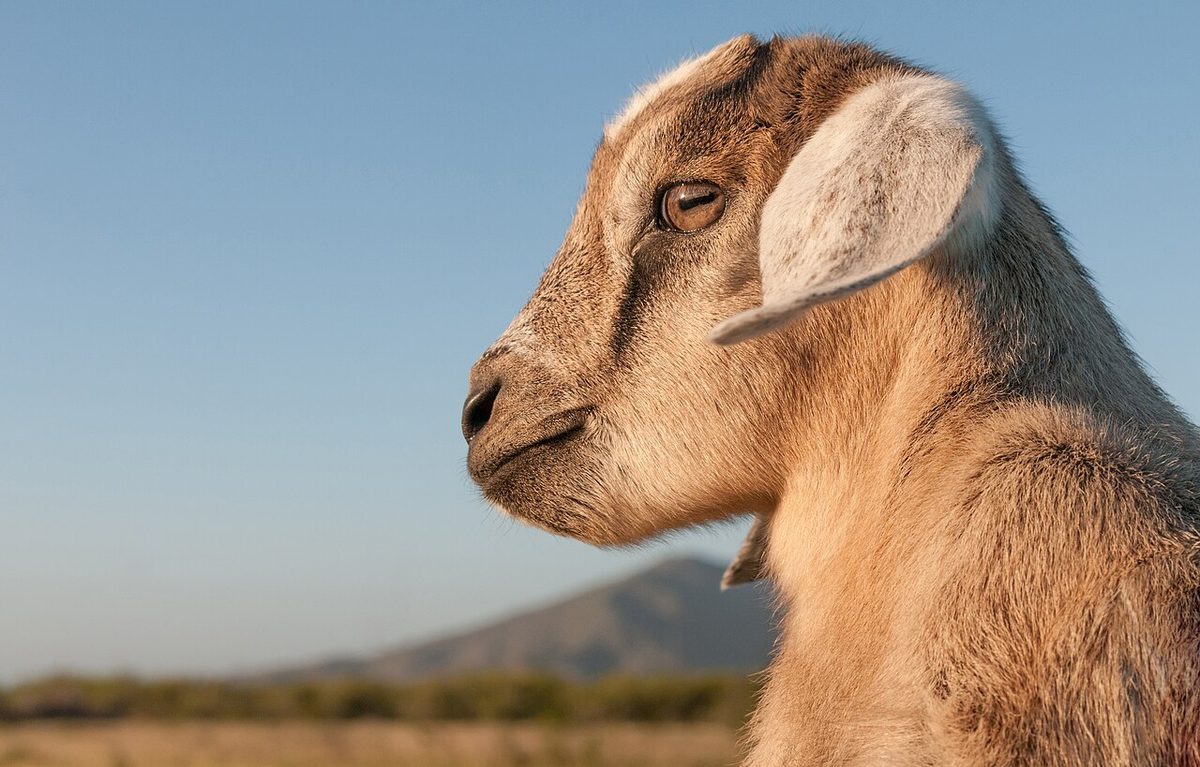
Baby Goat in Margarita Island, Venezuela by Béria Lima de Rodríguez (CC BY-SA 3.0) · source
Understanding current prices in your currency and region is one of the most practical steps you can take before investing in any breed. Goat meat, milk, and live animals are all traded actively around the world, and prices vary enormously depending on where you are.
Goat meat
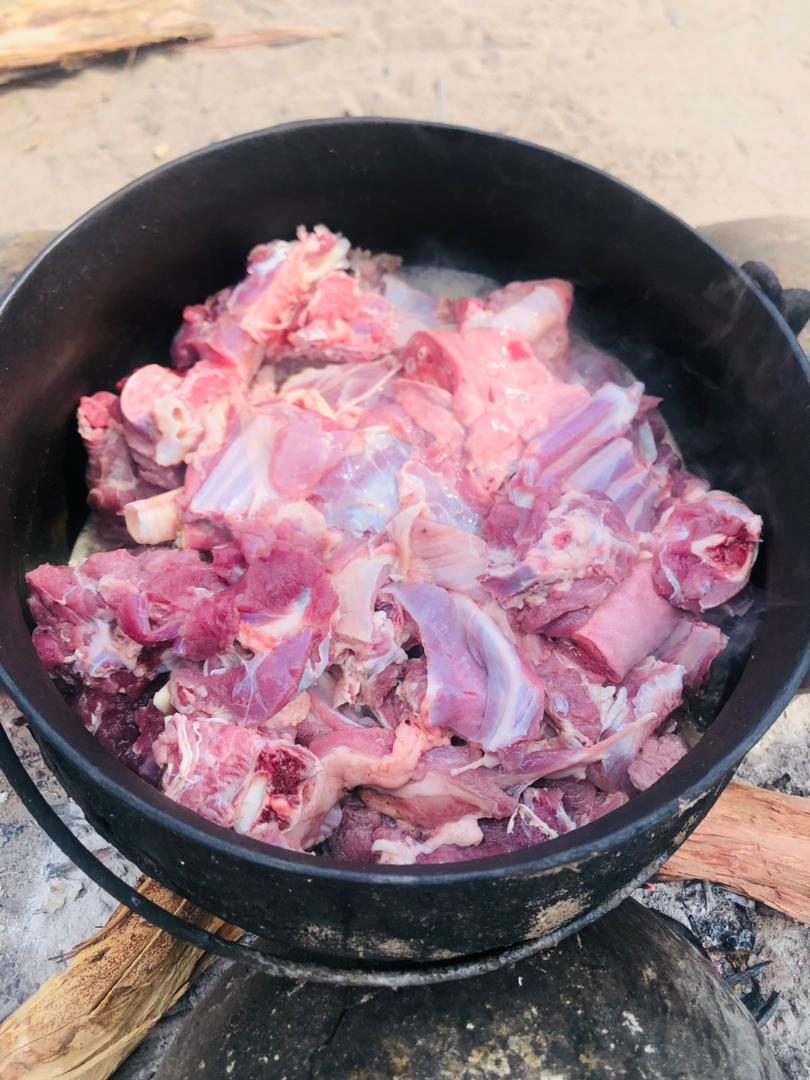
Fresh goat meat in a three legged potjie pot on fire by Martin Hipangwa (CC BY-SA 4.0) · source
Across 218 price observations collected globally, goat meat ranged from EUR417 per tonne to EUR39559 per tonne, averaging EUR3553 per tonne as of early 2025. That spread of almost one hundred to one reflects local supply, demand, currency conditions, and infrastructure rather than any single worldwide standard.
In Israel, 76 observations recorded prices from ILS20106 to ILS43623 per tonne, averaging ILS29452. Turkey's 50 records ranged even more widely, from TRY31700 to TRY193854 per tonne, averaging TRY89009. The Philippines showed PHP161670 to PHP262362 per tonne across 49 rows, and Indonesia ranged from IDR107676820 to IDR142815259 per tonne across 48 rows.
Other markets in our data include Albania (ALL280465 to ALL452631 per tonne), Serbia (RON3740 to RON11500 per tonne), Brunei (BND15000 to BND31630 per tonne), Malaysia (MYR25000 to MYR28750 per tonne), Uzbekistan (UZS27029000 to UZS51267691 per tonne), Bulgaria (BGN4500 to BGN12000 per tonne), West African CFA franc zones (XOF992839 to XOF4150422 per tonne), and Qatar (QAR21000 to QAR35000 per tonne).
The takeaway is clear: national averages will not tell you what your goat is worth. Before you calculate profit margins, find out what local abattoirs, cooperatives, and traders are paying in your specific market right now.
Goat milk
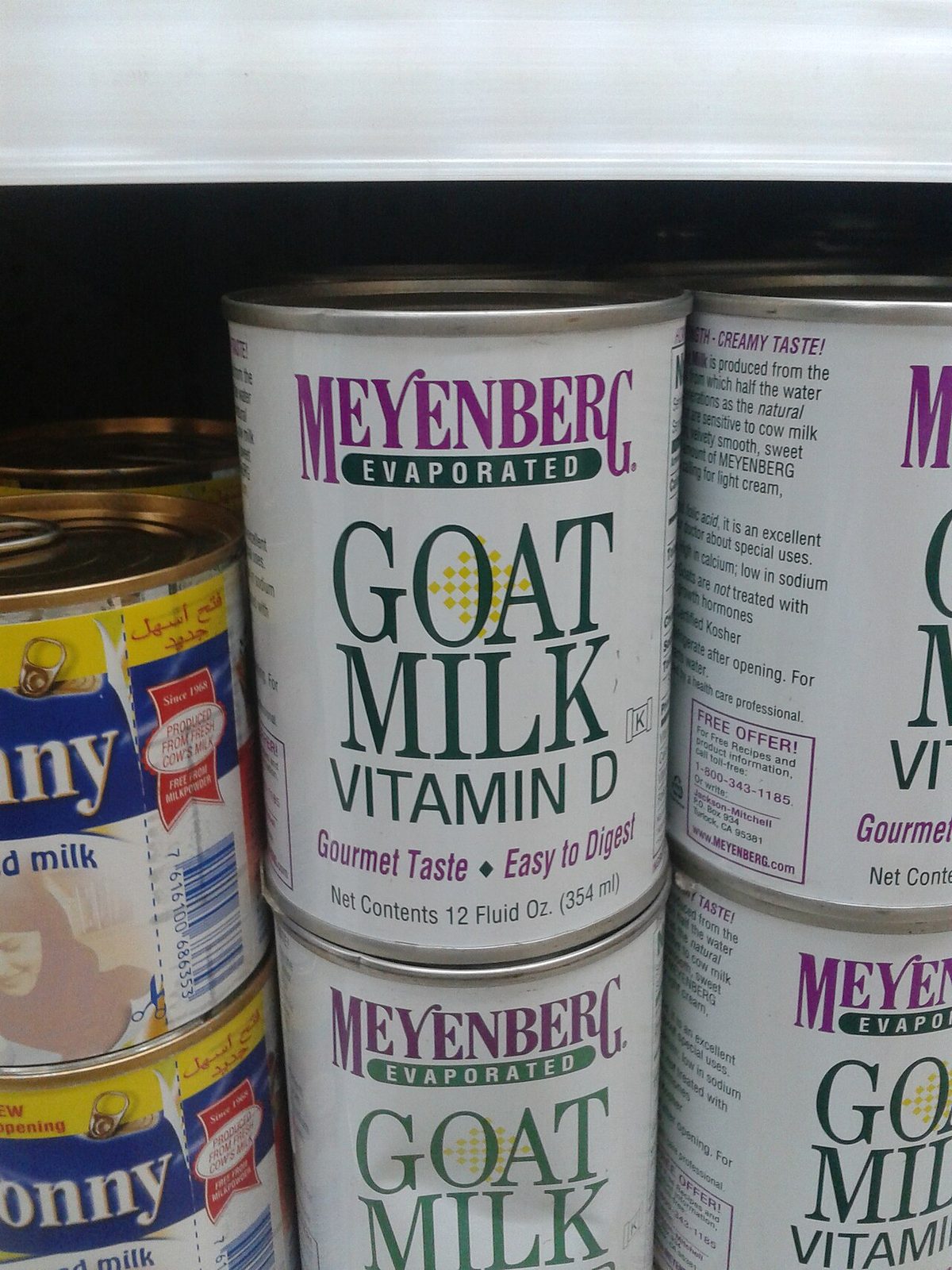
Condensed Goat Milk by Ali from Riyadh : ) (CC BY 2.0) · source
Goat milk prices show similarly wide variation, though the global range tends to sit lower than meat. Across 200 observations, prices ranged from EUR78 to EUR5968 per tonne, averaging EUR962 per tonne.
Country data reinforces how much local conditions matter. Israel averaged ILS4755 per tonne, with a range of ILS3896 to ILS6562 across 97 rows. Turkey averaged TRY13754 per tonne, spanning TRY4250 to TRY25849 across 48 rows. Bulgaria averaged BGN1068 per tonne (range BGN797–BGN1227, 49 rows), Serbia averaged RSD64053 per tonne (range RSD45112–RSD81664, 49 rows), Albania averaged ALL93580 per tonne (range ALL56329–ALL156367, 48 rows), and Cabo Verde averaged CVE117439 per tonne (range CVE115240–CVE119590, 49 rows).
If dairy is your focus, these numbers are your starting point. Local dairies and farmer cooperatives can give you realistic figures for your area, as global averages rarely reflect every farm's circumstances.
Live goats
Prices for live animals — rather than processed meat or milk — follow their own logic. In Ethiopia, 65 records show goat prices ranging from ETB6000 to ETB23000 per animal, averaging ETB12467. In West African CFA franc markets, the range is XOF37500 to XOF71500 per animal, averaging XOF54388. Mauritania records a more specific figure for a medium-sized male goat: MRU2917 to MRU6267 per animal, averaging MRU3997.
These per-head prices depend heavily on the animal's age, weight, health status, and intended purpose. A young breeding doe and an older cull buck will never fetch the same price, and local festivals, religious holidays, or seasonal demand can shift prices significantly. Always inspect the animal and confirm its health history before committing.
Key Goat Types Mentioned in This Research
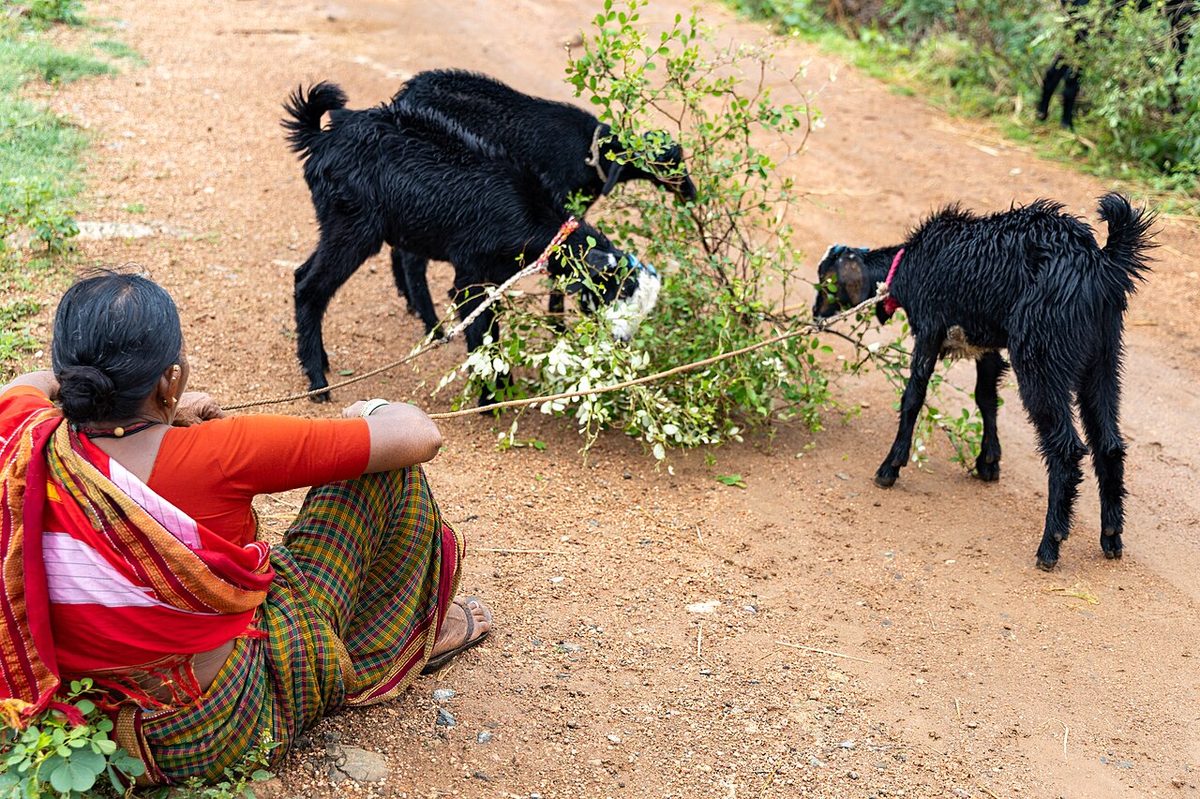
Goat rearing rural woman India village livestock management by Vraj Acharya, WELL Labs (CC BY-SA 4.0) · source
Our market data and biological research touch on several well-known goat types. Here is what the available figures tell us about each. Our research does not include a comprehensive catalog of every recognized goat breed worldwide with photographs and detailed breed-by-breed descriptions — for that, you would need to consult a breed registry or livestock extension service in your country. What follows is what this research can support.
Boer
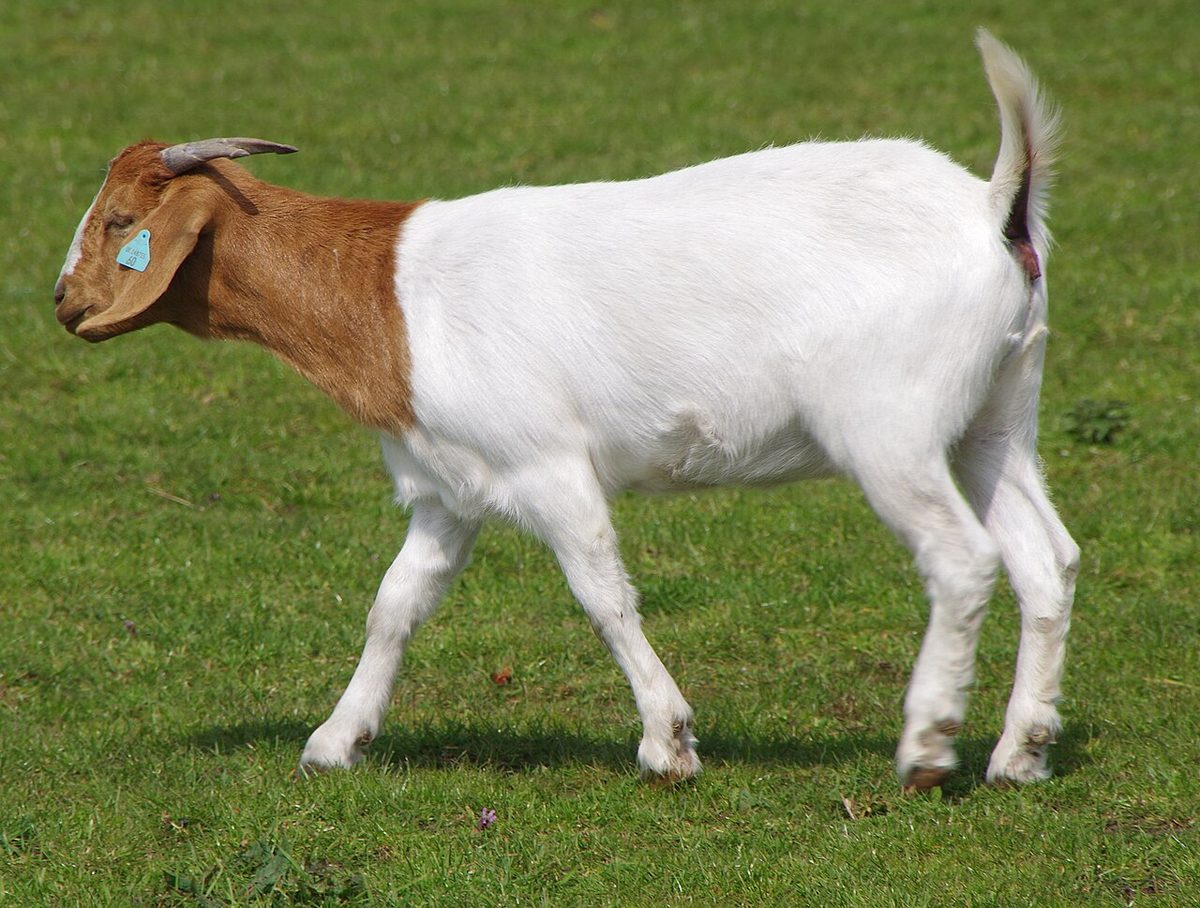
Boer Goat by Lil Shepherd from United Kingdom (CC BY 2.0) · source
The Boer is a large meat breed. Boer bucks can exceed 140 kg, making them among the heaviest goats recorded. The breed is sometimes noted for having as many as eight teats, which is distinctly unusual — most goats have just two. Boers appear frequently in meat production contexts and in price data across multiple countries. Dairy-cross Boers — crosses between Boer meat lines and dairy animals — are also raised in some operations and, like pure dairy goats, may develop wattles.
African Pygmy
African Pygmy Goat by Ryan Somma (CC BY-SA 2.0) · source
At the opposite end of the size scale, the African Pygmy is a true miniature breed. Adult animals stand 41 to 58 cm at the shoulder. Small-breed does in general weigh 20 to 27 kg. If you are working with limited space, limited feed resources, or a smallholding, a Pygmy or similar small breed may be the more practical option. Pygmy goats are among the types that may develop wattles — those dangling folds of skin that hang from each side of the neck.
Dairy goats
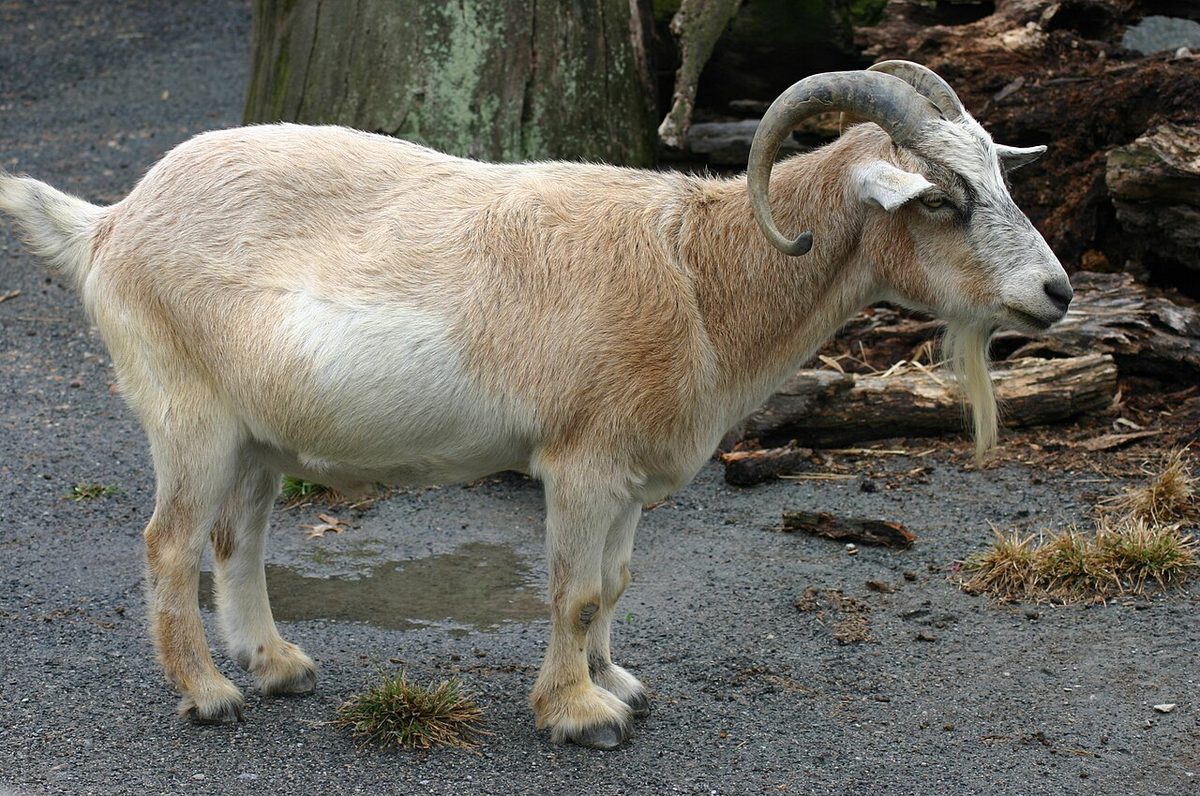
20130711 Goat IMG 7911 by Jon Glittenberg (CC BY-SA 4.0) · source
Dairy goats, and dairy-cross Boers, are raised primarily for milk production. They, along with Pygmy goats, are among the types most likely to develop wattles. Dairy goats feature heavily in the milk price data for Israel, Turkey, and parts of Europe. Different dairy breeds exist across every continent, and the right one for your situation depends on your climate, available feed, and whether you are milking for home use or commercial sale.
The table below summarises the three types our research covers.
Boer — Large meat breed; bucks exceed 140 kg; sometimes up to eight teats; suited to meat production.
African Pygmy — Miniature breed; adults 41–58 cm at shoulder; small-breed does 20–27 kg; suited to smallholdings and limited spaces.
Dairy goats — Raised for milk; may have wattles; dairy-cross Boers also common; suited to milk production in many climates.
Why Goats Differ So Much: Biology and History
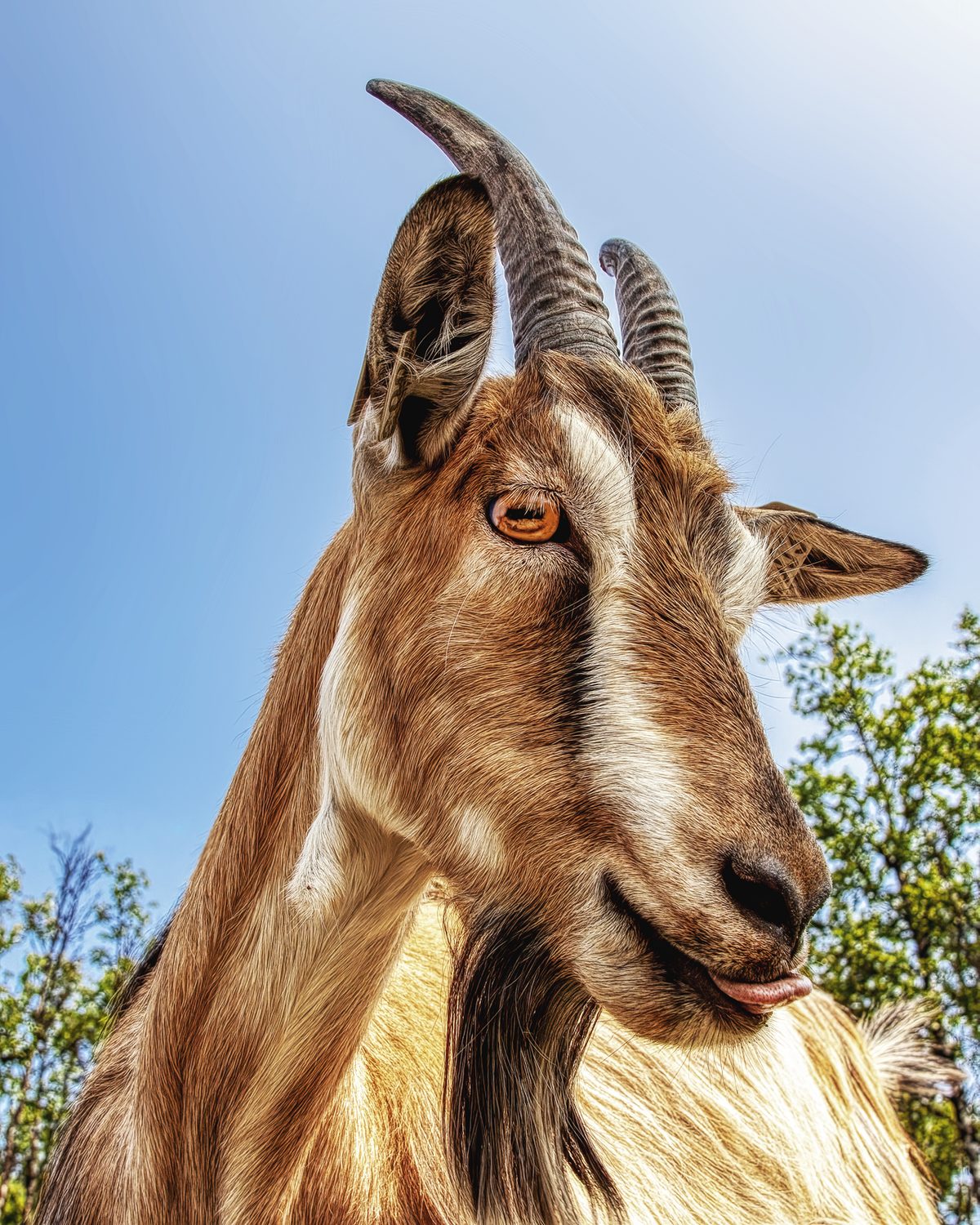
Goat breeds from Venezuela by Wilfredor (CC BY-SA 3.0) · source
The staggering variety of goats traces back to a single domestication event around 10,000 years ago. Both DNA evidence and archaeological findings point to goats being domesticated from the wild bezoar ibex in the Zagros Mountains region of what is now Iran. The earliest domesticated goat remains come from Ganj Dareh in Iran, with additional evidence at Jericho, Choga Mami, Djeitun, and Çayönü confirming that goats were being managed across Western Asia between 8,000 and 9,000 years ago.
From that single origin, goats spread across every continent except Antarctica, adapting to deserts, mountains, tropical lowlands, and temperate zones over millennia. Natural selection and human breeding preference gradually produced animals as different as a 20 kg doe and a 140 kg Boer buck. Goats are also the only ruminant species to regularly climb trees — a habit driven by their natural curiosity, agility, and ability to balance in precarious places. Both male and female goats may grow beards, and many types — most commonly dairy goats, dairy-cross Boers, and Pygmy goats — may develop wattles dangling from each side of the neck.
Goats and Sheep — Close Relatives, Separate Species
Goats and sheep share the subfamily Caprinae and belong to the same family, Bovidae, but they are separate species. Sheep-goat hybrids are rare and always infertile, which confirms the genetic gulf between them despite superficial similarities. You can tell goats and sheep apart by a few reliable features. Goats typically have beards and tails that point upward; sheep have divided upper lips and tails that hang downward. Male goats — called bucks — develop a strong odor during the rutting season that rams do not.
The English language reflects thousands of years of human interaction with goats. The word 'goat' derives from Old English gāt, ultimately tracing back to Proto-Indo-European roots. 'Nanny goat' entered usage in the 18th century; 'billy goat' followed in the 19th. Female goats are also called does; castrated males are called wethers. Young goats are called kids — a word from Old Norse kið that has been used as slang for human children since the 1590s. Both 'hircine' and 'caprine' mean goat-like, though hircine specifically evokes that characteristic goat smell.
Goats have also left their mark on world mythology and religion. They appear in Greek mythology through Amalthea, the goat that nurtured the infant Zeus. Norse mythology features goats that pull Thor's chariot across the sky. Scandinavian countries maintain the Yule goat tradition. Hinduism includes the goat-headed figure Daksha. The Israelite ritual of the scapegoat — a goat symbolically burdened with a community's sins and sent into the wilderness — has influenced language and culture for millennia. Christian iconography has also used goat imagery, most notably in depictions of Satan.
Horns, Teats and Other Notable Features
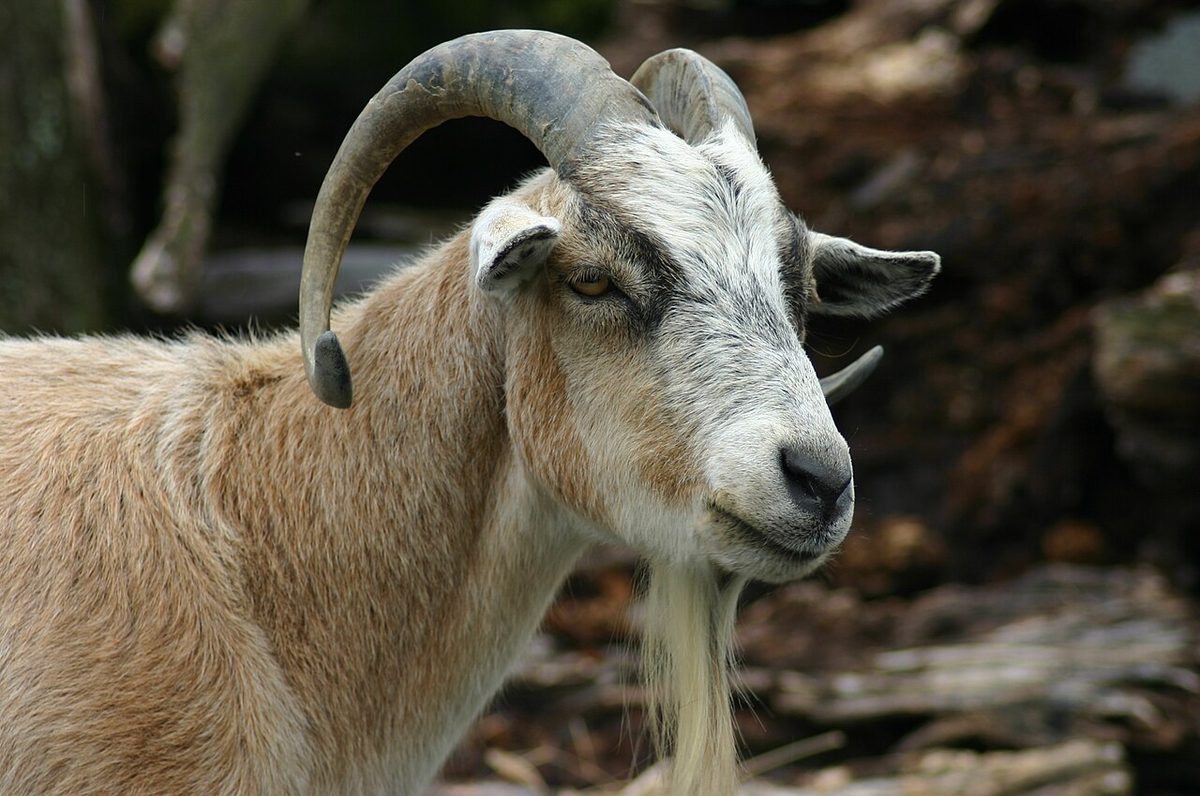
Most goats naturally grow two horns, though shape and size vary significantly by breed. Horns are made of living bone surrounded by keratin, and they serve several purposes: defense, establishing dominance, territorial behaviour, and regulating body temperature. Rare genetic variants can produce polycerate goats with as many as eight horns, and naturally hornless, or polled, goats also exist — though polled goats are uncommon because the genes that determine sex and horn presence are closely linked. Breeding two polled goats together tends to produce many sterile intersex offspring, which is an important consideration for any breeding program.
Female goats have an udder with two teats, unlike the four found on cattle. As ruminants, goats possess a four-chambered stomach made up of the rumen, reticulum, omasum, and abomasum. They have 60 chromosomes, horizontal slit-shaped pupils that give them a wide field of vision, and no tear ducts. Both male and female goats may grow beards, and many types may develop wattles.
Putting the Pieces Together
Putting the Pieces Together
With so many breeds to choose from, picking the right goat starts with your purpose. Are you looking for milk, meat, fibre, companionship, or a combination? Your climate matters too. Dairy breeds like Saanen and Alpine thrive in cooler, well-ventilated spaces. Meat breeds like Boer and Kiko are built for warmer, rough conditions. Fibre breeds such as Angora and Cashmere need regular shearing and careful skin protection.
Budget is the next real consideration. A good-quality Boer buck might cost between $300 and $800 in South Africa, while purebred Saanen does often range from R4,000 to R12,000 in South Africa depending on pedigree. Nigerian Dwarf and Pygmy goats are cheaper entry-level options for small farms. Always buy from reputable breeders who can provide health records and vaccination history.
Making a Practical Choice
Before you buy, visit the goats in person. Watch how they move, check their eyes, teeth, and hooves, and speak to the seller about the animal's background. Ask about deworming schedules, feed history, and any known health issues. A healthy goat is alert, has a shiny coat, and shows no signs of coughing, limping, or discharge. Remember that goats are social animals — plan to keep at least two so they do not become lonely or stressed.
Conclusion
Every breed has its strengths, and no single breed is best for every situation. Whether you want creamy milk, quality meat, soft fibre, or a friendly pet, there is a goat breed well suited to your farm and your goals. Research thoroughly, buy wisely, and invest in good housing and feed. With the right breed and proper care, goats can be one of the most rewarding and profitable livestock choices for any farmer.
❓ Frequently asked questions
What goat breeds exist and how do I tell them apart?
The available information mentions a few breeds by name. The Boer is a large meat breed whose bucks can exceed 140 kg, and the African Pygmy is a miniature breed standing 41 to 58 cm at the shoulder as an adult. Dairy goats and dairy-cross Boers are also noted. A comprehensive visual guide with pictures and names for all goat breeds is not available here, so you should consult a breed registry or livestock specialist for detailed identification help.
How much does goat meat cost where I live?
Goat meat prices vary enormously around the world. Across 218 price observations, the global range is EUR417 to EUR39559 per tonne, averaging EUR3553 per tonne. Country-specific prices include Israel at ILS20106 to ILS43623 per tonne, Turkey at TRY31700 to TRY193854 per tonne, the Philippines at PHP161670 to PHP262362 per tonne, and Indonesia at IDR107676820 to IDR142815259 per tonne. Many other currencies are also covered. For the most accurate local pricing, check current market listings in your area.
How much does goat milk cost in my country?
Goat milk prices also vary widely. Globally, across 200 observations, prices range from EUR78 to EUR5968 per tonne, averaging EUR962 per tonne. In specific countries, averages include ILS4755 per tonne in Israel, TRY13754 per tonne in Turkey, BGN1068 per tonne in Bulgaria, RSD64053 per tonne in Serbia, and ALL93580 per tonne in Albania. Local prices depend on your region and market conditions.
How much does a live goat cost?
Live goats are traded per animal rather than by weight. In Ethiopia, prices range from ETB6000 to ETB23000 per animal, averaging ETB12467. In West Africa, the range is XOF37500 to XOF71500 per animal, averaging XOF54388. In Mauritania, a medium-sized male goat averages MRU3997, ranging from MRU2917 to MRU6267. Prices differ by age, sex, size, and local demand.
Are goats related to sheep?
Yes, goats and sheep are closely related. Both belong to the subfamily Caprinae and family Bovidae. However, they are separate species, and sheep-goat hybrids are rare and always infertile. You can tell them apart by their tails — goats have upward-pointing tails and often beards, while sheep have downward-hanging tails and divided upper lips. Goat bucks also develop a strong odor during the rut that rams do not.
📚 Where the figures in this guide come from
We read what has already been published on the subject, take out the figures and rules it actually states, and write it up in plain, everyday language.
Every number and name here traces back to a source listed below — nothing in this guide is invented.
Our own records
Price observations recorded by this site (worldwide)
Prices, rules and animal health advice change and vary by area. Check anything important with a local vet, dealer or agriculture office before you spend money.
Spotted a mistake? Tell us in the comments and we will correct it.
 Menu
Menu
💬 Comments
Login to comment
No comments yet. Be the first to share your experience!