Horse Lifecycle and Biology — The Foundation of Good Care
Good horse care starts with understanding how horses grow, develop, and age. Horses follow a predictable lifecycle, and each stage has its own needs. Getting these basics right makes everything else easier.
From Foal to Adult
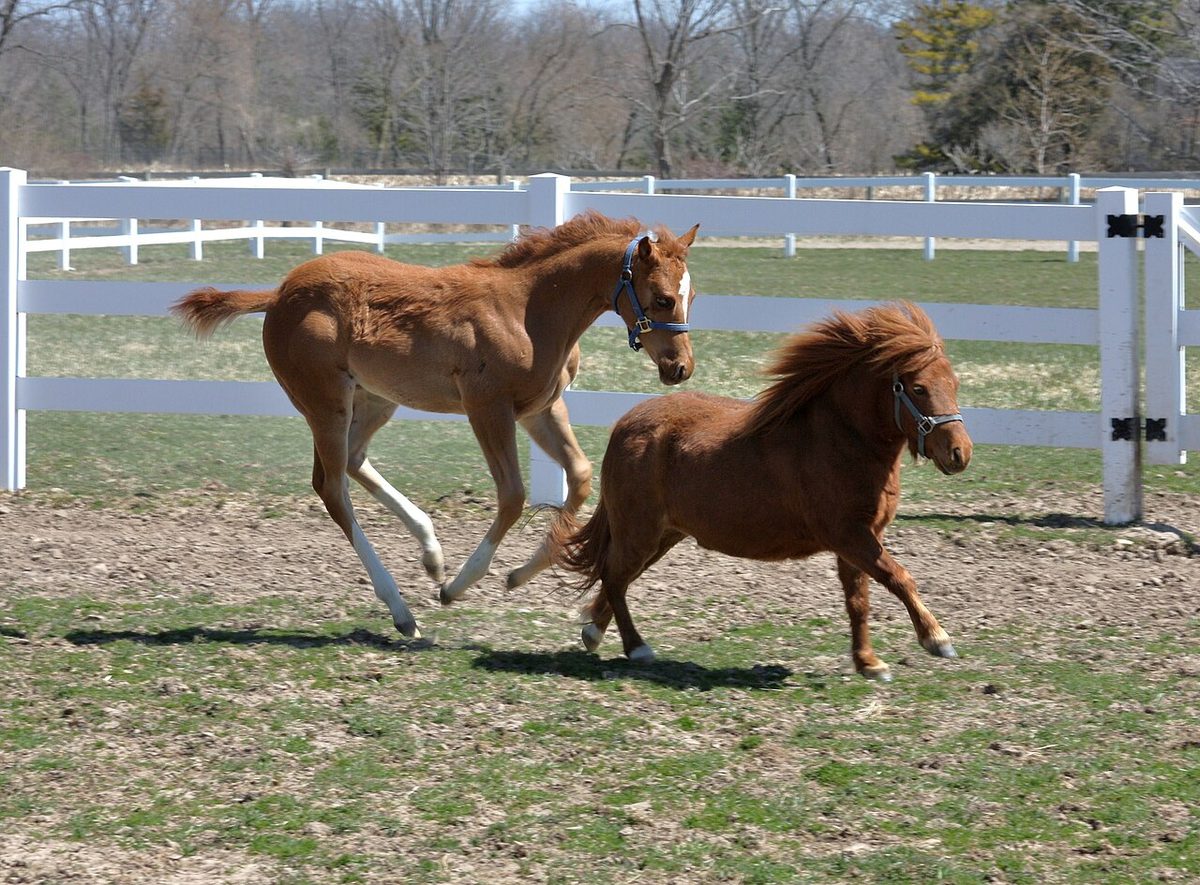
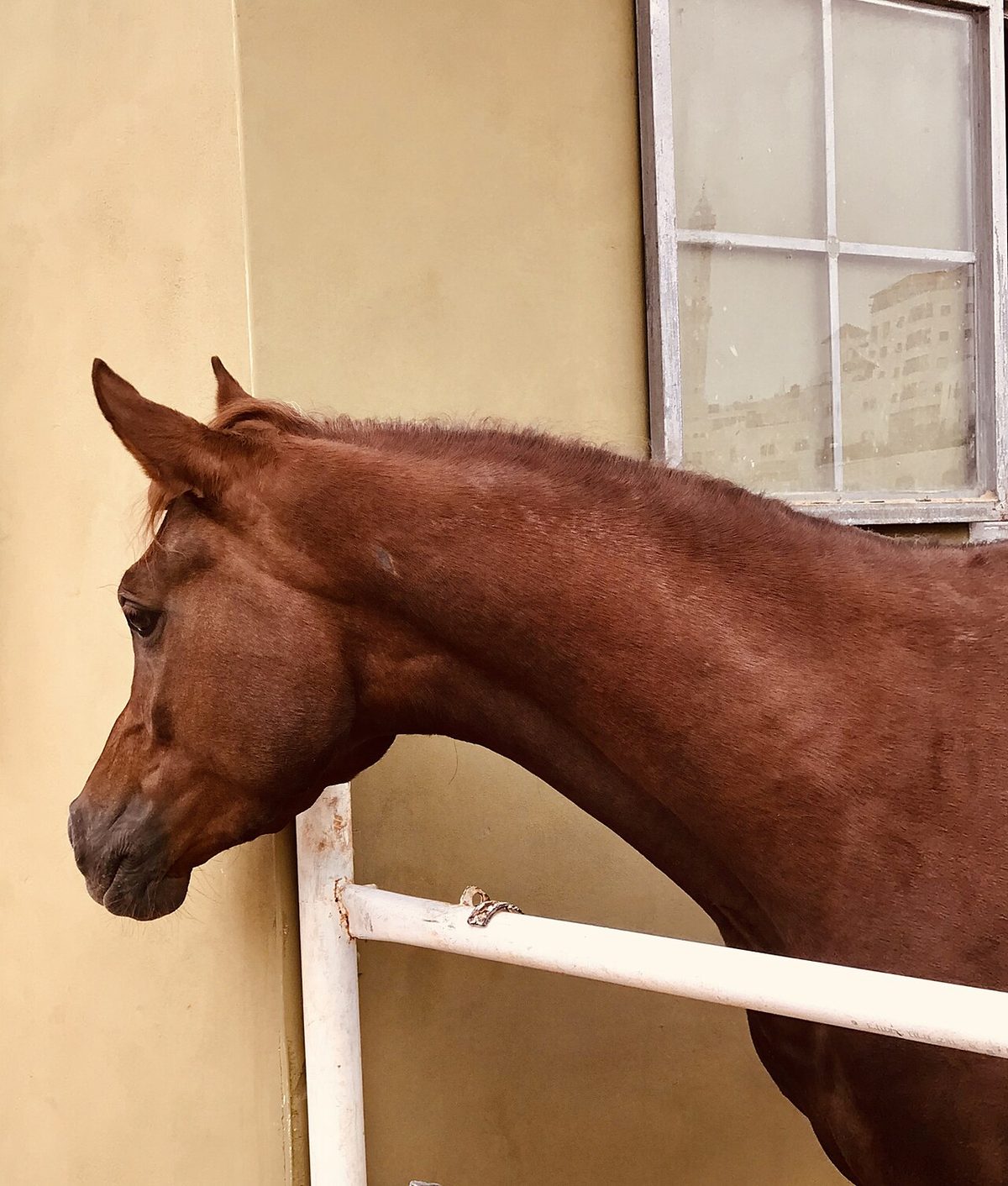
A horse's life has clear stages. A newborn male is a colt and a newborn female is a filly. Both are called foals until they reach one year old. Between one and two years, they become yearlings. After that, males that have not been castrated are called colts until age four, then stallions. Females become fillies until age four, then mares. Castrated males of any age are called geldings.
A mare carries her young for approximately 11 months. Remarkably, newborn foals can stand and run within a short time of birth — a survival trait passed down from their wild ancestors. Most domesticated foals are weaned at 5 to 7 months, though some can be weaned at 4 months without adverse physical effects. Training under saddle or in harness typically begins between ages 2 and 4. Horses reach full adult development by age 5.
There is a helpful convention for competition purposes that every owner should know: horses in the Northern Hemisphere age one year each January 1, while those in the Southern Hemisphere age on August 1. If you show or race horses, this affects the age class your horse competes in.
Lifespan and What Affects It
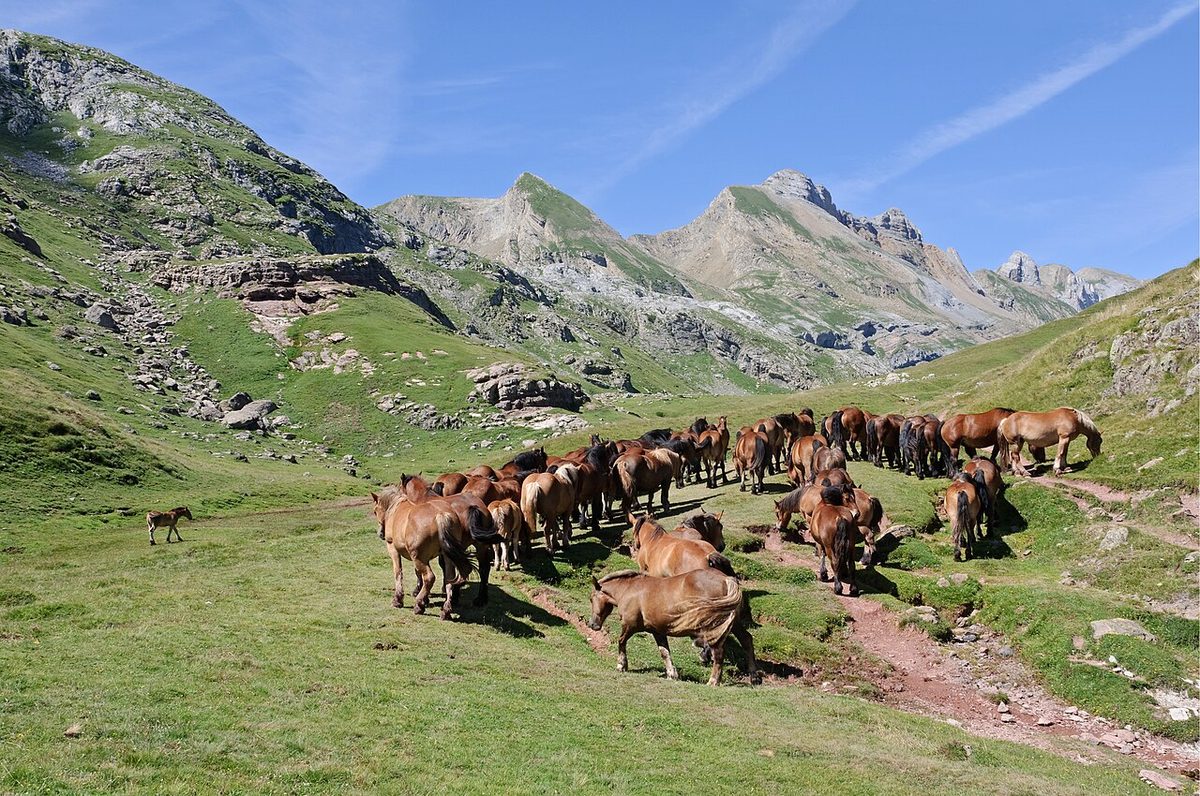
Modern domestic horses typically live 25 to 30 years. Some live far longer. The oldest verifiable horse on record was 'Old Billy', a 19th-century horse that lived to 62. More recently, a pony named Sugar Puff died in 2007 at age 56 and earned a place in Guinness World Records as the world's oldest living pony. Lifespan varies by breed, management, and environment, so the care you provide makes a real difference to how long your horse stays with you.
Sleep, Instincts, and Natural Behaviour
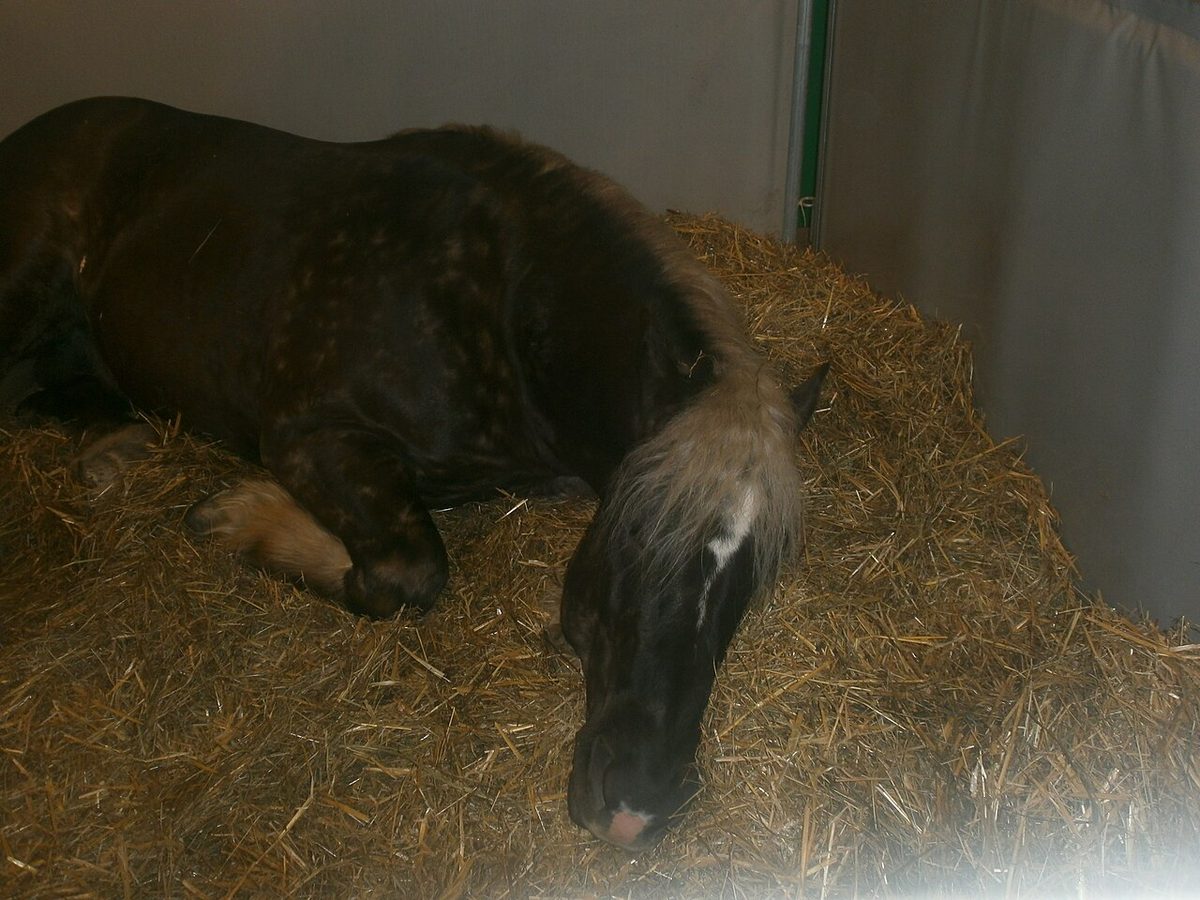
Horses can sleep both standing up and lying down. This ability comes from their strong fight-or-flight response — being able to rise quickly has always been essential for escaping predators. Younger horses tend to sleep more than older ones. Understanding this natural behaviour helps you design stables and daily routines that suit how horses actually live, not how humans might prefer them to live.
The origin of the domestic horse has more than one layer. Some evidence points to the Botai culture in Central Asia as the site of the earliest horse domestication, around 4000 BCE. However, genetic evidence tells a different story for modern horses specifically. The lower Volga-Don region of the Western Eurasian steppes appears to be the true homeland of today's domestic horse breeds. Those populations expanded rapidly across Eurasia from around 2000 BCE, replacing earlier local populations. In other words, humans were working with horses very early on, but the horses we know today carry the genetic signature of the Western Eurasian steppes, not the Central Asian Botai line.
Understanding Horse Breeds and Temperament

More than 300 horse breeds exist worldwide. They have been developed for an extraordinary range of purposes: sport competitions, recreational riding, police work, agriculture, entertainment, and even therapy. Horses also provide many products beyond the obvious: meat, milk, hide, hair, bone, and pharmaceuticals extracted from pregnant mare urine. Knowing which type of horse suits your purpose is one of the first decisions any owner or breeder faces.
The Three Temperament Groups
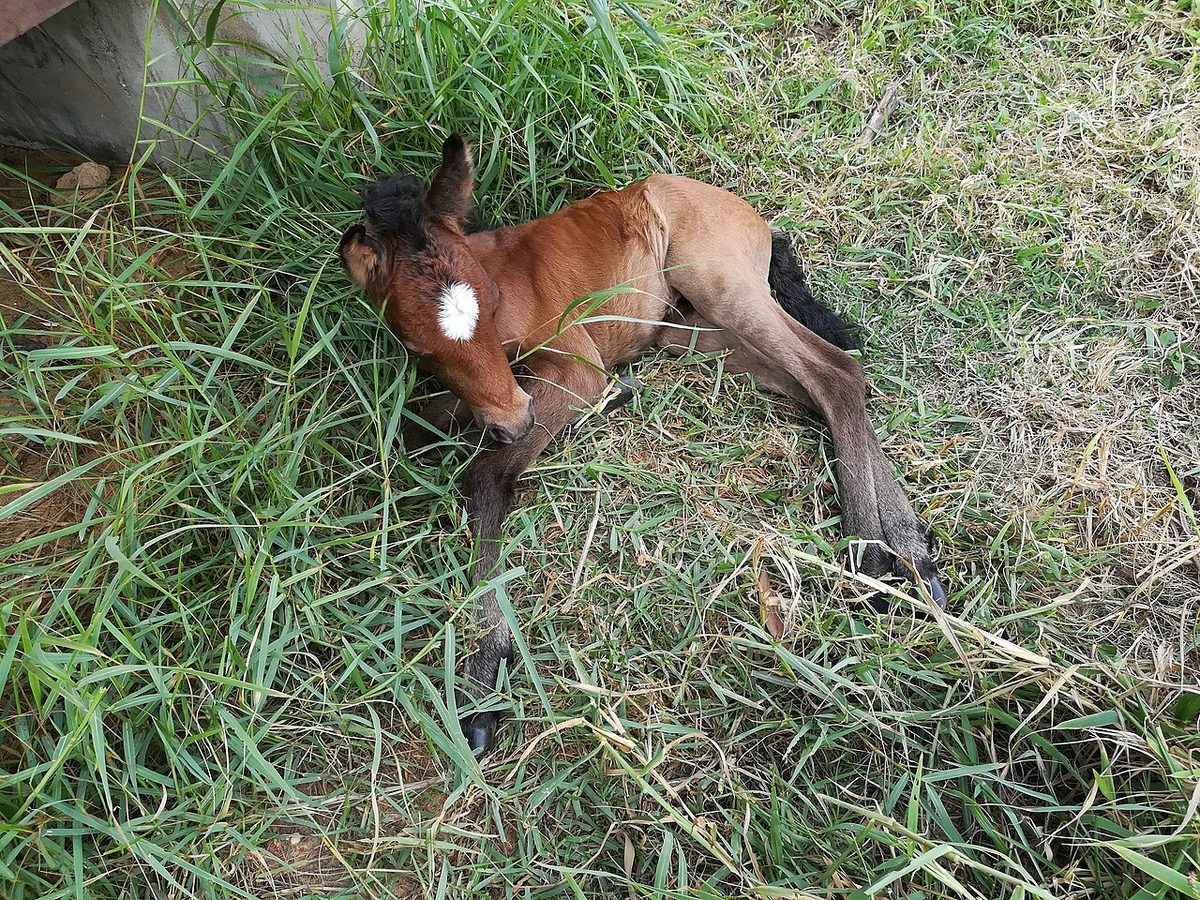
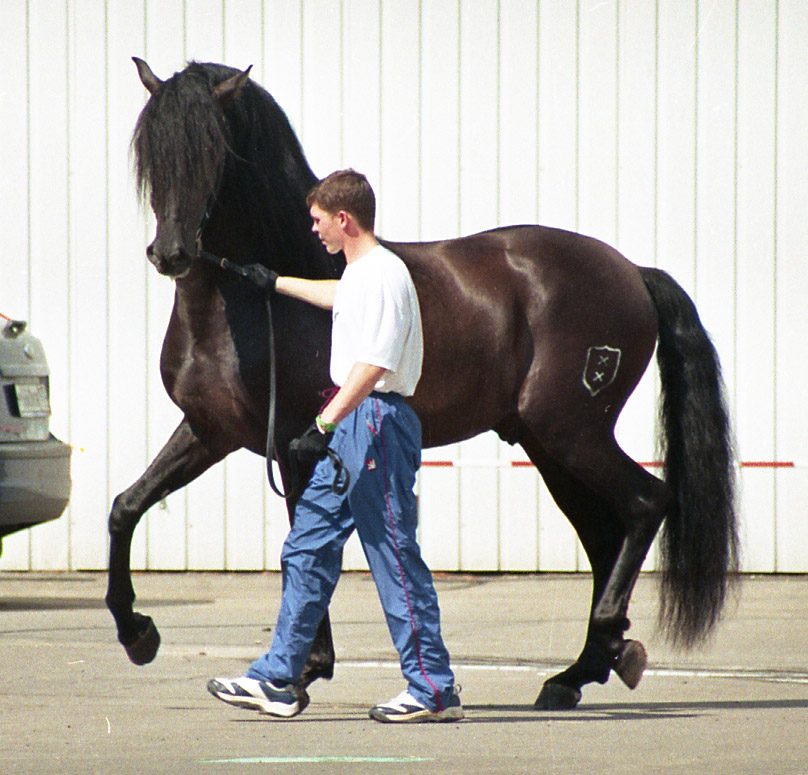
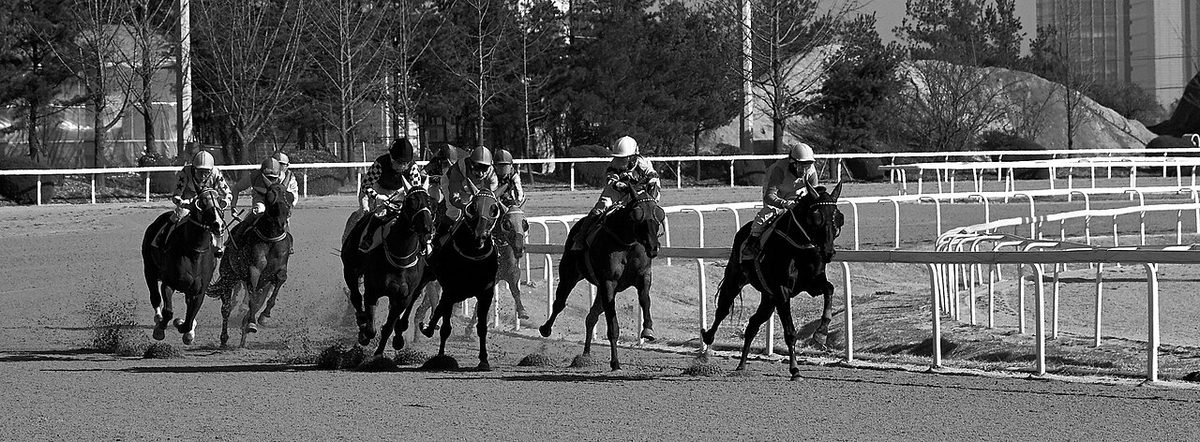
Horses are often grouped by temperament into three broad categories. 'Hot bloods' are the spirited, fast types — think of Arabians and Thoroughbreds. 'Cold bloods' are the heavy draft horses, slower and built for pulling heavy loads over long distances. 'Warmbloods' are crosses designed for specific riding purposes, combining the energy of hot bloods with the calm strength of cold bloods. Choosing the right temperament type for your work — whether that is racing, farm work, or family pleasure riding — is one of the most practical decisions you will make as a horse owner.
How Horses Are Measured
If you buy, sell, or show horses, you need to know how height is recorded. The standard system used in English-speaking countries is called 'hands'. A horse's height is measured at the withers — the highest point where the neck meets the back. This point is chosen because it stays stable whether the horse raises or lowers its head, giving a consistent measurement every time.
The Hands System in Practice
One hand equals 4 inches, or 101.6 millimetres. Height is written as full hands, a decimal point, and remaining inches, followed by 'h' or 'hh'. For example, a horse recorded as 15.2 h is 62 inches tall, which equals 157.5 centimetres.
Light-riding horses typically range from 14 to 16 hands and weigh between 380 and 550 kilograms. Larger-riding horses can reach 17 hands. If you operate in countries that do not use the hands system, you will see heights given in centimetres instead. The measurement is the same — only the language changes. Note that the hands and inches system is specific to English-speaking countries, so always confirm which system is being used when dealing with international buyers or sellers.
Global Horse Meat Prices — Market Overview
Horse meat is traded across many countries, and prices differ significantly depending on where you are and which currency you are working in. Our own price dataset draws from FAOSTAT and contains 536 observations across 17 currencies, including EUR, INR, KZT, PLN, UZS, KGS, RUB, TRY, XOF, CLP, CHF, PHP, VND, NOK, ISK, DKK, UAH, and MNT. The most recent entries in our horse meat data date from 2022 to 2026, giving a current snapshot of global market levels.
Horse Meat Price Observations by Currency
| Currency | Average Price (per tonne) | Number of Observations | Date of Latest Data |
|---|---|---|---|
| EUR | EUR2159 (range: EUR124–EUR26577) | 168 rows | 2025-01-31 |
| KZT | KZT1028109 | 49 rows | 2025-01-31 |
| PLN | PLN13625 | 49 rows | 2025-01-31 |
| CHF | CHF3784 | 8 rows | 2024-12-31 |
| XOF | XOF1167223 | 19 rows | 2024-12-31 |
| RUB | RUB140392 | 25 rows | 2023-01-31 |
| UZS | UZS33533031 | 37 rows | 2024-01-31 |
Directly comparing these numbers across currencies is not meaningful on its own — the figures reflect local market conditions, purchasing power, and currency strength. But they do show which markets are active in horse meat trading and the approximate price levels in each. Even within a single currency, the spread can be large. The EUR observations, for example, range from EUR124 per tonne at the lowest to EUR26577 per tonne at the highest, with an average of EUR2159 per tonne across 168 entries. That spread reflects genuine differences in product type, market segment, and country conditions.
If you are a breeder or trader, these prices matter because they set the baseline for what the market will bear. If you are a horse owner, they matter because they shape the economic reality of what happens to horses at the end of their working life. That decision — whether a horse goes to a retirement home, a new career, or the market — is a practical one every owner should think about early and plan for honestly.
Horse Gram (Kulthi) Prices in India
Our price tracking also covers Horse Gram, known in India as Kulthi. This is a pulse crop with connections to horse feed and equine nutrition. Our recorded data shows 66 price observations for Kulthi (Horse Gram) Whole as of 23 September 2026. Prices ranged from INR15 per kg at the lowest to INR65 per kg at the highest, with an average of INR52 per kg.
Price Variations Within the Market
Not all Horse Gram sells at the same price. Different grades and sizes command very different prices. A FAQ-grade variant of Kulthi averaged INR59 per kg across 9 observations, with a range of INR56 to INR61 per kg. A single entry for another product recorded INR63 per kg. Perhaps most strikingly, a small-size variant was recorded at INR262 per kg — far above the average for standard whole Horse Gram. This kind of spread reflects differences in grade, packaging, quality, and where the product is sold.
If you are sourcing Horse Gram for animal feed or other uses, checking the specific grade and size before you buy will make a significant difference to your costs. Horse Gram production volumes, growing regions, and its agricultural value in India are topics our data does not cover in depth. If you need information on supply volumes or regional growing patterns, you should check with local agricultural offices or dealers in India.
Putting It All Together for Owners and Breeders
What do horse biology and commodity prices have in common? They both shape the practical decisions you make every day as a horse owner or breeder. Understanding your horse's life stage tells you what care it needs right now. Knowing the market price for horse meat or Horse Gram tells you what your options are when it comes to feed sourcing, end-of-life decisions, or diversifying into related areas.
These two worlds — equine biology and agricultural markets — do not often appear in the same conversation. But for anyone who works with horses seriously, they are part of the same picture. A horse that lives 25 to 30 years is a long-term investment, and the markets around horses — for meat, feed, and by-products — shift over that same timescale. The owner who understands both is better equipped to plan ahead.
Key Points to Keep in Mind
- Know your horse's correct age term — foal, yearling, colt, filly, mare, stallion, or gelding — so you can provide appropriate care at each stage.
- Plan for a lifespan of 25 to 30 years with good management. Some horses reach their 40s, and the record is 62 years. Your stable and your budget should reflect that long-term commitment.
- Weaning happens at 5 to 7 months. Training under saddle or in harness begins between ages 2 and 4. A horse is not fully physically mature until age 5.
- Choose a breed and temperament type — hot blood, cold blood, or warmblood — that genuinely matches your purpose, whether that is sport competition, farm work, or family riding.
- Measure height in hands if you work in English-speaking markets: one hand is 4 inches (101.6 mm), and light-riding horses typically stand 14 to 16 hands, weighing 380 to 550 kilograms.
- Track horse meat prices in your local currency. Our data covers 17 currencies, with EUR prices averaging EUR2159 per tonne but ranging widely from EUR124 to EUR26577 per tonne depending on the market and product type.
- If you operate in India or source from India, Horse Gram (Kulthi) averages INR52 per kg but varies by grade — FAQ-grade around INR59 per kg and small-size at INR262 per kg.
- Stable design, space requirements, bedding, ventilation, feed rations, nutrition plans, forage requirements, and preventive healthcare protocols all depend heavily on your local climate, the breeds you keep, and regional regulations. There is no universal answer, so work with a local vet or agricultural adviser to build systems that suit your conditions.
The best horse owners are the ones who never stop learning — about their animals, about their markets, and about how the two connect. Whether you are raising a single pony or managing a commercial breeding operation, the same principles apply: know your horse, know your market, and plan for the long term.
 Menu
Menu
💬 Comments
Login to comment
No comments yet. Be the first to share your experience!