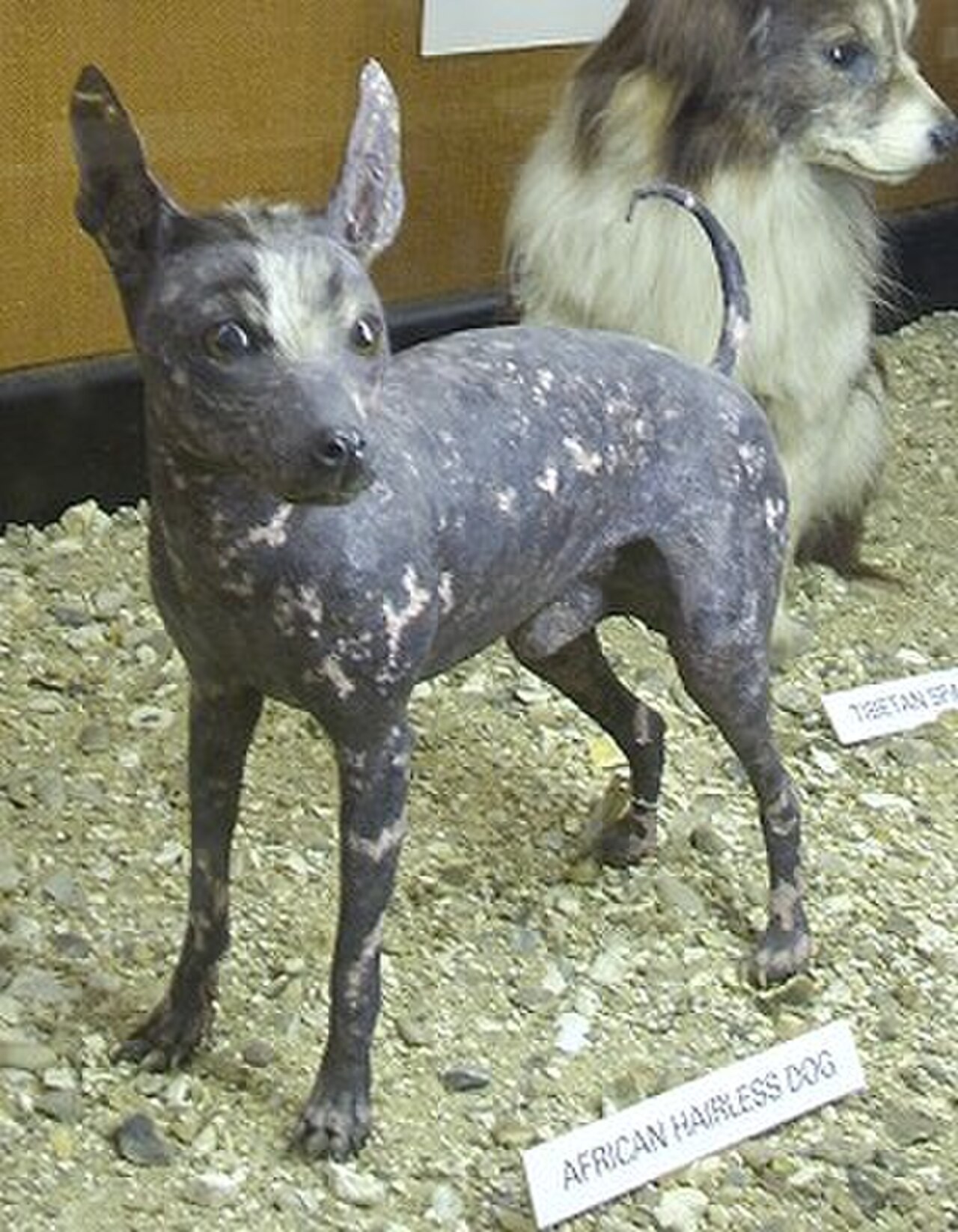
 Abyssinian sand terrier
African hairless dogs, also known as Abyssinian sand terriers and African sand dogs among many other names, were hairless dogs from Africa.
Abyssinian sand terrier
African hairless dogs, also known as Abyssinian sand terriers and African sand dogs among many other names, were hairless dogs from Africa.
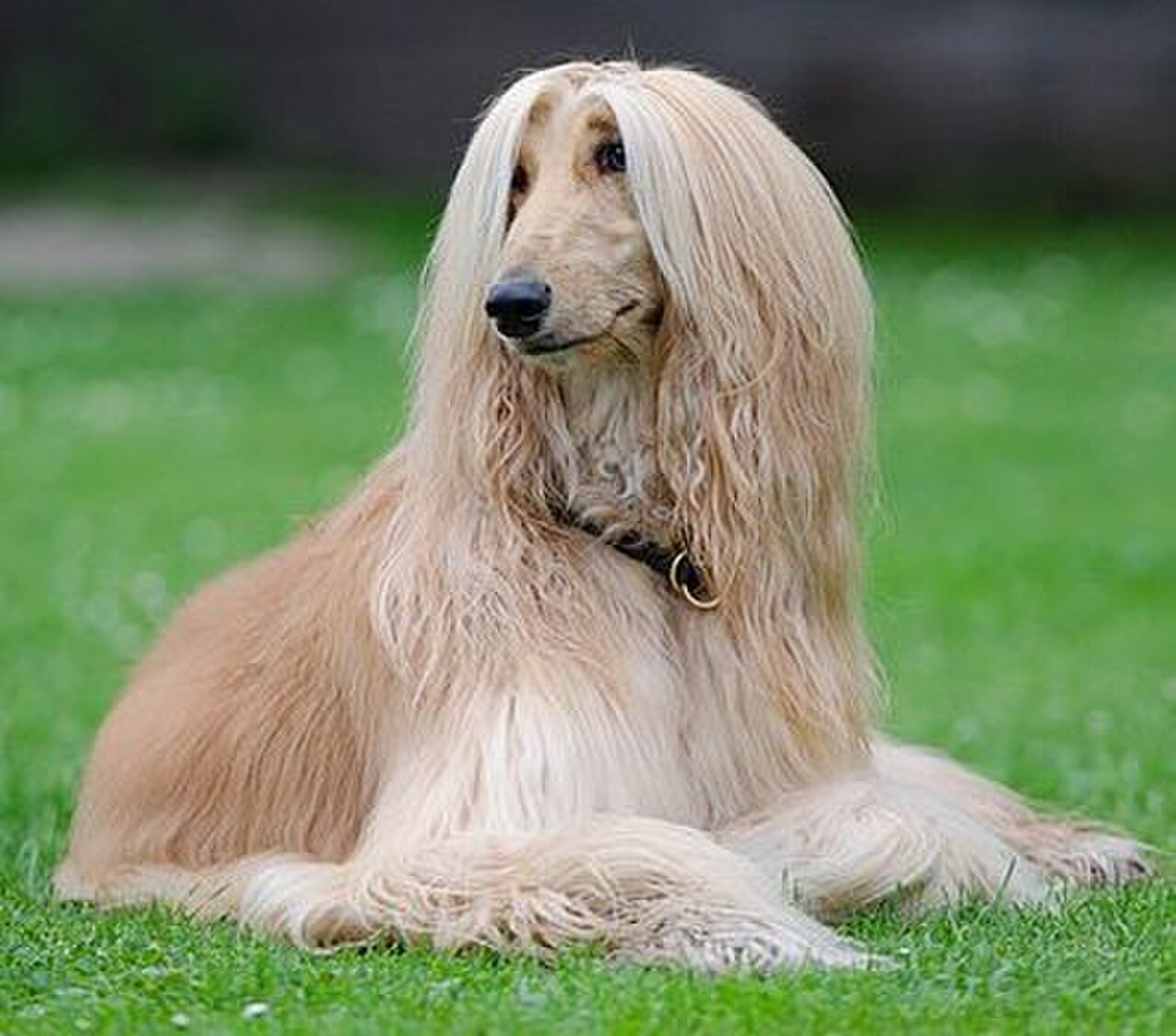 Afghan Hound
The Afghan Hound (Pashto: تاژي سپی Tāžī Spay Dari: سگ تازی Sag-e Tāzī ) is a hound distinguished by its thick, fine, silky coat, and a tail with a ring curl at the end.
Afghan Hound
The Afghan Hound (Pashto: تاژي سپی Tāžī Spay Dari: سگ تازی Sag-e Tāzī ) is a hound distinguished by its thick, fine, silky coat, and a tail with a ring curl at the end.
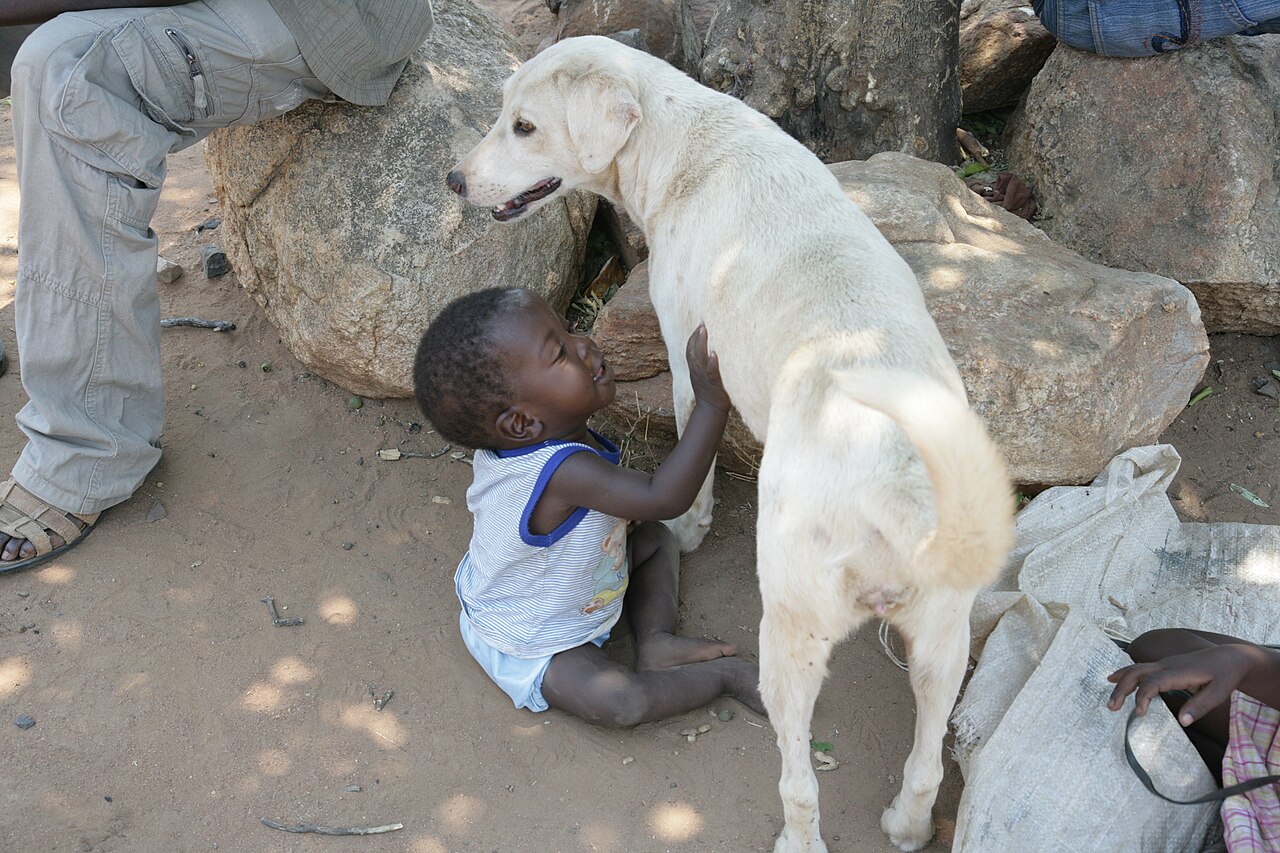 African village dog
s are a genetically diverse group of indigenous dogs found in Africa.
African village dog
African village dogs are a genetically diverse group of indigenous dogs found in Africa.
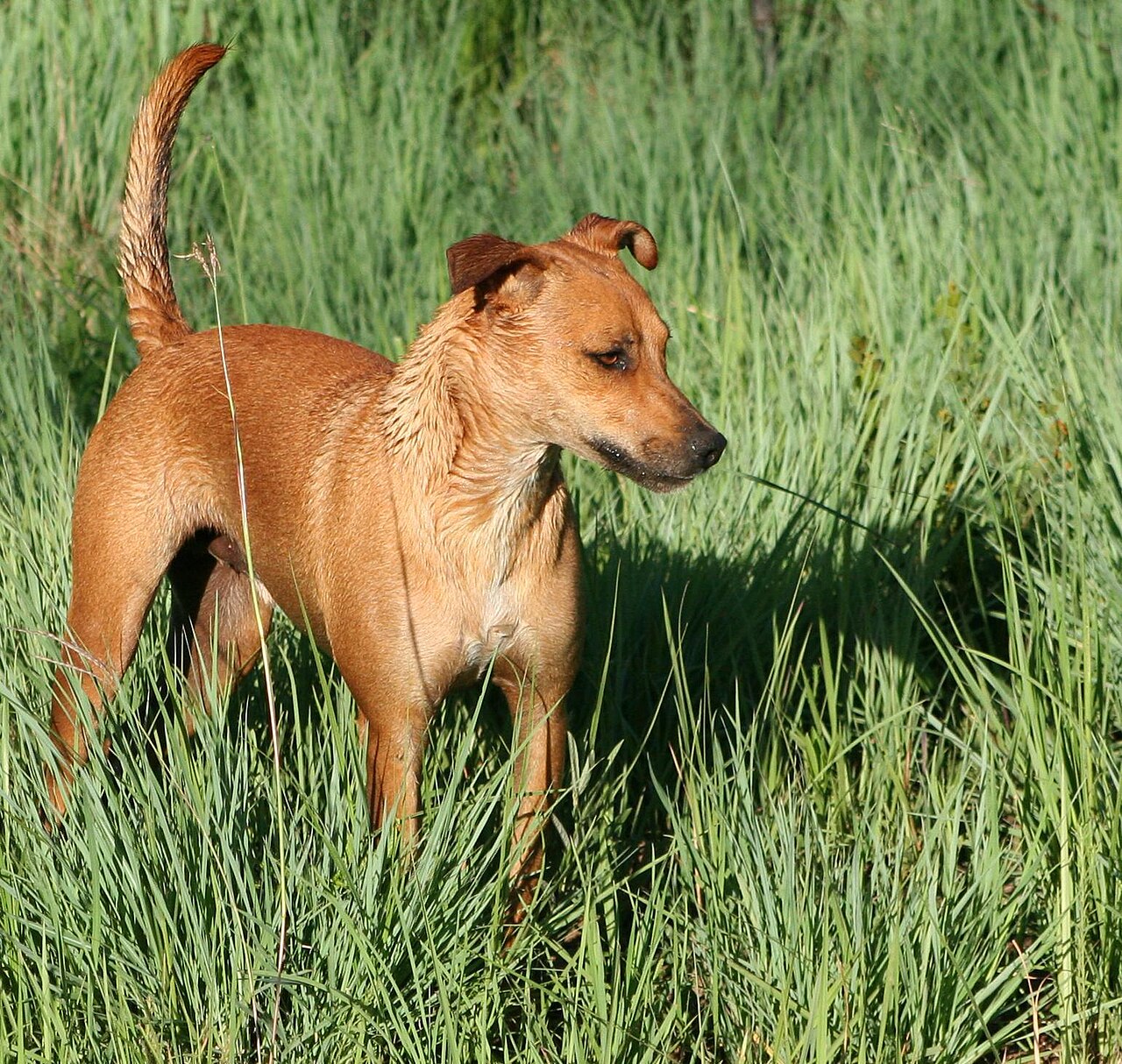 Africanis
The Africanis is a dog landrace found across southern Africa.
Africanis
The Africanis is a dog landrace found across southern Africa.
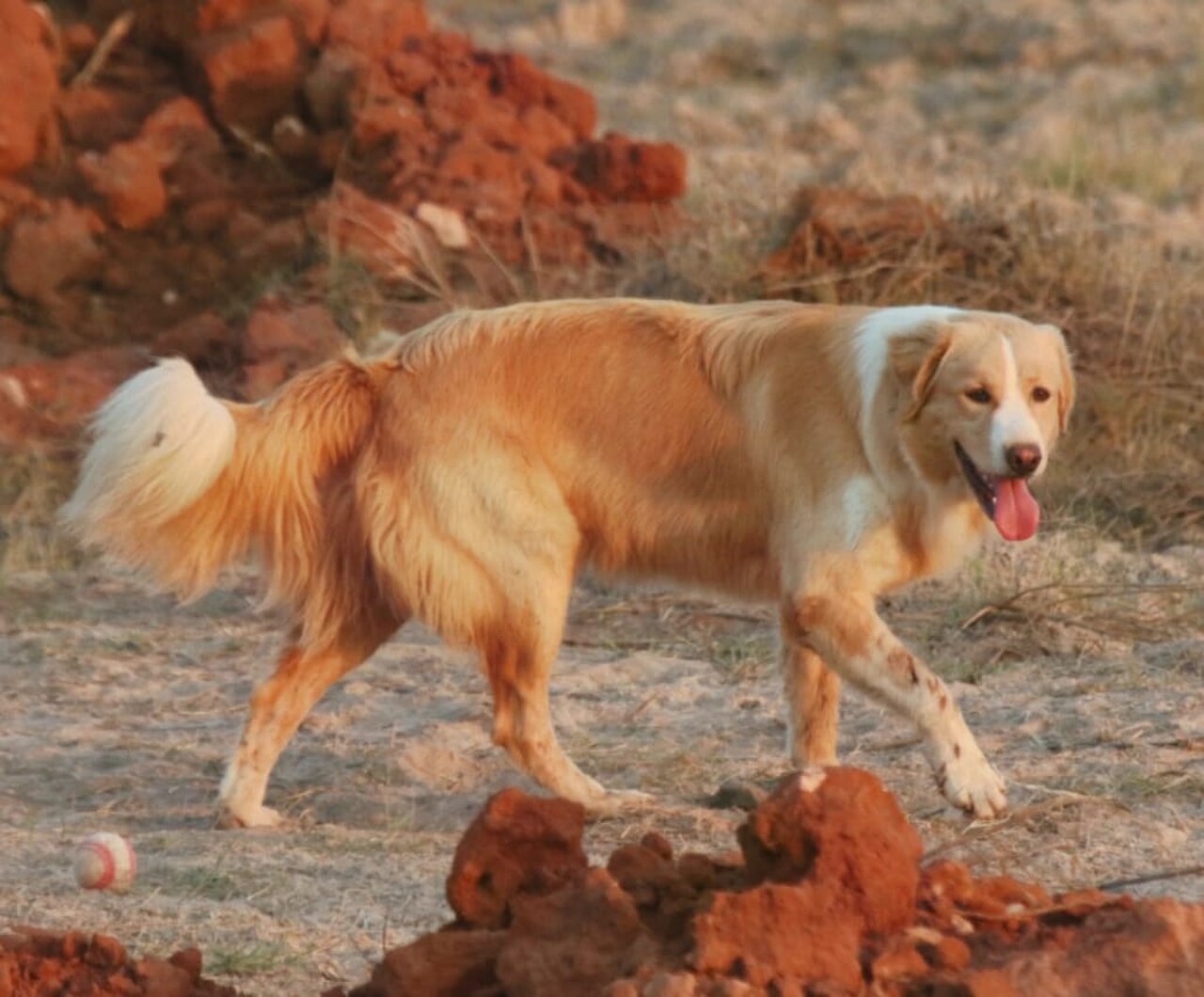 Aidi
The Aidi is a dog breed native to the Atlas Mountains of North Africa and is used as a livestock guardian, protecting herds of sheep and goats.
Aidi
The Aidi is a dog breed native to the Atlas Mountains of North Africa and is used as a livestock guardian, protecting herds of sheep and goats.
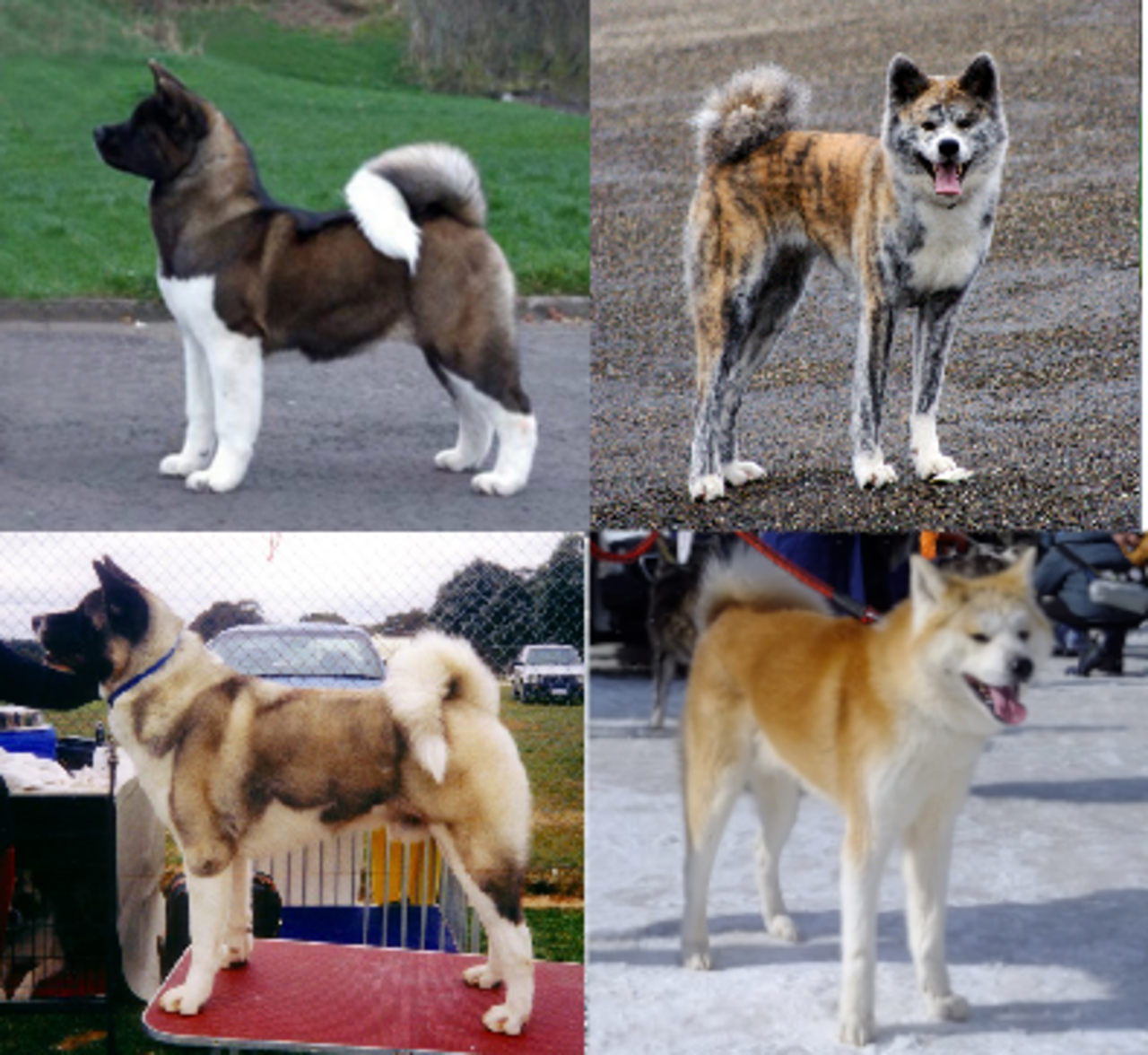 Akita
The Akita Inu (秋田犬, Akita Inu, Akita Ken; Japanese pronunciation: [a.kʲi̥.ta(ꜜ) i.nɯ, -ta.keɴ]) is a Japanese dog breed of large size.
Akita
The Akita Inu (秋田犬, Akita Inu, Akita Ken; Japanese pronunciation: [a.kʲi̥.ta(ꜜ) i.nɯ, -ta.keɴ]) is a Japanese dog breed of large size.
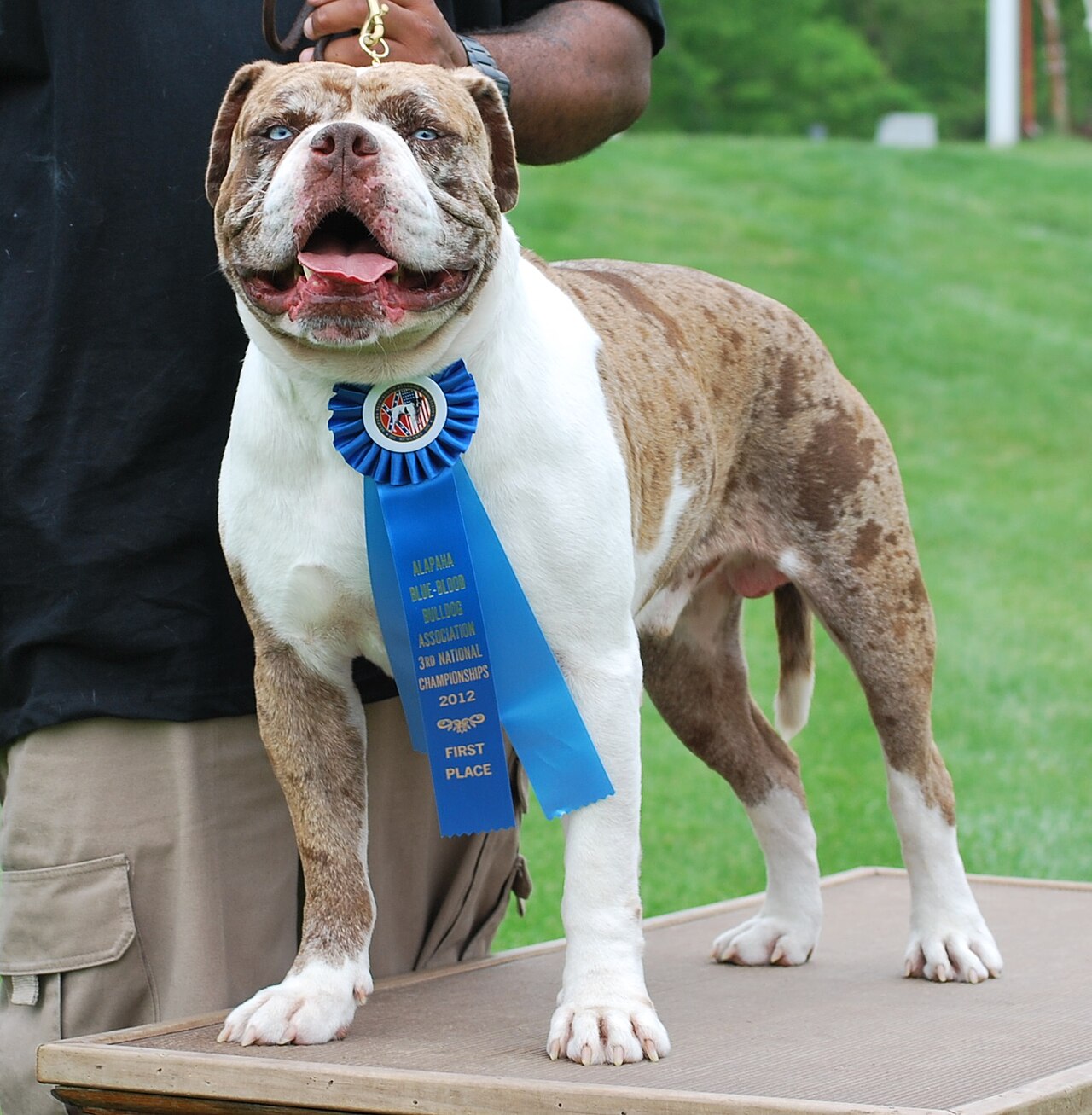 Alapaha Blue Blood Bulldog
The Alapaha Blue Blood Bulldog is a breed of bulldog from the United States, and it is predominantly used as a guard dog.
Alapaha Blue Blood Bulldog
The Alapaha Blue Blood Bulldog is a breed of bulldog from the United States, and it is predominantly used as a guard dog.
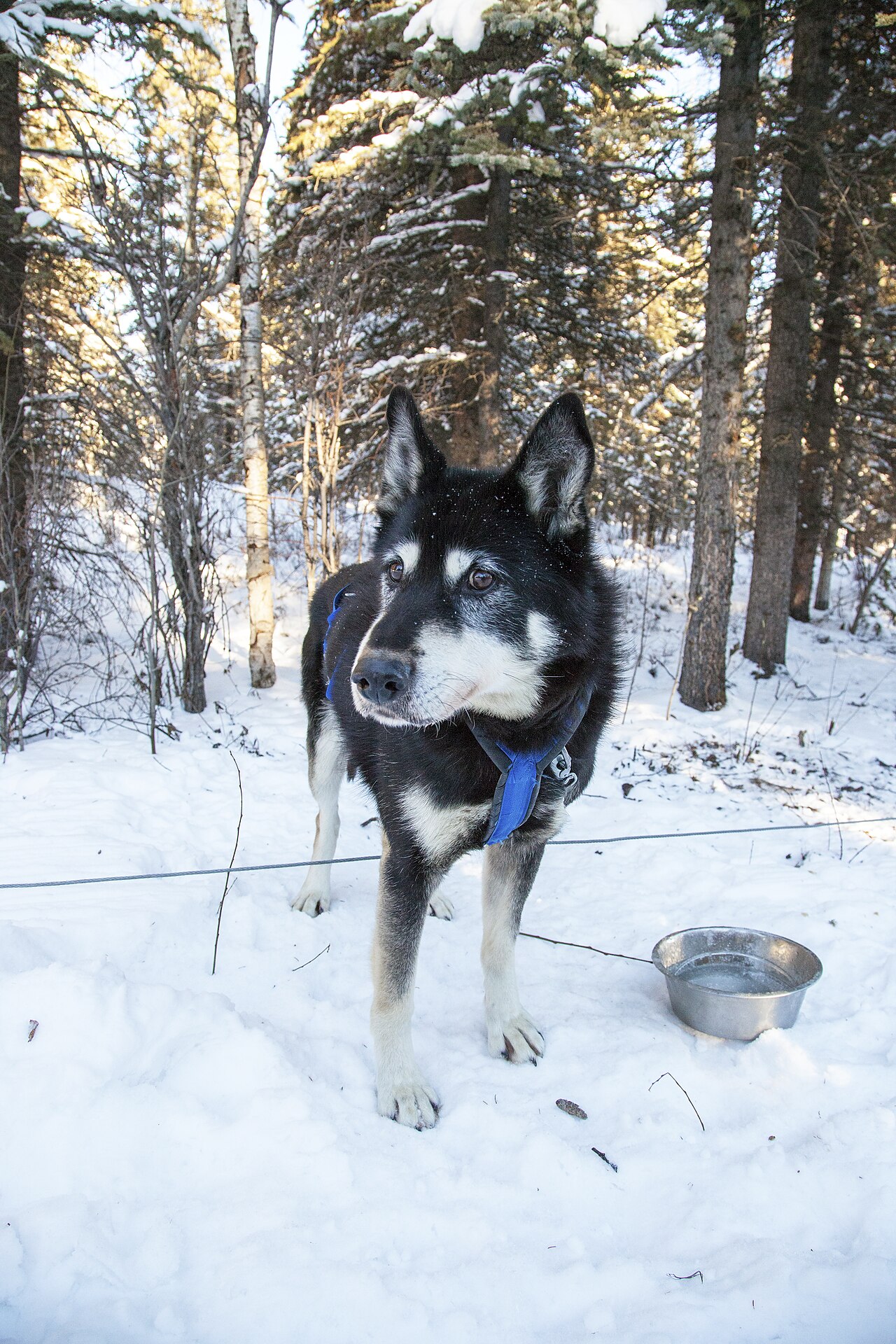 Alaskan husky
The Alaskan husky is a breed of medium-sized working sled dog, developed specifically for its performance as such.
Alaskan husky
The Alaskan husky is a breed of medium-sized working sled dog, developed specifically for its performance as such.
Pictures via Wikimedia Commons, free-licensed. Tap any card for its full picture and facts.
You want one dog that can lie out through a May afternoon, get through a wet monsoon week without falling sick every fortnight, bark when someone walks up your lane at night, and still be affordable to feed, groom and treat. That is a lot to ask from one animal. And most breed lists you read were written for a flat in a city, not for a farm with a gate, a yard, animals and no air conditioning.
So here is a plain look at ten popular dog breeds in India, what each one can take, what each one asks from you, and what the money side looks like. Where the honest answer is "it depends on your place", I have said so rather than give you a number that will not hold.
Start with your season and your space, not the breed name
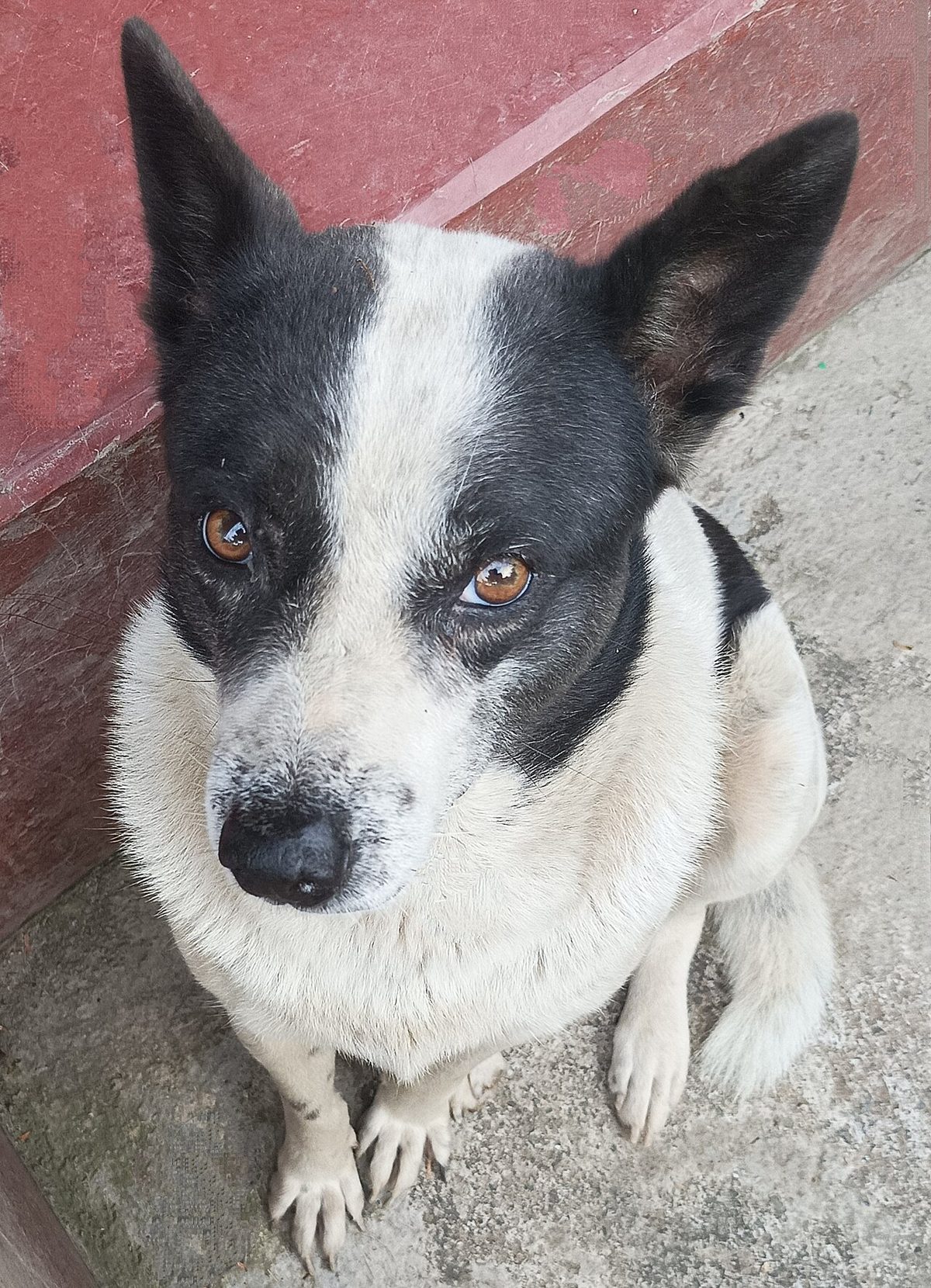
India's climate demands special attention, because heat, monsoon and winter each bring their own problems for a dog. Plan for all three seasons before you fall in love with a photo.
Heat is your first filter. Flat-faced (brachycephalic) breeds like the Pug get heat stroke easily and need careful watching in the hot months. Cold-weather breeds often struggle in India's warmer climate and need extensive cooling support. Even within one city it is not equal: some breeds adapt much better to Bangalore than others.
Your housing matters just as much as your district. The right advice for an apartment in Mumbai or Bangalore is different from the right advice for an independent house in Chennai or Lucknow, and life in a metro like Mumbai or Delhi is not the same as life in a quieter city like Pune or Jaipur. A farm sits closer to the independent-house end: more space, more heat, more coming and going at the gate.
Why every "top 10" list is really an estimate
Nobody can tell you exactly how many dogs India has, mainly because dogs do not need to be registered here. You will see very different counts quoted: some say over 30 million pet dogs today, with the pet care market growing 15-20% annually; others count 12.58 million in 2014 and 27 million in 2021, and project about 43 million by 2026. Take breed rankings as inspiration, not as proof. What is clear is that growing towns and more "pet parent" households are shaping which breeds Indian families pick, and that a fast-growing pet care market is putting more services and resources within reach of ordinary owners.
The ten breeds, and what each one asks of you
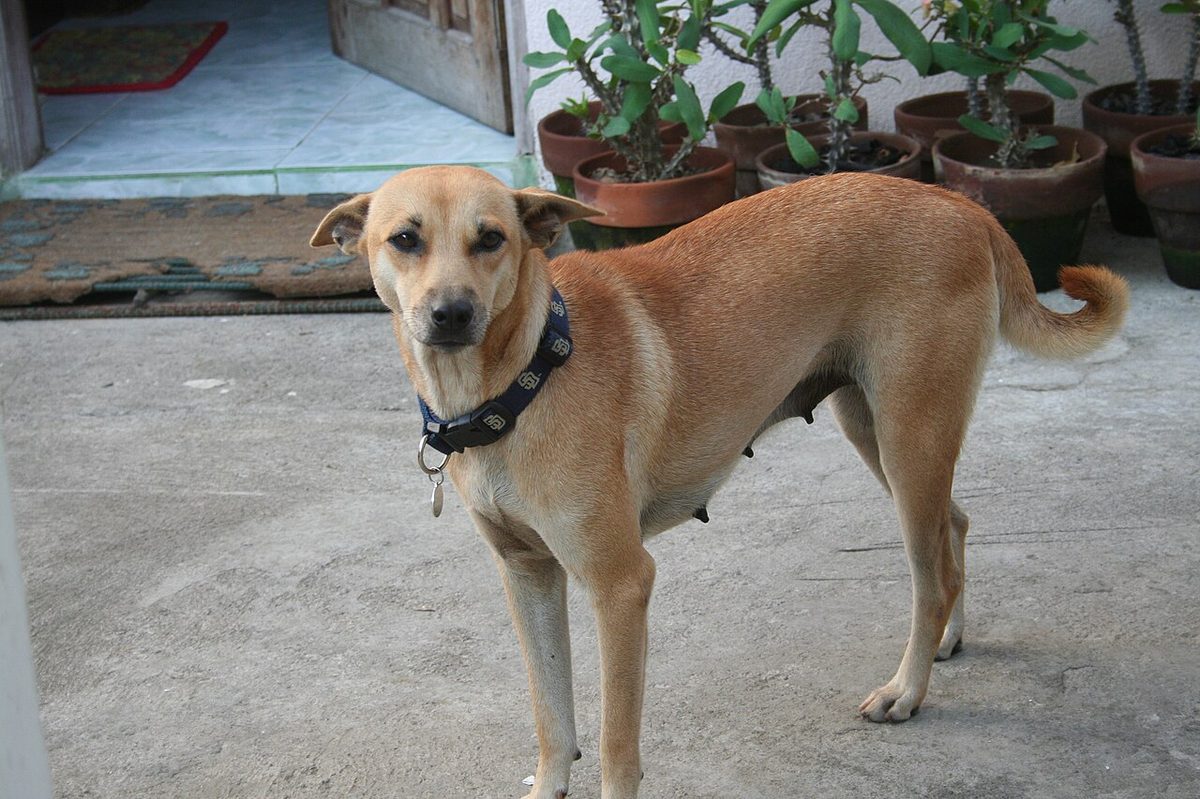
1. Indian Pariah (the Indie)
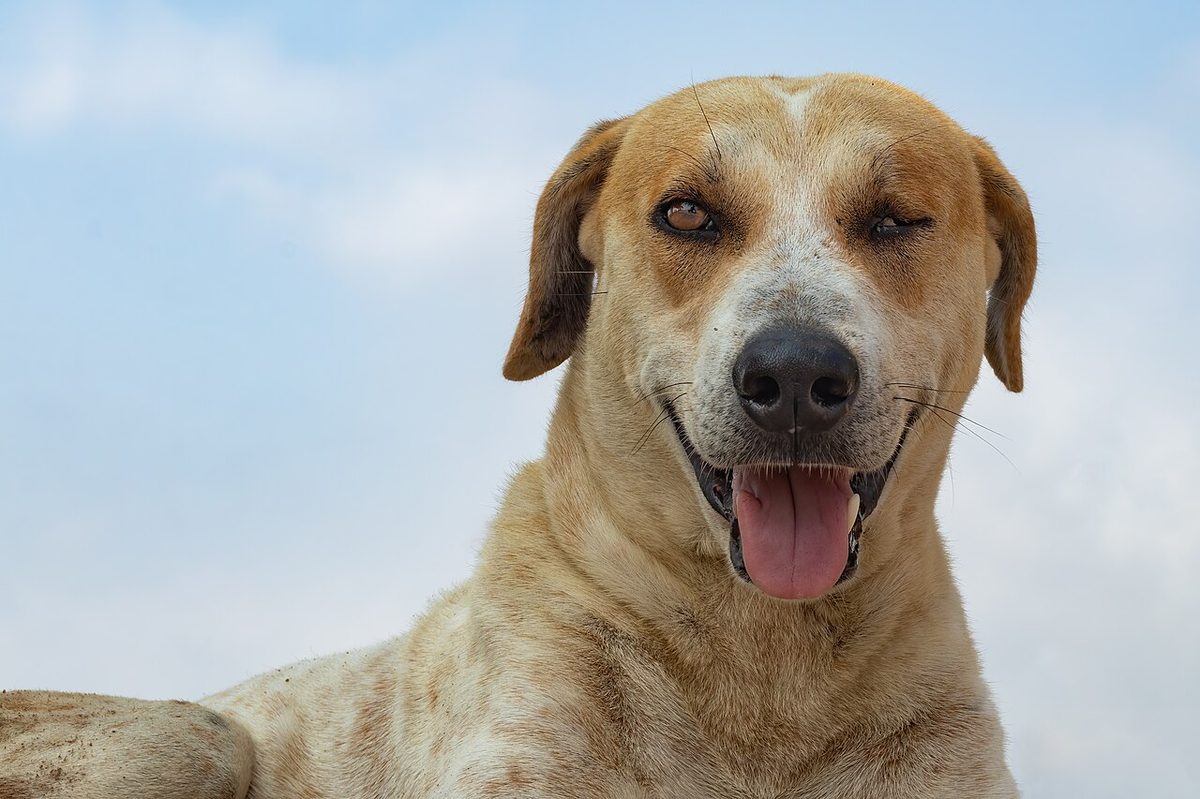
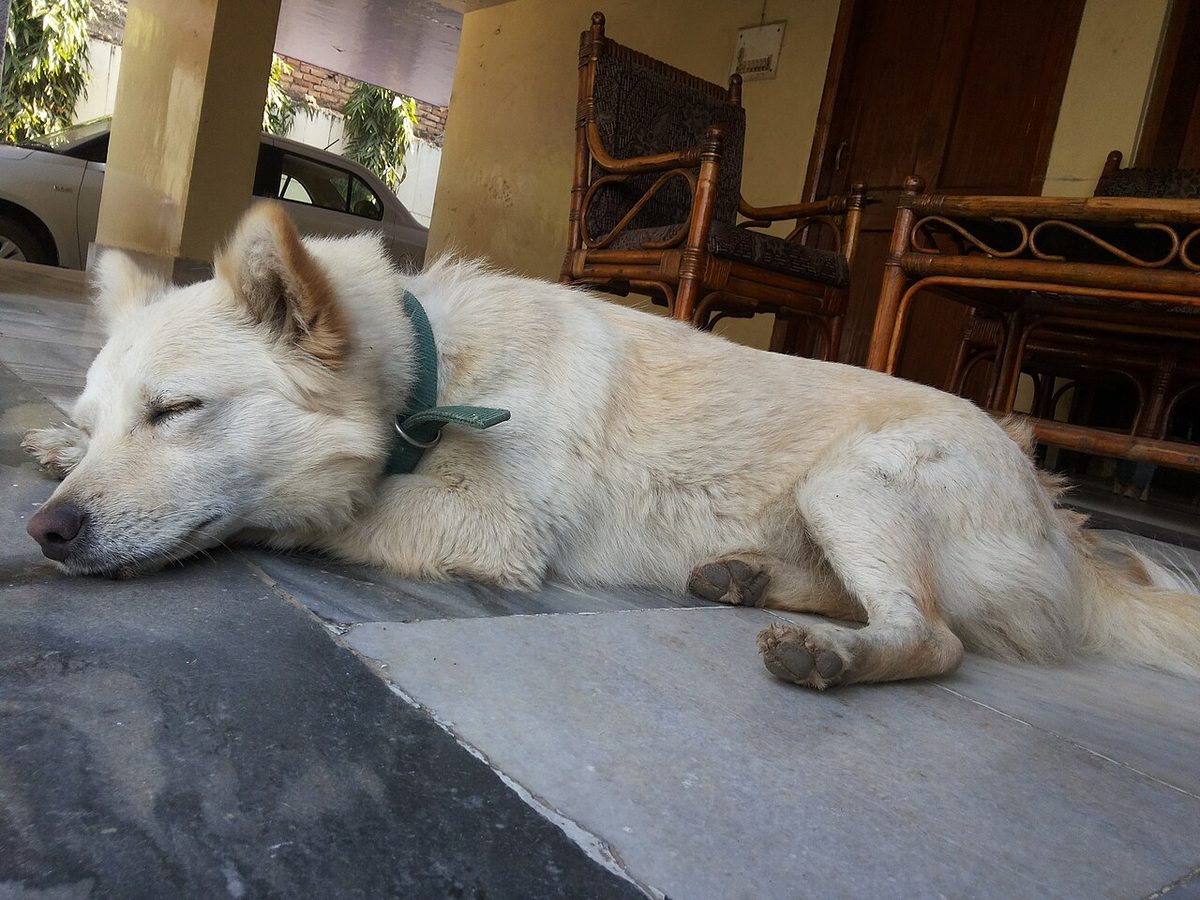
If heat and cost are your two big worries, start here. The native Indie is the most functional, robust option for Indian conditions: a natural fit for the climate, with natural immunity to many local diseases, high disease resistance and minimal grooming. Hardiness, intelligence and a territorial nature are in the breed, and in a loving home that territorial streak grows into a loyal, protective family member. Alert plus low upkeep also makes it a sensible first dog. Where you find one near you, and what it costs, varies locally, so ask around.
2. Labrador Retriever
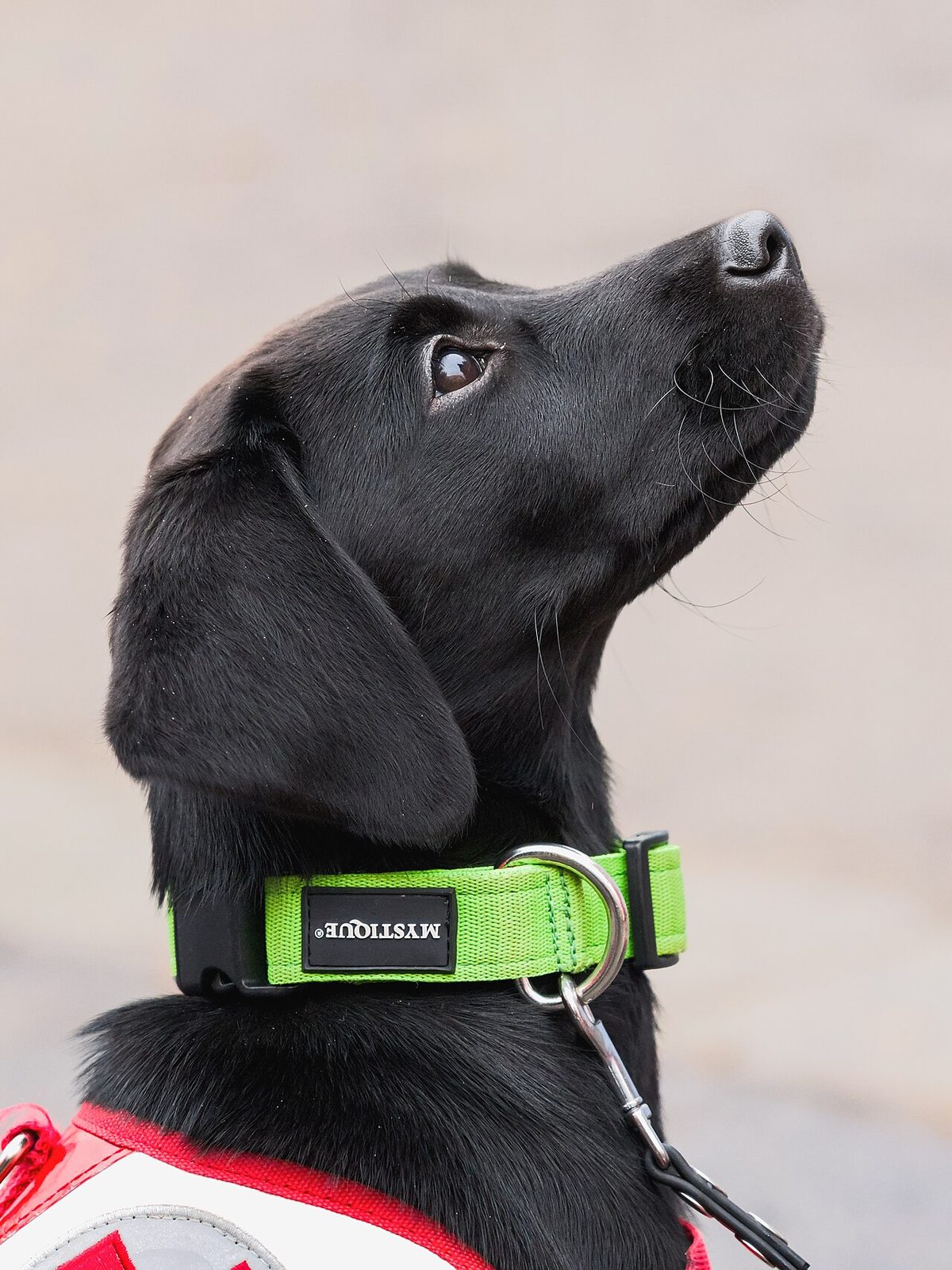
The Labrador tops popularity lists worldwide and is called India's most popular family dog. It is intelligent and keen to please, so training comes easily, and it gets on with family members of every age as well as with strangers. The short coat needs minimal grooming, and it is the one breed here said to thrive in both urban and rural settings. In return it needs daily exercise, mental work and ideally a bigger yard, and it has a seemingly endless appetite, so it can easily get overweight. Monthly upkeep is called moderate, mostly because of food and exercise needs.
3. German Shepherd
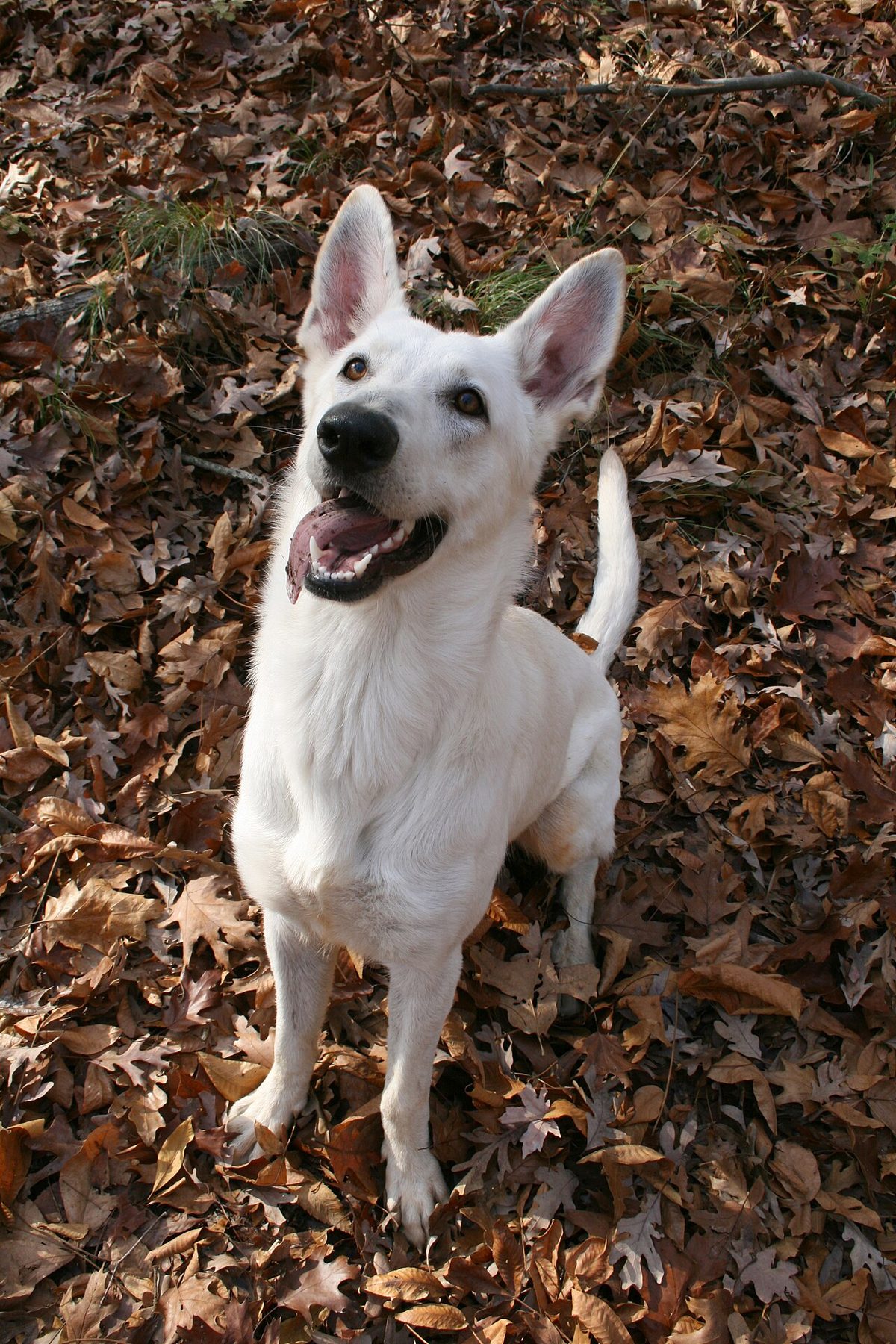
Bred for herding, very intelligent, and a consistently top-ranked protector with a good protective drive. It is widely used as a guard dog, police dog and armed forces dog, and it is not aggressive when well trained and properly socialised. That last part is the whole job: steady early training, continued socialisation, daily exercise and space to stop boredom, plus regular grooming. Professional training is strongly recommended. In the wrong hands the same dog can turn aggressive and overly protective; with the right owner, many go on to police and rescue work. It suits a spacious home, which a farm usually is.
4. Rottweiler
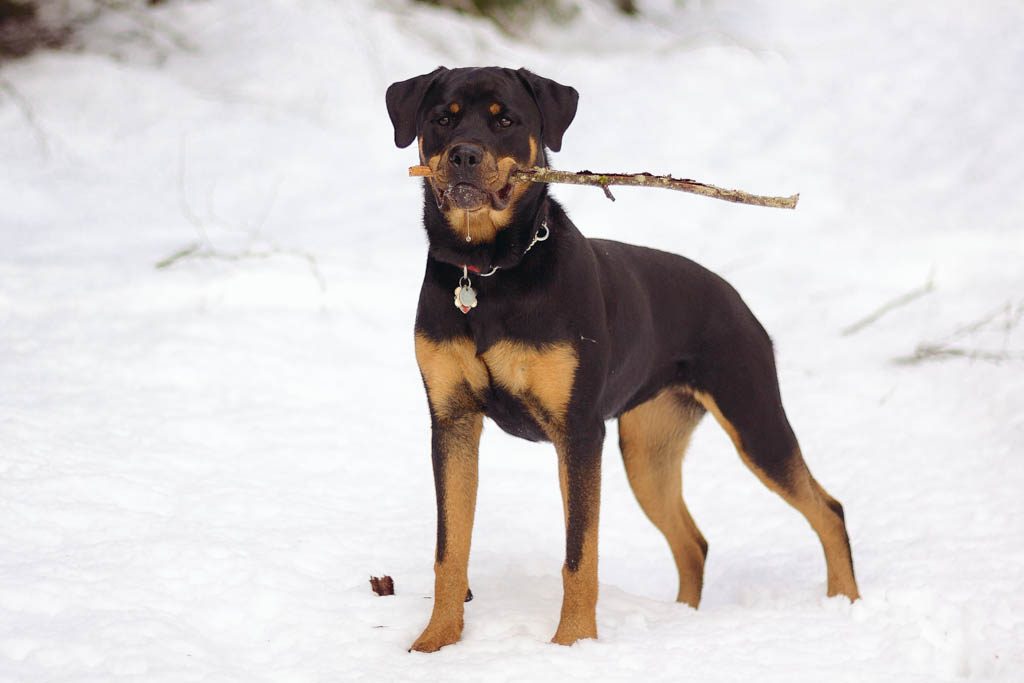
With proper training a Rottweiler can be gentle, affectionate and well-mannered. It needs a confident owner and room to exercise. If you are not sure you can be that owner, be honest with yourself early.
5. Golden Retriever
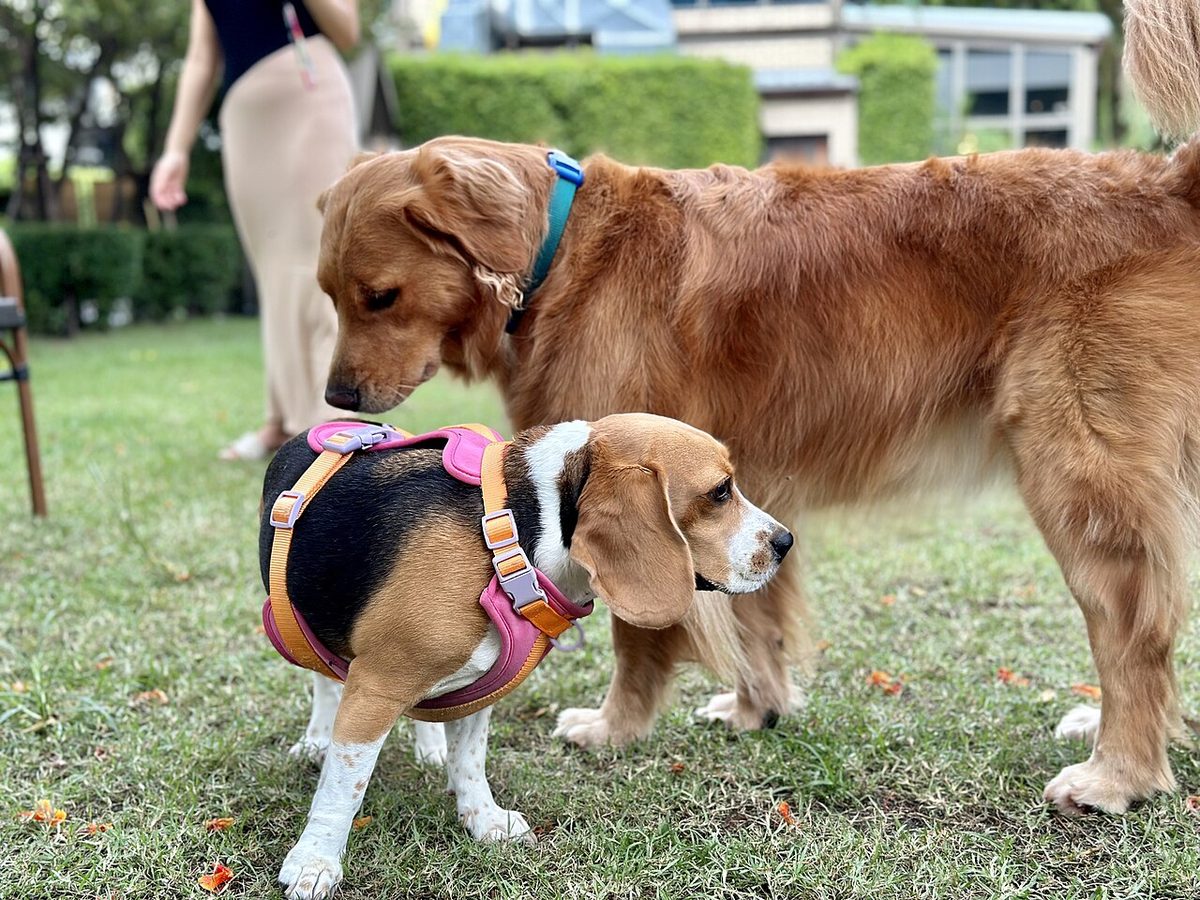
Loving, family-oriented, gentle, highly trainable and good with children. It is a little less springy than a Labrador but wants slightly more daily exercise, and its thick coat needs thought in our climate. Owners split on how far you must go: some insist every Golden needs a cool, air-conditioned place to relax through the summer months along with a regular grooming routine, while others find they adapt to Indian conditions on regular grooming and care alone.
6. Beagle
A hound with an excellent nose, bred to hunt small game, and driven by that nose. A Beagle would often rather keep sniffing than come back when you call, and a walk means stopping at every tree and shrub. Some owners say a securely fenced yard or area is absolutely essential for this breed; others say its small-to-medium size makes it manageable in an apartment or a house with regular walks and playtime. It does need real exercise and enrichment to work that instinct. Training views differ too: some find them stubborn and slow to fully train, others find them devoted once trained properly.
7. Dachshund
That long body was bred in so the dog could hunt burrowing animals, and the hunting past leaves it with plenty of energy. Without enough exercise it will find its own trouble, and some need a fenced yard to run in. The long back is the real risk: especially as they get older, Dachshunds can slip a disc jumping down from a bed or a couch, so lift them down instead of letting them jump. Liver and black is the most common colour pairing, though other colours and longer-haired types also turn up.
8. English Cocker Spaniel
Elegant to look at, but a sporting dog underneath: quite athletic, and it enjoys chasing birds and small animals. If you keep poultry, talk to an experienced owner or your vet about how that instinct plays out before you decide.
9. Pug
Small, easy on space and not a big exerciser, which is why Pugs are among India's most popular apartment dogs. But the flat face is a genuine problem in our summers: Pugs get heat stroke easily and need careful monitoring through the hot months. On an open farm in peak heat, that is the point to think hardest about.
10. Shih Tzu
The long coat needs regular grooming, and often regular professional grooming, which becomes a fixed cost every month rather than a one-off. If you like the breed, ask a groomer in your town what that will run to before you commit.
Which of these will actually guard your farm?
For gate-and-yard work, the German Shepherd is the breed named again and again, with the training conditions above attached to it. A Rottweiler can do the job with proper training and a confident owner. And do not overlook your Indie: alertness and a territorial nature are named as its assets.
The one to be clear-eyed about is the Labrador. It is a wonderful family dog, but it is not a watchdog. It is more likely to invite a stranger in than to stop him at the door.
Two honest gaps here. How any of these breeds behaves around cattle, buffalo, goats, sheep or poultry, and how you train a dog to work with or guard livestock, is not something you should take from a breed list. Ask farmers near you who already keep a working dog, and ask your vet. Rules also matter: a dog breed ban in India is something Indian buyers are advised to look into, and rules on licensing or what happens if a dog injures a person or a neighbour's animal differ from place to place. Check with your nearest municipal office or vet before you pay a deposit.
What a dog really costs in India
Buying the pup
Dog breeds in India typically range from ₹8,000 to ₹2,50,000+, depending on breed, pedigree, breeder reputation, location and availability. City, breeder quality, pedigree and KCI registration all move the price. A well-bred puppy from a responsible breeder generally costs more because it has had proper health checks, vaccinations, nutrition and socialisation before it comes home, and that choice lowers the risk of hereditary disease and behaviour problems later. Stay away from illegal backyard breeders and online listings with unrealistically low prices. What a Labrador, German Shepherd or Indie pup costs in your own town is not fixed, so ask a nearby vet or a reputable breeder rather than trusting a figure off the internet.
Keeping the dog
The purchase price is only the start. For most medium-sized dogs, budget ₹5,000–₹12,000 a month, and treat that as approximate. Over the dog's life you are paying for food, vaccinations, grooming, training, veterinary care, boarding and accessories. Large dogs need more space, more food and more exercise, so they sit at the higher end.
Some costs are breed-specific. A Labrador's appetite and exercise needs put it at moderate upkeep. A German Shepherd usually means paying for professional training. A Shih Tzu means paying a groomer regularly. And if you travel for work or an emergency comes up, boarding is a real line item, though what is available varies a lot by city; cage-free daycare and boarding, for instance, is marketed to owners in Bangalore.
Coat care, from a brush to a bill
- Minimal grooming: Labrador (short coat) and Indian Pariah.
- Regular grooming at home: German Shepherd, Golden Retriever, and the Pomeranian, whose thick coat needs regular brushing.
- Regular professional grooming: Shih Tzu, because of the long coat.
On feeding, be careful with any confident advice you read. What to feed a working farm dog, how much per day, and what that costs each month depends on the dog and on what you can get locally. Your vet is the right person to set that with you.
Keeping a farm dog healthy through the year
Two habits save the most money. First, a veterinary check-up every 6 months, because catching a problem early is far cheaper than treating it late; prevention is more cost-effective than treatment, so quality preventive care is worth paying for. Second, adjust care by season, since summer heat, monsoon and winter each bring different challenges. Every dog is different, so let a local vet give you the specifics for your dog and your area, including vaccination and parasite protection.
The rest you can do yourself:
- Start any new routine or training in short sessions of 5-10 minutes and build up slowly.
- Use treats and praise instead of punishment.
- Give it 2-4 weeks before you expect to see a clear difference.
- Keep a simple weekly log of what works and what does not. It is genuinely useful at the vet's clinic.
- Join a local pet owners' group for advice and recommendations you can trust.
On the practical side of heat, there is no one answer for a farm without air conditioning or steady power. How you arrange shade, water, kennel and the timing of walks depends on your own set-up, so work it out with a vet who knows your area. Monsoon is the same: it is a known problem season, and what to watch for locally is a question for your vet, not for a breed list.
What pictures can and cannot tell you
Photos help with a few things you can see: a flat face like the Pug's, a thick coat like the Golden Retriever's or the Pomeranian's, a short coat like the Labrador's, a long coat like the Shih Tzu's, and the long body and short legs of a Dachshund, most often in liver and black. What a photo cannot show you is temperament, energy level or how the dog handles 42-degree afternoons. And with Indie dogs and their mixes, looks vary so much that a picture will rarely settle the question. If you are unsure what you are looking at, have a vet see the dog.
Making the choice
If you want the least fuss and the best climate fit, the Indie is the obvious starting point. If guarding the gate is the main job and you are ready to invest in training and exercise, look at the German Shepherd or Rottweiler. If you mainly want a family dog that copes with both village and town life, the Labrador earns its reputation, as long as you accept that it will not guard anything. Flat-faced and thick-coated breeds can work in India, but only if you plan the summer around them.
Then do the boring part before you buy. Add up your realistic monthly figure inside that ₹5,000–₹12,000 band, book the 6-month check-ups, and ask a nearby vet and one or two experienced owners about heat, monsoon, local rules and how a dog will fit alongside your animals. A well-matched dog on a farm gives you years of work and company; a badly matched one costs you both money and worry.

 Menu
Menu
💬 Comments
Login to comment
No comments yet. Be the first to share your experience!