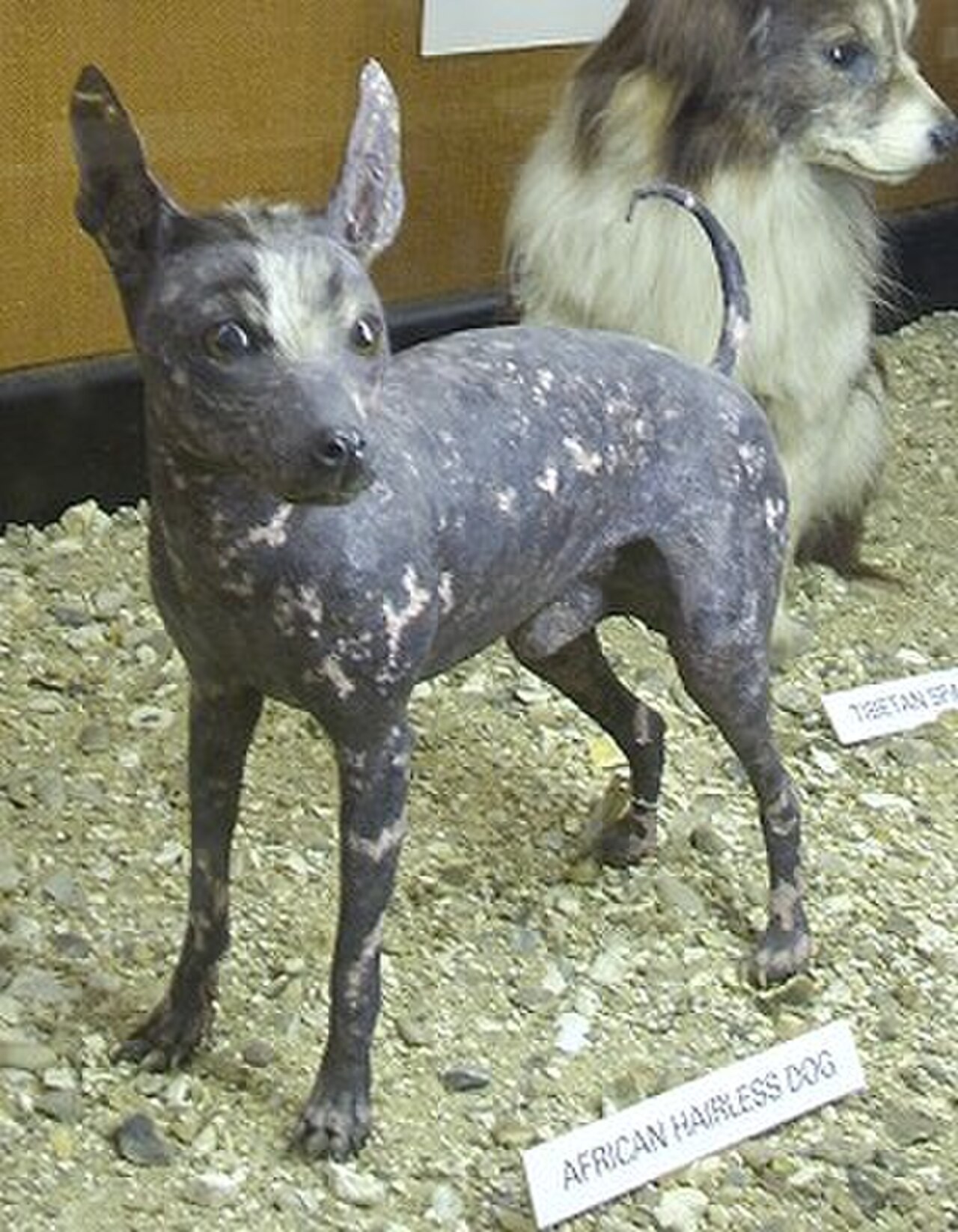
 Abyssinian sand terrier
African hairless dogs, also known as Abyssinian sand terriers and African sand dogs among many other names, were hairless dogs from Africa.
Abyssinian sand terrier
African hairless dogs, also known as Abyssinian sand terriers and African sand dogs among many other names, were hairless dogs from Africa.
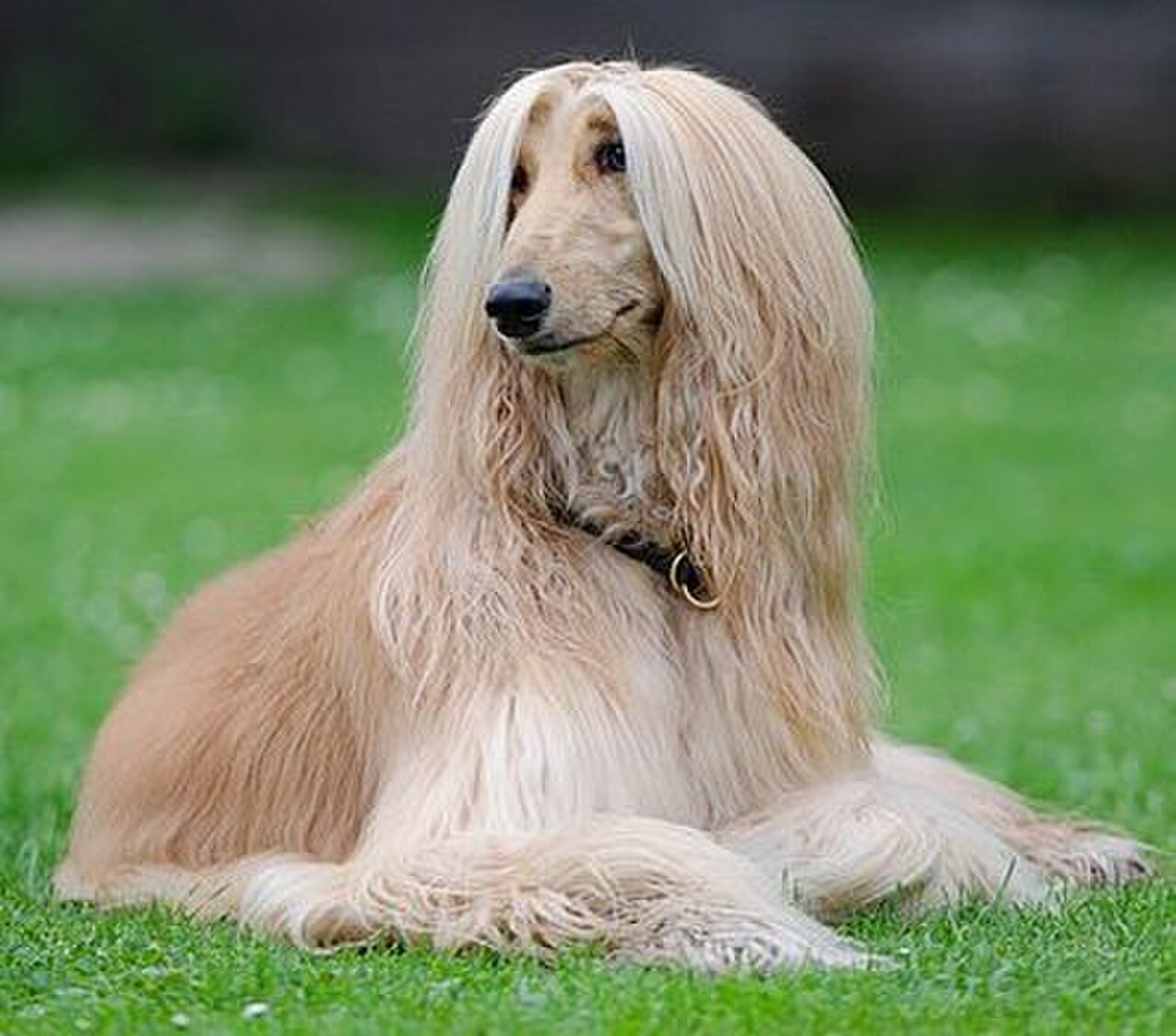 Afghan Hound
The Afghan Hound (Pashto: تاژي سپی Tāžī Spay Dari: سگ تازی Sag-e Tāzī ) is a hound distinguished by its thick, fine, silky coat, and a tail with a ring curl at the end.
Afghan Hound
The Afghan Hound (Pashto: تاژي سپی Tāžī Spay Dari: سگ تازی Sag-e Tāzī ) is a hound distinguished by its thick, fine, silky coat, and a tail with a ring curl at the end.
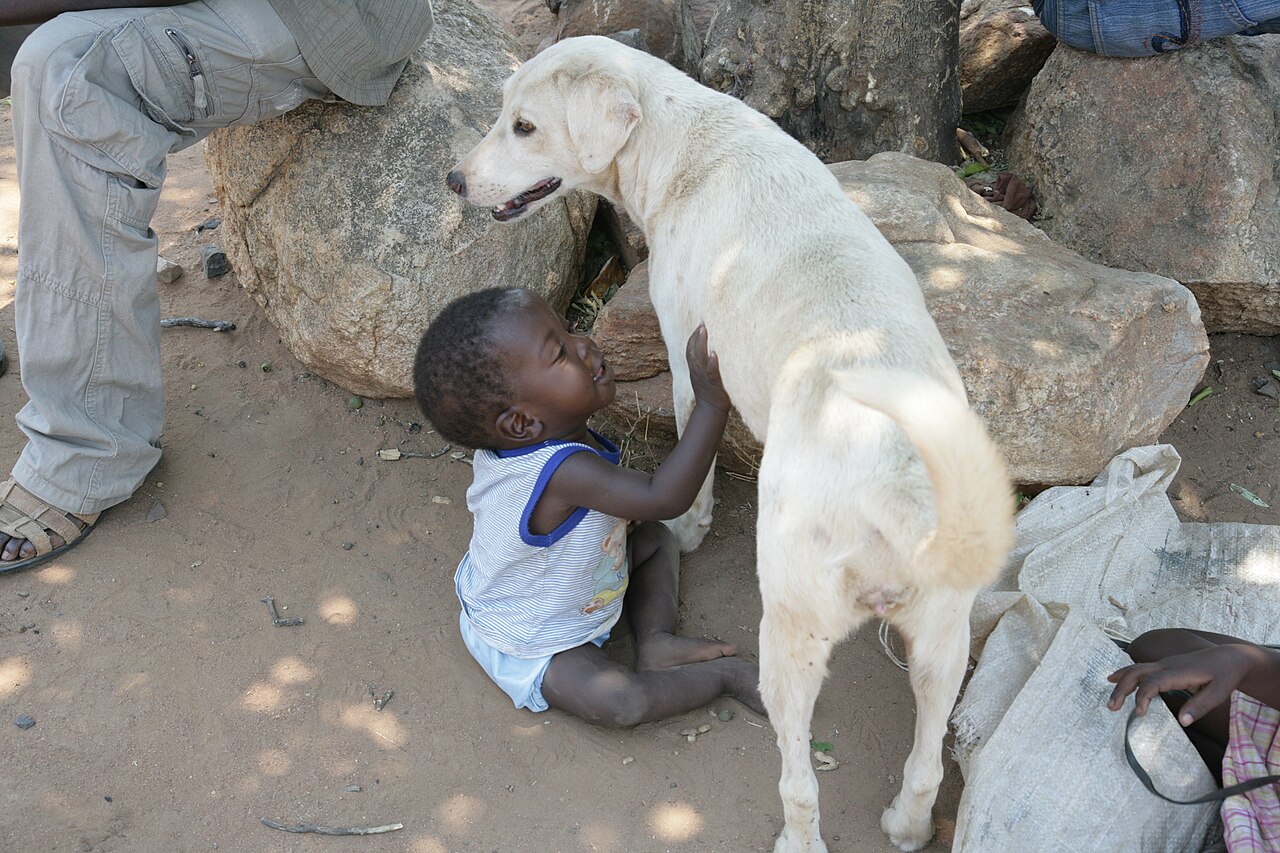 African village dog
s are a genetically diverse group of indigenous dogs found in Africa.
African village dog
African village dogs are a genetically diverse group of indigenous dogs found in Africa.
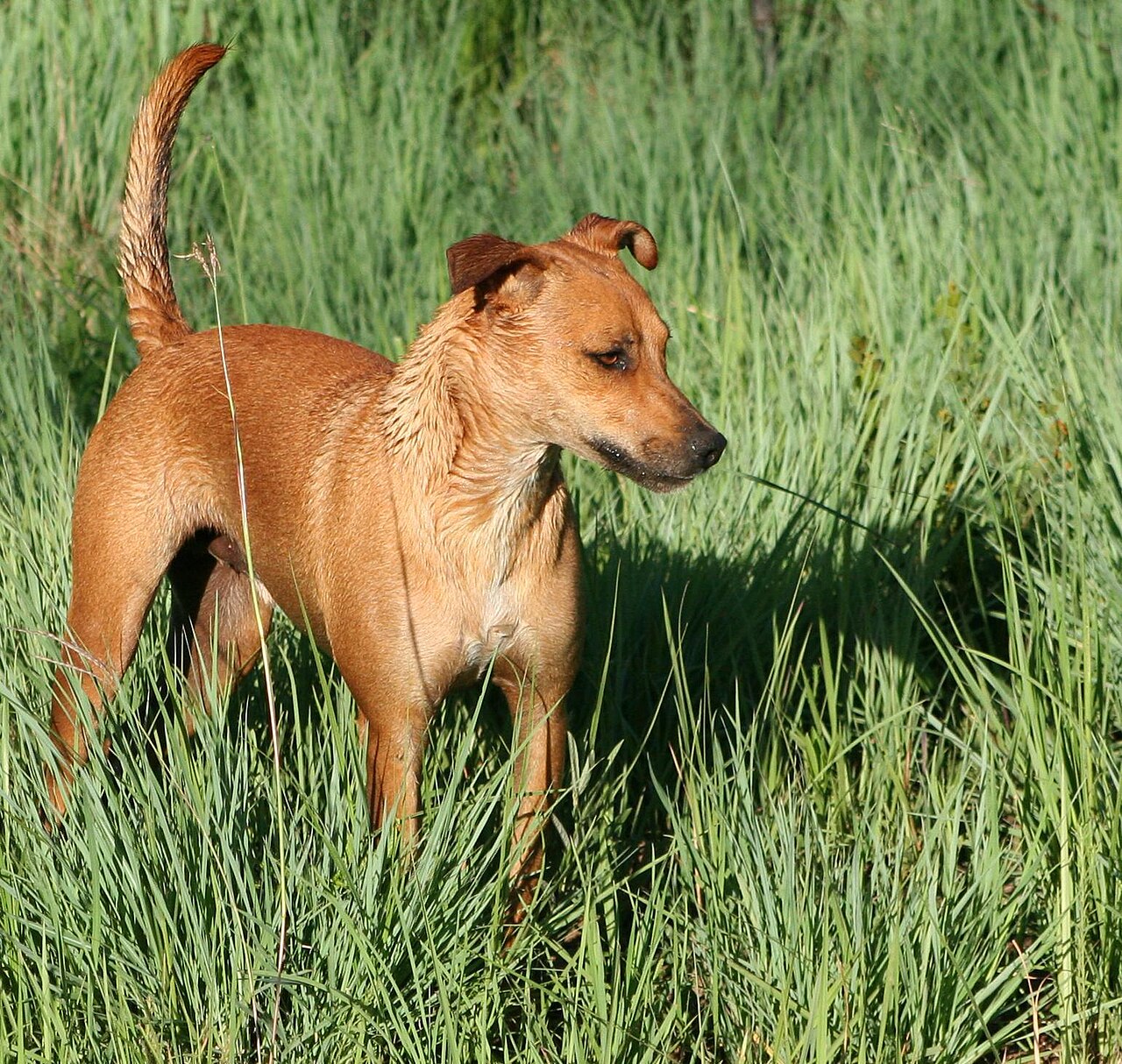 Africanis
The Africanis is a dog landrace found across southern Africa.
Africanis
The Africanis is a dog landrace found across southern Africa.
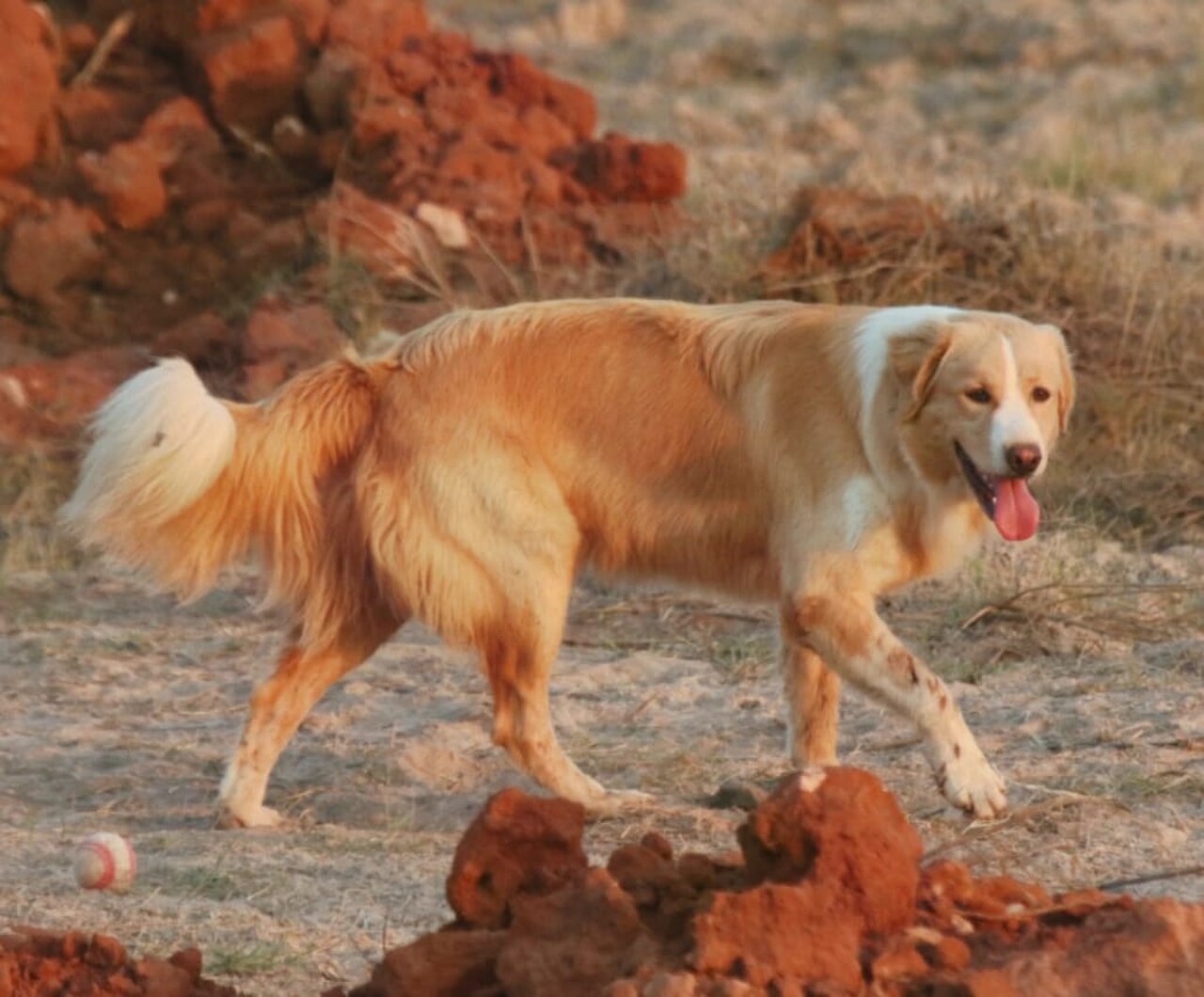 Aidi
The Aidi is a dog breed native to the Atlas Mountains of North Africa and is used as a livestock guardian, protecting herds of sheep and goats.
Aidi
The Aidi is a dog breed native to the Atlas Mountains of North Africa and is used as a livestock guardian, protecting herds of sheep and goats.
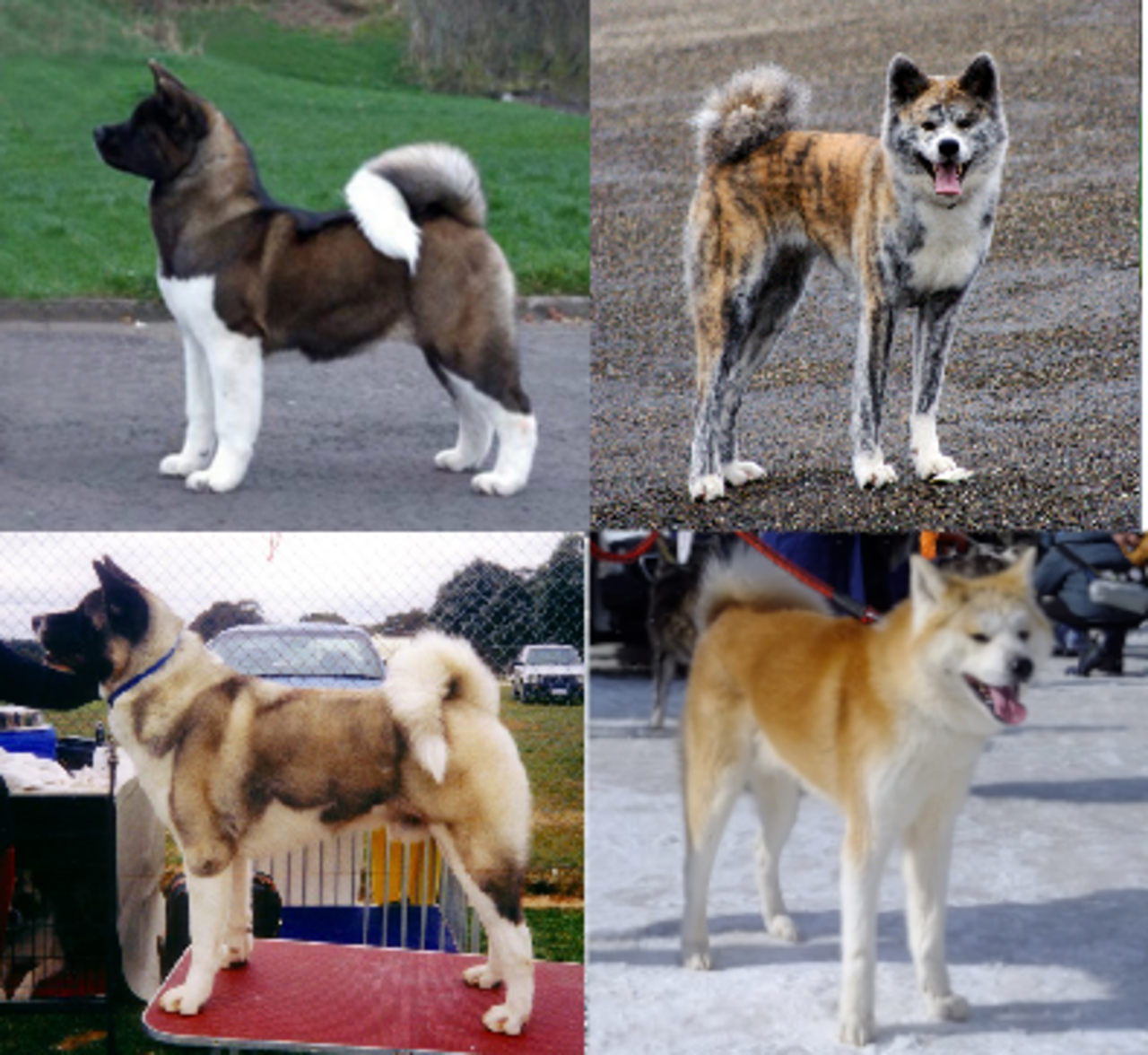 Akita
The Akita Inu (秋田犬, Akita Inu, Akita Ken; Japanese pronunciation: [a.kʲi̥.ta(ꜜ) i.nɯ, -ta.keɴ]) is a Japanese dog breed of large size.
Akita
The Akita Inu (秋田犬, Akita Inu, Akita Ken; Japanese pronunciation: [a.kʲi̥.ta(ꜜ) i.nɯ, -ta.keɴ]) is a Japanese dog breed of large size.
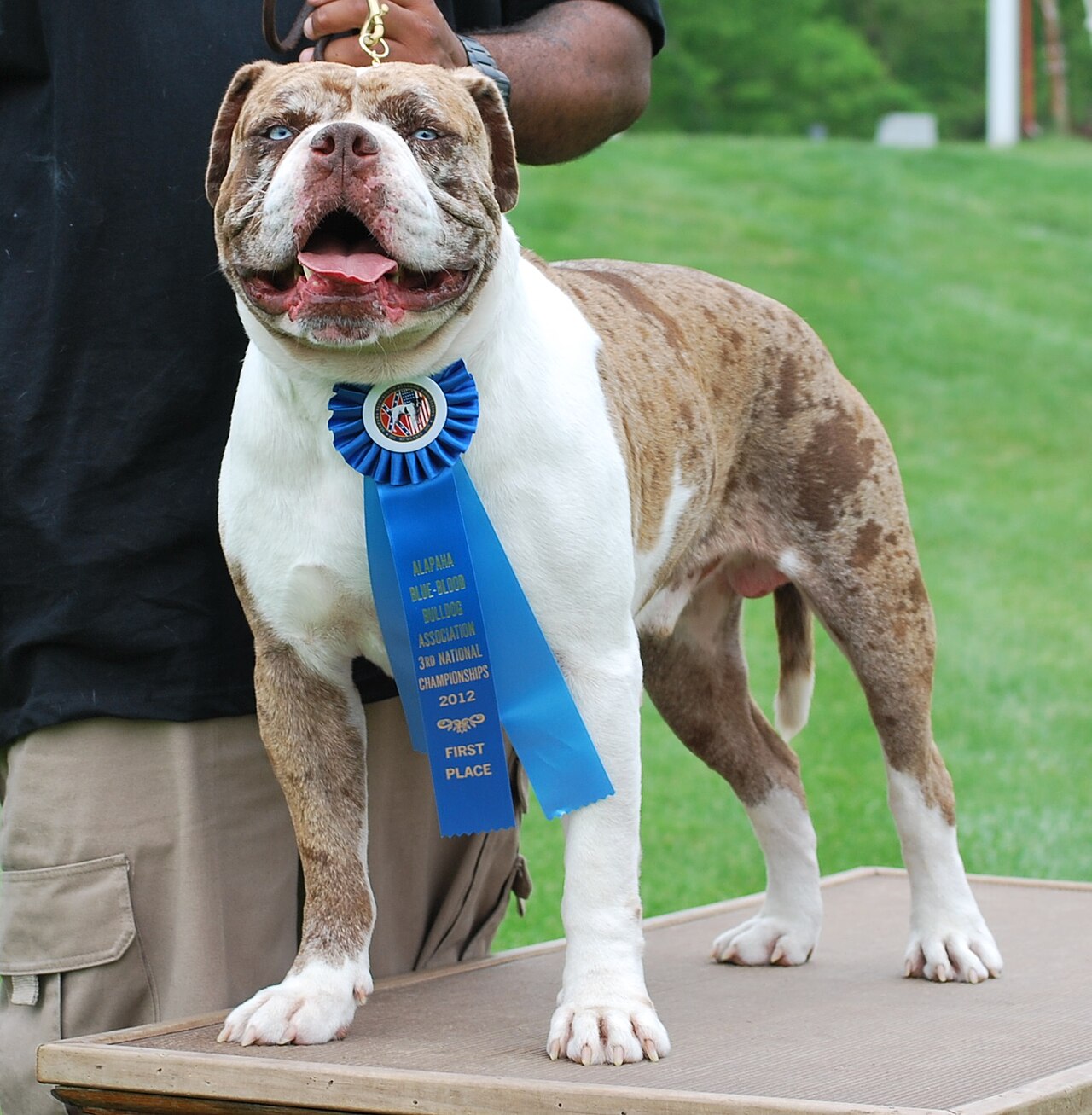 Alapaha Blue Blood Bulldog
The Alapaha Blue Blood Bulldog is a breed of bulldog from the United States, and it is predominantly used as a guard dog.
Alapaha Blue Blood Bulldog
The Alapaha Blue Blood Bulldog is a breed of bulldog from the United States, and it is predominantly used as a guard dog.
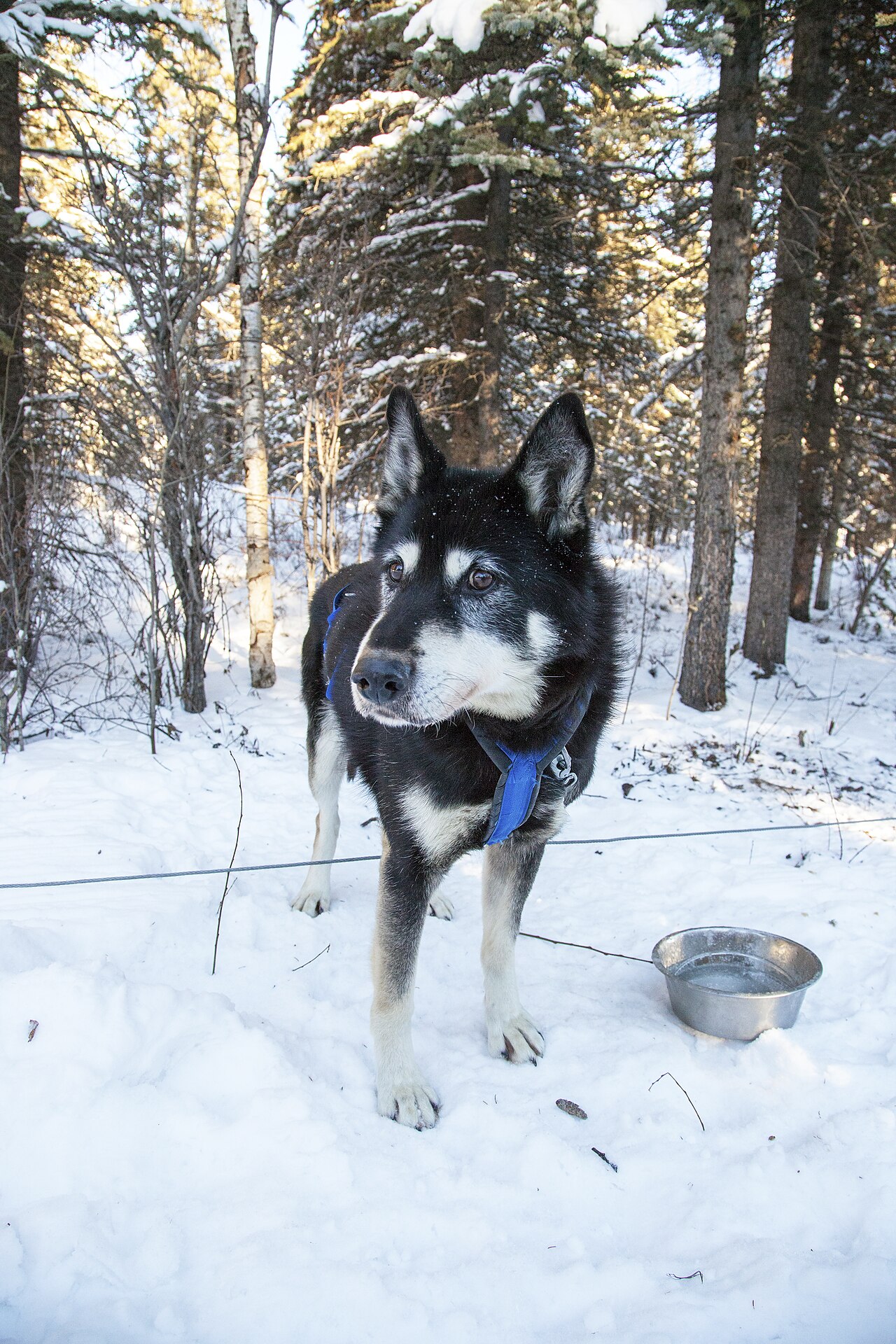 Alaskan husky
The Alaskan husky is a breed of medium-sized working sled dog, developed specifically for its performance as such.
Alaskan husky
The Alaskan husky is a breed of medium-sized working sled dog, developed specifically for its performance as such.
Pictures via Wikimedia Commons, free-licensed. Tap any card for its full picture and facts.
If you want the short answer, it is size, not breed: small dogs live longest. Small breeds average 10–15 years, with some passing 18 years, medium breeds usually manage 10 to 13 years, and giant breeds average 8 to 13 years — and the oldest verified dog ever recorded was Bluey, an Australian Cattle Dog, who reached 29 years and 5 months. That is the honest headline. What you will not find below is a neat ranked league table of "the ten longest-living breeds", because the records simply do not support one. What the records do support is a very strong pattern by body size, a handful of solid breed averages, and a clear explanation of why the small dog sleeping by your door is likely to outlast the big one guarding your stock.The size rule: the heavier the dog, the shorter the life
This is the strongest and most repeated pattern in dog lifespan. Put plainly: the heavier and larger a dog is, the shorter its lifespan tends to be.
- Small breeds: average 10–15 years, with some individuals exceeding 18 years.
- Medium breeds: typically 10 to 13 years.
- Giant breeds: an overall average of 8 to 13 years, and the lowest minimum lifespan of any group.
So if you are choosing a pup and long life matters to you, size is the single most useful thing you can look at. It is not a guarantee for any one dog, but as a rule of thumb it holds up better than anything else.
Big dogs also grow up more slowly
Size changes the whole timetable, not just the ending. Giant breeds reach adulthood at around two years old, while other breeds get there at roughly 13–15 months. In all but large breeds, sociosexual interest appears around 6–9 months, dogs become emotionally adult around 15–18 months, and they are fully mature around 3–4 years, with learning and refinement carrying on after that. Development in giant breeds is slightly delayed compared with other breeds.
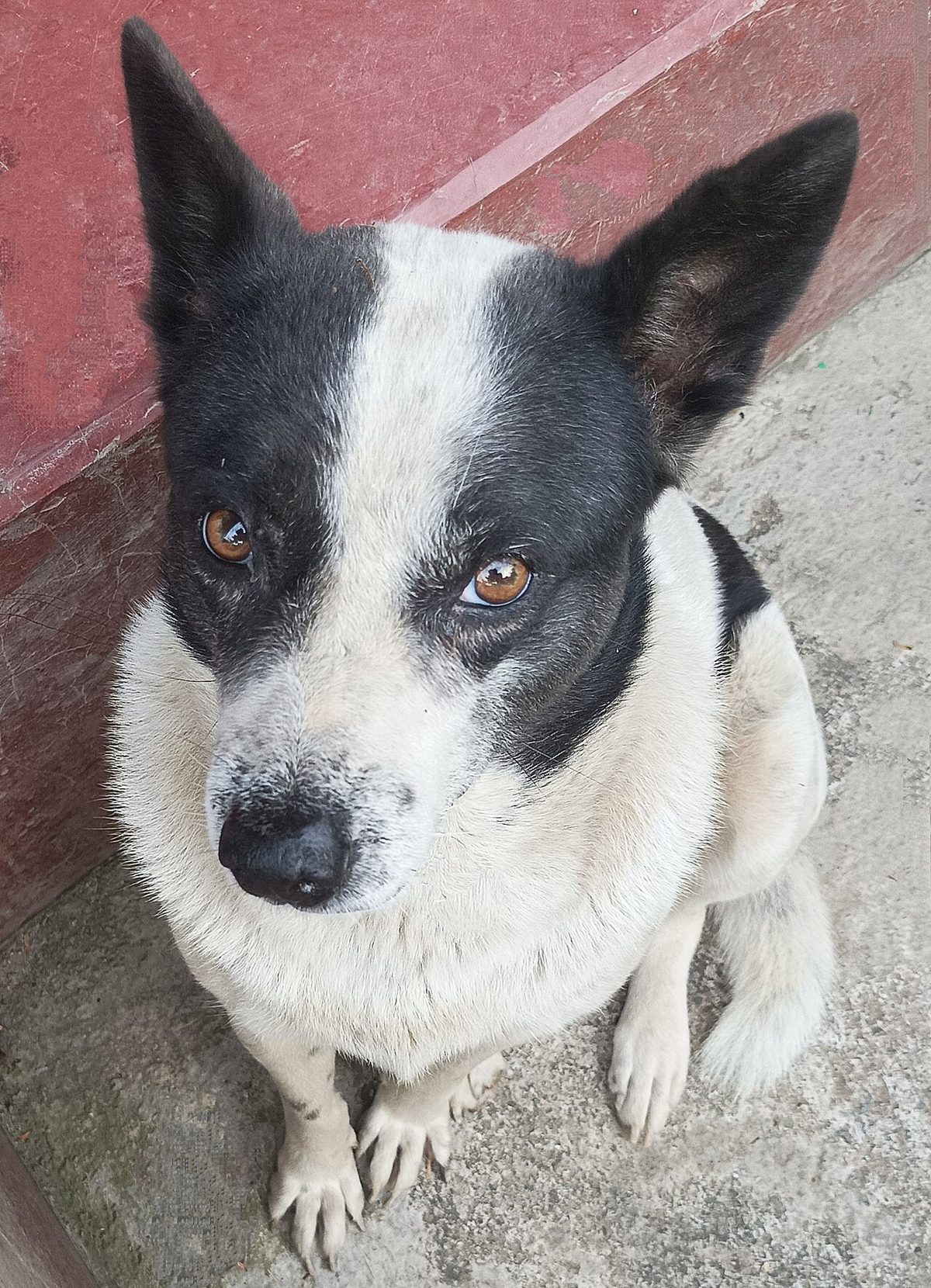
The record holders — and the claims that fell apart
Bluey, the Australian Cattle Dog
Bluey is the benchmark. She was a female Australian Cattle Dog, born 7 June 1910 and died 14 November 1939, owned by Les and Rosalie Hall of Rochester, Victoria, Australia. Guinness World Records recognises her as the oldest verified dog, having lived 29 years and 5 months before being euthanised. She is claimed to have worked as a cattle and sheep dog for about 20 years before retiring — which will interest anyone whose dog earns its keep in the yard. As of 2026 she still holds the title.
Bobi, the 31-year claim
Bobi was a male purebred Rafeiro do Alentejo from Portugal, claimed to have died at the age of 31 in 2023. Here the record itself is contested, so take it as contested: some accounts report the 31-year age as it was claimed, while others record that Guinness revoked his certification for lacking evidence after veterinarians came forward challenging his claimed age, leaving Bluey as the holder. You will see both versions repeated, and there is no tidy way to reconcile them.
Chilla, the uncertified 32-year dog
Chilla is reported to have reached 32 years and 12 days, but the age was never certified. Even what Chilla was is disputed: some accounts describe Chilla as one of two long-lived Australian Cattle Dogs, others as a Labrador Retriever and Australian Cattle Dog mix.
What a record actually tells you
Very little about your own dog, is the honest answer. Bluey's and Chilla's ages prompted a longevity study of the Australian Cattle Dog. A survey of 100 dogs gave a mean longevity of 13.41 years, with a standard deviation of 2.36 years. The study concluded the breed is healthy and lives on average almost a year longer than other breeds in the same weight class — a real advantage, but a modest one. It also concluded that ages like Bluey's and Chilla's should be treated as uncharacteristic exceptions, not as anything typical of the breed. So buying an Australian Cattle Dog does not buy you a 29-year dog.
The breed figures that can be pinned down
Reliable, named breed averages are rarer than the internet suggests. Here are the ones worth quoting:
- Beagle: average life expectancy 13.3 years, usually living around 12–15 years.
- Scottish Terrier: average 12 years, usually living around 10–16 years.
- Australian Cattle Dog: mean longevity 13.41 years in a 100-dog survey, standard deviation 2.36 years.
- Random-bred dogs — also called mongrels or mutts: average life expectancy of 13.2 years in the Western world.
- Cane Corso: average lifespan 9.3 years in a 2017 study of 232 dogs across 25 countries.
Why one number always misleads
Look again at the Beagle and the Scottish Terrier. The Beagle averages 13.3 years but usually lives around 12–15 years. The Scottish Terrier averages 12 years but usually lives around 10–16 years — a six-year spread around a single average. Life expectancy nearly always varies within a range, and the range matters more to you than the midpoint. A breed average is a description of many dogs, not a prediction for yours.
The short-lived end: mastiff-type giants
The Cane Corso, an Italian mastiff, shows how quickly the numbers drop at the heavy end. The 2017 study of 232 dogs from 25 countries gave an average of 9.3 years, and it varied by coat colour:
- Black brindle: 10.3 years
- Brindle: 10.1 years
- Grey brindle: 9.8 years
- Black, fawn and grey: 9.0 years each
- Other colours: 8.1 years
Even the central figure for this breed is unsettled — the median lifespan is reported as 8.1 years in one place and as 9 years in another, alongside the 9.3-year average. That is three central figures for one breed, and a good reminder to treat any single quoted number gently.
For scale, the Cane Corso standard gives dogs 62–70 cm at the withers and 45–50 kg, with bitches about 4 cm smaller and some 5 kg lighter. The breed is also genetically predisposed to elbow and hip dysplasia, patellar luxation and retinal dysplasia, with above-average susceptibility to demodicosis, ectropion, entropion, gastric dilatation volvulus (bloat), hypothyroidism, idiopathic epilepsy, mycotic otitis and nictitans gland prolapse, also called cherry eye. The modern breed comes from selective breeding, from about 1980, of a few surviving animals — a narrow base. Where a breed carries inherited problems like these, ask a vet near you what is worth checking in the lines available locally, because that varies from place to place.
Why small dogs get more years
Damage that piles up faster
Oxidative stress appears to be a significant factor separating small breeds from large ones. Oxidative DNA damage — measured through levels of 8-Oxo-2'-deoxyguanosine in DNA — was higher in puppies of larger, shorter-lived breeds than in smaller, longer-lived ones. The likely reading is that DNA repair mechanisms fail earlier in larger breeds, so damage builds up sooner and longevity is cut short. Researchers also link dog ageing to DNA methylation, an epigenetic process that changes in a nonlinear way in dogs compared with humans.
Growing very big, very fast
Scientists at the American Kennel Club speculate that the accelerated growth rate needed for the drastic change in size in giant breeds leads to a higher risk of abnormal cell growth and cancer. A pup that has to become an enormous adult is doing a great deal of cell division in a short time, and that carries a cost.
When your dog is officially old
"Old" arrives at very different ages depending on size. Dogs are considered geriatric at roughly:
- Small breeds such as small terriers: about 11 years
- Medium breeds such as larger spaniels: 10 years
- Large breeds such as German Shepherd Dogs: 8 years
- Giant breeds such as Great Danes: 7 years
If you keep a big working dog, that is worth sitting with. An eight-year-old German Shepherd is an old dog, even though an eight-year-old terrier is barely middle-aged.
What to watch for
As with people, advanced years often bring changes in a dog's ability to hear, see and move about easily. Skin condition, appetite and energy levels often decline with geriatric age. Medical conditions that may appear include cancer, kidney failure, arthritis, dementia and joint conditions. If you notice several of these together, a vet nearby is the right next call — what care is available and affordable differs greatly from one area to another.
Forget "one dog year equals seven human years"
It is a popular myth, and it is inaccurate — one plain giveaway is that dogs can reproduce from the age of 1, which no seven-year-old child can. A more accurate general rule counts the first year as 15 human years, the second as 9, and each year after that as about 5. On that basis a 2-year-old dog is equivalent to a human of 24, and a 10-year-old dog to a human of 64.
The most accurate tools are size- or breed-specific calculators, which work from expected adult weight or from a small, medium or large category. Be aware, though, that no single conversion formula is scientifically agreed on, even if the various formulas show great similarities within fairly close limits.
A little perspective on dogs themselves
Dogs descend from wolves and were the first species humans domesticated — over 14,000 years ago, and before agriculture. Genetic studies suggest the process may have begun over 25,000 years ago, with divergence from wolves somewhere between 27,000 and 40,000 years ago. The global dog population is estimated at 700 million to 1 billion. Developed countries account for roughly 20% of that total, while around 75% of the world's dogs are thought to live in developing countries, mainly as feral and street dogs. In the United States, the dog is the most popular pet, present in 34–40% of households.
Even the classification is not settled. Linnaeus, in 1758, classified the domestic dog as a separate species, Canis familiaris, while Wozencraft in the 2005 Mammal Species of the World listed familiaris as a subspecies of Canis lupus. Australia's dingo is a separate and politically charged argument of its own: calling dingoes wild dogs simplifies population control where they threaten livestock, while treating them as a separate species opens the door to conservation protection.
What these numbers cannot tell you
Be straight with yourself about the limits. There is no dependable ranked list of the longest-living breeds, so the small-breed range of 10–15 years, plus the handful of named averages above, is the best guide available. Nor do the records settle whether mixed-breed dogs outlive purebreds as a category — random-bred dogs average 13.2 years in the Western world, which sits above the Scottish Terrier's 12 years and the Cane Corso's 9.3, and below the Beagle's 13.3.
Plenty of practical questions also sit outside what the figures cover: feeding and body condition, exercise, vaccination and parasite schedules, dental care, whether neutering changes anything, and how a working, farm, street or indoor life affects the years a dog gets. Costs of keeping and treating a dog vary enormously from country to country too. For all of these, ask a vet or a trusted local dealer near you rather than trusting a number you read online.
The takeaway
If long life is your priority, choose small over large — 10–15 years, sometimes beyond 18, against 8 to 13 for the giants. Treat breed averages as ranges, not promises, and treat record-holders like Bluey as wonderful exceptions rather than expectations. Then adjust your own timetable to your dog's size: your terrier is old at about 11, your Great Dane at about 7. Knowing which stage your dog is in is what lets you notice the early changes in hearing, sight, movement, appetite and energy while there is still time to act.

 Menu
Menu
💬 Comments
Login to comment
No comments yet. Be the first to share your experience!