🍪 Cookie Consent
We use cookies to improve your experience, analyse how the site is used, and show relevant content. By choosing Accept you agree to that. See our
Privacy Policy.
Sahiwal Cow Price in India and What Every Farmer Should Know
With cow prices in India ranging from ₹250 to ₹500 per kg liveweight, understanding what a Sahiwal or any Zebu animal will actually deliver on your farm matters more than ever. Here is a practical look at prices, biology, legal considerations, and multi-purpose utility for Indian smallholders.
If you have been thinking about buying or breeding a Sahiwal cow, the first question on your mind is almost certainly the price. And you are right to start there — a cow is a serious investment, and understanding what you are paying for matters. Our own recorded data from agmarknet shows cow prices in India ranging from ₹250 to ₹500 per kg liveweight, with an average of ₹375 per kg. That range is wide, and the price you actually pay will depend on many things we will walk through in this article.
The Sahiwal is one of the best-known Zebu cattle breeds in India. Zebu cattle are the type found mainly in India and tropical areas of Asia, and they were domesticated in a separate event right here in the Indian subcontinent. That matters for you as a farmer because it means this breed, like other Zebu cattle, has been shaped by thousands of years of the same climate, soils, and conditions you are farming in today. Before you spend a single rupee, it helps to understand what kind of animal a Sahiwal is, what they can do for your farm, and what practical realities come with owning cattle in India.
What Makes Zebu Cattle Different
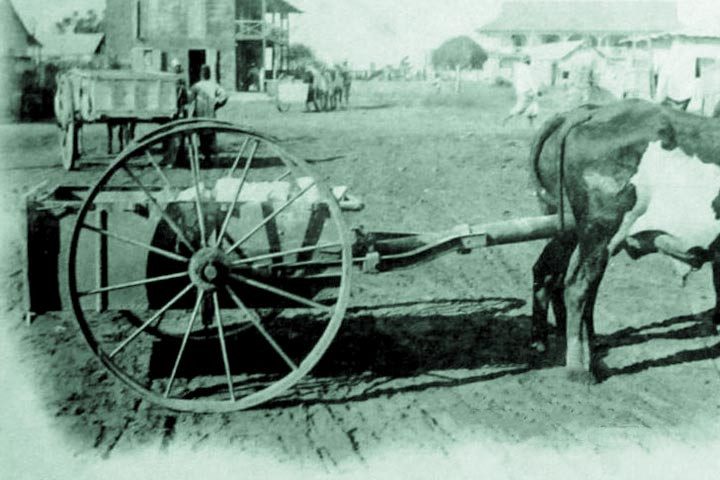
A zebu-drawn Lefebvre transport cart in the 1890s by Jules Rousselet Photographie, Maunga, Madagascar (Public domain) · source
Cattle around the world are classified into three main types: taurine cattle, which come from Europe and temperate regions; Zebu cattle, found mainly in India and tropical areas; and sanga cattle from sub-Saharan Africa. These types have been divided into over 1,000 recognized breeds globally. The Sahiwal belongs to the Zebu group — the cattle type native to the Indian subcontinent.
Zebu cattle were domesticated separately from the cattle of Europe and West Asia. Around 10,500 years ago, taurine cattle were domesticated from wild aurochs in central Anatolia, the Levant, and Western Iran. But Zebu cattle came from a different domestication event, right here in the Indian subcontinent. That long history of adaptation means Zebu breeds like the Sahiwal are naturally suited to hot, humid conditions and the kinds of feed and water availability common across much of India.
The Four Things a Cow Can Do for Your Farm
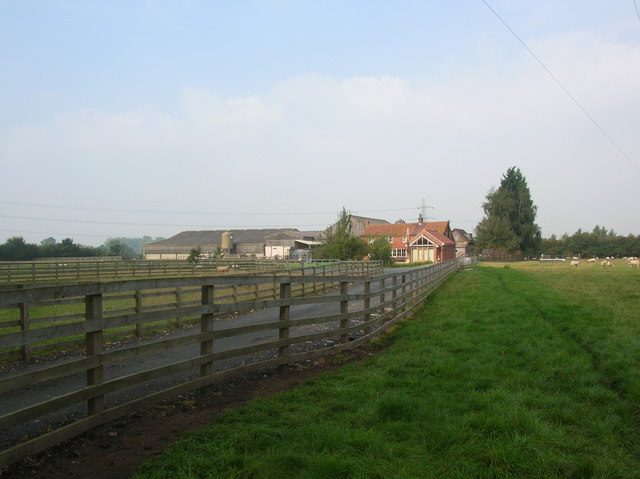
Cow Moor Farm by DS Pugh (CC BY-SA 2.0) · source
Cattle are commonly raised for four purposes: meat, dairy products, leather, and draft power. The Sahiwal, like other Zebu cattle, can potentially serve several of these roles, which is one reason it has been valued by Indian farmers for generations.
Dairy
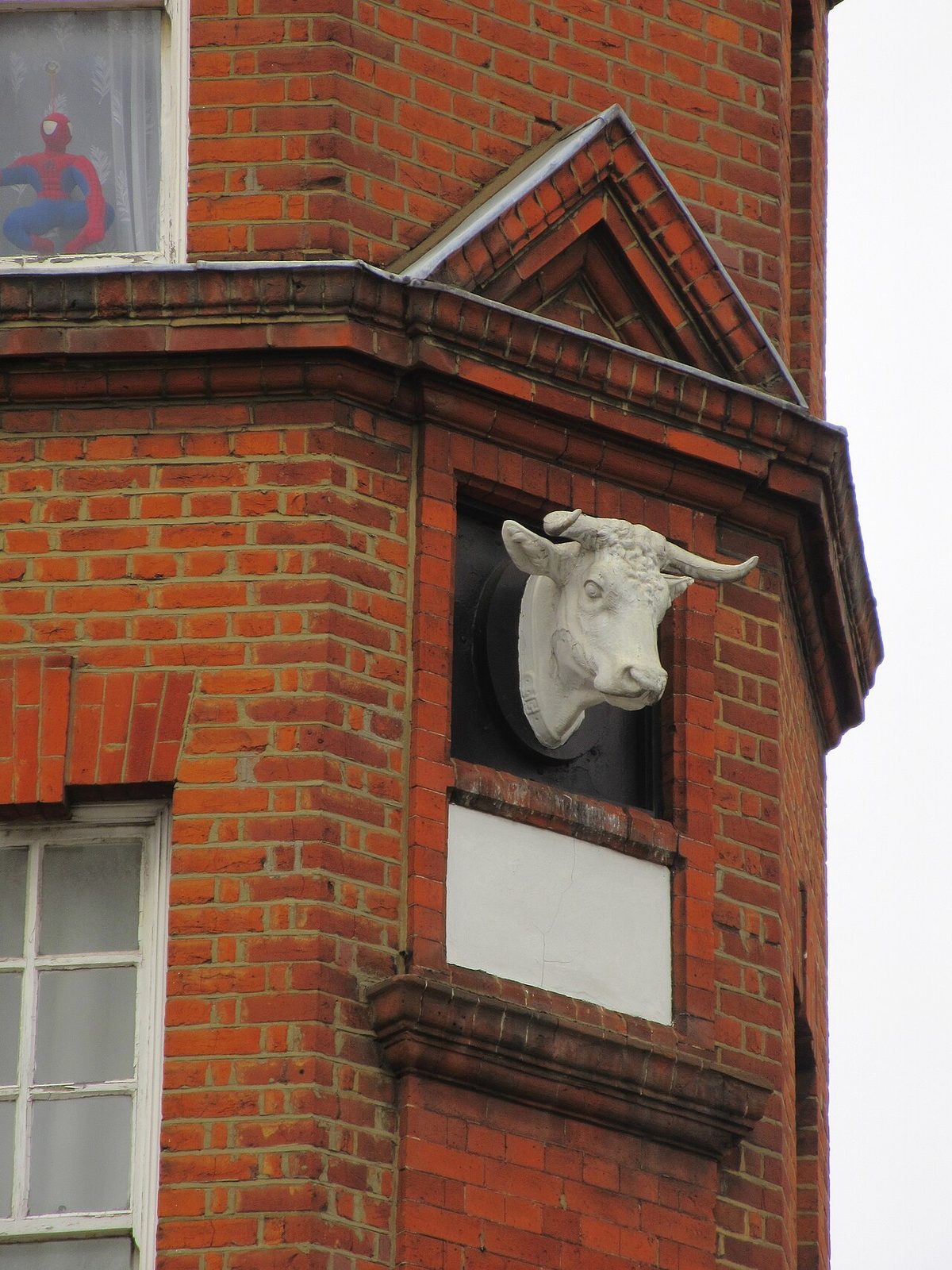
Cow head detail of Warrick Farm Dairy by David Anstiss (CC BY-SA 2.0) · source
Dairy is one of the most common reasons smallholder farmers keep cattle in India. Milk provides a steady daily income and nutrition for the family. While specific milk yield figures for the Sahiwal breed are not available in our sources, Zebu cattle generally have a reputation for decent milk production in tropical conditions, and many farmers in Punjab, Haryana, and other states have long preferred the Sahiwal for this purpose.
Draft Power
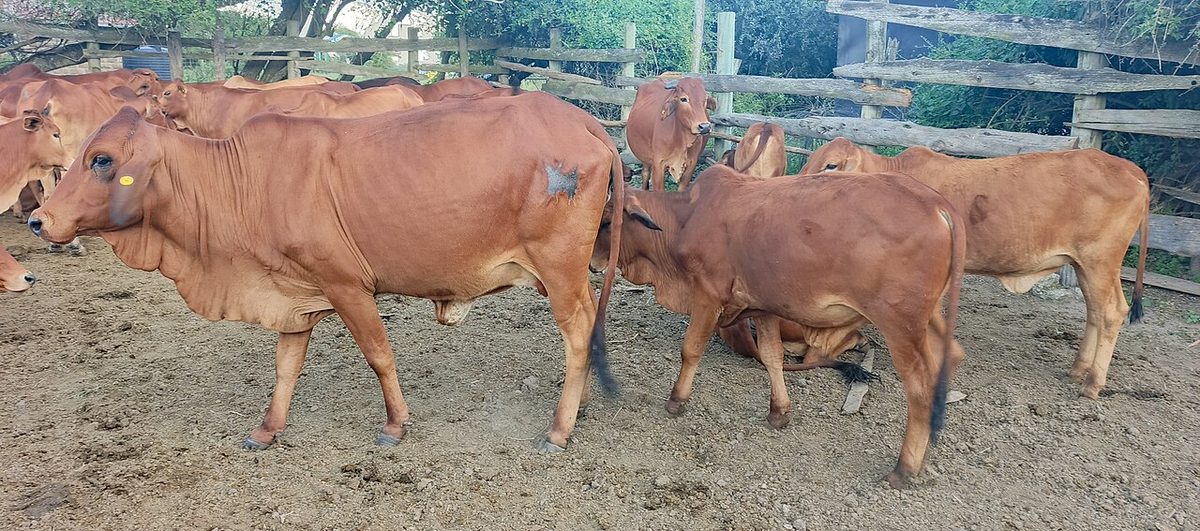
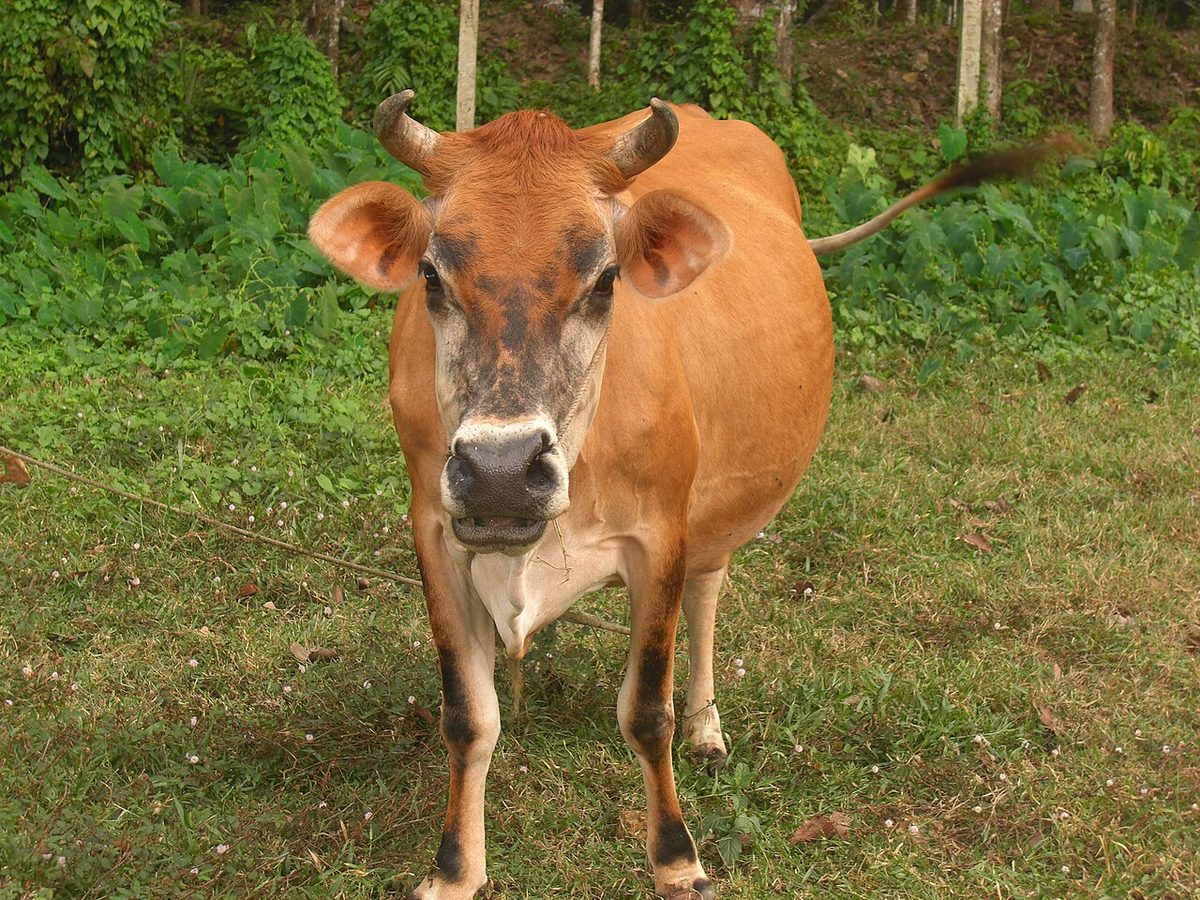
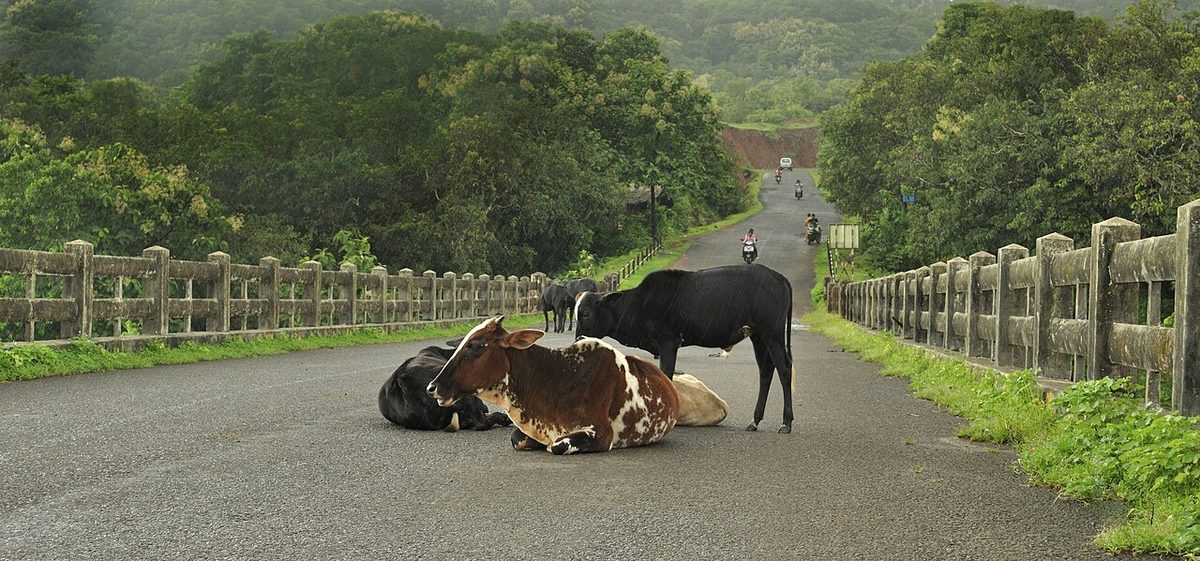
Indian Cow by Athul Iyju Jacob (CC BY-SA 4.0) · source
Cattle are used as draft animals that pull carts and farm implements. For small and marginal farmers who may not be able to afford a tractor, a pair of good cattle can be invaluable for ploughing, transporting produce, and hauling materials. This dual purpose — milk and draft — is one of the reasons Zebu cattle remain so popular among smallholders.
Leather and Meat
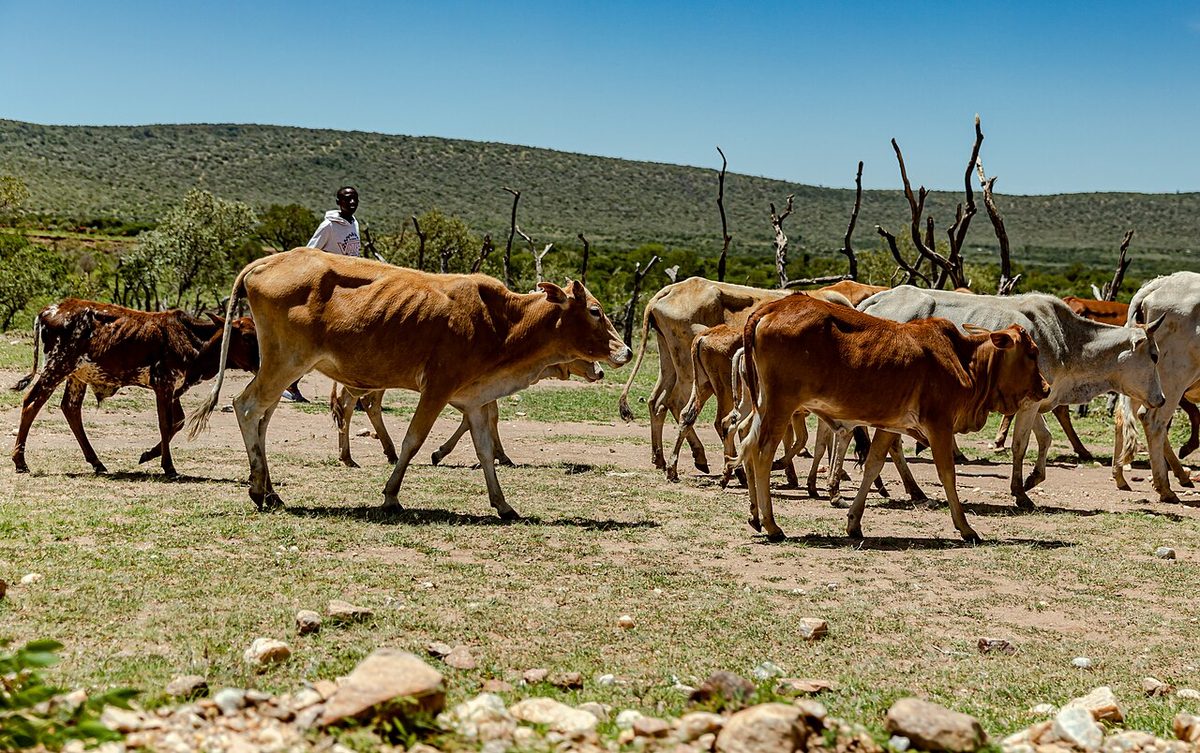
Kenyan Countryside - 52462106667 by Ninara (CC BY 2.0) · source
Cattle also provide leather and meat. However, these are not straightforward considerations in the Indian context, as we will discuss below.
A Capital Asset
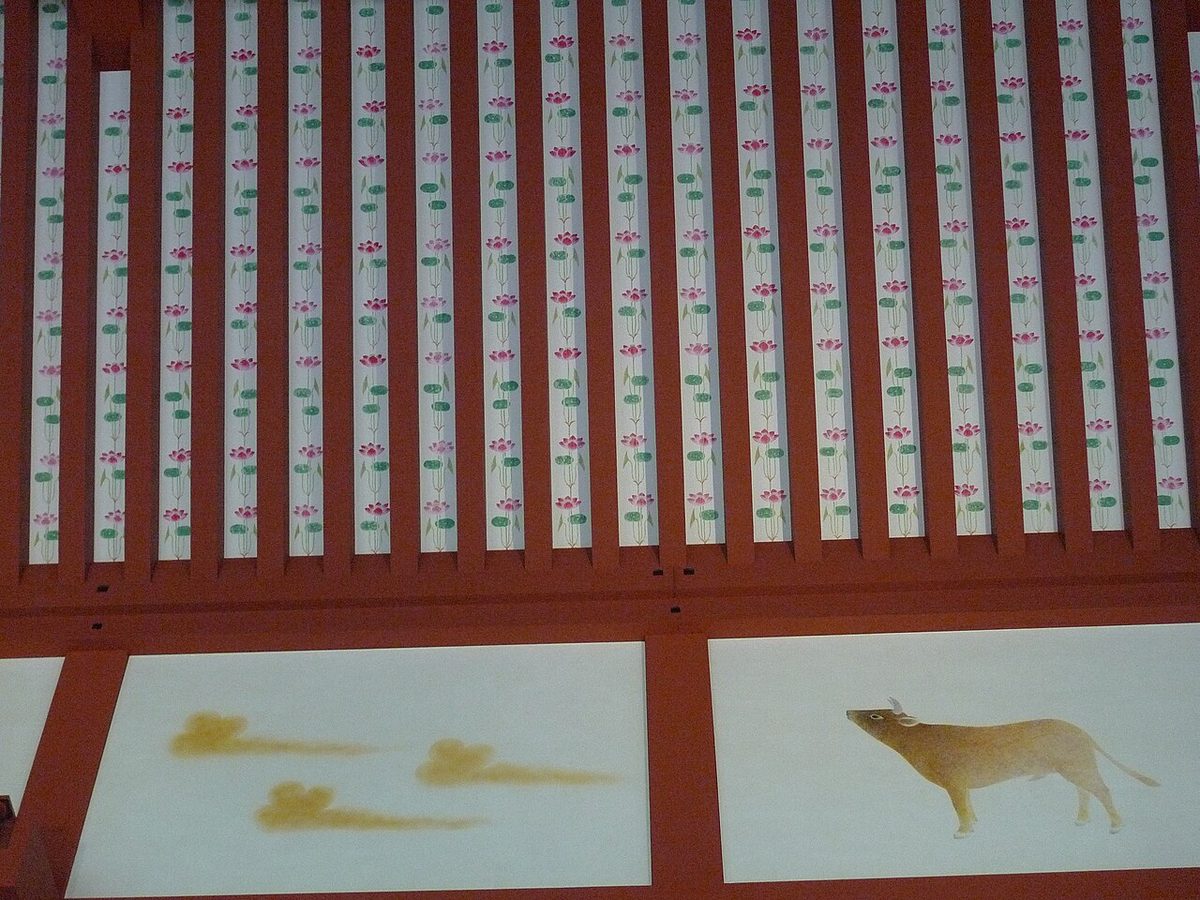
Interior of Daigokuden, Heijo palace, with flower, cloud, cow by Motokoka (CC BY-SA 4.0) · source
Beyond day-to-day production, cattle also function as a form of savings. A healthy cow is an asset you can sell when needed. Our own agmarknet data shows that prices move between ₹250 and ₹500 per kg liveweight. A mature cow weighing, say, 350 kg could be worth somewhere between ₹87,500 and ₹1,75,000 depending on local market conditions. That is a significant financial buffer for a farming family.
What a Cow's Body Can Tell You
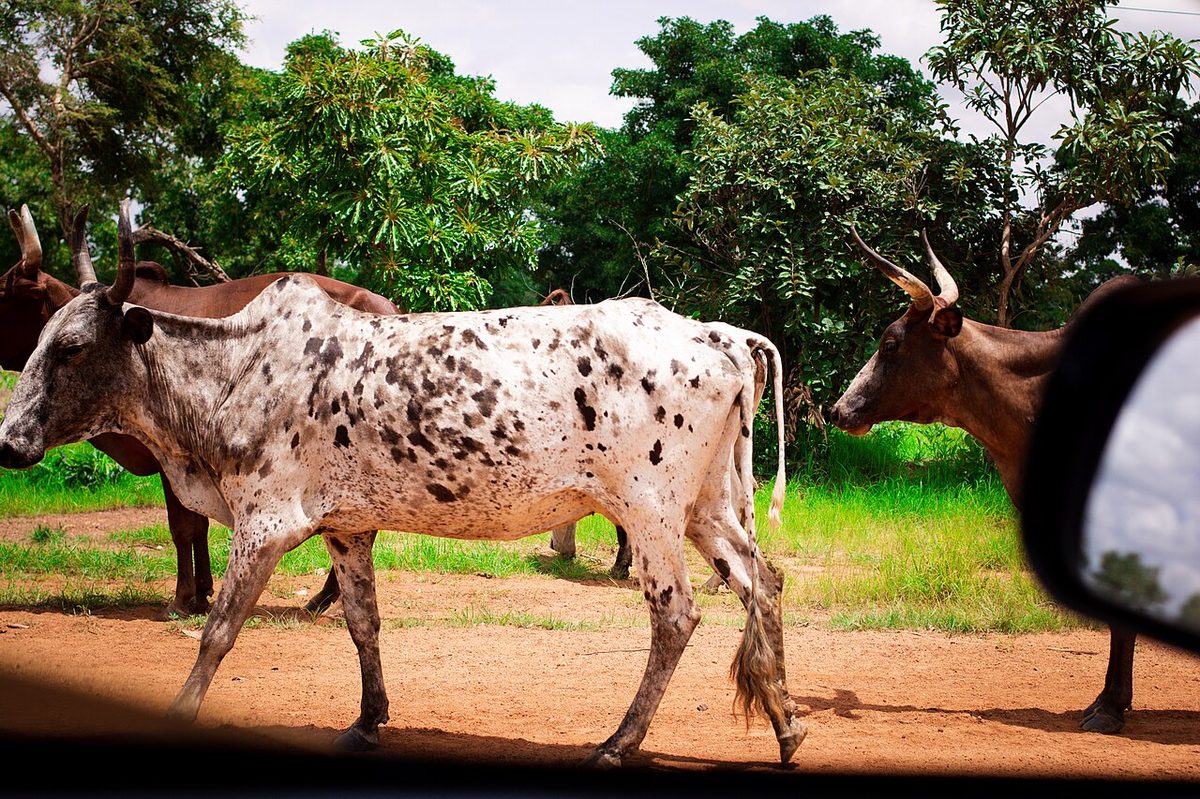
A cow with a white body by Ibrahim Achiri (CC BY-SA 4.0) · source
Understanding basic cattle biology helps you make better decisions as a buyer or breeder.
The Digestive System
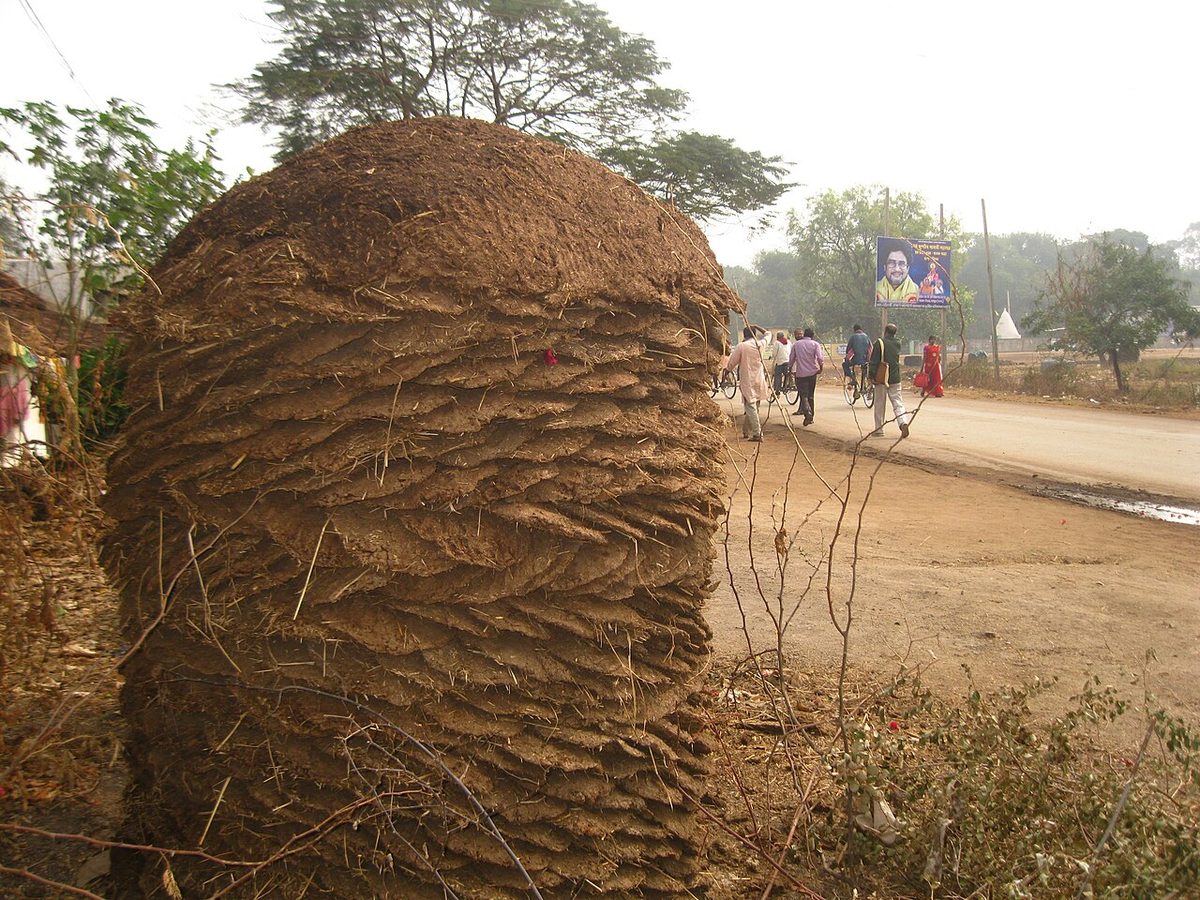
Cow dung cake by Vijayakumarblathur (CC BY-SA 4.0) · source
Cattle are ruminants with a four-compartment stomach designed for digesting plant material. The rumen is the largest compartment and houses a community of micro-organisms including bacteria like Fibrobacter succinogenes and Ruminococcus flavefaciens, and fungi like Neocallimastix. These organisms break down cellulose — the main component of grass and roughage. The reticulum has a characteristic honeycomb structure, the omasum absorbs water and nutrients, and the abomasum works like a human stomach.
This is why cattle can thrive on grass, crop residues, and other plant material that other animals cannot digest. But it also means the rumen needs careful management. A sudden change in diet can upset the microbial balance and cause serious health problems.
Chewing the Cud
Cattle regurgitate and re-chew their food as cud. If you see a cow spending a lot of time chewing while resting, that is normal and healthy behaviour — it means the digestive system is working well.
The Udder and Milk Production
A cow's udder has two pairs of mammary glands, or teats. This consistent feature across all cattle breeds is what you will be working with when milking. Good udder attachment and teat placement matter for comfortable and efficient milking, whether you are hand-milking or using a machine.
Breeding and Reproduction
If you plan to breed your Sahiwal cow rather than simply buying milk, understanding the reproductive cycle is essential.
Gestation and Calving
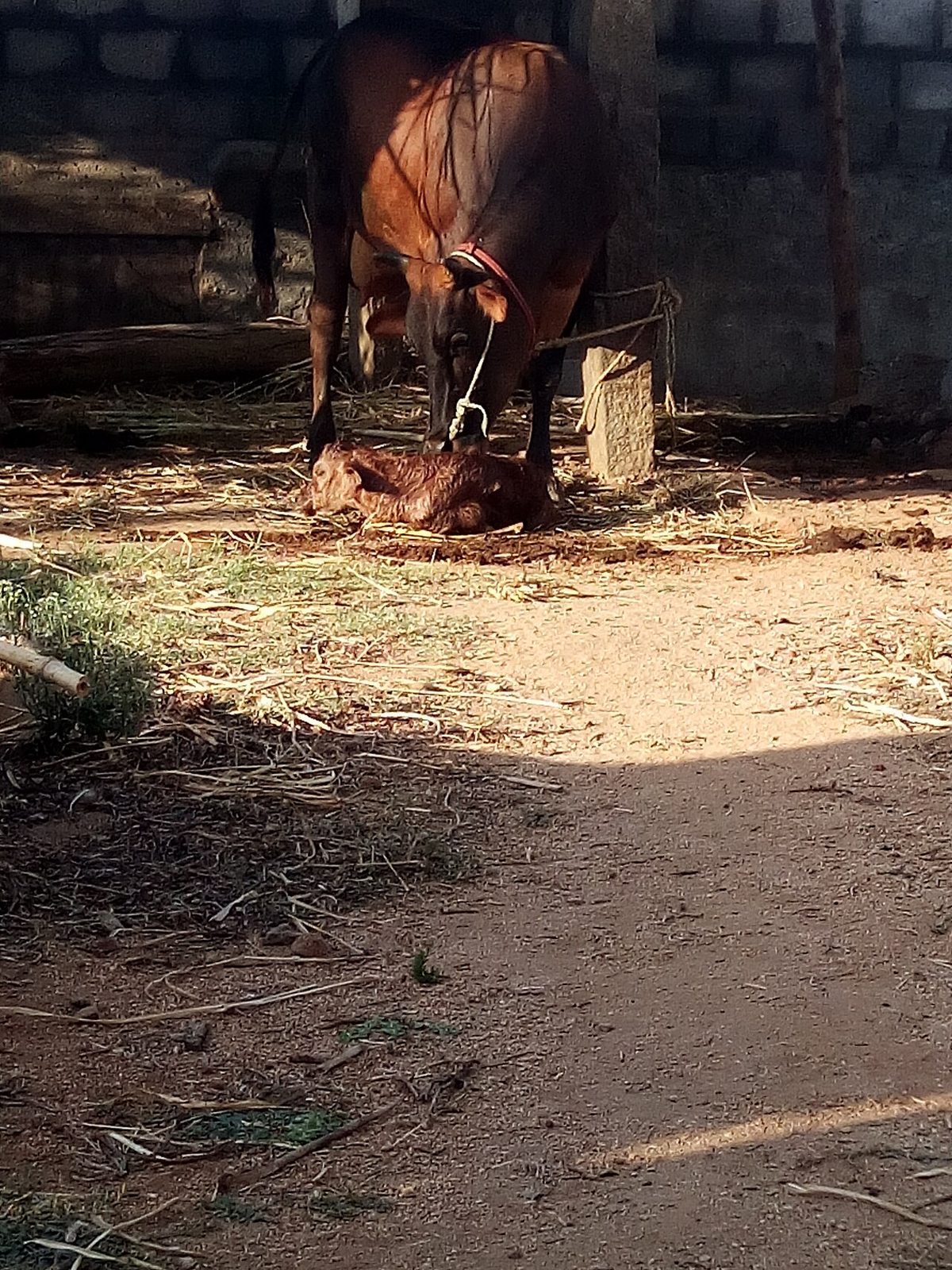
The gestation period for a cow is approximately nine months long. The ratio of male to female offspring at birth is approximately 52:48 — so slightly more bulls than heifers. When calving time approaches, cows seek secluded areas, which is natural behaviour. Give a pregnant cow a quiet, safe space to calve.
Calving Interval and Calf Rearing
The average calving interval is 391 days — just over 13 months. This is the typical gap between one calf and the next under good management. Calving mortality within the first year of life is around 5%, which is something to be aware of when planning your herd.
Under natural conditions, calves stay with their mother until weaning at 8 to 11 months of age. During that time, beef calves suckle an average of 5 times per day, spending roughly 46 minutes suckling in total each day. These figures reflect natural behaviour and can be useful for understanding calf needs if you are rearing your own replacements.
Artificial Insemination
Farms commonly use artificial insemination — the artificial deposition of semen in the female's genital tract. This allows you, the farmer, to choose from a wide range of bulls rather than being limited to what is locally available. You can select for traits like milk yield, temperament, or adaptation to local conditions. Estrus may also be artificially induced to help synchronise breeding. If you do not have easy access to a quality natural bull, artificial insemination through your local animal husbandry department or a private service can be a practical option.
Legal and Cultural Considerations
This is one of the most important things to understand before you invest in cattle in India.
Cattle hold sacred status within Hinduism, and it is illegal to kill them in some parts of the Indian subcontinent. This has real implications for how you manage your herd over its lifetime. You cannot simply plan to sell an old or unproductive animal for slaughter in the same way a farmer might in some other countries. You need to think about the full lifecycle of the animal and what will happen when it is no longer productive.
This protection also shapes the market. Since slaughter is restricted in many areas, the supply of meat and leather from cattle is affected. Some farmers manage this by selling animals to areas where slaughter is permitted, but that involves additional transport, risk, and paperwork. Others keep cattle for their entire productive lives and focus on dairy and draft as the primary returns.
Understanding the Price You Will Pay
Our own recorded data from agmarknet, India's official agricultural price reporting system, gives us two price observations for 'Cow (Cow)' in India. The lowest recorded price was ₹250 per kg liveweight and the highest was ₹500 per kg. That gives an average of ₹375 per kg, with the most recent observation recorded on September 22, 2026.
But those figures are national averages, and what you actually pay will depend heavily on your location, the age and condition of the animal, and current local demand. A young, healthy, well-bred Sahiwal heifer ready for breeding will cost significantly more per kg than an older, cull animal. If you are buying for dairy, look for an animal in good body condition with a well-developed udder and a calm temperament. If you are buying for draft, look for strong legs, good bone, and a steady disposition.
Prices also vary by season. Just before the sowing season, demand for draft cattle tends to rise. During festival periods, demand for cattle generally increases. If you can, buy during quieter market periods when prices are lower.
Environmental Considerations
If sustainability matters to you — and it should — it is worth knowing that cattle farming contributes approximately 7% of global greenhouse gas emissions. This comes mainly from methane released through the digestive process. There are over 940 million cattle worldwide as of 2022, so the cumulative impact is significant.
As a smallholder farmer, there are practical steps you can take. Good feeding practices that maximise the efficiency of the rumen can reduce methane output per litre of milk. Manure management, including composting instead of leaving it to decompose anaerobically, also helps. Some government and certification programs are beginning to address livestock emissions, so it is worth staying informed about any schemes that become available.
The Bottom Line
The Bottom Line
Sahiwal cows remain one of the best dairy investments for Indian farmers, especially in hot and dry regions. Prices in 2025 typically range from ₹40,000 to ₹80,000 for a good milch animal, though premium pedigreed bulls and cows can cost considerably more. Always buy from a trusted source and check the animal's health, age, and milking records before parting with your money.
Making the Right Choice for Your Farm
Before you buy, think honestly about your situation. Do you have enough land for grazing? Can you afford the feed, vaccination, and healthcare costs that come with owning a cow? A Sahiwal is relatively low-maintenance compared to exotic breeds, but it still needs proper care to perform well. If you are new to dairy farming, start with one animal and learn as you go. Talk to other Sahiwal keepers in your area — their hands-on advice is worth more than any guide.
Final Thoughts
A healthy Sahiwal cow can be a reliable source of income and nutrition for years. Focus on good care rather than just the purchase price. A well-kept animal will repay you with consistent milk, a calf each year, and eventually a healthy resale value. Take your time, do your homework, and choose wisely. Your future herd starts with that first good decision.
❓ Frequently asked questions
How much does a cow cost in India?
Based on our own recorded agmarknet data — two price observations for 'Cow (Cow)' in India — prices have ranged from ₹250/kg to ₹500/kg liveweight, with an average of ₹375/kg. The most recent observation was recorded on 22 September 2026. Actual prices will vary depending on the animal's age, health, breed, and local market conditions, so it is always worth checking current rates with a nearby dealer or market.
Are Zebu cattle the right type for farming in India?
Zebu cattle are found mainly in India and tropical areas of Asia, and they were domesticated in a separate event in the Indian subcontinent roughly 10,500 years ago. This long history of local domestication means Zebu breeds — including Sahiwal — have had thousands of years to adapt to India's climate, vegetation, and diseases. For a smallholder looking for animals that handle the local environment, Zebu cattle are the dominant and historically proven choice.
What legal restrictions apply to cattle ownership and slaughter in India?
Cattle hold sacred status within Hinduism, and it is illegal to kill them in some parts of the Indian subcontinent. These laws vary significantly from state to state, so it is important to understand the specific rules that apply in your area before buying or breeding cattle. These restrictions have real implications for how you plan the end-of-life management of your animals and your long-term cattle-keeping strategy. Check with your local veterinary or animal husbandry office for the current legal position in your state.
What are cattle used for on a farm?
Cattle serve four main purposes: meat production, dairy products, leather, and draft power — pulling carts and farm implements. A single animal can often provide more than one of these, which is why many smallholder farmers in India keep cattle as multi-purpose assets rather than specializing in just one output. Some smaller breeds are also kept as pets, though this is less common in a commercial farming context.
How long is a cow pregnant and how often do they calve?
The gestation period for a cow is approximately nine months. Under natural conditions, the average calving interval is around 391 days — meaning a healthy cow can produce a calf roughly once a year. The male-to-female ratio at birth is approximately 52:48, so slightly more bull calves are born than heifer calves. Calving mortality within the first year of life is about 5%. Calves typically stay with their mother until weaning at 8 to 11 months of age.
What is artificial insemination in cattle farming?
Artificial insemination is the artificial deposition of semen in the female's genital tract. It allows farmers to choose from a wide range of bulls rather than being limited to what is available locally, which can improve the genetic quality of the herd. Estrus — the period when the female is receptive to breeding — may also be artificially induced to make the timing of insemination easier to manage. Many farms already use artificial insemination as a standard breeding practice.
📚 Where the figures in this guide come from
We read what has already been published on the subject, take out the figures and rules it actually states, and write it up in plain, everyday language.
Every number and name here traces back to a source listed below — nothing in this guide is invented.
Prices, rules and animal health advice change and vary by area. Check anything important with a local vet, dealer or agriculture office before you spend money.
Spotted a mistake? Tell us in the comments and we will correct it.
 Menu
Menu
💬 Comments
Login to comment
No comments yet. Be the first to share your experience!