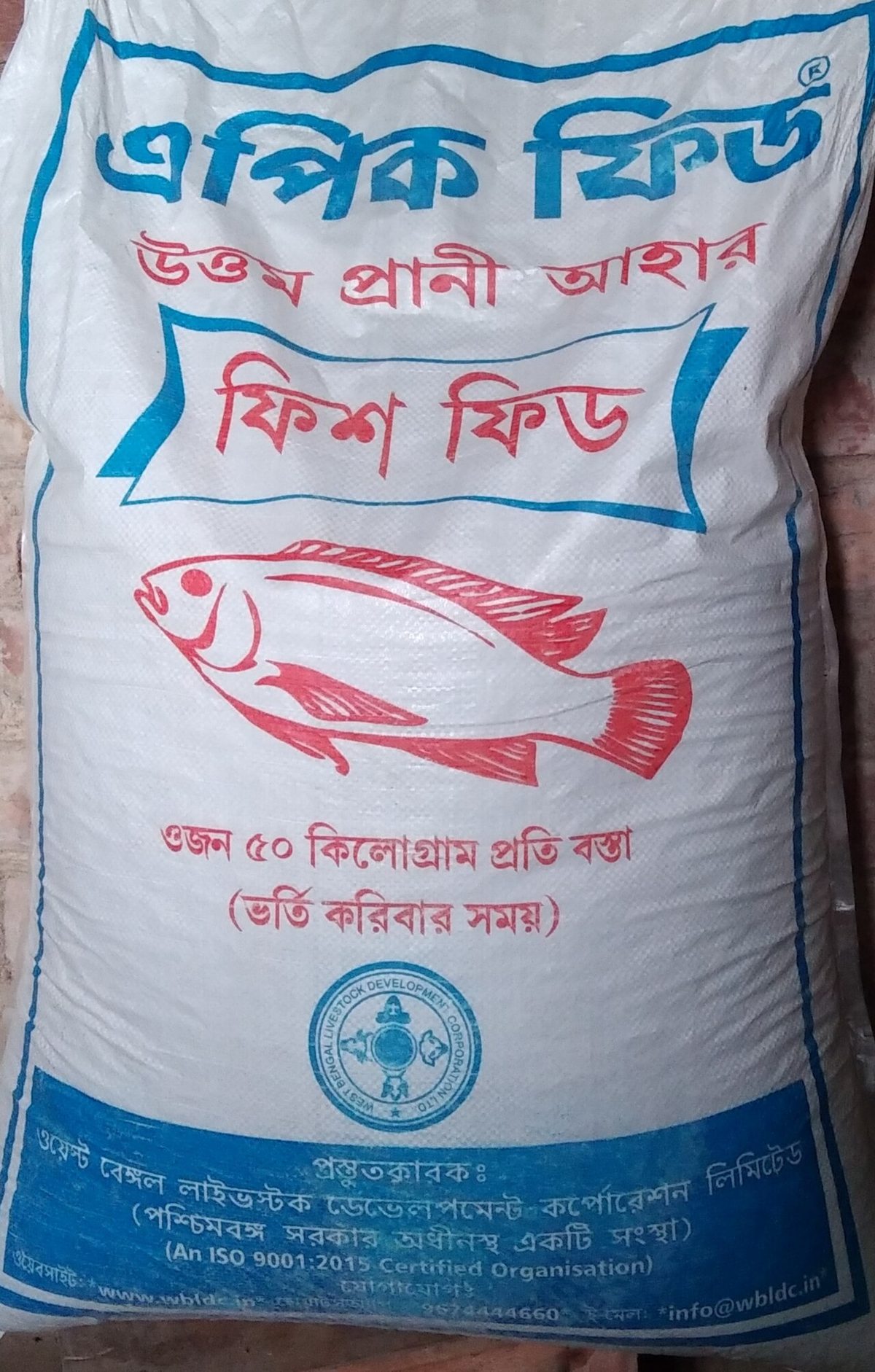
Running a livestock farm in Macau means making every dollar count. Land here is limited, the climate is hot and humid, and your animals depend entirely on what you put in front of them. Getting your feed right isn't just about keeping animals alive — it is about staying in business.
The good news is that with a few solid principles, you can feed your livestock well without wasting money. This guide walks you through what the science says about feed formulation and nutrition for the animals you are likely raising.
Understanding Your Animals' Nutritional Needs
Not all livestock eat the same way, and using the wrong feed for the wrong animal is one of the costliest mistakes a farmer can make. Knowing the basics of what each species needs will help you buy smart and avoid waste.
Poultry: Grain, protein, and minerals
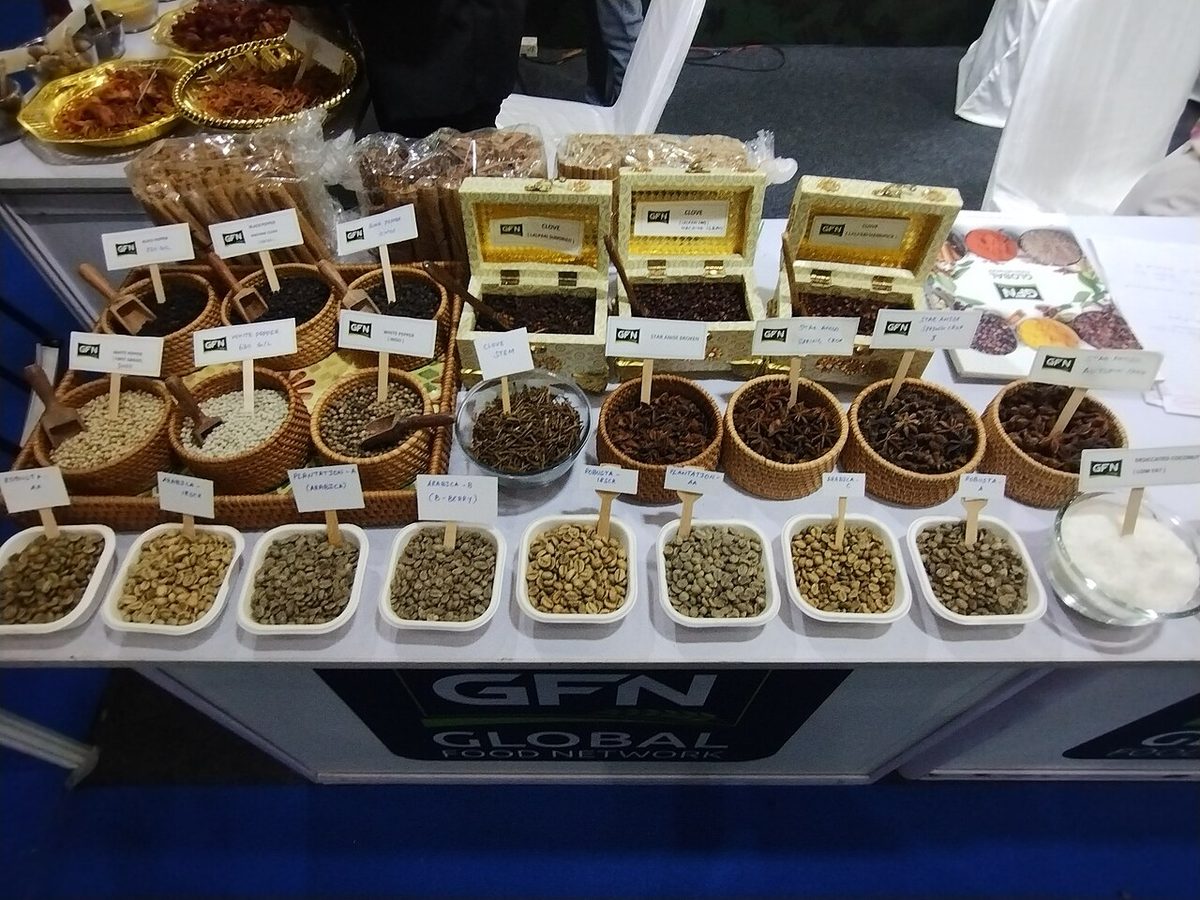
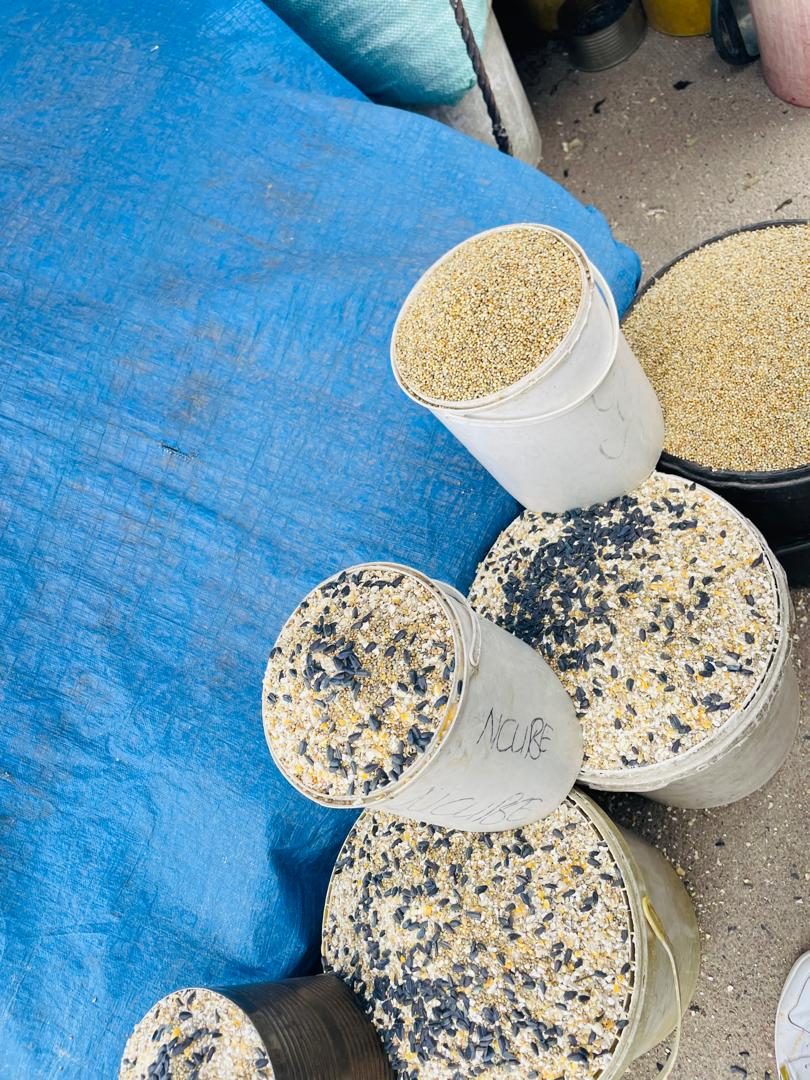
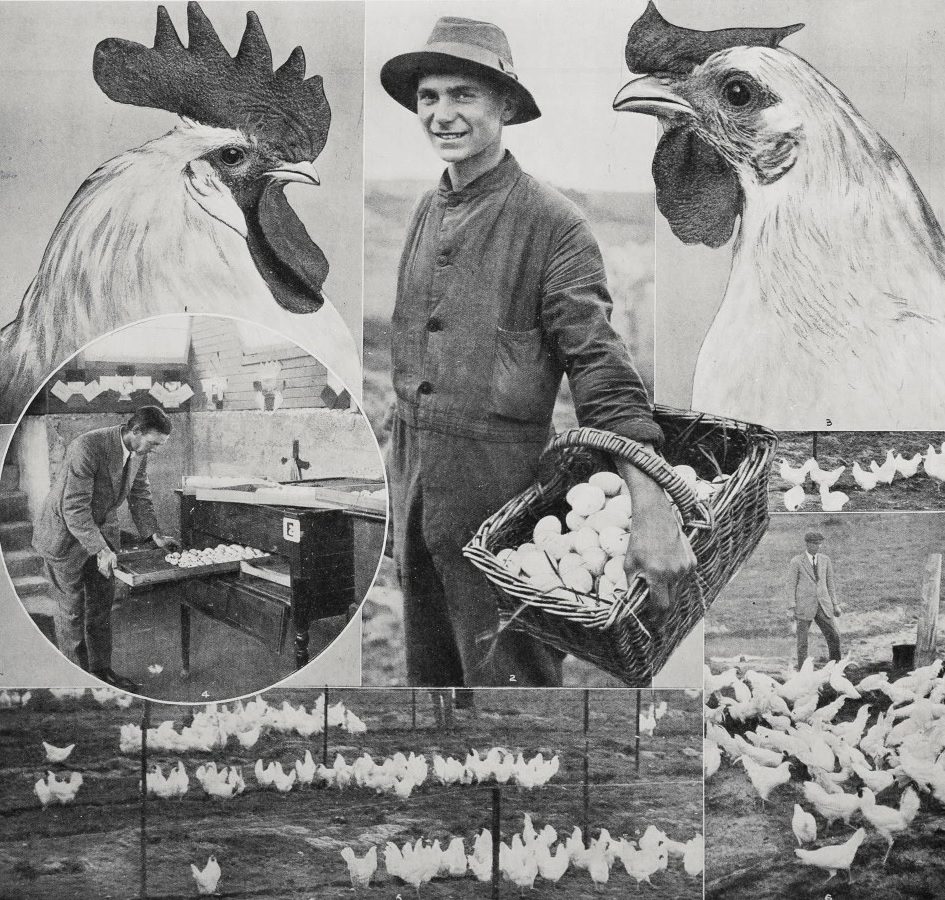
Modern poultry feed consists largely of grain, protein supplements such as soybean oil meal, mineral supplements, and vitamin supplements. That combination covers the core nutrients your birds need. But the exact quantities depend on several things: the weight and age of your poultry, their growth rate, egg production rate, the weather, and what nutrition they find while foraging. There is no one-size-fits-all ration — you need to adjust as conditions change.
For egg-laying hens, calcium deserves special attention. Hens require 4 grams per day of calcium, of which 2 grams are used in the egg itself. Oyster shells are often used as a dietary calcium source, and calcium iodate can serve as an iodine supplement in certain diets. If your hens are laying well but producing soft-shelled eggs, calcium is the first thing to check.
If you are mixing your own feed rather than buying commercial, you will also need to provide grit — tiny rocks such as pieces of granite — which aids digestion by grinding food in the gizzard. Grit is not needed if you are feeding a commercial complete ration. Also, scratch grain is not a complete ration and should be used only to supplement a balanced diet, not replace it.
Swine: Carbohydrates, protein, and stage of growth
Feed makes up approximately 60% to 80% of the total cost of producing hogs. That makes swine nutrition not just an animal health issue but a business one. A good swine ration is built on a ground cereal grain as a carbohydrate source and soybean meal as a protein source, with minerals like calcium and phosphorus added, plus vitamins. The feed can also be fortified with byproducts of milk, meat by-products, cereal grains, and specialty products.
One important point: the nutrient requirements change as pigs grow. Formulating a swine ration means thinking about what nutrients your animals need at each growth stage — not just filling their stomachs. Manufactured feeds must provide nutrients required for healthy growth, not just satiety.
Ruminants and other livestock
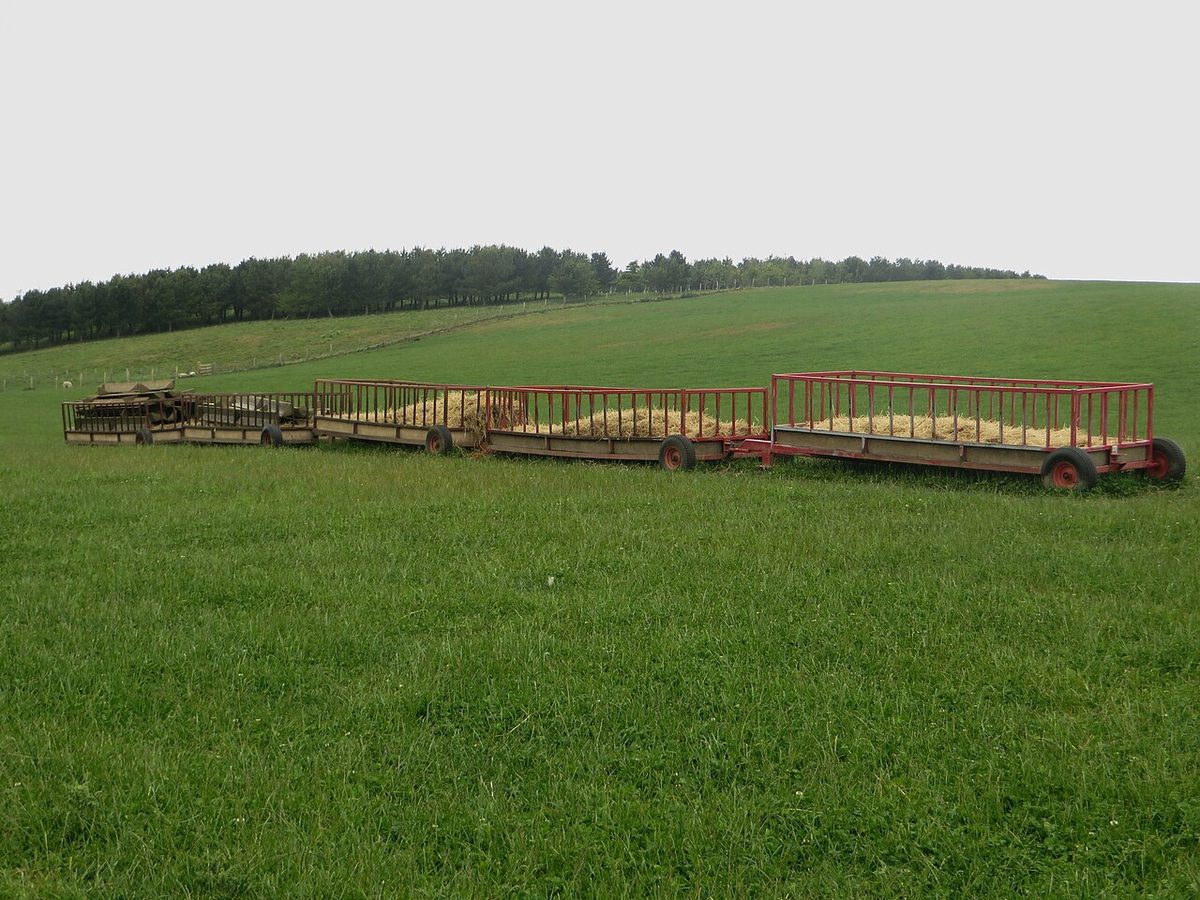
If you keep goats, cattle, or other ruminant animals, their diets look quite different. Ruminants are fed a diet consisting mainly of roughages — grass pastures, hay, silage, root crops, straw, and stover. Concentrates, which are high in energy and mainly made from cereal grains and byproducts or high-protein oil meals, are used for poultry, swine, and fish. Livestock in a feedlot may be fed energy feeds from grains as part of a total mixed ration, but roughage remains the foundation for most grazing animals.
Horns deserve a mention here too. Horns are useful for thermoregulation and help cool the animal, particularly in hot climates, due to blood vessels in the horn. Horns are almost always kept on pack goats and work oxen for this reason. If you are working animals in Macau's heat, keeping horns is a practical choice.
Managing Feed Costs Without Cutting Corners
Whether you are raising poultry or swine, feed is your biggest expense. Finding ways to reduce that cost while keeping nutrition on target is one of the most valuable skills you can develop.
Poultry feed costs and industrial approaches
For commercial poultry farming, feed serves as the largest cost of the operation. Industrial agriculture operations use machinery to automate feeding to reduce cost and increase scale. On a smaller Macau farm, you may not have access to that level of automation, but the principle still applies: reducing waste in your feeding system directly protects your bottom line. Keeping feeders clean and properly maintained so birds are not scratching feed out or eating contaminated material is one of the simplest things you can do.
Swine feed costs and ingredient substitution
Since feed accounts for such a large share of hog production costs, substituting less expensive local ingredients is worth exploring — but it needs to be done carefully. Substitution of less expensive local ingredients introduces additional formulation variations, so you need to understand the nutritional profile of whatever you are adding.
One option that has been studied extensively is distillers dried grains with solubles, or DDGS. DDGS are rich in energy and protein and have been used in place of corn and soybean meal in livestock and poultry feeds. A 2007 study showed many producers include 20% DDGS in swine diets, and inclusion rates of up to 35% have been used in nursery pig and finishing pig diets. Corn DDGS contains approximately the same digestible energy and metabolizable energy as corn, so replacing corn with DDGS can lower costs without sacrificing energy intake.
If you can source DDGS or similar byproducts at a reasonable price, replacing part of your grain and soybean meal with these ingredients is one of the most practical ways to bring down your feed bill. Some farmers do this routinely, while others prefer to stick with traditional ingredients — both approaches can work if the nutrition is right.
Storing and Handling Feed Safely
Macau's hot, humid subtropical climate creates ideal conditions for one of the most damaging problems in livestock feeding: fungal growth in stored feed. Getting your storage right is not optional — it is essential to animal health and farm profitability.
The mycotoxin risk
Damp feed encourages fungal growth, and feed must remain clean and dry. Contaminated feed can infect poultry. Mycotoxin poisoning is described as one of the most common and most under-reported causes of toxicoses in poultry. That last part — "most under-reported" — is worth paying attention to. You may lose birds and not even realize the cause is in your feed bin.
Diseases can be avoided with proper maintenance of the feed and feeder. Keep feed in a dry, well-ventilated area. Check bins regularly for moisture, and never feed anything that smells off or looks mouldy. In Macau's humidity, this means being extra vigilant during the rainy season.
Commercial solutions for mycotoxin prevention
If you are concerned about mycotoxins in your feed supply, commercial mycotoxin-detoxifying agents are available. Biomin produces mycotoxin-detoxifying agents and is the first and only feed additive company to obtain EU authorization for substances with proven mycotoxin counteracting properties. Its product Mycofix is a mycotoxin deactivation product. Biomin's PoultryStar probiotic also received EU authorization in 2013, and the company collaborates with over 150 academic and research institutions worldwide. While these products are developed under international frameworks, they represent the kind of commercially available tools you can discuss with your feed supplier.
Practical Tips for Every Macau Farmer
Beyond the science, there are everyday habits that make a real difference on your farm.
Match your feed type to your animal species. Use roughages for ruminants and concentrates for poultry, swine, and fish. This basic rule keeps animals healthy and prevents you from overspending on expensive concentrates that your grazing animals do not need.
Adjust rations for the weather. The quantity of feed and nutritional requirements depend on poultry weight, age, growth rate, egg production rate, weather — and cold or wet weather causes higher energy expenditure. In Macau's heat, watch for heat stress and adjust accordingly. Animals eat less in extreme heat, but they still need the same nutrients.
Monitor what your animals are getting from foraging. If your poultry have access to pasture or free-range areas, the nutrition they obtain from foraging will affect how much commercial feed they need. This can help you reduce feed costs without compromising health, especially when you account for local conditions that affect pasture quality.
Think about commercial feed quality standards. Commercial feed manufacturing should follow HACCP procedures. The FDA defines HACCP as a management system addressing food safety through analysis and control of biological, chemical, and physical hazards from raw material production through manufacturing, distribution, and consumption. Animal feeds must be unadulterated, wholesome, prepared under good sanitary conditions, and truthfully labeled. When you buy commercial feed, you have the right to expect it meets basic safety standards. State and federal codes state commercial feeds should not be adulterated.
Looking at the Bigger Picture
Macau has limited agricultural land, and intensive or small-scale farming systems are the normal reality here. That means every animal you raise needs to be productive, and every dollar you spend on feed needs to earn its keep. The principles in this article — right feed for the right species, safe storage, smart ingredient substitution, and attention to nutritional detail — are your toolkit for making that happen.
None of the sources cover Macau-specific regulations, local ingredient costs, or breed recommendations for this region. Availability, pricing, and sourcing of feed ingredients within Macau or from mainland China will depend on your local situation. Similarly, Macau SAR regulations governing animal feed manufacturing, labeling, and sale are not covered here. The best next step is to connect with a nearby veterinarian, an experienced local feed dealer, or the relevant agricultural office — they can help you tailor these general principles to your specific farm, your animals, and your budget.
 Menu
Menu
💬 Comments
Login to comment
No comments yet. Be the first to share your experience!