You saw a horse advertised in Pakistan. Maybe it was a Marwari with those curled-in ear tips, or a snow-white Nukra, and you thought: could I actually buy that and stand it in my own barn? It is a fair question, and it deserves an honest answer rather than a sales pitch. The short version is that the buying part is easier than the getting-it-home part, and the getting-it-home part is where most of your homework lies.
This guide walks you through what the Pakistani horse market actually looks like from the outside, how to check a horse you cannot touch, how the money side works, and — just as importantly — the questions you will have to take to a vet or a government office because nobody online is going to answer them for you.
What the Pakistani Horse Market Looks Like From Here
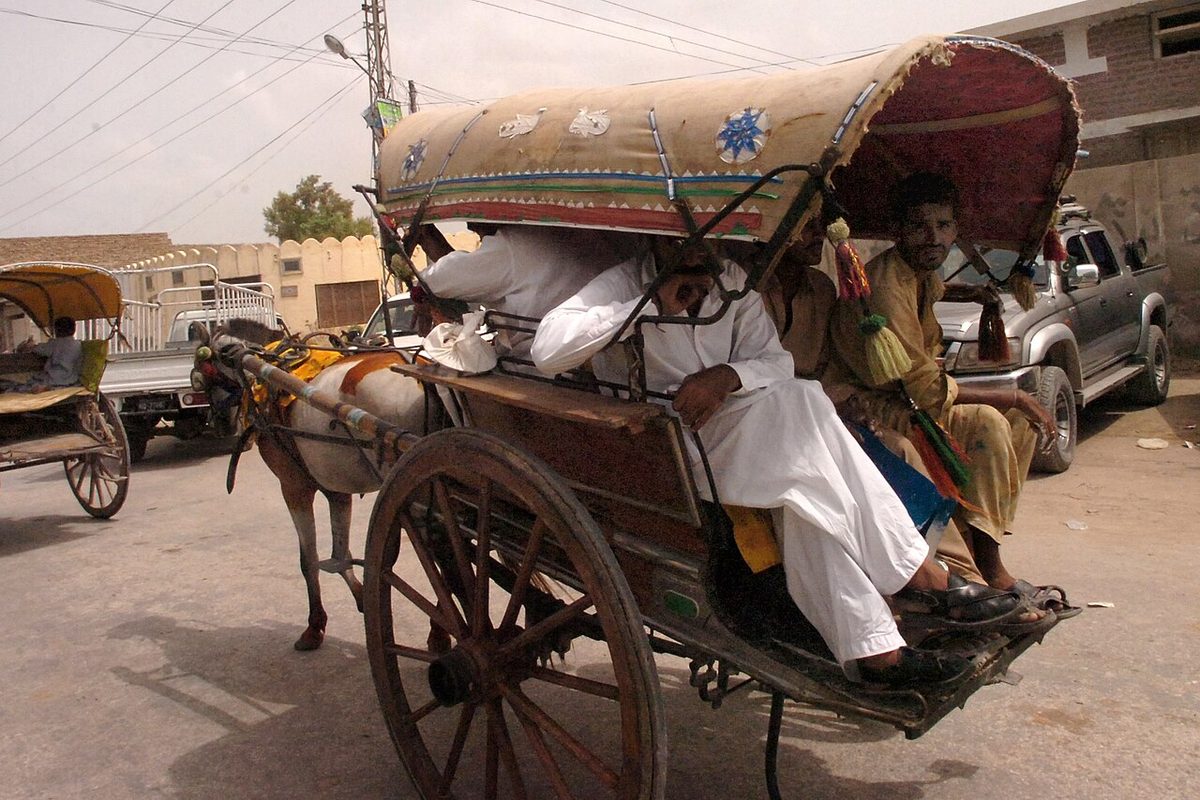
Pakistan has several online horse marketplaces, and they are lively. Sellers post free on most of them, with paid plans available if they want more exposure. On one platform, signing up as a seller takes under a minute and needs no credit card. The seller flow is simple: register, fill in the details, upload photos, wait for the listing to be reviewed, then field enquiries directly.
A few things about these platforms will feel different to a US buyer used to sport horse sales sites.
Horses share the site with the rest of the farm
On at least one of these marketplaces, horses are listed right alongside Qurbani animals — goat, bakra, bull, sheep, dumba, cow, camel and buffalo — plus birds like hens, parrots, pigeons, finches, ducks, doves and peacocks. The platform positions itself as carrying more animals than a physical Animal Mandi, and mentions discounted sale prices. So you are often shopping in a general livestock trading space, not a dedicated sport horse market. Adjust your expectations accordingly.
The market clusters around the big cities
Trading activity is named across Karachi, Lahore, Islamabad, Rawalpindi, Peshawar, Faisalabad, Multan, Quetta, Abbottabad, Gujranwala, Gujrat, Hyderabad and Gilgit. There are claims of regional taste, too: Thoroughbreds and Friesians around Lahore for racing and dressage, Sindhi and Akhal-Teke around Islamabad, and Baluchi and Nukra in Karachi for city and coastal conditions.
Some of it is not in English
At least one platform markets itself in Punjabi and Urdu — lines like "Nasl, khandaan te poori jaankari" and "Pakistan de ghore, ikko bharosemand thaan". That is a healthy sign of a real domestic market, but it also means you may be navigating parts of it in translation. Budget patience for that.
Everyone claims to be the biggest
You will run into competing claims. One site calls itself Pakistan's largest pet platform dedicated to buying and selling horses. Another titles itself Pakistan's #1 Horse Marketplace. A third calls itself the one trustworthy place for Pakistan's horses. A fourth describes itself as Pakistan's newest horse marketplace. These are all self-descriptions, with no independent figures behind any of them. Treat them as marketing and judge each platform on the listings you actually see.
The Breeds You Will Not Find at Home
This is the genuine draw. Pakistani listings include indigenous and regional breeds that simply are not part of the American landscape:
- Marwari — recognisable by its inward-turning ear tips, and known for loyalty and agility.
- Sindhi — adaptable and suited to Pakistan's harsh climates, used for riding and for agricultural work.
- Baluchi — from Baluchistan, valued for strength and endurance over long distances.
- Nukra — prized for its white or grey colour and graceful movement, a favourite for parades and ceremonial use.
- Unmol — described as rare and prestigious.
Imported breeds are in the mix as well: Akhal-Teke, Shire, Friesian, Thoroughbred and Arabian all appear as available in Pakistan.
One honest caution. Nothing in the market material tells you whether Marwari, Sindhi, Baluchi, Nukra or Unmol horses have any registry, studbook or breed association recognised in the United States. There is also no published information on soundness, conformation or performance records for these breeds, or on how they hold up in US disciplines and climates. If registration papers or a recognised pedigree matter to your plans — for competition, for resale, for breeding — find that out from a US breed authority before you fall in love with a photo. Do not assume it exists.
It is also worth noting that the Nukra's ceremonial and parade demand is a Pakistani market driver with no real US equivalent. A horse can be highly valued there for reasons that will not transfer to your local market.
Checking a Horse You Cannot Stand Next To
When you cannot fly out and put your hands on the animal, the veterinary inspection becomes your single most important tool. Trust is good; verification is better.
Use a vet who does not work for the seller
Always hire a veterinarian who is independent of the seller. That is the only way the report on health and soundness comes back unbiased. A friendly, confident seller is not a substitute for an independent exam.
Ask for X-rays in DICOM format
Request that all radiographs be sent to you digitally in DICOM format. That lets your own local vet open and review them properly, rather than squinting at a photo of a screen. Your vet's read matters more than anyone's summary of it.
Ask for unedited video
Ask to see unedited footage of the horse being caught, saddled and worked — and worked on both soft and hard surfaces. The word unedited is doing real work in that sentence. Hard ground shows you things a soft arena hides.
Know what platform "verification" does and does not mean
Pakistani platforms do add a layer. Listings are reviewed before they go live — on one platform, within 24 hours — and thousands of verified listings are advertised across every province. One site provides structured sire, dam and ancestry information, plus clear pricing, ownership checks and reporting tools. That is more structure than a classifieds board.
But none of these platforms explain what the review or the ownership check actually inspects, and none describe what recourse you have if a listing turns out to be false. So treat screening as a helpful filter, not a guarantee. Your independent vet and your own contract are still your real protection.
Judge the horse on the basics
- Age and health — these shape your care costs and how many good years you are buying.
- Temperament — it has to suit the skill level of whoever will actually ride the horse.
- Training level — anywhere from basic to advanced; ask which, and ask for proof on video.
Most platforms let you filter by breed, age, price and location, which makes narrowing the field quick. On at least one marketplace, sellers are asked to include photos, bloodline, health, training details and a preferred price — so a listing missing several of those is telling you something.
Money: Contract First, Deposit Second
This is where cross-border buying quietly costs people real money.
International bank transfers get complicated by fluctuating exchange rates and high bank fees. On a high-value sport horse, even a 1% shift in currency can mean thousands of dollars. Use a dedicated currency exchange service to lock in a rate rather than letting the transfer happen at whatever the market does that morning.
And the rule that matters most: never send a deposit without a legally binding sales contract signed by both parties.
Understand also how the Pakistani platforms work on the money side. Buyers connect with owners through a protected phone number or WhatsApp when they are ready. Then the two parties negotiate and finalise the deal their own way. There is no escrow, no platform-held payment, no dispute process — nothing sitting between your money and the seller. That makes the signed contract your only real safety net, so have it drawn up properly.
On price, be aware that there are no published price ranges to anchor to. You will be finding out what horses cost by talking to sellers and comparing live listings, and it varies by breed, city and season. Anyone quoting you a firm market figure is guessing.
Transport, Paperwork and the Part Nobody Advertises
Before a horse crosses an international border, the paperwork must be flawless. One missing document can mean costly border delays or quarantine problems.
What is clearly established for international horse trade:
- The original equine passport must travel with the horse.
- Vaccinations must be current and correctly recorded — Equine Influenza is specifically named.
- For trade outside the EU, including to the USA, customs declarations and specific blood tests such as the Coggins test are mandatory.
Now the honest part. Whether US authorities permit the import of horses from Pakistan, what protocol applies, which quarantine facility you would use, how long quarantine lasts, what Pakistan requires on its side, which office issues the export health certificate, and what air freight from Pakistan to the US costs — none of that is settled by anything you will read on a marketplace. Nor is the disease-testing picture that governs US equine import eligibility.
So do this before you spend a rupee: take the question to your own veterinarian and to the US federal animal import authorities, and get the answer in writing. If import from Pakistan is not permitted, or the protocol is impractical, you want to know that on day one, not after you have paid a deposit.
If the horse does travel
A long-haul journey is physically demanding, and your choice of transport company decides whether the horse arrives in competition-ready condition or arrives wrecked. Use professional equine shippers who specialise in international routes and who build in scheduled rest stops at approved stables. Note that no shipper is publicly named as flying the Pakistan-to-US route, so expect to do some calling.
On insurance, check one specific thing: that the policy covers transit risk from the moment the horse leaves the seller's yard until it reaches your stable. Gaps at either end of that journey are exactly where claims get denied.
If You Are the One Selling to a Buyer Abroad
The same market runs in reverse, and a few habits make a real difference:
- Write the listing in English. It is the universal language of equestrian trade.
- Invest in professional photos and video. International buyers rely 100% on media — they cannot walk your yard.
- Say outright that the horse is export-ready. Recent clean X-rays, or previous experience shipping abroad, lowers the barrier for a nervous overseas buyer.
- Fill the listing out completely — photos, bloodline, health, training and asking price. A basic listing is free on the Pakistani platforms, with premium plans if you want more exposure.
Where to Go From Here
Buying a horse in Pakistan is realistic as a shopping exercise. The listings are there, they are screened before publication, sellers answer on WhatsApp, and the breed variety is genuinely interesting. What is not settled is the road from a Pakistani yard to a US barn — the import permission, the disease testing, the quarantine, the flights, the cost. Those are your first phone calls, not your last.
A sensible order of work looks like this: confirm with your vet and the federal import authorities whether the move is even allowed and what it requires; then shop and shortlist; then commission an independent pre-purchase exam with DICOM X-rays and unedited working video; then get a signed contract; then lock your exchange rate and pay; then book a specialist international equine shipper with transit-risk insurance from yard to stable.
If you also want to learn the market before you buy into it, there is educational material out there — expert videos on horse health, training and breeds from Malik Cattle Farm Bahawalpur, and at least one marketplace promotes local competitions, auctions and training clinics through its events section. Watching a market for a few months is cheap. Rushing it is not.
 Menu
Menu
💬 Comments
Login to comment
No comments yet. Be the first to share your experience!