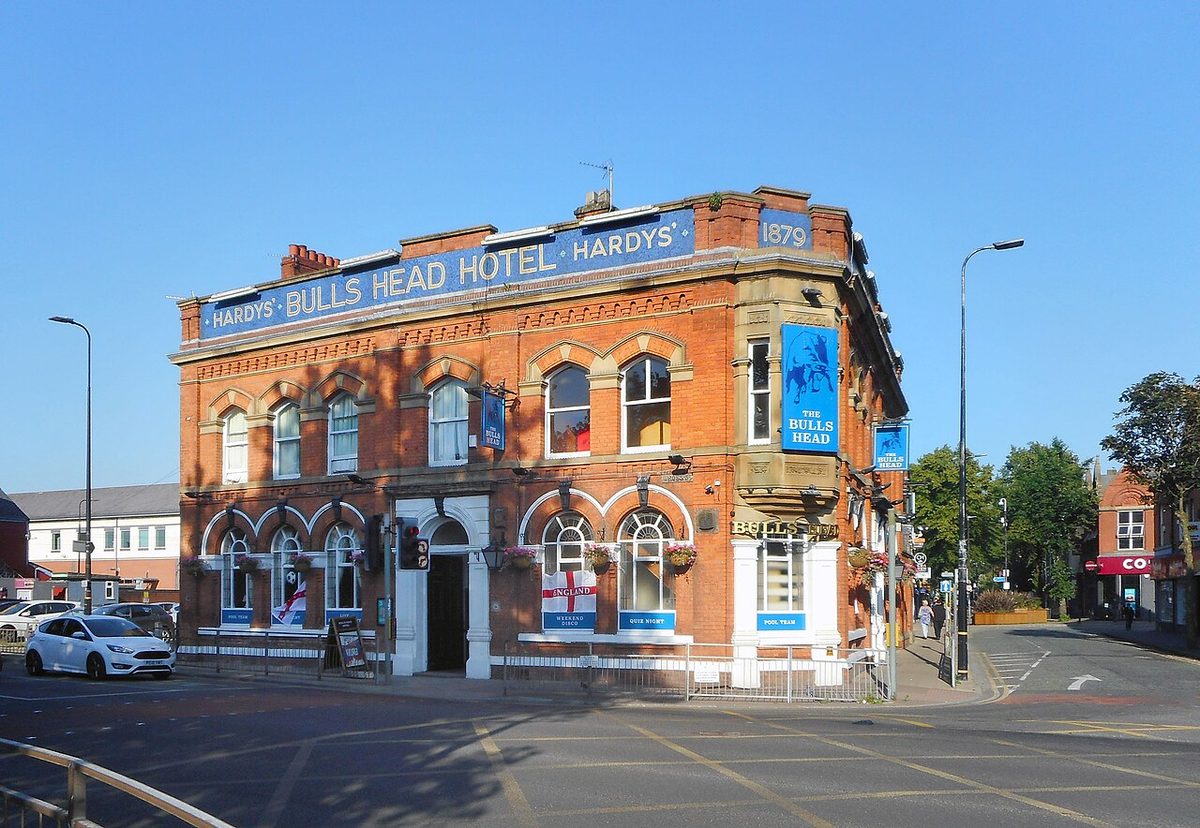
You typed "bull for sale in Ghana" into a search box, and now you are sitting in the United States trying to work out whether that makes any sense for your herd. It is a fair question to ask. A breeding bull is one of the biggest single decisions you make in a beef or dairy operation. He shapes every calf on the place for years. So it is natural to wonder whether looking further afield gets you a better animal or a better deal.
Here is the honest starting point: there is no reliable price, market or availability information here for bulls in Ghana. No cedi figures, no named markets, no sellers. Anything you read that gives you a confident number for a Ghanaian bull should be treated with suspicion until you can check it with someone on the ground. The same goes for whether live cattle can be brought into the United States from any particular country. That is a question for your veterinarian and the animal health office that handles livestock imports in your state — not for a blog post.
What this post can do is far more useful anyway. It can walk you through what to actually check on a bull before money changes hands, wherever he is standing. Those checks do not change with the country.
First, be sure you know what you are looking at
The words get muddled all the time, and muddled words cost money at a sale.
- Bull — an intact adult male. Not castrated.
- Cow — the female counterpart.
- Steer, ox or bullock — all mean a castrated male. Which word people use varies a lot by area and dialect.
- Stag, rig or ridgling — a coarse steer, the result of improper or late castration. Stag is the usual term in Australia, Canada and New Zealand.
- Micky — an Australian term for a wild, young, unmarked bull.
Horns tell you nothing about sex
Plenty of people still believe bulls have horns and cows do not. That is simply wrong. Whether an animal has horns depends on the breed, and in horned breeds it depends on whether the horns were disbudded. Cattle that naturally have no horns are called polled, or muleys.
In horned cattle there is a difference in shape. A bull's horns tend to be thicker and somewhat shorter than a cow's, and in many breeds they curve outwards in a flat arc rather than sweeping upwards in a lyre shape. But shape is a hint, not proof.
Read the body instead
A bull is built differently, and once you have seen it you cannot unsee it. Look for:
- Much heavier muscling than a cow
- Thicker bones and larger feet
- A very muscular neck
- A large bony head with protective ridges over the eyes
- Often a hump over the shoulder, and a mane of curlier, woolly hair on the neck and head
Bulls are usually about the same height as cows, or a little taller. The difference is mass, not height. An adult bull may weigh between 500 and 1,000 kg (1,100 and 2,200 lb). Castrated males, on the other hand, look much more like females in build and horn shape — and if one is allowed to reach full maturity, he can end up considerably taller than either a bull or a cow, with heavily muscled shoulders and neck.
Check fertility before anything else
A handsome bull that cannot settle cows is an expensive lawn ornament. Bulls become fertile at around seven months of age, and fertility is closely tied to testicle size.
That gives you one simple test you can do at the sale yard: measure the circumference of the scrotum.
- A young bull is likely to be fertile once that measurement reaches 28 centimetres (11 in).
- A fully adult bull may exceed 40 centimetres (16 in).
Take the tape with you. It costs nothing and it is the quickest confidence check you have.
Be aware, too, that bulls are occasionally affected by a condition known as corkscrew penis, which is one more reason to have a vet look at any bull you are serious about. A full breeding soundness workup goes well beyond a tape measure, and what is included, what it costs and how it is booked varies from practice to practice. Ask a vet near you what they normally check and what they charge.
Frame score, weight and the sale catalogue
If you are buying through a sale with a printed or online catalogue, you will see numbers next to each lot. The one worth understanding is frame score.
Frame score describes the skeletal size of a bull. It is worked out from hip height and age. Its job is to predict mature size, and it is used as an aid in selecting beef bulls — useful, because a bull's frame follows his calves into your herd.
Catalogues frequently list frame score alongside weight and other performance data such as estimated breed value. Those breed value figures are a language of their own, and if you have not been taught to read them, do not guess. Ask the seller, the sale staff or your breed association to walk you through what each column means for the specific bull in front of you.
Take the danger seriously — this is the part people skip
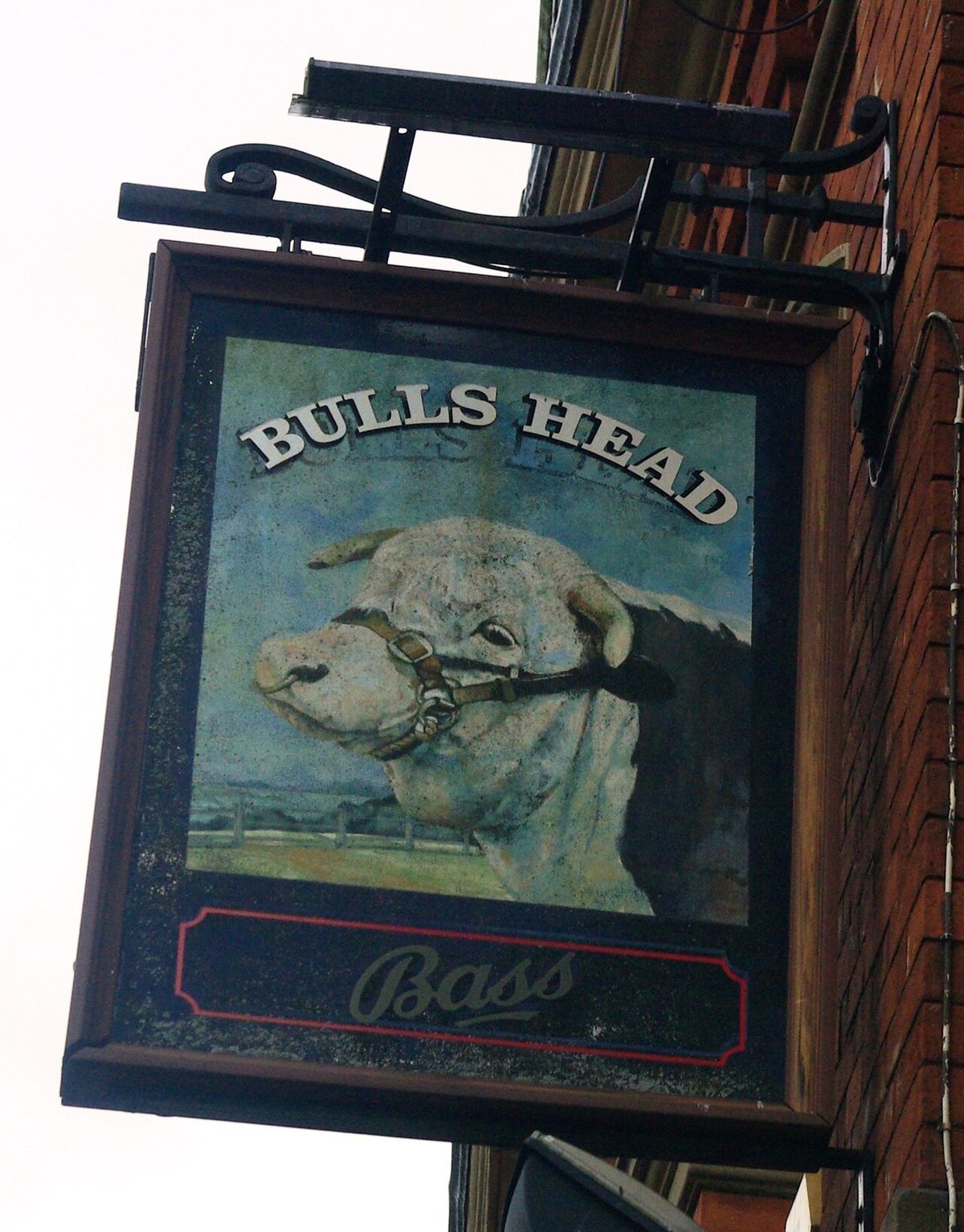
Most bulls are capable of aggressive behaviour, and they need careful handling to protect both people and other animals. This is not scaremongering. Bull attacks are estimated to account for 42% of all livestock-related deaths in Canada. That figure is Canadian, and no date is attached to it, so treat it as a rough indication of scale rather than a current national statistic. Closer to home, bull handling is named as a significant cause of injury and death for dairy farmers in some parts of the United States.
Which bulls are riskiest
- Dairy breed bulls are singled out as particularly dangerous and unpredictable.
- Beef breeds are described as somewhat less aggressive — with the clear exception of fighting types such as the Spanish Fighting Bull and related animals, whose aggression has been deliberately encouraged by selective breeding.
The moment to watch
The single most dangerous job named is moving a bull in and out of his pen to cover cows. Being trampled, jammed against a wall or gored is among the most frequent causes of death. If you are going to keep a bull, think hard about that one routine task before you buy him, not after.
Good pens, gates and escape routes matter enormously here, but the right standards for your setup depend on your buildings, your ground and your local rules. Talk it through with someone who has seen your yard in person.
And forget the red cape story
The idea that the colour red enrages a bull is a misconception. Like most mammals, cattle are red–green colour blind. In bullfighting it is the movement of the cape, not its colour, that provokes the charge. Practically speaking: it is not what you are wearing that gets you hurt, it is sudden movement and being in the wrong place.
Bull beef or steers? A real trade-off
Other than the few bulls kept for breeding, the vast majority of male cattle are castrated and slaughtered for meat before three years of age. The usual exceptions are work oxen used for haulage, and guard animals.
Most beef males are castrated as calves, for two plain reasons: it cuts aggressive behaviour, and it prevents unwanted mating. But some are reared uncastrated as bull beef, and there is a genuine advantage in doing so:
- A bull is typically ready for slaughter one or two months sooner than a castrated male or a female.
- He produces proportionately more muscle, and leaner muscle.
Against that, you are handling intact males for the whole feeding period. Some farmers take the faster finish and the leaner carcass; others decide the handling risk and the unwanted-mating problem are not worth it and castrate early. If you do castrate, do it properly and on time — improper or late castration produces a coarse steer.
The money side: what the numbers actually show
This is where a lot of buyers hope for a tidy answer, and it is worth being straight with you. There is no per-head price here for a live breeding bull, in the United States or anywhere else. Bull prices move with bloodline, age, condition, season and who else is bidding that day. Ring two or three dealers or sale barns near you and ask what comparable bulls have been making lately.
What we do hold is output pricing for the United States — 254 price rows in total, drawn from FAOSTAT feeds, with sample and manually entered rows excluded, all in USD per tonne. For cattle:
- Cattle meat: 49 rows, from USD2425 per tonne to USD4387 per tonne, averaging USD3448 per tonne. Most recent observation 2025-01-31.
- Cow milk: 38 rows, from USD381 per tonne to USD600 per tonne, averaging USD499 per tonne. Most recent observation 2025-01-31.
That gap is worth sitting with. Per tonne, beef averages USD3448 against USD499 for milk. It does not mean beef is the better business — milk comes off a cow again and again while beef comes once — but it does tell you the two products live in completely different price worlds, and your bull choice should follow whichever one you are selling into.
If you are still weighing up which enterprise deserves your money at all, the same United States set prices the alternatives:
- Chicken meat: 49 rows, USD919 to USD2357, average USD1581 per tonne
- Hen eggs: 38 rows, USD1374 to USD8789, average USD3363 per tonne
- Turkey meat: 38 rows, USD1038 to USD2800, average USD1860 per tonne
- Pig meat: 38 rows, USD1107 to USD1892, average USD1451 per tonne
- Honey: 4 rows, USD5600 to USD6636, average USD5947 per tonne, most recent 2024-12-31
All the rest are most recent as of 2025-01-31.
So, should you look at bulls in Ghana?
Nobody can answer that from a screen in another country. Bringing a live animal across borders raises questions about permits, health certificates, testing, quarantine and freight — and every one of those answers depends on current rules and on the specific countries involved. Which breeds would even suit your climate and your system is another local question entirely. Get those answers from your own vet and your import authority before you get attached to a particular animal.
What you can carry into any purchase, near or far, is a short checklist. Confirm the animal really is an intact bull by his build, not his horns. Put a tape around the scrotum and hold him to 28 centimetres (11 in) as a young bull, or over 40 centimetres (16 in) as an adult. Look at frame score next to weight, and make someone explain the breed value figures. Decide honestly whether you can move him safely between pen and cows, every time, for years. Then check what comparable bulls are making locally before you bid.
Do those five things and you are buying with your eyes open — which is more than most people manage.
 Menu
Menu
💬 Comments
Login to comment
No comments yet. Be the first to share your experience!