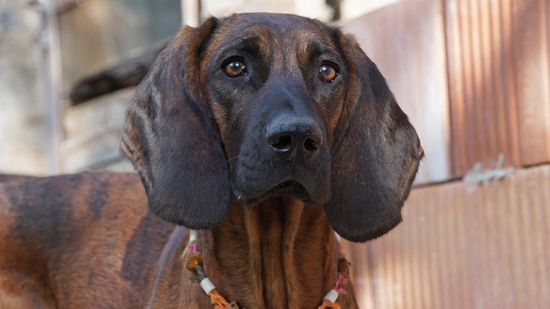
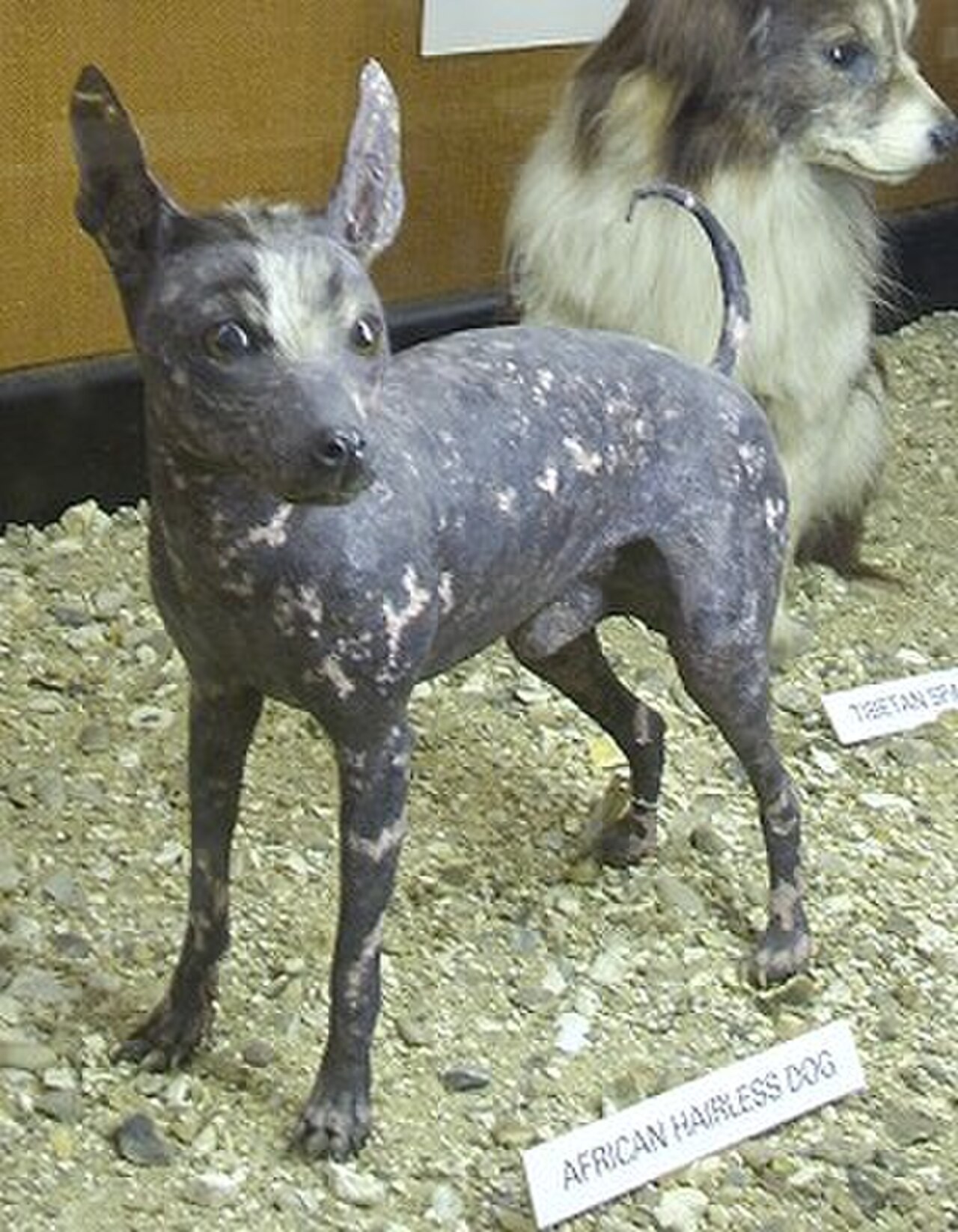
 Abyssinian sand terrier
African hairless dogs, also known as Abyssinian sand terriers and African sand dogs among many other names, were hairless dogs from Africa.
Abyssinian sand terrier
African hairless dogs, also known as Abyssinian sand terriers and African sand dogs among many other names, were hairless dogs from Africa.
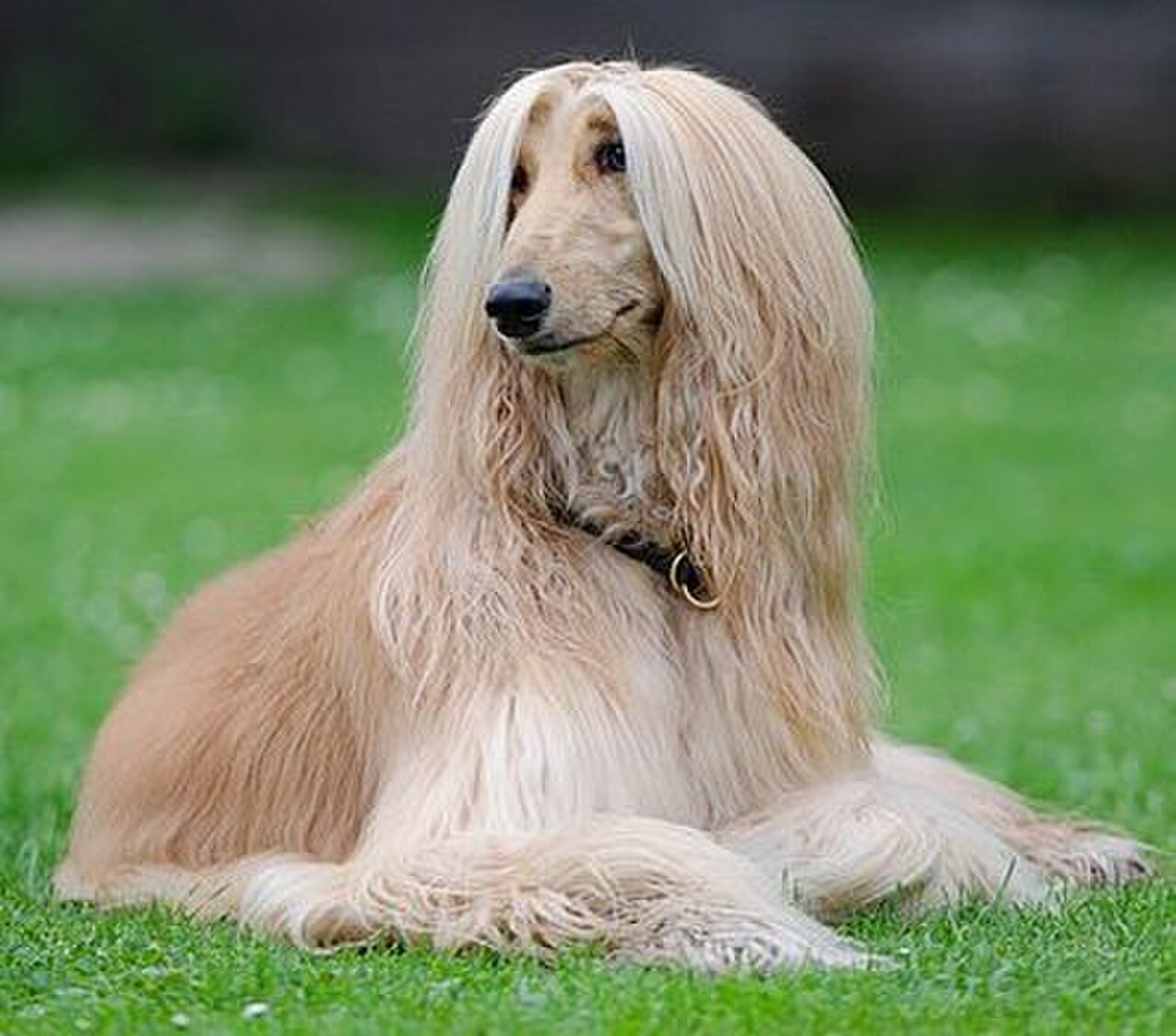 Afghan Hound
The Afghan Hound (Pashto: تاژي سپی Tāžī Spay Dari: سگ تازی Sag-e Tāzī ) is a hound distinguished by its thick, fine, silky coat, and a tail with a ring curl at the end.
Afghan Hound
The Afghan Hound (Pashto: تاژي سپی Tāžī Spay Dari: سگ تازی Sag-e Tāzī ) is a hound distinguished by its thick, fine, silky coat, and a tail with a ring curl at the end.
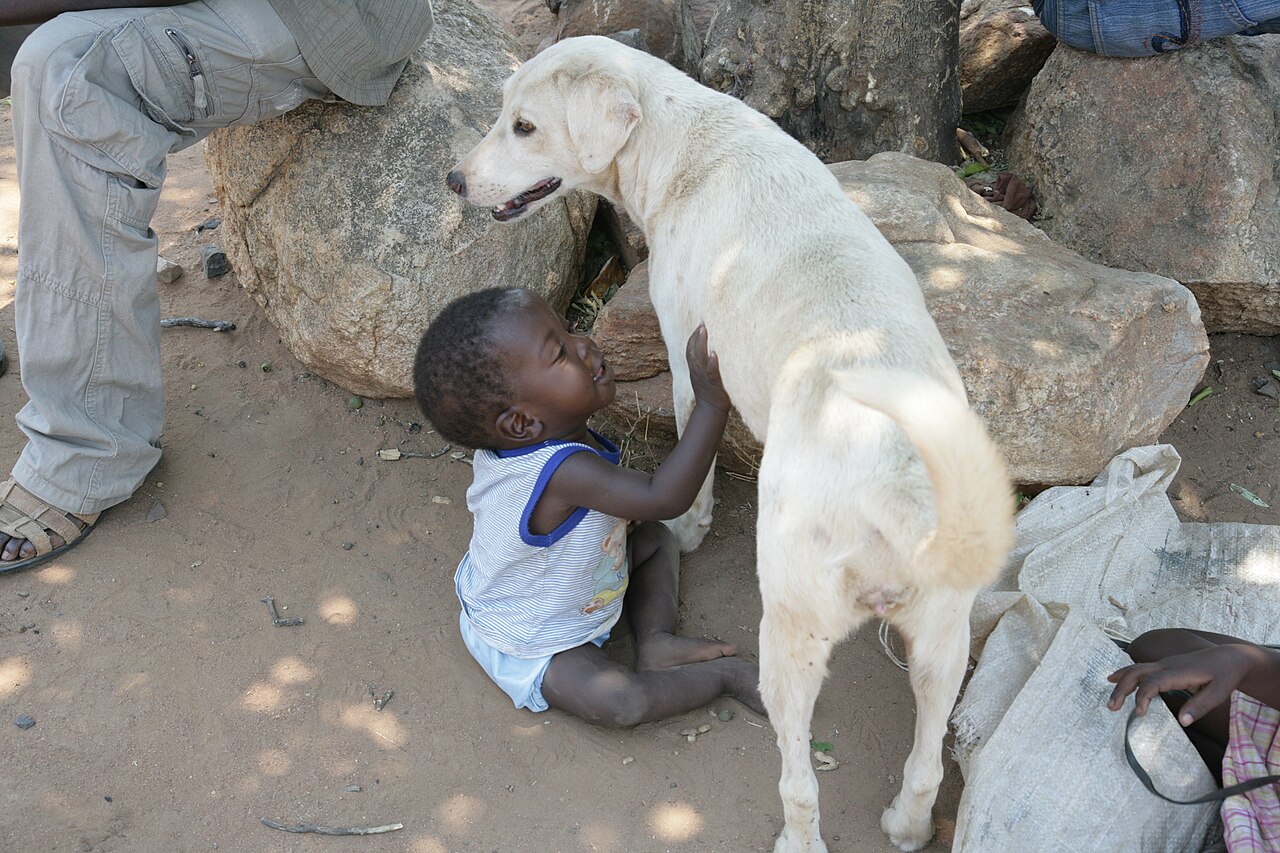 African village dog
s are a genetically diverse group of indigenous dogs found in Africa.
African village dog
African village dogs are a genetically diverse group of indigenous dogs found in Africa.
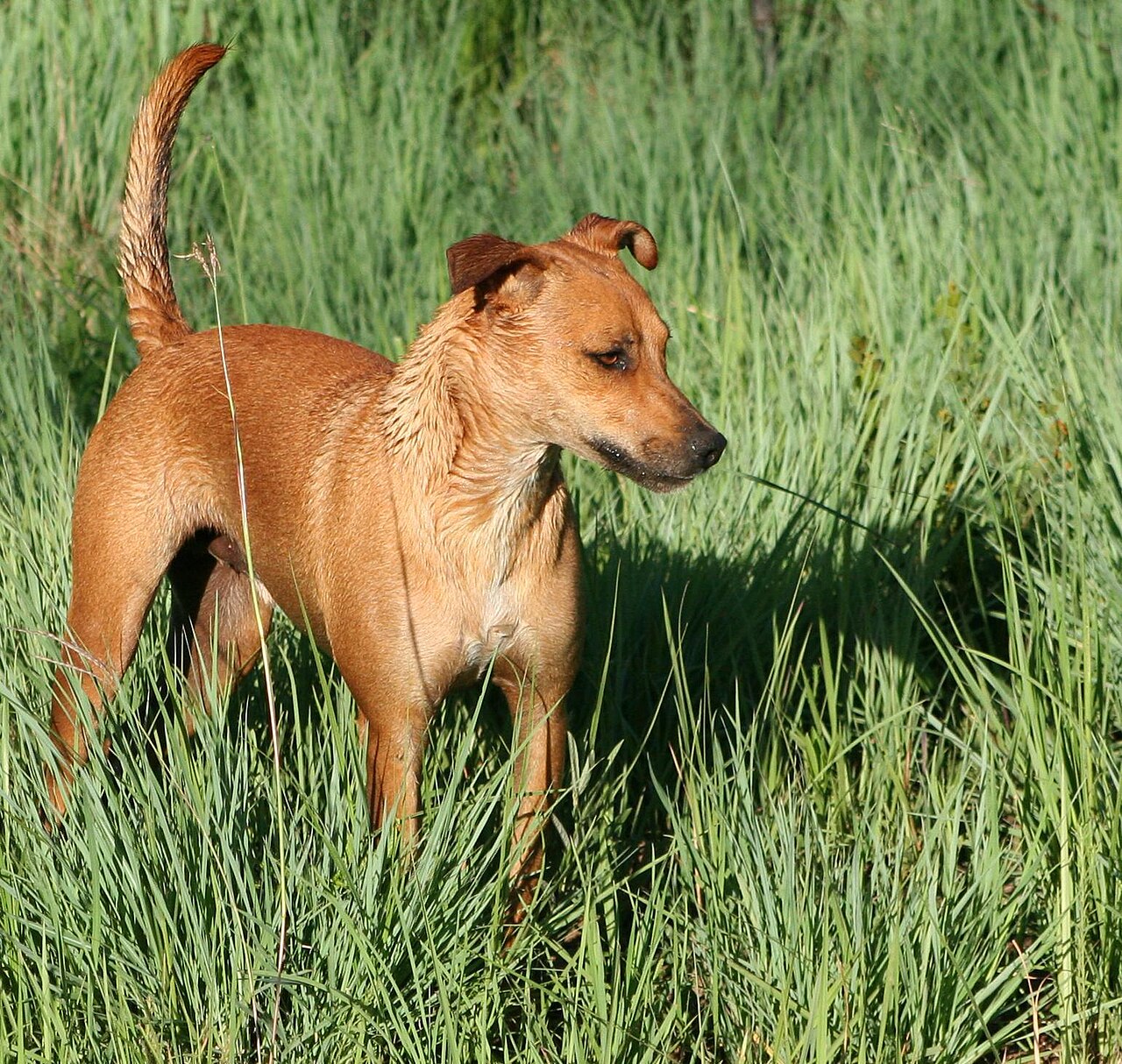 Africanis
The Africanis is a dog landrace found across southern Africa.
Africanis
The Africanis is a dog landrace found across southern Africa.
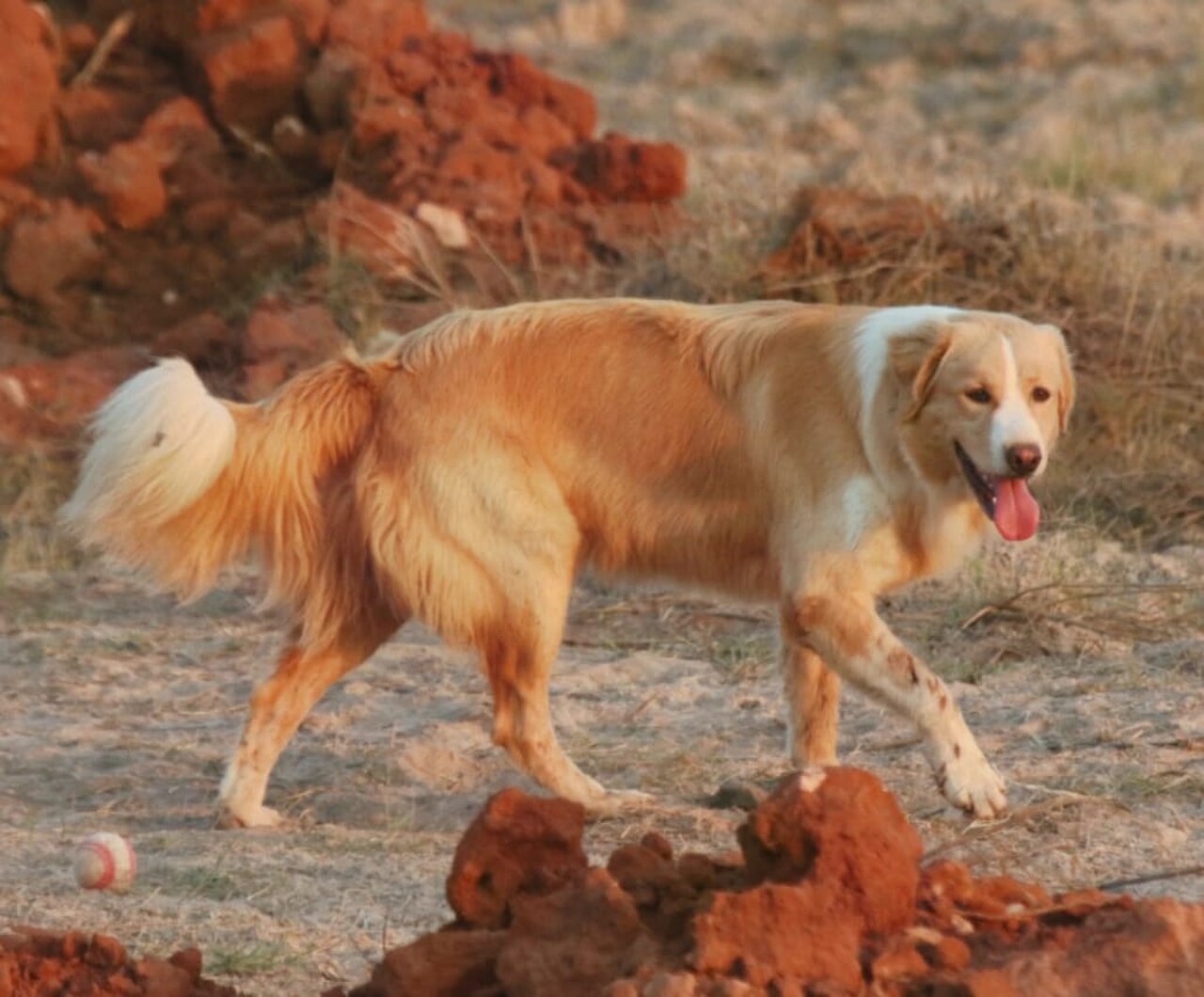 Aidi
The Aidi is a dog breed native to the Atlas Mountains of North Africa and is used as a livestock guardian, protecting herds of sheep and goats.
Aidi
The Aidi is a dog breed native to the Atlas Mountains of North Africa and is used as a livestock guardian, protecting herds of sheep and goats.
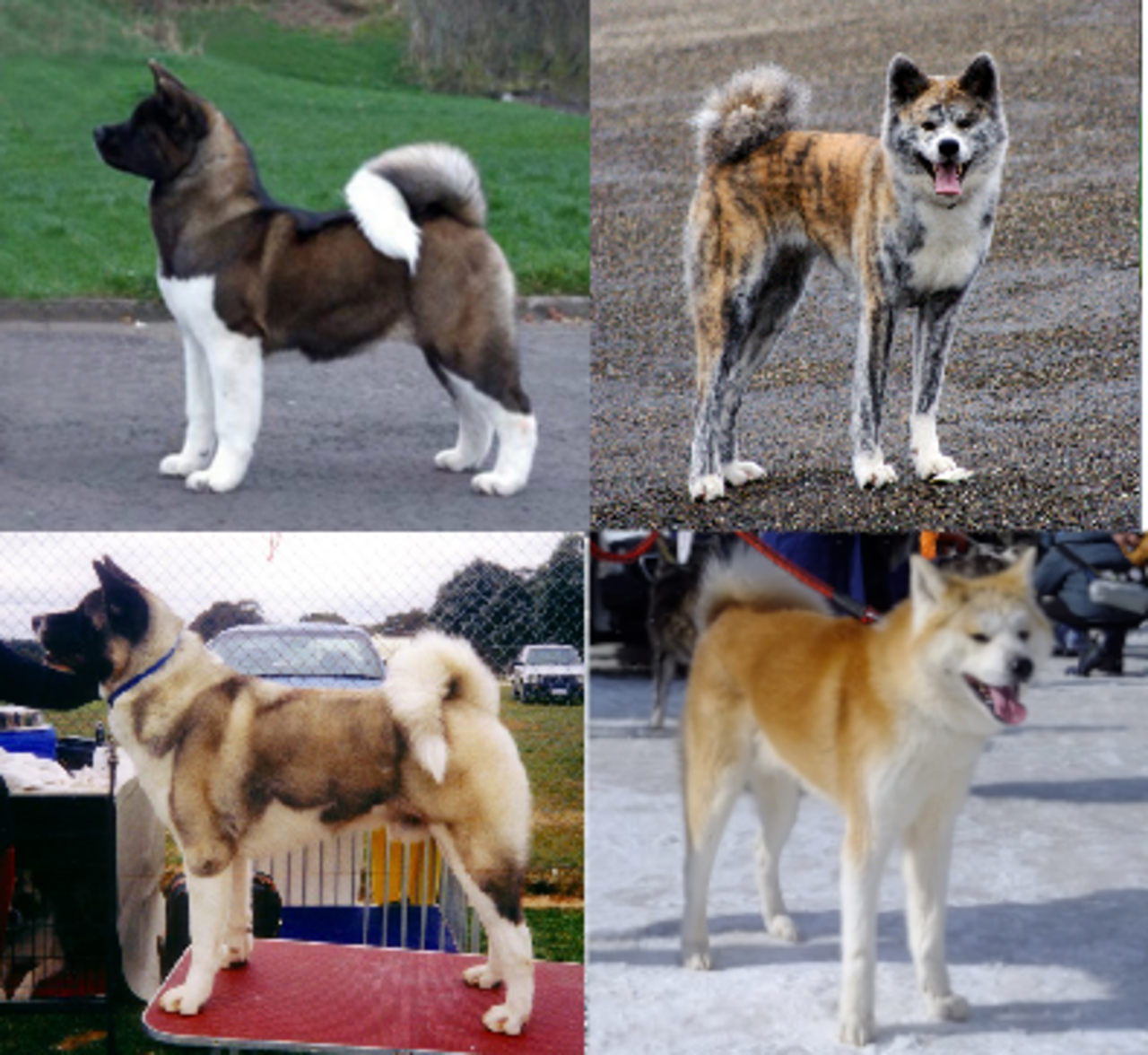 Akita
The Akita Inu (秋田犬, Akita Inu, Akita Ken; Japanese pronunciation: [a.kʲi̥.ta(ꜜ) i.nɯ, -ta.keɴ]) is a Japanese dog breed of large size.
Akita
The Akita Inu (秋田犬, Akita Inu, Akita Ken; Japanese pronunciation: [a.kʲi̥.ta(ꜜ) i.nɯ, -ta.keɴ]) is a Japanese dog breed of large size.
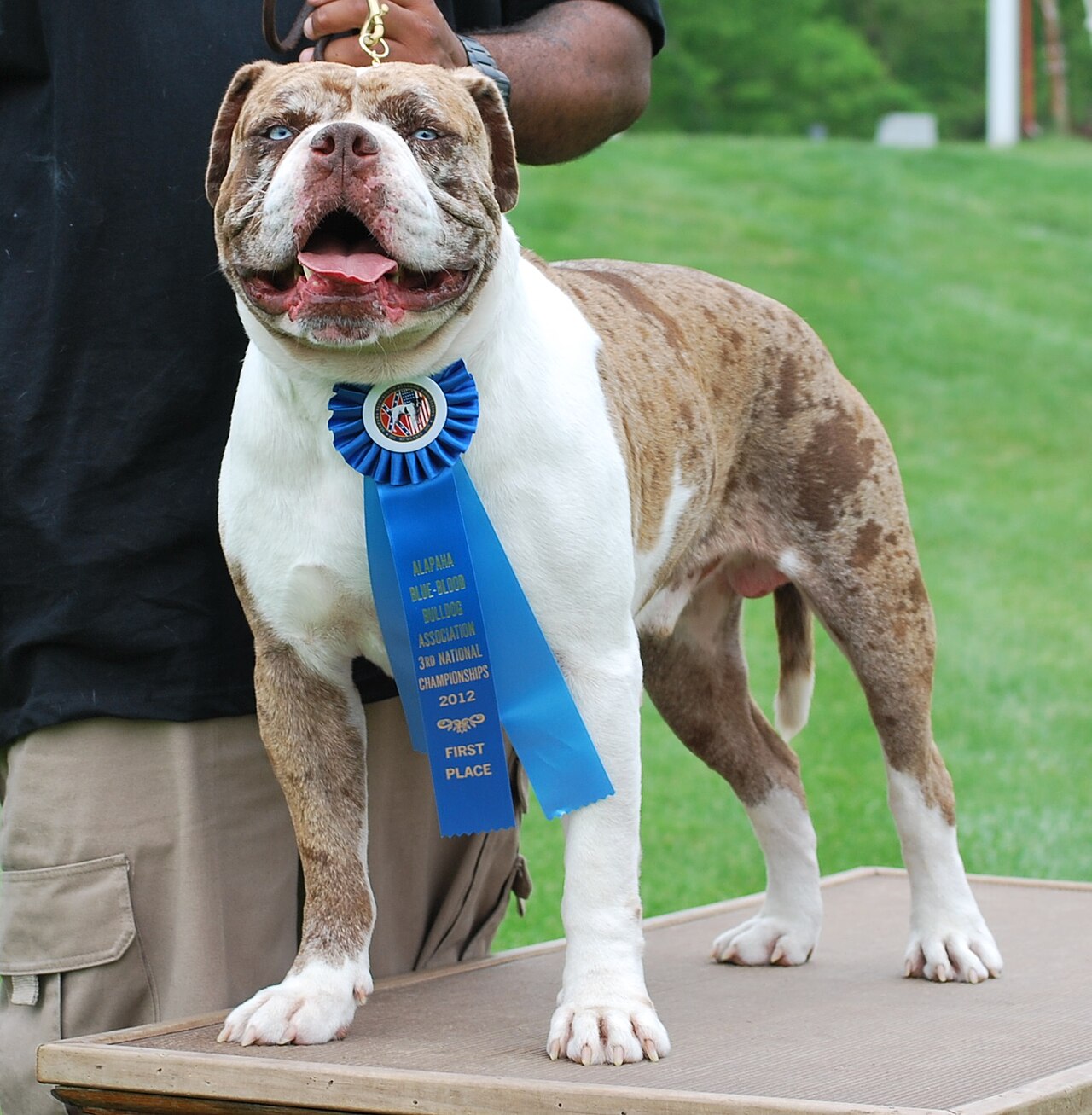 Alapaha Blue Blood Bulldog
The Alapaha Blue Blood Bulldog is a breed of bulldog from the United States, and it is predominantly used as a guard dog.
Alapaha Blue Blood Bulldog
The Alapaha Blue Blood Bulldog is a breed of bulldog from the United States, and it is predominantly used as a guard dog.
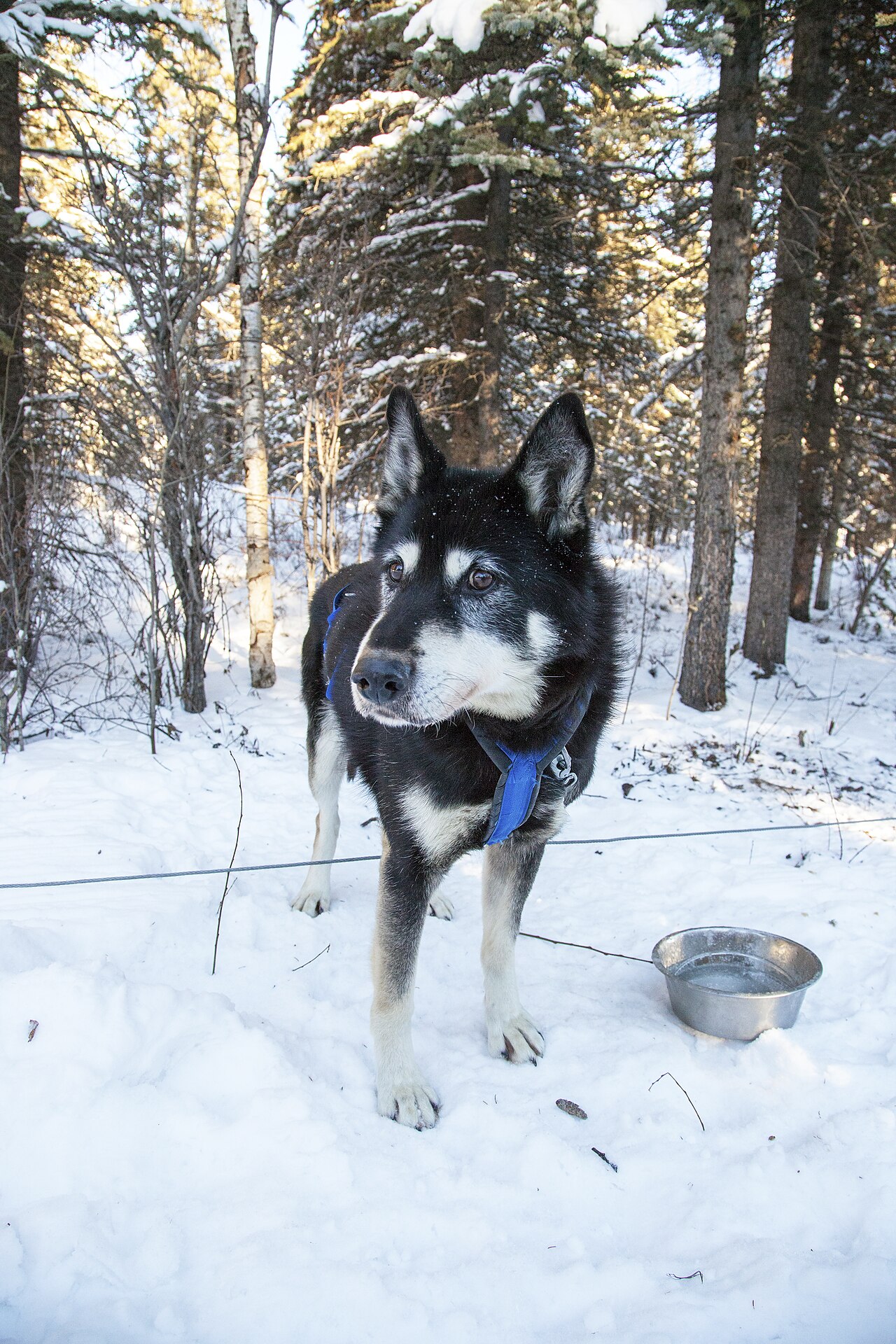 Alaskan husky
The Alaskan husky is a breed of medium-sized working sled dog, developed specifically for its performance as such.
Alaskan husky
The Alaskan husky is a breed of medium-sized working sled dog, developed specifically for its performance as such.
Pictures via Wikimedia Commons, free-licensed. Tap any card for its full picture and facts.
Some dogs you recognise by their ears before anything else. A pair of long, low-hanging ears frames the face, sways when the dog trots, and — in the scent hounds especially — actually helps the dog work, sweeping ground-level smell up toward the nose. Below are eight breeds known for those ears, with a real photo of each, the quick facts that matter, and an honest note on living with them (heat, grooming and the one thing every long-eared dog needs: ear care).
A word before the list: long ears look lovely, but they trap warmth and moisture, so these breeds need their ears checked and cleaned more often than a prick-eared dog. There's a short, practical guide to that at the end.
Quick comparison
| Breed | Size | Ear type | Best known for |
|---|---|---|---|
| Afghan Hound | Large | Long, silky, low-set | Flowing coat, aloof charm |
| Bloodhound | Large | Very long, thin | The best nose in dogdom |
| Basset Hound | Medium, heavy | Among the longest of all | Low body, gentle nature |
| Beagle | Small | Long, rounded, floppy | Friendly family scent hound |
| Papillon | Toy | Large, fringed (usually erect) | "Butterfly" ears, brains |
| Weimaraner | Large | Long, velvety, high-set | The silver "grey ghost" |
| Black-and-Tan Coonhound | Large | Long, low, thin | Night-time trailing |
| English Springer Spaniel | Medium | Long, feathered | Tireless gundog |
Afghan Hound

An ancient sighthound from the mountains of Afghanistan, bred to course game over rough ground. It stands tall — roughly 61–74 cm at the shoulder — and its long, low-set ears disappear into the same silky coat that covers the rest of it. That coat is the catch: it needs several hours of brushing a week to stay free of mats, and a thick-coated dog like this genuinely struggles in an Indian summer, so shade, cool floors and careful timing of walks are not optional. Aloof with strangers, surprisingly goofy with the people it trusts.
Bloodhound

If one breed sums up the whole "long ears do a job" idea, it's the Bloodhound. Its enormous, thin ears drag near the ground and help funnel scent up to a nose so sensitive that trailing work by these dogs has been taken seriously for centuries. A big, heavy dog (often 36–50 kg), it's famously gentle and patient at home but single-minded once its nose locks onto a trail — a securely fenced yard and a firm, kind hand matter. The long ears and loose skin folds hold moisture, so they need regular cleaning.
Basset Hound

The name comes from the French bas, "low," and that's the Basset in one word: a long, heavy body on short legs, with some of the longest ears — relative to body size — of any dog. It's a scent hound too, so it follows its nose and can be cheerfully stubborn about coming back. Sweet-natured and easy-going indoors, it's prone to two things owners should watch: ear infections (those ears never get much air) and strain on that long back, so discourage a lot of jumping on and off furniture.
Beagle

The Beagle is the small, friendly scent hound that so many families — in India and everywhere else — pick as a first dog. The long, rounded, low-set ears are classic, and like the bigger hounds it lives through its nose: food-driven, curious, and happy to follow a smell straight out of an open gate. Bright and sociable, it does need real daily exercise and company, and it will "talk" (that hound bay). Want the full picture? See our Beagle breed guide.
Papillon

The odd one out here, and worth being honest about: the Papillon's ears aren't long and drooping — they're large, upright and beautifully fringed, which is exactly why the breed is named after the French word for butterfly. (There's a drop-eared version, the Phalène, whose ears fold down.) It's a tiny dog, usually 2–4.5 kg, but one of the smartest toy breeds going — a regular winner in agility and obedience. Lively, affectionate and far tougher than it looks.
Weimaraner

Nicknamed the "grey ghost" for that unmistakable silver coat and pale eyes, the Weimaraner is a German gundog with long, velvety, high-set ears that frame the face. It's an athlete, bred to hunt all day, and it carries that energy into family life: without plenty of exercise and mental work it gets restless and destructive. It also bonds hard — a classic "velcro dog" that hates being left alone. A great companion for an active owner, a poor match for a quiet flat.
Black-and-Tan Coonhound

An American scent hound built to trail raccoons through the night by nose alone, the Black-and-Tan Coonhound has long, thin, low-hung ears and a deep, carrying bay. At home it's easy-going and affectionate, almost lazy on the sofa — but put its nose to the ground outdoors and the tracking instinct takes over, so a lead and a fence are your friends. Like the other hounds, its ears and long muzzle mean regular ear checks are part of the routine.
English Springer Spaniel

A British gundog named for the way it "springs" game into the air, the Springer wears long, feathered ears that hang close to the head. It's tireless, water-loving and eager to please, which makes it a joy to train and a handful if it's under-exercised. There are two fairly different lines — a leaner, driven field type and a heavier show type — but both want a job, a walk and a family to be part of. Those feathered ears pick up burrs and stay damp after a swim, so they need drying and a look-over.
Looking after a dog's long ears
The reason long ears need attention is simple: they hang over the ear canal, cut down airflow, and hold warmth and moisture — exactly the conditions yeast and bacteria like. In a hot, humid Indian climate that risk goes up, and it's higher again for a dog that swims or gets bathed often. A little routine prevents most of it:
- Look and sniff weekly. Lift the ear and check the inside. Healthy skin is pale pink and nearly odourless. Redness, a brown or yeasty smell, or a lot of dark wax is a sign something's starting.
- Wipe, don't dig. Clean the parts you can see with a vet-recommended ear cleaner on cotton wool. Never push cotton buds down into the canal — you pack debris in and can hurt the eardrum.
- Dry after water. After a bath or a swim, gently dry the inside of the ear flap. Trapped water is a common trigger for infections in floppy-eared breeds.
- Watch the dog. Head-shaking, scratching at an ear, tilting the head or rubbing it along the floor usually means it's uncomfortable.
If you see those signs, or the ear looks sore, smells bad or the dog is in pain, see a vet rather than treating it blind — the right treatment depends on what's actually growing in there, and only a vet can tell. Think of the weekly check as the thing that keeps you out of the clinic.
More illustrated breed guides
If you like the droopy-eared hounds and spaniels, a few more long-eared favourites have their own photo-and-facts pages on Animalsss: the Cocker Spaniel and the short-legged, long-eared Dachshund. You can browse every breed we've profiled — Indian natives included — in the A–Z dog breeds directory.
Photos, in order, via Wikimedia Commons under free licences: Afghan Hound — Sannse (CC BY-SA 3.0); Bloodhound — Claudia Krebs (CC BY-SA 3.0); Basset Hound — Slyronit (CC BY-SA 4.0); Beagle — Benoit Brummer (CC BY 4.0); Papillon — André Feldmann (CC BY-SA 3.0); Weimaraner — Sciencia58 (CC0); Black-and-Tan Coonhound — Canarian (CC BY-SA 3.0); English Springer Spaniel — Joseywales1961 (CC BY-SA 4.0).



 Menu
Menu
💬 Comments
Login to comment
No comments yet. Be the first to share your experience!