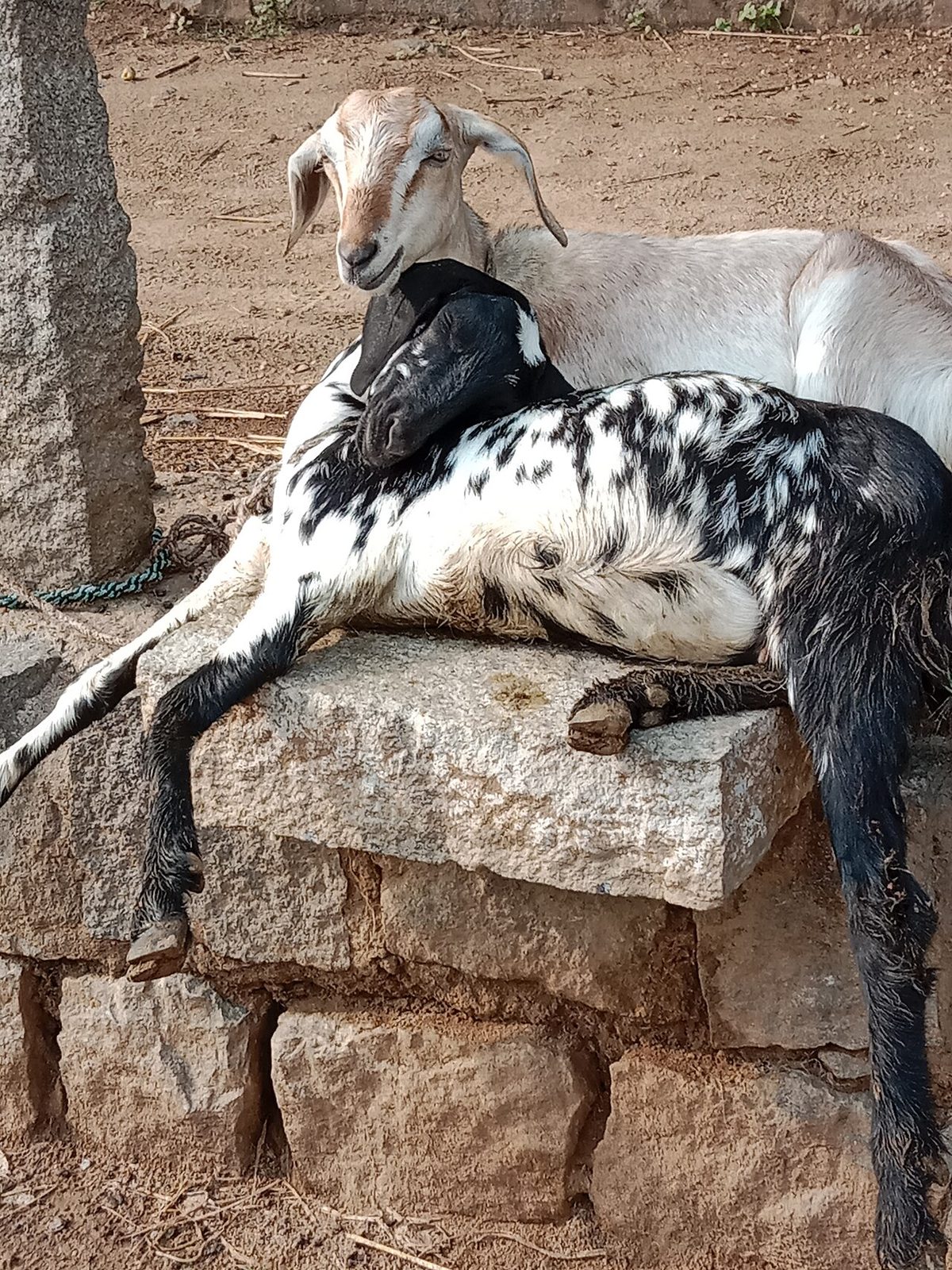
There is no single best goat breed for meat in India that anyone can honestly name from the records we keep — no breed is named, compared or ranked anywhere in them, in India or anywhere else. So instead of a guess dressed up as advice, here is what is actually verifiable: what goat meat sells for, what a live goat sells for, and how age, flavour and festival demand decide who buys from you.
That is a more useful starting point than a breed name, because two farmers raising the same goat can end up with very different money in their pocket. Price, age at sale and the buyer you are selling to all shift the outcome. Our own price records, which you can see collected on the Goat page, show just how wide that gap gets.
The Honest Answer on Breeds
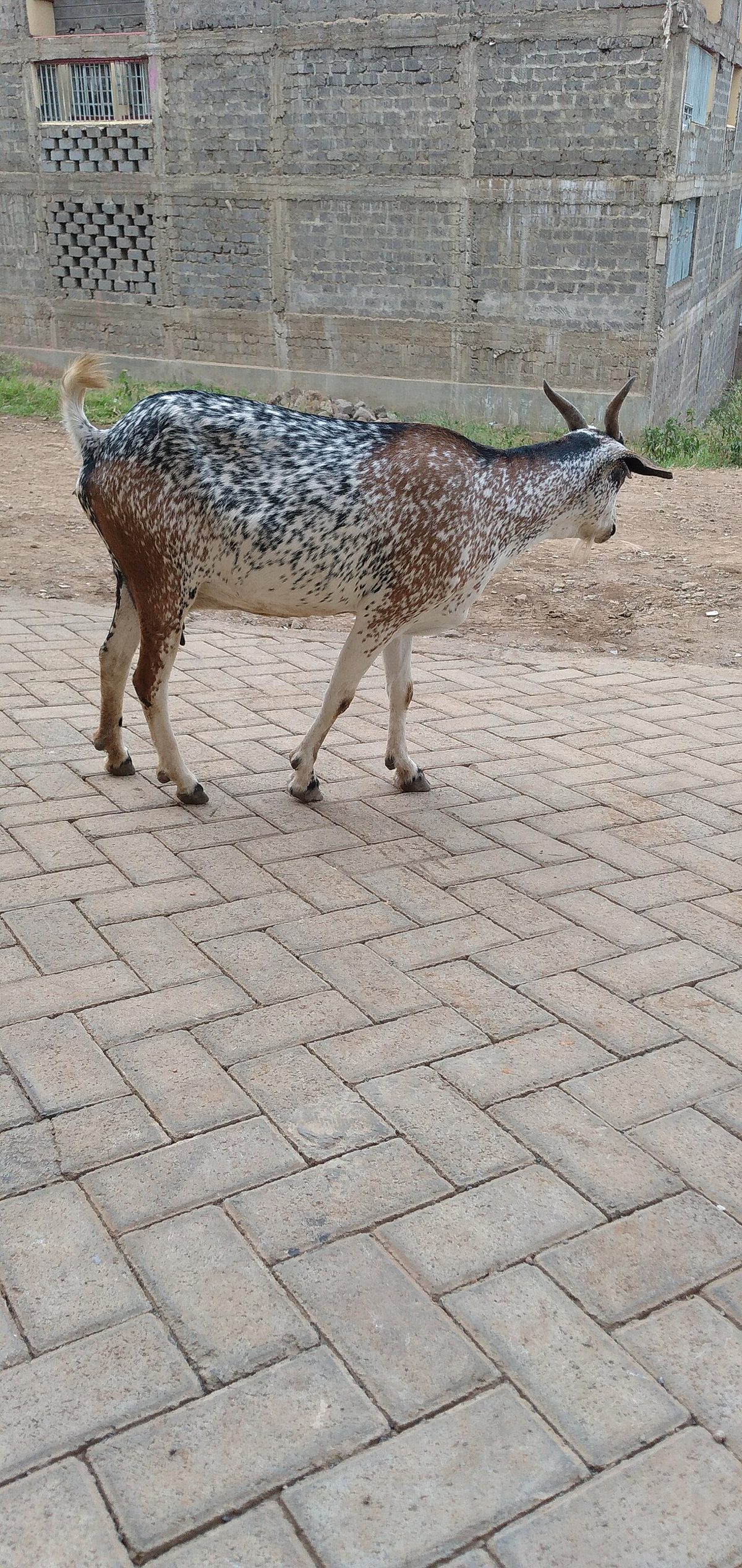
If a page tells you one breed is the meat breed for India, ask what they are comparing it against. Nothing in our own records does that. There is no breed-by-breed breakdown, no carcass comparison and no growth table to lean on.
That does not mean breed does not matter. It means the honest position is this: breed choice has to be settled locally, not from a price table. Talk to a nearby vet, a livestock dealer you trust, or your local agriculture office. They know what sells in your district, what your neighbours raise successfully, and what your climate and fodder will carry. Ask them, then look at the numbers below to see whether the money side makes sense.
Why we are not going to guess
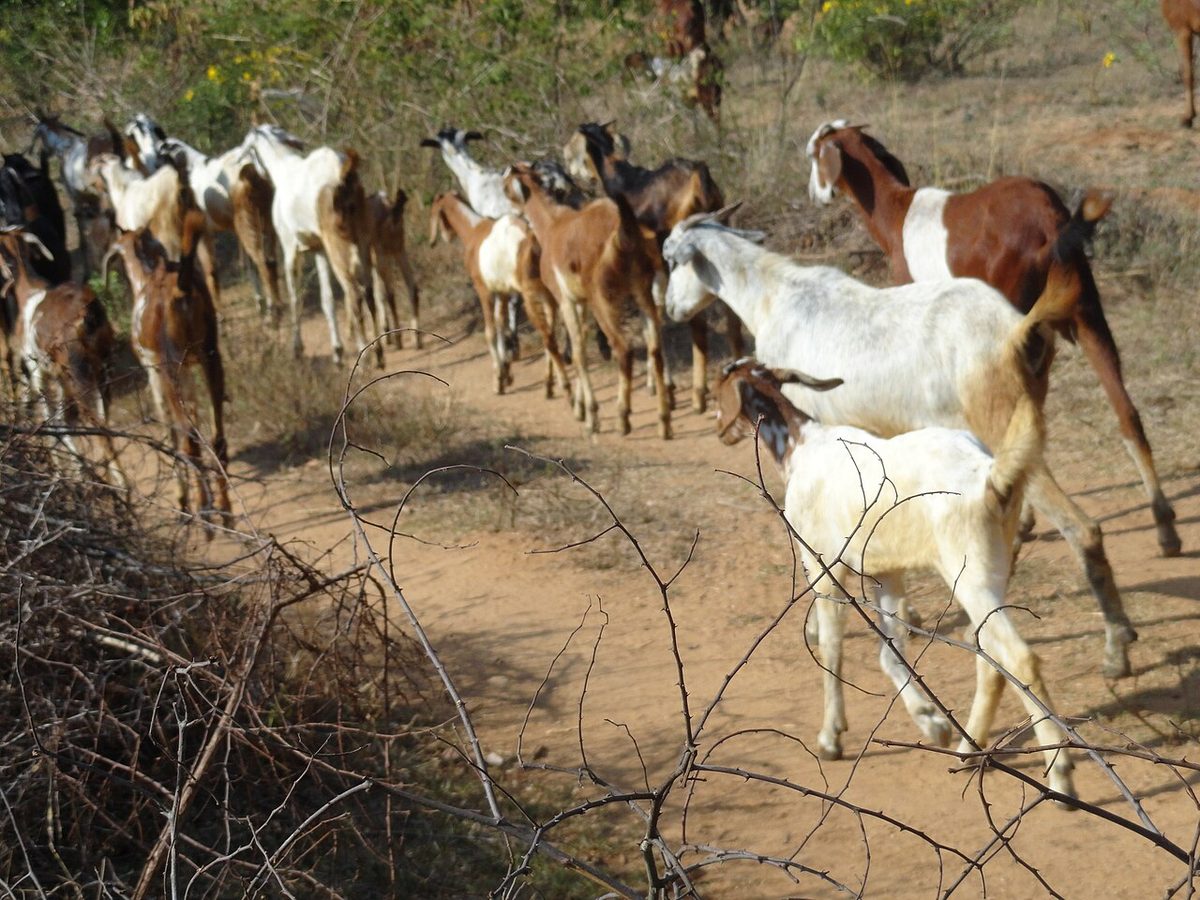
A wrong breed recommendation costs you a whole rearing cycle — months of feed and labour spent on animals a local buyer does not want. A vague but honest answer costs you one trip to the vet or dealer. That trade is easy to make.
What Goat Meat Is Worth: Our Own Numbers
This is where our records earn their keep. We hold 218 recorded goat meat rows, covering a low of EUR417 per tonne and a high of EUR39559 per tonne, with an average of EUR3553 per tonne. The most recent entry is dated 2025-01-31.
The low and the high are so far apart that the average is the only figure worth carrying in your head. Here is how goat meat compares with other meats in our EUR-per-tonne rows, all with the same most recent date:
| Meat | Average price per tonne | Rows recorded |
|---|---|---|
| Duck meat | EUR4012 | 89 rows |
| Goat meat | EUR3553 | 218 rows |
| Rabbit meat | EUR3508 | 273 rows |
| Sheep meat | EUR3160 | 558 rows |
| Cattle meat | EUR2728 | 519 rows |
| Horse meat | EUR2159 | 168 rows |
| Turkey meat | EUR1874 | 244 rows |
| Pig meat | EUR1826 | 471 rows |
| Chicken meat | EUR1381 | 570 rows |
Read that table slowly, because it says something most people do not expect. In our euro rows, goat meat averages higher per tonne than cattle, pig, chicken, sheep, turkey and horse meat. Only duck sits above it. Goat is not the cheap meat in this dataset — it is one of the stronger ones.
A second block of 76 goat meat rows is priced in ILS: from ILS20106 to ILS43623 per tonne, averaging ILS29452 per tonne, most recent 2025-01-31. Different currency, same pattern of a wide spread.
What a live goat sells for
Meat prices per tonne are not much help when you are selling animals on the hoof. Our only live-animal goat figure is 116 livestock (Goat) rows, priced per animal: lowest ETB6900, highest ETB23000, average ETB12041, most recent 2026-09-15. Every other goat entry we hold is per tonne of meat or milk, so if you are selling live animals, that ETB range is the closest reference point we can offer.
For context: goat milk
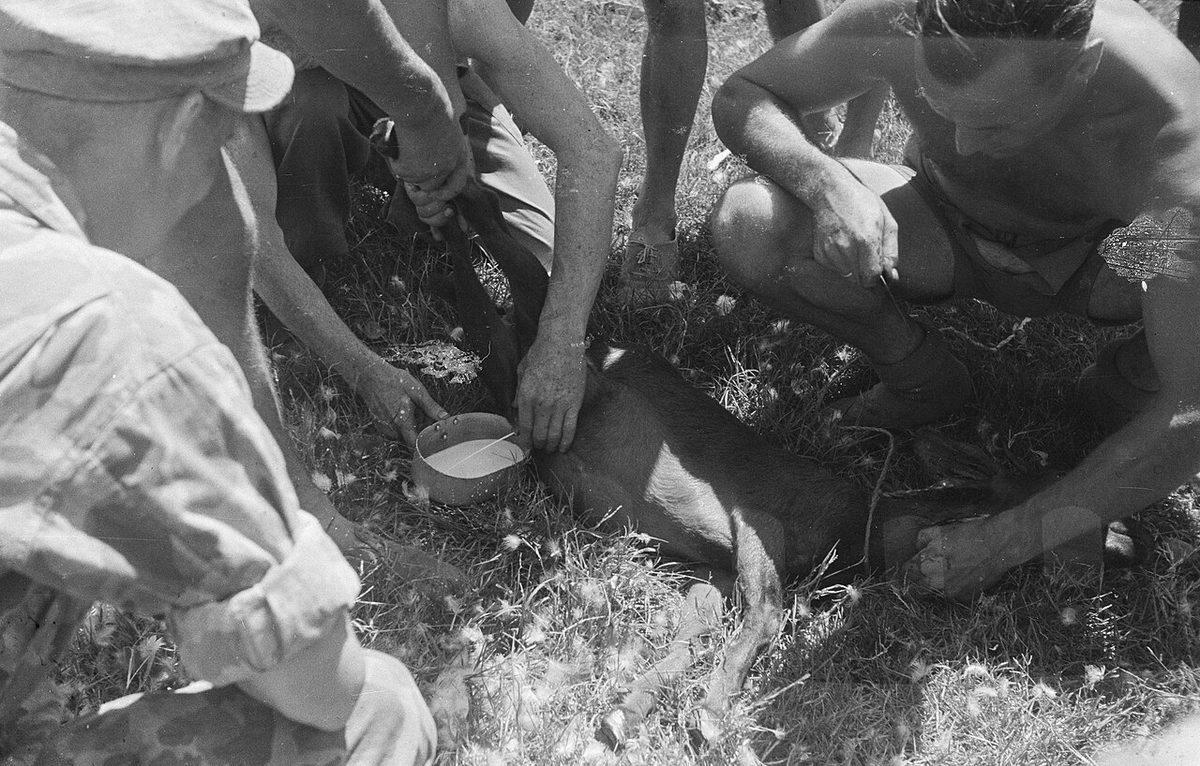
Milk is a different business. Goat milk sits at an average of EUR962 per tonne across 200 rows, from EUR78 to EUR5968, most recent 2025-01-31. In ILS the same commodity runs from ILS3896 to ILS6562 per tonne, averaging ILS4755 across 97 rows. Side by side, goat meat averages EUR3553 per tonne against milk's EUR962 — a useful reminder of where the value per tonne sits if you are deciding what to do with your animals.
Why the Spread Is So Wide
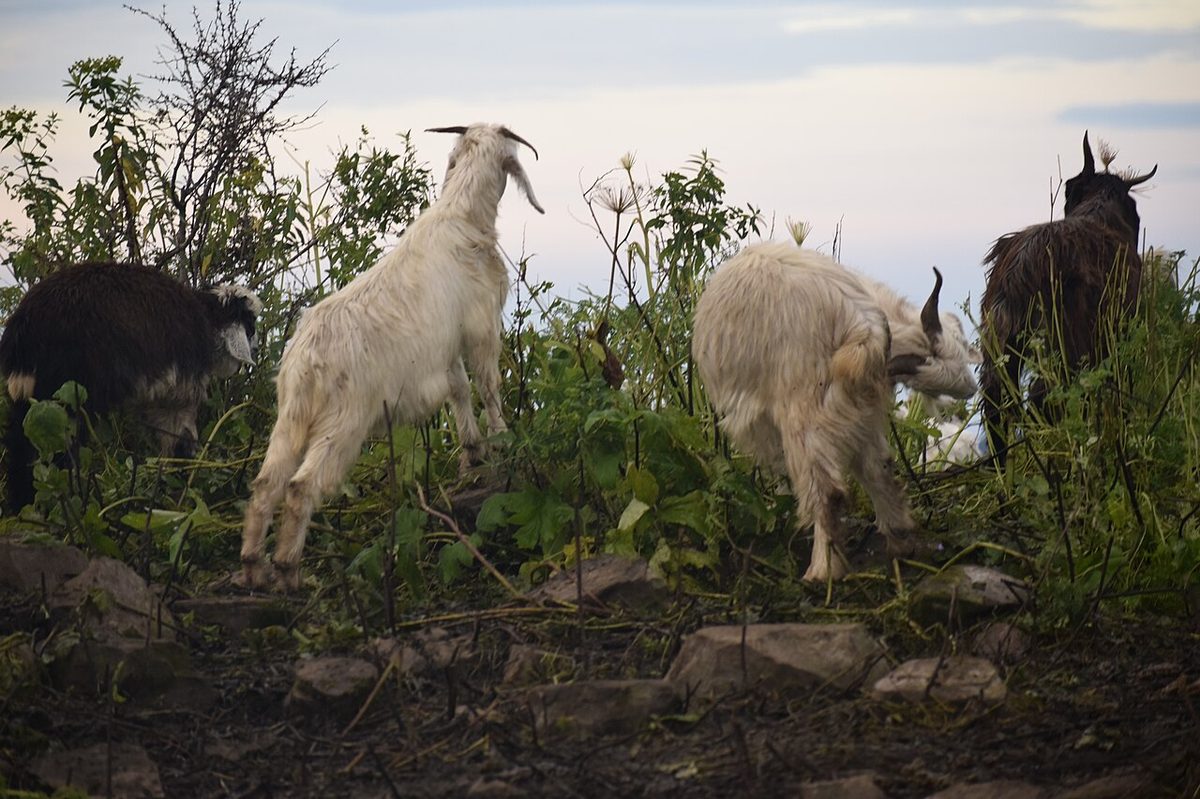
A range from EUR417 to EUR39559 per tonne is not noise. It reflects real differences: whether the meat is sold fresh or frozen, as a whole carcass or as cuts, in a rich market or a poor one, at festival time or in a quiet month. For you, the practical lesson is simple — never anchor your expectations on a single number someone quotes you. The average is a better guide than the headline.
Age Changes Everything

Goat meat is the meat of the domestic goat, Capra hircus. The word especially means the meat of older animals, while meat from young goats is called kid meat. Baby goat is cabrito, and in Italy that is called capretto.
Buyers are genuinely split here. Some cultures, including Caribbean cooking, often prefer meat from mature goats, which tends to be more pungent. Others prefer younger goats, around six to nine months old. Some farmers aim at the mature market, others at the kid market — it depends on who buys in your area.
So before you plan a slaughter age, find out which of those two buyers exists near you. That single question matters more than the breed label on the animal.
Why Some Say Goat Tastes Gamey
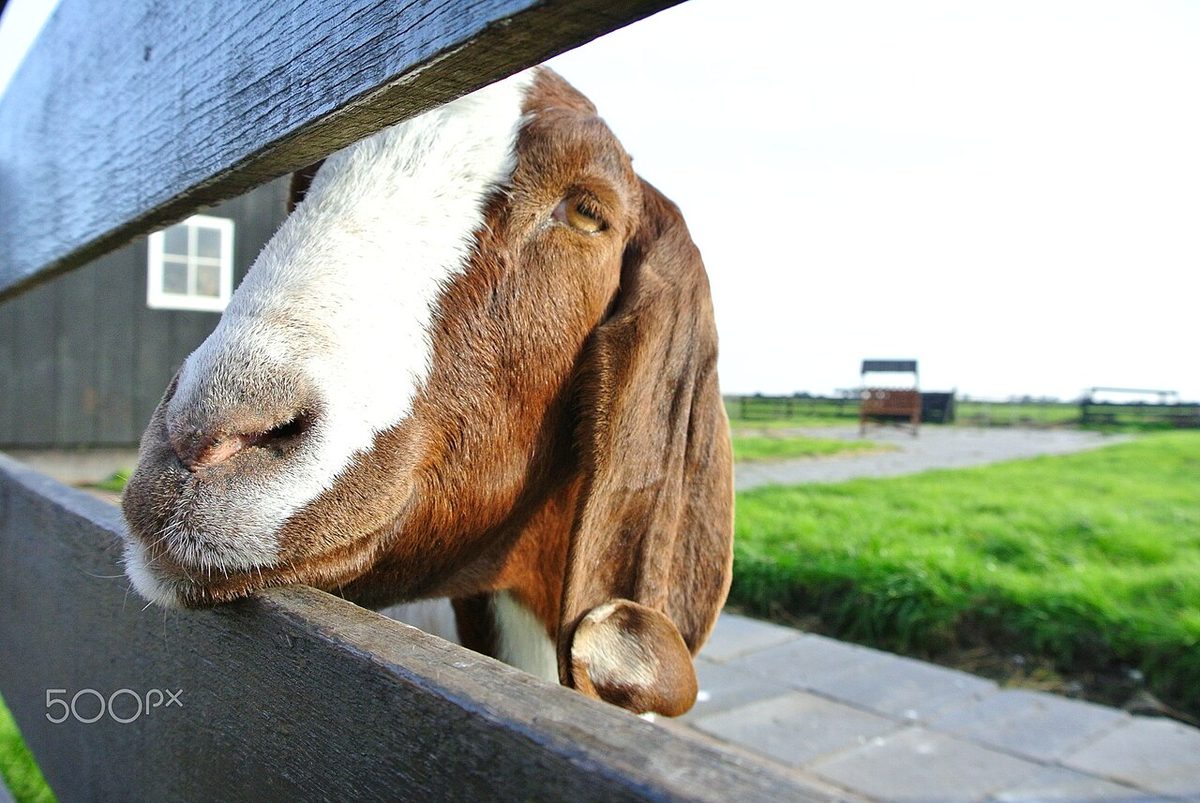
Goat meat has a reputation for a strong, gamey flavour, but the taste can also be mild, depending on how it is raised and prepared. Age is part of it — mature goats are the more pungent ones.
In Australia, customers often described goat meat as gamey and not necessarily tastier than lamb, and one butcher assumed a lot of it was bought for curries. Another butcher there said the product was of inconsistent quality, because much of it came from culled wild goats. That last point is worth sitting with: consistency, not breed, may be what holds your price back.
Where the Demand Really Is
Goat is both a staple and a delicacy in many cuisines — African, Indian, Middle Eastern, Indonesian, Mediterranean, Nepali, Bangladeshi, Pakistani, Sri Lankan, Abruzzese, Mexican, Caribbean, Haitian, Dominican and Ecuadorian among them. In Kenya, a goat is more likely to be slaughtered in a household than a cow or even a chicken.
On the Indian subcontinent, demand clusters tightly. Mutton biryani and mutton curry are prepared in parts of Uttar Pradesh, Andhra Pradesh, Telangana and Bihar, using goat meat as a primary ingredient to produce a rich taste. Nearby markets show the same pull: in Bangladesh and West Bengal, dishes such as kosha gosht and rezala are made from goats with a rich, gamey flavour; in Sri Lanka goat is a popular red meat, especially among the Tamil population, in mutton curry, mutton rolls and roti.
Festivals and ceremonies move a lot of animals. In Nepal, goats are sacrificed during Dashain, the largest annual celebration, and on other festive occasions — and the whole animal is used, from bhutun (intestines and stomach) to rakhti (blood), karji-marji (liver and lungs) and khutti (feet soup). Among the Chaga people of Tanzania, a ceremonial goat called ndafu is roasted whole and is the preferred replacement for the wedding cake. Italian, Greek, Serbian and Portuguese cuisines serve roast goat at Easter, with northern Portugal serving it at Christmas too.
In North America, demand sits in niche markets serving immigrants from Asia and Africa, plus a few upscale restaurants in cities such as New York City and San Francisco, and some Costco stores keep whole frozen goats. Brady, Texas has held its World Championship BBQ Goat Cook-Off every year since 1973. Australia's goat meat industry was still in its infancy as of 2025, where one producer likes to say "there's more to goat than curry."
"Mutton" Does Not Mean the Same Thing Everywhere
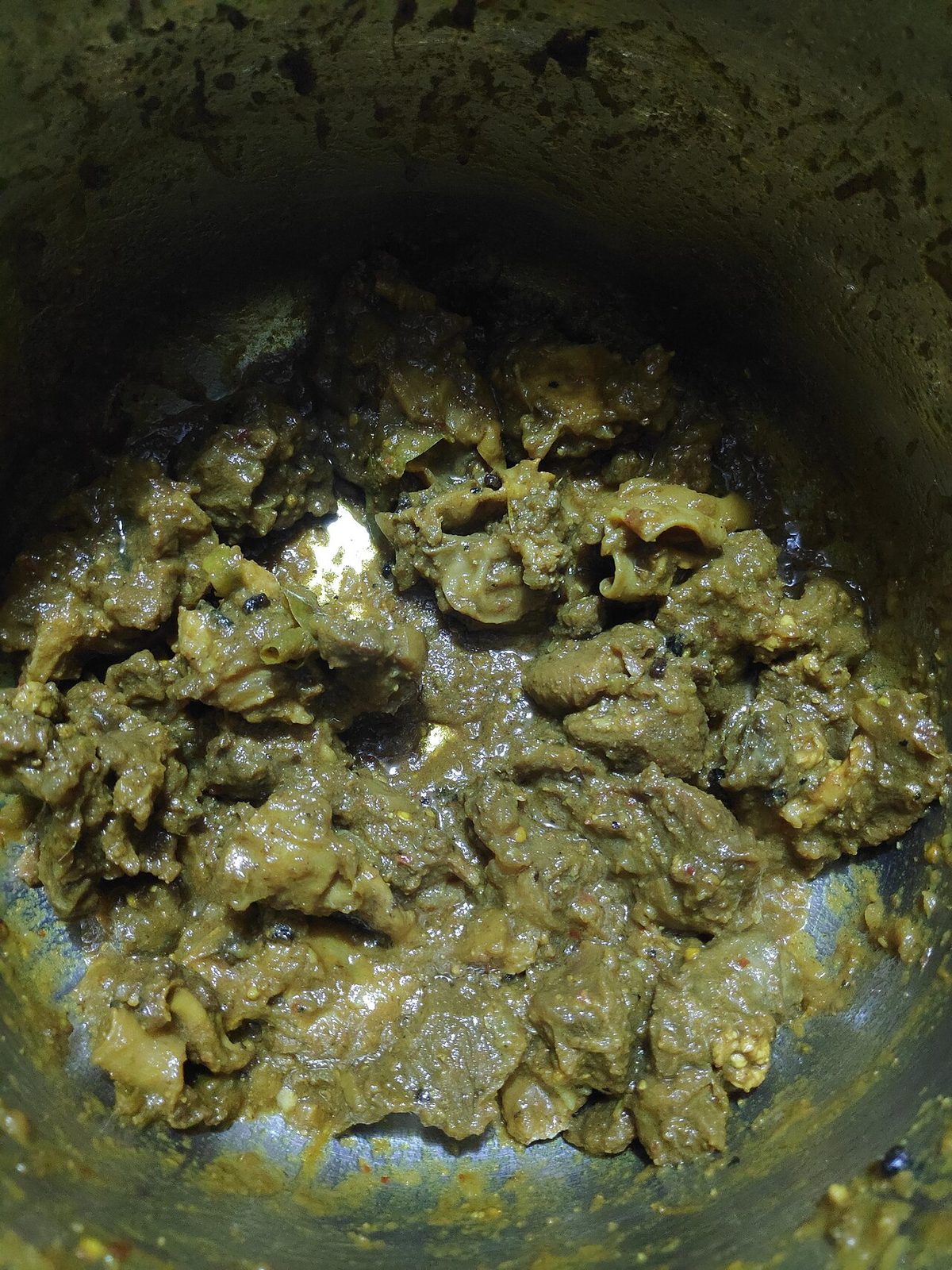
One small word trips up a lot of buyers and sellers. In South Asian usage, goat meat is commonly called "mutton" — but in the rest of the world, mutton means sheep meat. If you are reading a foreign price list, writing a listing, or talking to an overseas buyer, get that straight first. It changes what you are actually being quoted.
What We Cannot Tell You
Some things simply are not in our records, and it would be wrong to invent them:
- We hold no INR rows for goat meat or live goats. Our goat figures are in EUR and ILS per tonne, and in ETB per animal.
- We have no cost-of-production figures — feed, fodder, labour or housing — so we cannot tell you your margin.
- We have no slaughter weight, growth rate or dressing percentage data.
- We have no rules or licensing information on registration, slaughter, transport, vaccination or export.
- We have no sales-channel data — mandi, butcher, restaurant, trader or exporter.
For all of those, your local vet, dealer, butcher or agriculture office is the right place to ask. Their answer will fit your district; ours would only fit a spreadsheet.
The Takeaway
No breed can be named from what we hold, so do not let anyone sell you a breed story as settled fact. What you can rely on is this: goat meat averages EUR3553 per tonne in our records, higher than cattle, pig and chicken meat, with a spread wide enough that the average beats any single quote. Live goats average ETB12041 per animal. Age and flavour decide which buyer wants your animals — some want mature goats, some want kids of six to nine months. And in India, it all runs through a single word: mutton. Get the breed advice locally, and get the numbers here.
 Menu
💬 Comments
Login to comment
No comments yet. Be the first to share your experience!