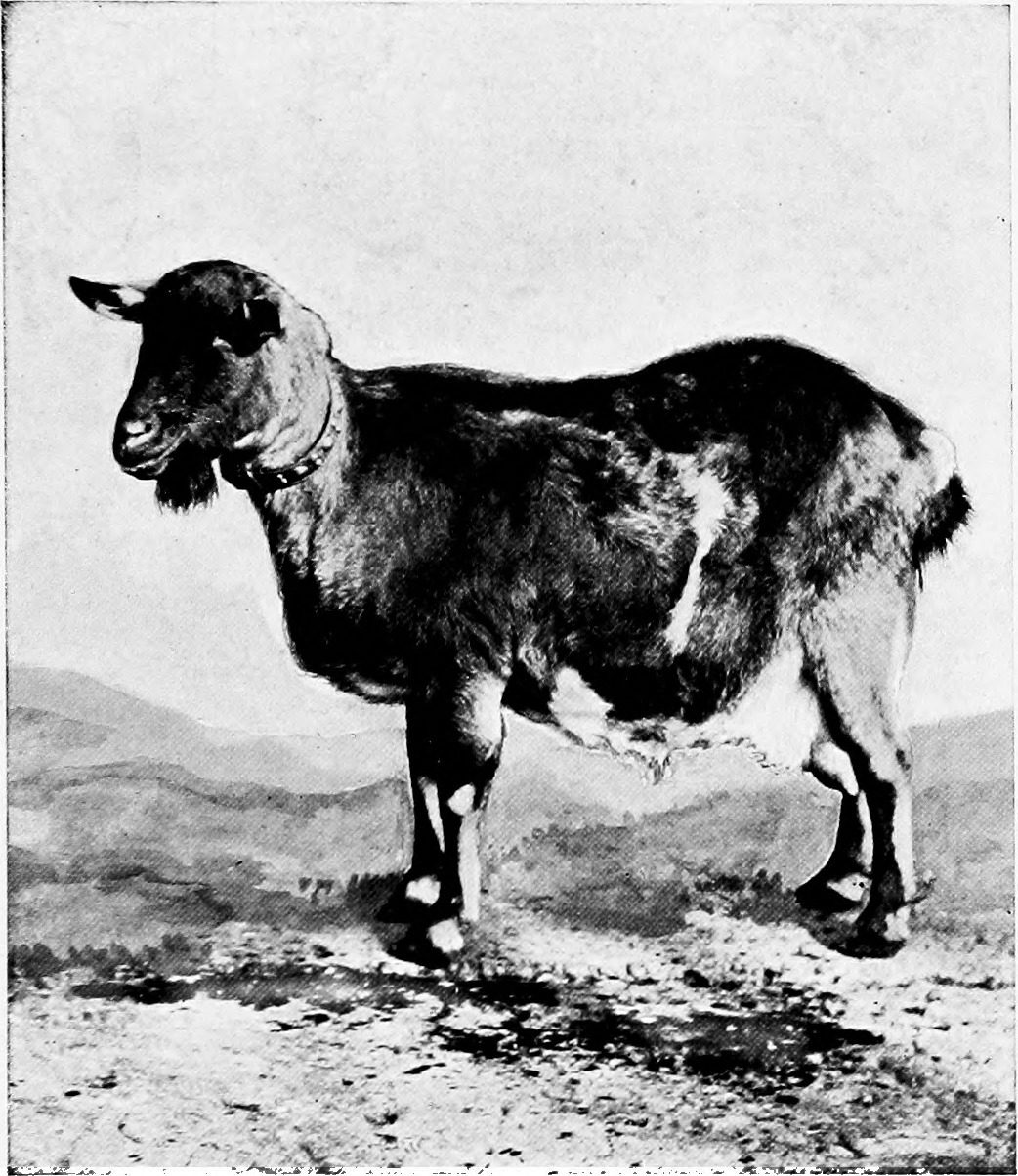
If you want the short answer: the two goat breeds that stand out clearly by name are the Boer at the big end, with bucks weighing more than 140 kg (310 lb), and the African Pygmy at the small end, standing 41 to 58 cm (16 to 23 in) at the shoulder as an adult. Beyond those two, the useful choices are broad types rather than famous names — dairy goats, dairy-cross Boers, pygmy goats, and the local goats already kept where you live, which are often the smartest buy of all.
There is no honest worldwide ranking of "best" goat breeds, because the best goat depends on what you want from it and on the ground under your feet. Goats are kept almost everywhere: more than 1.1 billion of them in the world in 2022, with 150 million in India alone. So instead of chasing a name, work through two questions — what is the goat for, and should it be a local goat or an improved one? This guide takes you through both.
The goat breeds and types worth knowing, one by one
Here is the full list of goats you can pin down by name or by clear type, with what is actually known about each.
Boer — the large one
The Boer is the breed to look at if you want size. Bucks of larger breeds such as the Boer weigh more than 140 kg (310 lb). It also has an unusual udder. Most female goats have an udder with two teats, unlike cattle with four, but the Boer is an exception and sometimes has up to eight teats. Growth rate, carcass weight and fertility all depend on the animals in front of you and how they are fed, so ask a nearby breeder or vet what Boers or Boer crosses really do in your area.
African Pygmy — the miniature one
The African Pygmy sits right at the bottom of the goat size range. Adults stand 41 to 58 cm (16 to 23 in) at the shoulder. If your plot is small, or you want a goat you can handle on your own, a miniature breed like this is the size class to start from.
Dairy goats — a group, not a single breed
Dairy goats are best treated as a type. Their milk is often turned into cheese, which matters if you plan to sell more than fresh milk. Milk yield swings widely with breed, bloodline and feeding, so there is no single figure worth quoting — get that number from a dairy farmer, dealer or vet near you, from animals kept the way you plan to keep yours.
Dairy-cross Boers
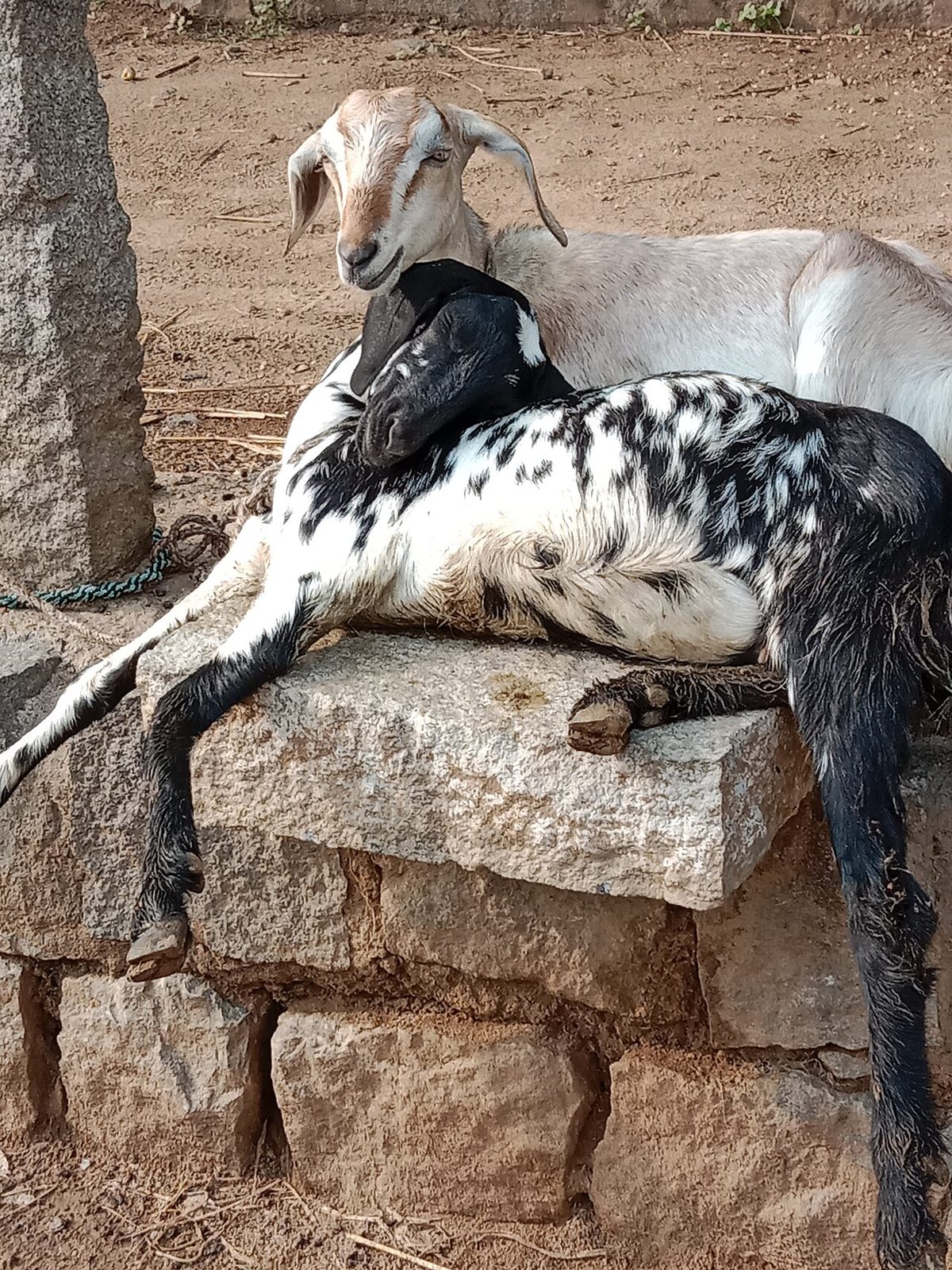
Crossing dairy goats with Boers is common enough to be a recognised type. Dairy-cross Boers are also among the goats most likely to carry wattles — the small skin tags that dangle, one on each side of the neck. Dairy goats and pygmy goats often carry them too.
Pygmy goats
Pygmy goats are named as a type as well as a breed, and like dairy goats they commonly carry wattles. They belong to the same small end of the scale as the African Pygmy.
Your local goats
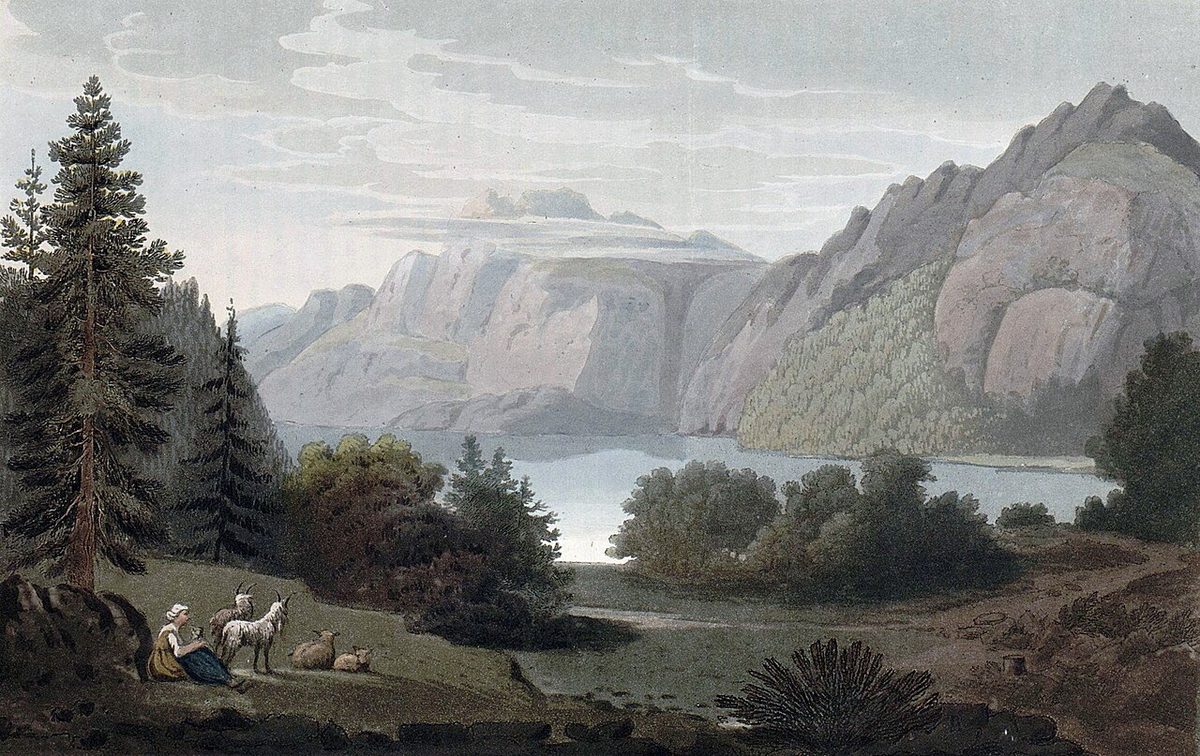
The goats already in your area usually have a local name rather than an international one. Do not write them off. A traditional local goat carries a real advantage that no imported breed can pack in its luggage, and that is the next section.
The choice that matters more than the breed name
Before you pick a name, pick a category. Goat breeds fall into two very different kinds.
A landrace is a breed that took its shape mainly by adapting to the natural environment and the traditional farming system it grew up in. It is not the product of a formal breeding programme. It has a historical home in one geographic area, usually carries its own local name or names, and is often grouped by what it is kept for. A standardized breed is the opposite: it was built through a strict programme of genetic isolation and formal selection, aimed at producing one particular type of animal.
One warning on names: some standardized breeds have the word "Landrace" in their name without being a landrace in this sense, and goats are among the species where this happens. Judge the animal and its history, not the label.
What a local landrace gives you
- A reputation for standing up to your local climate, diseases and pests
- Yield that stays steady even when conditions turn bad
- Lower input needs, including lower fertilizer requirements
- Lower cost
- Better disease resistance
- Market and kitchen qualities buyers may pay for, such as texture, colour or ease of use
What it costs you
- Only a moderate yield level, even when you manage the animals carefully
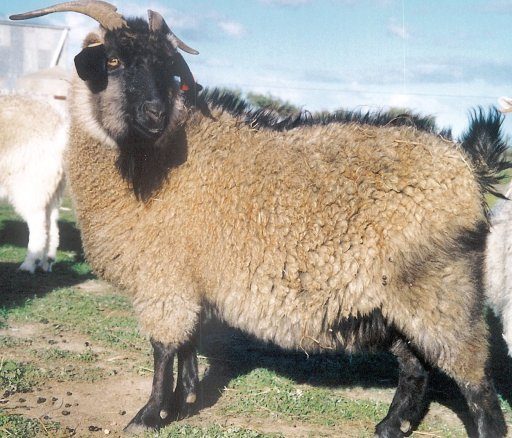
- Less uniformity than a formally bred, selected animal
That trade-off is old and well recorded. Writing in 1909, U. J. Mansholt described landraces as having more stable characteristics and better resistance to hard conditions, but lower production capacity than improved stock — and noted they are apt to change genetically once moved to another environment. Which is worth remembering in reverse too: an improved animal brought in from far away may not perform on your ground the way it performed on someone else's.
In practice, some farmers go all in on scientifically improved stock, while others keep improved animals and landraces side by side — the improved ones for output, the local ones for adaptation, resistance and low cost. Both approaches are real, and both work for the people using them.
It helps to know that "breed" covers more than two boxes. The geneticist D. Phillip Sponenberg sorts animal breeds into landraces, standardized breeds, modern "type" breeds, industrial strains and feral populations. Experts also weigh the criteria for a landrace differently depending on whether they come from regulation, biological science, agribusiness, anthropology, conservation or breeding, and not every accepted landrace shows every trait. There is broad agreement, though, that the category is real and useful when you are buying.
Expect variation, not show-ring uniformity
A landrace is distinctive and recognisable, but also dynamic — it holds its genetic integrity while carrying some internal variety. As Hans Kiessling put it in 1912, a landrace is a mixture of forms behind a relative outward sameness. You can see the same thing in the Africanis, the dog landrace of southern Africa: several regional variations exist because of isolation and little deliberate breeding, minor differences in appearance are normal, adults stand between 50 and 62 centimetres (20 and 24 in), and yet the type breeds true to a recognisable form. A preservation society for it was set up in South Africa in 1998. When you buy a landrace goat, expect that kind of within-type spread rather than matched animals.
Goats have been adapting for a very long time
The domestic goat came from the wild goat of Southwest Asia and Eastern Europe, and genetic work points to the wild bezoar ibex of the Zagros Mountains as the likely ancestor of all or most domestic goats. The dates differ depending on which account you read. The earliest remains of domesticated goats, at Ganj Dareh in Iran, are dated to 10,000 years Before Present. Other Western Asian sites — Jericho, Choga Mami, Djeitun and Çayönü — place domestication between 8,000 and 9,000 years ago. Another account puts the start of sheep and goat domestication in the 8th–7th millennium BC, in what is now Iran and Iraq. All agree on the region; the printed dates do not match.
Match the size to your land and your purpose
Size is where breed choice gets practical. What is known:
- Bucks of larger breeds such as the Boer: more than 140 kg (310 lb)
- Does of smaller breeds: 20 to 27 kg (44 to 60 lb)
- Miniature breeds such as the African Pygmy: 41 to 58 cm (16 to 23 in) at the shoulder as adults
- Within one breed, different strains or bloodlines can have different recognised sizes
There are no dependable in-between numbers to hand you, so do it the old way: go and look at the grown animals in the herd you are buying from, and at their parents if you can. How many goats your land will carry, how much feed they need and what fence will hold them all depend on your ground and local practice — that is a question for neighbours who already keep goats, or a nearby vet or dealer.
What a goat actually gives you to sell
Across much of the world, goats are kept for milk, meat, wool and skins, with the milk often made into cheese. The list of uses is even longer historically: dung burned as fuel, bones, hair and sinew used in clothing, building and tools, and hide made into water and wine bottles for travel and transport, as well as parchment. These uses belong to goats in general, not to any one breed.
On price, be careful who you believe
Our own recorded price observations run to 65,725 rows across all countries, and not one of them is a goat commodity. So we cannot give you a goat price, and neither should anyone else without local data. For rough context only, the nearest small-ruminant line we hold is sheep meat: 558 rows, from a low of EUR562 to a high of EUR29682, averaging EUR3160 per tonne, most recently dated 2025-01-31. The only milk line is cow milk: 705 rows, from EUR35 to EUR3795, averaging EUR464 per tonne, also most recently 2025-01-31. There is one more line for adult male animals, 341 rows ranging €4 to €9 with an average of €6 per kg, most recently 2026-08-30 — but it does not state which species, so treat it as background, not a benchmark. For real numbers, walk into your nearest livestock market and ask.
Horns, climbing and living with goats
You cannot simply buy hornless goats
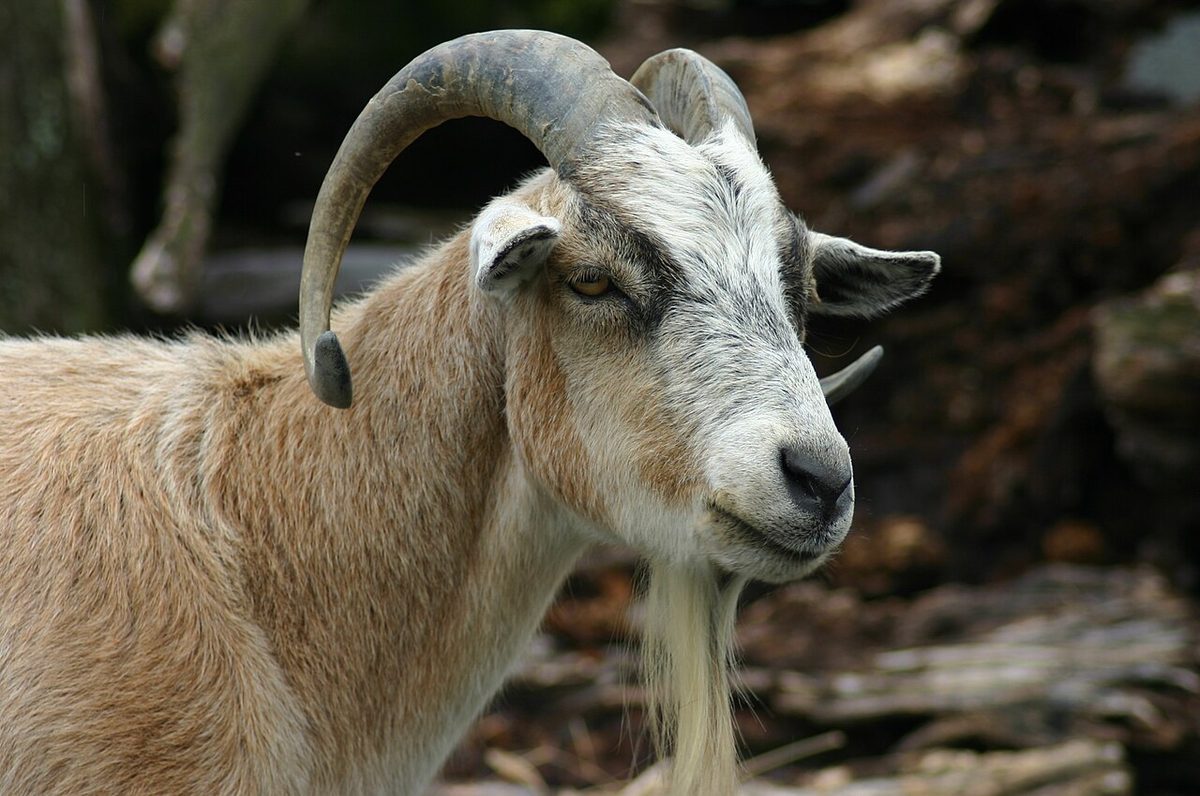
Most goats naturally have two horns, and the shape and size depend on the breed. Polycerate goats with as many as eight horns turn up, but they are a genetic rarity. Unlike cattle, goats have never been successfully bred to be reliably hornless, because the genes for sex and the genes for horns sit closely together. Breed two genetically polled goats and you get a high number of intersex offspring, which are usually sterile. Naturally polled goats are rare, and many goats you see are polled artificially. Horns are living bone wrapped in keratin and other proteins, and the goat uses them for defence, dominance, territory and cooling itself.
They climb, and they mean it
Goats are curious, agile animals that climb and balance in places that look impossible — they are the only ruminant that regularly climbs trees. Plan your fencing and housing with that in mind, and copy what works locally. Like other ruminants, they have a four-chambered stomach (rumen, reticulum, omasum, abomasum) and are even-toed ungulates. Their horizontal, slit-shaped pupils let them see well in bright light and in the dark, and give a wide view to each side so they can spot danger without being dazzled from above. They have no tear ducts.
If you use a dog, know which kind you have
Herding breeds grew up alongside sheep, goat and cattle keeping, and the animals commonly mustered include cattle, sheep, goats and reindeer. A herding dog's job is to move stock, though it may guard as well. A livestock guardian dog is a different animal: its job is to protect the herd from predators and theft, and it lacks the herding instinct — even though people often call it a herding dog by mistake. Protection was in fact the first job dogs did around herds, back when wild predators were many. Some dogs do both: the Africanis of southern Africa has been used to help herd sheep, goats and cattle, to guard against predators and to help in the hunt.
Goats and sheep: close cousins, separate species
Sheep and goats share the subfamily Caprinae, but they are separate species. Hybrids rarely happen and are always infertile — a ewe crossed with a buck gives what is called a sheep-goat hybrid. So crossbreeding the two is not a plan. Sheep are their own domesticated species, kept for fleeces, meat and milk, and there were around 1.2 billion of them in the world in 2019, alongside more than 1.1 billion goats in 2022.
If you are buying and want to be sure what you are looking at:
- Goats can have beards, in both sexes; sheep have a divided upper lip
- A goat's short tail is held upwards; a sheep's tail hangs down, even when short or docked
- Sheep breeds are often naturally polled, and depending on breed may be polled, horned in both sexes, or horned in males only; naturally polled goats are rare
- Buck goats take on a strong, unmistakable smell during the rut; rams do not
Whether the two can share your grazing is a local question, so ask farmers nearby who already run both.
Putting it together
Choose in this order. Decide what the goat is for — milk, meat, fibre, skins or simply a small animal in the yard. Look hard at the local goats first, because low cost, disease resistance and steady output in bad years are worth a lot. If you want size and are ready to feed for it, the Boer is the big breed to know; if space is tight, look at miniatures like the African Pygmy. Then check the numbers that only a local can give you: what the animals really yield, what they sell for, what they need to eat and what keeps them fenced in.
Do not buy on a breed name alone. Buy on purpose, on adaptation to your own conditions, and on the grown animals standing in front of you.
 Menu
Menu
💬 Comments
Login to comment
No comments yet. Be the first to share your experience!