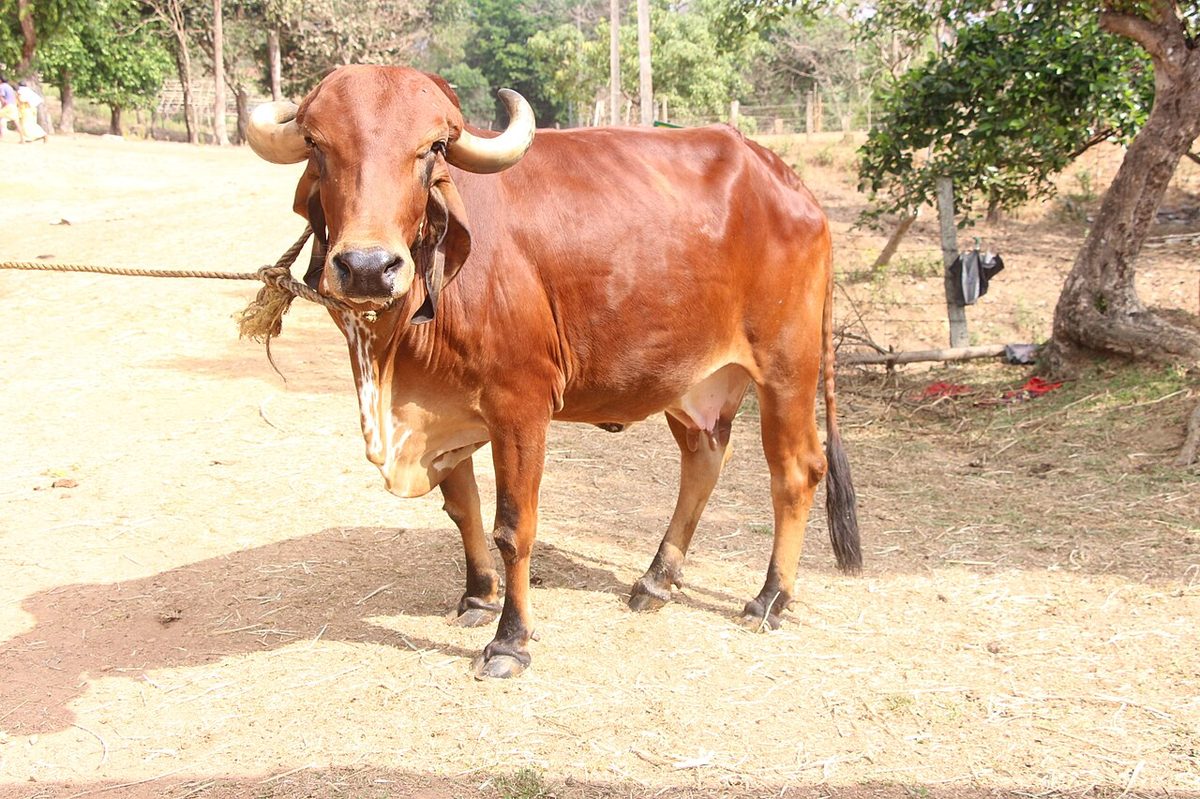
A Breed Born in the Gir Hills
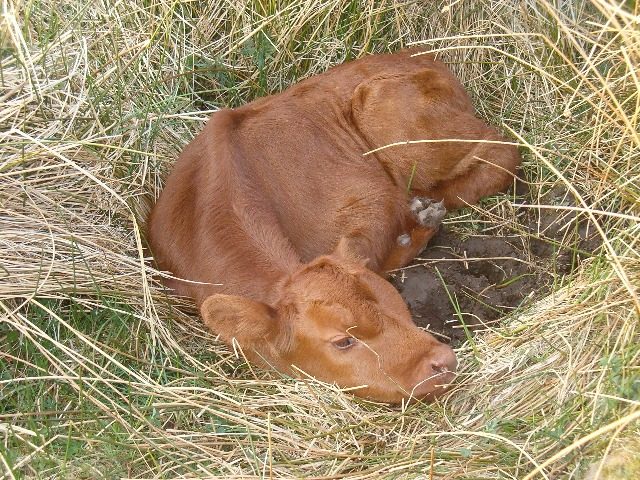
The Gir story begins on the Kathiawar peninsula in the state of Gujarat, India. The breed takes its name from the Gir Hills in that region, and for generations its home stretched across the Amreli, Bhavnagar, Junagadh and Rajkot districts. Local farmers there developed the Gir into a robust, productive animal that could thrive in the heat and deliver reliable quantities of milk.
Over time the breed picked up several local names. Depending on where you are in India, you may hear it called Bhodah, Desan, Gujarati, Kathiawari, Sorthi or Surti. All of these names point back to the same animal — the Gir.
By the year 2000, the Gir was still heavily concentrated in its home region. Around 917,000 head lived in the Saurashtra area of Gujarat, making up roughly 37% of the 2.5 million cattle in that region. Since then the breed has spread into neighbouring Maharashtra and Rajasthan, but Gujarat remains its spiritual and genetic home.
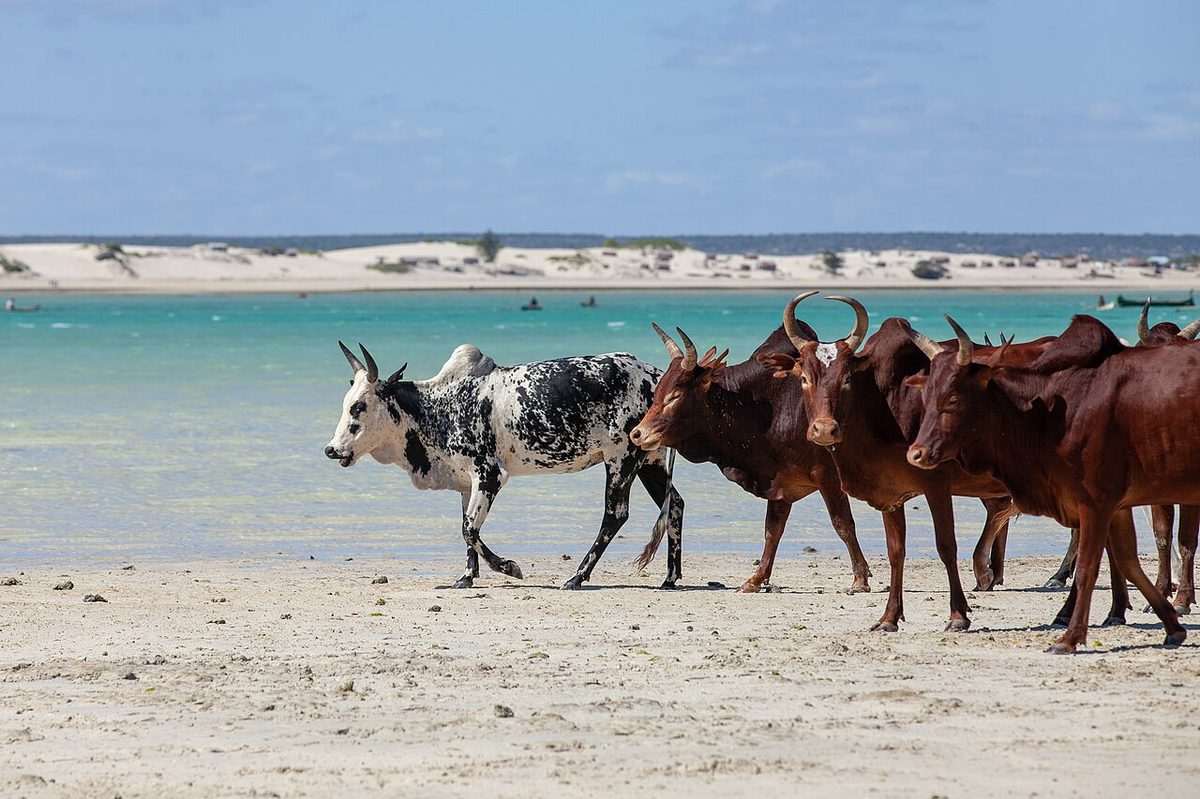
What Makes a Gir Stand Out
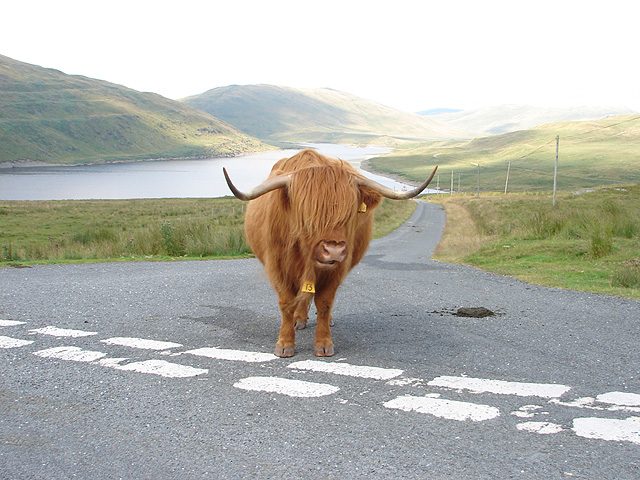
The Only Ultraconvex Breed in the World
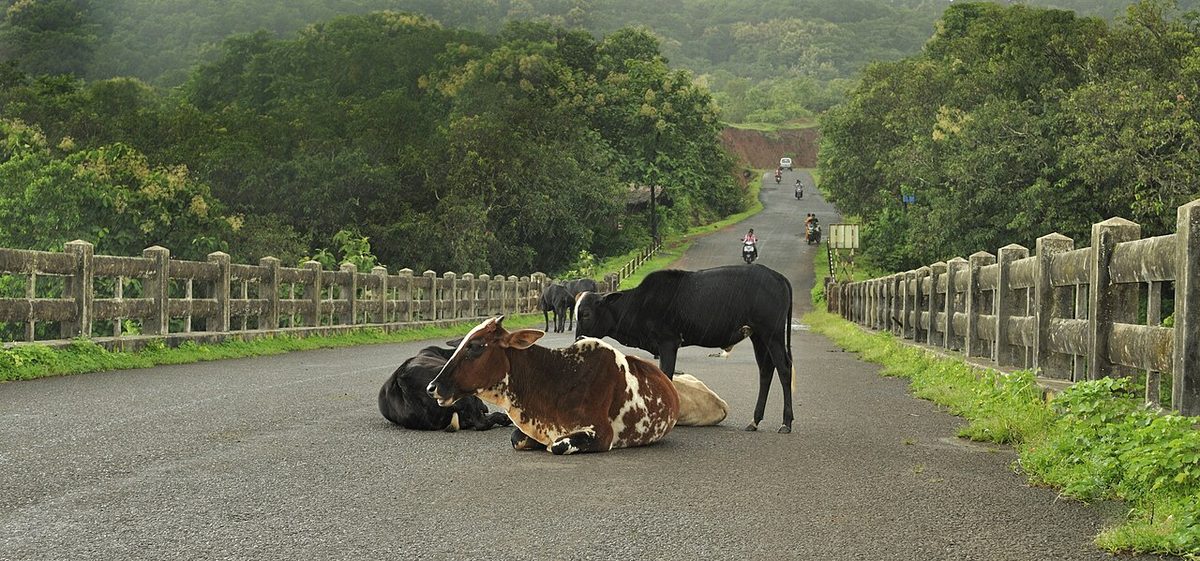
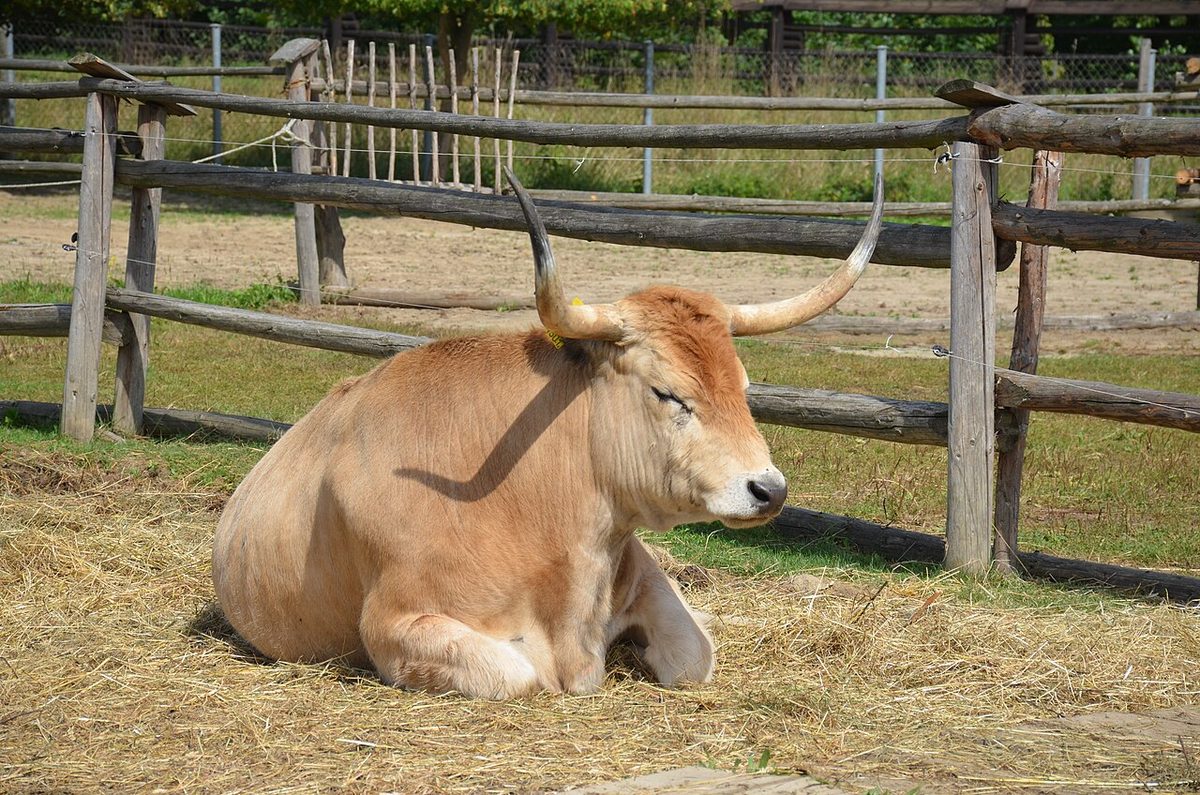
If you stood a Gir in a line-up of cattle from every continent, you would spot it instantly. The Gir is described as the only ultraconvex breed in the world. That means its forehead is rounded and domed — almost like a gentle hill rising from between the eyes. No other cattle breed shares this trait.
That distinctive forehead sits below long, pendulous ears that swing freely as the animal moves. The horns sweep outward and backward in a loose spiral, giving the Gir a look that is both elegant and unmistakable.
Size and Weight at a Glance
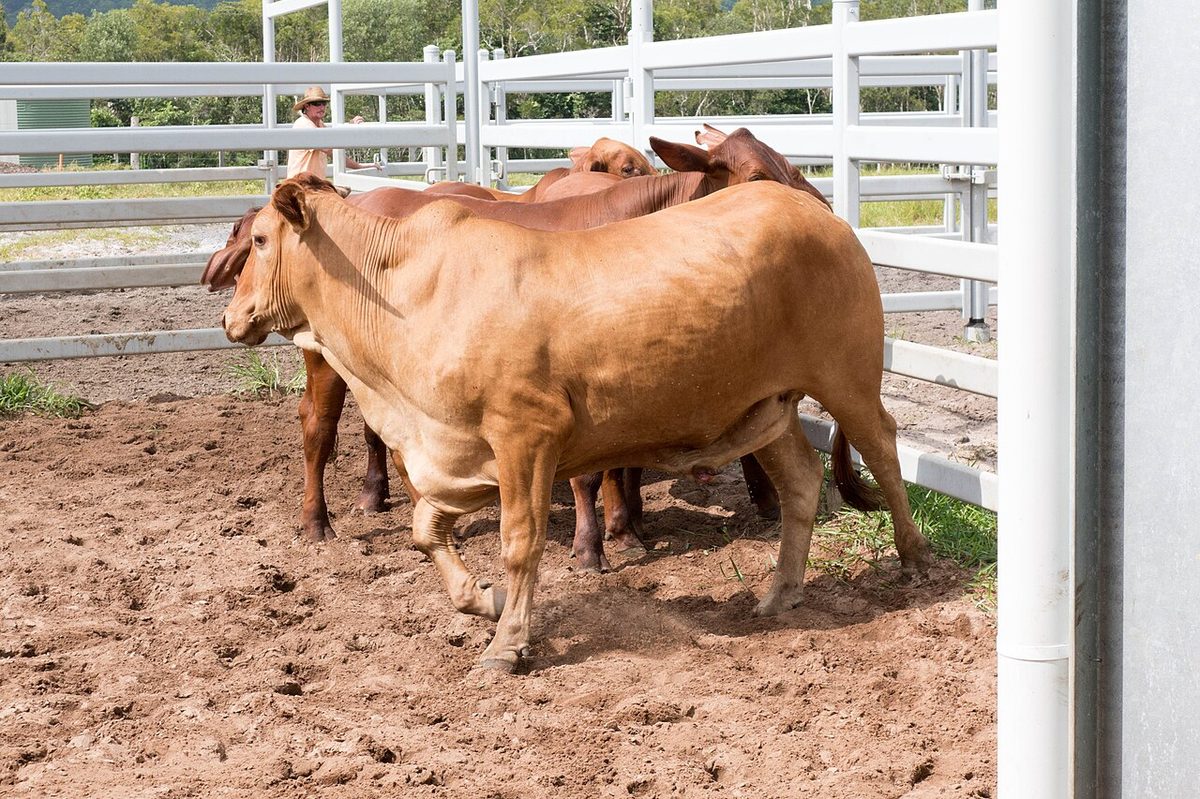
Gir cattle are a medium-to-large zebuine animal, well-proportioned and built for both milk and draught work. Here is how they measure up:
| Category | Weight | Height |
|---|---|---|
| Cow | 385 kg | 130 cm |
| Bull | 545 kg | 140 cm |
| Calf (at birth) | About 20 kg | — |
These are averages, so individual animals will fall above or below them depending on nutrition, care and genetics. A newborn calf arrives at roughly 20 kg — a sturdy start that gives it a good chance of thriving under most conditions.
Colour
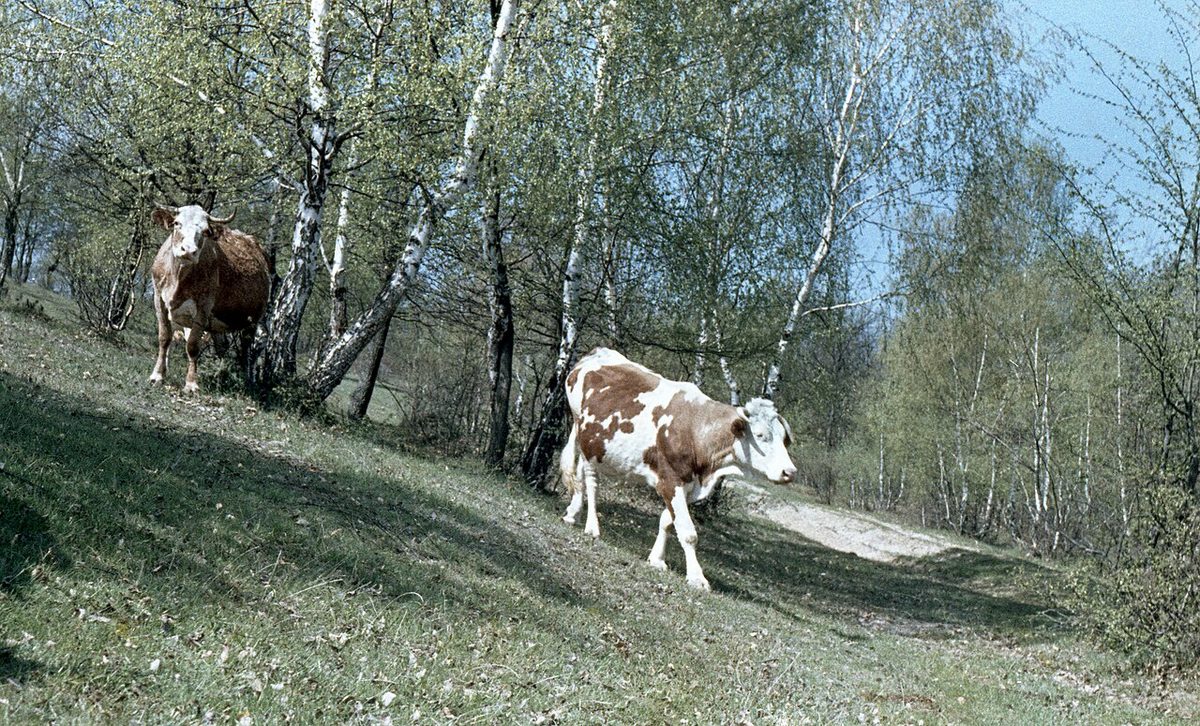
A Gir's coat is mottled, shifting across a palette that runs from deep red through golden yellow to clean white. The variation within a single animal is part of the breed's visual charm. The only colour that is not accepted is black.
How Much Milk Does a Gir Produce?
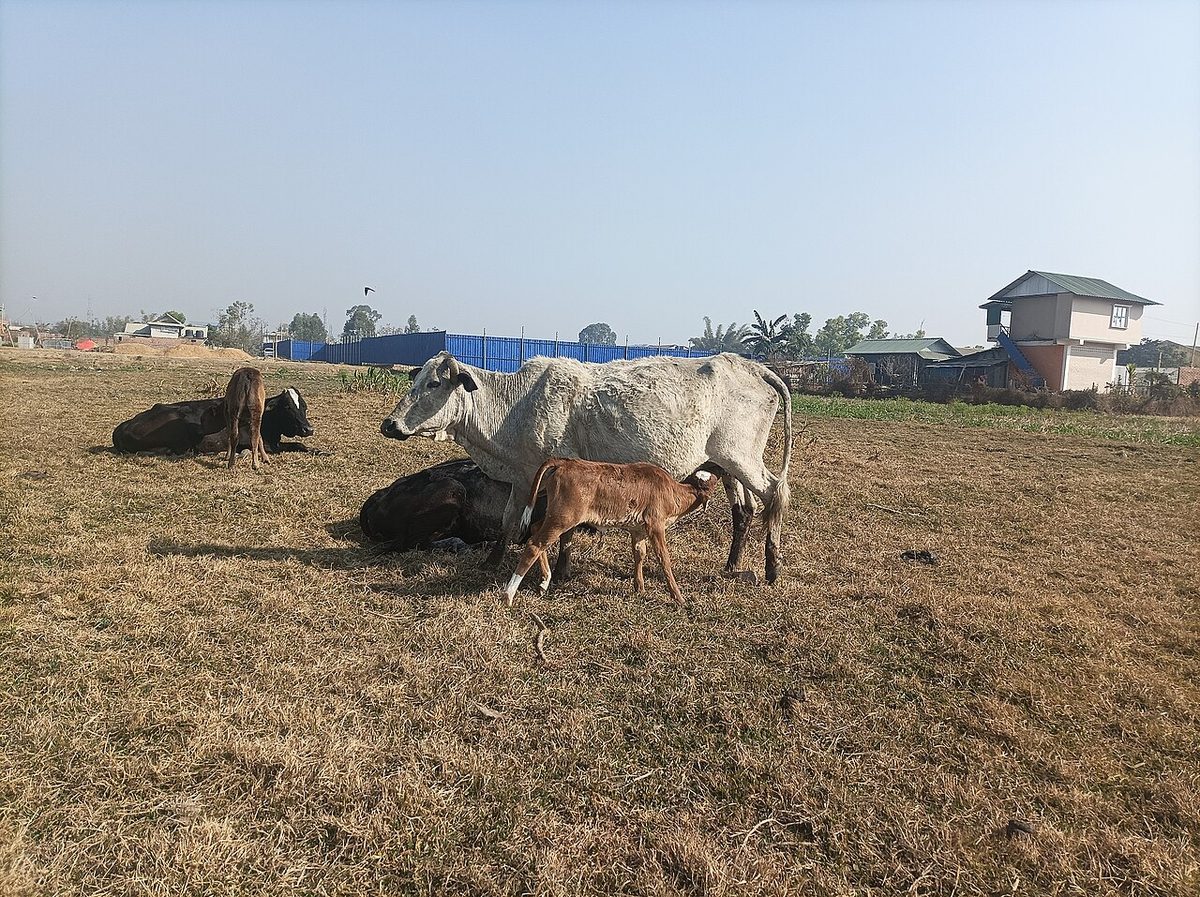
Gir cattle are celebrated for their milk. In India, the average Gir cow produces 2,110 kg of milk per lactation, with a fat content of approximately 4.5%. That fat level is noticeably higher than many commercial dairy breeds, which makes Gir milk especially rich and well-suited to producing butter, ghee and traditional dairy products.
It is worth putting that fat figure in context. A 4.5% fat content means every 100 litres of milk carries 4.5 litres of pure fat. For farmers making ghee or artisan butter, that is a genuine advantage over leaner milk.
The Gir is also a willing partner in crossbreeding programmes. Farmers looking to combine the Gir's heat tolerance and rich milk with the high volume of a European dairy breed often mate Gir bulls with Friesian cows. The result is the Girolando — a crossbreed that has found favour wherever tropical heat meets commercial dairy demand.
How Gir Cattle Reshaped Farming Around the World

The Brazilian Transformation
Gir cattle first arrived in Brazil in the early twentieth century, carried across the ocean by breeders who recognised their potential in the country's vast tropical interior. Since the 1960s, Brazilian breeders have pursued selective programmes that split the population into two distinct lines: a dairy strain known as Gir Leiteiro and a beef strain developed for meat production.
By 2010, Brazil was home to an estimated approximately five million head of Gir cattle. That single South American country now holds more Gir animals than the breed's original home, a testament to how well the breed adapted to Brazilian conditions.
The lesson for any farmer is clear: if the Gir can thrive in Brazil's intense heat and humidity, it can almost certainly handle the tropical and subtropical conditions found across much of Asia, Africa and Latin America.
The Brahman Legacy
Brazil was not the only place the Gir left its mark. In North America, the Gir was one of the foundational breeds used to create the Brahman. Breeders mixed Gir genetics with those of other Zebu breeds to produce an animal that could withstand the southern United States' hot, humid climate while delivering reliable beef performance.
Today, the Brahman and its derivatives rank among the most important beef breeds in the southern United States, Mexico and parts of Australia. Every one of those animals carries a thread of Gir ancestry.
Across South America more broadly, the Gir is used frequently because, as a Bos indicus breed, it resists hot temperatures and tropical diseases. That resistance is not a minor detail — it is the reason the breed spread so far from its home in the first place.
What Gir Cattle Cost in Today's Market
If you are considering buying Gir cattle, it helps to understand the general price range for live cattle in today's market. The figures below are drawn from market observations recorded in euros and reflect data from European and other market feeds. They cover general cattle categories rather than Gir-specific prices — Gir-breed premiums or discounts can shift the final number up or down depending on your local market.
Live Cattle Prices by Category
| Category | Lowest Price per kg | Highest Price per kg | Average Price per kg |
|---|---|---|---|
| Cows | €2 per kg | €8 per kg | €5 per kg |
| Heifers | €2 per kg | €10 per kg | €6 per kg |
| Young bulls | €2 per kg | €8 per kg | €6 per kg |
Heifers show the widest price range, from €2 to €10 per kg, reflecting the fact that younger, uncalved females carry more future production value. Their average sits at €6 per kg — one euro above the average for cows and young bulls.
A few things to keep in mind when using these figures. First, they are general cattle-category prices, not Gir-breed-specific prices. A purebred Gir with documented pedigree may trade at a premium compared to a commercial cow of unknown breeding. Second, prices are recorded in euros, which means the data skews toward European market observations. Prices in India, Brazil or other producing countries will differ, and you should check with local dealers or market offices for accurate regional figures. Third, these observations were recorded on 2026-09-20, so always confirm current rates before making a buying decision.
To give you a rough sense of total cost, a cow of average Gir weight — 385 kg — at the category average of €5 per kg would come to roughly €1,925 before transport, veterinary checks or any breed premium. A bull at 545 kg and €6 per kg would be approximately €3,270 at the average. These are ballpark figures, not quotes, and your actual cost will depend on local supply and demand, the animal's age, condition and pedigree.
Is the Gir Right for Your Farm?
The Gir offers genuine advantages. It produces rich milk with high butterfat, it handles tropical heat and disease pressure that would trouble many temperate breeds, and its calm, manageable temperament has made it a favourite of smallholders across India for generations. Its genetic influence has shaped some of the world's most important beef and dairy breeds.
But the breed also demands honest assessment. A 2,110 kg lactation average is respectable but modest compared to top European dairy breeds — so if your priority is maximum volume in a cool climate, the Gir may not be your first choice. Conversely, if you farm in a hot, humid or disease-challenging environment where other breeds struggle, the Gir's hardiness and resilience could make all the difference.
Feed requirements, daily quantities, gestation length, age at first calving and reproductive cycles for Gir cattle are not covered in the sources consulted for this article. These are critical management details that vary with local conditions, and you should discuss them with a veterinarian or experienced Gir breeder in your area before committing to the breed.
Similarly, no specific Gir-breed market prices are available from the sources reviewed. The general cattle category prices above give you a starting point, but actual Gir-breed prices will depend on local market conditions, pedigree, age and the dealer you buy from. Check with nearby livestock markets or agriculture offices for current regional rates.
The Future of Gir Cattle
Gir cattle have come a long way from Gujarat. Today, countries on every continent are discovering what Indian farmers have known for generations. Brazil has one of the largest Gir populations outside India. African nations use them to strengthen local herds. The United States, Australia and Mexico have brought in Gir bulls to improve dairy and beef production.
This global spread tells us something important. Gir cattle are no longer just an Indian breed. They are a worldwide solution for farmers dealing with heat, disease and feed challenges. As climate change makes farming harder, heat-tolerant and hardy breeds like the Gir are growing in value.
Is the Gir Right for Your Farm?
That is a question only you and your local advisor can answer. If you live in a hot, dry area, the Gir may be one of your best options. If you need a dual-purpose animal for both milk and meat, the Gir deserves serious consideration. If you want maximum dairy volume, compare breeds before deciding.
Visit a working Gir farm before buying anything. See the animals. Talk to the owner. Ask about the challenges as well as the rewards. A few hours of real research can save you years of trouble.
Final Thoughts
Gir cattle offer something rare in modern farming — a breed proven by time, tested by millions of farmers, and validated across continents. Their heat tolerance, disease resistance and steady milk production make them worth considering for any farmer in a warmer climate. The breed may not suit everyone, but it deserves a place on your shortlist. Do your homework, visit real farms and talk to local experts. That practical approach will serve you well no matter which breed you choose.
 Menu
Menu
💬 Comments
Login to comment
No comments yet. Be the first to share your experience!