🍪 Cookie Consent
We use cookies to improve your experience, analyse how the site is used, and show relevant content. By choosing Accept you agree to that. See our
Privacy Policy.
Pet Birds & Pigeons: Ownership Facts, Costs & Care Basics
Around 6 million US households keep birds as pets, but reliable care information can be hard to find. We break down what the data actually says about bird ownership — and be honest about where it falls short.
About 6 million US households own birds as pets, and keeping any pet over its lifetime typically costs between $8,000 and $13,000 in the United States — though bird-specific costs depend heavily on the species you choose and where you live.
How Many Households Keep Birds
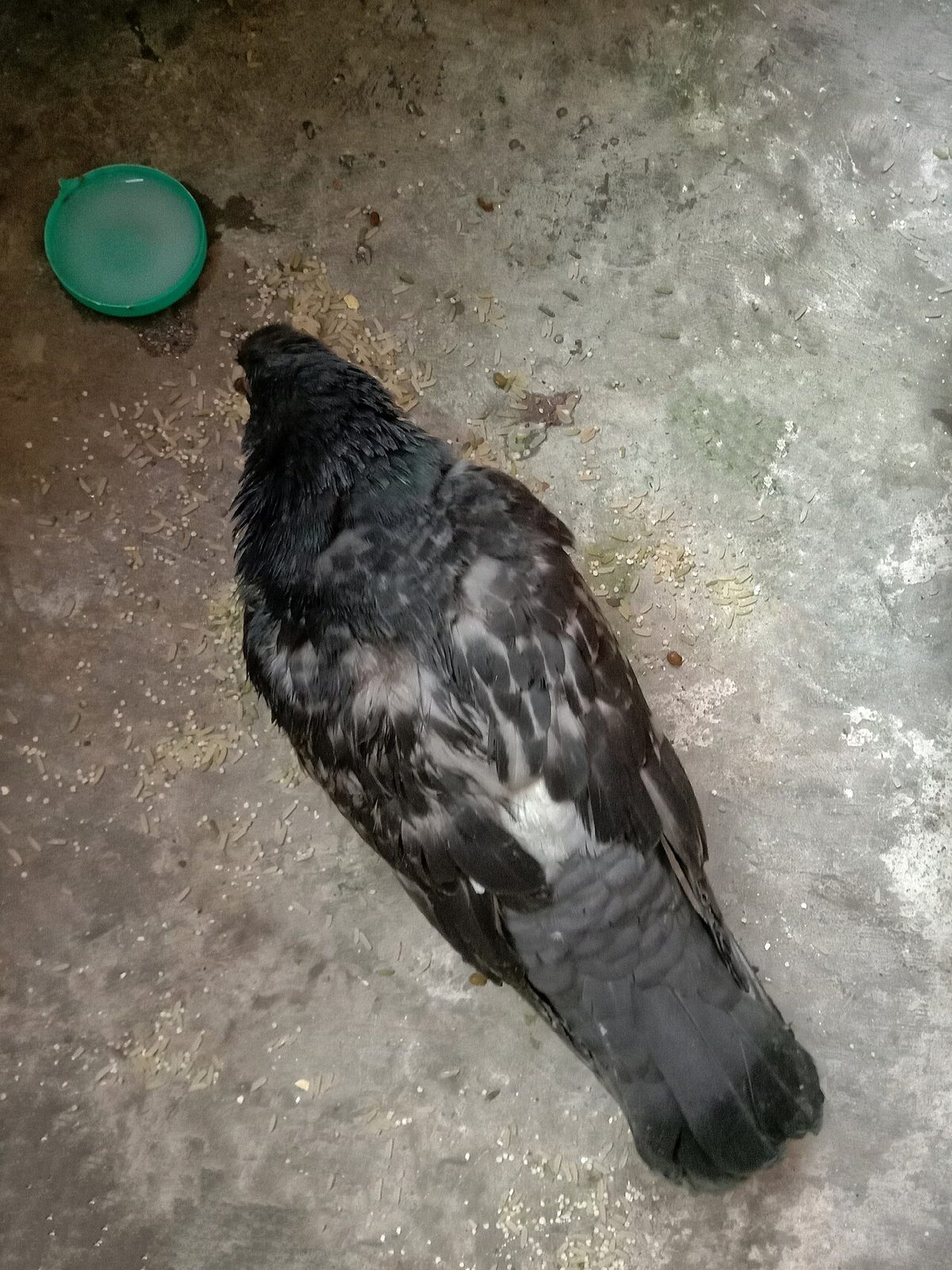
A pet pigeon eating rice grains by Billjones94 (CC BY-SA 4.0) · source
An estimated 6 million households across the United States own birds as pets. That figure is based on general pet ownership surveys, and while it gives a useful snapshot, it does not tell us which bird species are most commonly kept or what those households have in common.
To put that number in perspective, birds sit well behind dogs and cats in American homes. Dogs are found in roughly 69 million US households, and cats in about 45.3 million. Even fish, at 11.8 million households, and rodents, at 5.3 million, sit close to or above the bird-keeping figure. Here is how those numbers compare:
Dogs — approximately 69 million US households
Cats — approximately 45.3 million US households
Fish — approximately 11.8 million US households
Birds — approximately 6 million US households
Rodents — approximately 5.3 million US households
Overall, 63% of American households have at least one pet, and 45% have multiple pets. If you are part of that 63%, you already understand the sort of commitment pet ownership involves. If you are new to keeping animals, a bird can be a rewarding choice — but it is still a commitment worth preparing for.
From Working Animals to Companions
Students working in the Pigeon River by USFWS/Southeast (Public domain) · source
Birds have not always been kept as pets. For much of human history, they served practical, working purposes. People used birds for message delivery, pigeon racing, and falconry. These were functional relationships — the birds had jobs to do, and their value was measured by what they could accomplish.
That changed as societies industrialized. Keeping small mammals and birds as pets arose only after large-scale industrialization, when animals previously considered vermin began to be kept as companions. The shift mirrored what happened with dogs and cats: working animals that gradually became family members. Today, most bird ownership is for companionship rather than for work.
If you keep a pigeon, you are touching on one of the oldest working relationships between humans and birds. Pigeons have been used for message delivery and racing across many cultures and centuries. Some keepers today still race pigeons or keep them for show, carrying forward those traditions even as the broader trend moves toward companionship.
Enclosures and Containment
Bird enclosure in Mushrif Park by Shivani Shetty (CC BY-SA 4.0) · source
If you are planning to bring a bird home, one of your first practical concerns will be preventing escape. Bird ownership usually requires an enclosure such as a birdcage, or a tether such as a jess, to keep birds from getting loose. This is described as a standard requirement across bird types — regardless of the species you choose, you should expect to provide some form of secure containment.
Beyond that basic requirement, the details of housing are not covered by available data. Cage size, perch type, bar spacing, and other enclosure specifics vary considerably by species and are not addressed in the sources. Those details matter a great deal for your bird's health and comfort, so research them carefully for whatever type of bird you are considering. A nearby avian veterinarian, an experienced local keeper, or a reputable dealer will be able to give you practical, species-specific guidance.
Understanding the Costs
Skeet and Trap Shoot 120711-F-VU439-130 by Airman 1st Class George Goslin (Public domain) · source
One of the first questions any prospective owner asks is: how much will this cost? In the United States, the average lifetime cost of a pet — across all animal types — falls between $8,000 and $13,000. That total includes food, veterinary care, supplies, and other expenses spread across the animal's life.
However, no bird-specific cost breakdown is available. The initial price of the bird, a suitable cage and accessories, food, and ongoing veterinary care all contribute to the total, but the real figure depends on your species choice, your location, and the quality of care you provide. General pet cost averages can give you a rough sense of the financial commitment, but they will not tell you exactly what to budget for your particular bird.
It is also worth knowing that some data sources covering agricultural prices — including wheat at an average of ₹26 per kg and soyabean at ₹57 per kg, with livestock such as heifers averaging €6 per kg — are drawn from commodity tracking systems like FAOstat, which holds over 174,420 price observations. Those figures reflect crops and farm livestock, not pet bird food or equipment, so they are not a useful guide for your own budgeting.
Lifespan and Long-Term Commitment
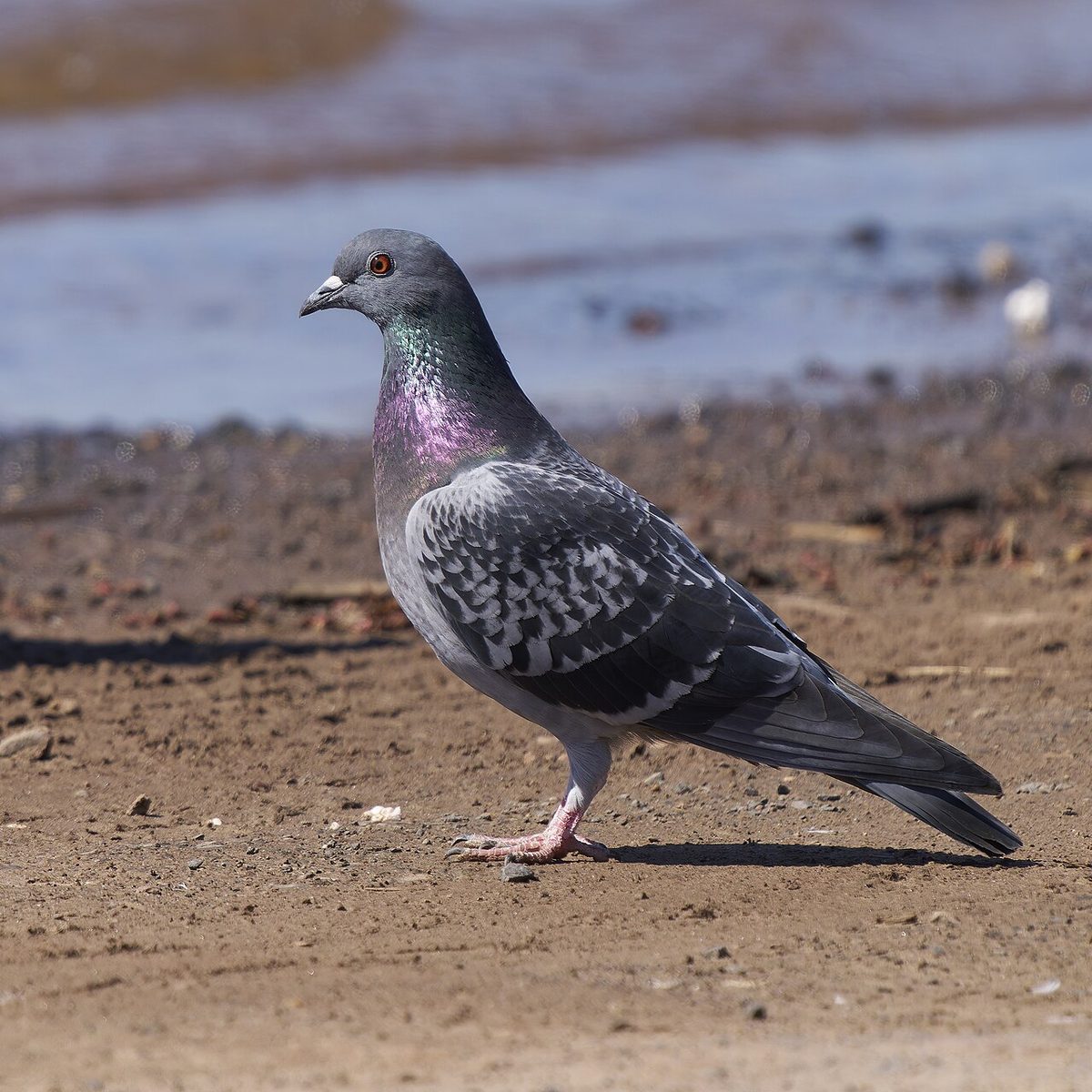
20260329 feral pigeon wethersfield cove PD01047 by Paul Danese (CC BY-SA 4.0) · source
Before getting any pet, it makes sense to understand how long it is likely to live. For companion animals in the United States, modern care has extended lifespans considerably. Indoor cats live an average of 13–14 years, while indoor dogs live an average of 6–10 years. Those longer lives are credited to better nutrition, veterinary medicine, and the overall shift from working animals to indoor companions.
No lifespan figures specific to pet birds are available from the sources. Lifespan varies enormously between species, and without knowing which type of bird you are interested in, it is impossible to give you a reliable number. Some species have relatively short lives, while others can remain with you for many years. Before making a decision, find out the typical lifespan for the specific species you are considering. A long-lived bird is a long-term commitment, and you will want to go into it with your eyes open.
Why Pet Ownership Is Growing
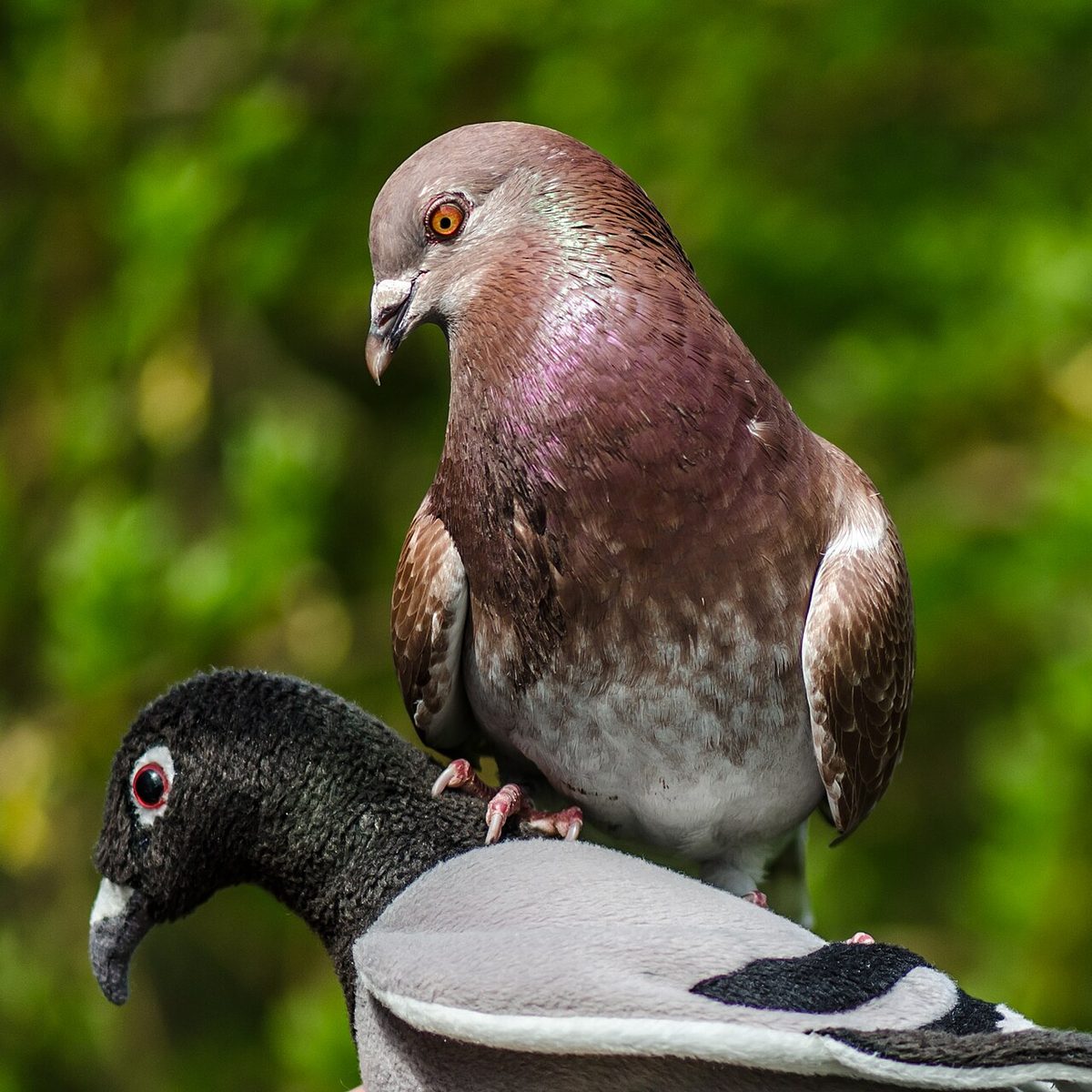
Growing pigeons by Bryan Ledgard (CC BY 2.0) · source
Pet ownership has been on the rise, and social media has helped drive that trend. Pets appear frequently in photos and videos shared online, and the relationship between creating that content and watching it has generated increased interest in pet ownership — a trend that has been building since the mid-1960s.
That growing interest has real consequences. With 63% of American households owning at least one pet and 45% owning multiple, demand for veterinary care has expanded significantly, putting pressure on the supply of veterinarians across the country. More pets mean more need for professional care.
It is also important to keep the risks in perspective. An estimated 4.5 million people are attacked by dogs each year in the United States, and 900,000 of those attacks require immediate medical attention. Birds are generally lower risk than dogs in this regard, but any animal can behave unpredictably. Responsible ownership — understanding your animal's needs, providing proper care, and managing its environment — is the best way to keep both you and your pet safe.
Getting Started With Confidence
Curtiss Carrier Pigeon NC29 of National Air Transport by SDASM Archives (No restrictions) · source
Choose the Right Bird for Your Situation
Morning Situation at Waterfront Pontianak by Liuzhary (CC BY-SA 4.0) · source
Not every bird fits every lifestyle. Pigeons need outdoor loft space and regular fresh air. Small songbirds like canaries do well indoors in a calm room. Parrots and parakeets need lots of attention and mental stimulation every day. Before you decide, spend time learning about the birds that interest you. Visit a local breeder or pet store. Ask the owners what daily care each breed needs. A bird that matches your available time and space will be healthier and happier.
Prepare Everything Before Your Bird Arrives
Buy the cage, food dishes, perches, and proper feed before you bring your bird home. The cage should be large enough for the bird to fully stretch its wings. Place it away from drafts, heaters, and direct sunlight. Have the contact information for an avian veterinarian saved in your phone. Covering these basics before the bird arrives removes stress from those first days and helps your new pet settle in faster.
Pet birds and pigeons can be wonderful companions when you treat them right. Start with good information, set up a proper space, and build good habits from day one. The time and money you invest will show in the health, happiness, and trust of your birds.
❓ Frequently asked questions
How much does it cost to keep a pet bird?
Research on US pet ownership reports that the average lifetime cost of any pet in the United States falls between $8,000 and $13,000. However, this figure covers all pet types combined and does not provide a bird-specific breakdown. Available pricing data covers agricultural commodities such as wheat, soyabean, and livestock, none of which relate to bird feed, cages, or care products. For accurate bird-specific costs, check with local pet suppliers or a nearby veterinarian.
What kind of enclosure does my pet bird need?
Bird ownership generally requires an enclosure such as a birdcage, or a tether such as a jess, to prevent birds from escaping. This is described as a standard requirement across bird types. The sources do not provide details on cage dimensions, perch types, spacing, or what suits specific bird species. For guidance on the right enclosure for your particular bird, speak with a local pet dealer or avian veterinarian.
What do I feed a pigeon kept as a pet?
No source covers pigeon diet, feeding practices, or nutritional requirements. Pigeons are mentioned only in the context of historical uses such as message delivery and pigeon racing. Available pricing data covers agricultural commodities like wheat, soyabean, potatoes, and livestock, but none of it relates to bird feed. For proper pigeon nutrition, consult a local feed supplier or veterinarian familiar with pigeons.
How long do pet birds live?
The available research does not provide any lifespan figures for pet birds. It does report that indoor cats live an average of 13 to 14 years and indoor dogs live an average of 6 to 10 years, but bird lifespans are not addressed. Lifespan varies significantly between bird species, so check with an avian specialist or veterinarian for species-specific information.
Are birds good pets for apartment dwellers or renters?
The research notes that fish ownership is popular among renters because most leases allow fish as pets, but it does not address whether birds face similar lease restrictions, noise considerations, or space requirements. No information is provided on how climate, season, or region affect bird-keeping practices. Renters and apartment dwellers should check their lease agreements and consult local pet or bird clubs for practical advice.
What bird species are most commonly kept as pets?
An estimated 6 million US households own birds as pets, but the research does not break down which bird species or breeds are most commonly kept. No breed or species-level detail is provided anywhere in the sources. For guidance on suitable bird species — especially for first-time keepers — consult a local pet store, bird club, or veterinarian.
📚 Where the figures in this guide come from
We read what has already been published on the subject, take out the figures and rules it actually states, and write it up in plain, everyday language.
Every number and name here traces back to a source listed below — nothing in this guide is invented.
Our own records
Price observations recorded by this site (worldwide)
Prices, rules and animal health advice change and vary by area. Check anything important with a local vet, dealer or agriculture office before you spend money.
Spotted a mistake? Tell us in the comments and we will correct it.








 Menu
Menu
💬 Comments
Login to comment
No comments yet. Be the first to share your experience!