🍪 Cookie Consent
We use cookies to improve your experience, analyse how the site is used, and show relevant content. By choosing Accept you agree to that. See our
Privacy Policy.
5 Chicken Breeds with Extra Toes (And How to Care for Them)
Five chicken breeds — the Dorking, Faverolle, Houdan, Silkie, and Sultan — are born with an extra toe on each foot due to a harmless genetic trait called polydactyly. This guide explains how to tell the difference between a normal extra toe and one that needs attention, which breeds suit backyard flocks, and what the extra toe means for egg laying.
Five chicken breeds have five toes as an established, inherited breed trait: Dorking, Faverolle, Houdan, Silkie, and Sultan. The extra toe is called polydactyly, and it is present from hatch, not a disease or injury. Mixed-breed chickens can also carry the trait if the gene runs in their family line. Read on to learn how the condition works, how to care for five-toed birds, and what makes each of these five breeds special.
What Is Polydactyly in Chickens?
6H-Bantam-Rooster-w-Polydactyly-from-FITHFATH FARM-by-Alan-diGangi by 6th Happiness (CC BY-SA 3.0) · source
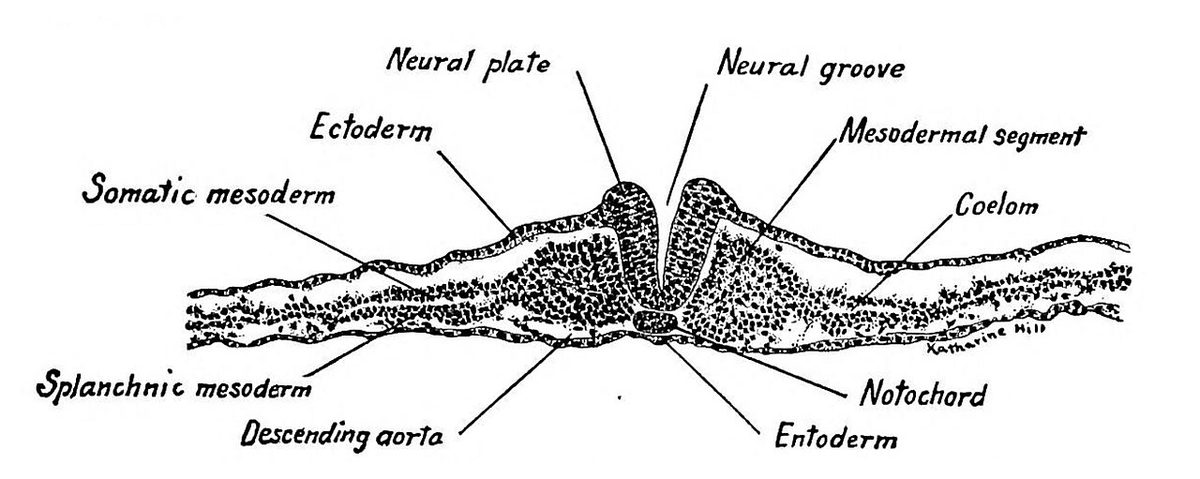
Polydactyly is a congenital, hereditary trait caused by genetics. It affects how digits form in the embryo, linked to changes in a specific region during early development. Because it is purely genetic, chicks hatch with extra toes already present — it is not something that develops later or caused by diet or environment.
Most polydactyl chickens live completely normal lives and need no treatment at all. When the extra toe is well-formed and positioned normally, birds walk, scratch, and perch without any difficulty. The real concern is not the number of toes, but whether the foot works comfortably. Treatment becomes necessary only if a toe is twisted, repeatedly injured, or interferes with walking or perching.
It is worth noting that not every bird in a five-toed breed will actually have five toes. The extra-toe gene is not fully penetrant in all family lines. For example, white Dorkings always show the trait, while silvery-grey Dorkings have it most of the time but not always. Within any five-toed breed, you will find some birds with the standard four toes.
The Fifth Toe Is Not Where You Might Expect
Aves Transverse section through the fifth pair of mesodermal segments of a twenty-five-hour chick embryo by Prentiss, Charles William (Public domain) · source
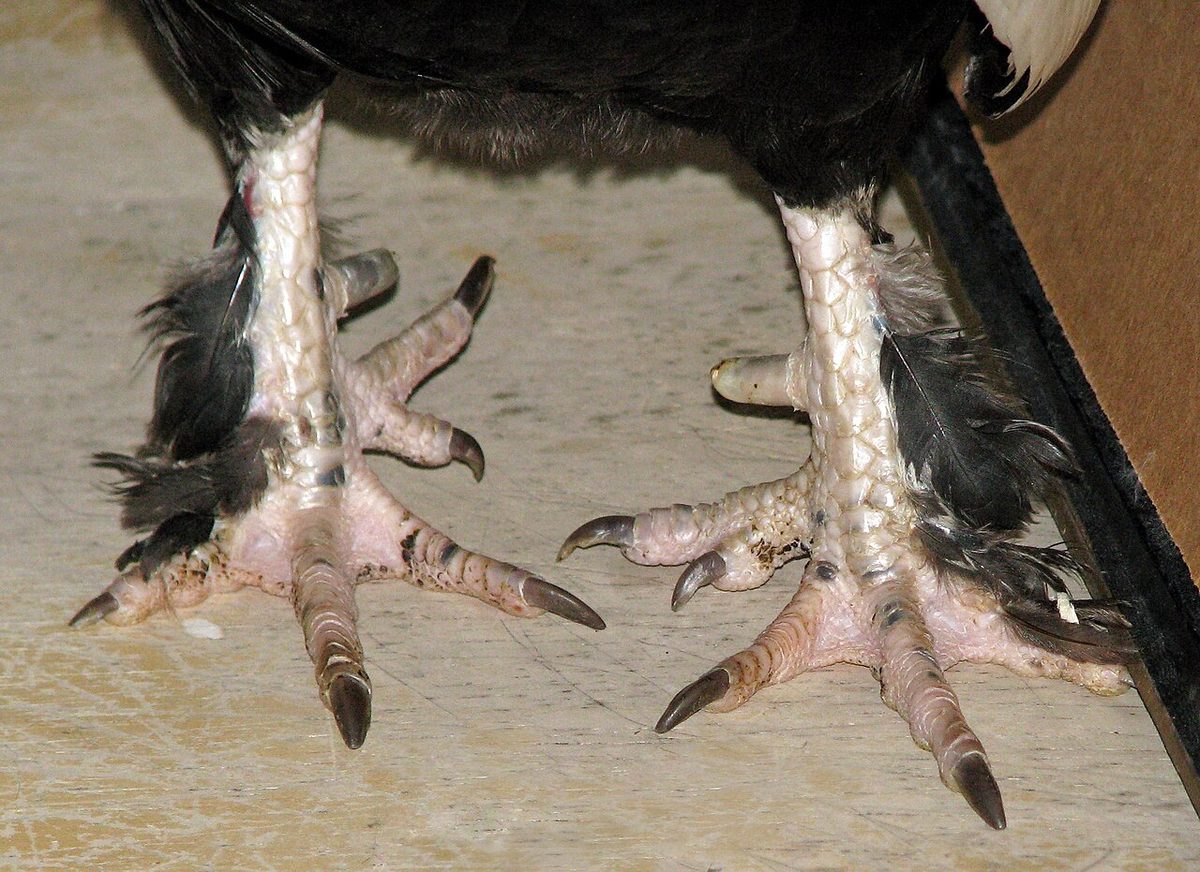
Unlike the four main toes that sit at the front of a chicken's foot, the fifth toe grows in a different position. It sits higher up on the back of the foot, atop the hallux, rather than alongside the other toes. This makes it easy to tell a five-toed breed apart from a normal four-toed bird once you know where to look.
Chickens do not have a fully formed heel bone like humans do, so their foot anatomy is quite different. The extra digit in polydactyl breeds is genuinely additional, not a split or deformed version of an existing toe.
Common Foot Problems to Watch For
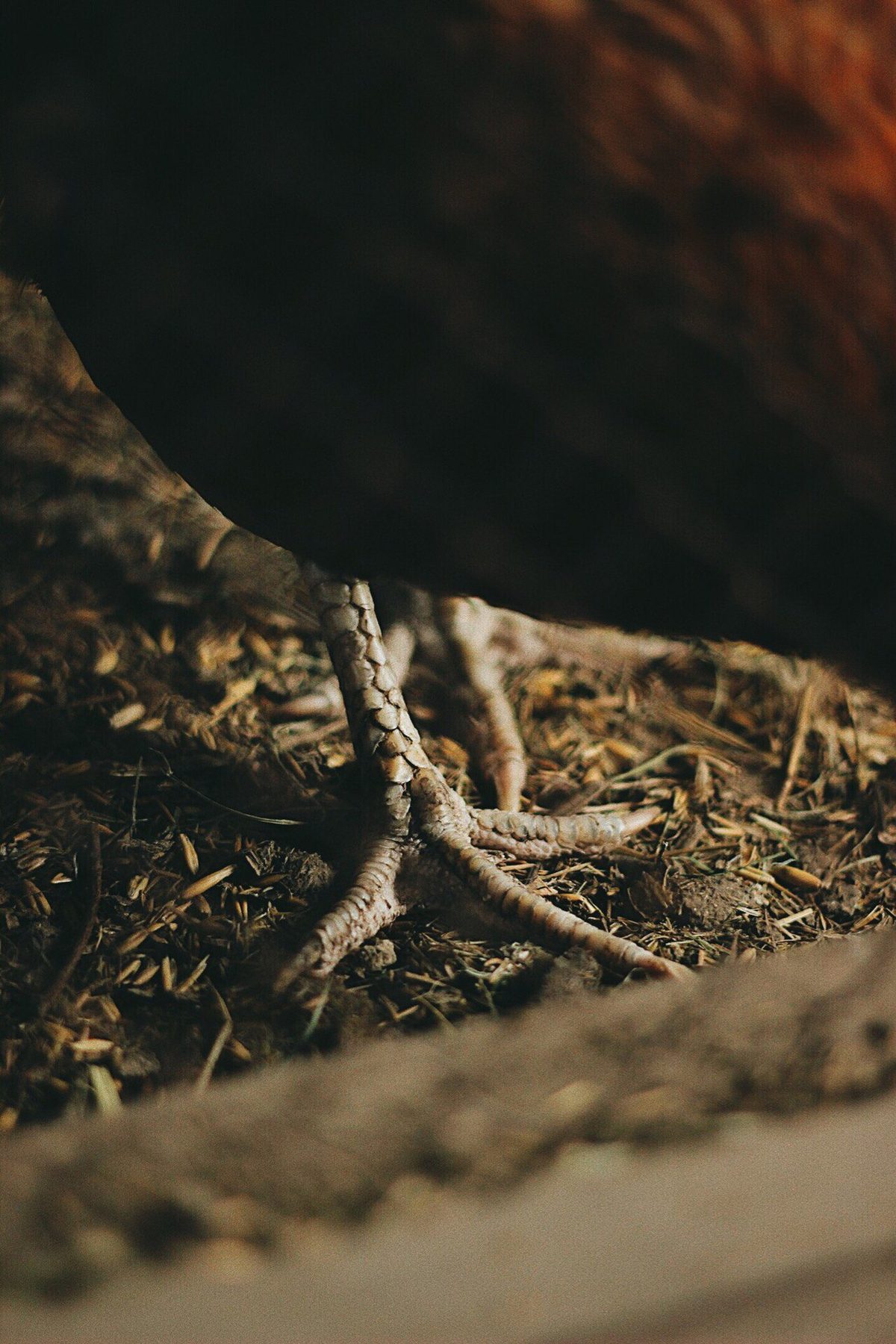
Chicken foot by AnnaLebedeva1998 (CC BY 4.0) · source
Most five-toed chickens are every bit as healthy as their four-toed counterparts. Extra toes do not directly affect a chicken's overall health or ability to lay eggs, and the number of toes does not correlate with egg production. However, the extra digit may make birds slightly less agile and more prone to injuries, so roosting space may need a small adjustment for comfort.
The real risk comes when the extra toe is small, twisted, or poorly positioned. In those cases, nail overgrowth, rubbing, pressure sores, and repeated trauma are more likely. Watch your birds closely for swelling, sores, bleeding, limping, or nails that grow into surrounding skin.
If you see swelling, heat around the foot, discharge, or a dark scab, the problem has gone beyond cosmetic and needs attention. Polydactyly can be confused with bumblefoot, trauma, or nutritional limb deformities, so getting a clear diagnosis from a professional is important. In the United States, a veterinary examination for polydactyly-related issues costs between $60 and $120. That covers the exam. Costs go up if bandaging, imaging, sedation, or surgery are needed. Contact a vet promptly if the foot looks painful, your bird is limping, or a toe keeps getting caught or bleeding.
The Five Breeds with Extra Toes
Exactly five chicken breeds carry the five-toe trait as part of their breed standard. Here is what makes each one unique.
Dorking
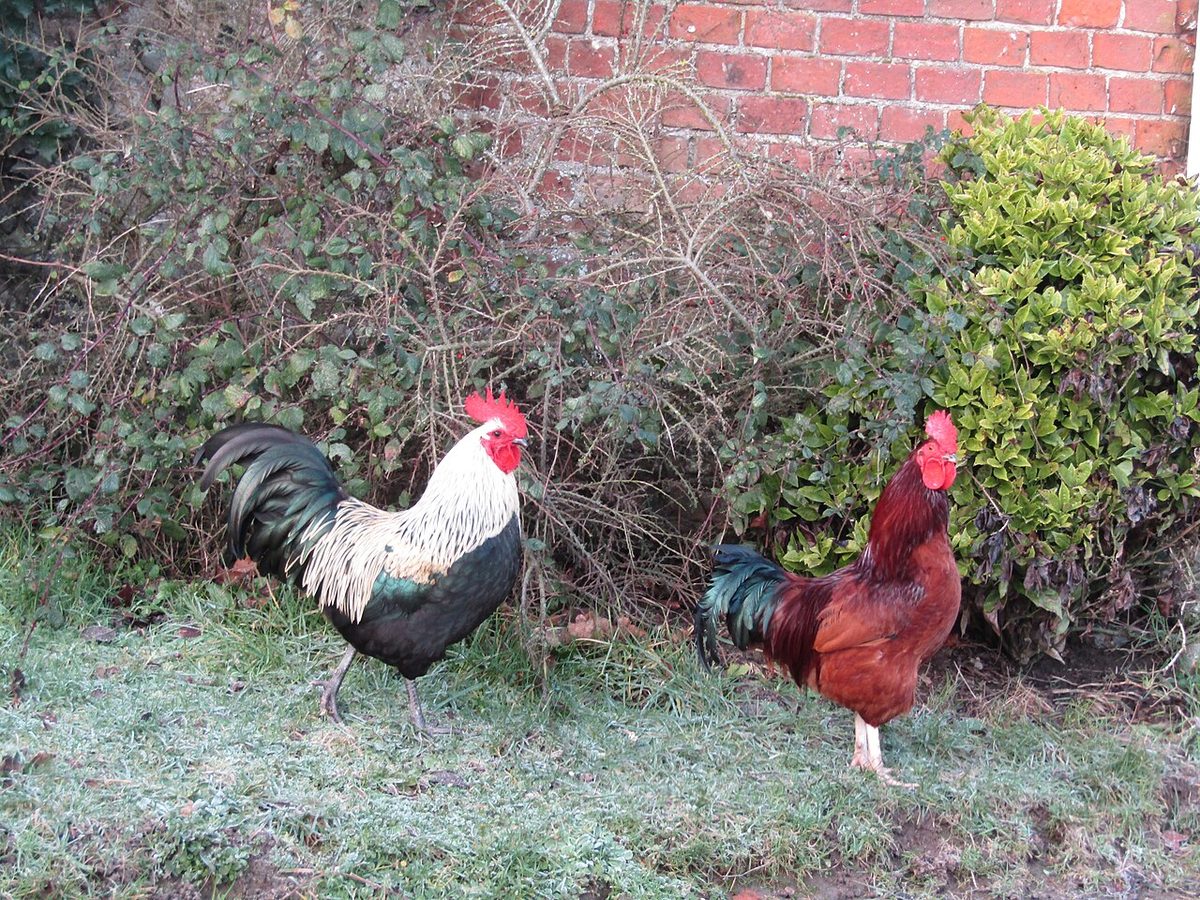
2019-01-29 Rhode Island Red and Dorking chickens, Trimingham by Kolforn (Kolforn)
I'd appreciate if you could mail me (Kolforn@gmail.com) if you want to use this picture out of the Wikimedia project scope.
This file is licensed under the Creative Commons Attribution-Share Alike 4.0 International license.
You are free:
to share – to copy, distribute and transmit the work
to remix – to adapt the work
Under the following conditions:
attribution – You must give appropriate credit, provide a link to the license, and indicate if changes were made. You may do so in any reasonable manner, but not in any way that suggests the licensor endorses you or your use.
share alike – If you remix, transform, or build upon the material, you must distribute your contributions under the same or compatible license as the original.https://creativecommons.org/licenses/by-sa/4.0CC BY-SA 4.0 Creative Commons Attribution-Share Alike 4.0 truetrue (CC BY-SA 4.0) · source
The Dorking is an ancient English dual-purpose breed, developed in the area around Dorking from chickens introduced by Roman legions in the first century. It is known for being very docile, with noticeably short legs and a tall single comb. Dorkings lay 170 to 190 medium brown eggs per year and reach about 8 pounds in weight.
This breed comes in two main color varieties: silver gray, which is the most common, and white. White Dorkings are endangered and rare in the United States, with fewer than 500 breeding birds remaining. Dorkings have two comb types: the large single comb suits warm climates, while the rose comb is better for northern areas.
Faverolle
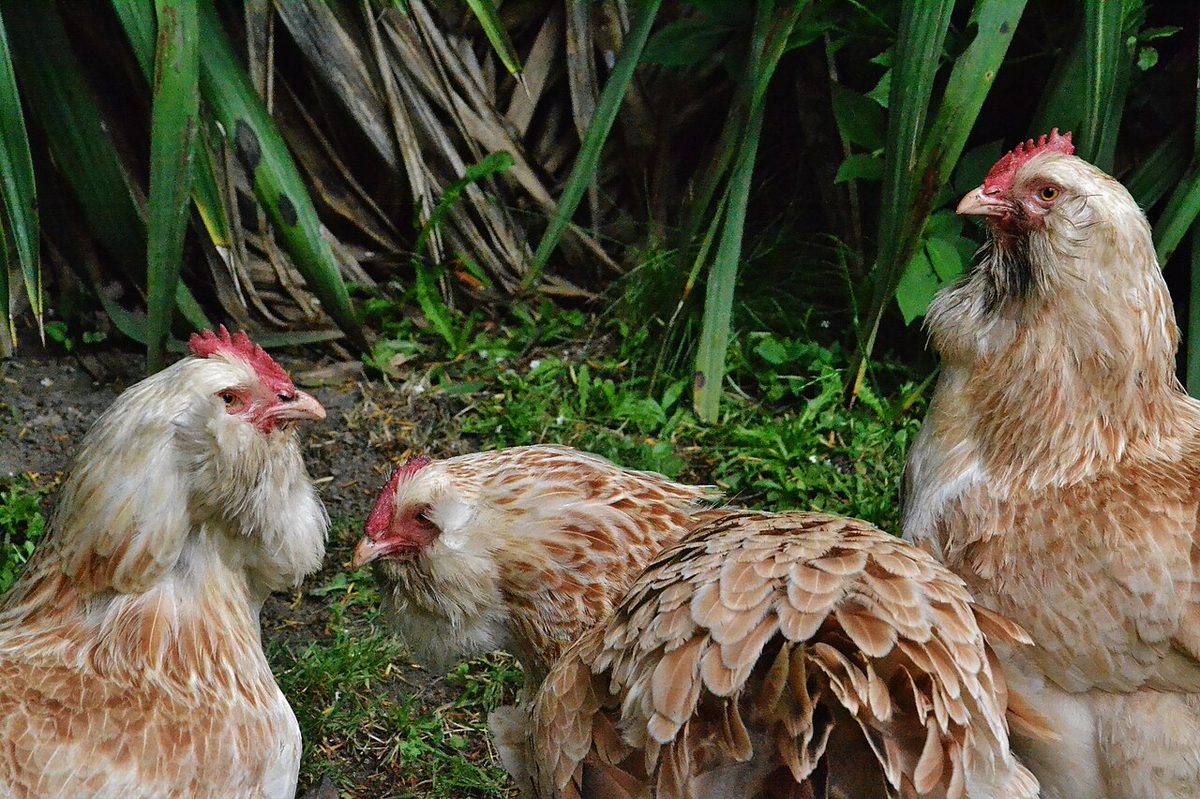
Faverolles Limoges by Babsy (CC BY-SA 3.0) · source
The Faverolle is a French dual-purpose breed named after the village of Faverolle. It was developed as a farmstead bird intended for both meat and eggs. Faverolles have a fluffy face with a beard, muffs, and slight leg feathering, giving them a soft, rounded appearance. Hens lay 180 to 200 tinted eggs per year and tend toward broodiness. Mature birds weigh 6.5 to 8 pounds.
The breed was likely created by crossing Houdan, Dorking, Brahma, and other breeds to combine meat and egg production. In the United States, only the salmon and white color varieties are officially recognized. Faverolles are good all-around farm birds that fit well into a backyard flock.
Houdan
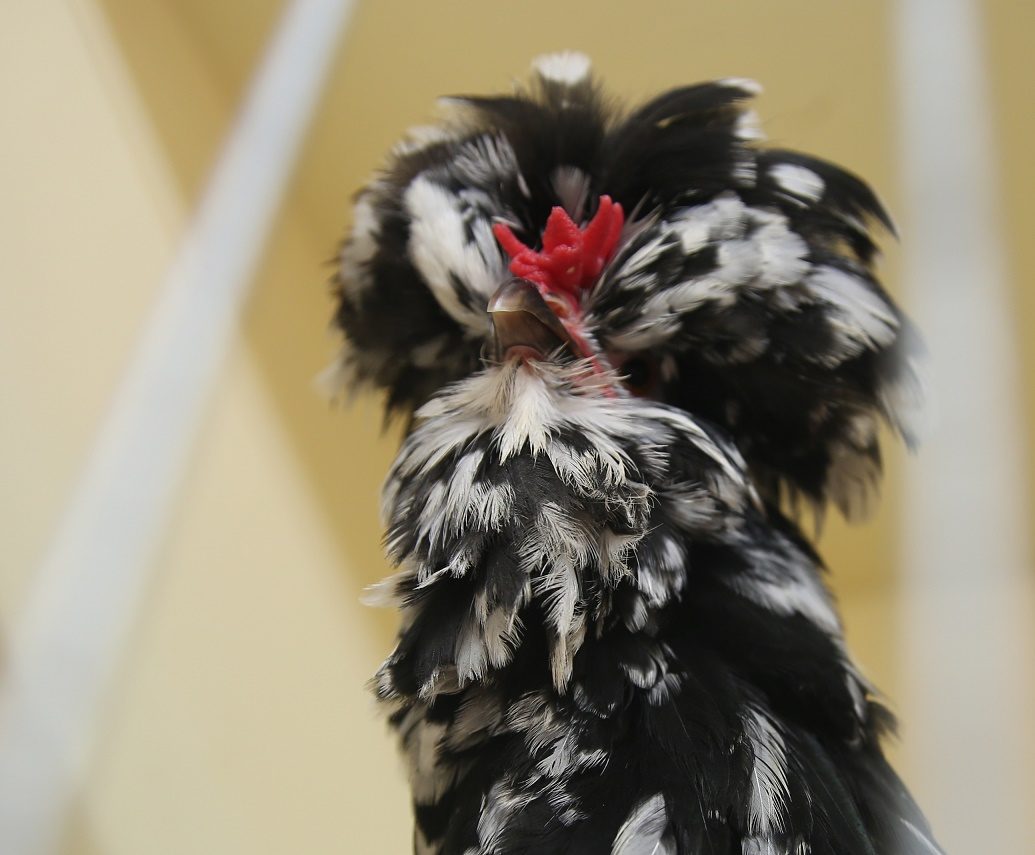
2018-07-22 Houdan hen by karen johns (CC BY-SA 2.0) · source
The Houdan is an old French dual-purpose breed named after the town of Houdan, which historically supplied poultry to the Paris market. It has a crest, V-comb, and beard. Its five toes are thought to come from Dorking ancestry, while its crest, V-comb, and beard likely come from Crevecoeur and Polish ancestors.
Houdans serve both practical and ornamental purposes. Hens lay white-shell eggs and tend toward broodiness. The mottled color pattern is the original variety. White Houdans were developed in the United States.
Silkie Bantam
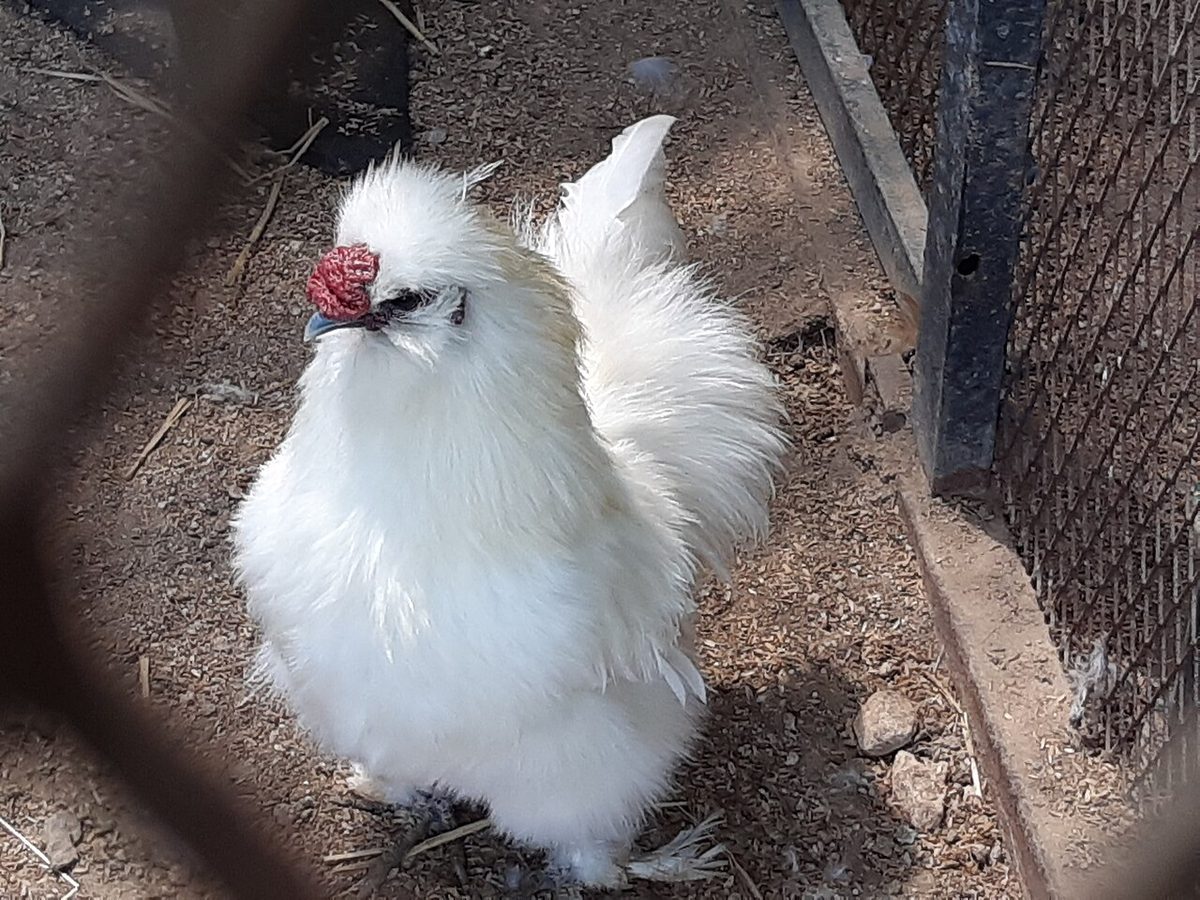
A muffed silkie cock in Gyeonggido Gwangju by Drcbrothephotographer (CC0) · source
The Silkie is one of the best-known five-toed breeds and is famous for its soft, furlike plumage, black skin, and gentle temperament. Most likely originating in China, Silkies were described by Marco Polo during his travels. The breed has a crest, walnut comb, turquoise earlobes, and feathered legs.
The silkiness of their feathers comes from the fact that feather barbs cannot lock together, creating a plush, fur-like covering. Silkies are friendly and docile but cannot fly. Hens are decent layers of tinted eggs and are such excellent setters that many keepers breed them specifically to incubate eggs from other breeds. In North America, Silkies are bred small and are not considered true bantams.
Some sources describe Silkies as having anywhere from six to eight toes on each foot, while other sources describe five toes as the standard for all five polydactyl breeds. If you are interested in Silkies specifically, check with a reputable breeder about what to expect.
Sultan
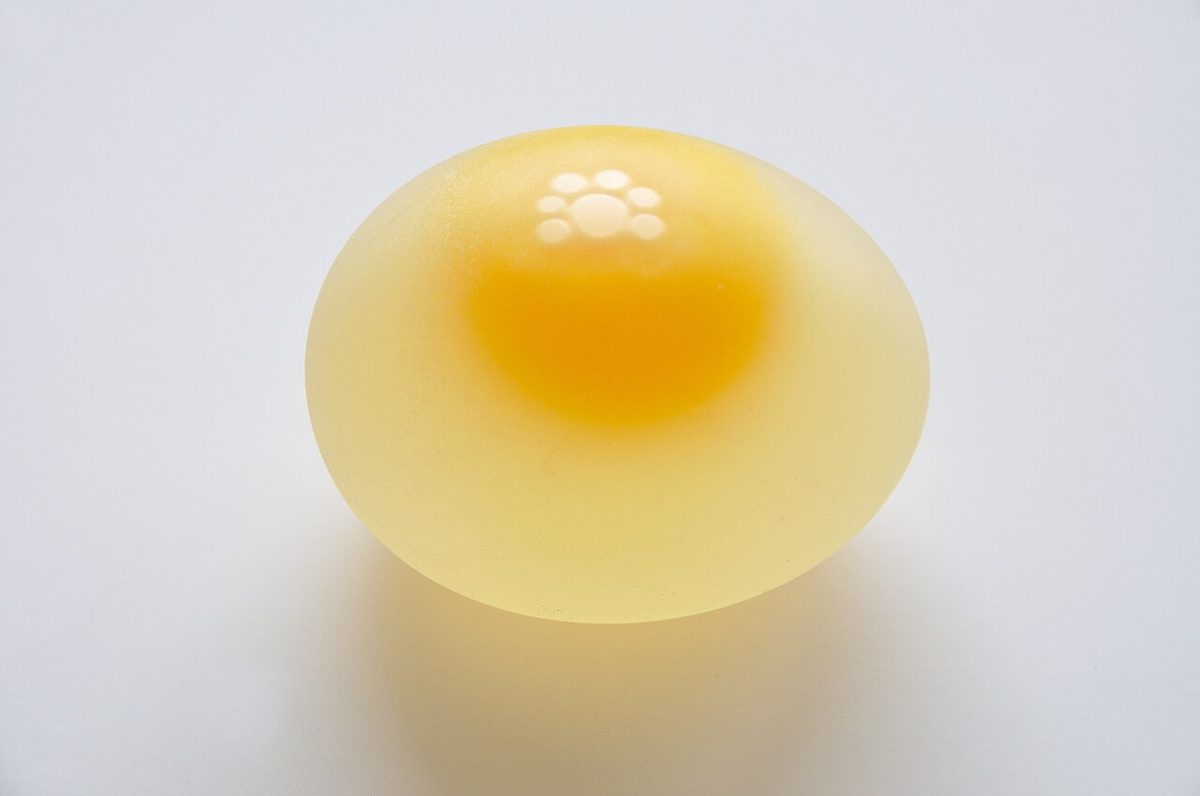
Chicken Egg without Eggshell 5859 by Biswarup Ganguly (CC BY 3.0) · source
The Sultan is an ornamental Turkish breed once kept exclusively in palace gardens. Its Turkish name, Serai Tavuk, means "Sultan's palace fowl." It is a smallish bird with a large crest, V-comb, beard and muffs, drooping wings, feathered legs, and vulture hocks. Originally solid white, other colors were developed by crossing with Polish birds.
Sultans are docile and friendly. Unlike most heavy or ornamental breeds, they are capable of flight, which is something to keep in mind when planning your coop and run setup.
Side-by-Side: The Five Five-Toed Breeds
The table below compares the key details for each breed, drawn from the breed standards and descriptions above.
Breed
Origin
Weight
Eggs Per Year
Type
Notes
Dorking
England
About 8 lb
170–190
Dual-purpose
Ancient Roman-origin breed; white variety endangered in the US
Faverolle
France
6.5–8 lb
180–200
Dual-purpose
Fluffy-faced with beard; salmon and white recognized in the US
Houdan
France
Not specified
White eggs, broodiness noted
Dual-purpose and ornamental
Named after Paris-market town; white variety developed in the US
Silkie
China
4 lb or more
Decent layers of tinted eggs
Ornamental and broody
Famous for soft plumage and black skin; cannot fly
Sultan
Turkey
Not specified
Not specified
Ornamental
Formerly palace-only breed; capable of flight
Caring for Five-Toed Chickens
Five-toed chickens do not require fundamentally different care from four-toed birds. The same principles of good nutrition, clean housing, and regular health checks apply. That said, there are a few things worth keeping in mind.
Extra toes do not affect health or egg production, but they may reduce agility. If your five-toed birds share perches with four-toed flock mates, make sure everyone has enough room to settle comfortably. Roosting perch dimensions for five-toed breeds vary by local situation, so check with a nearby poultry expert or vet if you are unsure.
Regular coop cleaning and balanced nutrition help minimize foot infection risk for all chickens, five-toed or not. Examine your birds' feet now and then, especially in damp or muddy conditions. Trim overgrown nails promptly so they do not catch on wire or wood. If a toe is small or twisted and keeps getting snagged, talk to a vet about whether a simple adjustment could help.
If you plan to breed or show your five-toed birds, study the breed standard carefully. Some poultry shows list extra toes as a fault, while others treat them as a required trait. Dorkings and Houdans both include five toes in their official standard. Knowing what your chosen breed expects helps you select the right breeding pairs and prepare your birds for the show ring.
Foot Troubles That Need a Vet
Most foot concerns can be handled at home, but do not wait to get help if you see swelling, heat, or pus around the toes. These signs point to a real infection. A bird that limps steadily or refuses to use one leg also needs professional attention. Bumblefoot — a hard lump filled with pus on the bottom of the foot — is more common in heavier five-toed breeds. Keeping the coop dry and clean is the best way to prevent it.
Five-toed chicken breeds add real character to any flock. Their extra toes do not hold them back with the right setup and care. Clean bedding, well-sized roosting bars, balanced feed, and a quick foot check every few weeks will keep them healthy and happy. These birds have been farm companions for hundreds of years. With simple, steady attention, your five-toed flock will thrive for many seasons to come.
📚 Where the figures in this guide come from
We read what has already been published on the subject, take out the figures and rules it actually states, and write it up in plain, everyday language.
Every number and name here traces back to a source listed below — nothing in this guide is invented.
Prices, rules and animal health advice change and vary by area. Check anything important with a local vet, dealer or agriculture office before you spend money.
Spotted a mistake? Tell us in the comments and we will correct it.

 Menu
Menu
💬 Comments
Login to comment
No comments yet. Be the first to share your experience!