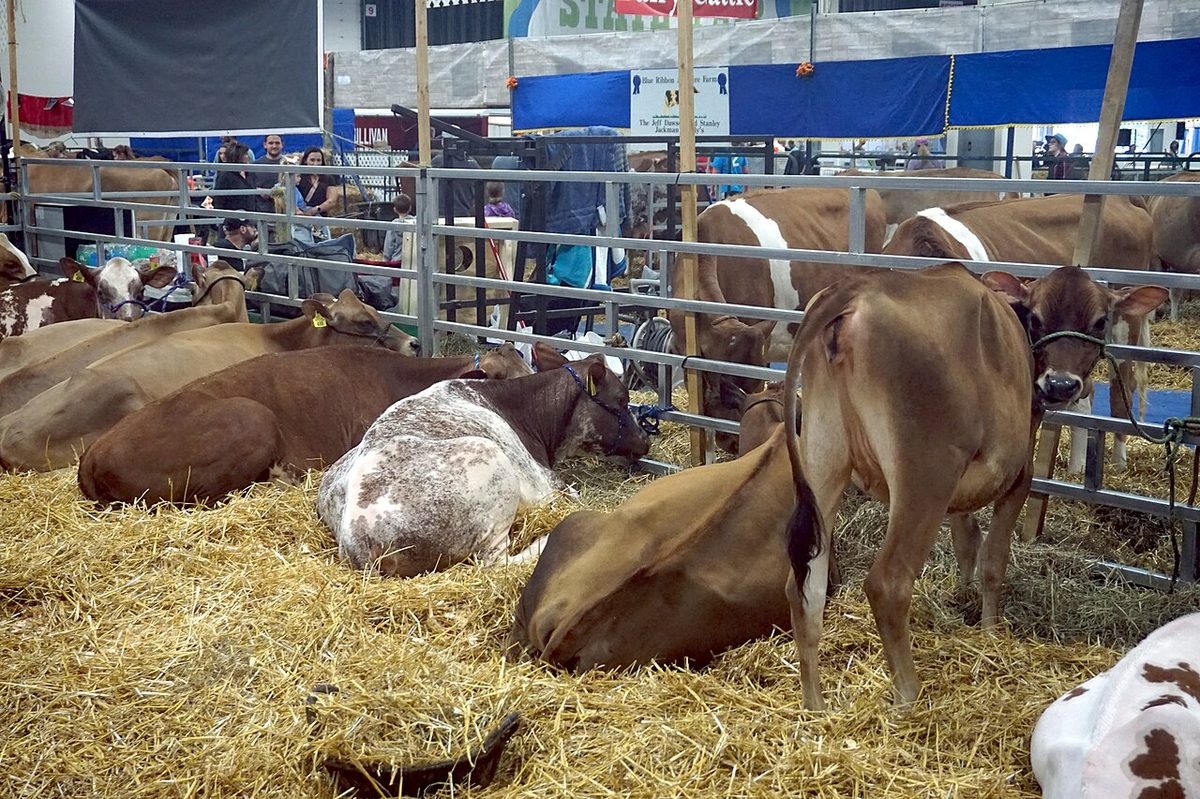
Living in Qatar, you already know the big challenge: it is a hot, dry country, and fresh milk can be hard to come by. Every day you see imported dairy products in the shops, and you may have wondered whether you could produce your own cow milk here. It is a fair question, and one that many smallholders and would-be dairy farmers ask. Raising dairy cattle in the desert is not easy, but with the right breed, the right housing and careful day-to-day care, it can be done. This guide walks you through how milk production works, what to expect from your cows, and the honest realities of the local market.
What Cow Milk Is Worth in Qatar
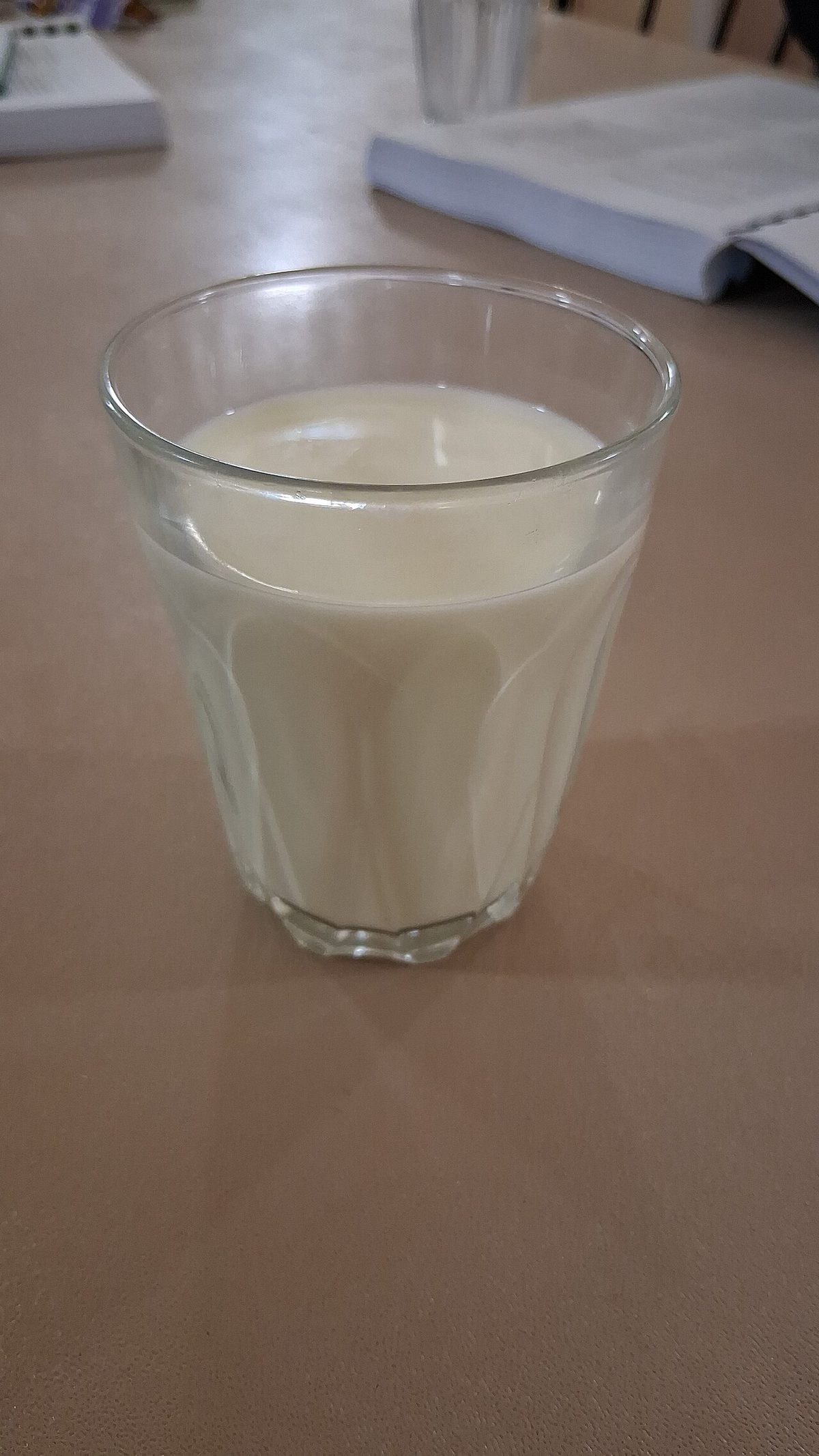
Before you spend a single riyal, it helps to know what your milk can sell for. In Qatar, cow milk is priced somewhere between QAR5000 and QAR7000 per tonne, with an average of about QAR5077 per tonne as of January 2024. Those figures come from statistics that track prices here, so they give you a realistic idea of the local market.
Where Cow Milk Sits Compared to Other Milks
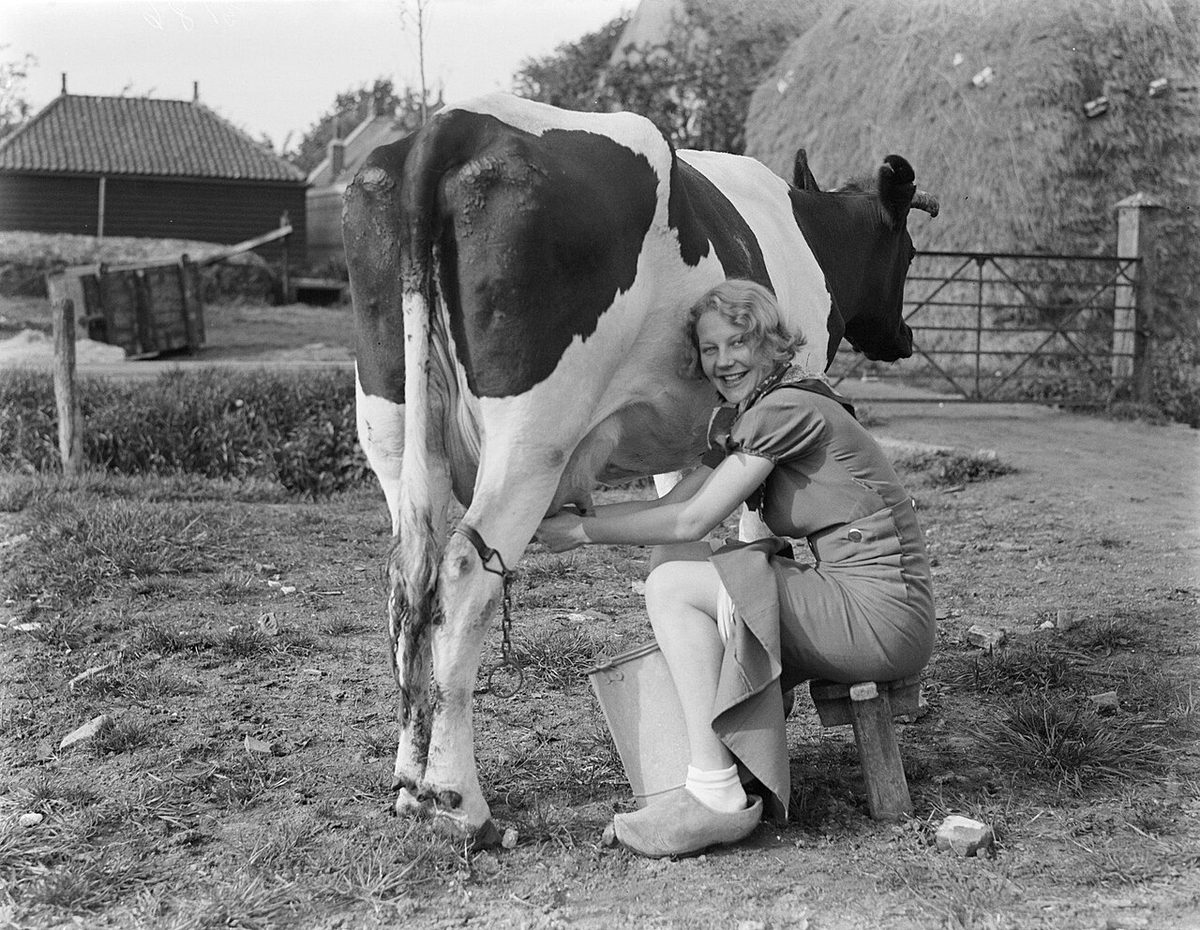
Here is the part that surprises most people: cow milk is not the most valuable milk on sale in Qatar. The local market clearly has a strong taste for other milks.
- Cow milk averages around QAR5077 per tonne.
- Goat milk averages about QAR6038 per tonne.
- Sheep milk averages around QAR8231 per tonne.
- Camel milk is far above them all at about QAR18000 per tonne.
That does not mean cow milk is a bad business. It simply tells you that in Qatar, camel and sheep milk carry a higher price tag, likely because of local traditions and preferences. As a cow farmer, look at those numbers as a map of the market rather than a worry.
Which Breed Should You Choose
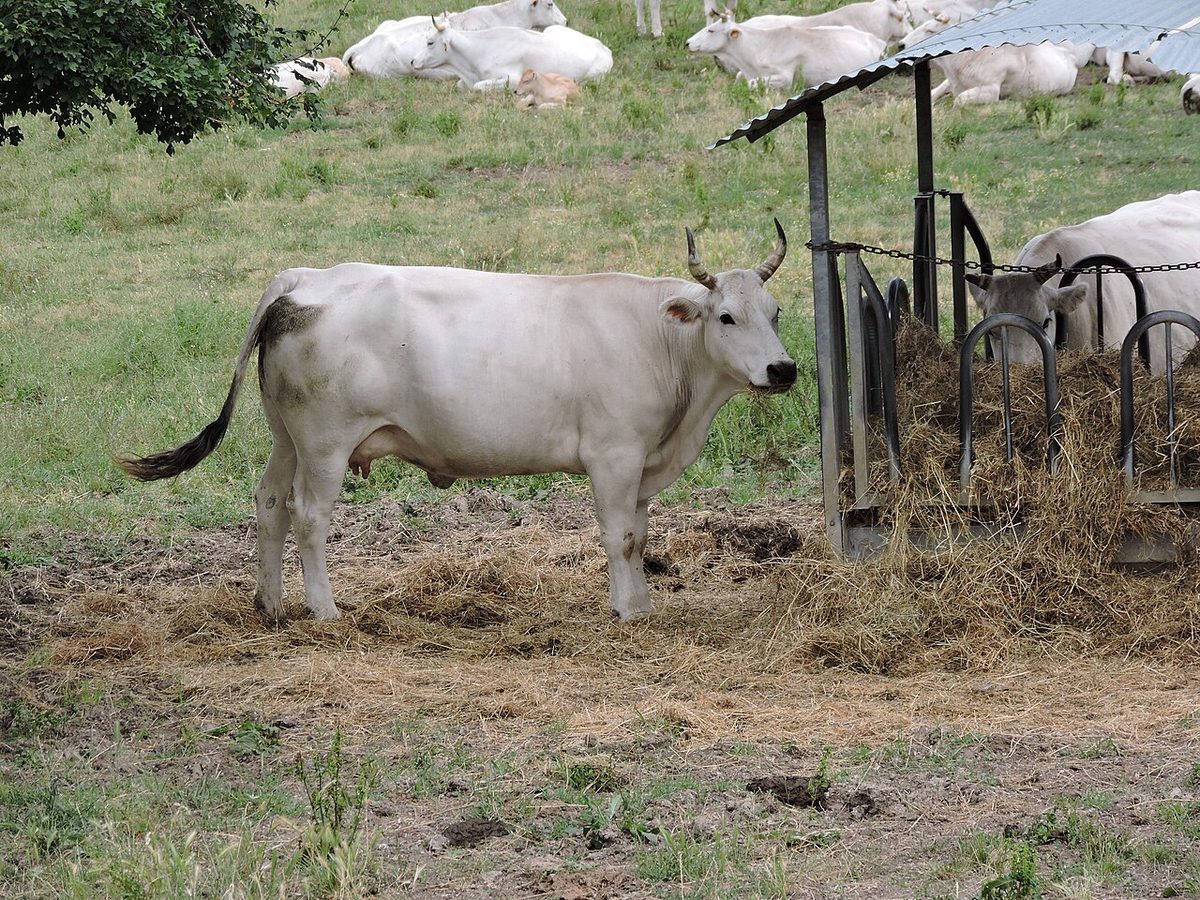
When it comes to producing large volumes of milk, one breed stands above the rest. Holstein Friesian cattle are the most famous dairy breed on the planet, and for good reason.
Why Holstein Dominates Commercial Dairies
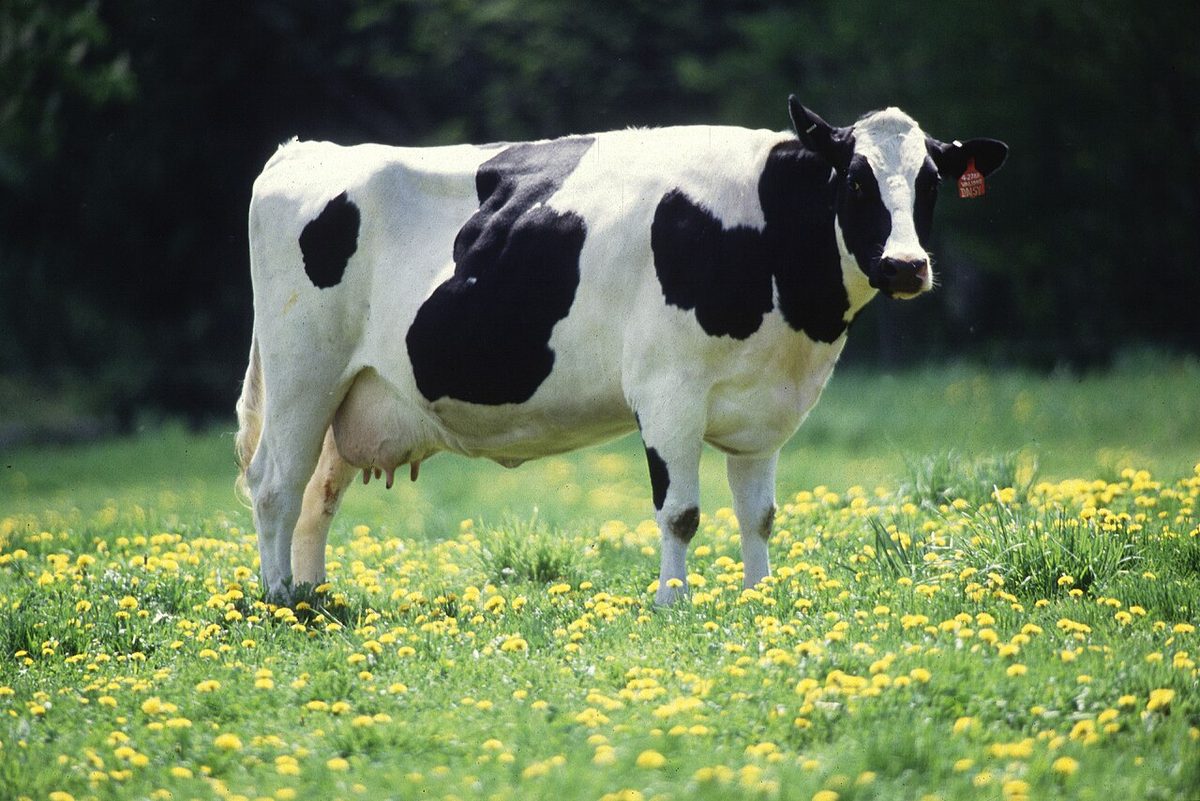
In the world's big dairy countries, Holstein cattle make up about 93% of the dairy herd. They produce an average of 10,257 kilograms of milk per cow per year. That milk carries about 3.9% butterfat and 3.2% protein, which makes it solid, respectable milk for drinking and processing.
Other breeds worth knowing include Jersey, Brown Swiss, Guernsey and Ayrshire. Each has its own strengths. Some farmers prefer Jersey for its richer milk, while others like the hardiness of Brown Swiss. But if your goal is simply the biggest volume of milk from each cow, Holstein is the breed the commercial world keeps coming back to.
A Word About Heat
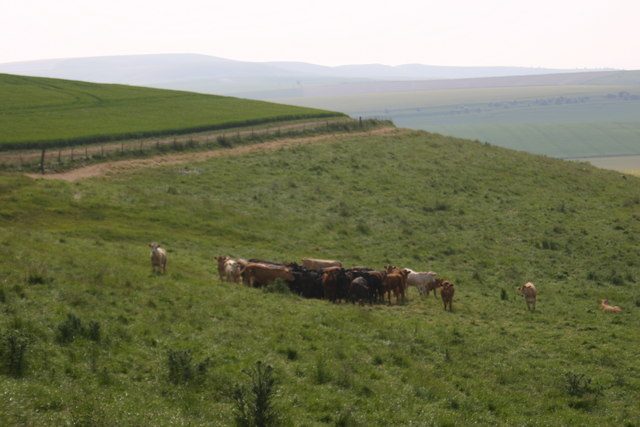
Here is an honest note. In Qatar, the summer heat is punishing, and the research available on this topic does not tell us which breeds cope best in a hot desert climate. You will need to find that out on the ground. Talk to a local vet, an experienced dairy dealer, or another farmer already milking cows here. They can tell you which breeds have survived and thrived in your area. Do not just rely on the numbers from cooler countries.
Intensive or Extensive: How to House Your Herd
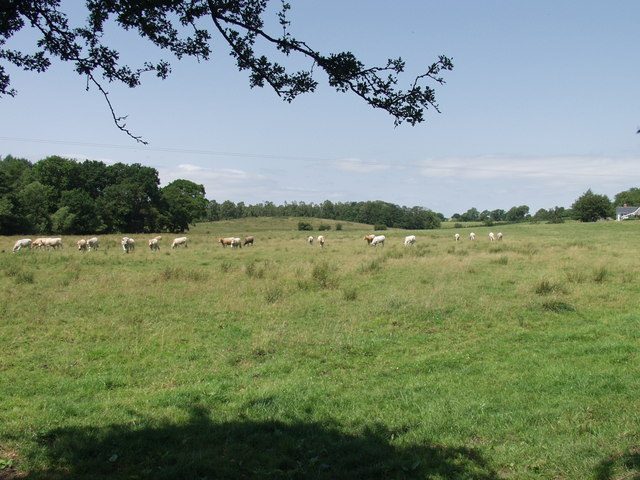
How you keep your cows greatly affects how much milk each one gives. There are two broad approaches, and the right one for you depends on your climate and your land.
The Intensive System
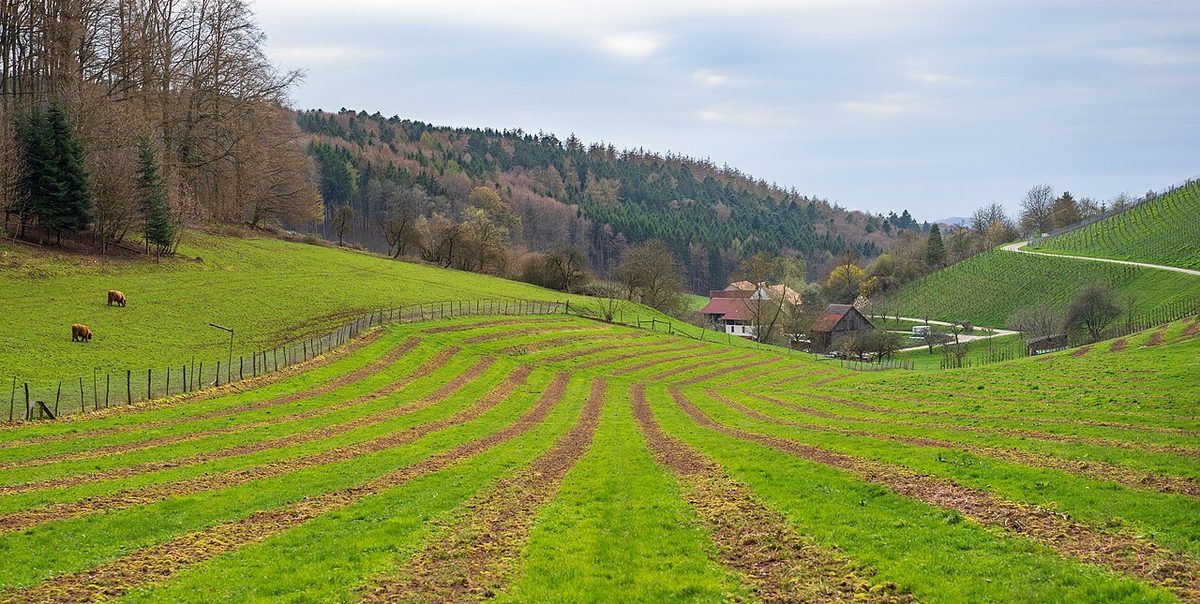
Intensive dairy farming is all about pushing each cow to her maximum. Cows are kept indoors throughout their lactation in housing such as free stall or tie stall systems. Their diet is carefully formulated, and they are moved to pasture only during their 60-day dry period before calving. This system demands more equipment and attention, but it generally produces more milk per cow.
The Extensive System
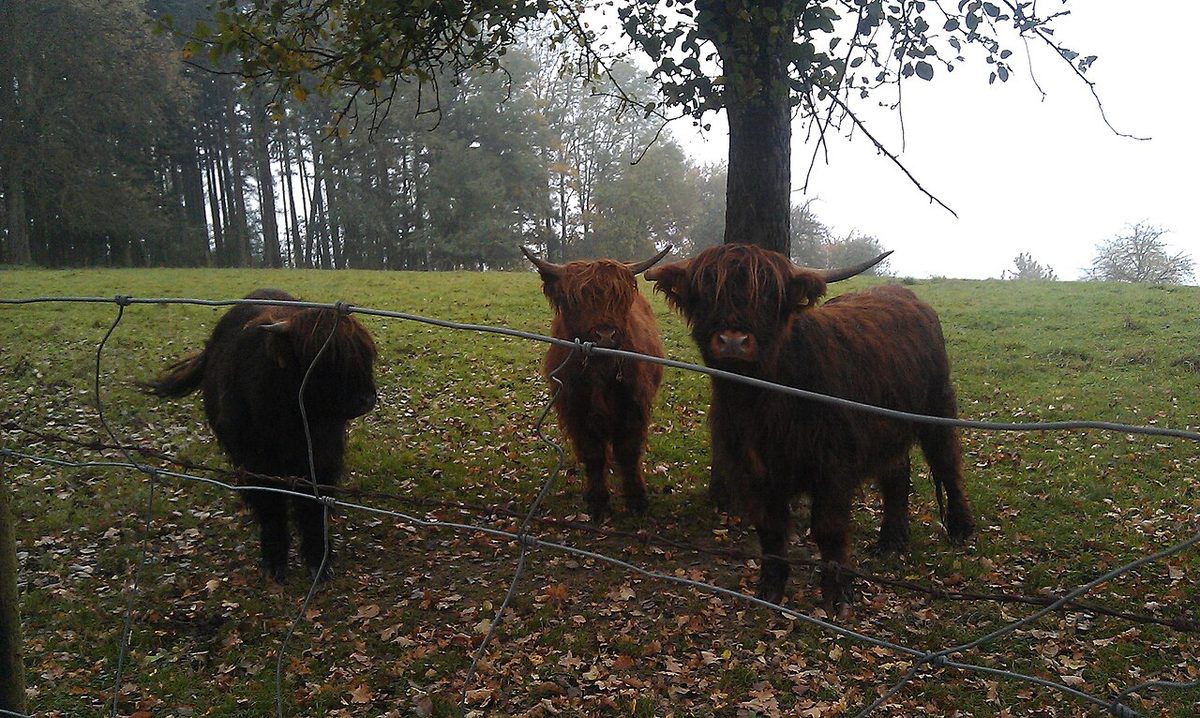
The extensive approach keeps cattle mainly outside on pasture. Milk production tends to be lower, and you will be herding your animals several times a day just to bring them in for milking. It is a simpler, cheaper way to farm, but at the cost of output.
Which one suits you? That depends heavily on your situation. In a desert country with limited pasture, you would likely lean toward a more intensive setup. But every farm is different, so weigh your land, your budget and your patience before deciding.
The Breeding Cycle: The Engine of Milk
Here is a fact you cannot ignore: a dairy cow only produces milk because she has a calf. To keep milk flowing, a cow must be bred and produce calves regularly, year after year.
Getting Heifers Started
Farmers usually begin breeding or artificially inseminating heifers at around 13 months of age. A cow's pregnancy lasts about nine months. Getting the timing right means planning carefully, because every month of delay is milk you do not get.
Right After Calving
Once a calf is born, you will usually separate it from its mother quickly — often within three days. This may sound harsh, but it is done for good reasons. It reduces the spread of disease and makes your milking routine much simpler to manage.
How Long Does a Dairy Cow Last
You should start your farm knowing that a dairy cow is only productive for a limited number of years.
The Working Life of a Cow
Although domestic cows can naturally live beyond 20 years, the average dairy cow is removed from the herd around age six and sold for beef. By then, she has usually been bred and milked so many times that she is no longer an economic asset to keep.
Why Cows Are Culled
Cows are often sold sooner than six years for a few common reasons:
- Reproductive problems that stop her from calving again.
- Mastitis, an infection of the udder that spoils milk production.
- Lameness, which makes milking and moving hard.
The smartest farmers watch for these signs early and decide quickly whether a cow is worth keeping. Waiting too long costs you money in feed and care for a cow that will not repay it.
What Happens to the Calves
Every year, your cows will give you calves — and most of those calves will not become dairy cows. Nearly all male calves, and any excess females, are sold on the market, usually at about two weeks of age.
Where Calves Are Sold
Male calves usually fetch a slightly higher price than excess females. Depending on what is available locally, these calves can be raised for veal or for various kinds of beef production. A tiny minority of elite bull calves might be kept for breeding programs, but for most farmers, calves are a side income rather than the main business.
If you farm in Qatar, check with local buyers and dealers about what calf markets exist in your area. They can tell you the going rates and where to sell.
How Big Should Your Herd Be
Across the world, dairy herds come in very different sizes, and there is no single "right" number for everyone.
- The average U.S. dairy herd has about 120 cows.
- In the UK, the average farm runs roughly 100 head.
- Australian average herds hold around 220 cows.
- In New Zealand, average herds are much bigger, at more than 375 cows.
These numbers show just how flexible dairy farming can be. A small family herd and a large commercial operation both exist and both work. For Qatar, where land and water are precious, a modest, well-managed herd may serve you far better than trying to run hundreds of cows. Start at a size you can realistically feed, cool and care for.
A Brief History of the Dairy Cow
Understanding your animal helps you care for it better. Dairy cattle belong to the genus Bos and usually the species Bos taurus. They have been shaped by humans to do one job: produce large volumes of milk.
Cattle were domesticated around 10,500 years ago, and people have been using them for dairy since the seventh millennium BC. Dairy farming spread across Europe and Africa over the following millennia. Until the 1930s, cattle were usually kept for several purposes at once — milk, beef and sometimes work. Over the last century, farmers began to specialise, raising breeds purely for milk. The Holstein you see today is a product of that long journey.
Putting It All Together in Qatar
Starting a dairy farm in Qatar is a serious commitment, but it can be done with the right plan. Begin by choosing a high-producing breed and confirming with local experts how it handles the heat. Decide on a housing system that makes sense for your land and budget. Master the breeding cycle, because your milk supply depends entirely on it. And do not forget the calves — they are part of your income too.
Be honest with yourself about costs. This guide gives you a clear picture of milk prices and how cows behave, but some things vary from farm to farm in ways the research cannot answer. The cost of setting up barns, cooling and milking equipment, the price of feed, water use in the summer, and even the permits you need — all of this depends on your exact local situation. Ask a nearby vet, a trusted supplier or an established dairy farmer for current figures before you invest.
Know your market too. Cow milk sells for a solid price in Qatar, but if you have the option, you should know that camel milk commands a far higher rate. Whether you stick with cows or eventually expand, the farmers who succeed are the ones who plan carefully, watch their costs and never stop learning from the people already working the land here.
 Menu
Menu
💬 Comments
Login to comment
No comments yet. Be the first to share your experience!