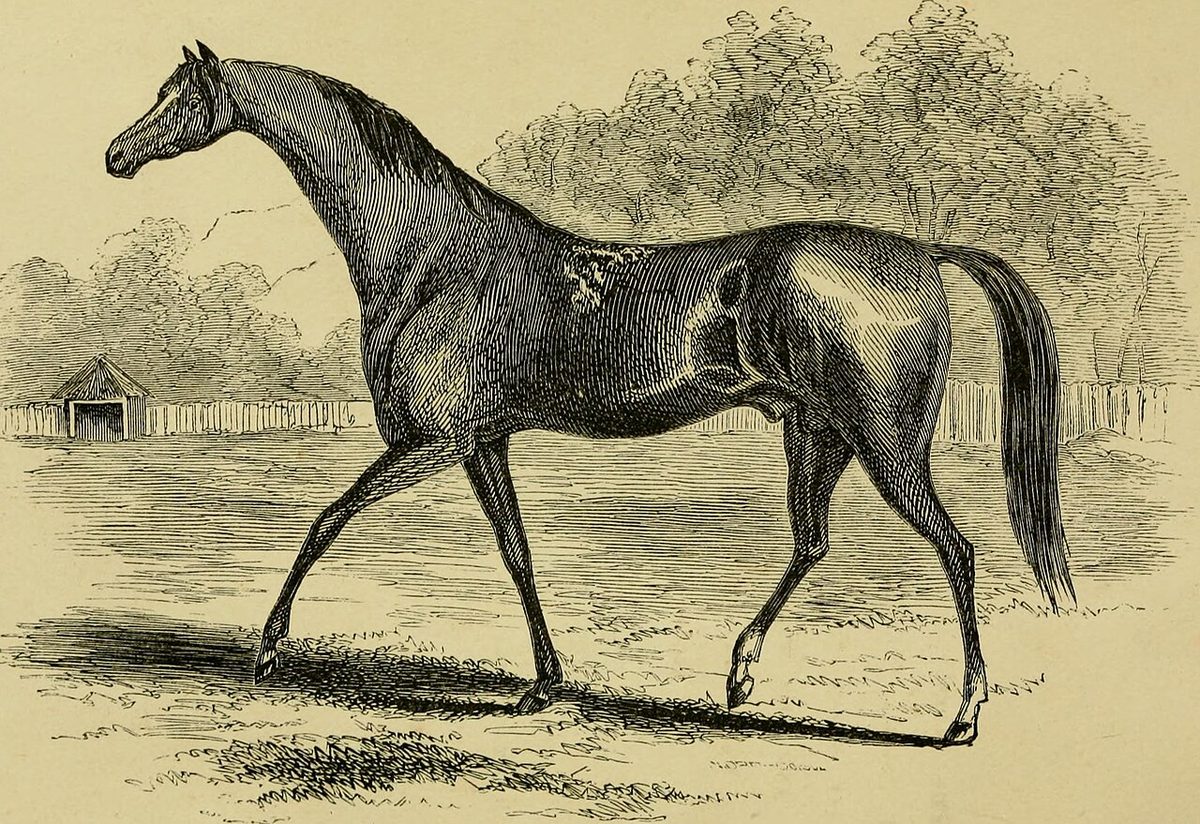
If you are chasing marbling, the breed to beat is Wagyu — in practice that means Kuroge Washu, the Japanese Black, which is behind essentially all the elite Wagyu produced outside Japan. Korean Hanwoo is the other breed singled out for richly marbled beef, while Angus is the benchmark that most farmers can actually buy, feed and sell.
But the breed alone will not get you there. Genetics sets the ceiling for marbling. Your feeding, finishing and daily management decide how close you get to that ceiling, and the grading system in your country decides what you are paid for it. Here is the whole picture, breed by breed.
What marbling is, and why buyers pay for it
Marbling is the fine white streaks of intramuscular fat woven through the muscle. It is the single most widely cited indicator of beef quality, because it melts during cooking and bathes the muscle fibres in fat. That melting fat enriches the meat, gives it a fine texture and a complex taste, and makes the beef more tender, juicier and more flavourful.
The amount of fat is not the whole story. Higher-marbling breeds also tend to have a more favourable oleic acid content in their fat — a monounsaturated fat linked to buttery flavour notes. Wagyu fat is uniquely high in oleic acid, so it melts at a lower temperature and gives that silky mouthfeel people pay for.
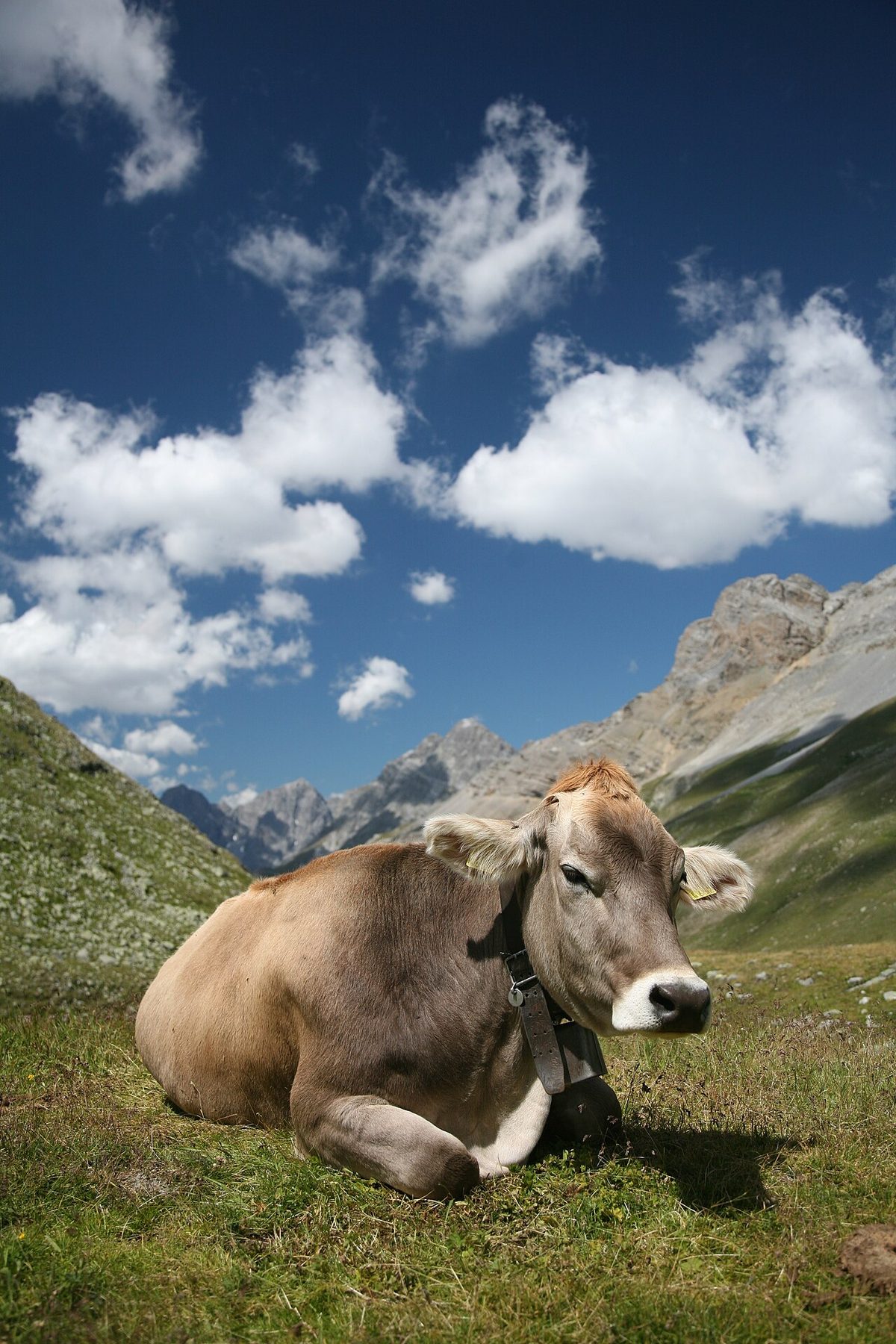
The breeds, from richest marbling to leanest
Wagyu (Japan)
"Wagyu" simply means "Japanese cattle", and the term covers four distinct Japanese breeds. Of those, Kuroge Washu (Japanese Black) accounts for essentially all the elite Wagyu exported globally and raised in Western countries. Kobe is the luxury name most people know.
Wagyu tops every ranking for marbling. Fullblood Wagyu — 100% pure Japanese genetics with no outside breed influence — reaches BMS scores of 8–12, with a buttery texture and an umami-forward flavour. With long, intensive feeding, intramuscular fat can account for 30–40% of the meat. Wagyu shows the strongest genetic tendency for heavy intramuscular fat, though growth rates stay slower than other breeds. The calm temperament helps in specialised systems. Because the beef is so rich, it eats best in smaller portions with a quick, hot sear.
Hanwoo (South Korea)
Hanwoo is named alongside Wagyu as renowned for richly marbled beef, and marbling is the main criterion for judging premium beef in Korea. Beyond that, detail on Hanwoo is thin — grades, feeding periods and availability differ a great deal by country, so ask a nearby breed association or livestock office what is realistic where you farm.
Angus (Scotland; called Aberdeen Angus in Europe)
Angus is the global benchmark for quality beef, valued for marbling and early maturity, with bright-red lean and white fat. An Angus steer finished carefully on a high-energy ration, to the right weight and age, will reliably produce USDA Choice or Prime beef. That consistency is what the Certified Angus Beef brand is built on.
- Angus make up over 60% of registered beef cattle in North America.
- Average hot carcass weight is 600-800 lbs, with well-distributed intramuscular fat.
- They are smaller-framed than the continental breeds, but more feed-efficient with higher dressing percentages.
- Because the fat sits evenly through the muscle, Angus is forgiving to cook — the safest premium steak choice for a beginner.
- They are hardy from the cold north to warmer regions, but intolerant of extreme heat.
- Angus beef often carries a premium and brings premium prices at sale barns, simply because consumers ask for it.
One honest note: most people place Angus high on the marbling scale, calling it excellent or classic steakhouse marbling. Others group Angus with Hereford as European breeds that typically show only moderate levels of intramuscular fat, well below Wagyu and Hanwoo. Individual variation within any breed is also significant, so two Angus steers are not the same animal.
Hereford (England)
Hereford is well-balanced beef with good tenderness and rich flavour without being overly fatty. Views on its marbling split: some rate it moderate, others rate it good marbling with good fat cover and say Hereford ribeyes are regarded as the best among beef breeds. Either way, it is a practical grass breed.
- Finishes at around 12-15 months.
- Dressed carcass weight of 60-65%.
- Excels at foraging on pasture and cheaper roughage.
- Limited mainly in high-humidity regions, where parasite loads are heavier.
- Suits low-and-slow cooking, roasts and big cuts.
Simmental (Simme valley, Switzerland)
Simmental is one of the most widely distributed breeds in the world, and it is a strong performer on grass. Carcasses yield an average of 63-65%, cattle gain 2.5 to 4 lbs daily, and on grass-finishing programmes they reach slaughter weight 60-120 days earlier than other breeds.
Its marbling rank is genuinely argued over. Some put a well-finished Simmental alongside Wagyu and top Angus programmes as often very juicy with rounded flavour. Others say Simmental carries slightly less marbling than the British breeds, or describe it as solid red meat with minimum waste fat.
The lean, high-yield breeds
These breeds trade marbling for muscle and yield. If your buyer pays for carcass weight rather than fat, they earn their place — just do not expect heavy marbling.
- Charolais (France): famous for rapid growth and high meat yield, with muscular carcasses and strong conformation, but leaner meat with less marbling than Angus.
- Limousin (France): slightly more marbling and tenderness than Charolais, and excellent for lean meat production with high dressing percentages and efficient feed use.
- Belgian Blue: leads on lean yield along with Limousin.
- Piedmontese: famously lean with a very fine grain, best thinly sliced or served as carpaccio.
Bos indicus breeds: Brahman, Nelore, Gir and Guzerat
These Zebu-type cattle came from South Asia and are the backbone of tropical beef systems, because they tolerate heat, drought and parasites. Their beef is usually leaner, which is why it suits churrasco-style grilling, roasts and careful slicing. Brahman in particular is described as producing leaner beef.
Crossbreeds and composites
This is where most commercial marbling actually comes from. Producers cross because they want the best of both worlds — Angus marbling with Bos indicus heat tolerance, or Wagyu marbling with faster growth. Whole national beef industries have been built on these blends.
- F1 Wagyu x Angus (50% Wagyu): described as the most commercially practical entry point into the Wagyu premium market, combining marbling with better growth.
- Brangus: pairs Angus carcass traits with added resilience, for consistent quality in varied conditions.
What grade a crossbred carcass actually reaches is not something you can assume from the cross alone. Ask your buyer or abattoir what animals like yours have been grading locally.
Genetics sets the ceiling — your management decides the rest
Think of it in three layers. Genetics sets the potential. Nutrition decides how much of that potential is realised. Management practices, such as weaning time and castration, fine-tune the result. A Wagyu steer that is poorly fed and slaughtered too young will produce mediocre beef, no matter what its papers say.
Marbling also starts earlier than most people expect. Fat cell formation begins at the fetal stage and continues through life, and the pregnant cow's diet influences how many fat cells her calf can later form. The strongest programmes add stress-free environments, an optimal finishing diet, an appropriate slaughter age, and expert aging at the processor. Aging method and length vary from plant to plant, so ask yours what it does.
Grain, grass and the marbling gap
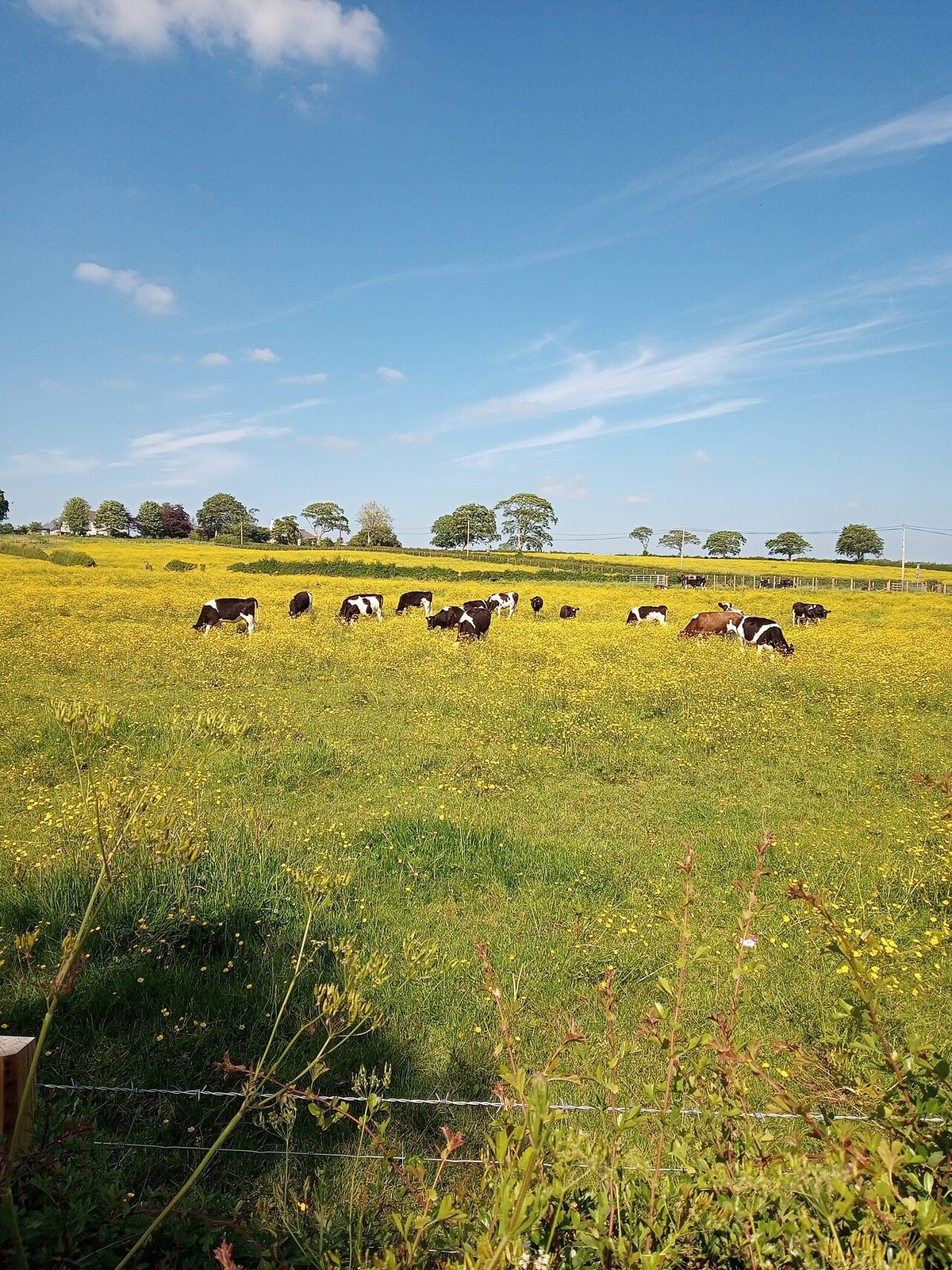
High-energy diets, especially cereal-based rations such as corn, are what stimulate intramuscular fat deposition. Cattle raised only on pasture tend to have leaner meat — although that flavour is highly appreciated for its natural character.
The gap is measurable: grass-finished animals grade 1–2 levels lower for marbling than the same genetics under an optimal grain-finishing programme. Put simply, grass-fed tends to be leaner and brighter in flavour, grain-fed richer and more marbled. If grass is your system, Hereford and Simmental are the breeds that fit it best.
How much grain to feed, and at what energy density, depends on your cattle, your feed prices and what is grown near you. Work that out with a local nutritionist or vet rather than copying a ration from somewhere else.
What you can change without changing breed
- Castrate male calves. This generally increases intramuscular fat and produces more tender beef.
- Consider early weaning combined with energy-rich feeding, which can raise marbling scores.
- Finish to an older, heavier weight. Older and heavier cattle usually marble better — but past a certain point, the extra cost outweighs the marbling gain. Where that point sits depends on your own feed costs and what your buyer pays.
- Watch the vitamins. Limiting vitamin A intake in the later stages of finishing can enhance marbling, vitamin C supports the development of fat cells, and vitamin D works indirectly through bone health and overall development. Doses and timing are not something to guess at — set them with your vet.
- Keep stress low and slaughter at an appropriate age.
Grading: how marbling turns into money
Marbling is bought and sold through grading systems, and those systems differ by country. The same carcass can carry a different label depending on where it is graded. In Japan, South Korea and Australia, marbling is the main criterion for judging premium beef. In the United States, USDA Prime, Choice and Select act mainly as a marbling signal, and are often the quickest predictor of juiciness and tenderness in a steak.
How much breed really matters is debated. Some argue that breed provides the foundation and genetics sets the ceiling, so start with the animal. Others argue that for many buyers Prime versus Choice changes the eating experience more than Breed A versus Breed B, and advise choosing a grade first, then using breed to fine-tune the flavour direction.
Premium beef commands higher prices worldwide, but it costs more to produce because it needs longer finishing. Wagyu is raised for niche, high-return markets where buyers pay extra for quality. What that premium is actually worth in your area varies market by market — check with your local buyer, abattoir or market office before you commit to a longer feeding period.
Match the cooking to the marbling
- Wagyu: small portions, quick and hot.
- Angus: forgiving — the even fat keeps it moist even if slightly overcooked.
- Hereford: low and slow, roasts and big cuts.
- Charolais and Limousin: precise doneness. Cook quickly over high heat, do not overcook, and rest before slicing, because less marbling means less natural moisture.
- Piedmontese: thin slicing or carpaccio.
- Brahman, Nelore and similar: churrasco-style grilling, roasts and careful slicing.
The short version
Wagyu is the ceiling for marbling, F1 Wagyu x Angus is the practical way into that premium, Angus is the dependable all-rounder, and Hereford or Simmental make sense if grass is your feed base. In hot, humid country, composites such as Brangus are the honest route — pairing carcass quality with the resilience you need. Whichever you choose, remember that four factors drive premium beef, and genetics is only the foundation. Feed well, castrate, keep stress low, finish to the right age, and know exactly which grading system your buyer uses. That is what turns good genetics into marbled beef you get paid for.

 Menu
Menu
💬 Comments
Login to comment
No comments yet. Be the first to share your experience!