🍪 Cookie Consent
We use cookies to improve your experience, analyse how the site is used, and show relevant content. By choosing Accept you agree to that. See our
Privacy Policy.
Duck and Quail Farming for Mongolian Herders: A Practical Guide
If you are a Mongolian herder wondering whether duck or quail farming can sit alongside your cattle, sheep, and goats, this guide lays out the key facts — from dzud resilience and government support to housing requirements and disease risk — so you can make an informed decision.
Raising livestock is the backbone of life in Mongolia. Nearly a third of the country's population depends on animals for their living, and the tradition of nomadic herding runs deep. But dzud winters — those devastatingly harsh seasons that kill livestock across the steppe — keep every herder awake at night. The 2021-2022 dzud was a stark reminder: herders lost animals they had cared for all year in a matter of weeks. That kind of loss pushes people to think about diversifying. Maybe you have wondered whether adding ducks or quail to your operation could bring more income and food security without abandoning the cattle, sheep, and goats you already know. It is a reasonable question, and the answer is yes — you can raise ducks or quail alongside your traditional animals. But these birds are not small chickens. They have very different needs, and treating them like standard broilers will end badly.
Why Ducks and Quail Are Different from Chickens
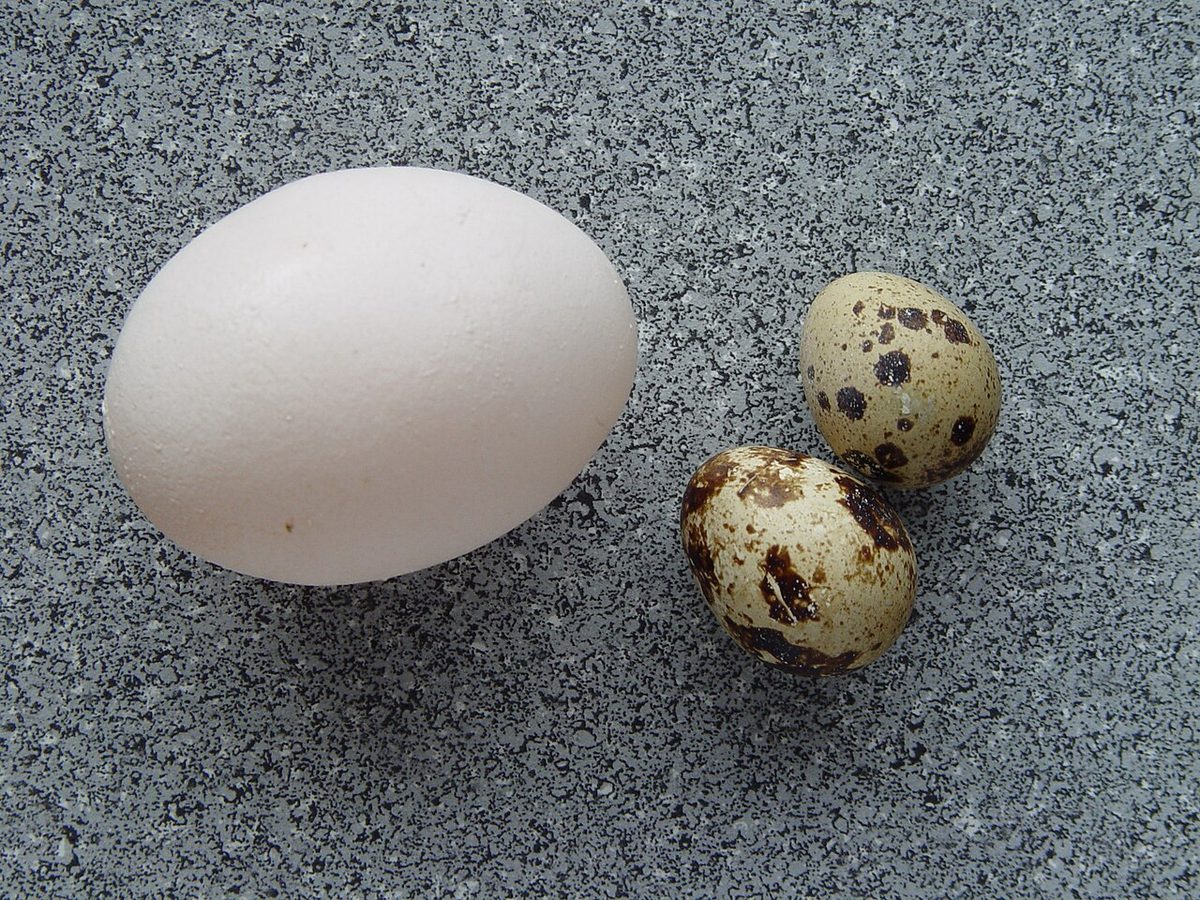
Coturnix coturnix eggs by Mnolf (CC BY-SA 3.0) · source
Before you build a coop or buy a single bird, it helps to understand what makes waterfowl and quail unique. Ducks have a very high water turnover and fast metabolism. They need a lot more niacin — a B vitamin — than chickens do. Their specific niacin requirement is 60 mg/kg in their diet. Without it, they can develop leg and wing deformities. That is not something you want to discover after chicks have already grown sick.
Quail, meanwhile, are among the most prolific egg layers in the poultry world. A Coturnix quail hen can produce up to 320 eggs per year, even though the bird itself weighs only about 150 grams. That is a remarkable rate of production for such a small animal, and it means a fast return on investment if you manage their nutrition right. Quail chicks need a starter feed with 24% to 28% crude protein. Drop below that range and you risk serious nutritional deficiencies.
The bigger lesson is this: do not apply standard commercial broiler or layer management to these species. Every bird — chickens, ducks, quail — has its own metabolism, incubation needs, and water requirements. Using the wrong template leads to high chick mortality, severe dampness in the coop, nutritional problems, and in worst cases, disease outbreaks that can wipe out your flock.
Duck Farming: What You Need to Get Right
Camp Naue duck duck goose by Polihale (CC BY-SA 3.0) · source
Ducks are hardy, curious birds, and they can do well on a mixed farm. But their housing demands more thought than a simple chicken coop.
Housing and flooring
Starr-080609-8018-Bidens alba var radiata-habit and Laysan duck seep-Enlisted housing field Sand Island-Midway Atoll by Forest and Kim Starr (CC BY 3.0 us) · source
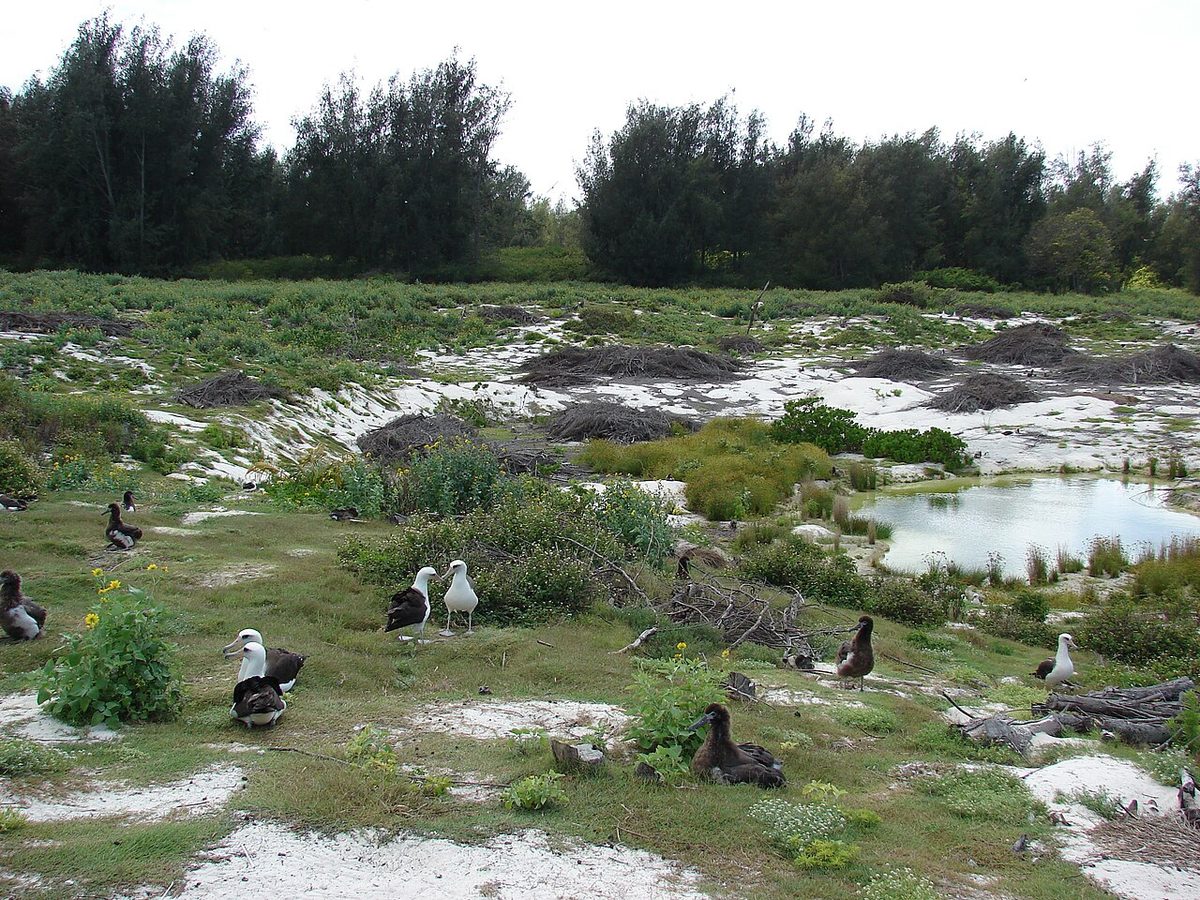
Ducks spend a lot of time near water, and they are naturally messy. Wet litter sitting against a duck's breast for hours every day causes painful sores on the keel bone — the front of the chest. The solution is a slatted drainage floor. Raised slats let droppings and moisture fall through, keeping the standing area dry. This design is not optional if you want healthy adult ducks.
Feeding
1912 - Feeding Time At Duck Farm - Allentown PA by Unknown authorUnknown author (Public domain) · source
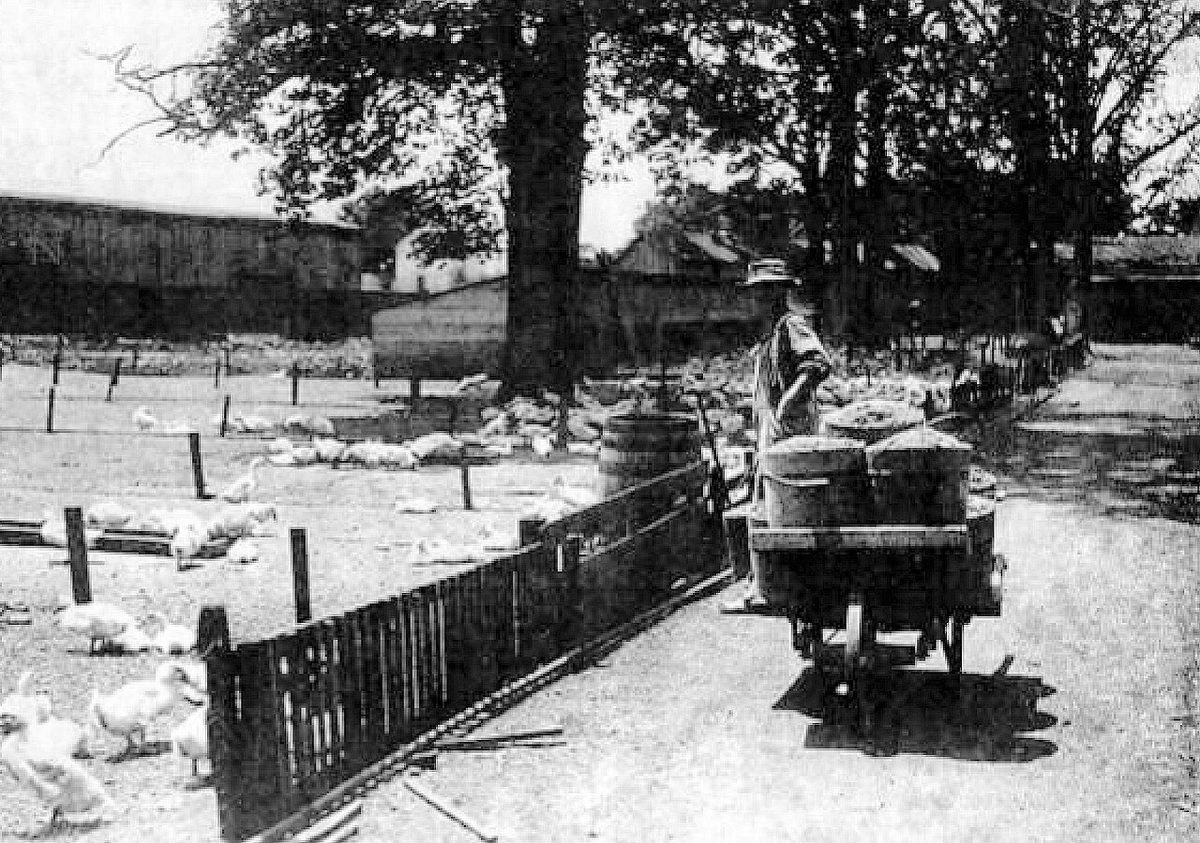
Duck feed must be fortified with niacin at 60 mg/kg. Many chicken feeds will not meet this level, so either source a commercial duck feed or supplement carefully. Also, choose pellet-form feed rather than mash. Without pellets, feed can cake onto a duck's bill — a condition called bill-pasting — and the bird cannot eat properly until you clear it. Pellet form prevents this problem entirely.
Biosecurity and avian influenza
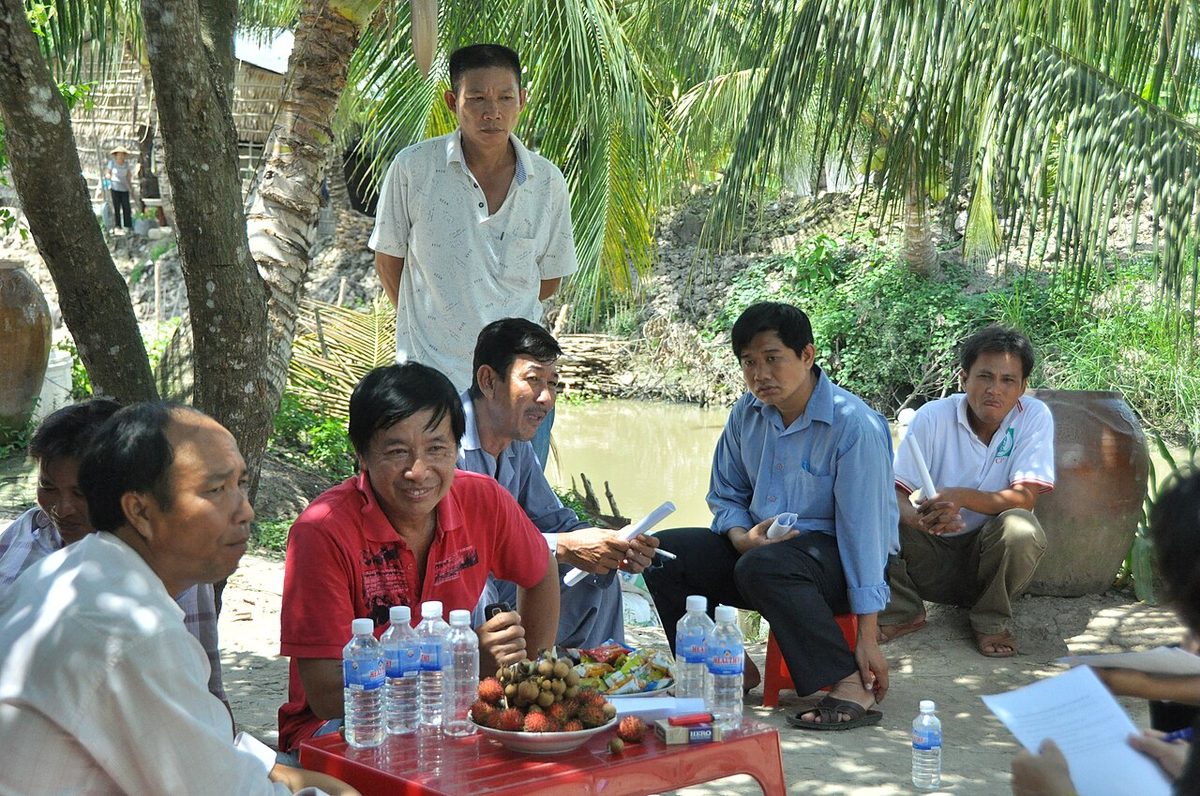
Local duck farmers discuss implementation of biosecurity standards in Can Tho by USAID Vietnam (Public domain) · source
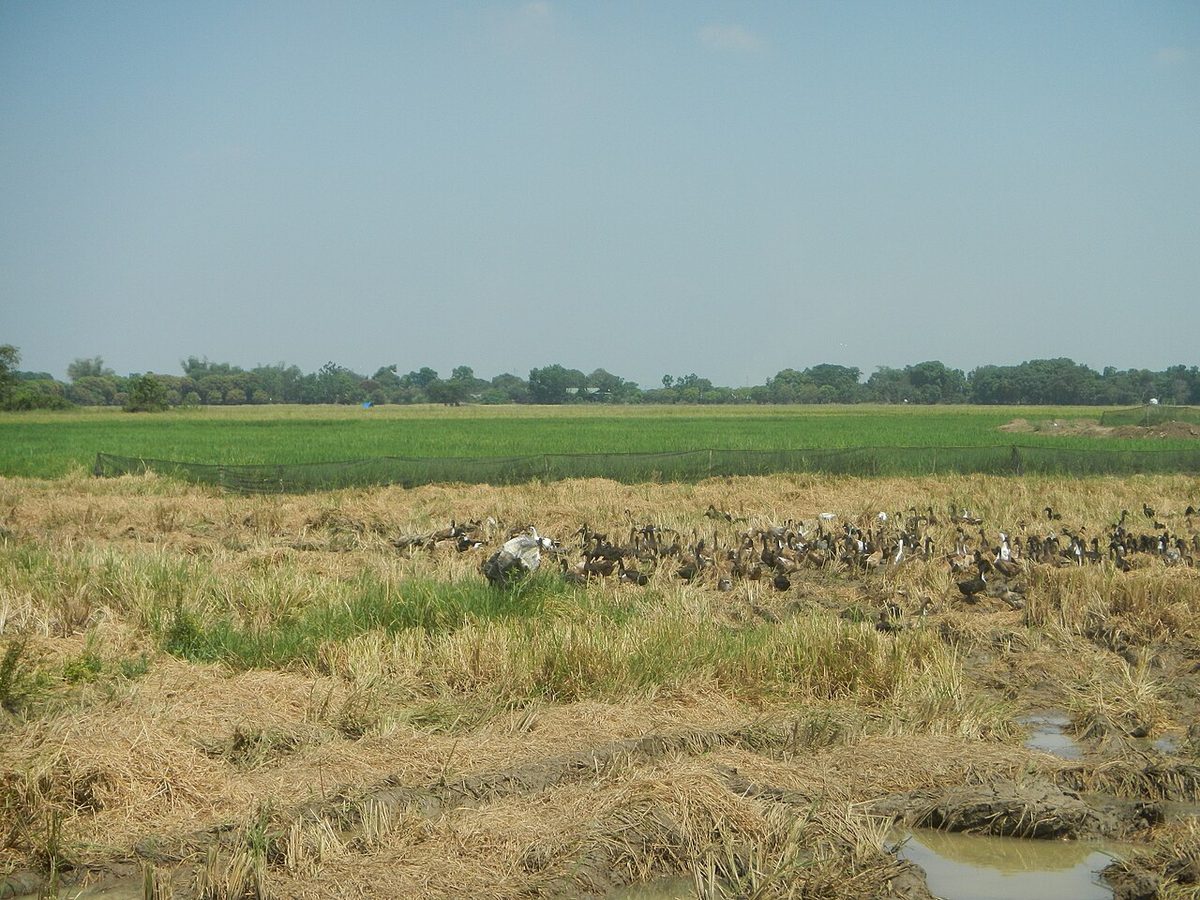
There is an important health consideration if you plan to raise ducks near other poultry or near wild waterfowl. Ducks are natural asymptomatic carriers of avian influenza viruses. That means they can carry and spread the disease without showing any signs of illness themselves. If you also keep chickens, turkeys, or other birds, this poses a real risk. Good biosecurity — separating species, controlling access, and staying alert to any unusual deaths — is essential.
Quail Farming: Fast Cycles, High Output
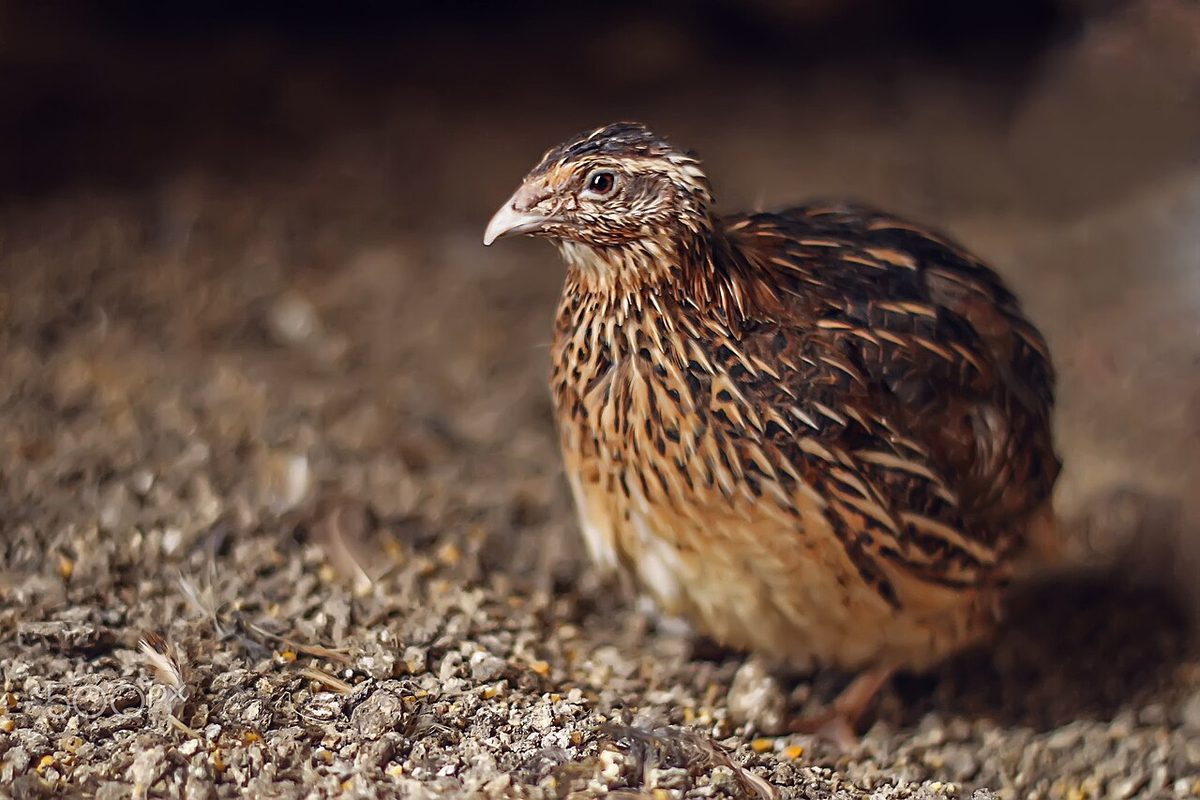
Quail by Hammad A (CC BY 3.0) · source
If you are looking for a bird with a quick turnaround, Coturnix quail deserve serious attention. They reach slaughter or egg-laying age much faster than chickens, and their egg production is exceptional.
Egg production potential
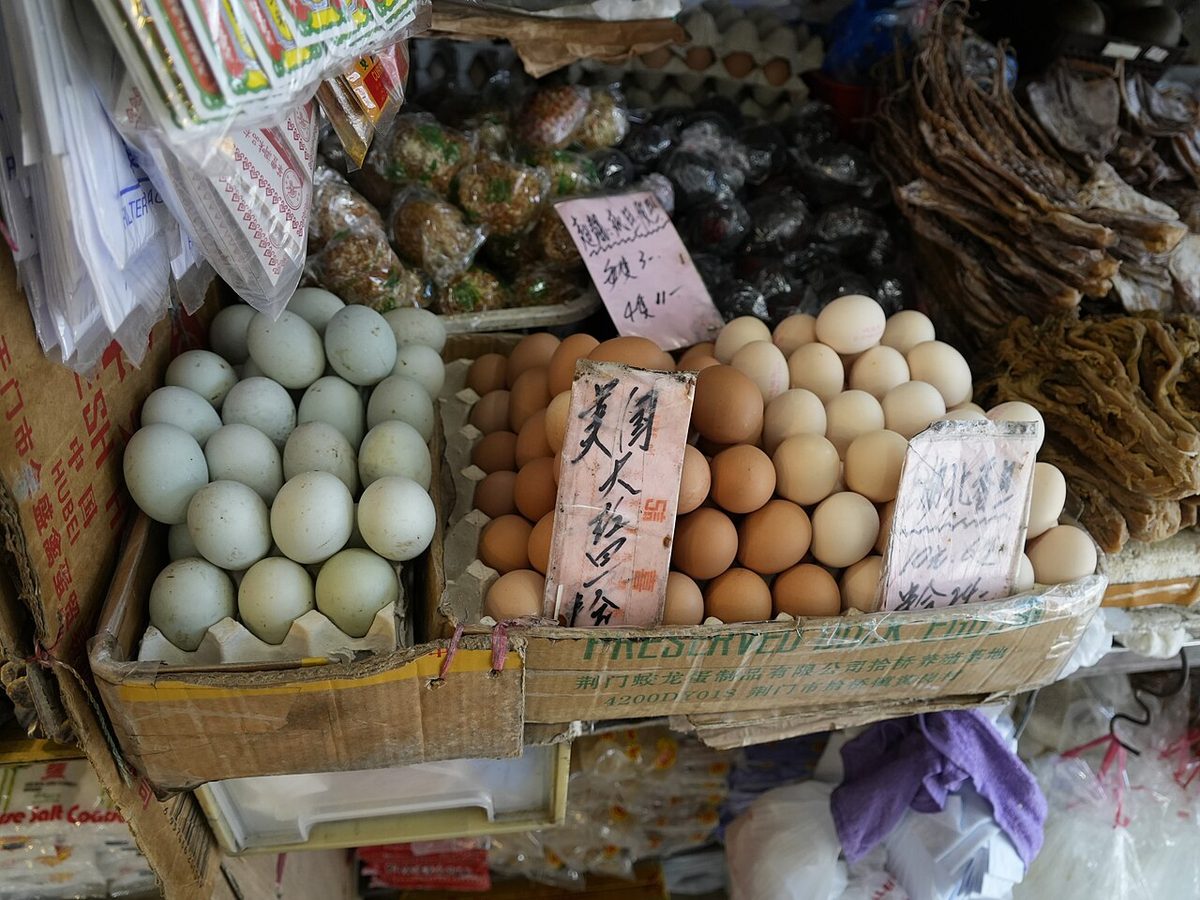
Chicken Eggs and Duck Eggs in San Hui Market at Tuen Mun by Peachyeung316 (CC BY-SA 4.0) · source
A single Coturnix quail hen can lay up to 320 eggs per year. For a bird that weighs only about 150 grams, that is extraordinary output. It means you can start seeing returns sooner than with most traditional poultry.
Starter feed nutrition
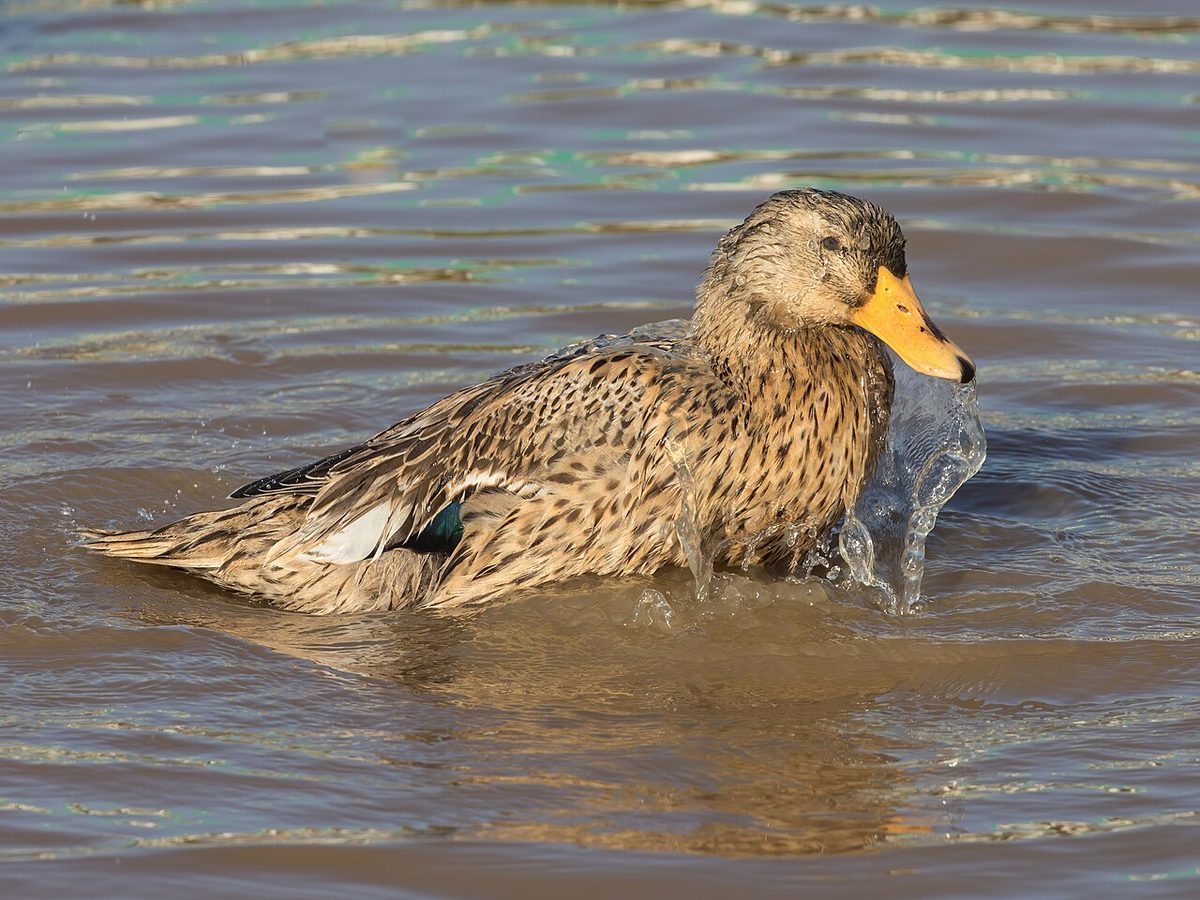
Domestic duck bathing and splashing in a pond at golden hour in Don Det Laos - side view by Basile Morin (CC BY-SA 4.0) · source
The chicks are the critical phase. Quail chicks require starter feed with 24% to 28% crude protein. That is higher than most chicken starters. If you skimp on protein during those first weeks, the birds may never recover. Invest in a quality starter ration from the start.
Why quail fit alongside herding
Quail take up very little space, have a fast lifecycle, and can be raised in a small shelter. For a herder who already spends hours managing cattle or sheep on the steppe, quail do not demand constant attention once the housing and feeding system is set up.
Protecting Your Flock from Disease
Whether you raise ducks, quail, or both alongside cattle and sheep, disease management is a shared concern. Foot and Mouth Disease, Peste des Petits Ruminants, and Lumpy Skin Disease have all caused major outbreaks in Mongolia. During the summer of 2021, these diseases hit hard — but a targeted vaccination campaign delivered 6.5 million doses of strategic vaccines across affected areas, and by April 2022, there were zero active cases. That shows what coordinated effort can achieve.
For your own operation, there are steps you can take right now. The Livestock Commercialization Project has upgraded provincial veterinary laboratories to international standards, making disease testing and diagnosis more reliable than before. The project has also trained nearly 3,000 veterinary professionals across the country, so you should be able to find a vet or para-vet who can advise you on vaccination schedules and biosecurity for both your traditional animals and any poultry you add.
For ducks specifically, keep the avian influenza risk in mind. Even though your ducks may look perfectly healthy, they can carry the virus. If you notice sudden deaths in any bird — chicken, quail, or duck — contact your local vet or veterinary laboratory immediately. Early reporting makes all the difference.
Dzud Preparedness: Lessons for Every Herder
The 2021-2022 dzud killed livestock across vast areas of Mongolia. The scale of the disaster prompted a major emergency response. The Livestock Commercialization Project activated its Contingent Emergency Response Component and distributed 11,800 metric tons of high-energy concentrated animal feed to 46,470 herder households across 74 districts in 6 provinces. Almost 180,000 herder households also received one-time cash assistance to help them through the worst of it.
One local example shows what is possible when feed supply is reliable. Buyant Tuv LLC, a Mongolian company, set up a feed hub under the project. Herders who used that hub during the most recent dzud achieved zero livestock losses — not reduced losses, but none at all. At the same time, productivity on those farms rose by over 36 percent. The improved feed efficiency also cut emissions by about 290,000 tons of CO2 equivalent.
Those numbers came from cattle and sheep operations, not from duck or quail farms. Whether the same feed hub model works for poultry during dzud is something that depends on your local situation and the feed products available in your region. It is worth discussing with nearby herders and feed suppliers to see what options make sense where you live.
Finding Support for New Livestock Enterprises
Starting any new enterprise — even a small quail flock — costs money, and having the right connections helps. The Livestock Commercialization Project runs a Solutions Marketplace that links herders with researchers, entrepreneurs, and investors. Through this platform, 35 small Mongolian firms have built productive partnerships in animal health, breeding, feeding, and climate-smart husbandry. Together, these partnerships have reached over 10,200 beneficiaries and increased livestock productivity by up to 30 percent.
If you are serious about adding ducks or quail to your farm, explore whether the Solutions Marketplace or a local agricultural cooperative can connect you with feed suppliers, equipment dealers, or veterinary support. Having reliable access to the right feed and professional advice is just as important for poultry as it is for your other animals.
A Few Things to Think About Before You Start
A Few Things to Think About Before You Start
Mongolia's long, harsh winters mean you will need proper shelter. Ducks and quail are tough birds, but they still need protection from temperatures that can drop below minus 30 degrees Celsius. A simple insulated coop with good ventilation will keep them healthy and laying through the cold months.
Think about your water supply too. Poultry need clean drinking water every day, even in winter when pipes freeze. You may need to melt snow or carry water from a source that does not freeze over completely.
Check local rules before buying birds. Some areas in Mongolia require registration for poultry farms, especially if you plan to sell eggs or meat commercially. Your local livestock office can tell you what paperwork you need.
Finally, start small. Begin with a small flock — perhaps 20 ducks or 100 quail — so you can learn their needs without taking on too much cost or risk. You can always expand once you know what works on your land.
Looking Ahead
Duck and quail farming can bring new income to your household while using fewer resources than larger livestock. The eggs and meat are in demand in local markets and nearby towns. With careful planning and the right support, these small birds can become a valuable part of your farm.
Your Next Step
Visit a nearby poultry keeper to see how they manage their flock. Ask questions about feed, shelter, and how they handle winter. Learning from someone with hands-on experience will give you confidence before you spend money on your first birds.
Good luck with your poultry venture. Start small, learn as you go, and reach out to local farmers who have already walked this path. With patience and care, ducks and quail can be a rewarding addition to your farm.
❓ Frequently asked questions
What are the main disease risks I should watch for if I raise ducks near my traditional herding livestock?
Domestic ducks are natural asymptomatic carriers of avian influenza viruses, which carries biosecurity implications for mixed-species or free-range operations near other poultry or wild waterfowl. On the positive side, Mongolia's Livestock Commercialization Project has upgraded provincial veterinary laboratories to international standards and trained nearly 3,000 veterinary professionals to strengthen animal health surveillance and response to transboundary diseases. During summer 2021 outbreaks of Foot and Mouth Disease, Peste des Petits Ruminants, and Lumpy Skin Disease, the project helped deliver 6.5 million doses of strategic vaccines, resulting in zero active cases by April 2022.
Can quail farming be profitable given the short production cycle and high egg output?
Coturnix quail have exceptional egg production intensity, capable of producing up to 320 eggs annually per 150-gram bird — a high-output enterprise relative to bird size with an ultra-fast lifecycle compared to chickens. However, this comes with strict nutritional demands: Coturnix quail chicks require a starter crude protein range of 24% to 28%, and deviating from this range risks severe nutritional deficiencies. Whether the overall operation is profitable depends on local market demand, feed costs, and your specific setup — you should check with nearby dealers or agricultural offices for current conditions.
How can I protect my livestock or poultry investment from dzud losses?
During the devastating 2021-2022 dzud, Mongolia's Livestock Commercialization Project activated its Contingent Emergency Response Component, distributing over 11,800 metric tons of high-energy concentrated animal feed to 46,470 herder households across 74 districts in 6 provinces, plus one-time cash assistance to almost 180,000 herder households. A local feed hub run by Buyant Tuv LLC helped herders achieve zero livestock losses during the most recent dzud and increase productivity by over 36 percent, while cutting emissions by about 290,000 tons of CO2 equivalent through improved feed efficiency. Whether dzud survival strategies developed for cattle, sheep, and goats — such as feed hubs — are feasible or have been tested for ducks and quail specifically depends on your local situation.
What infrastructure does a commercial duck operation need beyond a standard chicken coop?
Commercial duck housing should incorporate slatted drainage pit designs to prevent keel sores caused by constant contact with wet litter. Ducks also require pellet-form feed to prevent bill-pasting, a condition where feed cakes onto the bill. Their diet must be fortified with 60 mg/kg of dietary niacin, as ducks have a heavy physiological reliance on niacin due to their high water turnover and metabolic rate — deficiency leads to leg and wing deformities. Standard broiler or layer management templates do not work for ducks, because applying them leads to high chick mortality, severe litter dampness, nutritional deficiencies, and potential biosecurity problems.
Is there government or project support available for new livestock enterprises in Mongolia?
The Livestock Commercialization Project runs a Solutions Marketplace platform that connects herders with researchers, entrepreneurs, and investors. Through this platform, 35 small Mongolian firms have developed productive partnerships in animal health, breeding, feeding, and climate-smart husbandry, reaching over 10,200 beneficiaries and increasing livestock productivity by up to 30 percent. The project has also upgraded provincial veterinary laboratories to international standards and trained nearly 3,000 veterinary professionals. Specific regulations, licensing, or veterinary requirements for duck or quail farming operations depend on your local situation — check with your nearest veterinary office or provincial authority for current rules.
📚 Where the figures in this guide come from
We read what has already been published on the subject, take out the figures and rules it actually states, and write it up in plain, everyday language.
Every number and name here traces back to a source listed below — nothing in this guide is invented.
Prices, rules and animal health advice change and vary by area. Check anything important with a local vet, dealer or agriculture office before you spend money.
Spotted a mistake? Tell us in the comments and we will correct it.

 Menu
Menu
💬 Comments
Login to comment
No comments yet. Be the first to share your experience!