You want a livestock business that fits a small plot and a small budget. Cattle need land and cash you may not have. Rabbits look like a smart way in — and in many ways they are. They breed fast, they eat little, and they take up far less space than almost any other farm animal.
But there is one honest problem you have to face before you build a single cage. Rabbits are cool-weather animals, and much of Indonesia is hot and humid. That one fact shapes everything: where you site the farm, how you build the housing, and how well your females breed through the year.
This guide walks you through the practical side of rabbit farming for meat — the heat problem, breeds, housing, feed, health and how you actually earn from it.
Why meat rabbits fit small farms in Indonesia
The appeal of rabbit farming is simple: it asks for very little land and very little starting capital compared with most other livestock. You can begin with a small space, which is why rabbits work not only on rural smallholdings but also in intensive urban and peri-urban systems where land is tight. For many families it becomes a valuable extra income alongside crops rather than a full replacement for other work.
The other advantages are speed and efficiency:
- Fast turnaround. Meat rabbits typically reach market weight in just 8 to 12 weeks. That means several production cycles in one year, which helps your cash flow and your return on investment.
- Strong breeding. One doe (female rabbit) can produce up to 40 offspring per year. Healthy breeding rabbits give multiple litters each year when they are well managed.
- Efficient feeders. Rabbits need less feed to put on a kilogram of body weight, so your input costs stay lower. They also produce far fewer greenhouse gases per kilogram of meat than cattle or pigs.
- Two products, not one. You sell meat, and you also get manure that is genuinely worth money.
One thing you will not find in any general guide is what it will cost you. Timber, wire mesh, roofing sheets, labour and breeding stock are all priced locally. Ask suppliers and rabbit keepers near you before you plan your budget, and do not build to a figure you read somewhere else.
Heat and humidity: the first problem to solve
Rabbits do best in cool, comfortable conditions. They need protection from direct sunlight and from extreme temperatures. Cool weather is close to perfect for them, and they do not tolerate extremes in either direction. On top of that, too much humidity in the air can make them sick.
This matters for your pocket, not just for animal comfort. Heat stress can badly reduce both productivity and reproductive performance. A hot, stuffy shed means slower growth and does that breed poorly — the two things your whole business depends on.
What you can do about it
- Treat ventilation as the core of your design, not an extra. Housing should be a proper building with good airflow, plus lighting and the means to warm or cool the animals as conditions change.
- Keep every cage out of direct sun.
- Keep the housing clean and airy. Damp, dirty and closed-in are the conditions that cause trouble.
- Think hard about your site. Cooler, higher ground is usually kinder to rabbits than hot lowland air.
There is no single target temperature or humidity number that fits every farm, and no standard cooling recipe for tropical conditions. What works in your valley depends on your altitude, your rainfall and the way the wind moves across your land. Visit rabbit keepers near you, see how their sheds are built, and ask a local vet what they see going wrong in your area.
Picking your breed and running the breeding side
Breeds for meat
Among commercial meat breeds, New Zealand White and Californian rabbits are the most popular choices. Both are valued for fast growth and good feed conversion — exactly what you want when you are selling animals inside 8 to 12 weeks. Angora breeds are for wool, not meat, so do not buy them for a meat enterprise.
Choose your breed on two things at once: what you plan to produce, and your local climate. Which of these breeds you can actually find, and in what quality, differs from place to place. Ask breeders and dealers in your region what stock is available and how it performs in local conditions before you commit money.
Managing breeding
- Select healthy bucks and does to breed from. A sound breeding programme improves litter size and how many young survive.
- Put a comfortable nesting box in place before kindling (birth), so the doe has a clean, quiet spot for her litter.
- Keep a 12-hour light and 12-hour dark cycle through the year if you want breeding to continue year-round.
- Write everything down. Accurate records lift productivity and make business planning far easier.
Details like mating age, litter size and how many does and bucks to start with vary with your stock and your goals. Get that advice from a vet or an experienced breeder nearby rather than guessing.
Housing: hutches, cages and keeping enemies out
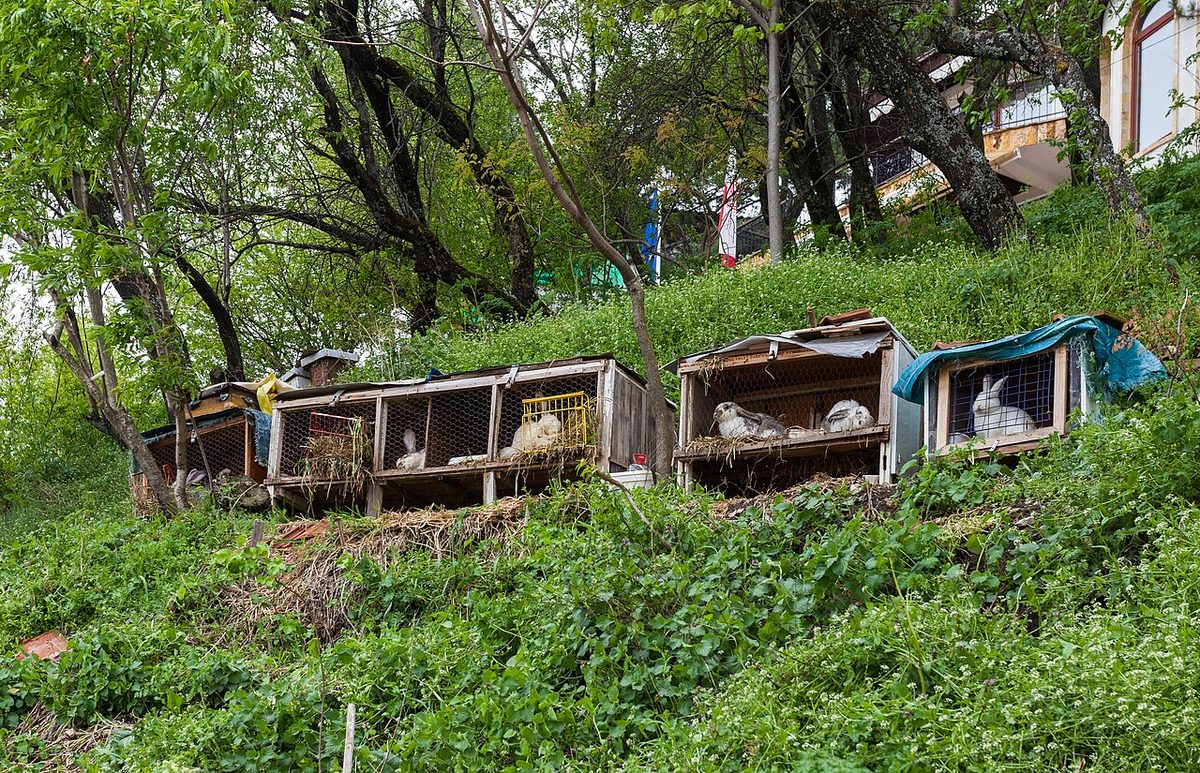
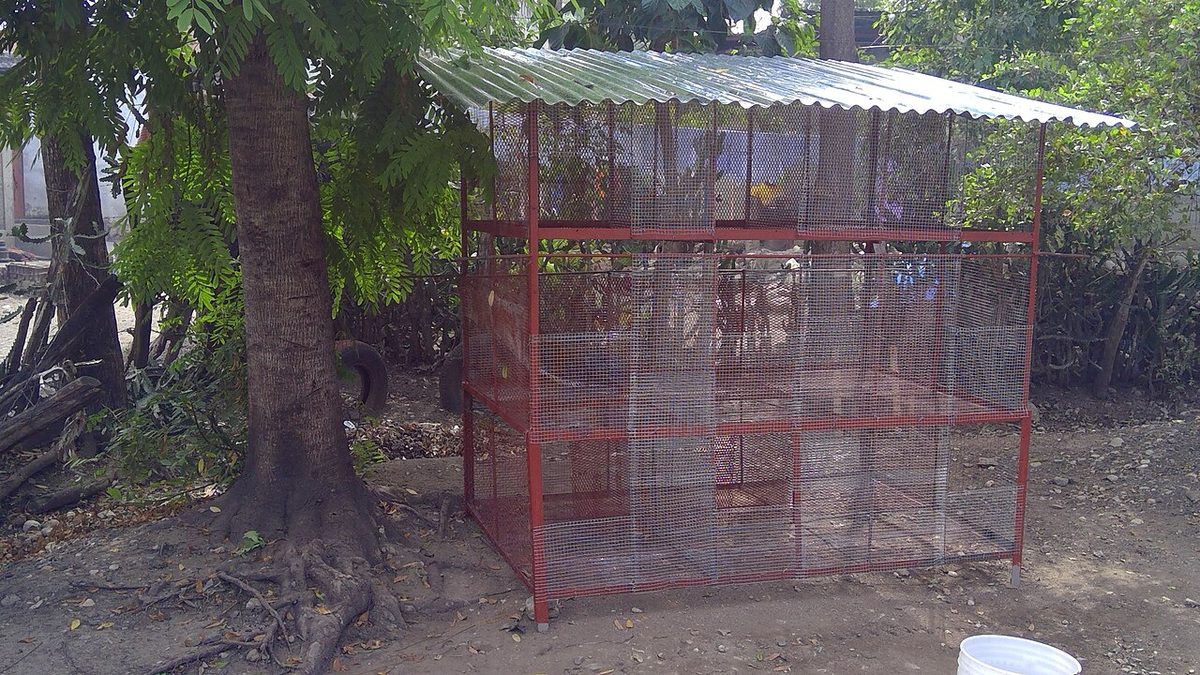
Wire mesh cages are widely used because they keep things hygienic and cut the risk of disease. Housing design depends on your climate, your location and the size of your farm — so build for your own conditions.
If you are starting small
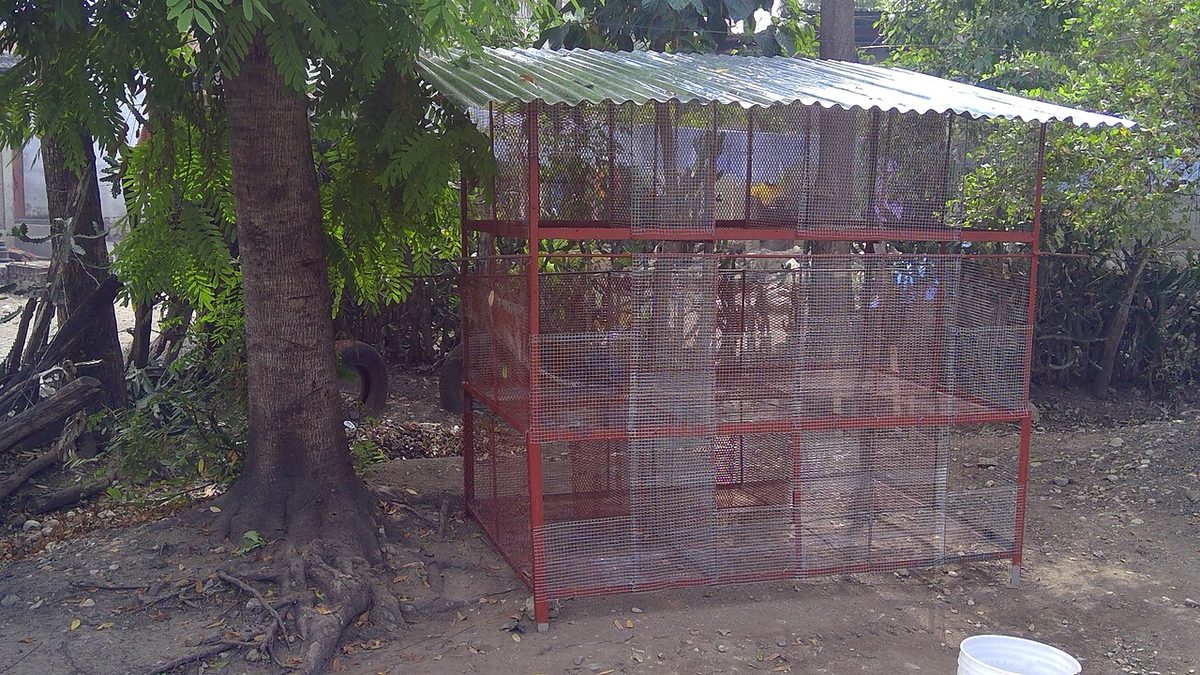
A hutch system suits a small farm well. That means a self-made cage with a low nest box and its own roof. Give each rabbit a well-sized hutch, preferably with two chambers. For roofing, cheap locally available materials do the job — asbestos, wood or chaff are all used.
If you are building bigger
On larger farms, cages sit inside a shed and can be arranged in single or double tiers on hanging or stepwise racks. Whatever the layout, each rabbit needs adequate floor space. Exact cage sizes and stocking numbers are not something to copy blindly — check them with a local vet or an experienced farmer who knows the breed and climate you are working with.
Keeping predators and pests out
- Snakes, woodpeckers and dogs are all enemies of rabbits.
- Build sheds so that birds of prey and other birds cannot get inside.
- Fence open hutches properly.
- Make your feed store a solid, rat-proof structure.
Feeding, watering and keeping rabbits healthy
Feed and water
Balanced nutrition is the base of both growth and reproduction. The single biggest feeding mistake is changing the diet suddenly — rabbits have sensitive digestive systems, so any change must be gradual. Keep good-quality hay available too; it supports healthy digestion.
Water deserves as much attention as feed:
- Fresh drinking water must be available at all times. Rabbits need plenty of it.
- Automatic nipple drinkers are common on commercial rabbit farms.
- Plan for water to wash and clean cages as well, not only for drinking.
- Clean feeders and waterers regularly, and take leftover mash feed out of the feeder instead of letting it sit.
Feed quantities, pellet specifications and which local greens and crop by-products you can safely use are all local questions. Talk to a nearby feed dealer or vet and introduce anything new slowly.
Hygiene and biosecurity
Prevention is the whole strategy here. Hygiene, good nutrition and prompt veterinary attention together bring disease risk down, and strong biosecurity plus clean, well-ventilated housing keeps outbreaks rare. In daily practice that means:
- Clean and disinfect the shed regularly, and keep it free of flies and mosquitoes.
- Set up a foot dip at the shed entrance.
- Clean cages regularly, and sterilise them before kindling.
- Keep the nest box clean — dirty nest boxes invite diseases such as coccidia.
For vaccination, medicines and treating sick animals, work with a vet you can call on. Those decisions depend on what is circulating in your area and what is legally available to you.
Making money: meat, manure and other products
The selling point for rabbit meat
Rabbit meat is lean, high in protein and low in fat and cholesterol. That makes it attractive to health-conscious buyers, and global demand for lean, alternative protein is rising. A practical way to pitch it is as an alternative red meat for customers who want variety on the table.
Manure and other income
Rabbit manure is a real second product, not a by-product you throw away. It contains four times more nutrients than cow manure, which makes it a superior organic fertiliser. Organic growers value it highly, and for many uses it can go straight onto the land without composting first. If you already grow crops, that means better soil fertility and less spending on chemical fertiliser.
Rabbits are also raised for breeding stock and pets, and demand for both is growing. Some breeds are kept for wool, and fur is a product only where it is legally and ethically practised.
Be realistic about the market
Look at the global picture with clear eyes. Across 2024-2035, the world rabbit meat market is forecast to grow at just +0.2% a year in volume and +0.8% a year in value, reaching 849K tons and $4.2B by 2035. This is a slow-growing market, not a boom. Your success will come from buyers you build relationships with locally, not from a global trend lifting you.
So before you build, check your surroundings. A rabbit farm needs a reliable supply of clean water and electricity, breeding stock, feed and fodder, and veterinary help — plus closeness to the market where you will sell. Prices, buyers and how familiar people are with rabbit meat differ hugely from one district to the next, so find out what your neighbours and nearby traders will actually buy and pay. Rules on slaughter, permits and animal welfare also vary, so confirm those with your local livestock office or vet before you sell any meat.
Where to start
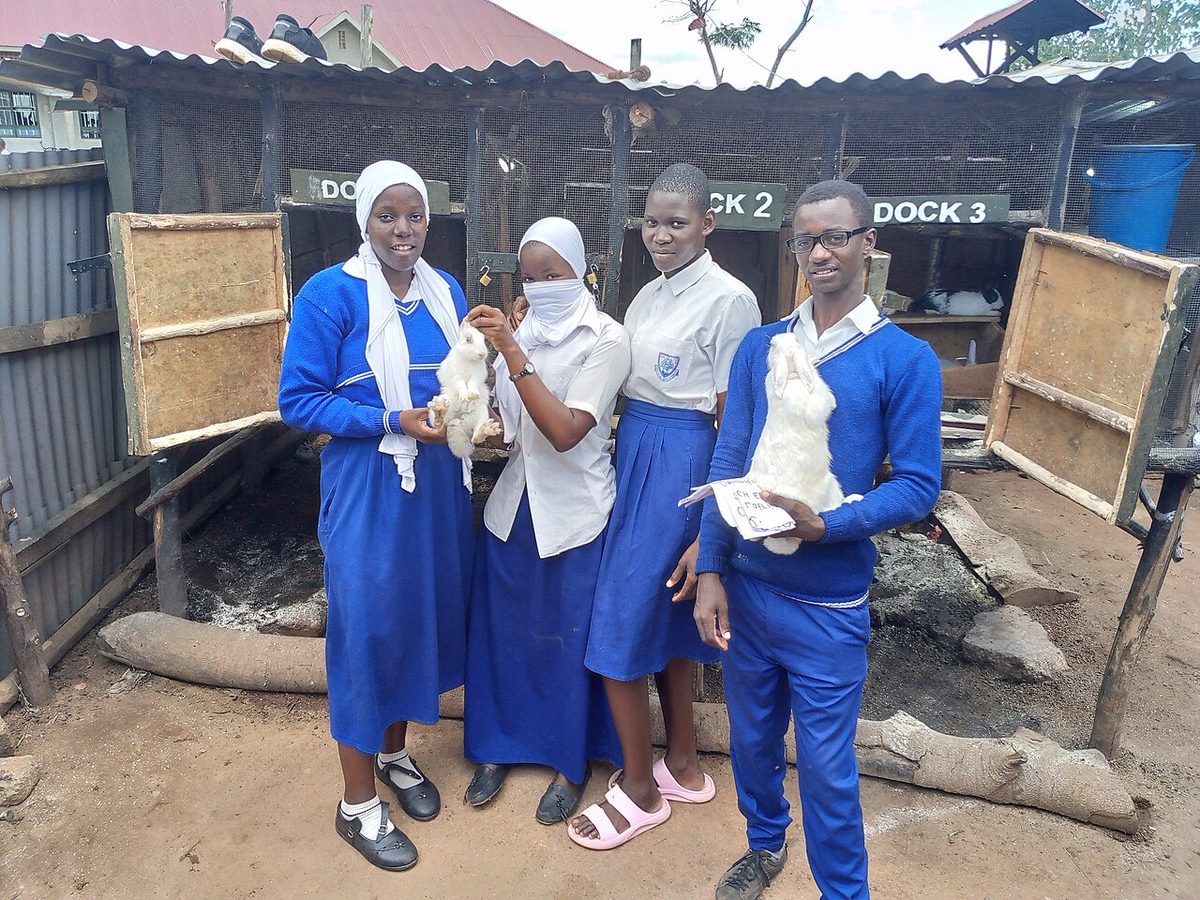
Start small and let your own numbers teach you. Build one good, airy, predator-proof hutch or a short row of wire cages, get healthy stock of a proven meat breed, feed steadily without sudden changes, and keep the nest boxes clean. Keep records of every mating, birth and sale from day one.
Then grow on what you have proved. With rabbits reaching market weight in 8 to 12 weeks and a doe producing up to 40 offspring per year, you will know quickly whether your setup handles the heat and whether your buyers come back. Fix the housing and the market first — the rest of the business follows from those two.

 Menu
Menu
💬 Comments
Login to comment
No comments yet. Be the first to share your experience!