Starting a cattle farm in Germany can feel difficult to judge. The country has a large and productive dairy sector, but farm numbers are falling. Feed costs can reduce margins, suitable land and skilled labour may be hard to find, and expectations around animal welfare and the environment affect investment decisions.
Before you buy cattle or commit to a housing system, you need a clear picture of your farm. Think about what you want to produce, who will buy it, how much labour you can provide and how much risk you can carry. A practical business plan will help you turn these questions into firm decisions.
Understand the German cattle and dairy market
Germany is the largest milk producer in the European Union. It has a reported EU milk market share of over 20%, while dairy contributes about 18% of German agricultural production value. German milk production reached almost 34 million tonnes in the year 2024.
The wider cattle sector includes a reported 12.9 million head of cattle, including 4.2 million dairy cows and 0.7 million lactating cows. About 2.6 million cattle are registered in herd books, and 3.5 million cows are reported for milk recording.
These figures show the size of the sector, but they do not mean that establishing a viable farm is easy. German milk production increased by around 12 per cent from 2010 to 2024. Over the same period, the number of dairy farms fell by half to 47,700. Another report describes a 50% fall in farm numbers during the last 20 years while total milk production increased.
German dairy farms also operate at very different scales. The reported range runs from family farms with 50-60 cows to large businesses with over 2,000 cows. There is also a growing trend towards year-round housing. Your own choice must fit your land, labour, capital, market and way of life rather than simply copying another farm.
Demand includes both milk and processed dairy products. Recent consumption was reported at 24.5 kg of cheese per person and 46 kg of drinking milk per person. These national figures can provide market context, but your actual buyer, price and route to market will depend on your local situation.
Build a cattle farming business plan first
A cattle farm needs more than a production idea. Your plan should connect daily farming work with finance, sales and long-term goals. A useful cattle business plan includes:
- An executive summary: A short explanation of the farm you want to establish and what you aim to achieve.
- A market analysis: Who might buy your milk, cattle or calves, and how you could reach those buyers.
- A production plan: Your intended herd, housing, grazing and daily management approach.
- A marketing strategy: Whether you plan to sell directly, supply a dairy or work through a cooperative.
Set goals before committing resources. Cover financial, production, lifestyle, sustainability and timeline goals. A production target could, for example, be a 50-cow herd producing 45 calves annually. The point is not to use that target for every farm. It is to make your own target clear enough to plan labour, facilities and marketing around it.
Check your readiness honestly
Indicative startup capital is given as $50,000-$500,000+, depending on scale. However, current German costs for farmland, cattle, housing, machinery, feed and insurance vary locally. Ask nearby cattle dealers, machinery dealers, feed suppliers and other relevant local businesses for current figures before preparing a budget.
You should also assess whether you can provide daily cattle care, including during holidays. Consider your physical ability, livestock knowledge, family support, location flexibility and tolerance for market, weather and livestock-loss risks. Labour deserves particular attention because shortages of skilled workers are already a challenge for German producers.
Do not rely on a national average for expected milk or beef prices, profit margins or break-even herd size. These depend on your local costs and selling arrangements. Build your plan from prices and written offers that apply to your own farm.
Choose cattle, land and a production system that fit
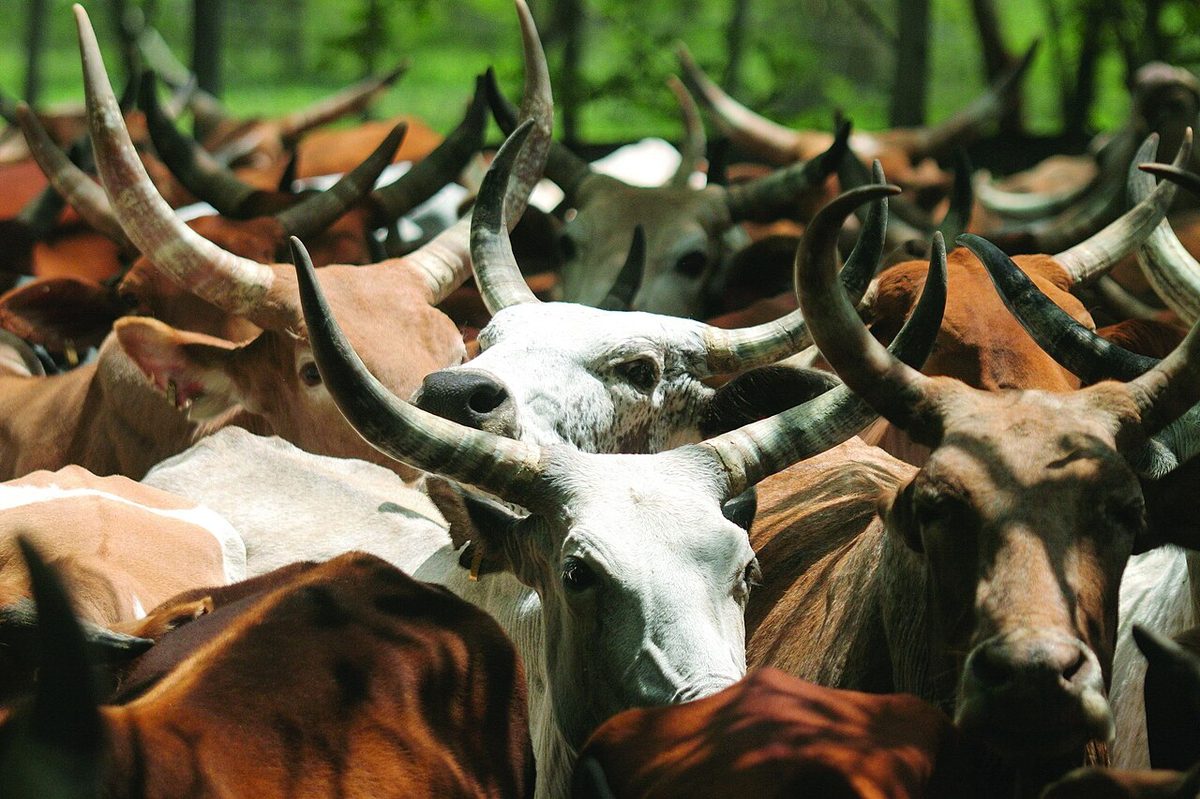
Milk production is concentrated in the grasslands of northwestern and southern Germany. However, there are no regional yield, land requirement or cost figures here to show that one area is automatically better than another. Assess the land, feed access, labour and buyers available in the place where you intend to farm.
German dairy cattle breeds
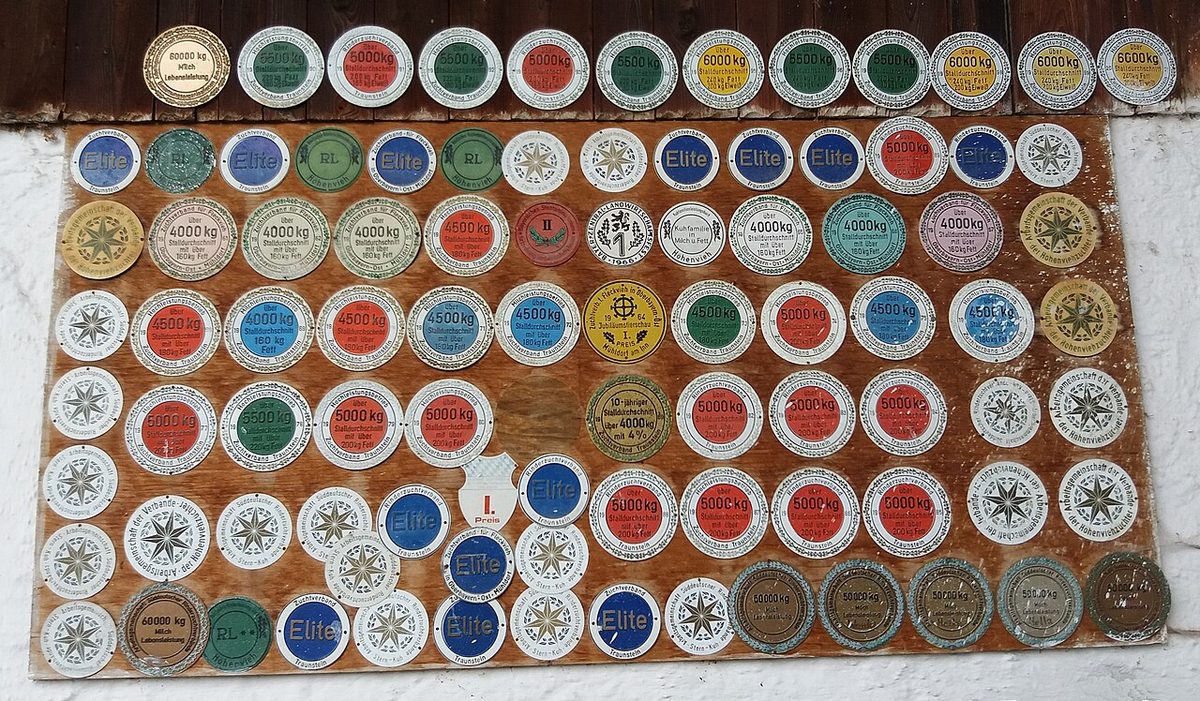
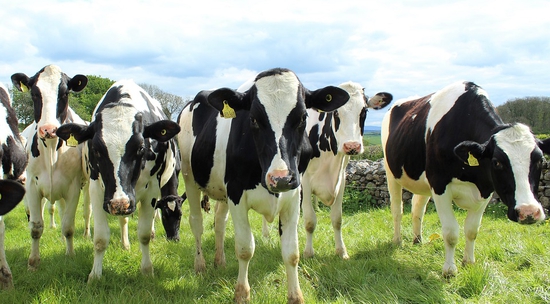
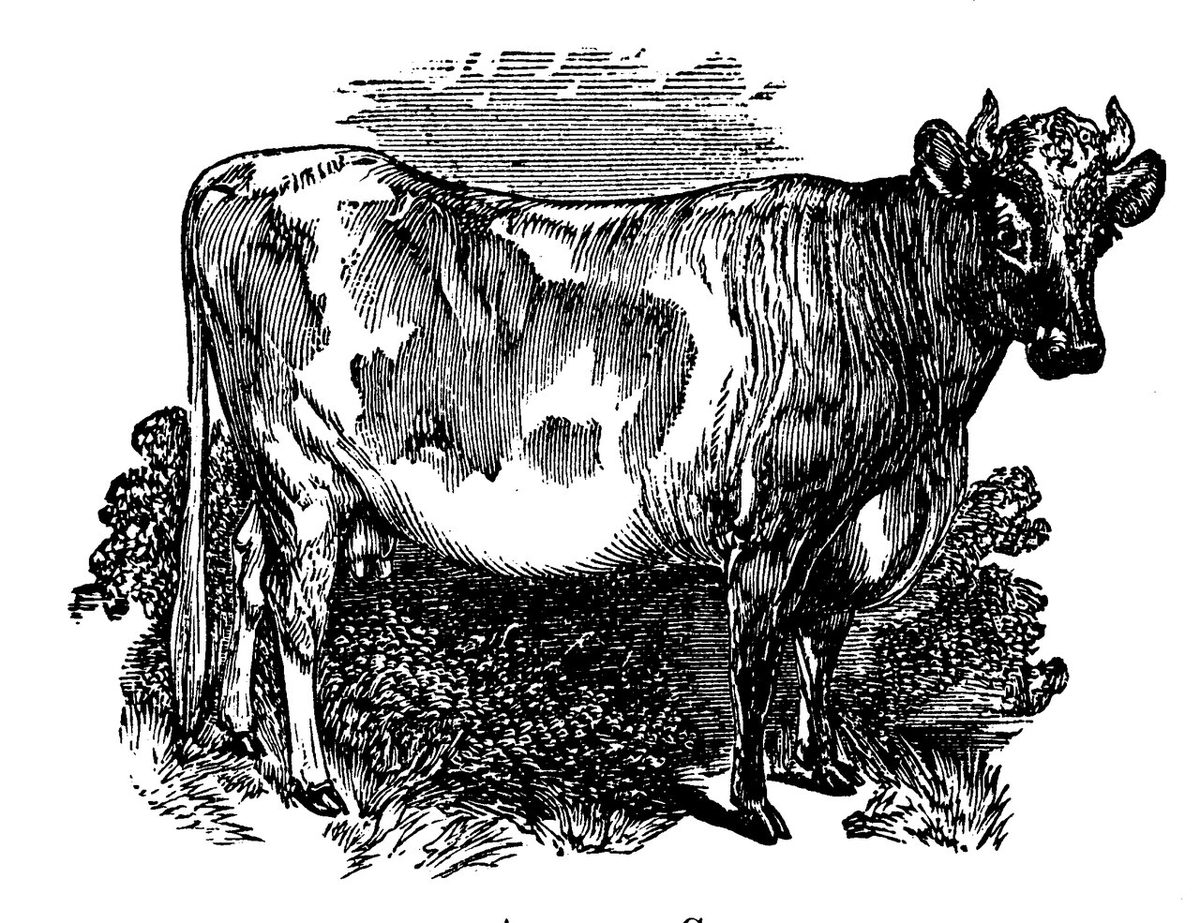
Named cattle breeds used or discussed in Germany include Murnau-Werdenfels Cattle, German Black Pied Dairy, Fleckvieh, Gelbvieh, Hinterwald, Herzer Rotvieh, Lakenvelder, Angeln cattle and German Holsteins. German Holsteins are described as successful under differing feed and management systems.
No single breed can be named as the best choice for every German region, farm objective or production system. Before selecting animals, discuss local performance and availability with nearby breeders, cattle dealers and a vet. Match the cattle to the farm you can actually manage rather than choosing by name alone.
Plan grazing carefully
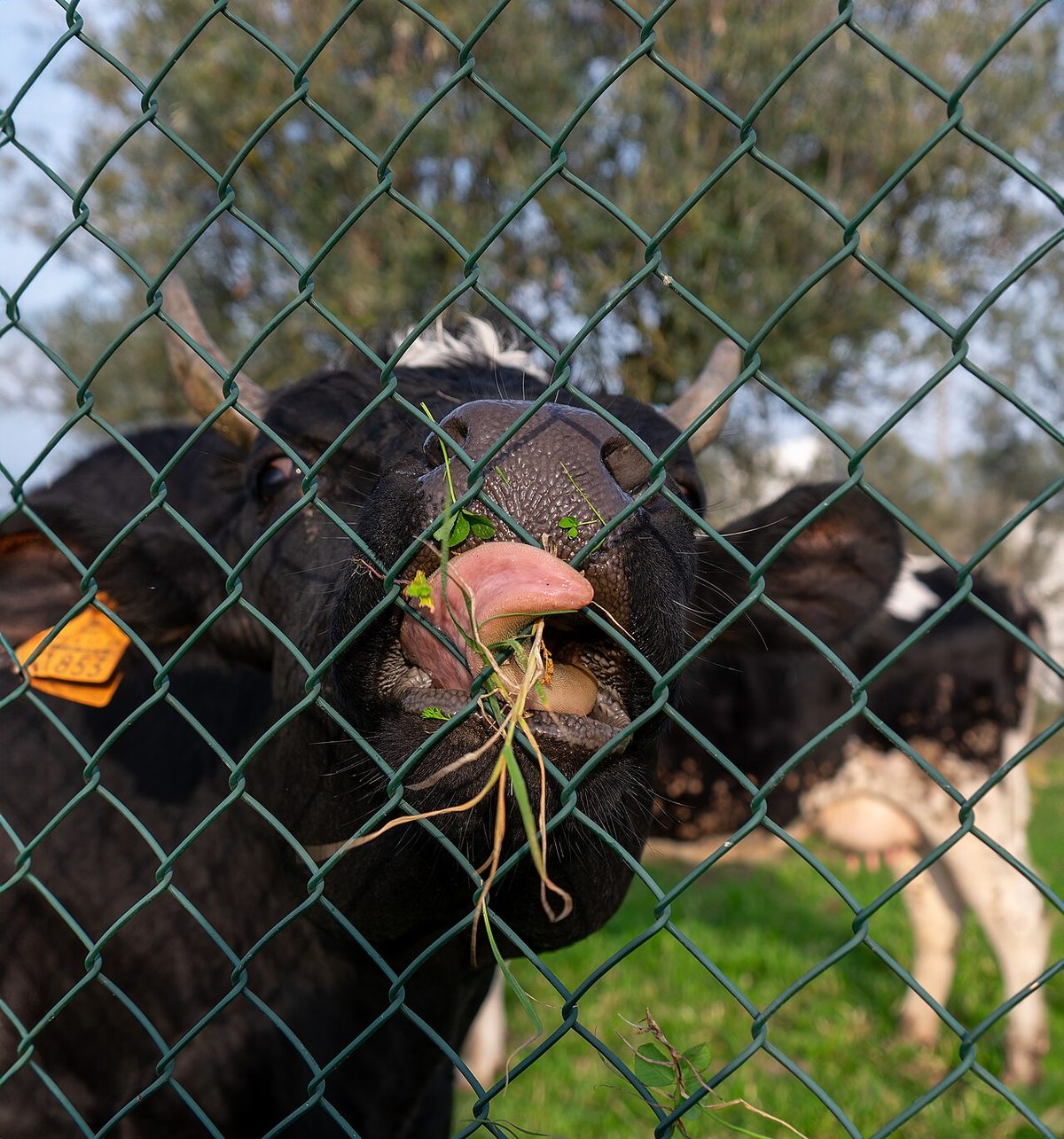
If rotational grazing suits your land and production plan, one suggested system divides pasture into 8-30 paddocks. Cattle graze each area for 3-7 day grazing periods, followed by 25-40 day recovery periods. Plants should regrow to 4-6 inches before re-grazing.
This approach also uses distributed water and temporary electric fencing. The exact setup still needs to fit your fields and cattle. Seasonal rations, forage quantities and winter feed reserves vary with the local situation, so work them out with a nearby livestock adviser, feed supplier or vet.
Control feed, labour and housing pressures
Buying feed adds costs and can lower dairy farm profit margins. This makes feed planning central to your business plan, especially if your own land cannot provide what the herd requires. Land shortages can place further pressure on the business.
Housing is another major decision. German farms range from smaller family units to operations with thousands of cows, and their housing systems differ widely. Growing use of year-round housing does not mean it is automatically the right choice for you. Compare the labour, feed and welfare demands of each option against your own resources.
Environmental and animal-welfare expectations are increasingly important. Producers face social demands for more environmentally friendly and animal-friendly farming. Stricter regulation and public debate have also been linked with uncertainty, farm closures and limited investment in sustainable housing and husbandry.
Use welfare requirements as planning points
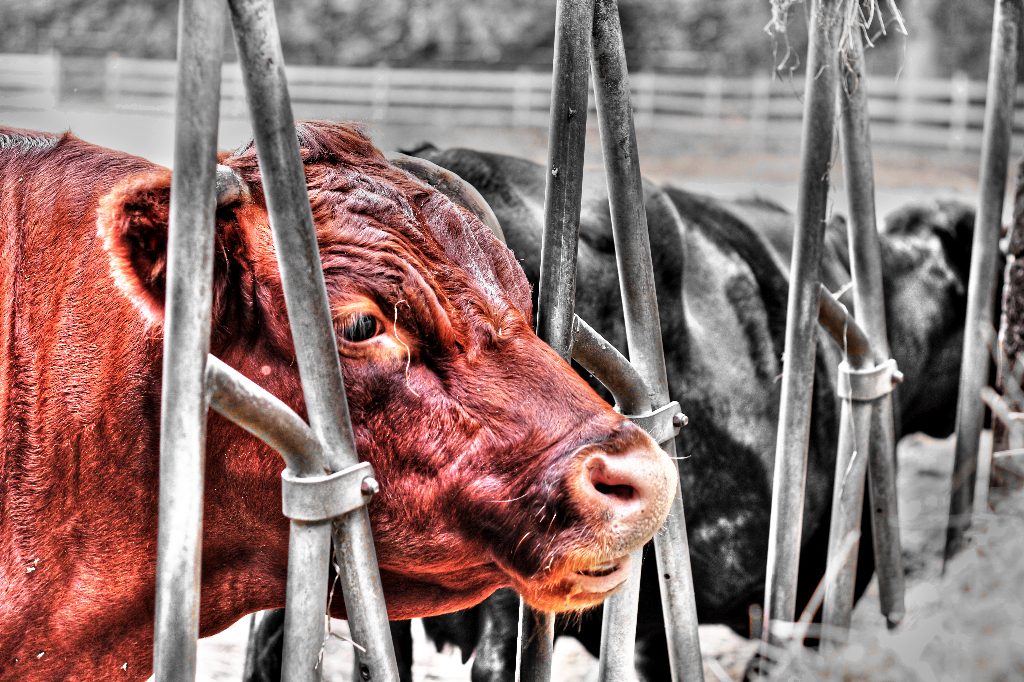
The DLG programme promotes animal-friendly dairy cow husbandry. Its stated requirements cover:
- Space availability
- Contact with the outdoor climate
- High-quality feed
- Employment material
- Health care
Increased welfare is demonstrated through four different awards. DLG also provides German cattle farmers and consultants with forums covering management, markets, production technology and animal-friendly husbandry. These areas can help you identify questions to address before investing in buildings or changing your management system.
Choose a realistic route to market
German dairy farmers may sell raw milk directly to consumers or deliver milk to dairies for processing. Cooperatives offer another route. They combine the production of individual farms because one farmer may not supply the quantity required by a large buyer.
A cooperative can therefore strengthen the market position of participating farmers. Direct selling, dairy delivery and cooperative marketing are different business models, so compare them within your local market. Confirm buyer requirements and current commercial terms directly rather than assuming that one route will produce a particular price or margin.
Your marketing strategy should be settled early enough to guide production decisions. A farm designed around direct customers may have different needs from one supplying a dairy or contributing milk through a cooperative. Keep your expected output, available labour and chosen buyer connected in the same plan.
Prepare for QS participation and local requirements
If you want to deliver under the German QS Scheme, begin by choosing a coordinator. You then sign a declaration of participation and power of attorney. The coordinator manages database registration, participation in monitoring and the audit process. Delivery under the QS Scheme becomes possible after your successful audit has been released.
The scheme includes four monitoring programmes:
- Antibiotics monitoring
- Salmonella monitoring
- Feed monitoring
- Collection of diagnostic data
Participants can view relevant monitoring information using personal login details supplied by their coordinator. QS also recognises QM milk certified businesses for cow deliveries when they are registered in the QS database with production scope 1320 (Cows QM milk).
QS participation is only one part of preparing a cattle farm. The federal, state and municipal permits or registrations required to begin farming can vary with the local situation. Ask the appropriate nearby office which requirements apply to your farm before buying cattle or starting construction.
Vaccination, testing, biosecurity, cattle identification and movement requirements also need local confirmation. A nearby vet and the relevant office can tell you what applies to your herd and location. Include these requirements in your timeline rather than dealing with them after the cattle arrive.
Turn the idea into a workable farm
A viable cow farming business in Germany starts with a realistic match between cattle, land, labour, capital and buyers. The national dairy market is large, but structural pressure, feed costs and welfare expectations make careful planning essential.
Write down your goals, test your costs locally and decide how you will sell before committing major resources. Choose a breed and production system for your own conditions. Then confirm QS, welfare and local official requirements early. A clear plan will not remove every risk, but it will help you see whether the farm can work before daily cattle care and fixed commitments begin.
 Menu
Menu
💬 Comments
Login to comment
No comments yet. Be the first to share your experience!