Rabbit farming for meat can look attractive when land and starting capital are limited. Rabbits need less space and capital than larger livestock, so they may suit farms in urban and peri-urban areas. But making a profit in Laos still takes careful planning. You need healthy breeding stock, suitable housing, reliable feed, good records and steady health management. You also need to confirm that local buyers actually want rabbit meat before you expand.
Do not expect everything to run perfectly in your first year. Rabbit production has a fast cycle, but experience matters. Use your early batches to understand feeding, breeding, losses, labour and the real cost of producing each rabbit.
Decide Whether Rabbit Farming Fits Your Farm
Small space requirements are one advantage of meat rabbit farming. However, space alone does not make a successful business. Your production results will depend on the quality of your stock and the way you manage housing, feed and health.
Before buying rabbits, check what is available near you. Breed availability and performance in Laos can vary. Ask a nearby vet, livestock dealer or experienced rabbit farmer which meat breeds are available and have performed reliably in your area.
You should also think about your budget. List the items you will need and check their local prices. Important questions include:
- Can you obtain suitable breeding rabbits?
- Can you buy or grow the required feeds throughout the year?
- Can you provide fresh water every day?
- Who will buy the rabbits, and in what form?
- What veterinary, slaughter and food-safety rules apply locally?
Current rabbit prices, buyer demand and preferred carcass sizes in Laos are not fixed everywhere. Speak with nearby buyers before deciding how many rabbits to raise. A small trial can help you learn the production system and prepare a more realistic budget.
Choose Meat Rabbits and Set a Realistic Production Time

Breeds to consider
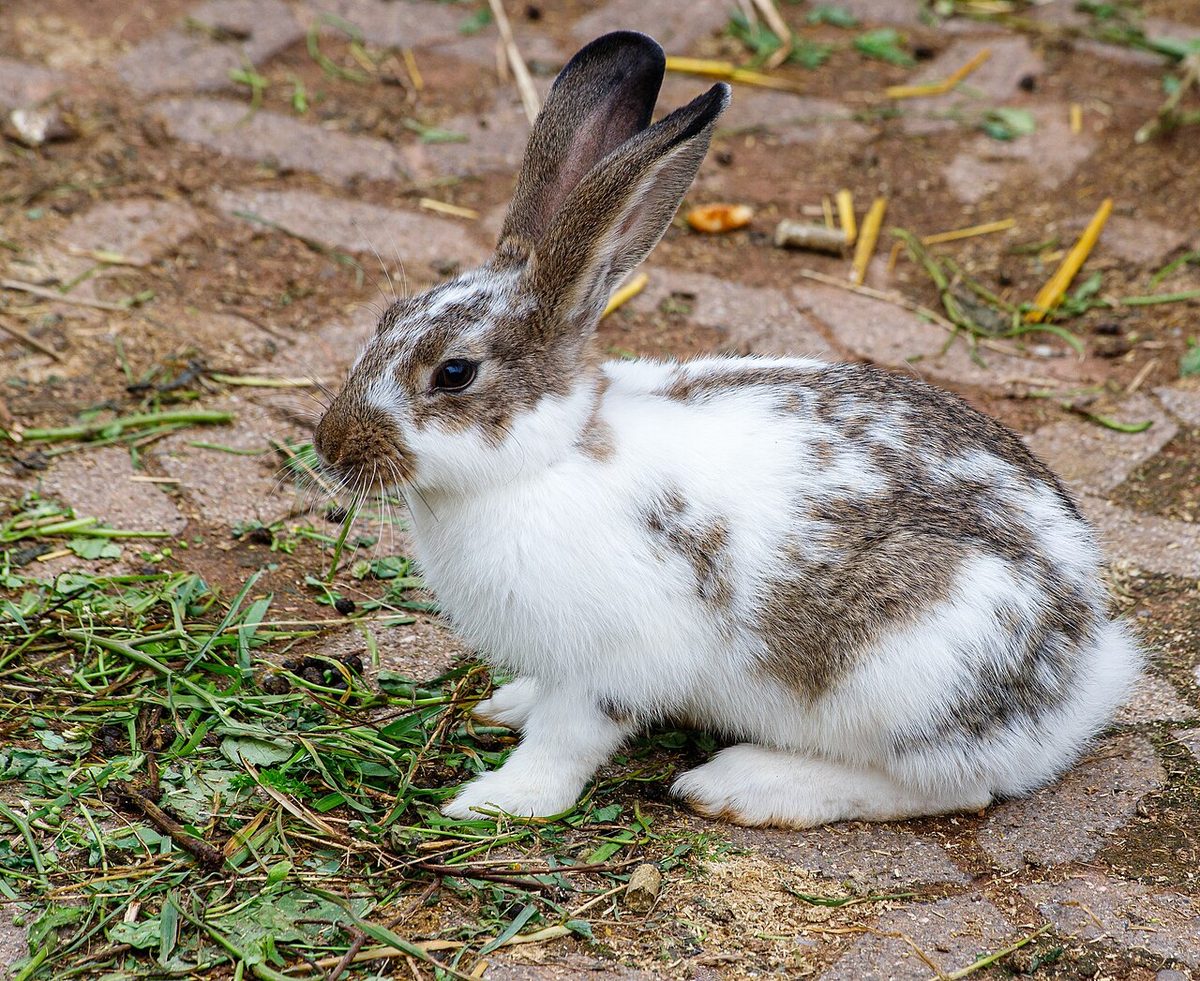
Flemish giants and giant Chichilla are suggested as meat breeds because they grow fast. A suitable meat rabbit should produce a higher proportion of meat than bones. However, there is no comparative information showing which breed performs best under conditions in Laos.
Buy the best breeding stock you can find locally. Ask the seller about the rabbits and inspect the available choices carefully. If Flemish giants or giant Chichilla are not available, consult a nearby vet or dealer about other meat rabbits that are being raised successfully in your area.
Understand the different slaughter timelines
Farmers use different production timelines. Some raise meat rabbits until they reach market weight in 8 to 12 weeks. Others allow rabbits to mature at four months and slaughter them as fryers. Rabbits kept to full maturity may be slaughtered as roasters at about eight months.
Do not choose one timeline without checking your own market. Ask buyers what type and size of rabbit they prefer. Your feeding costs, growth results and buyer requirements should guide the time you keep each animal.
Plan Housing and Daily Feeding Carefully

Adapt housing to your location
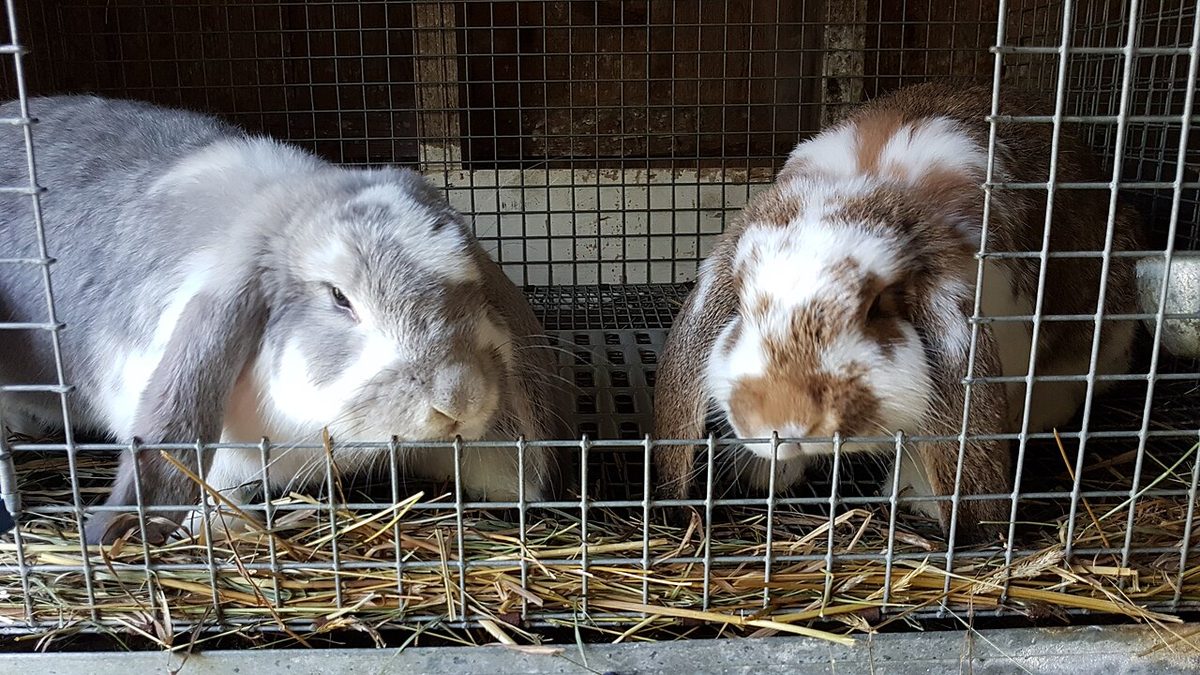
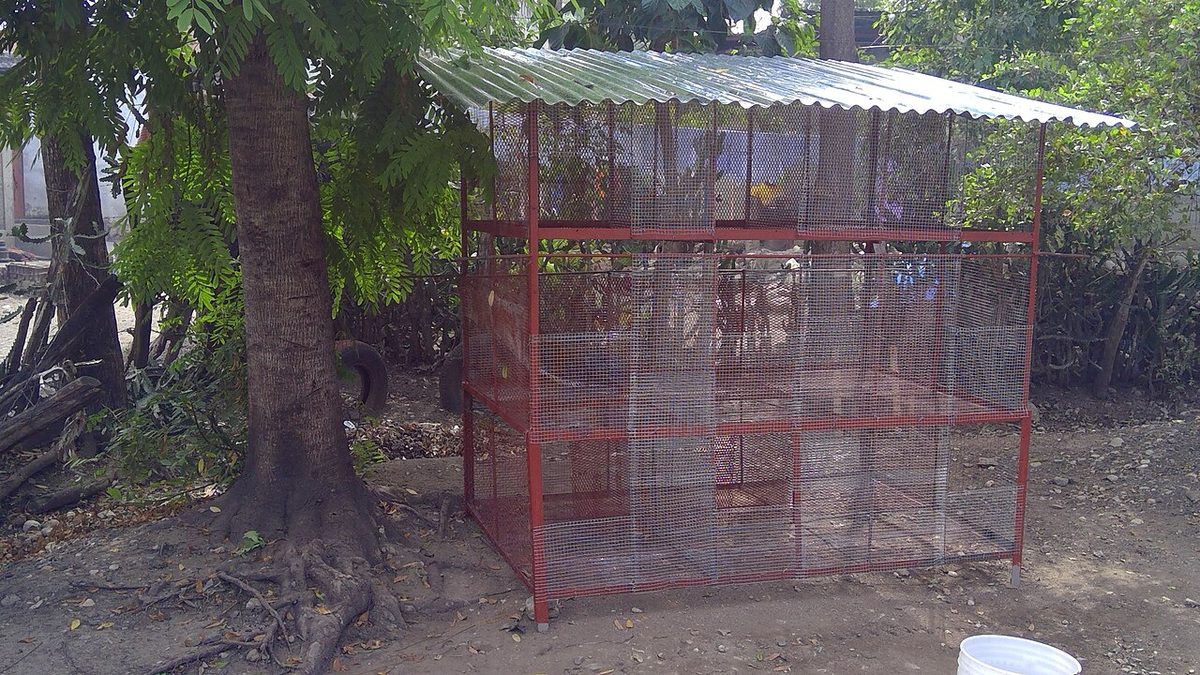
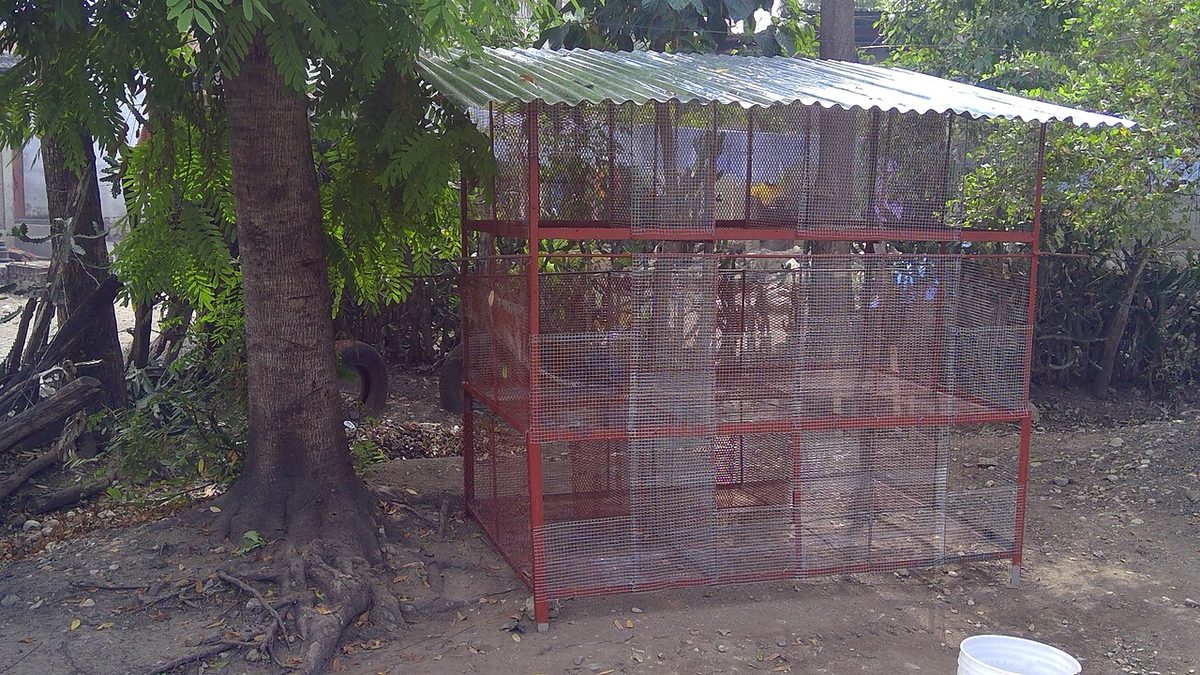
Suitable housing supports production, but the right design depends on local conditions. Heat management, ventilation and seasonal protection must be adapted to your part of Laos. Check with a nearby vet, livestock office or experienced local farmer before building permanent housing.
Plan the rabbit area so that you can feed, water, observe and manage the animals consistently. You will also need space to introduce a nest box when a doe is close to kindling.
Use a simple feeding routine
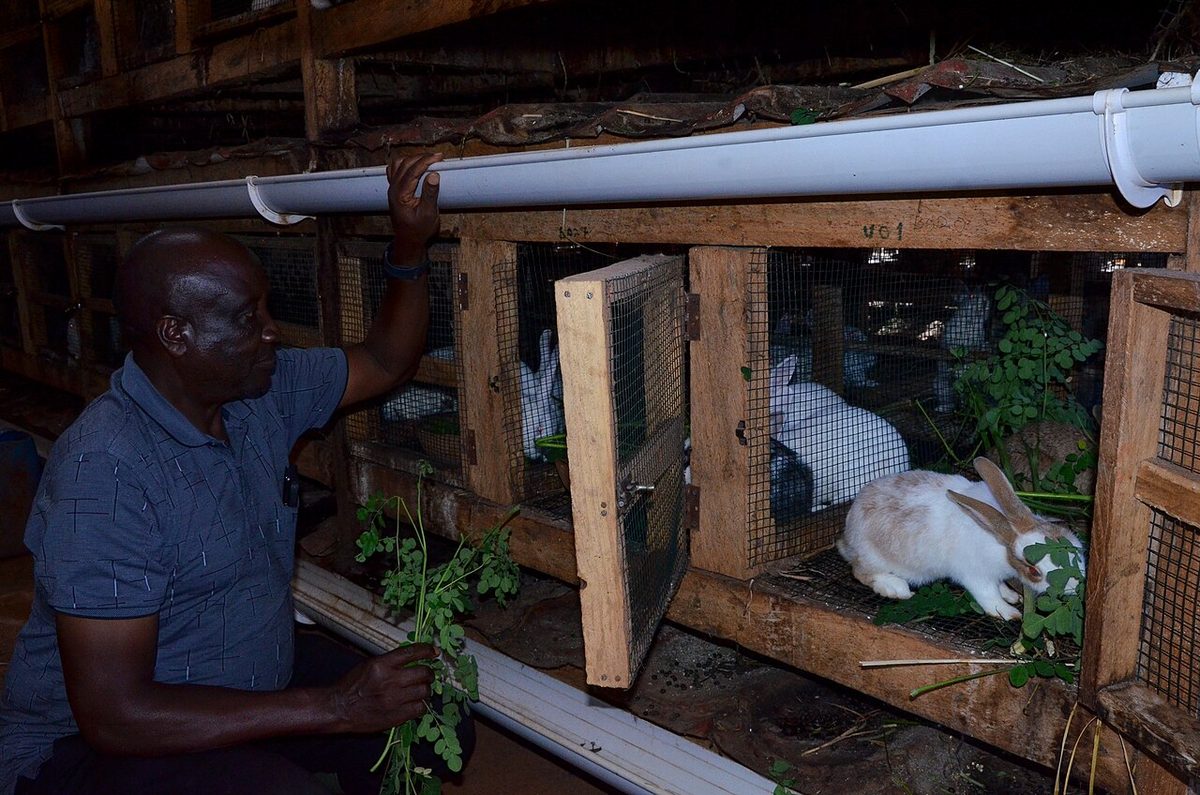
A daily feeding plan can combine concentrated feed, grass, pellets, hay and vegetables. One suggested routine is to give a handful of concentrated growers mash in the morning, followed by chopped or hung guinea grass in the afternoon. Quality pellets, fresh hay such as timothy oat hay, and fresh vegetables can also be included.
Feed rabbits twice each day at the same hours. The recommended times are 8 am and 2 pm. A regular routine makes daily management easier and helps you notice when a rabbit does not come forward to feed.
Remove water left from the previous day and provide fresh water. Make this part of every morning’s work rather than waiting until the water is gone.
The feeds available in Laos and their costs will differ by location. Before relying on a particular grass, pellet, hay or vegetable, ask a nearby vet or feed dealer whether it can meet the needs of your rabbits. Compare local costs when preparing your production budget.
Be cautious with restricted foods
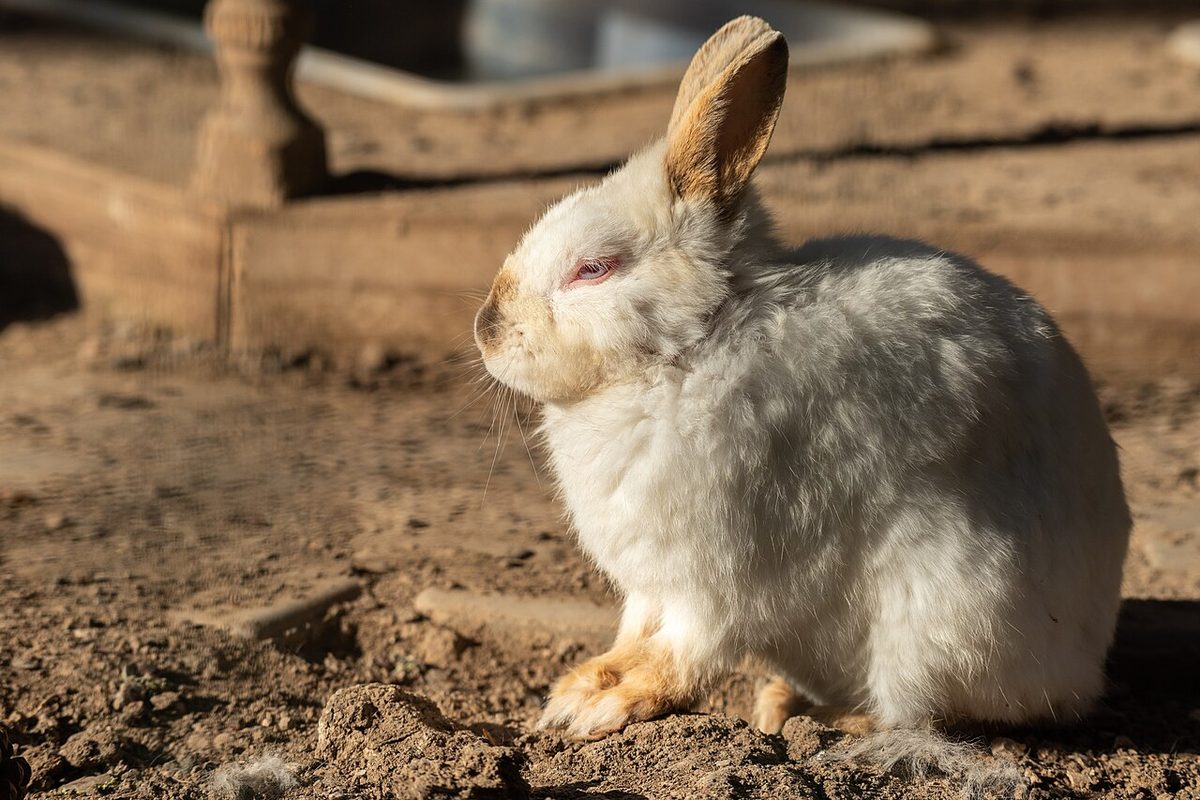
Young rabbits should not be given root veggies, Hamster foods, pasta, cooked food, silverbeet, bread or cereal. For rabbits over two months, a very little amount may be given if necessary. However, it is not clear which items this exception covers.
Because of that uncertainty, do not guess. Ask a nearby vet which foods are suitable for rabbits of different ages. Keep the main daily ration focused on the recommended growers mash, guinea grass, quality pellets, fresh hay, fresh vegetables and fresh water.
Manage Breeding with Dates and Records
Rabbit breeding moves quickly. A single doe can produce up to 40 offspring per year, while the gestation period is only between twenty-eight (28) and thirty-one (31) days. The words “up to” are important. They describe a possible maximum, not a guaranteed result for every doe or every farm.
Check the doe and record service
A reddish vulva can indicate that a doe is in heat. A deeper colour indicates that she is more receptive. Once a doe is serviced, write down the service date immediately. This date helps you prepare for kindling at the right time.
Introduce the kindling nest box 3 days before the 28th day. Do not wait until kits arrive. The doe may place fur in the box to generate heat for them.
Prepare the nest box
Wash the nest box with antiseptics before putting it in with the doe. This measure is used to discourage mastitis and metritis diseases. Cleaning does not replace daily observation, so continue checking the doe and kits.
Wean and breed at the recommended ages
Kits can be weaned after 6 weeks. For a junior doe, between the ages of four to six months is identified as a good time to begin breeding.
Keep a simple record for each doe. Include the service date, expected kindling period, actual kindling date and kit weaning date. These records help you follow the breeding cycle and avoid relying on memory.
Protect Health and Use Manure Productively
Healthy management practices are one of the foundations of good rabbit production. Disease risks and approved treatments can differ locally, and there is no single disease plan provided for Laos. Ask a nearby vet which rabbit diseases occur in your area and what prevention and treatment methods are locally approved.
Watch the rabbits during your regular feeding and watering times. If you are unsure about a health problem, seek local veterinary guidance instead of choosing a treatment without advice. Veterinary requirements may also apply when you move, sell or slaughter rabbits, so confirm the rules with the appropriate nearby office.
Do not overlook rabbit manure
Meat is not the only useful product from a rabbit unit. Rabbit manure can be used as an organic fertilizer. It is described as containing four times more nutrients than cow manure. Its use can support soil health and reduce reliance on chemical fertilizers.
If you grow crops as well as rabbits, consider how manure can fit into your farm. Check locally how it should be handled and applied to the crops and soil on your land.
Confirm the Market Before You Expand
The wider rabbit meat market is large. Yearly consumption is reported at about 2 million tonnes, while market revenue amounts to $10B. China, Korea, and Egypt are named as leading consumers. These figures show activity in the wider market, but they do not prove that demand is strong in your district in Laos.
Local sales are what matter to your farm. Before producing many slaughter rabbits, speak directly with possible buyers. Ask what they buy, when they buy and which carcass sizes they prefer. Also confirm current prices rather than using figures from another location.
Check the Lao permits, slaughter rules, veterinary requirements and food-safety regulations that apply to your operation. These requirements may depend on the local situation, so contact a nearby livestock, veterinary or relevant government office for current guidance.
Rabbit farming for meat in Laos is best approached step by step. Begin with good stock, suitable housing, a consistent feeding routine and accurate breeding records. Learn from your first production cycles, check local feed costs and build relationships with buyers before increasing numbers. Careful daily management will give you a much clearer picture of whether the enterprise can work profitably on your farm.
 Menu
Menu
💬 Comments
Login to comment
No comments yet. Be the first to share your experience!