
You have land, a few flowering trees and an idea: honey. Then the hard questions start. Kelulut or honeybees? How many hives can your land actually feed? When is the honey really ready to take? And what happens to your income when the rains come and the bees stop flying?
These are the decisions that separate a beekeeping side hustle from a business. Below is a practical way to think through each one, tuned to what we know about beekeeping and honey production in Malaysia — including the parts nobody can give you a straight number for.
Kelulut or honeybees: two different businesses, not two versions of the same one
People talk as if choosing your bee is like choosing a chicken breed. It is bigger than that. The two bees need different hive designs, different siting, different handling and a different sales story.
How the two bees differ
- Size: kelulut measure 3mm to 10mm. Honeybees measure 12mm to 25mm. To an untrained eye, kelulut look like houseflies because they have no striped body.
- Defence: kelulut bite instead of sting when threatened, and the bite does not leave a lump or an itch. That matters if children help on the farm, if you want visitors on site, or if you are simply nervous about stings.
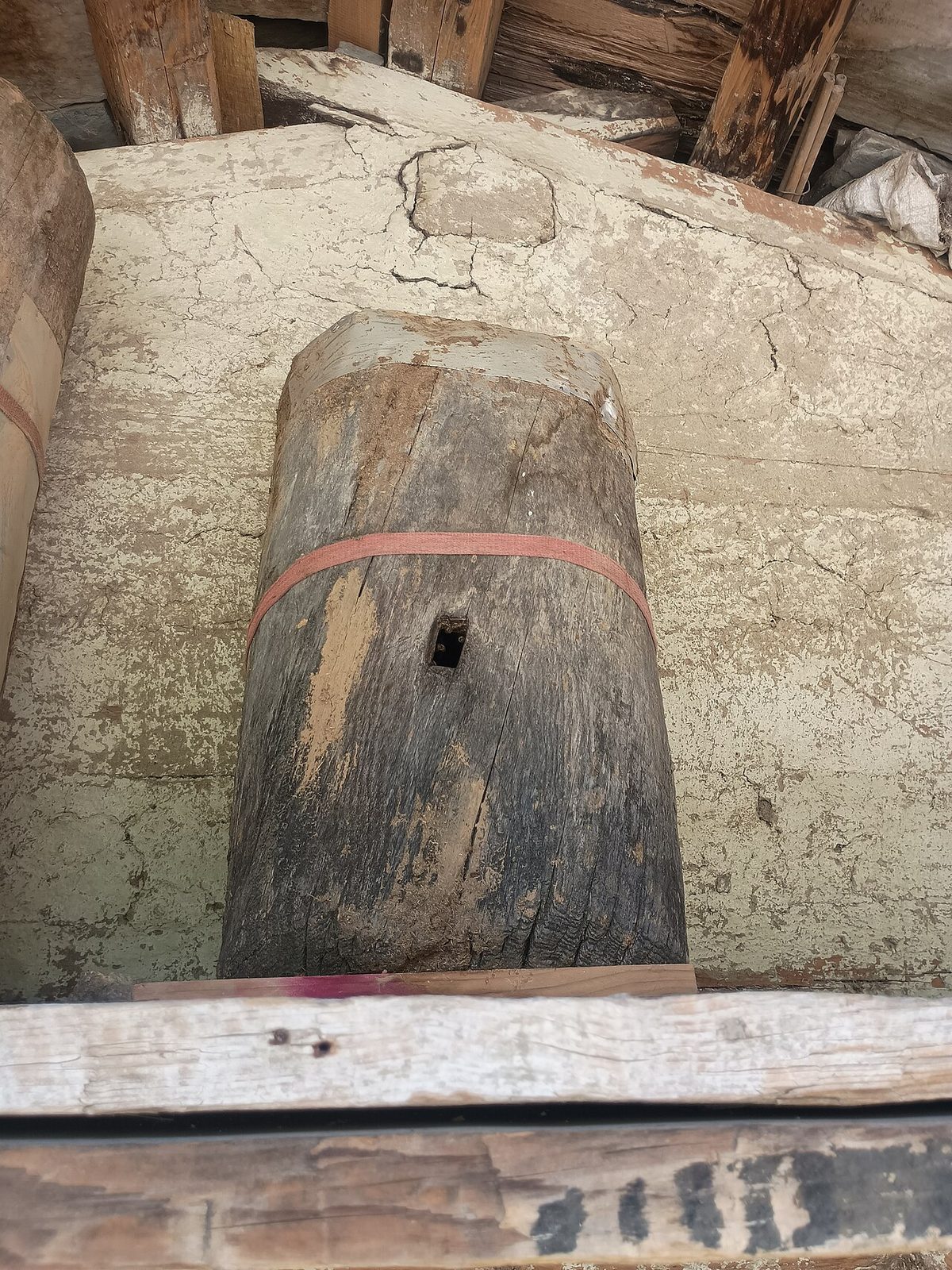
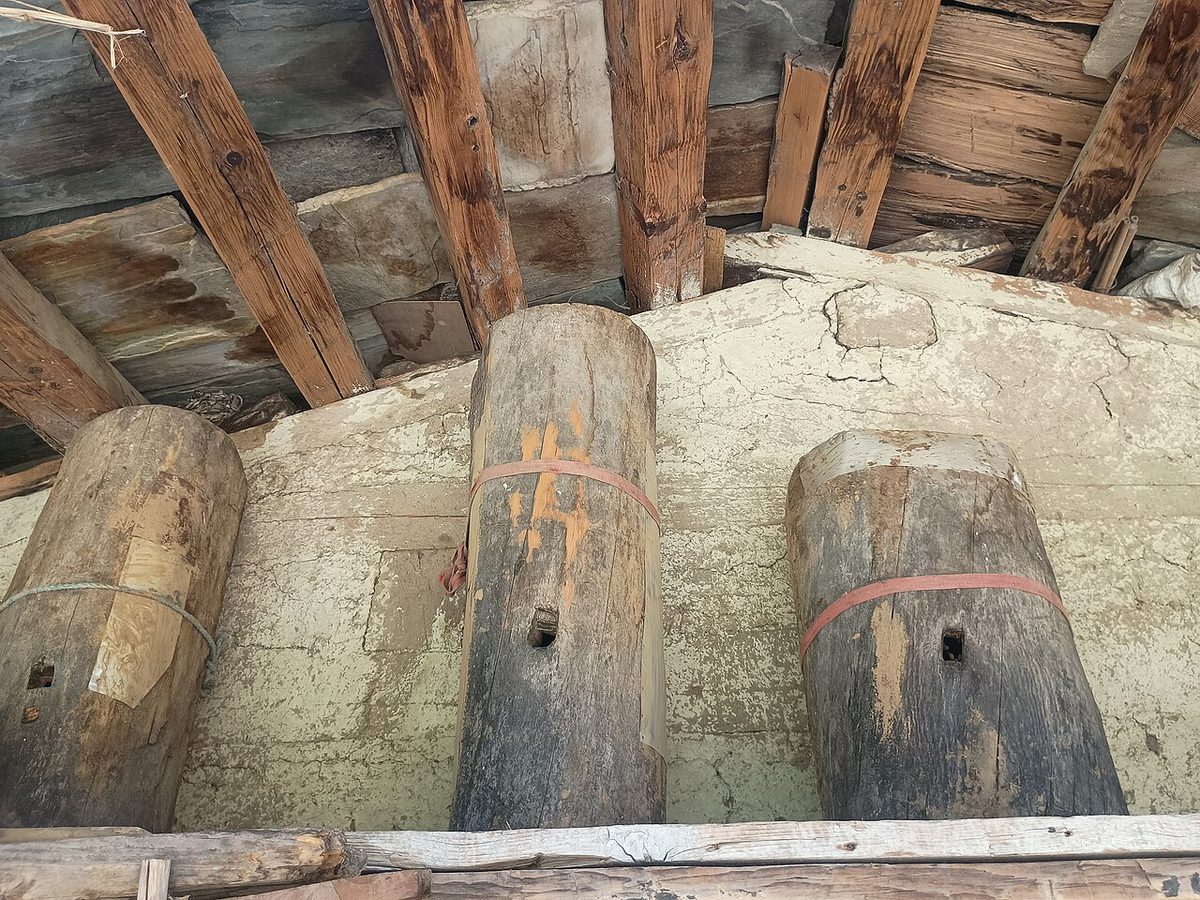
- Nesting habit: kelulut naturally nest in hollow trunks, underground cavities and wall cavities. Honeybees prefer tree limbs and walls. Your hive design has to follow the bee's own habit, not the other way round.
- Flight range: kelulut forage only up to 800m. Honeybees forage up to 3km.
- Colony size: a kelulut colony grows to about 10,000 bees — the equivalent of the smallest honeybee colony. So yield per hive is lower.
- Foraging style: kelulut behave like explorers and do not fully use the flowers already available to them. Honeybees will strip one floral resource before going to look for the next.
Why some farmers still pick the smaller bee
Because low yield does not automatically mean low profit. With kelulut, yield per hive is lower and operating costs are higher than honeybee farming, and that cost gets passed on as a higher retail price. The money sits in premium pricing, not in volume.
Kelulut are native to Malaysia and have been here for thousands of years, but they were only commercialised in 2015, after a wave of scientific findings in 2014 about the health benefits of eating kelulut honey consistently. They can only be farmed in tropical and subtropical countries, Southeast Asia among them — which is a natural moat, because competitors in cold countries simply cannot copy you. Kelulut farming in Malaysia was worth RM33.6 million as of 2020, with stated potential to reach RM3.03 billion in annual sales if the industry is properly developed. Farms run on both sides of the country: Bayu Kelulut in Kedah in West Malaysia, and R H Bee Farms in Sarawak in East Malaysia.
R H Bee Farms said plainly why they went with kelulut: the honeybee market is too competitive, while kelulut honey looks like a more premium product with a more unique taste. Use that taste when you sell — tangy, sweet and sour, with an earthy scent. It is a description that helps a customer decide, and it is honest.
Where you put the hives decides what you harvest
Everything begins with flowers inside flying distance. A kelulut hive can only use what grows within 800m of it. A honeybee colony can reach out to 3km. So the same piece of land can be excellent for honeybees and poor for kelulut.
Reading your own land
- Walk and map the area around the apiary, then estimate what share of it carries flowering plants that give nectar and pollen.
- Match your hive numbers to that resource. One common rule of thumb sets its threshold at around 30–40% of the area being major forage before you scale up hive numbers. Treat it as a way of thinking rather than a fixed formula: add hives only when the flowers can feed them.
- Favour plant diversity that flowers at different times through the year. That smooths out the hungry gaps between flows.
- Avoid siting near large blocks of conifers. For bees they are food deserts.
One caution. Much of the published site-assessment method was written for temperate countries, using a two-mile radius, prairies, wetlands and county land maps as its reference points, and measuring harvests in pounds. The thinking travels well; the details do not. You have to translate it to your own kampung, smallholding or orchard.
The wet season gap: plan your cash flow around it
You will hear two things about beekeeping in Malaysia, and both are said seriously. Some point to the tropical climate and rich biodiversity as giving year-round beekeeping potential and a higher production capacity. Others point out that kelulut cannot collect nectar during rainy seasons because of their small bodies and short 800m range, which pushes their already modest production even lower. Even the optimistic view names climate change as a real threat to bee health and to the stability of honey production.
The safe way to plan is to assume a wet-season production gap rather than twelve even months of income. Build diverse forage that flowers across the year so the colonies are not depending on one bloom. Remember that the honey the colony stores exists to carry it through bad weather and dearth — so leave enough behind. Monsoon timing is not the same on the east coast, the west coast, in Sabah or in Sarawak, and no general guide can tell you your local pattern. Ask beekeepers already working near you, and your nearest agriculture office, when the wet months usually bite.
Keeping the colony alive
The biggest threat to your investment is not the market. It is losing colonies.
Colony Collapse Disorder — worker bees suddenly disappearing — is driven by pathogens, pesticides and nutritional stress together. Varroa mites are named as worsening population decline, and neonicotinoid pesticides impair foraging behaviour and immune function. Extreme weather and changing temperatures reduce forage and nesting sites, which leaves colonies short of nutrition, and pesticide exposure makes it worse by weakening immune systems and disrupting reproduction. In Malaysia, disease is listed as a market restraint, because it disrupts supply and compromises quality.
Against all that, kelulut are described as more disease and pest-resistant than honeybees, as well as harmless to native species and good pollinators. Note that these two pictures may be describing two different bees rather than contradicting each other — the heavy pest pressure is described for honey bees. Nobody has properly reconciled the two, so do not assume kelulut are trouble-free.
What is recommended is the same in both directions:
- Integrated pest management, not a single spray habit.
- Ongoing colony health monitoring, so you notice a weak hive early.
- Minimising pesticide use around the apiary.
- Building climate resilience into how you manage — mainly through forage and siting.
- Organic practice that cuts out synthetic chemicals and uses natural pest control instead. Sustainable methods that reduce chemical inputs and promote biodiversity are linked to more resilient colonies and better yields.
The nice thing is that this is also where the money is going. Buyers increasingly want organic and sustainably sourced honey, so the practice and the selling story push in the same direction. Malaysian beekeepers are already described as adopting sustainable practices to lift quality and yield.
Harvest on evidence, not on the calendar
Honey is not finished nectar. The bees convert it using enzymes and evaporation — enzymes in the honey stomach split sucrose into glucose and fructose, and water is driven off during curing. Foragers bring the nectar in; house bees do the curing work. If you take it before the water is reduced, you are storing syrup that can spoil and ferment.
So use two checks before you harvest: capped comb and moisture. Not the date.
Small timings, big differences
- Yields move with the plants available, colony strength and your own management choices. Miss the supering window earlier in the season and you can lose harvestable units for the whole year.
- Scout when your major nectar plants bloom, and use local bloom timing to decide when to add supers and shift management.
- Pollen matters as much as nectar. It supplies the proteins, lipids and micronutrients for brood rearing, and strong brood rearing gives you a bigger workforce to process nectar — which raises yield.
- Keep the scale of the work in mind. One worker bee makes about 0.8 g of honey in her whole life, and roughly 2 million flower visits go into one pound of finished honey. A heavy bloom cuts the trips each forager must make, which is why strong colonies plus rich flowers lift yield together.
One honest gap: the harvesting and storage guidance above is written around capped frame honey. Stingless bee honey comes out of pots and is a wetter product, and the handling, filtering, storage and fermentation control for it is a different job. Learn that part from experienced kelulut keepers near you and from your local agriculture or food safety office rather than from general beekeeping advice.
Selling it: where Malaysian demand is heading
The overall picture is steady growth rather than a boom. The Malaysia Apiculture Market was estimated at USD 306 Million in 2025 and is projected to reach USD 397 Million by 2032 — a CAGR of 3.8% from 2026 to 2032. Growth is put down to health-conscious consumers choosing natural sweeteners, more investment in modern beekeeping, the favourable tropical climate and biodiversity, government support for beekeeping training and practices, and technology that improves yield and product quality.
What buyers want is worth reading closely:
- Raw and unprocessed honey, from customers who want the natural qualities kept intact.
- Organic and sustainably sourced products.
- Online channels, which are growing and let you sell direct to a wider audience instead of through a middleman.
- Niche bee products such as bee pollen and royal jelly, which are gaining traction.
- Export, as Malaysian honey gains international recognition. Exporting honey and bee products is named as a leading growth opportunity.
Improved hive designs and equipment are also named as productivity boosters, so keep an eye on what dealers and other farmers are using.
Before you spend money, get these answers locally
Some of the numbers you most want simply are not settled, and anyone who quotes you a confident figure for the whole country is guessing. Get these from people close to you:
- Prices — what kelulut honey and ordinary honey actually fetch at farm gate and at retail in your area. Ask nearby farms, shops and buyers.
- Start-up cost — colonies, hive boxes, stands, harvesting and moisture-reduction equipment. Get quotes from more than one dealer.
- Realistic yield — kg per hive depends on your flowers, your colonies and your management. Ask keepers with your soil, your rainfall and your trees.
- Which bee to buy — the species and stock available vary by supplier and region, so ask your dealer what they actually stock and how it performs locally.
- Rules and paperwork — honey standards, licensing, labelling, halal certification and food safety approvals. Check with your local authority or agriculture office before you print a single label.
- Government help — support for training and practices is said to exist, but the details, amounts and application steps are something to confirm at your nearest agriculture office.
- Pollination work — whether crop farmers around you will pay for hives on their land is a local conversation, not a national rate.
Putting it together
If you want volume and a familiar product, honeybees give you a bigger colony and a 3km reach — but a crowded market. If you want a premium product with a story and a natural moat, kelulut give you that, with lower yield, higher running costs and a hard 800m limit on where your flowers can be.
Whichever you choose, the same three habits decide whether you profit: plant and protect diverse forage inside flying distance, watch colony health instead of reacting to losses, and harvest on capped comb and moisture rather than the date. Plan your cash around a wet-season gap, sell raw and clean into the demand that is already there, and let your first few hives teach you the local numbers before you scale up.

 Menu
Menu
💬 Comments
Login to comment
No comments yet. Be the first to share your experience!