A Living Heritage
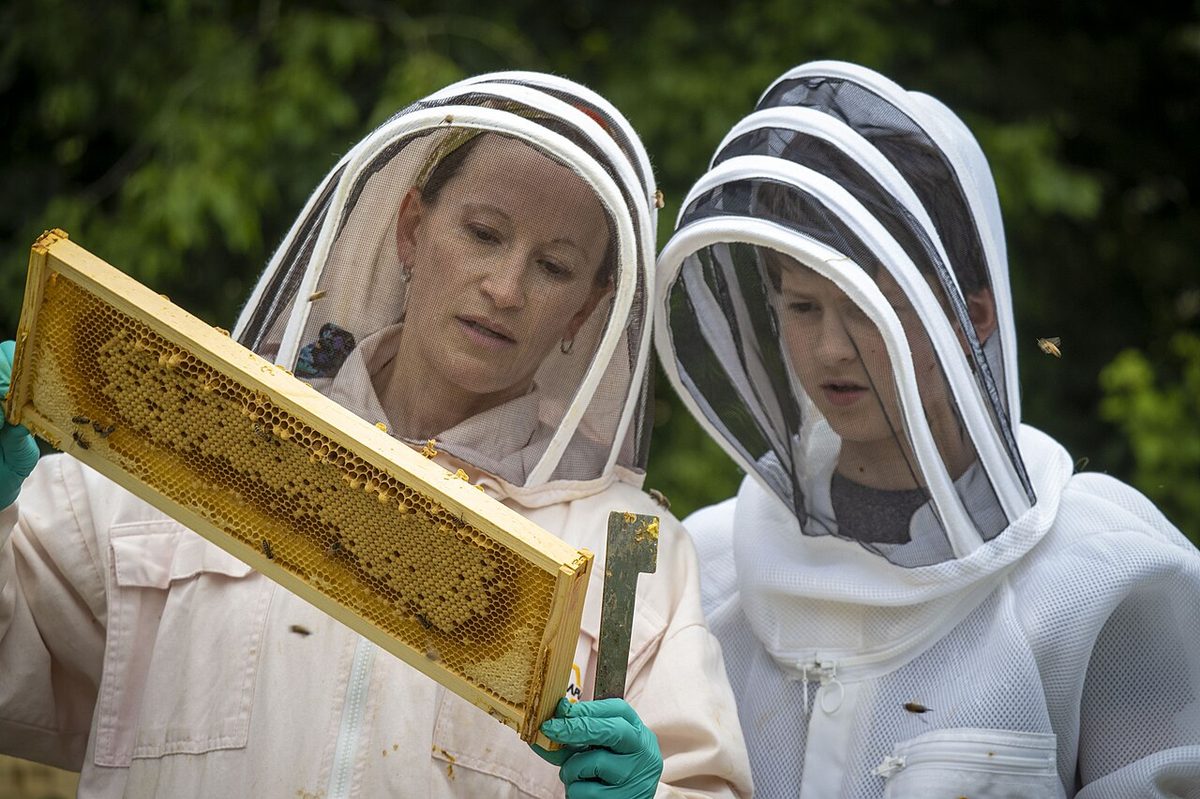
Long before the first modern borders were drawn across this land, people here were already working with bees. Traces of beeswax have been found in pottery fragments throughout the Middle East dating back to about 7,000 BCE. That puts the relationship between humans and honey bees in your region at roughly nine thousand years — not a footnote in agricultural history, but one of its earliest chapters. The story only grows more remarkable. The oldest known actual honey, discovered in the Borjomi region of Georgia, is approximately 5,500 years old. Depictions of people collecting honey from wild bees appear in cave paintings from 6,000 BCE. Beekeeping in pottery vessels began around 9,000 years ago in North Africa. Domestication of bees appears in Egyptian art from around 4,500 years ago, and the earliest evidence of the beekeeping practice in Egypt dates to 3,100 BCE. But it is the evidence from the broader Mesopotamian region that will feel closest to home. An inscription by Shamash-resh-usur, governor of Suhu and Mari — lands that sit in the area of modern Syria and Iraq — records a deliberate act of bringing honey bees from the mountain of the Habha people into the land of Suhu, where bees were previously unknown. The governor established them in orchards around the town of Gabbari. That is not a casual mention. It is a formal record of a government official importing a species and managing its introduction — an ancient agricultural policy document, and one that places organised beekeeping squarely in your region's past. Even closer, at Tel Rehov in the Jordan Valley — roughly 500 km southwest of Damascus — archaeologists have uncovered the oldest known organised apiary. About 100 hives may have once stood on the site. Thirty intact straw-and-clay hives, dating to about 900 BCE, were found in orderly rows. Archaeologist Amihai Mazar estimated the full operation could have held more than one million bees, with a potential annual yield of 500 kilograms (1,100 lb) of honey and 70 kilograms (150 lb) of beeswax. That is not small-scale hobby farming. That is an industry. This is not a borrowed tradition. It is yours.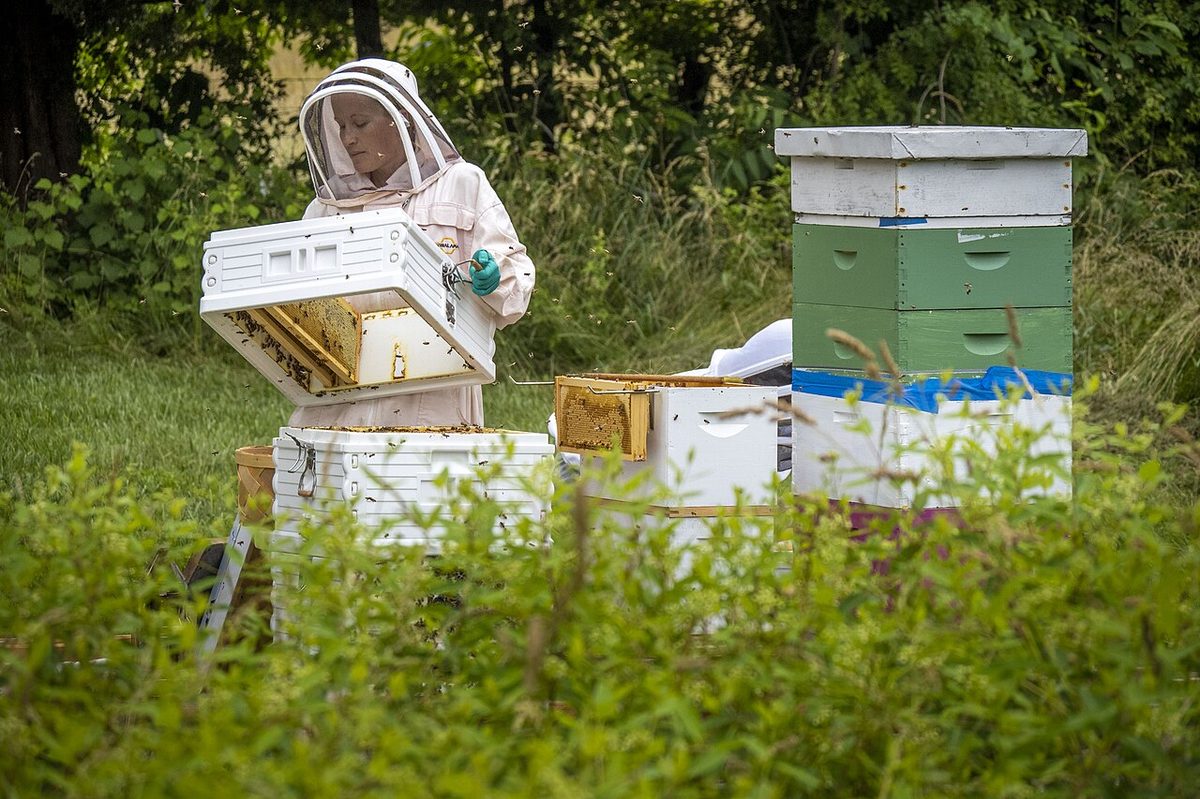
Everything a Hive Can Give You
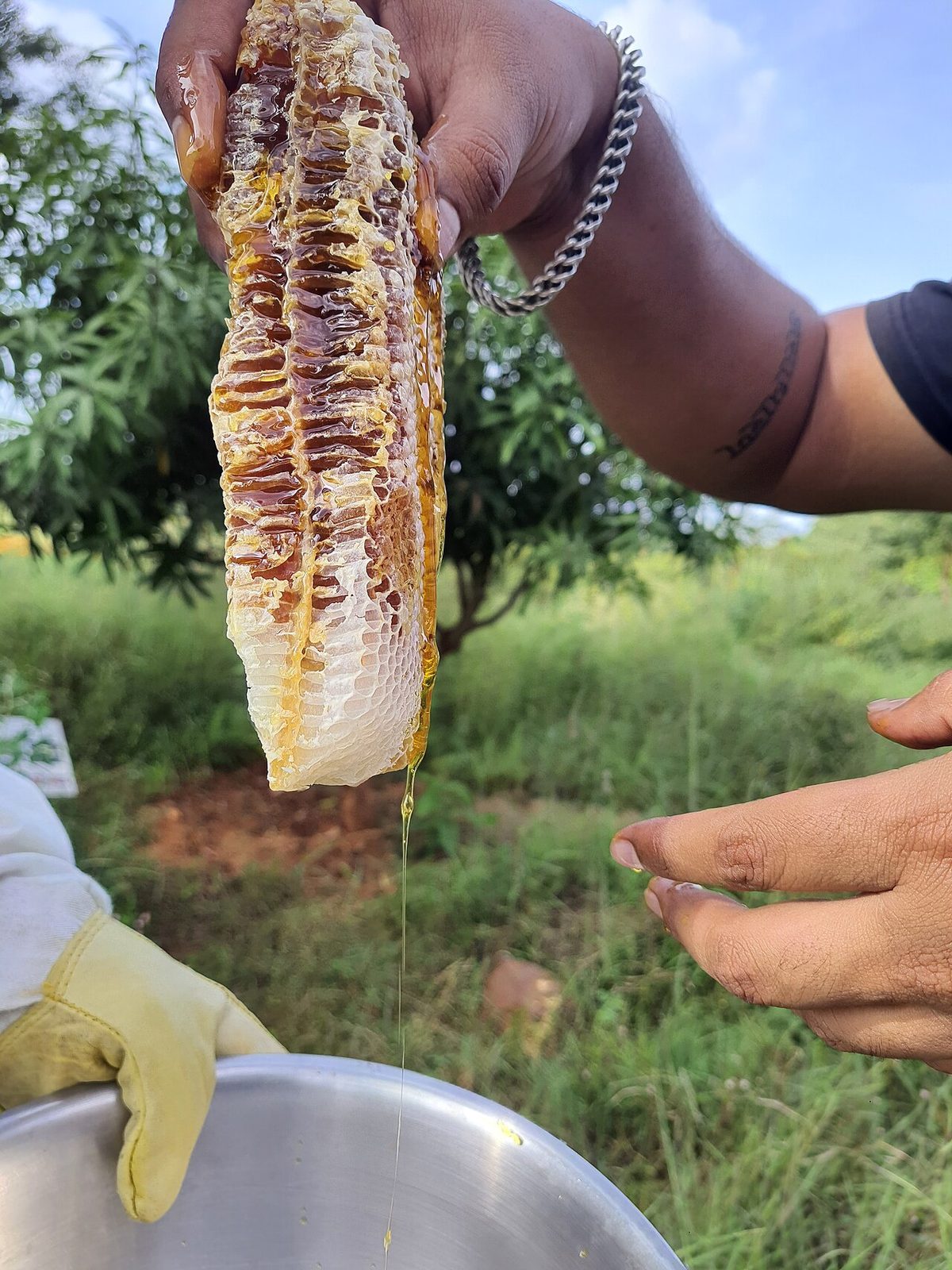
When most people think of beekeeping, they think of honey. But a well-managed hive is a small factory of marketable products. You can harvest:- Honey — the primary product and your main income stream
- Beeswax — used in candles, cosmetics, food wrapping, and crafts
- Propolis — sometimes called "bee glue," collected by bees from tree buds and used in natural remedies and supplements
- Bee pollen — sold as a health food and dietary supplement
- Royal jelly — the substance that feeds queen larvae, valued in health and beauty products
Why the Hive You Choose Matters
For thousands of years, the basic hive design was a hollowed log, a woven basket, or a cylindrical clay pot. Harvesting honey from these hives almost always meant destroying the colony — smokers would drive the bees away, the combs would be crushed out, and the bees had to rebuild from scratch the following season. It was wasteful, and it limited how much a single colony could produce over its lifetime. That changed with the movable comb hive, developed in Europe during the 18th century. As understanding of bee biology improved, beekeepers began designing hives where individual wooden frames could be lifted out, inspected, and replaced without harming the colony or breaking the comb. A beekeeper could now take only the surplus honey, leaving enough for the bees, and return the frame to the hive intact. The difference this made is enormous. Instead of killing your bees to get their honey, you keep them alive and productive year after year. The movable comb hive is the reason commercial beekeeping exists at all. It is the foundation on which every modern beekeeping business is built. The ancient Chinese already understood that hive construction affects honey quality. A text attributed to Fan Li from the Spring and Autumn period stressed the importance of wooden box quality and its direct effect on the final product. In other words: invest in a well-made hive, and the honey will be better for it.What the Research on Bee Health Tells Us
Smoke: Four Thousand Years and Still Essential
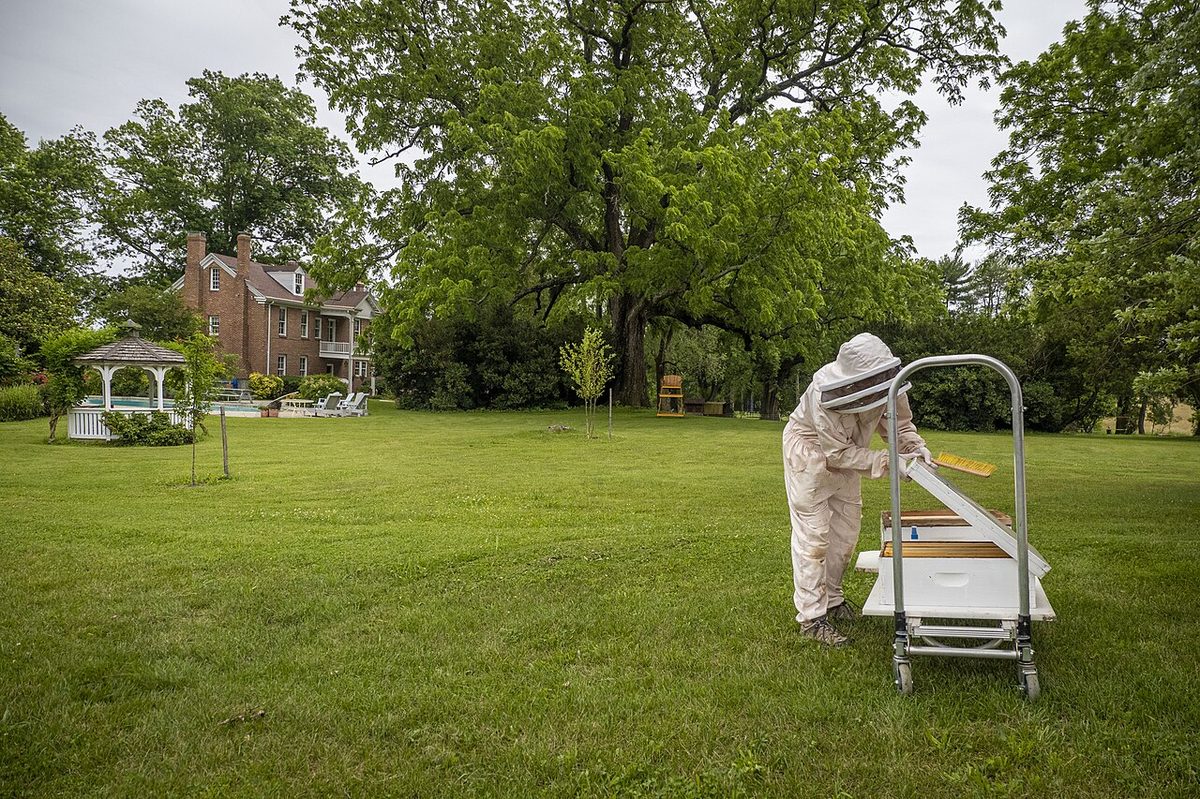
If you have ever watched a beekeeper at work, you have seen the smoker — a small metal can that produces cool smoke directed into the hive entrance. It is one of the oldest documented beekeeping tools. Ancient Egyptian art from the Fifth Dynasty, before 2,422 BCE, shows workers blowing smoke into hives while removing honeycombs. That is more than 4,400 years of continuous use. The basic technique has not changed. Smoke calms the bees by masking the alarm pheromones they release when disturbed, making the hive safer to inspect and harvest. It is worth pausing on this. More than four thousand years ago, in a civilisation with no modern understanding of bee biology, someone had already figured out that smoke worked. They passed the knowledge down, and beekeepers around the world are still using the same principle today. It is a reminder that beekeeping rewards observation and patience as much as it rewards any textbook.Getting Started Honestly
The ancient beekeepers of the Rehov apiary, the beekeepers who tended hives along the Euphrates, the Egyptian farmers depicted in the tomb of Pabasa — none of them had access to the internet, extension services, or packaged beekeeping courses. They learned by watching, by doing, and by sharing knowledge with people who had done it before them. That is still true. What this article cannot give you is the practical, local knowledge you will need to make beekeeping work on your own land. This article has not covered:- Which bee species or subspecies are best suited to your local climate
- What forage plants grow naturally in your area and when they flower
- Seasonal management calendars for your part of Syria
- Prices for honey and hive products in local or export markets
- Equipment suppliers, hive types available locally, or startup costs
- Pest and disease management for bee populations in your region
- Any regulations, permits, or government programmes that apply
The Bees Themselves
The Bees Themselves
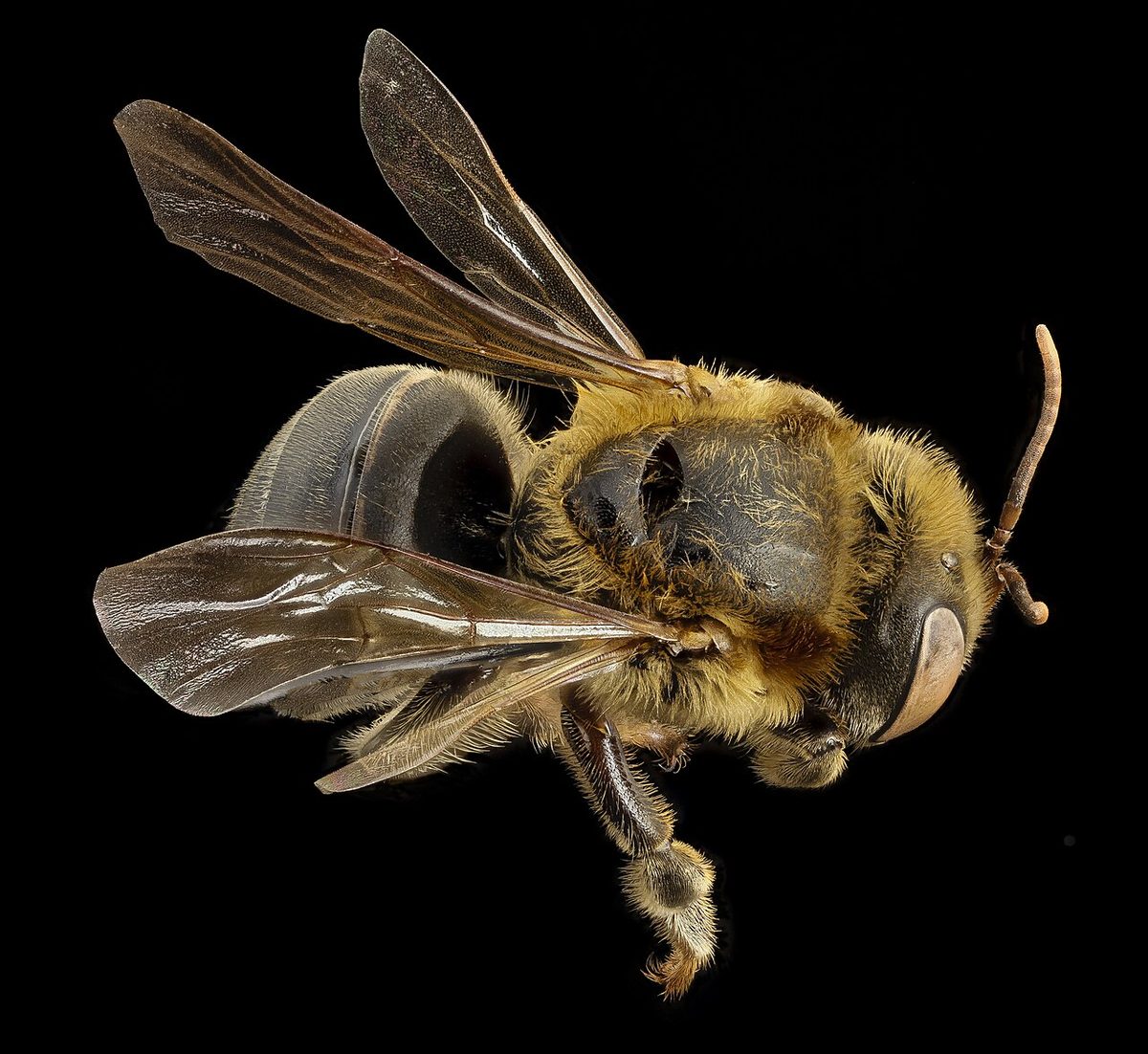
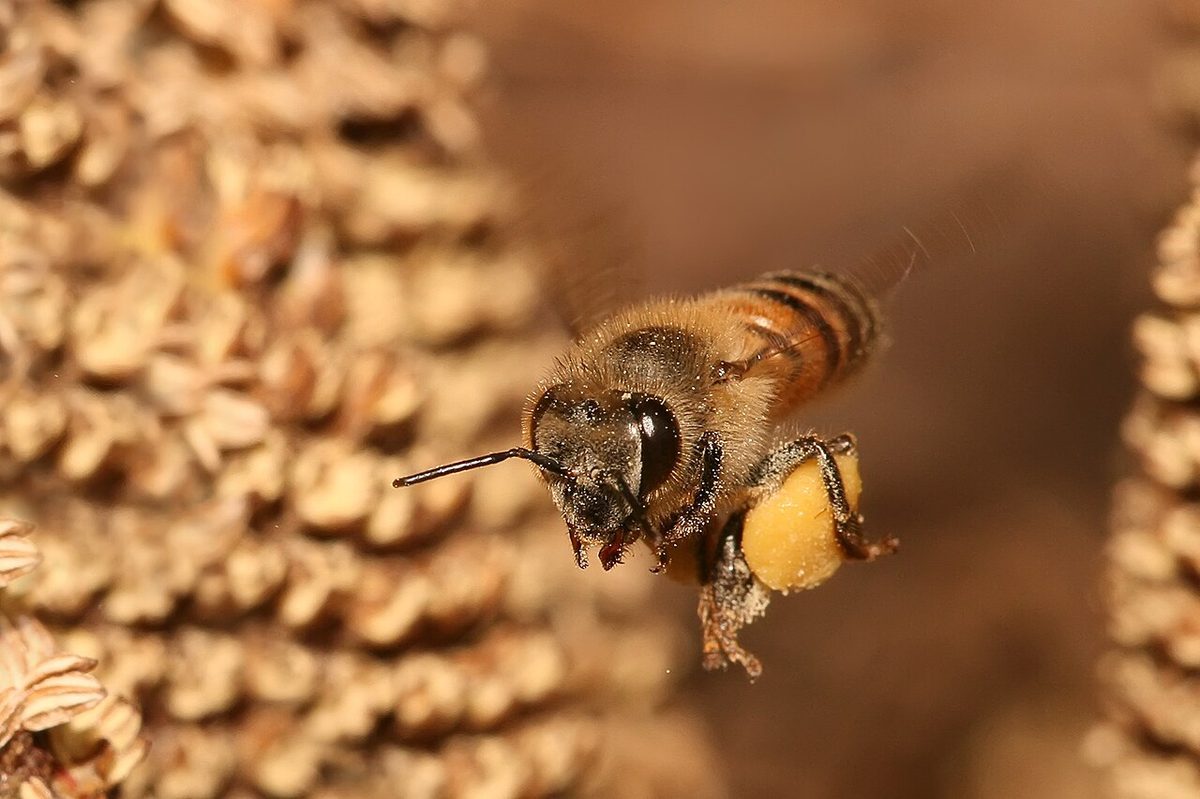
Most Syrian beekeepers work with the native Apis mellifera syriaca — the Syrian honey bee. This local strain has lived in the region for thousands of years. It knows the climate. It handles the heat of summer and the cool of winter better than almost any imported type.
These bees are gentle when handled well. They keep strong colonies through long, dry seasons. They produce honey from thyme, citrus, cotton, and wild mountain flowers — giving Syrian honey its famous taste and colour.
Why Start Small?
If you are new to beekeeping, begin with just two or three hives. This keeps costs low and gives you time to learn. You will see how the bees behave through the seasons. You will learn to spot problems early. Once you feel confident, you can grow slowly.
A Livelihood That Gives Back
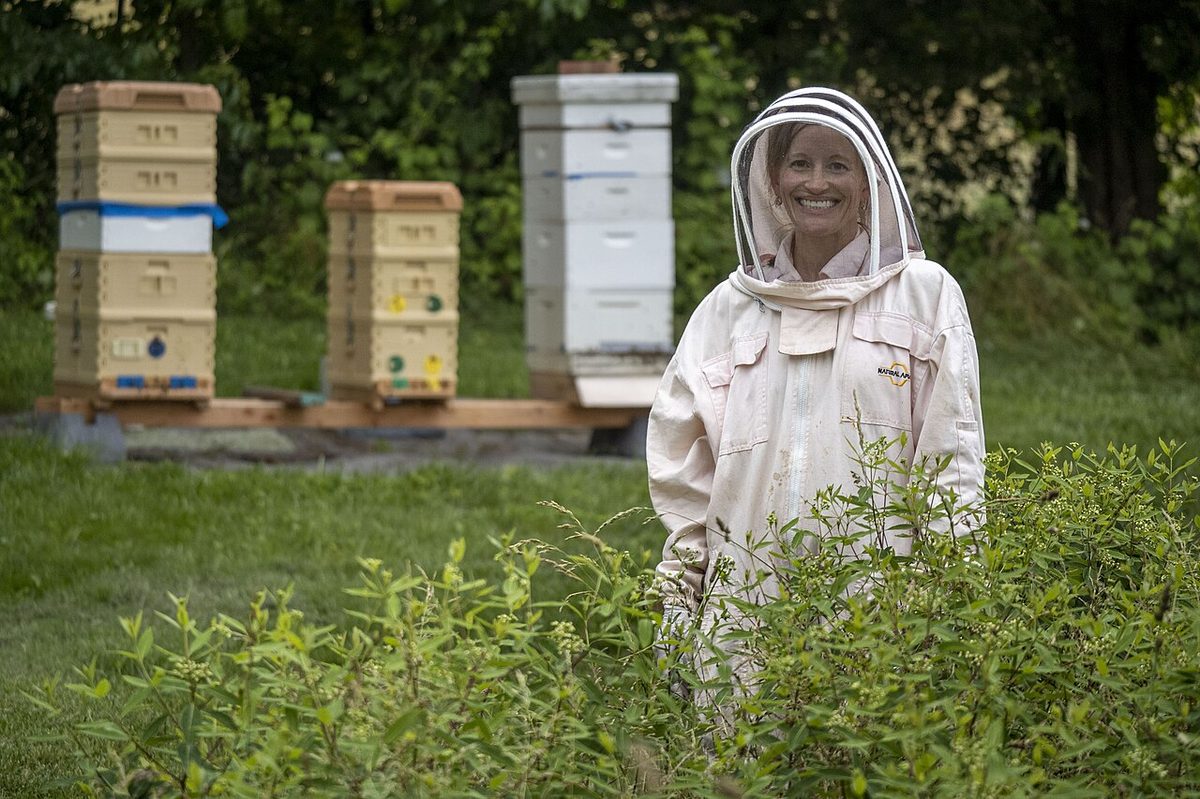
Beekeeping is more than income. Bees pollinate crops, fruit trees, and garden plants around you. A healthy apiary strengthens the whole farm. In a country with deep agricultural roots like Syria, beekeeping connects you to a craft that has lasted millennia — and it can still support a family today.
Conclusion
Beekeeping in Syria is a realistic and rewarding opportunity. Start by learning from local beekeepers. Choose the right hives and the native Syrian bee. Keep costs low in your first year. Build skills before you expand. With patience and care, beekeeping can bring steady income and pride in a tradition that is very much still alive.


 Menu
Menu
💬 Comments
Login to comment
No comments yet. Be the first to share your experience!