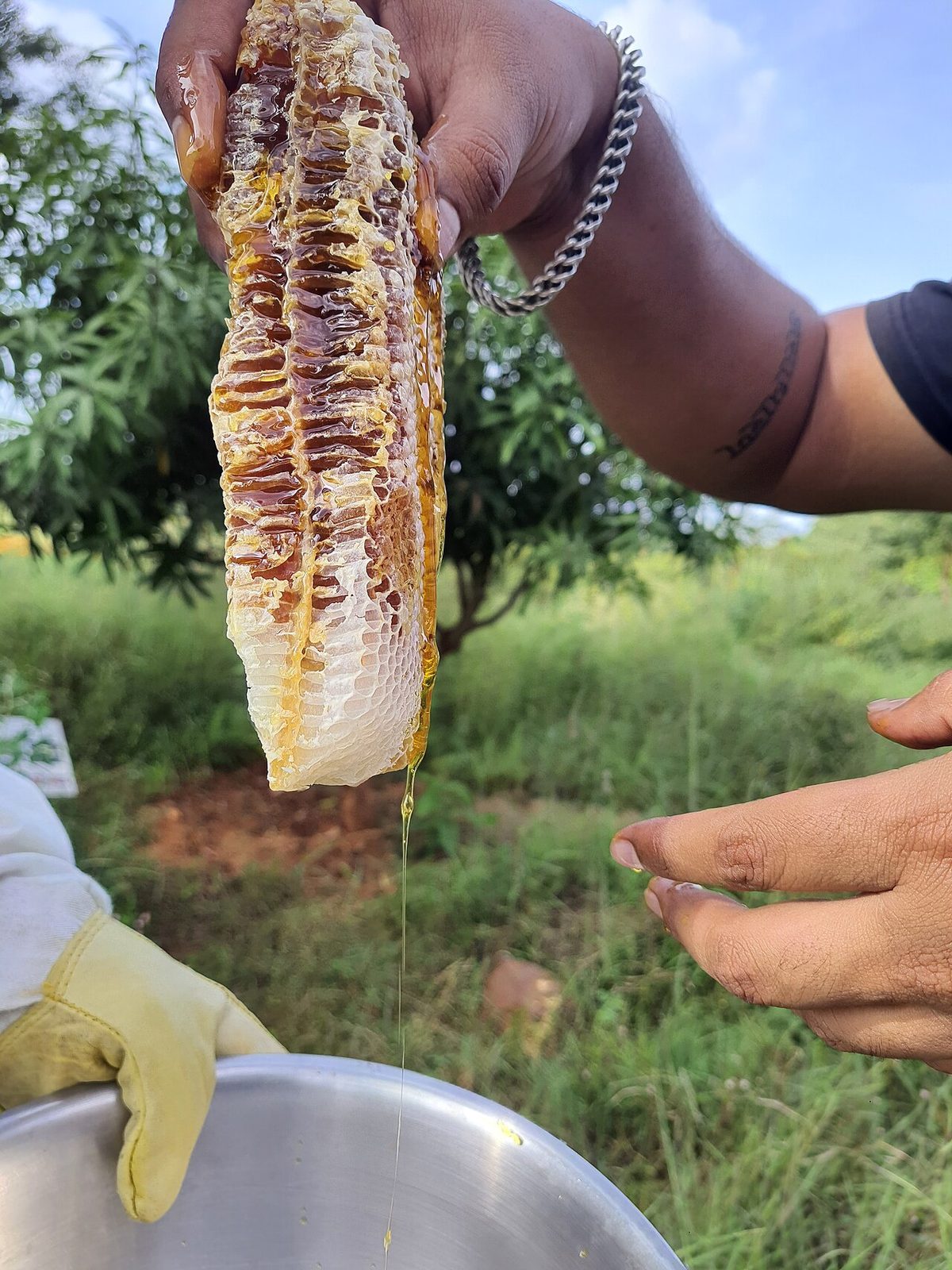
Starting a beekeeping enterprise in India can raise many questions. Which bee should you keep? Can you earn from products other than honey? Where can you get training? And what price can you expect? These questions matter because the wrong bee or an unclear market plan can make it harder to build a steady business.
The most useful first step is to separate manageable bees from wild bees. You should then study the income options available near you, speak with possible buyers, and check current local rules and costs before spending money.
Choose a Bee That Can Be Managed
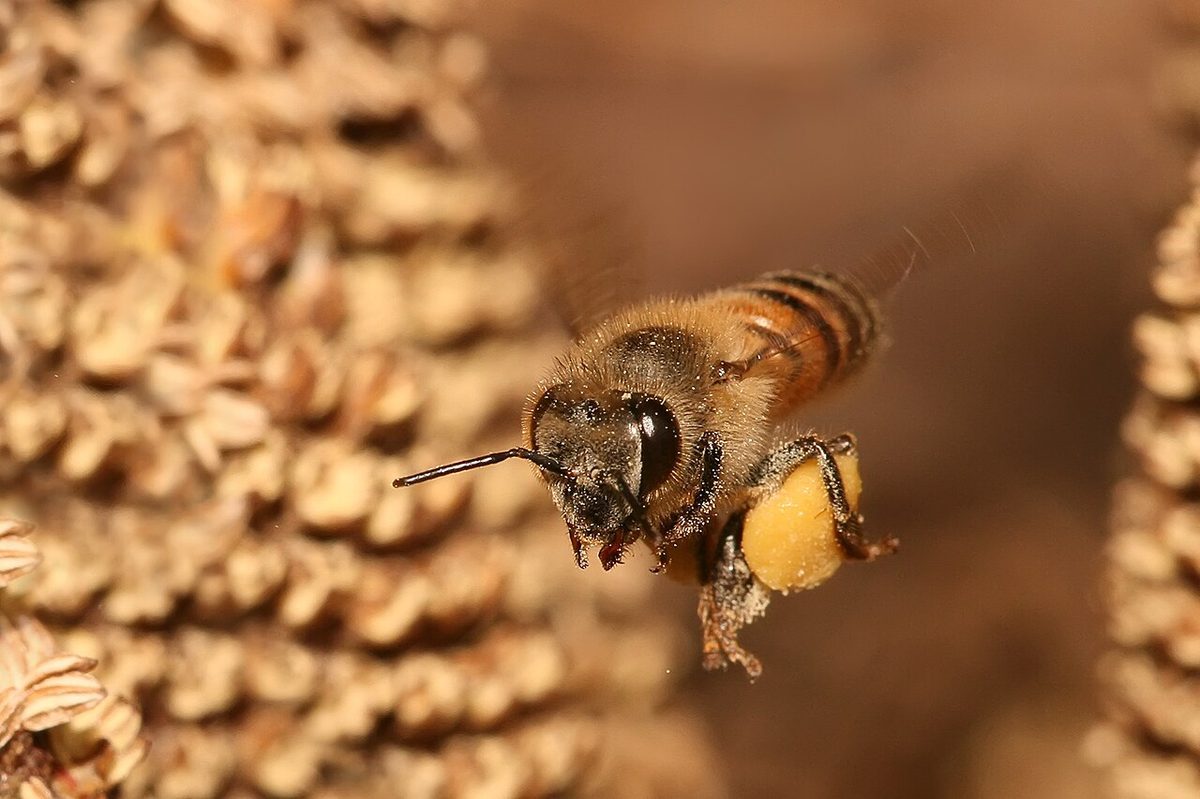
India has several honey bee species, but they are not all suitable for artificial bee boxes. Some people count five commercially important species in India, while others count six. The six-species list includes Apis dorsata, Apis laboriosa, Apis cerana indica, Apis florea, Apis mellifera, and Tetragonula iridipennis.
For a farmer who wants managed colonies, the main distinction is whether a bee can live and work in a box under human care.
Apis cerana
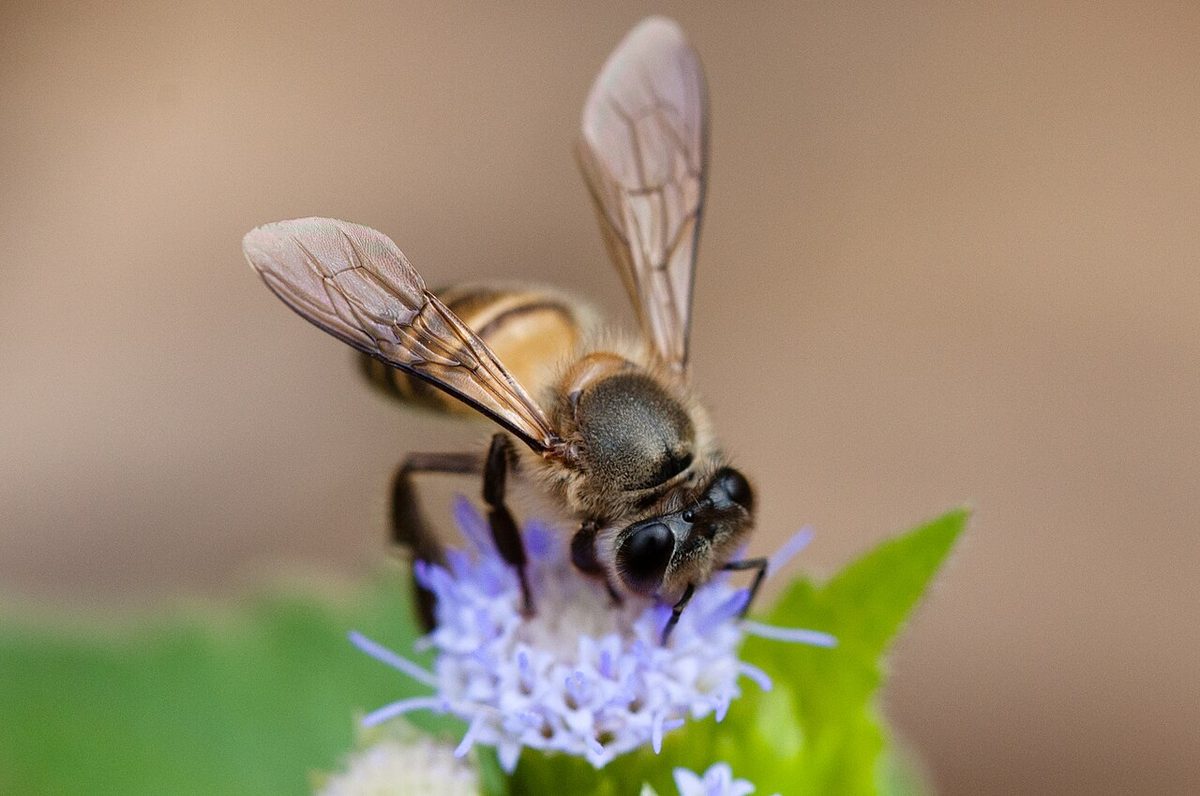
Apis cerana is native to India and is described as suitable for culture in artificial bee boxes. This makes it one of the bees you can consider for managed beekeeping.
Before choosing it, ask a nearby training institution or experienced beekeeper about colonies available in your area. Expected yield, feeding, labour, harvest timing, and seasonal management vary locally and are not covered here.
Apis mellifera
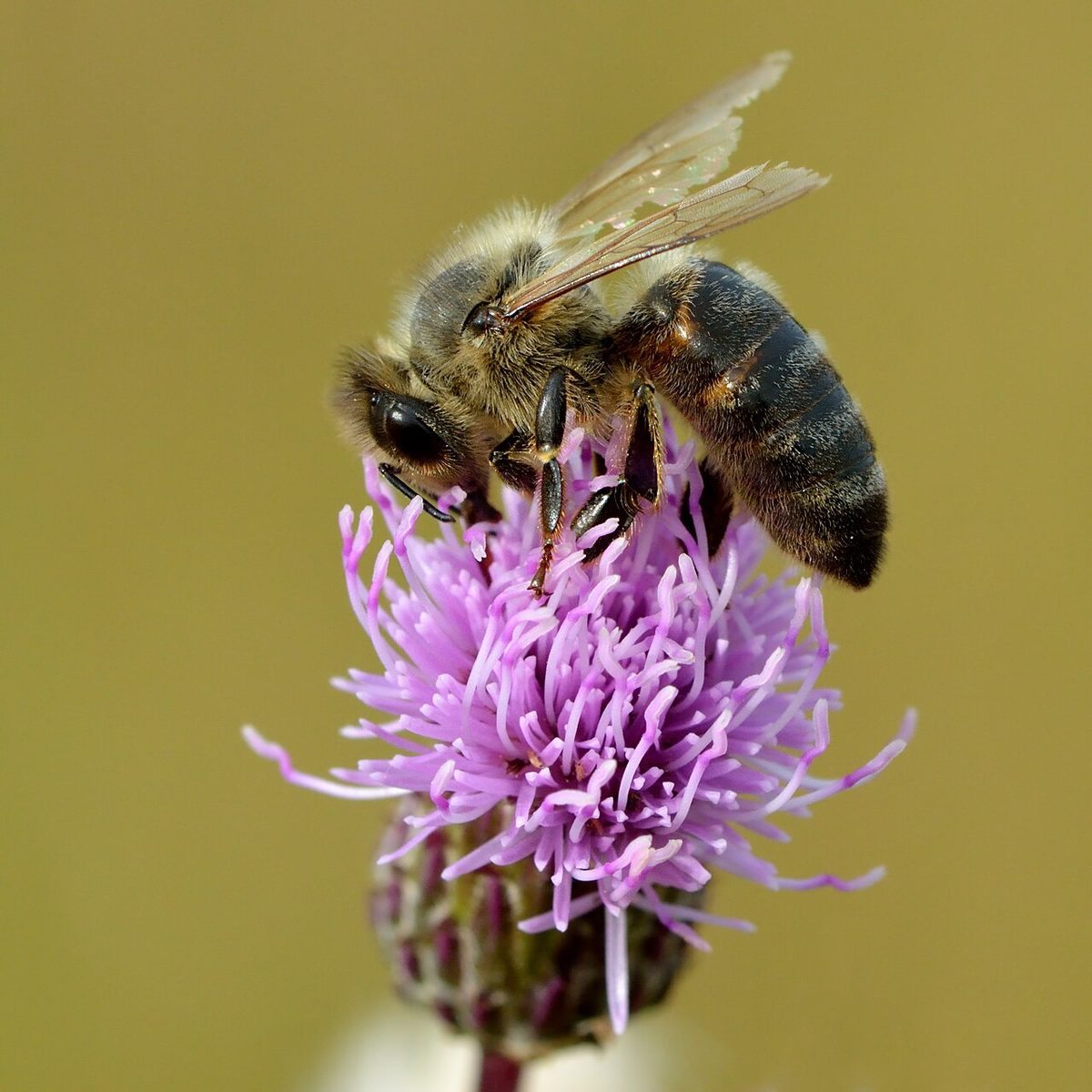
Apis mellifera is an introduced species in India. It is also described as suitable for culture in artificial bee boxes.
Your choice between Apis cerana and Apis mellifera should not be based on the species name alone. Check which colonies, equipment, training, and market support are available near you. Hive placement and migration calendars can differ by state and climate zone, so get local guidance before bringing colonies to your farm.
Tetragonula iridipennis
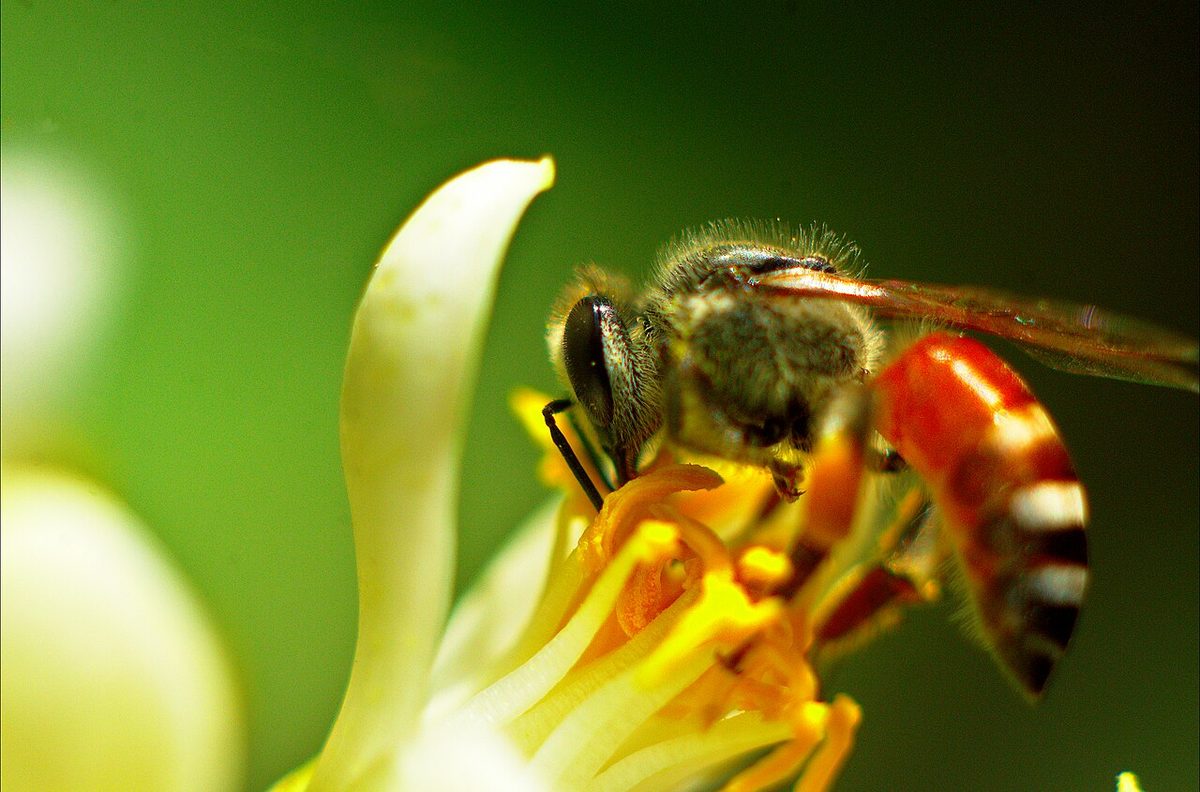
Tetragonula iridipennis is known in India as the Dammer bee or stingless bee. It can be domesticated and is important for pollinating various crops. However, it produces little honey.
This bee may therefore interest a farmer who values crop pollination, but it should not be selected with the expectation of a large honey output.
Understand Which Bees Are Wild-Harvested
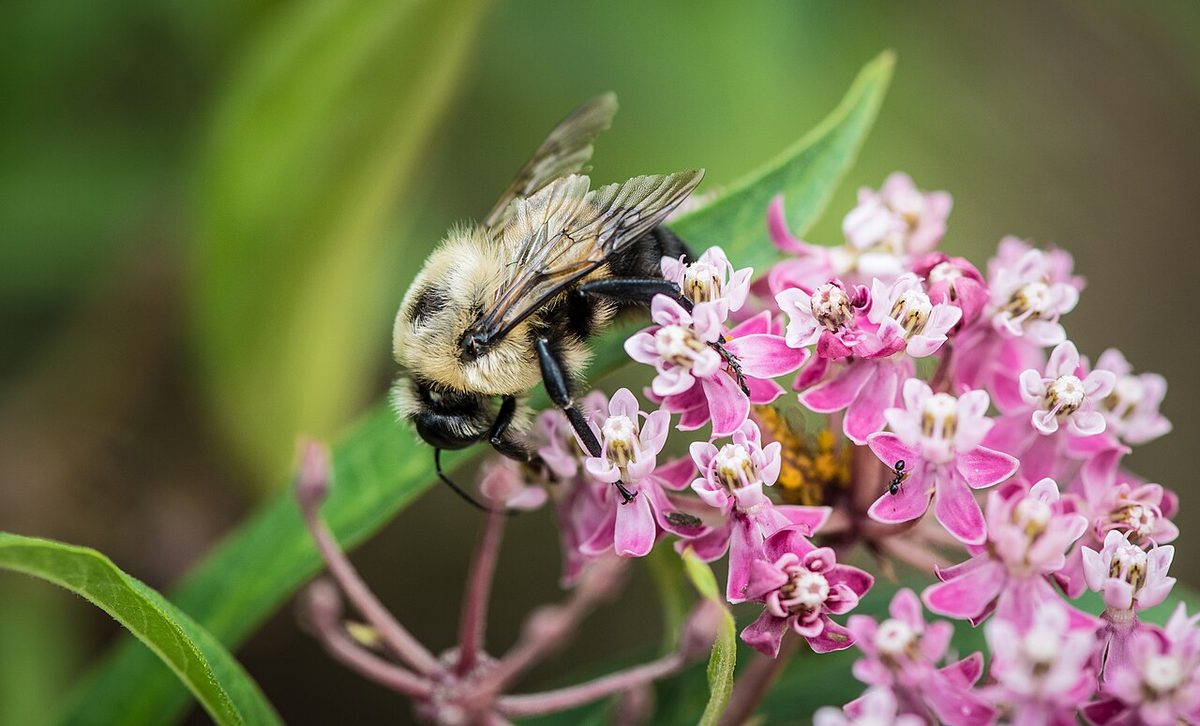
Not every bee found in India can be maintained in a managed hive. This is especially important when you are comparing species or listening to claims about wild honey.
Rock bee

Apis dorsata, commonly called the rock bee, is aggressive and cannot be maintained. Its honey is harvested from wild colonies rather than from managed bee boxes.
Dwarf bee
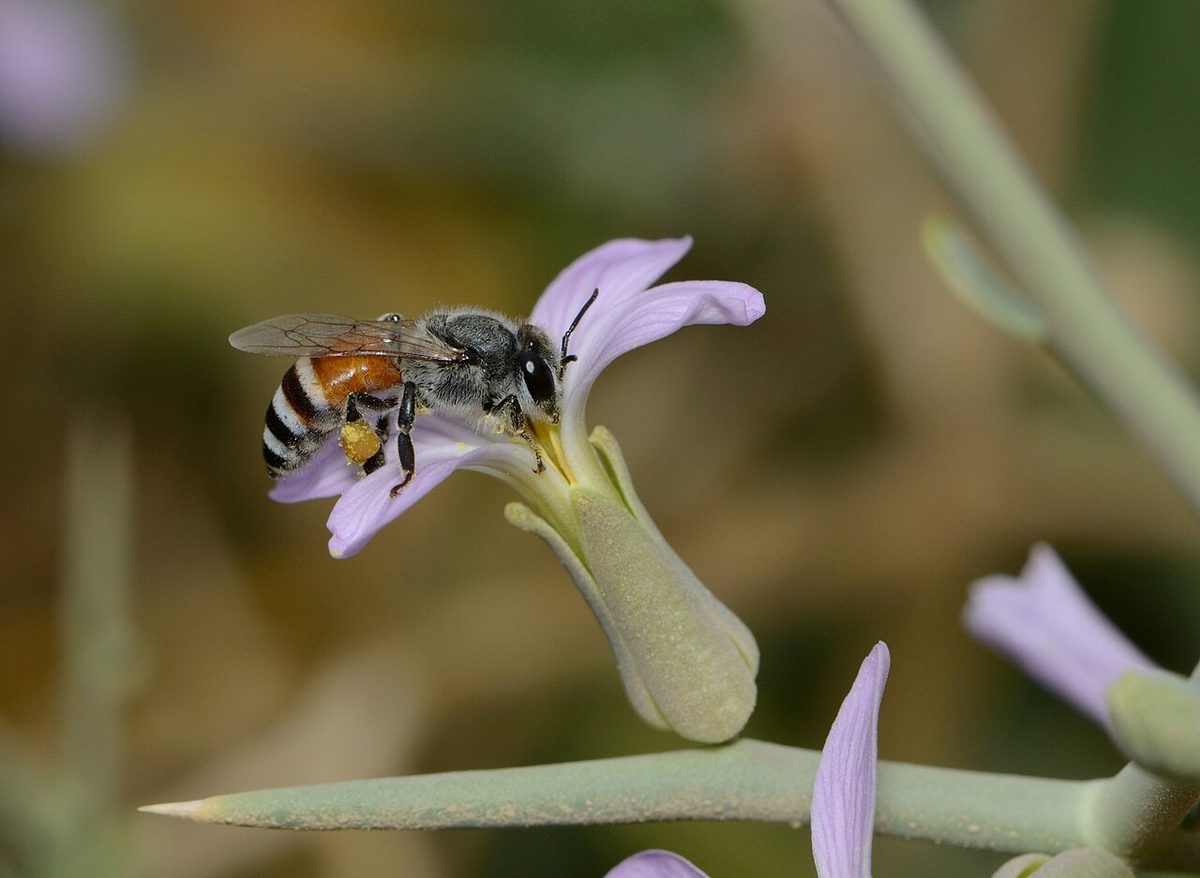
Apis florea, or the dwarf bee, is nomadic and produces very small yields. It is also harvested from the wild rather than kept as a regular managed colony.
Apis laboriosa is included in the six-species list of commercially important bees found in India. However, the available information does not give enough practical detail to recommend it for a managed farm enterprise.
If your goal is to run a box-based beekeeping business, concentrate your early enquiries on bees that can be domesticated. Do not assume that every honey-producing bee can be transferred into a box and managed.
Plan More Than One Income Option
Honey is the best-known hive product, but it is not the only possible source of income. A beekeeping enterprise may have several products and services:
- Honey
- Beeswax
- Propolis
- Bee pollen
- Royal jelly
- Crop-pollination services
- Queen raising
- Package-bee sales
The Indian market and current price for each option are not confirmed here. Before buying equipment or building a product line, ask local buyers what they actually purchase. Also find out what quality, quantity, packing, and delivery arrangements they expect.
Honey and other hive products
You may be able to sell honey and consider other hive products such as beeswax, propolis, bee pollen, and royal jelly. However, no current Indian farm-gate or wholesale prices are available here for any of these products.
Do not prepare an income estimate using an unverified price. Speak with nearby dealers and possible buyers. Compare the local demand for each product before deciding what to collect, process, or market.
Pollination services
Managed bees can support crop pollination. Bees fertilize plants by transferring pollen, and the Dammer bee is identified as an important pollinator of various crops.
Crop-pollination services are also listed as a possible income stream for beekeepers. The actual demand and payment arrangements in India can vary locally. Talk directly with farmers in your area before treating pollination as expected income.
Queens and package bees
Raising queens and selling package bees are other possible activities. However, India-specific demand and prices are not provided. These options should be investigated locally rather than included automatically in your business forecast.
Check the Market Before You Invest
India has a large informal honey segment. One reported figure states that 70% of honey production comes from informal segments. However, that description does not explain what is included in the informal segment or provide a current breakdown by state, beekeeper size, or sales channel.
This means you should study your own selling route carefully. Start by speaking with the people or businesses that may buy from you. Ask whether they want honey, beeswax, pollination services, or another product. Confirm the current price and buying conditions directly instead of relying on an old or unrelated market figure.
There is no current honey price here
The available India price-observation dataset contains 41,095 rows from agmarknet after sample and manually entered rows were excluded. Honey and other hive products do not appear among the displayed commodities. The dataset therefore does not provide a current selling price for beekeepers.
Current prices for honey, beeswax, pollen, propolis, royal jelly, queens, and pollination services depend on the local market. Check with nearby dealers and buyers before preparing your budget.
Historical exports show an overseas market, not today’s price
India’s honey exports were approximately US$ 1 million in 1996 and reached US$ 26.4 million in 2005. In 2005, NAFTA countries consumed 66% percent of those exports. The European Union consumed US$ 6 million, with Germany accounting for approximately 75% of that amount. Saudi Arabia consumed US$ 2.2 million.
These are historical export figures. They do not tell you the current price a farmer will receive in India. Use them only as evidence that Indian honey had overseas buyers at that time, not as a basis for present income calculations.
Find Training and Local Guidance
India has a long history of organised beekeeping development. Reverend Newton developed a specially designed hive and trained rural people in Kerala during 1911–17. The design became known as the Newton hive. This followed earlier attempts in West Bengal, Punjab, and Kullu that were unsuccessful.
Recorded beekeeping activity later expanded in Travancore in 1917, Mysore in 1925, Madras in 1931, Punjab in 1933, and Uttar Pradesh in 1938. Further promotion was reported in Kerala, Tamil Nadu, Karnataka’s Coorg region, Mahabaleshwar, northeastern states, and West Bengal. Historical centres also include Maharashtra, Manipur, and Nagaland.
Institutions to know
The Khadi and Village Industries Commission, or KVIC, was created in 1956 under the Ministry of Industry after the earlier All India Khadi and Village Industries Board. KVIC established the Central Bee Research and Training Institute at Pune in 1962.
Punjab Agricultural University is also reported to have supported beekeeping research and promotion. The Indian Council of Agricultural Research is another Indian institution named in connection with the sector.
Training is especially important because the correct hive placement, seasonal work, migration calendar, feeding, harvest timing, and labour requirement can vary with the local situation. Ask an established institution or experienced local beekeeper for guidance suited to your state and climate zone.
Prepare a Careful Start-Up Checklist
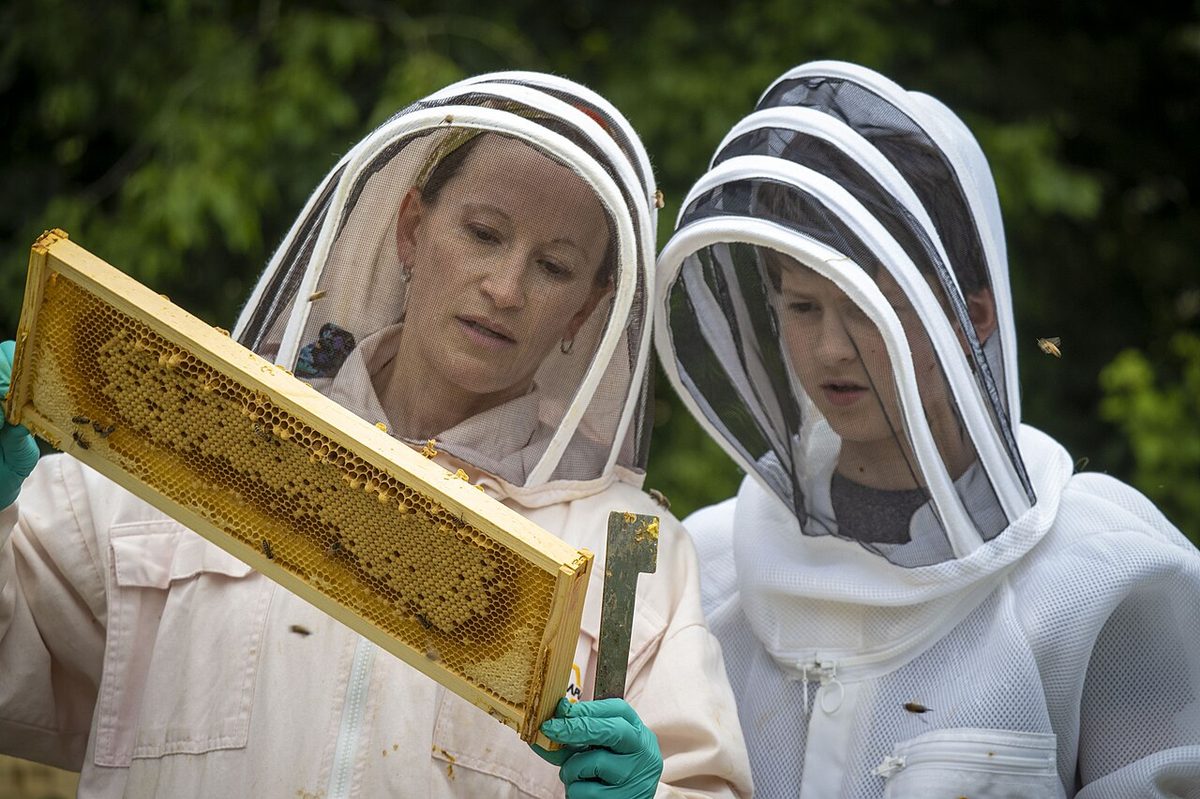
There is no single start-up cost given here for colonies, boxes, protective clothing, smokers, extractors, or other inputs. Prices can differ by location and dealer. Get current quotations before deciding how much money you need.
A practical local checklist should include:
- Which manageable bee is available near you
- What training you can receive before buying colonies
- The current cost of colonies, boxes, clothing, smokers, and extractors
- Which products or services have confirmed local buyers
- What seasonal management applies in your area
- Which current registrations, food-safety rules, and labelling requirements apply
- Whether any insurance options, subsidies, or training schemes currently apply
- Which approved methods should be used for local bee diseases and pests
Check these points with the relevant nearby office, training institution, dealer, or vet. Do not rely on general advice for treatment methods or legal requirements, because approved practices and current rules need local confirmation.
Beekeeping in India offers several possible paths, but a sensible enterprise begins with the right bee and a real buyer. Apis cerana and Apis mellifera are the clearest choices for artificial bee boxes, while the domesticated Dammer bee offers pollination value but little honey. Build your plan around locally confirmed costs, training, rules, and demand. Start only after you know what you can manage and who is ready to buy.


 Menu
Menu
💬 Comments
Login to comment
No comments yet. Be the first to share your experience!