Cat water · daily intake
How much water should my cat drink?
Put your cat's weight in below and this calculator shows the healthy amount of water it should take in over a day — from body weight, counting water from the bowl AND from food. Cats evolved as desert animals and drink little, so a wet-fed cat may barely touch the bowl — that's normal. Pick the food type to see.
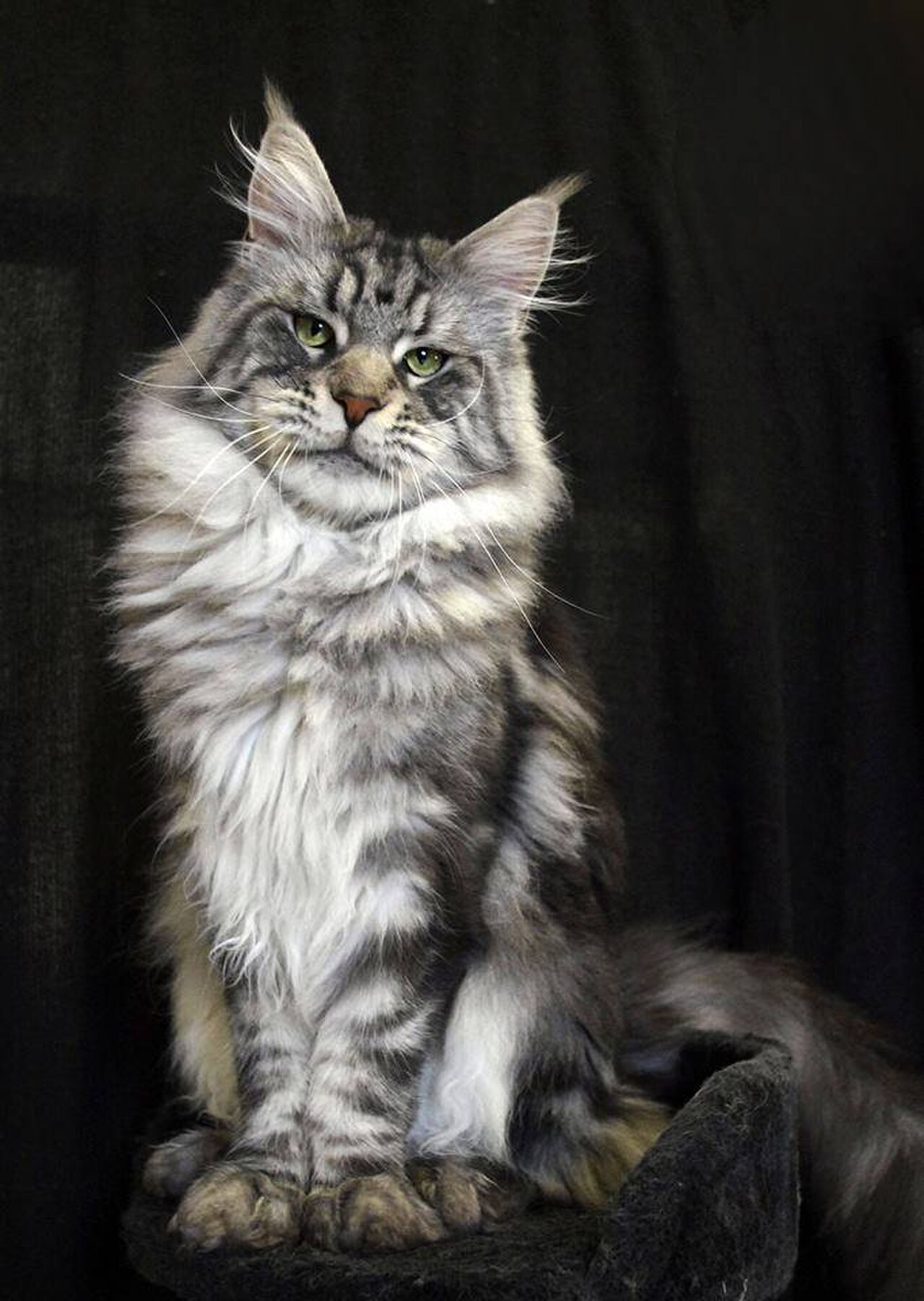
That's roughly 0.75–1.0 cups (7–9 fl oz) a day, counting water from food.
On that food, from the bowl expect about 203–244 ml a day — the rest comes from its food.
This is a healthy range, not an exact ration — a cat drinks to its own thirst, and a cat on wet food rightly drinks very little. What matters is a steady habit: a real, lasting change up or down is worth a vet visit.
How we work it out
A healthy cat needs roughly 50 to 60 millilitres of water for every kilogram it weighs, over a whole day. That tracks its energy need — about a millilitre of water per calorie burned. The figure is a TOTAL for the day and counts every drop: the water it drinks from the bowl and the water already in its food. A normal-sized 4 kg cat, for example, needs on the order of 200 to 250 ml a day in total.
This is the maintenance intake the WSAVA and Merck veterinary nutrition references use, and they are clear it is a guide, not a target to force. Cats especially self-regulate: they evolved from desert animals, carry a low thirst drive, and are built to get much of their water from prey — which is why the type of food matters so much for a cat. Hot weather and a dry, kibble-only diet push how much it must drink up.
Cats have a famously weak thirst drive — in the wild they get most of their water from prey, which is about three-quarters water, much like canned food. So a cat on wet food takes in most of its day's water with its meals and may barely touch the bowl. That is normal. A cat on dry food alone has to make all of that up by drinking, and many don't drink enough — one reason vets often favour some wet food for cats.
How food changes what comes from the bowl
The whole-day total is about the same; what changes — far more than in dogs — is how much the cat drinks versus how much comes in with the food.
| What it eats | What it means |
|---|---|
| Dry food (kibble) only | Kibble is only about 10% water, so almost all of the day's water has to come from the bowl. A dry-fed pet rightly drinks the most, and this is the case the headline range is set for. |
| A mix of wet and dry | Part of the water comes in with the wet food, so a little less is drunk from the bowl — the total is much the same. |
| Wet / canned food only | Canned food is roughly three-quarters water, so a wet-fed pet gets much of its day's water from meals and may drink very little from the bowl. That is normal — it is not under-drinking. |
When a cat needs more
These genuinely raise the day's total — keep fresh water available and watch it drinks enough:
- Hot weather, or a warm, dry house
- Exercise, play or a long walk
- Pregnancy or nursing a litter
- A high-salt or very dry diet
Water a day by weight — a quick reference
The healthy daily total for a range of weights, worked with the same 50–60 ml per kg as the calculator. A cat on wet food will drink far less than this from the bowl, because most of it comes from its food.
| Weight | Water a day (total) | In cups |
|---|---|---|
| 6 lb (2.7 kg) | 136–163 ml | 0.5–0.5 cups |
| 8 lb (3.6 kg) | 181–217 ml | 0.75–0.75 cups |
| 10 lb (4.5 kg) | 226–272 ml | 0.75–1 cups |
| 12 lb (5.4 kg) | 272–326 ml | 1–1.25 cups |
| 15 lb (6.8 kg) | 340–408 ml | 1.25–1.5 cups |
The gear that gets a cat to drink
Cats drink more from moving water and dislike a bowl near their food or litter, so a filtered pet fountain and a wide, whisker-friendly bowl genuinely help a reluctant drinker. Here they are on Amazon.
See cat water fountains & bowls on Amazon →Some links here are affiliate links: buy through one and Animalsss may earn a small commission, at no extra cost to you. It never changes the water figures on this page.
Find your cat's breed
Pick a breed to load a typical adult weight — or open its full profile.
Common questions
How much water should my cat drink a day?
About 50 to 60 millilitres for every kilogram it weighs, over a whole day — counting the water in its food as well as what it drinks from the bowl. A normal 4 kg (about 9 lb) cat needs roughly 200 to 250 ml a day in total. Enter your cat's weight above for its own range. A cat on wet food drinks very little of this from the bowl, because most of it comes from the food.
My cat barely drinks water — should I worry?
If your cat eats wet food, usually not — canned food is about three-quarters water, so the cat already takes in most of its day's water with its meals. Cats also have a naturally low thirst drive. A cat on dry food alone that drinks little is more of a concern; adding wet food and a fountain often helps. If drinking suddenly changes either way, see your vet.
Why is my cat suddenly drinking a lot more?
A clear, lasting rise in how much a cat drinks is one of the most important warning signs in a cat — it is a common early symptom of kidney disease, diabetes and an overactive thyroid. Don't wait: a cat drinking noticeably more (and often weeing more) should be checked by a vet promptly.
How can I get my cat to drink more water?
Feed some or all wet food, offer a pet water fountain (many cats prefer moving water), use a wide bowl that doesn't touch their whiskers, and keep water away from the food and litter tray. Several water stations around the home help too. These matter most for a cat on dry food.
How accurate is a cat water calculator?
It is a good guide to what is normal for your cat's size, not an exact amount to pour. Cats self-regulate and a wet-fed cat drinks far less from the bowl than the figure suggests, because the rest comes from food. Use the range to spot a real change in your cat's drinking, and for any worry, ask your vet.
Where these figures come from
- WSAVA — Global Nutrition Guidelines — The world small-animal veterinary body's nutrition standard, which treats fresh water as an essential daily nutrient alongside food.
- Merck Veterinary Manual — Nutrition in small animals — The veterinary reference for water as the most important nutrient and the maintenance intake that roughly tracks the day's energy need — the basis for the ~50–60 ml per kg a day this calculator uses.
- Cornell Feline Health Center — Feeding your cat — Cornell's cat-nutrition guidance, including why cats evolved as low-thirst desert animals and get much of their water from wet food — the reason a wet-fed cat drinks so little from the bowl.
- ASPCA — Hot-weather safety tips — The ASPCA's guidance on keeping pets hydrated and safe in the heat — why the day's water need rises in warm weather and after exercise.
This calculator is a guide, not veterinary advice. Kittens, pregnant or nursing cats, and cats with a health condition have different needs. A big change in how much your cat drinks — especially drinking a lot more than usual — is one of the commonest early signs of kidney disease, diabetes or an overactive thyroid in cats, so see your vet, who can examine the real cat.
 Menu
Menu