Cat ownership · real numbers
How much does a cat really cost?
Not the kitten price — the whole bill. Pick a breed and a country below and this calculator adds up what a cat costs to buy or adopt, what it costs every year (litter and all), and what it adds up to over a lifetime. Every figure is a typical, floored range from a named source — cats vary, so we show a range, never a made-up single number.
Showing typical US figures in US dollars. Switch country and the numbers adjust to typical local price levels in local currency — treat those as estimates.
Where the money goes
The full breakdown for the cat you picked above. Ranges update as you change it.
- Adoption fee (shelter/rescue)Usually includes the first vaccines, a microchip and desexing already done.$40–$200
- Spay / neuterCheaper than for a dog; low-cost clinics sit at the bottom of the range.$50–$300
- First vet visit, vaccines, chipKitten vaccine course, a health check, deworming and a microchip.$100–$300
- Starter kit (litter box, carrier, scratching post, bowls)A litter tray, carrier, scratching post, bowls, bed and a few toys to start.$120–$450
- FoodA cat eats far less than a dog, but wet food and prescription diets push the top of the band up.$140–$340
- Cat litterThe cost line a dog budget never has — clumping or crystal litter, refilled all year.$100–$400
- Routine vet careAnnual check-up, boosters and a dental clean spread across the year.$120–$500
- Flea, tick & wormingMonthly parasite prevention, dosed by weight.$80–$250
- Pet insuranceAccident-and-illness cover. The US market average for a cat runs about $32/month (NAPHIA, 2024) — less than a dog. Optional — untick it to see the cost of self-insuring.$240–$720
- GroomingNear-zero for a short-coated cat; a long coat matts, and a hairless breed needs regular bathing.$0–$120
- Toys, treats, boardingThe easy-to-forget bucket: replacement toys, scratching posts, treats and a few days of boarding.$100–$500
Lifetime totals assume the yearly cost runs for a typical indoor lifespan — cats commonly reach 13–17 years, longer than most dogs, so a lower yearly cost is spread over more years. A single serious illness or injury can add thousands in one go, which is what insurance is for.
Some links here are affiliate links: buy or get a quote through one and Animalsss may earn a small commission, at no extra cost to you. It never changes the numbers on this page.
The kit a new cat actually needs
The setup line above is a litter tray, a carrier, a scratching post, bowls, a bed and a few toys. Rather than send you hunting, here is that starter kit on Amazon.
See kitten starter kits on Amazon →Yearly & lifetime cost by cat size
Typical US figures for an adopted, insured, short-coated cat — the quick version of the calculator above.
| Size | Typical weight | Per year | Lifetime |
|---|---|---|---|
| Small | under 3.5 kg | $740–$2,750 | $12,150–$45,250 ~16 yrs |
| Medium | 3.5–5.5 kg | $780–$2,830 | $12,010–$43,700 ~15 yrs |
| Large | over 5.5 kg | $840–$2,970 | $11,230–$39,860 ~13 yrs |
What each cat breed costs
Every breed in our directory with its own yearly and lifetime estimate — US figures for an adopted, insured cat. A breed's cost here is driven by its size and coat (the two things that move food, dosing and grooming), so the table runs from the cheapest to keep to the priciest. Tap a breed for its full profile.
| Breed | Size | Coat | Per year | Lifetime |
|---|---|---|---|---|
| Egyptian Mau | Small | Short | $740–$2,750 | $12,150–$45,250 ~16 yrs |
| Korat | Small | Short | $740–$2,750 | $12,150–$45,250 ~16 yrs |
| Toybob | Small | Short | $740–$2,750 | $12,150–$45,250 ~16 yrs |
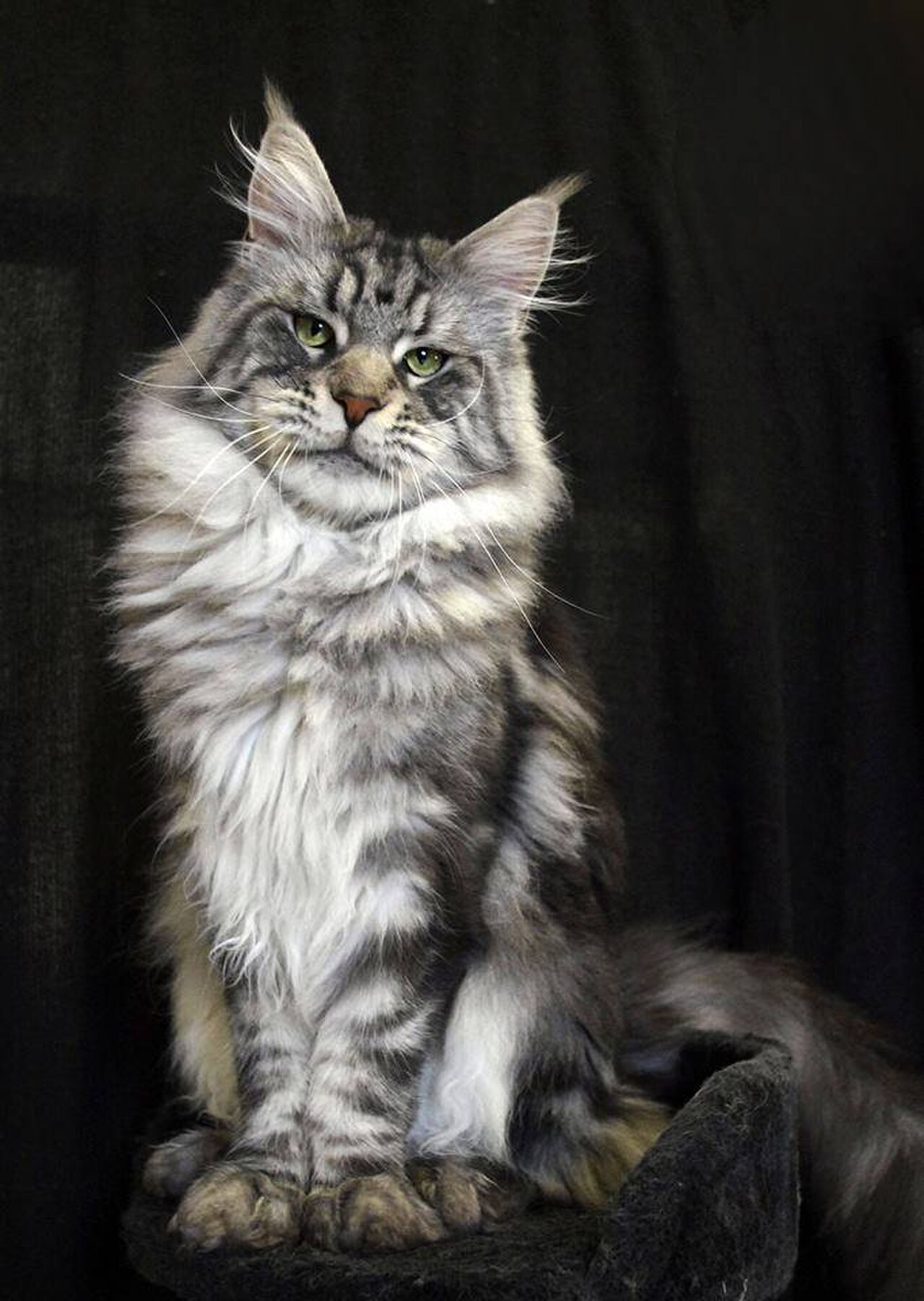
| Maine Coon | Large | Short | $840–$2,970 | $11,230–$39,860 ~13 yrs |
| Singapura cat | Large | Short | $840–$2,970 | $11,230–$39,860 ~13 yrs |
Ranges are US dollars for an adopted, insured cat, floored, from the same model as the calculator above — switch the country there for UK, Canadian and Australian figures. Two breeds of the same size and coat share an estimate because those are what set the cost; open a breed to see everything else that varies.
Cost of a specific breed
Pick a breed to load its size and coat into the calculator, then open its full profile.
The costs people forget
The lines that don't show up until they do — and the reason the ranges above have a high end.
An emergency or surgery
A urinary blockage or a swallowed thread can be $1,000–$4,000+ in a single visit — the classic case for pet insurance.
Dental disease
Cats hide pain, and dental and gum disease is very common; a professional clean is a recurring cost most owners never budget for.
Prescription diets
Urinary, kidney and weight conditions often mean a prescription food for life, which costs noticeably more than a standard complete food.
Boarding or a cat-sitter
Every trip away means a cattery or a sitter dropping in to feed and clean — a real cost each time you travel.
Furniture and cat trees
Scratching posts, a cat tree and the odd re-covered sofa arm are part of the deal; good scratching furniture is a lot cheaper than reupholstering.
The senior years
Cats live long, and the last years bring more vet visits, medication for kidney or thyroid conditions, and eventually end-of-life care.
How to keep the cost down
None of this means cutting corners on care — it means spending where it counts.
Adopt instead of buying
A shelter cat is $40–$200 and is usually already vaccinated, microchipped and desexed, where a pedigree kitten starts around $500 and climbs from there.
Keep the cat indoors
Indoor cats live longer and avoid the fight wounds, road injuries and parasites that drive up an outdoor cat's vet bills.
Preventive and dental care
Dental disease is extremely common in cats; yearly checks and cleaning catch problems while they are still cheap to fix.
Insure while the cat is young
As with dogs, premiums rise with age and pre-existing conditions are excluded — the cheapest a policy will ever be is today.
Buy litter and food in bulk
Litter is a lifelong monthly cost; larger bags of a good litter and a mid-range complete food your vet is happy with are the easiest savings there are.
A short-coated cat needs no groomer
A short-coated cat grooms itself; you only pay a groomer for a matted long coat or a hairless breed's regular bathing.
Common questions
How much does a cat cost per year?
For most cats, plan on roughly $1,000–$2,500 a year once you add up food, litter, routine vet care, parasite prevention, insurance and the odd extra. A cat is cheaper to run than a dog of the same age — it eats less and its insurance is lower — but litter and vet care still add up every single year.
Is a cat cheaper than a dog?
Year to year, usually yes. A cat eats less, its insurance premium is lower (about $32/month on average in the US versus roughly $56 for a dog, NAPHIA 2024), and a short-coated cat needs almost no grooming. The catch is that cats live longer, so the cheaper yearly cost is spread over more years — the lifetime totals end up closer than the annual ones.
What is the most expensive part of owning a cat?
Over a lifetime it is the recurring costs — food, litter and veterinary care — not the kitten price. A single unexpected illness or injury can also run into thousands, which is the case for pet insurance.
Is it cheaper to adopt or buy a cat?
Adopting is far cheaper up front. A shelter or rescue fee is usually $40–$200 and often already covers the first vaccines, a microchip and desexing, while a pedigree kitten from a breeder typically runs $500–$2,500 before any of that. The ongoing yearly cost is the same either way.
Do hairless cats really cost more to groom?
Yes — a Sphynx is the exception to 'cats groom themselves'. With no coat to absorb skin oils, a hairless cat needs regular bathing, ear cleaning and skin care, so its grooming line is higher than a short-coated cat's, not lower.
How much does a cat cost per month?
Take the yearly figure and divide it by twelve. For most cats that works out to roughly $65–$250 a month of ongoing cost — food, litter, routine vet care, parasite prevention and insurance — with a large or long-coated breed at the top and a small short-coated cat near the bottom. The 'every year after' box on the calculator above shows the exact monthly range for the size and country you pick. Your first month is much higher, because the setup costs all land at once.
What is the cheapest way to own a cat?
Adopt a short-coated cat and keep it indoors. Adoption is a fraction of a breeder's price, a short coat needs no groomer, and an indoor life avoids many of the injuries and illnesses that drive an outdoor cat's vet bills. Litter and routine vet care are the costs you can't avoid — everything else you have some control over.
Is pet insurance worth it for a cat?
Cat cover is cheaper than a dog's — about $32 a month on average in the US (NAPHIA, 2024), roughly $385 a year — while a urinary blockage or other emergency can cost several thousand in one visit. If an unexpected four-figure vet bill would be a real problem, it is worth a quote; if you can bank that premium yourself as a safety net, self-insuring works too.
Do these numbers apply outside the United States?
The model is US-based and shown in US dollars by default. Switch the country and the figures are adjusted to typical local price levels and shown in local currency (£, C$, A$) — treat those as estimates and check your national body (PDSA in the UK, OVMA in Canada, the RSPCA in Australia) for local detail.
Where these figures come from
Typical ranges drawn from these bodies. Where a country isn't the US, figures are the same model adjusted to local price levels and shown in local currency — an estimate, not a quote.
- Synchrony — Lifetime of Care study (2022) — Puts the lifetime cost of a cat at roughly $15,000–$45,000 — the range this calculator's totals land inside.
- ASPCA — general pet-care cost estimates — First-year and annual cost lines for cats.
- NAPHIA — State of the Industry (2024) — Average US accident-and-illness cat premium ≈ $32/month — noticeably less than a dog.
- AVMA — pet-ownership expenditures — Average annual veterinary and care spend per cat-owning household.
- PDSA — the cost of owning a cat (UK) — UK lifetime figures for a cat, running to roughly £12,000 and up.
 Menu
Menu