Vet body-condition method
Is my cat overweight?
Score your cat's body condition the way a vet does — from what you can feel and see — then get a healthy target-weight range and a safe pace to reach it. On a cat, even a pound or two of extra weight is a lot.
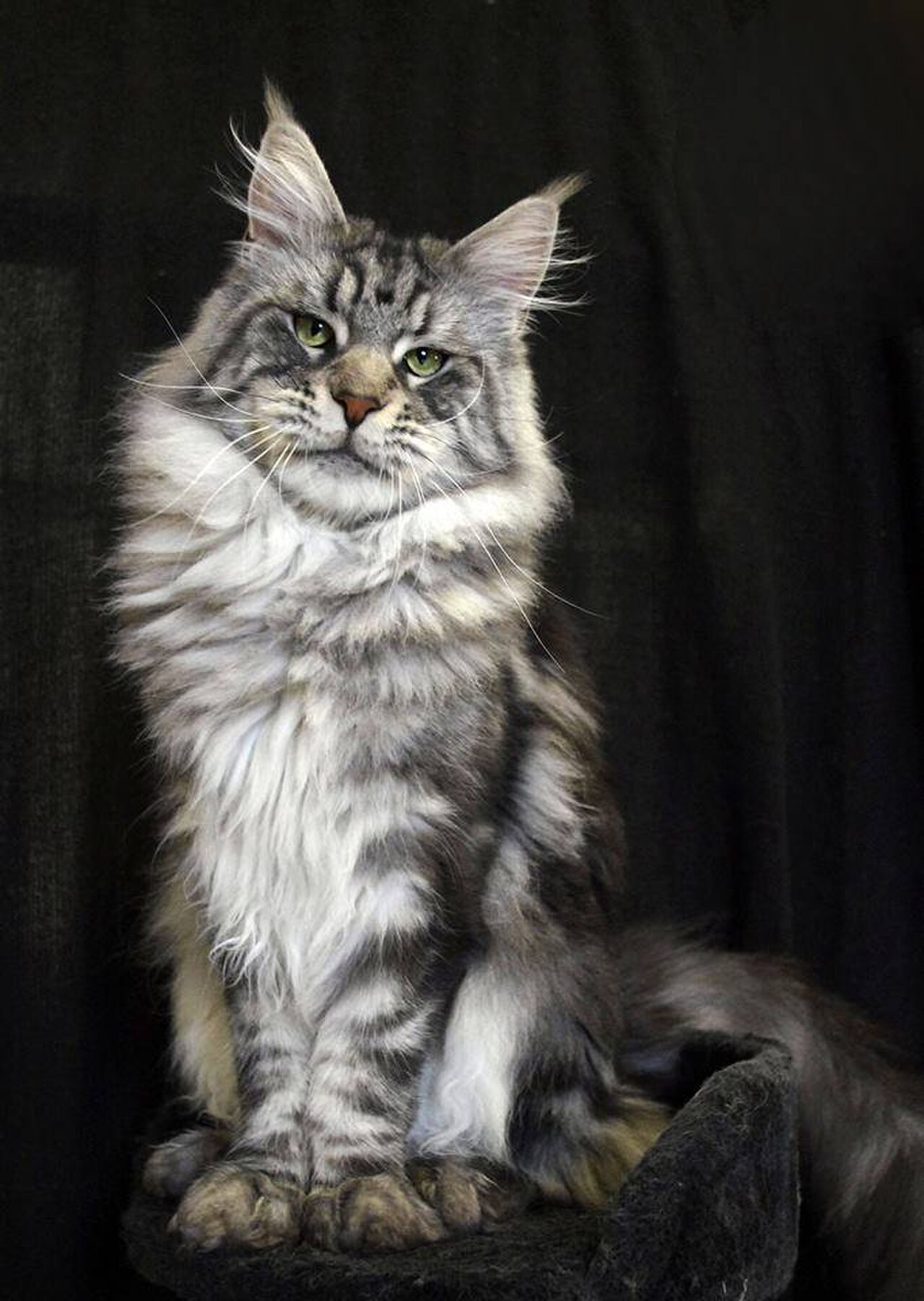
That's about 2.5–3.5 lb to lose.
At a safe 0.5–2% of body weight a week, that's roughly 10–40 weeks — go slowly. In cats a crash diet or a sudden refusal to eat can trigger hepatic lipidosis (fatty liver), which is life-threatening, so let your vet set the target and the pace.
Your cat looks to be in good shape. Keep feeding for this weight and keep up the hands-on check every few weeks — indoor cats gain weight quietly.
Your cat looks thinner than ideal. Weight loss in a cat can be an early sign of illness, so see your vet rather than just adding food — a cat that suddenly stops eating is an emergency.
This is an estimate to start the conversation, not a diagnosis. Cats need a vet-guided plan: your vet confirms the score and target, sets a safe pace, and rules out anything medical.
Next: feed for the target weight with the cat feeding calculator →How this works
How it works: extra weight is scored on the 9-point Body Condition Score (BCS), where 4–5 is ideal. Vets estimate that each point above 5 is about 10–15% over ideal weight, so the healthy target below is your cat's current weight divided by that — shown as a range, never one false-exact number. Cats must lose weight slowly and under a vet.
The 9-point body condition score
What each score feels and looks like — the scale vets use, so you and your vet speak the same language.
| Score | Condition | What you feel & see |
|---|---|---|
| BCS 3 | Below ideal | Ribs and spine are easy to see or feel with almost no fat; an obvious waist and only a thin belly fat pad — or none. |
| BCS 5 | Ideal | Ribs are felt easily under a little fat, there's a clear waist behind the ribs from above, and only a small belly fat pad. |
| BCS 6 | A little overweight | Ribs are felt under a slight extra layer; the waist is rounding out; the belly fat pad is a bit more obvious. |
| BCS 7 | Overweight | You have to press to feel the ribs; the waist is barely there; a clear rounded belly and a noticeable swinging fat pad underneath. |
| BCS 8 | Obese | Ribs are hard to feel under fat; no waist; a rounded belly with an obvious, swinging fat pad; fat over the lower back. |
| BCS 9 | Severely obese | Ribs can't be felt through heavy fat; fat over the face and limbs; a large, distended belly with a big pendulous fat pad. |
Pick your breed to pre-fill a typical weight
A starting point only — score the body condition of your own animal, since two dogs of a breed can differ a lot.
Common questions
How do I know if my cat is overweight without a scale?
Feel and look. You should be able to feel the ribs under a little fat, see a waist behind the ribs from above, and find only a small belly fat pad. If the ribs are hard to feel, the waist has gone and there's a swinging pad under the belly, your cat is likely overweight — that's what the score above measures.
What should my cat weigh?
It depends on frame, not just breed — many cats sit near 8–10 lb (3.6–4.5 kg), but a small cat or a large one like a Maine Coon differ. The right weight is where the body condition is ideal (BCS 4–5 of 9). This tool estimates the target for an over-ideal cat; your vet confirms it.
How fast can a cat safely lose weight?
Slowly — about 0.5–2% of body weight a week, and many vets aim for the lower end. Rapid loss or a cat that stops eating can trigger hepatic lipidosis (fatty liver), which is life-threatening, so feline weight loss must be gradual and vet-supervised.
My cat is overweight — what do I actually do?
See your vet first, then feed for the agreed target weight, not the current one. The cat feeding calculator here works out daily calories for a target; measure meals, and switch to timed or portioned meals instead of leaving food out all day.
The gear that makes portioning exact
Cats gain weight quietly on free-fed, eyeballed meals. A small kitchen scale or a measuring cup makes each portion exact, and a slow or puzzle feeder paces a grazer and adds a little activity. It never replaces the vet-set plan — a cat must slim slowly — it just helps you feed the target amount.
See portion scales & slow feeders on Amazon →Some links here are affiliate links: buy through one and Animalsss may earn a small commission, at no extra cost to you. It never changes the body-condition method or the target weight on this page.
Where these figures come from
- WSAVA — Body Condition Score charts (dog & cat, 9-point) — The clinical 9-point scale the ribs/waist/tuck descriptions follow.
- AAHA — 2021 Nutrition & Weight Management Guidelines — BCS method and the vet approach to weight management.
- Association for Pet Obesity Prevention (APOP) — 2022 survey — Prevalence: ~59% of dogs and ~61% of cats overweight or obese.
- Cornell Riney Canine Health Center — healthy weight — Ideal-weight estimate (~10% per BCS point) and safe 1–2%/week loss.
- Tufts Petfoodology — weight loss done safely — Safe loss rates and why cats must slim slowly (hepatic lipidosis).
- VCA Animal Hospitals — body condition scores — Per-band descriptions cross-checked for the feel guide.
Educational tool, not veterinary advice. Body condition and target weight are estimates from the standard 9-point BCS method. Never put a cat on a crash diet: rapid weight loss or fasting can cause hepatic lipidosis. Have your vet confirm the plan before changing the diet.
- Cat feeding calculatorHow much to feed for the target weight.
- Cat water calculatorHow much water your cat should drink a day.
- Cat age calculatorYour cat's age in human years, on the vet curve.
- What can cats eat?Safe and toxic human foods, A–Z.
- Cat breeds A–ZTypical weights and traits by breed.
- Cost of a catWhat a cat really costs, year one and ongoing.
 Menu
Menu