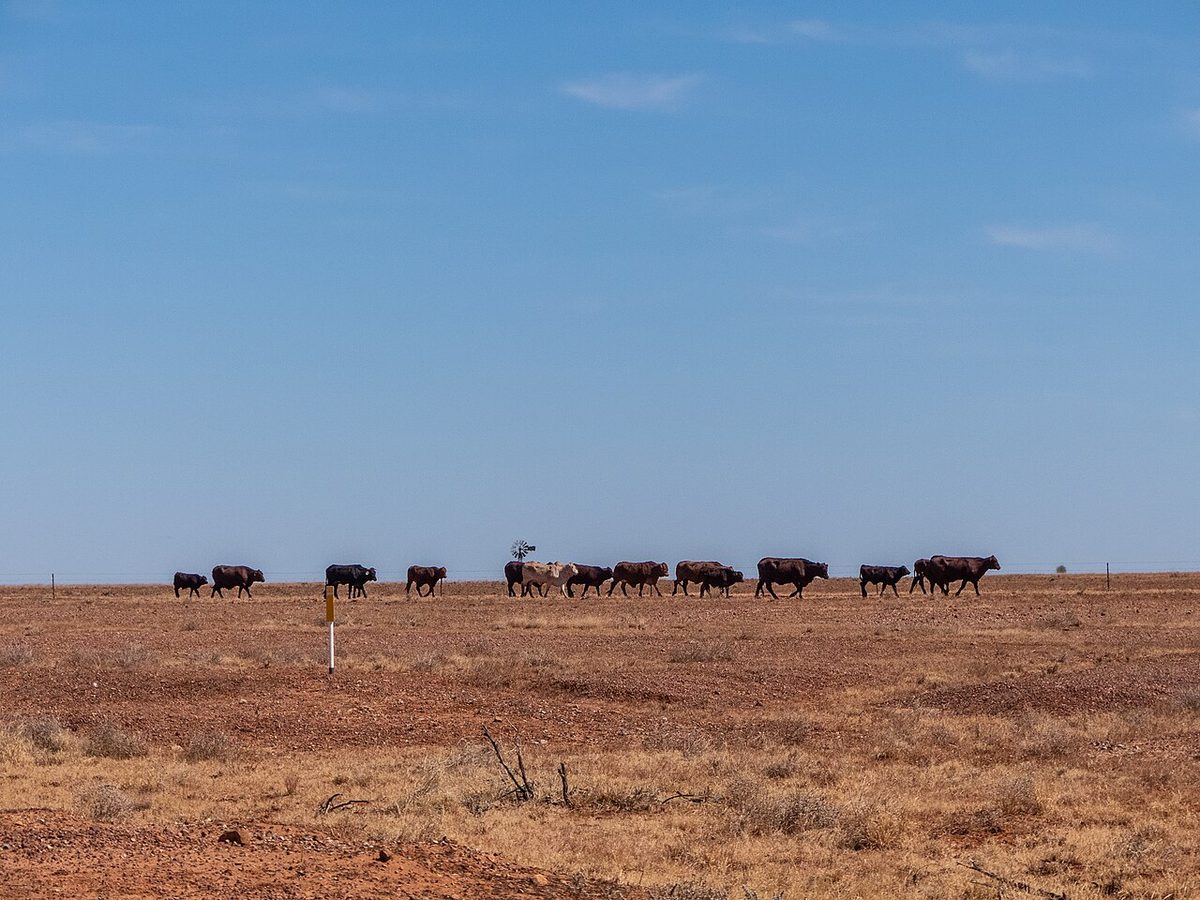
The breed to start with when you are looking for sweeping, dramatic horns is the White Park. Its cows grow horns that mostly curve forwards and upwards in a graceful sweep, while its bulls grow horns that are thicker and shorter — so the long, elegant horn you picture is usually a cow's.
One honest thing to say before we go any further: no record here gives a horn measurement for the White Park or for any other breed. Nothing sets down length, spread, curve or weight. So when this article says "large", it means the shape and sweep you can see with your own eyes, not a figure you can compare breed against breed. If a page claims otherwise, be careful with it.
What a White Park actually looks like
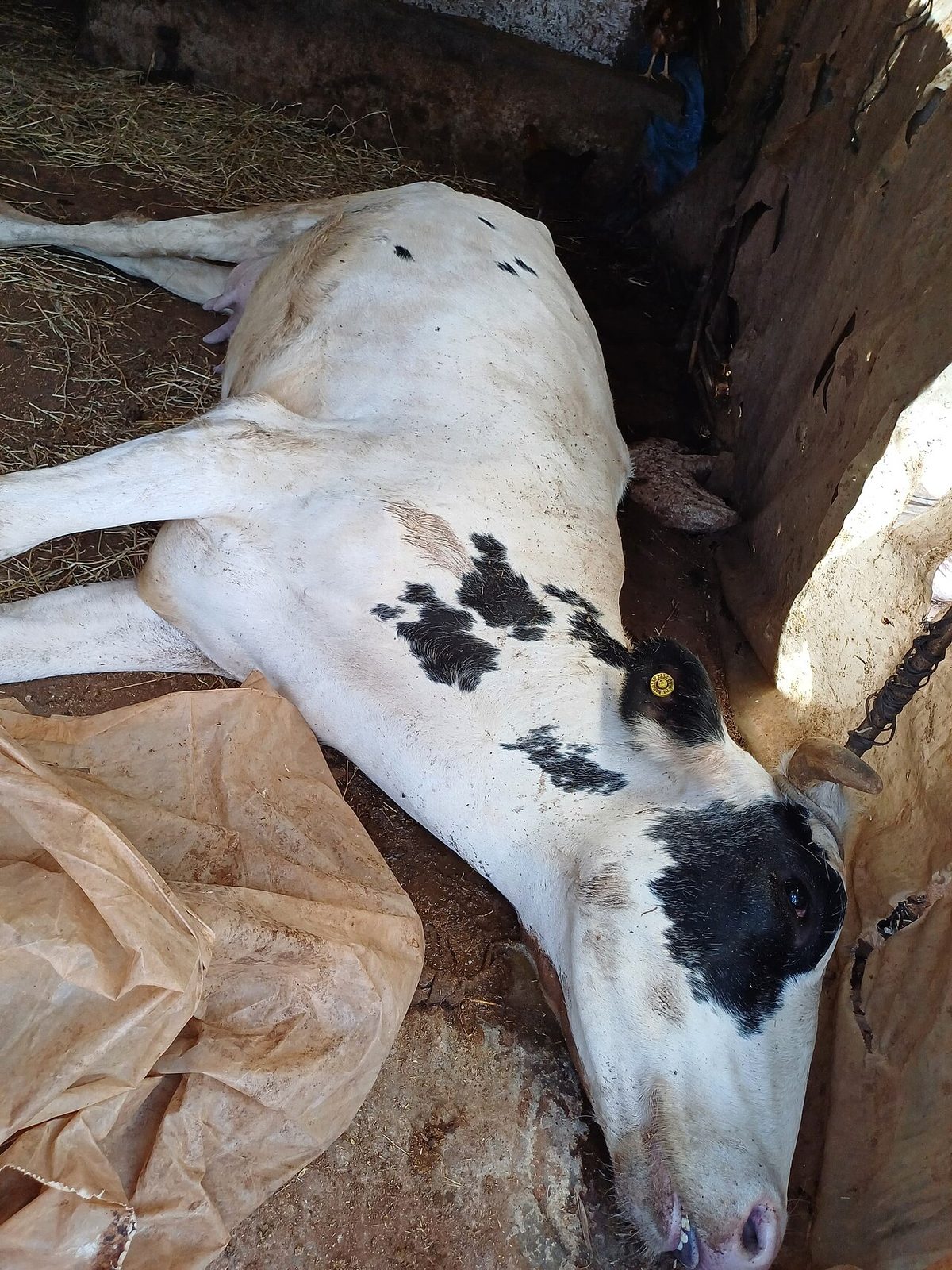
The White Park is described as a medium-large, long-bodied bovine. Its coat is a distinctive porcelain white, and the colour sits on the "points" — the ears and the feet — in black or red. That white body with coloured ears and feet is the breed's signature, and once you have seen it you will not confuse it with much else.
Cow horns and bull horns are not the same
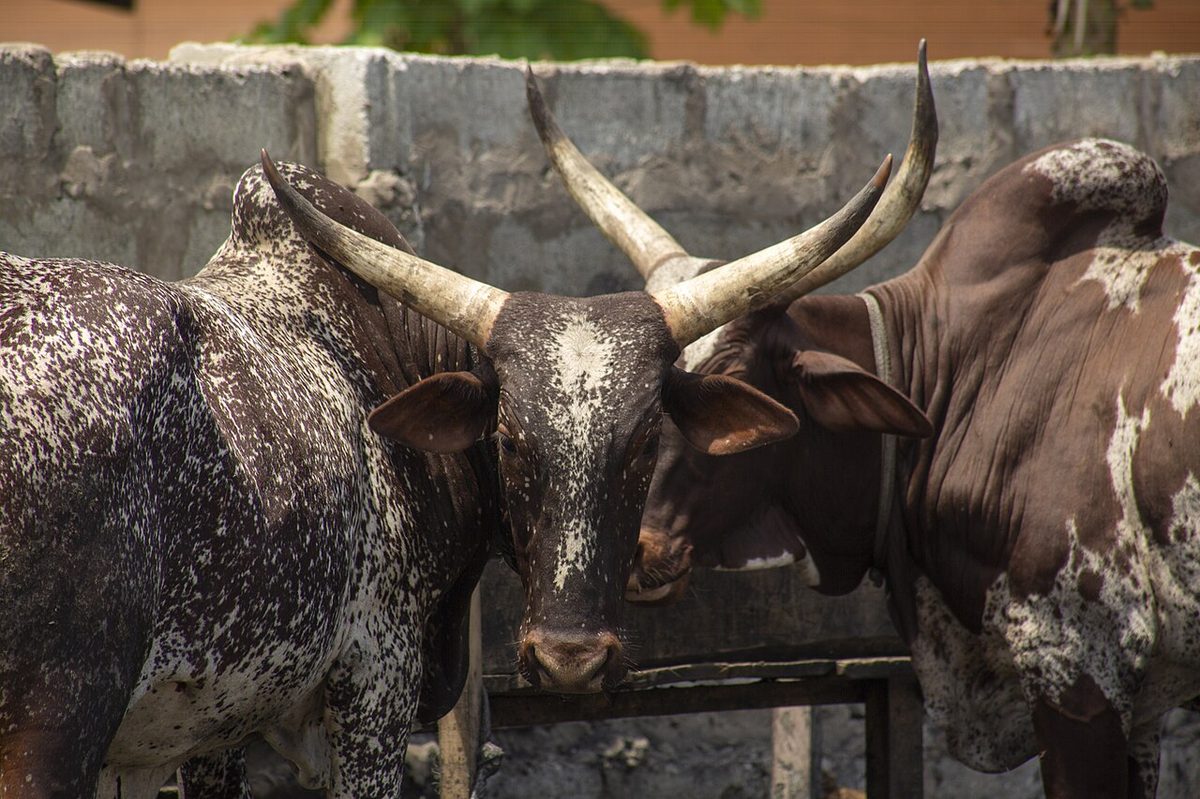
This is the part most people get wrong. In the White Park, the two sexes carry quite different horns:
- Cows: horn shape can vary from animal to animal, but the majority grow forwards and upwards in a graceful curve.
- Bulls: horns are thicker and shorter.
So a herd of White Park cows read as tall, forward-sweeping heads, while the bulls carry a heavier, stubbier set. Within the cows there is real variation — some curve more, some less — so if horns matter to you, look at the individual animal, and if possible at her dam, rather than assuming every cow in the breed looks the same.
How big do they get?
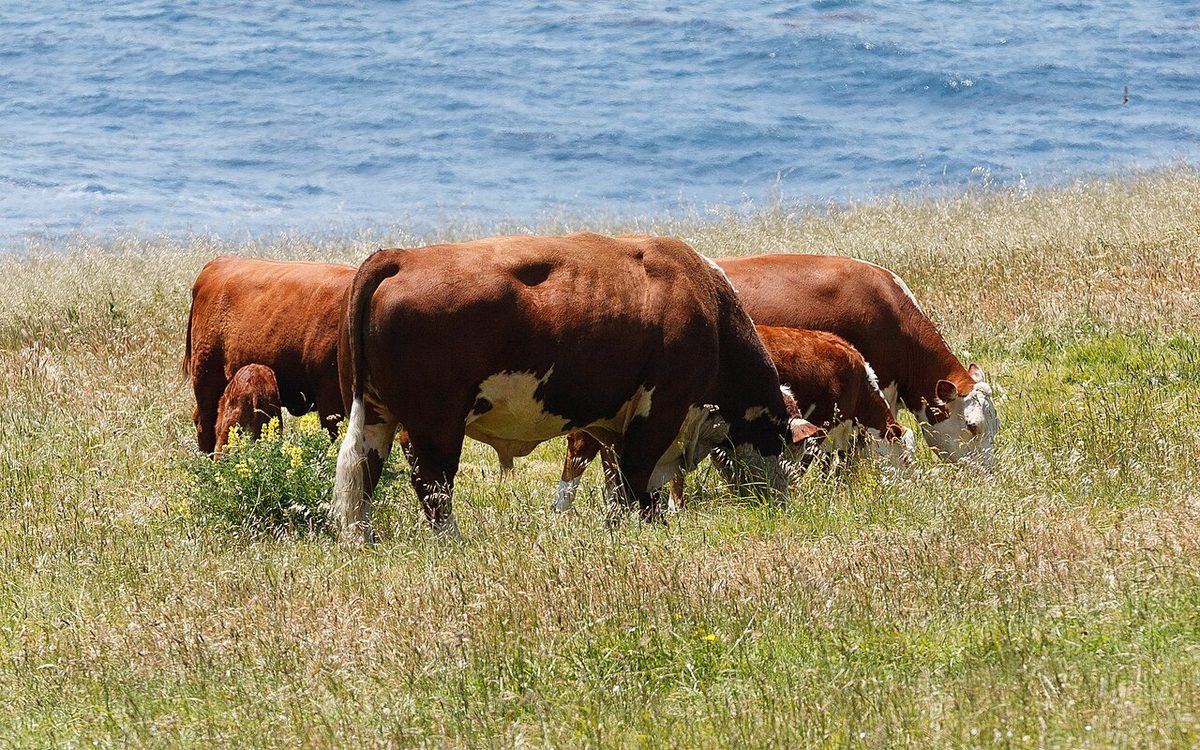
This is a medium-large breed, in other words a proper beef animal but not a giant. Growth depends a lot on how well they are fed:
| Animal | Typical weight |
|---|---|
| Mature bull | 800 to 1,000 kilograms (1,800 to 2,200 lb) |
| Adult cow | 500 to 700 kilograms (1,100 to 1,500 lb) |
The bull's weight in particular varies with the quality of grazing. There is also a UK linear assessment programme, run since 1994 and covering 200 bulls and 300 cows, whose job is to define the breed's size and conformation — so breeders do take type seriously rather than letting it drift.
A medieval herd with a very modern problem
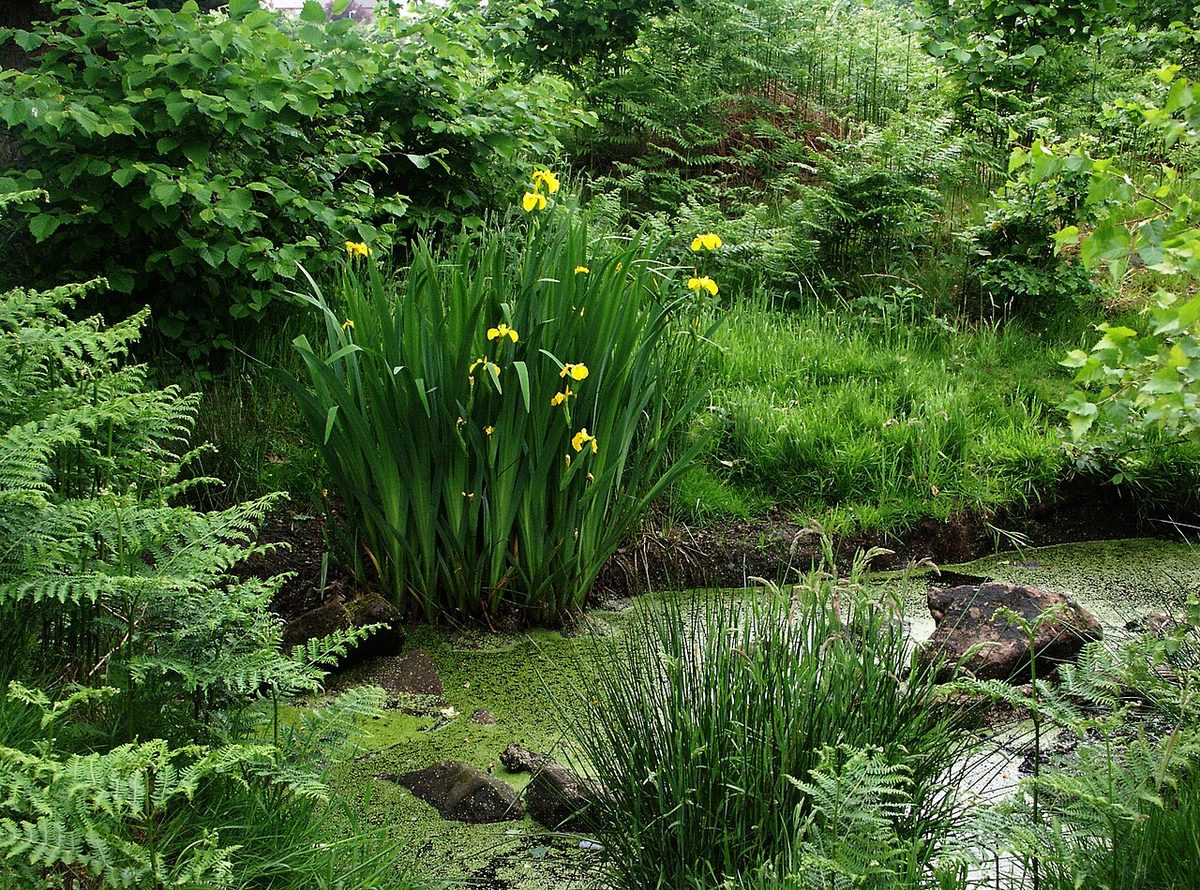
The White Park is a modern British breed, established in 1973 to bring together several herds or populations of colour-pointed white cattle. But its roots go back much further. In 1225, under legislation passed by Henry III, several parks were enclosed and herds were "emparked" — including the herds at Chartley and Chillingham in England and Cadzow in Scotland.
There were more than a dozen white park cattle herds in Britain in the early 19th century. Most were exterminated by the turn of the next century. Registration of the cattle ceased during the Second World War and only recommenced after the Rare Breeds Survival Trust was formed in 1973. By 1946 just the Dynevor, Woburn, Whipsnade and Cadzow herds survived as domesticated herds. In 2013 a small herd was moved to the Isle of Man for conservation reasons.
Chillingham and Vaynol are now separate breeds
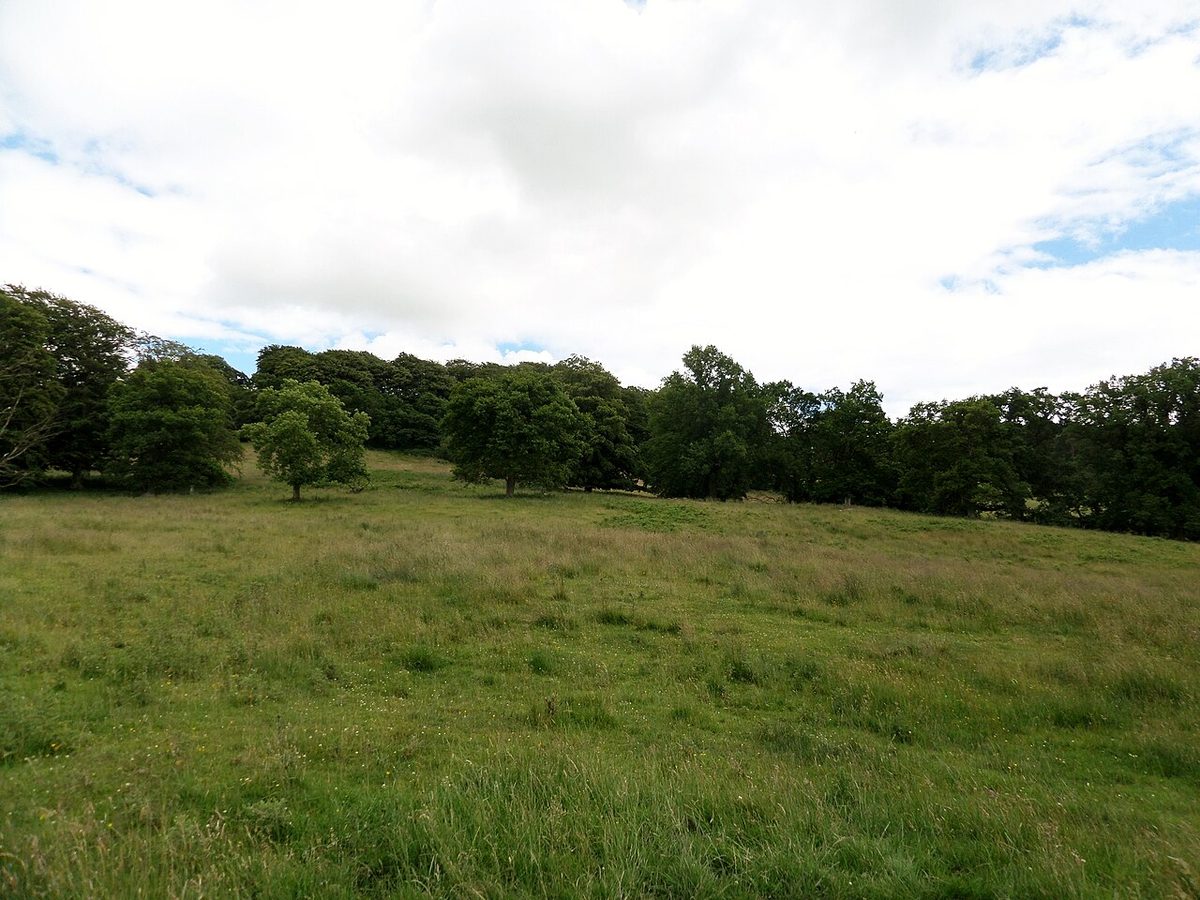
Two semi-feral populations of these cattle were later given separate breed status: the Chillingham Wild Cattle in Northumbria, and the Vaynol herd from Gwynedd in North Wales. That matters if you are buying stock and expecting "the old blood" — they are not White Parks in the modern registration sense.
How many are left?
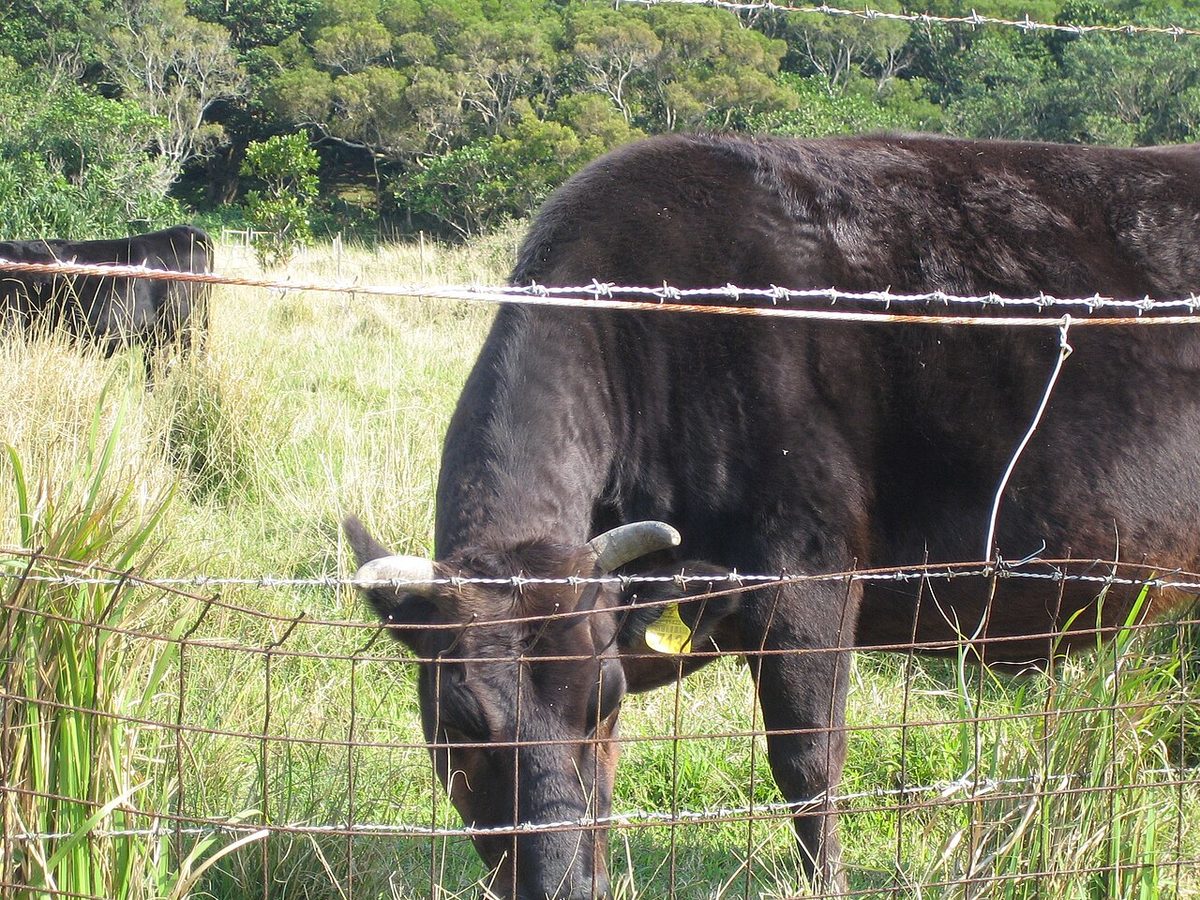
In the twenty-first century the White Park is described as endangered. In 2023 it was listed as "at risk" on the watchlist of the Rare Breeds Survival Trust. The numbers have grown, though: breeding cows in the UK now exceed 1000, and the global population is given as almost 2,000 purebred females, plus bulls and young stock.
In 2023 the breed was reported to DAD-IS by four countries: Australia (where it may be extinct), Canada, the United Kingdom and the United States. So availability outside the UK, Canada, the US and New Zealand is not something you can assume.
Inbreeding, genetics, and what that means when you buy
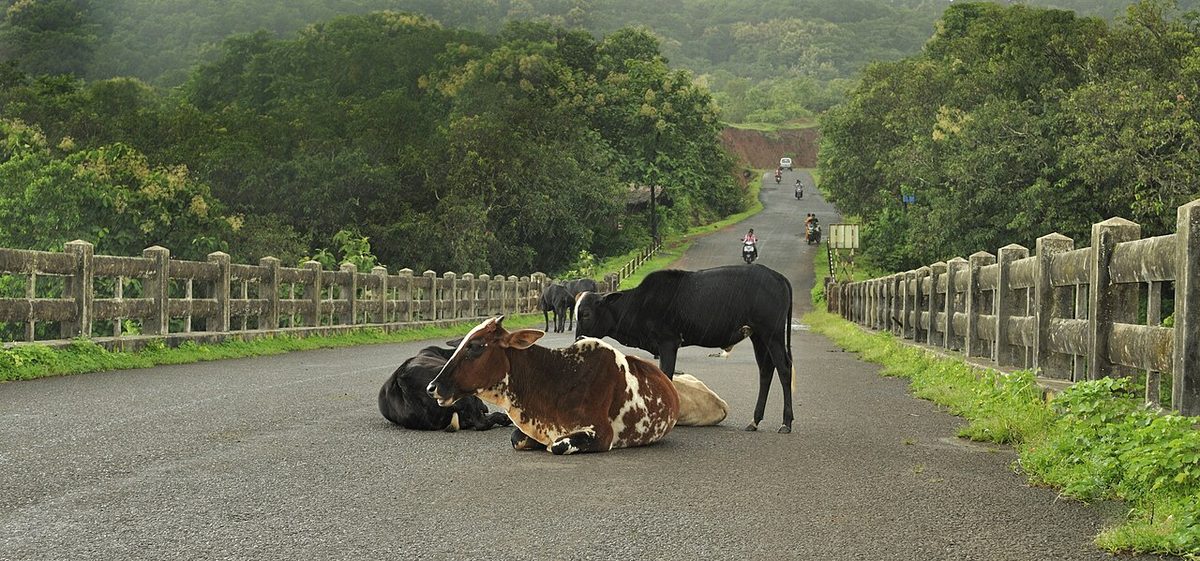
This is the trade-off nobody mentions in the sales talk. The breed's heterogeneity is low because of inbreeding through much of the twentieth century.
- Faygate Brace, born in 1906, contributed around 40% of the ancestry of the breed by the 1940s.
- Whipsnade 281, born in 1956, repeated that pattern in the second half of the century.
- His grandson, Dynevor Torpedo, is now the dominant influence in the breed.
- Two herds — Dynevor and Chartley/Woburn — have been the dominant influences throughout.
What that means for you in practice: ask questions about pedigree and relatedness before you put a bull to a group of cows. Most national populations have been DNA tested to verify parentage, to confirm the provenance of products, and to allow applicant animals to be assigned to the breed — so the paperwork usually exists if you ask for it.
Genetically, the White Park sits a fair distance from other British cattle breeds. Studies of blood type polymorphisms put it closest to the Scottish Highland.
What White Park cattle are like to keep
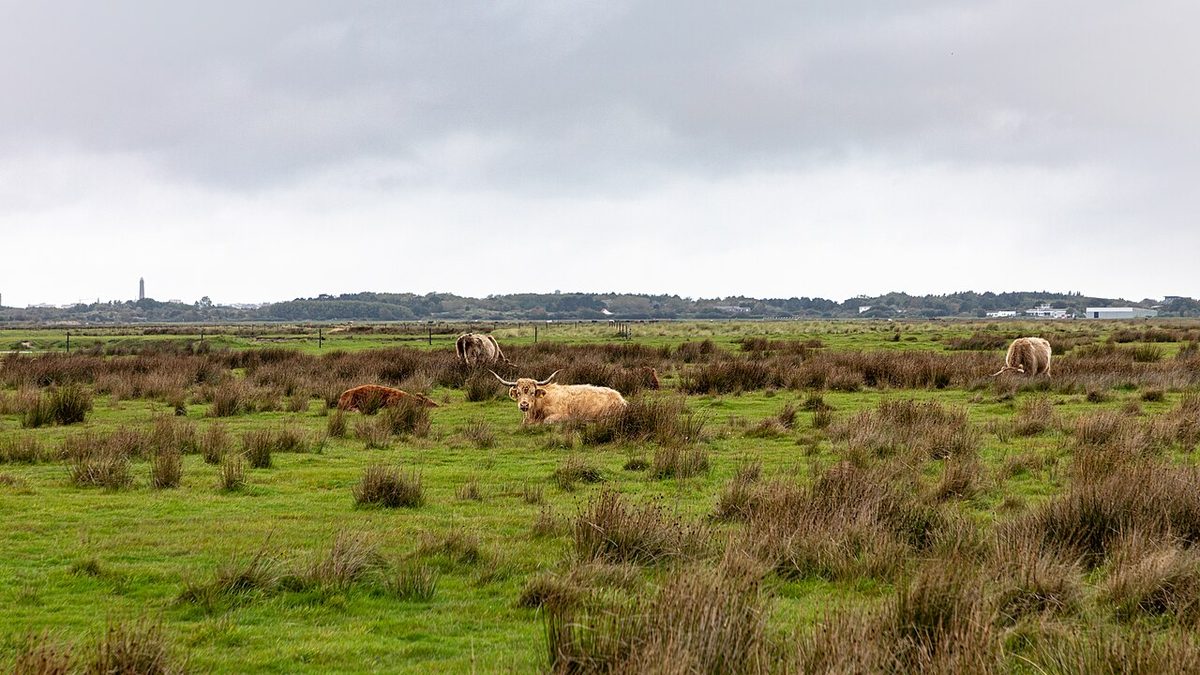
In their native environment in Britain, these cattle are known for their appearance and for their grazing preference for coarse terrain. They are described as well-suited to non-intensive production.
Some herds are kept outside throughout the year on rough upland grazing, without shelter and without supplementary feed. It is worth reading that sentence again, because for many keepers that is the whole appeal: low input, low housing, low cost — if your land suits it.
The breed is also described as docile, easy-calving and long-lived productively. Note the qualifier, though: some traits may vary depending on location. So do not buy a truckload on the strength of one sentence; go and see how the cattle are kept near you, on land like yours.
Historically this was a triple-purpose breed — meat, milk and draught. The 3rd Lord Dynevor (1765–1852) kept a team of draught oxen, and the practice continued up to 1914. They were used as dairy cattle even more recently: some cows were milked in the Dynevor herd in 1951, but yields were moderate.
Beef became the main product during the twentieth century, and it gained a reputation as a textured meat with excellent flavour and marbling, commanding a significant premium in speciality markets. That is where the money is now.
Same breed, different names around the world
This trips people up badly when they go shopping abroad. In the United States the breed is known as the Ancient White Park, to keep it apart from the hornless American White Park — which is a population of the British White, and a different breed altogether. If you are buying in the US, make sure you know which of the two you are looking at. One is white and horned; the other is white and hornless.
Where the breed has travelled:
- 1921 — animals exported to Denmark.
- 1935 — from Denmark to Latvia.
- 1940 — one or two pairs from the Cadzow herd went to Canada; some of their Canadian-born offspring went to the Bronx Zoo, and later to the King Ranch in Texas, where they stayed for nearly forty years.
- 1972 — from Latvia to Germany.
- 1987 — cattle exported to Australia.
- 2014 — fertile embryos imported into New Zealand for IVF into donor cows, where a herd has now been established.
Worth knowing too: the colour-pointed coat pattern is not unique to the White Park. It also appears in the Irish Moiled, the Blanco Orejinegro, the Berrenda, the Nguni and the Texas Longhorn, among others. That is a coat pattern they share, nothing more — no horn measurements are recorded here for any of those breeds, so do not read the list as a ranking of horns.
What a heifer is worth — our own figures
Here is the one market anchor we hold ourselves, and it is worth being straight about what it can and cannot do.
Our own recorded figures for heifers cover 1,957 rows. The lowest recorded price is €2 per kg, the highest is €9 per kg, and the average is €6 per kg. The most recent observation date on those rows is 2026-11-01. Sample rows and manually entered rows are excluded.
Two limits you must keep in mind:
- The series does not record breed. So it cannot be isolated to horned or large-horned cattle, and it is not a White Park price. It is a general heifer anchor and nothing more.
- The rows are held for all countries together, so it is not a figure for your local market either.
Also note that our own data is not all in one currency — cattle heifer figures are quoted in € per kg, while other parts of our data are printed in other currencies entirely. Compare like with like, and before you agree a price, ring a local dealer or market and ask what heifers are making in your area this month.
What these records do not tell you
Being honest about the gaps saves you from making an expensive mistake. Nothing here covers the following, and you should not let anyone fill them in for you with a confident number:
- No horn measurement of any kind — length, spread, circumference or weight — for the White Park or any other breed.
- Nothing on whether horn size or shape affects handling, transport, housing, crushes or sale value.
- No rules or regulations on keeping, moving or transporting horned cattle in any country, and nothing on whether dehorning is permitted or required.
- No breeding, feeding, growth rate, carcass weight or finishing data.
- No description of how the breed performs outside Britain — heat tolerance, disease profile and grazing suitability elsewhere are simply not covered.
- No price for the White Park or for any other horned breed.
Where you need those answers, they depend entirely on your own local situation. Talk to a nearby vet about handling and health, a dealer or auctioneer about what sells, and the relevant agriculture office about movement, transport and any dehorning rules where you farm. That is not a brush-off — it is genuinely how these questions get answered, country by country.
The bottom line
The White Park is the cattle breed to look at if you want genuine horn presence: cows with horns sweeping forwards and upwards, bulls with horns thicker and shorter, on a medium-large, long-bodied, porcelain-white animal with black or red ears and feet. Mature bulls run 800 to 1,000 kilograms (1,800 to 2,200 lb) depending on grazing, and cows 500 to 700 kilograms (1,100 to 1,500 lb).
It is a low-input, outdoor, rough-grazing breed — some herds live out all year with no shelter and no supplementary feed — and it is docile, easy-calving and long-lived productively, though some traits vary by location. It is also rare: "at risk" on the 2023 Rare Breeds Survival Trust watchlist, with UK breeding cows now above 1000 and almost 2,000 purebred females worldwide. On price, our own heifer figures run from €2 to €9 per kg, averaging €6 per kg, but they carry no breed detail at all.
If you want to see how the White Park sits alongside the rest of the animal world, our A–Z index covers 552 animals and is a good place to start browsing. And if horns are the whole point for you, go and stand next to the cattle before you buy. Shape and sweep are things you judge with your eyes — which is just as well, because nobody has ever written the numbers down.
 Menu
💬 Comments
Login to comment
No comments yet. Be the first to share your experience!