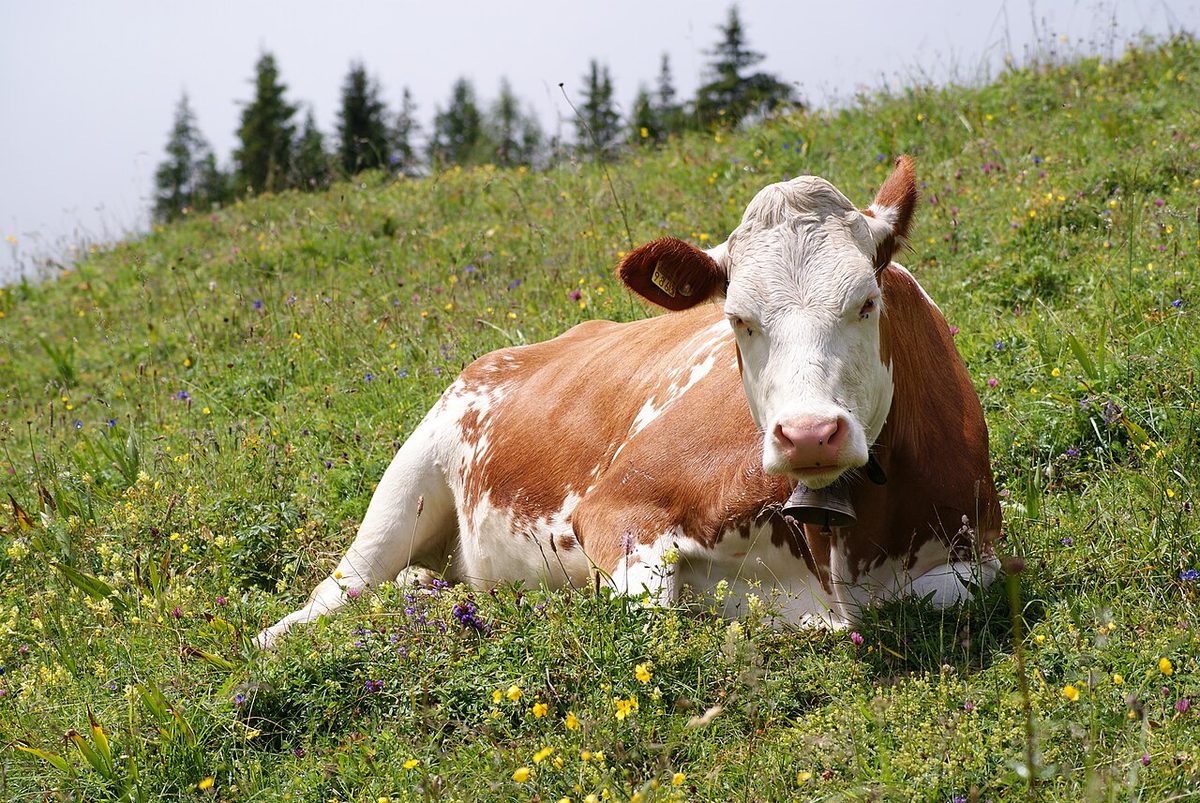
If you want the short answer, here it is: no single cow breed wins on milk alone. The breed lists used by most dairy references point to the Holstein Friesian as the breed dairy operators most notably favoured for high milk production, with the Jersey, Brown Swiss, Guernsey and Ayrshire behind it — but none of those names comes with a yield figure attached. What actually decides whether you make money is how well the breed fits your climate, your feeding system and the market you sell into.
First, What "Dairy Cattle" Actually Means
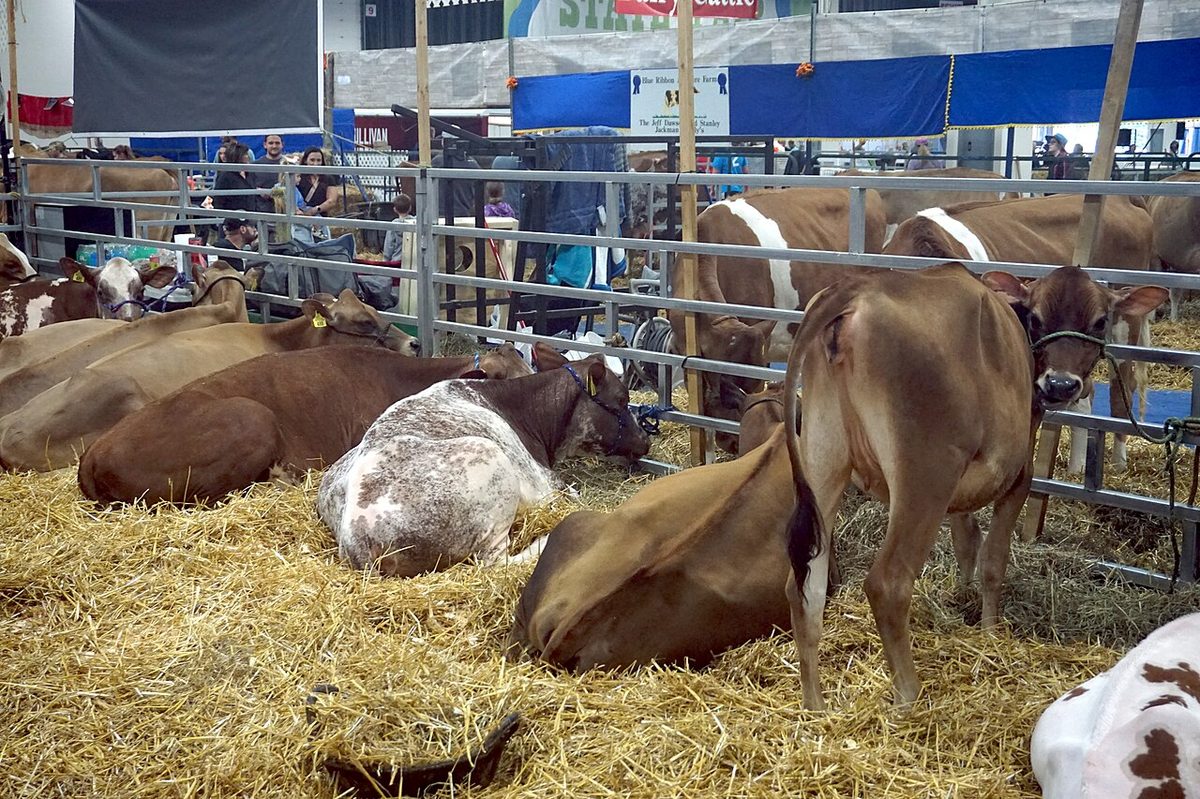
Dairy cattle belong to the genus Bos, and usually to the species Bos taurus. They are cattle bred for one purpose: producing large quantities of milk. That milk does not only leave the farm as drinking milk. It becomes cheese, yogurt, ice cream and many other products.
It is worth remembering that this specialisation is recent. Before the 1930s, cattle were generally raised for several uses at once — dairy, beef, and sometimes work. The same stock often supplied both meat and milk. The single-purpose dairy herd you see today is a 20th-century idea, not an ancient one.
The Five Mainstream Dairy Breeds
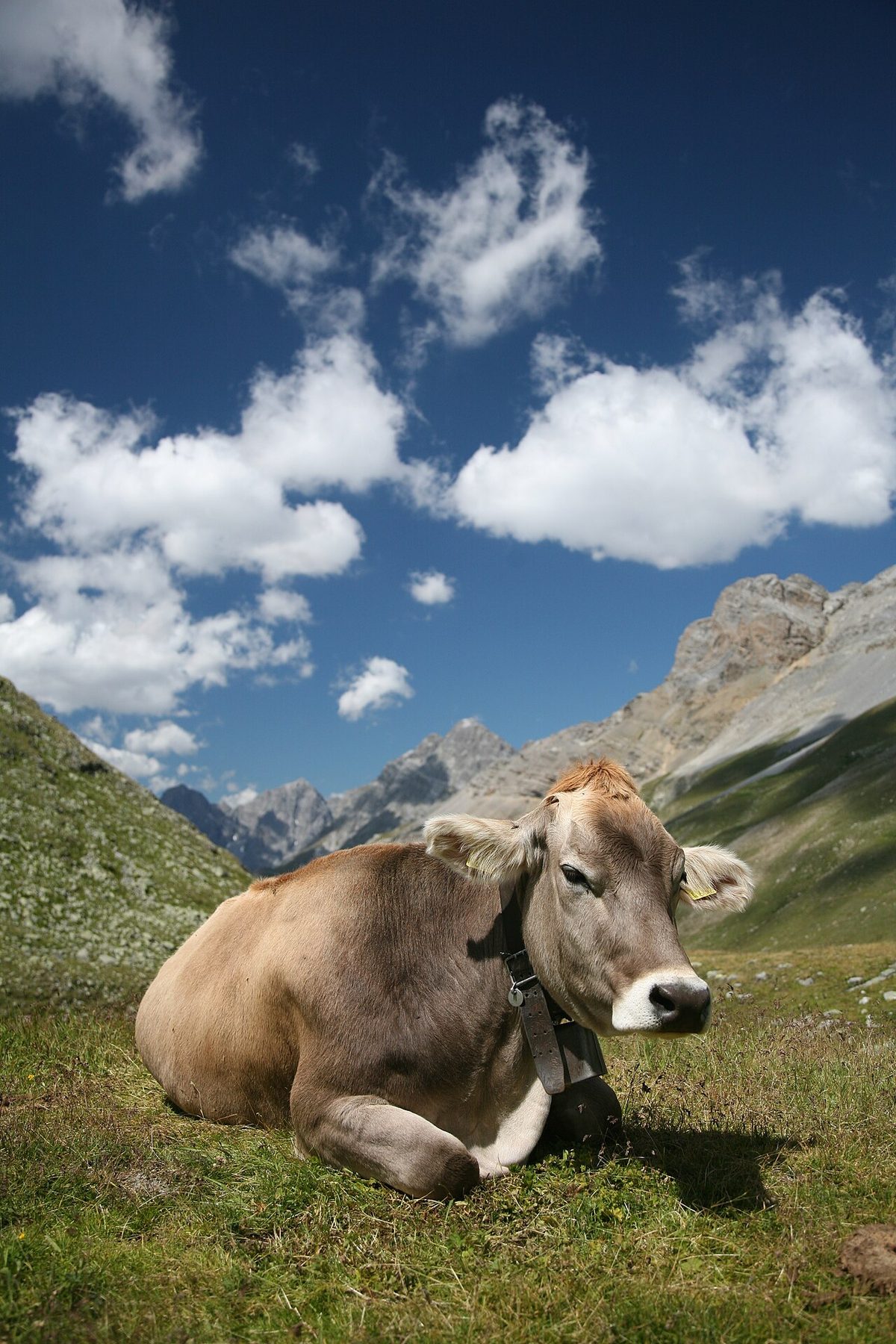
As the industry specialised its herds through the 20th century, dairy operators went looking for breeds bred specifically for high milk production. Five names came to dominate that list.
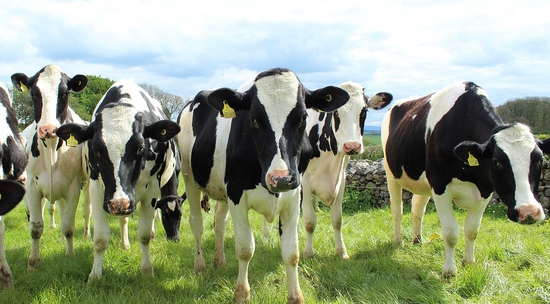
- Holstein Friesian — the breed the industry most notably favoured for high milk production.
- Jersey — one of the other main contemporary dairy-focused breeds.
- Brown Swiss — likewise.
- Guernsey — likewise.
- Ayrshire — likewise.
Here is the honest catch, and it matters: there are no yield figures given for any of these five. No litres per day. No litres per lactation. So this is a list of names, not a ranking. Anyone who tells you breed number one beats breed number four by a set number of litres is working from something other than this breed list, and you should ask them where their number came from.
Bos taurus or Zebu? That Is a Climate Question
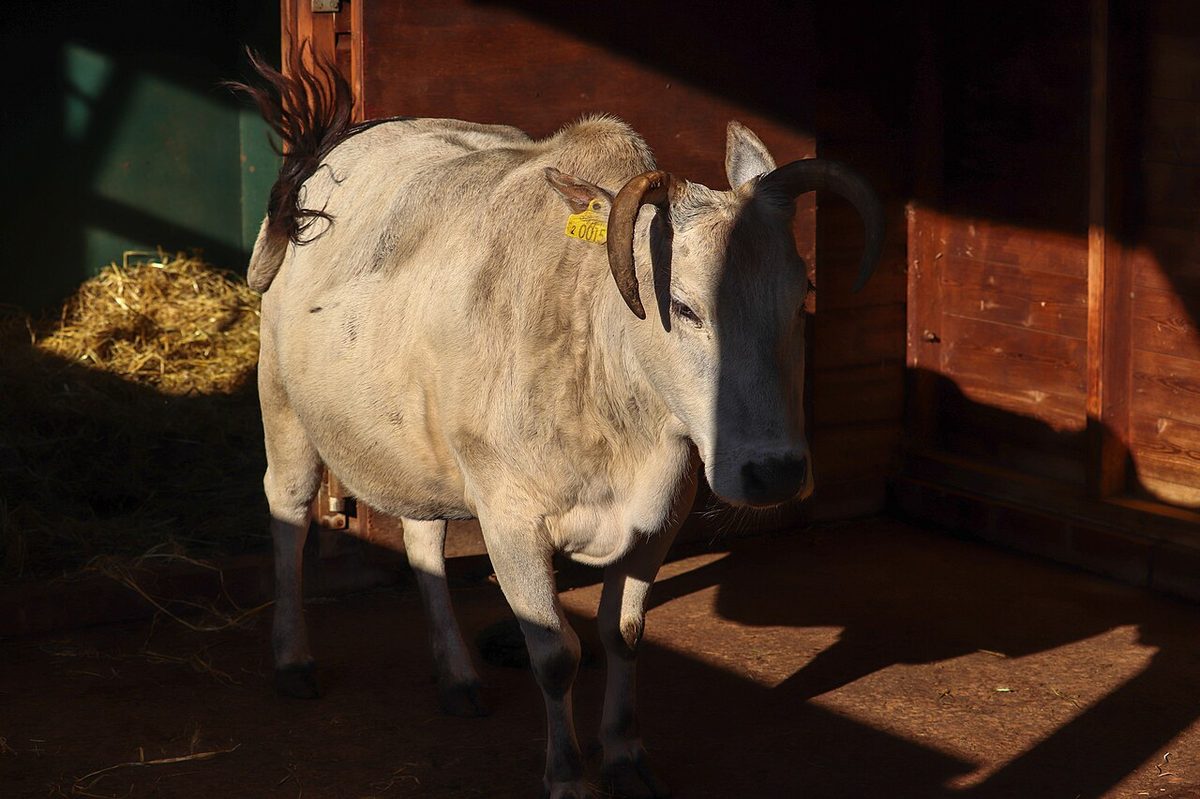
In temperate locations, Bos taurus is the most common dairy cattle. In some tropical regions, zebu — Bos indicus — are seen instead.
That is the whole of the climate picture available here. There is no comparison of milk yield, heat tolerance, feed conversion or disease resistance between the two groups. So do not read it as "zebu give less milk" or "European breeds cannot handle heat." Neither claim is supported.
What you can take from it is simpler and still useful: the temperature and humidity of your farm are a first-order filter on which type of cattle suits you, and that filter comes before any breed brand name. If you farm somewhere hot, talk to a local vet or an experienced dairy farmer in your area about what actually thrives there, because that answer changes from district to district.
What a Dairy Cow's Year Looks Like
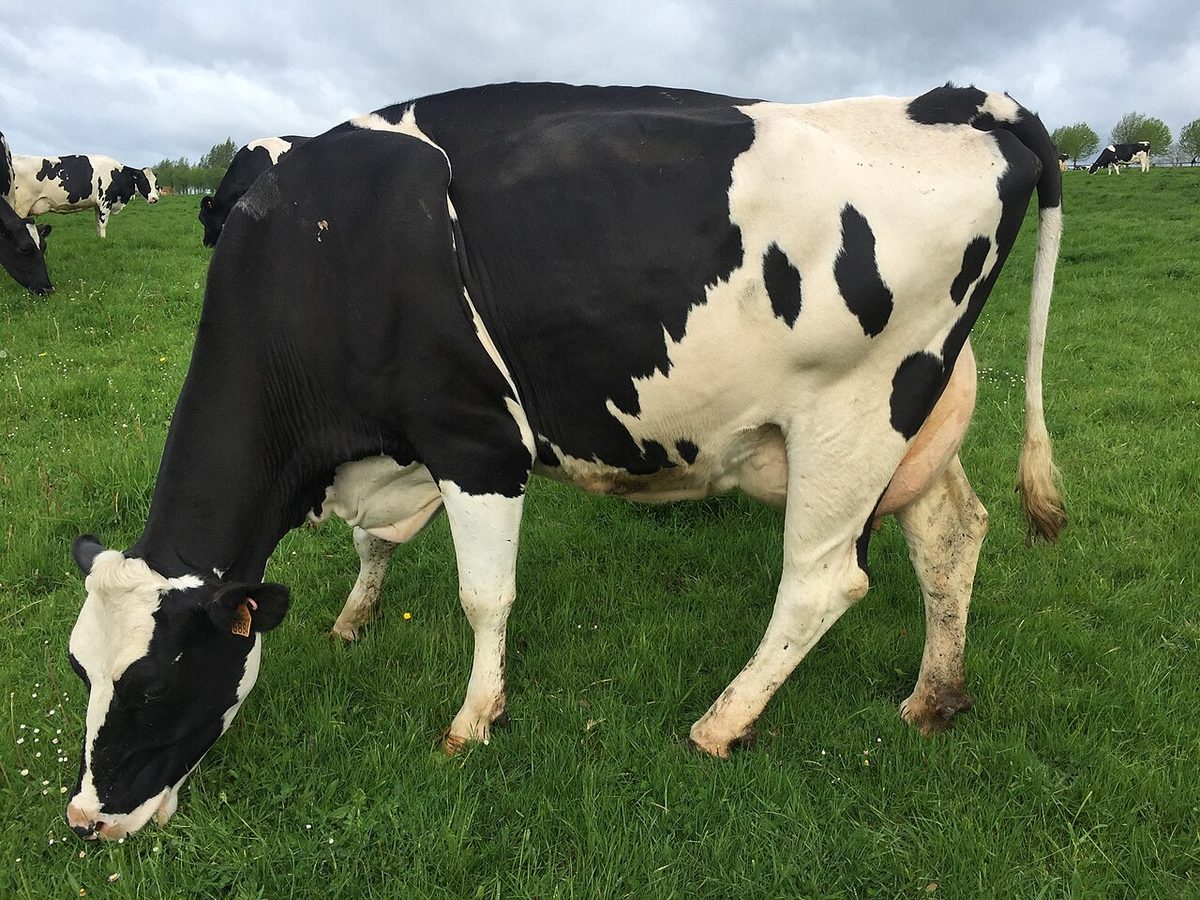
Whatever breed you keep, the production cycle runs on fairly fixed timings. Knowing them helps you plan feed, labour and cash flow.
Breeding
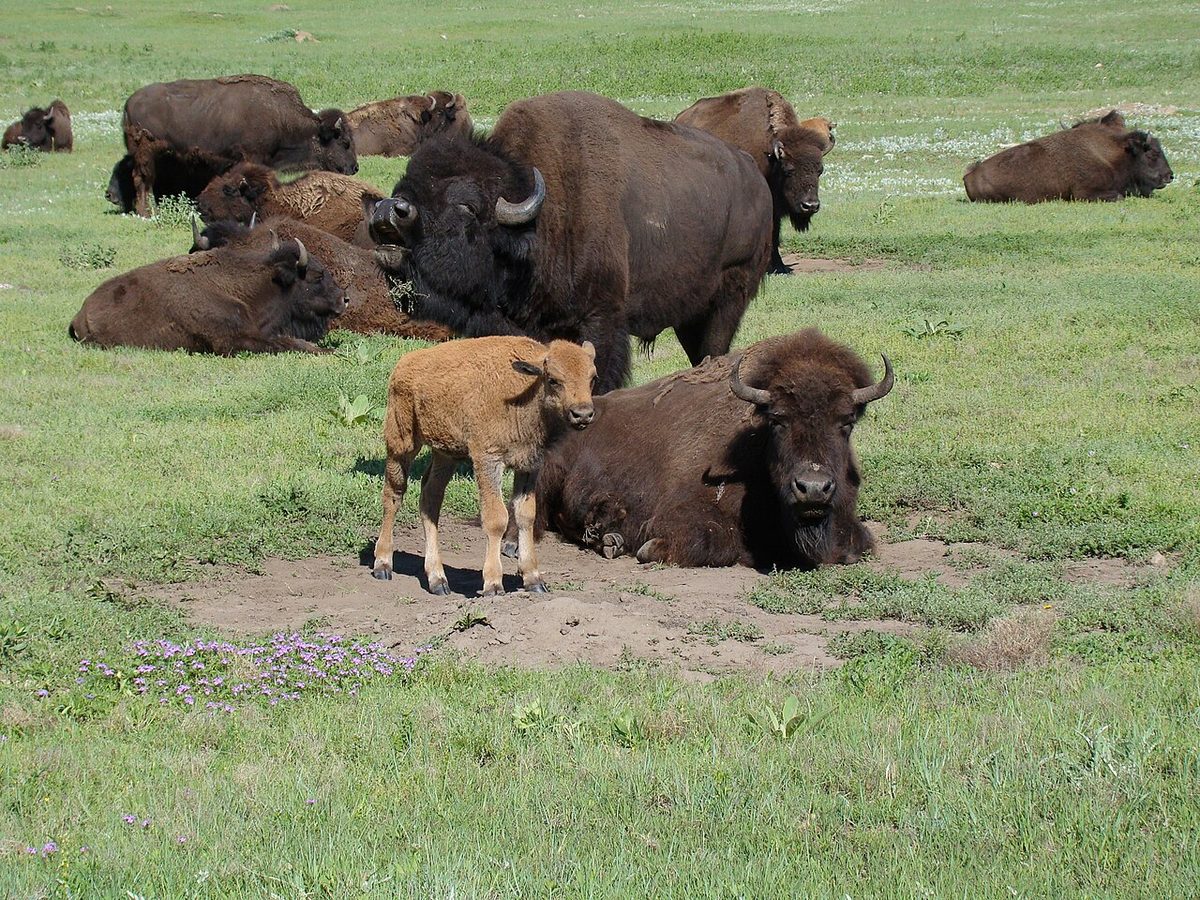
The cycle usually begins when the heifer is around 13–14 months old. In older systems she was served directly by a bull. In contemporary systems it is largely done by artificial insemination.
Gestation and lactation
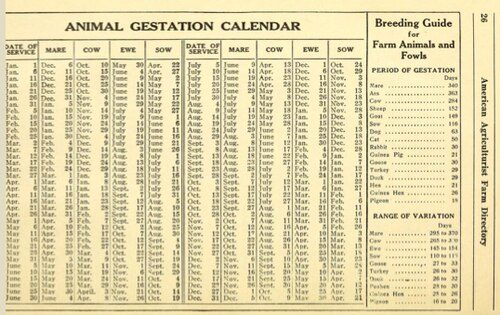
Gestation lasts around nine months. The cow then produces milk for around 10 months.
The dry period
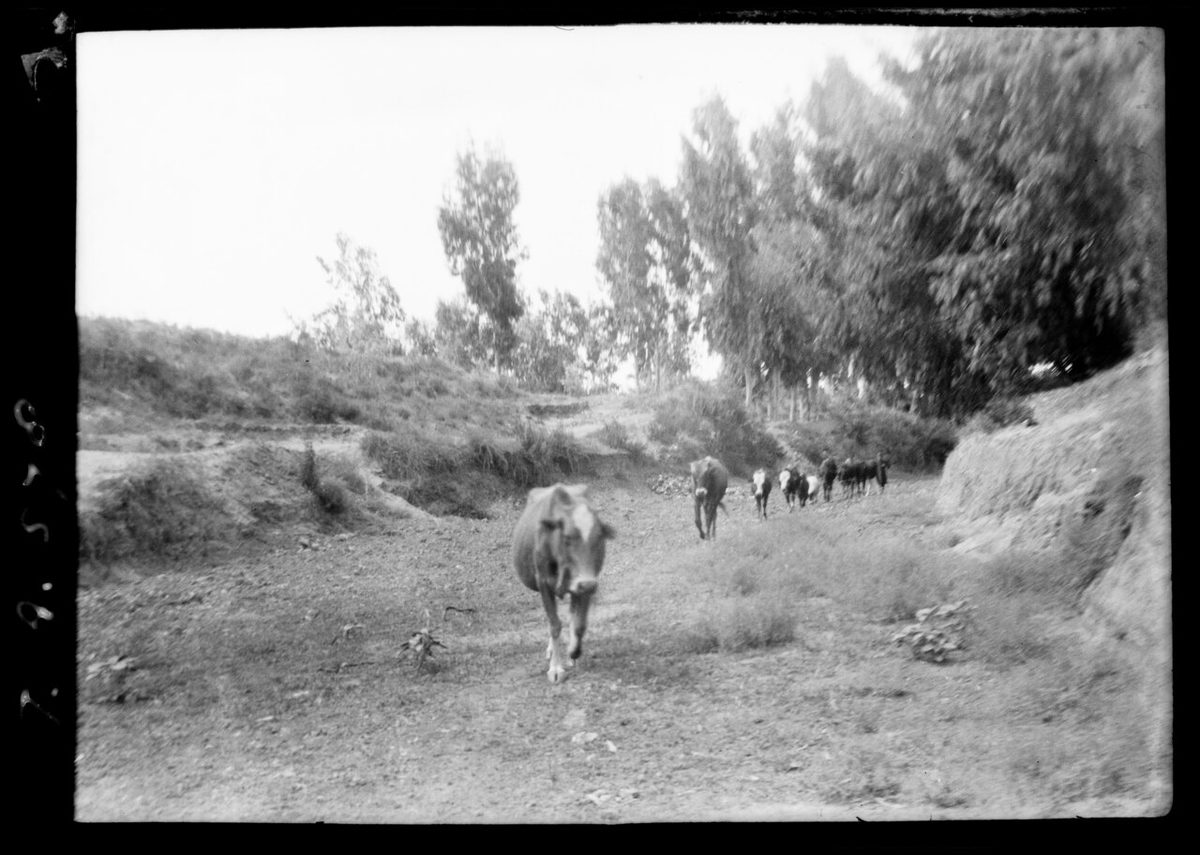
If she is bred again, she is given around two months off before the next calf is due. The whole cycle then repeats until it is no longer economical to keep her producing.
When she leaves the herd

Culling is an economics decision, not a sentimental one. Once feeding a cow costs more than replacing her with a new heifer, she is sold and slaughtered. Her carcass goes largely to meat, generally as ground beef, and can also be used for rendering. Critically, she sells at a lower price than specialised meat breeds would. That drop in value is part of the true cost of dairy farming, and it is easy to forget when you are looking at the milk cheque.
The Part That Decides Your Profit: What Milk Is Worth
This is where the real spread shows up. In our own recorded price observations for cow milk per tonne, the range is enormous. The table below is our own data, and every row is most recently dated 2025-01-31.
| Currency | Rows | Lowest | Highest | Average |
|---|---|---|---|---|
| EUR | 705 | EUR35 | EUR3795 | EUR464 |
| USD | 102 | USD381 | USD627 | USD486 |
| LKR | 49 | LKR13768 | LKR172472 | LKR127839 |
| HUF | 49 | HUF107140 | HUF234207 | HUF160684 |
| SEK | 49 | SEK4084 | SEK6750 | SEK5194 |
| BGN | 49 | BGN700 | BGN1121 | BGN880 |
| ILS | 97 | ILS1950 | ILS2738 | ILS2464 |
Look at the EUR rows for a moment. The lowest recorded figure is EUR35 per tonne and the highest is EUR3795 per tonne — roughly a hundred times apart. The average, EUR464, sits much closer to the bottom than the middle. In other words, most of our recorded observations are low, and a small number are extremely high.
That spread tells you something the breed list cannot: where you sell, and in what form, moves your income far more than which of the five breed names is written on your shed wall. A farmer selling into a high-value processing chain and a farmer selling raw locally can keep identical cows and earn very different money.
Other milks are even more volatile
For context, our records show goat and sheep milk trading across far wider bands than cow milk.
- Goat milk, EUR rows: EUR78 to EUR5968 per tonne, average EUR962, across 200 rows.
- Sheep milk, EUR rows: EUR96 to EUR12733 per tonne, average EUR1764, across 143 rows.
- Buffalo milk, BGN rows only: BGN1153 to BGN1576 per tonne, average BGN1371, across 49 rows.
What about live animals and processed products?
Our own figures hold 1,871 rows of cow prices recorded per kg: a low of €2, a high of €8 and an average of €5, most recently dated 2026-10-25. That is your replacement-stock and cull-cow reference point.
On the processed side, prices cluster tightly. Skimmed milk powder is recorded from €2 to €4 per kg, average €3, across 88 rows. Whole milk powder runs from €3 to €5 per kg, average €4, across 65 rows. Milk (powder) is also recorded in West African CFA francs at XOF2500 to XOF6000 per kg, average XOF3805, across 70 rows. Drinking milk per kg is recorded from €0 to €1, average €1, across 92 rows, and raw milk per kg from €0 to €1, average €0, across 77 rows.
Feeding, Calves and the Choices Nobody Warns You About
Intensive or extensive?
Dairy farming splits loosely into two systems, with plenty of gradations in between, depending on how cheap land is where you farm. Intensive systems keep cows indoors more often, in pens and stalls, with food intake managed closely using purchased feed, supplements and total mixed rations. Extensive systems let cows roam more freely outside on pasture, and they are then herded in to be milked. Neither is automatically better. It comes down to your land and feed costs.
Calf separation
In the dairy industry a calf is usually separated from her dam within three days after receiving colostrum, and raised on milk replacer, feed or pasture instead. Most dairy farms separate calves within a day of birth, to reduce disease transmission and to simplify management of the milking cows.
But the timing is not neutral. In studies where calves stayed with their mothers for 1, 4, 7 or 14 days, cows whose calves were removed more than one day after birth showed increased searching, sniffing and vocalisations. Calves allowed to stay longer gained weight at three times the rate of the early removals, and built better social relationships with other calves.
Milk replacer
Milk replacer is a feed based on dried milk powder. It is described as an economical alternative to feeding whole milk because it is cheaper, it can be bought at varying fat and protein percentages, and it is typically less contaminated than whole milk when handled properly. Some farms prefer to pasteurise and feed milk from cows in their own herd instead.
What happens to the male calves?
Nearly all male calves, and any excess female calves, are sold on the market, usually by two weeks of age. Males fetch a slightly higher price than excess females. Dairy bull calves are often sold as veal and slaughtered younger than beef breeds, and may be castrated if they will be turned out onto pasture. A very small minority of bull calves — generally descended from elite cows with a proven record of high-volume lactations — may enter progeny testing schemes to be considered as breeding sires.
How to Match a Breed to Your Farm
Since the breed names come without yield figures, the practical approach is to ask four questions in order, and answer them locally.
- Climate first. Temperate locations favour Bos taurus types; zebu are seen in some tropical regions. Which specific animals do well on your land is a local question — ask a vet or a nearby dairy farmer.
- Feeding system second. If you can buy feed and manage a total mixed ration, an intensive setup is open to you. If you rely on pasture, an extensive setup shapes everything else.
- Market third. Our records show cow milk per tonne running from EUR35 to EUR3795. Find out what milk actually fetches in your area, and in what form, before you buy a single animal.
- Exit value last. Remember that cull dairy cows sell below specialised meat breeds. Factor that into your numbers from day one.
A note if you are reading this from India or another tropical country
You may be wondering why no Indian breed appears above. The plain reason is that none is named in the breed lists behind this article — Sahiwal, Gir, Red Sindhi, Tharparkar, Kankrej, Rathi and crossbreds do not appear, and neither does any buffalo, even though buffalo milk dominates Indian dairy. Our own price records also hold no milk price in rupees; the rupee appears only against Cowpea rows, at ₹8 to ₹155 per kg. The nearest South Asian milk prices we hold are Sri Lanka's LKR rows, above.
So rather than guess, say it plainly: for Indian breed choice and Indian milk pricing, you need local information — your vet, your dealer, your co-operative or your local agriculture office. That is not a dodge. It is the only honest answer.
The Bottom Line
The breed list gives you five names — Holstein Friesian, Jersey, Brown Swiss, Guernsey and Ayrshire — and the Holstein Friesian is the one the industry most notably favoured for high milk production. But the list carries no yield numbers, so it cannot tell you who wins. What our own records do show is that milk value swings from EUR35 to EUR3795 per tonne, and the average sits near the low end. Choose a breed that suits your climate and your feed, then spend your real effort on the market you sell into. That is where the money is decided.
 Menu
💬 Comments
Login to comment
No comments yet. Be the first to share your experience!