The Earliest Friendship
The story starts long before anyone invented writing, farming, or cities. The oldest conclusively identified domesticated dog remains were found in Bonn-Oberkassel, Germany, and dated to roughly 14,223 years ago. This was not a wild animal that happened to die nearby. The dog had survived canine distemper as a puppy — a disease that in young animals is almost always fatal without care. Someone had looked after it. That act of care, thousands of years before the first harvest, is one of the earliest signs of the relationship we now take for granted.
Genetic studies push the origins even further back. DNA evidence suggests the divergence between dogs and their wolf ancestors may have started somewhere between 27,000 and 40,000 years ago, and some researchers believe domestication was already underway more than 25,000 years ago. The Bonn-Oberkassel remains give us a solid minimum date, but the full story is still being written in genes and fossils.
Dogs Across the World Today
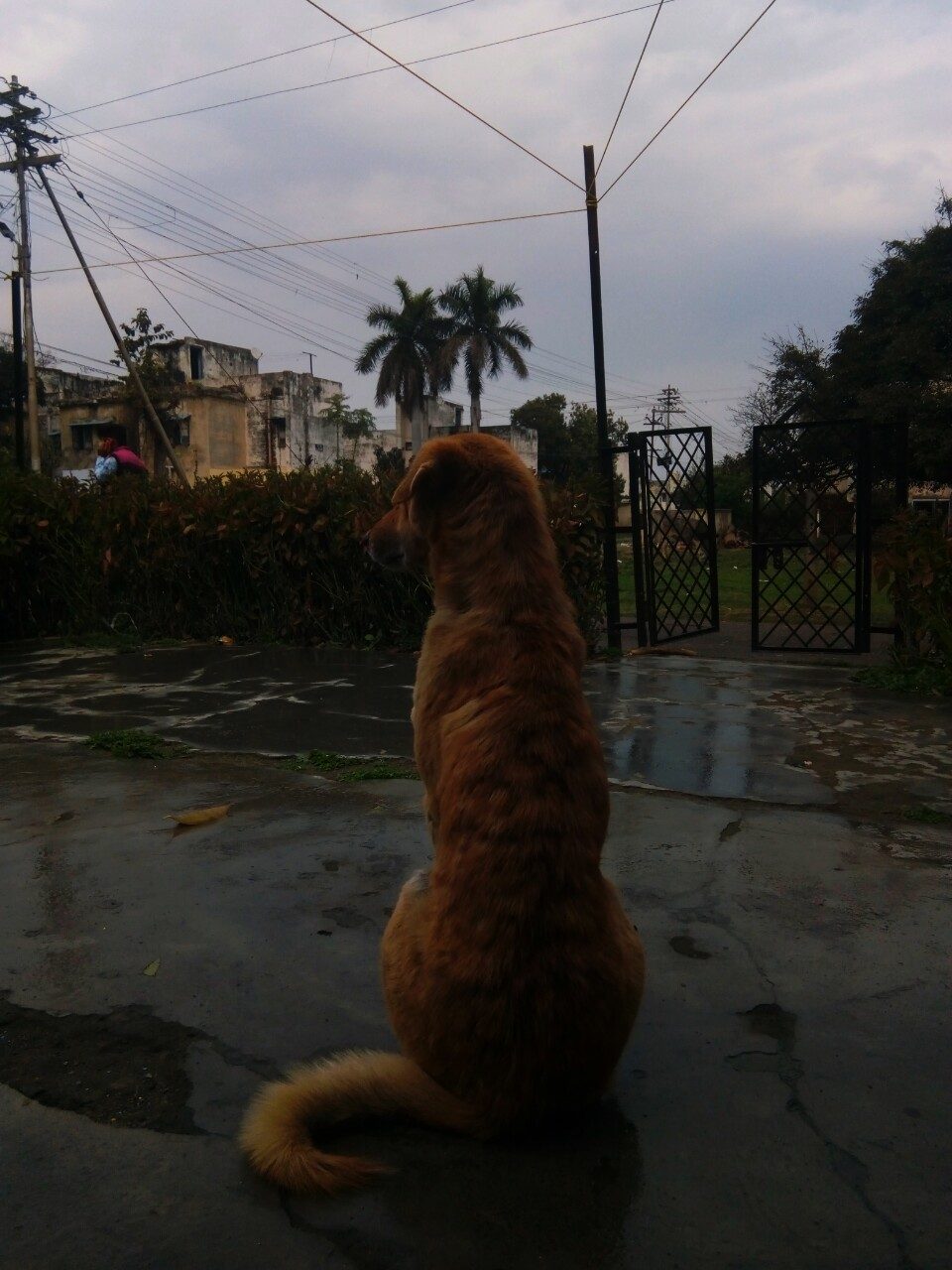
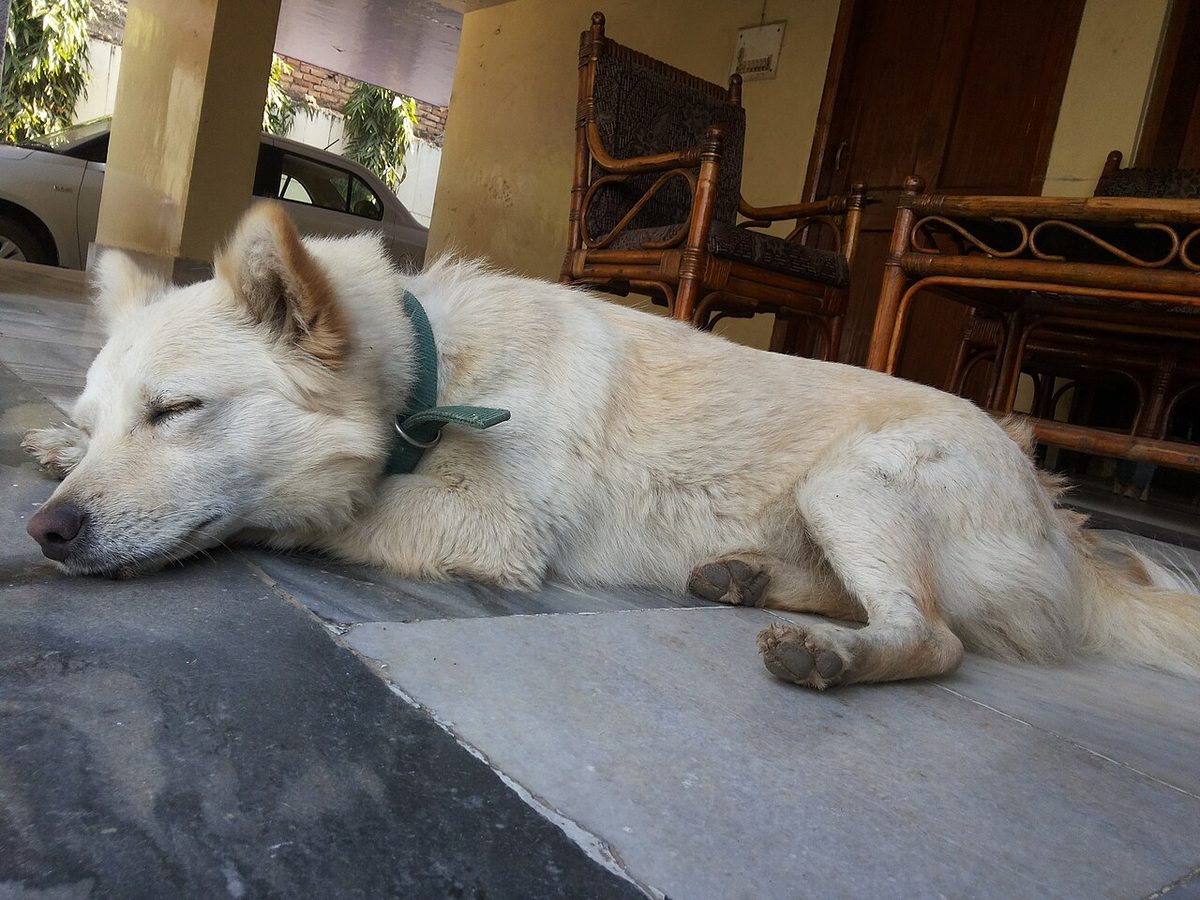
The friendship has lasted, and multiplied. Today, the global dog population is estimated at 700 million to 1 billion. Where these dogs live tells its own story. In developed countries, approximately 20% of the world's dogs share homes with people as companion animals. In developing countries, the picture shifts dramatically: around 75% of the global dog population lives as feral or street dogs, largely outside the formal pet-keeping system. In the United States, dogs are the most popular pet, present in 34 to 40% of households.
This divide matters. A dog that sleeps on your sofa and a dog that roams the streets live very different lives, face different risks, and interact with humans in very different ways. Yet both belong to the same species that chose — or was chosen by — our ancestors during the last Ice Age.
How Dogs Are Built for This Partnership

Living with humans for millennia has not just shaped dogs' behaviour. It has shaped their bodies and their biology.
A Stomach Made for Our World
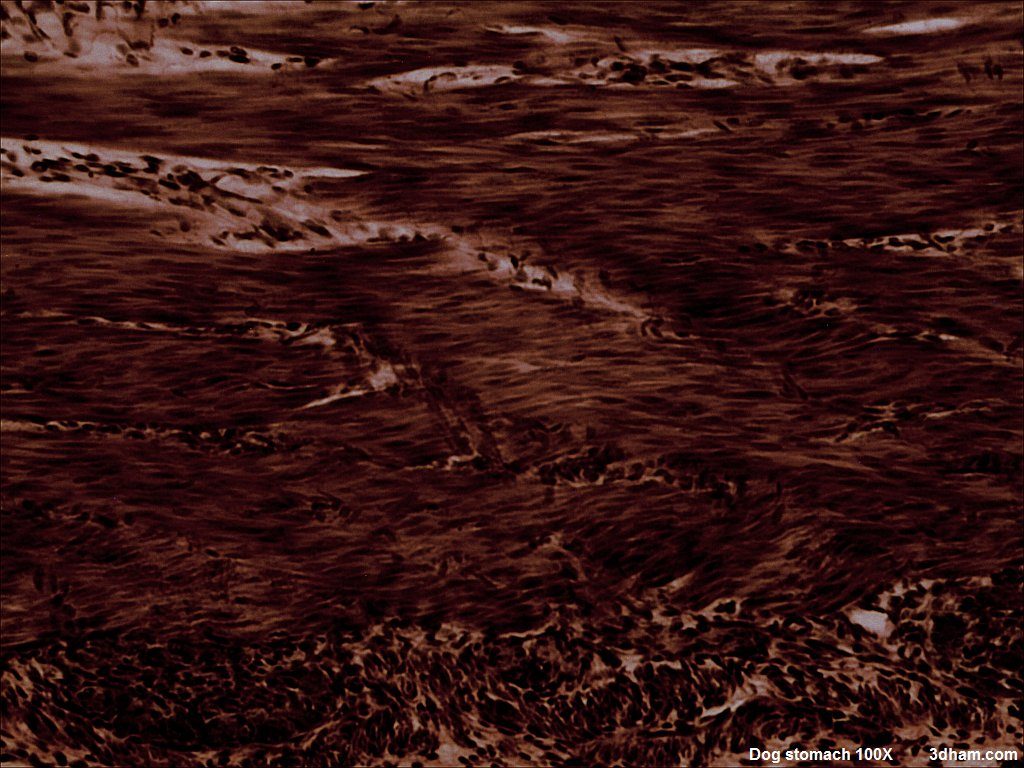
Wolves eat meat. Dogs, over thousands of years sharing human meals, have developed the ability to digest starch-rich diets — something that would leave other canids struggling. This is one of the clearest signs that dogs and humans have been evolving together, not just living near each other. Our scraps helped make them what they are today.
Senses That Rival and Surpass Ours
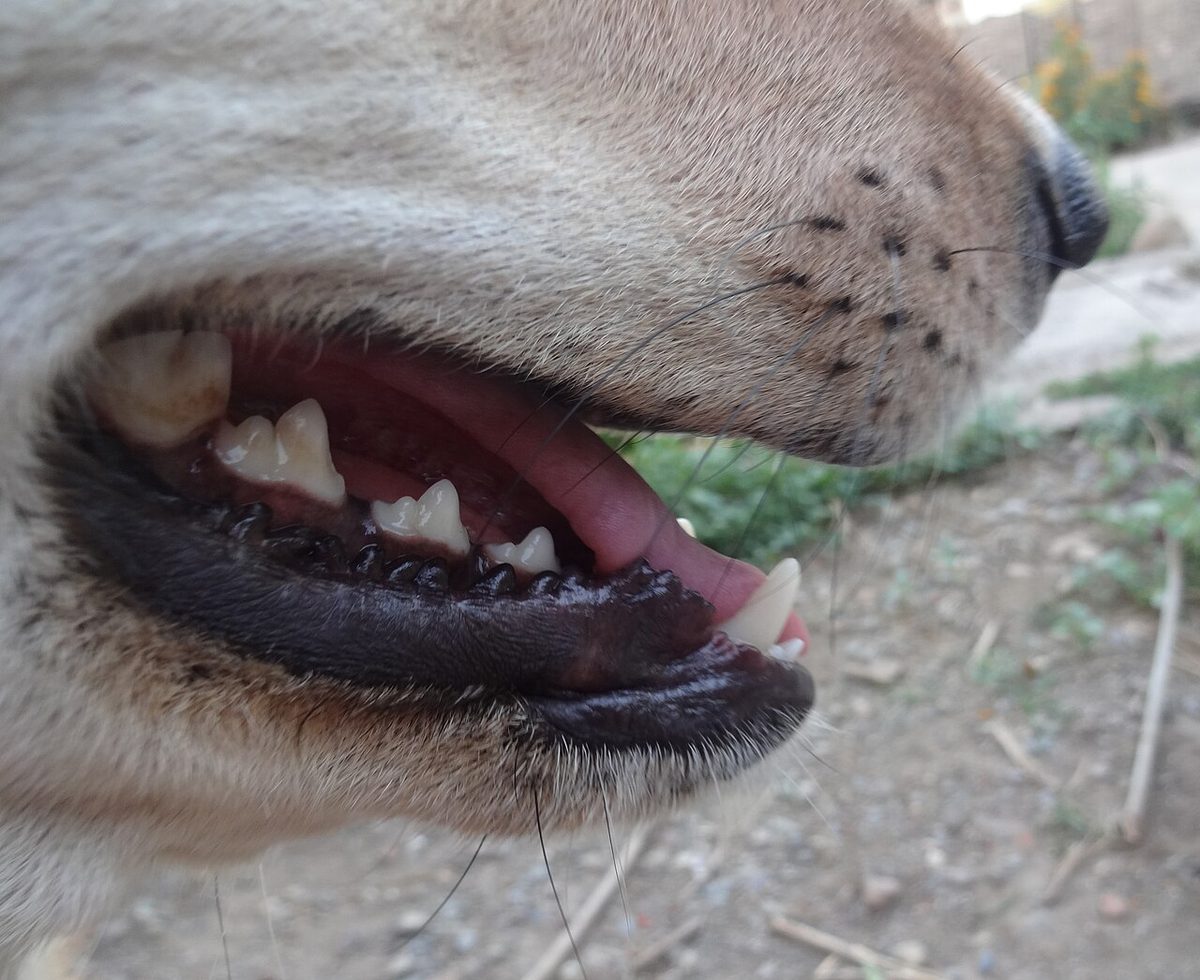
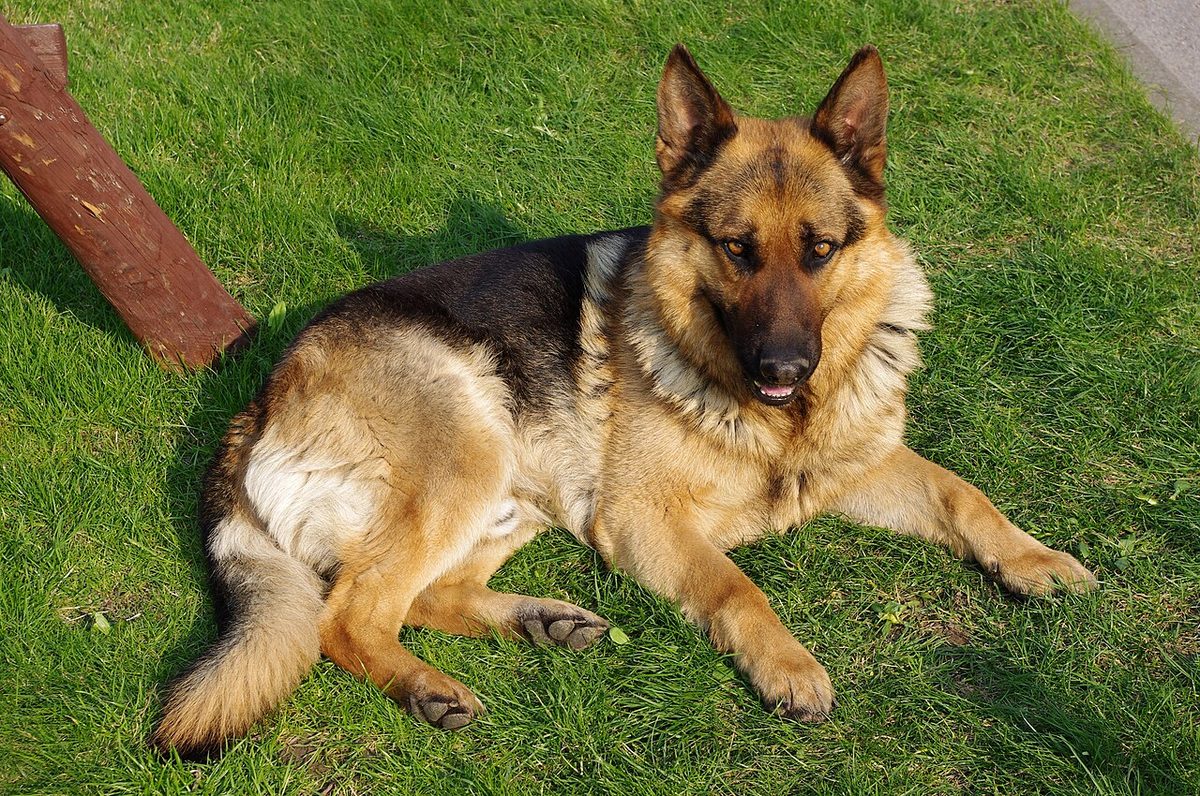
All dogs share the same basic anatomy. They have approximately 42 teeth set in powerful jaws designed for gripping and tearing. Their skeleton is the same from the smallest Chihuahua to the largest Great Dane — the difference is mostly scale.
But it is their senses that truly set dogs apart. Dogs have a far superior sense of smell compared to humans — a fact that has made them invaluable for tracking, detection, and companionship across every culture. Their hearing is similarly sharp. Where dogs fall short is visual acuity: they do not see the world with the same clarity that we do. What they lose in sharpness of sight, they more than make up for in smell and hearing.
The Dingo Question
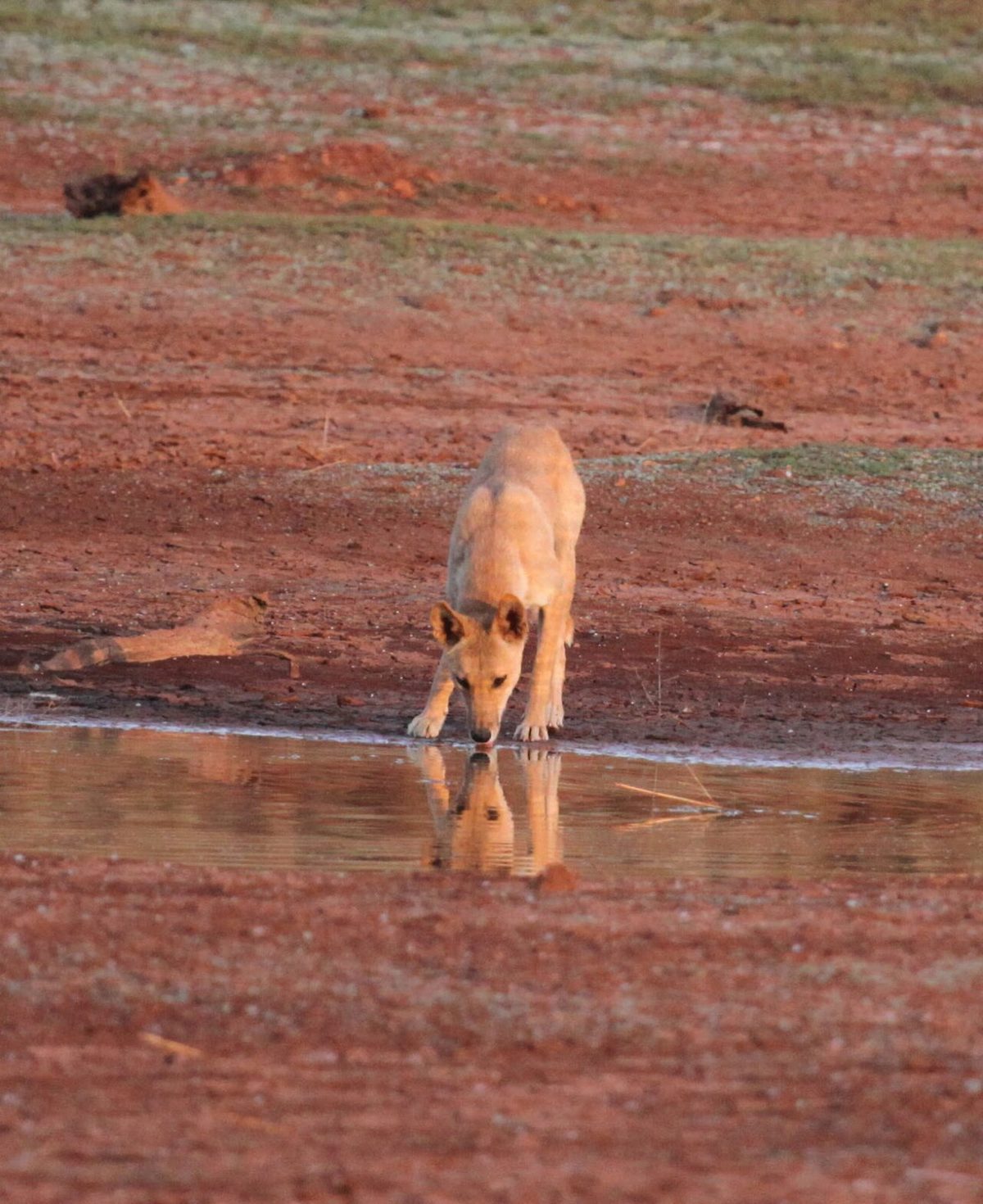
Not all members of the dog family fit neatly into the category of "pet." Nowhere is this more apparent than in Australia, where the dingo sits at the centre of a classification debate that carries real-world consequences.
Scientists and wildlife managers disagree on whether dingoes are a subspecies of wolf — Canis lupus dingo — or a separate species entirely, Canis dingo. Some classifications have treated them as a subspecies of the domestic dog. A 2019 IUCN workshop took a different view, considering dingoes and New Guinea singing dogs to be feral Canis familiaris, and did not assess them for the IUCN Red List of threatened species.
This is not a dry academic argument. Classifying dingoes as wild dogs simplifies population control measures. Treating them as a distinct species opens the door to conservation programs. The answer shapes laws, budgets, and the fate of wild populations. The science has not settled the question, and different jurisdictions continue to take different approaches.
The broader family tree is similarly tangled. Historically, dogs were classified as Canis familiaris by Linnaeus in 1758. Some later classifications, such as that proposed by Wozencraft in 2005, treat dogs as a subspecies of Canis lupus. Meanwhile, DNA studies show a surprising twist: all living wolves appear to be more closely related to each other than any of them are to dogs. The family tree is still being redrawn.
What This Means for You
Understanding where dogs come from helps explain why they are the way they are. Their digestive system tells us they are built for a varied diet that includes starch — a direct legacy of thousands of years at the human table. Their senses tell us they experience the world through smells and sounds we can barely imagine. Their social nature tells us they were shaped for companionship, not solitude.
But science — and the sources available for this article — does not provide specific guidance on feeding schedules, portion sizes, exercise routines, vaccination timelines, or breed-specific health concerns. The practical details of keeping a dog or cat healthy at home depend heavily on your local climate, the breeds involved, the quality of food available in your area, and the veterinary infrastructure nearby. These details vary enormously from one country and region to another, and no single source covers them all.
For practical advice on nutrition, preventive care, exercise, and health monitoring, the right person to speak to is a veterinarian who knows your animal and your local conditions. They can guide you on what your particular dog or cat needs based on its age, breed, weight, and the environment you live in.
The Friendship Continues

Fourteen thousand years ago, someone in what is now Germany cared enough about a sick puppy to keep it alive. That act of care echoes in every dog curled on a rug today, in every wagging tail and quiet companionship. Science has traced the broad outlines of how this relationship began and how it has shaped both species. But the day-to-day living of it — the feeding, the walking, the vet visits, the shared life — is something each generation of dog owners figures out alongside their own animals, with help from those who know their local world best.

 Menu
Menu
💬 Comments
Login to comment
No comments yet. Be the first to share your experience!