🍪 Cookie Consent
We use cookies to improve your experience, analyse how the site is used, and show relevant content. By choosing Accept you agree to that. See our
Privacy Policy.
How Long Is a Cow Pregnant? A Complete Cattle Gestation Guide
Cow gestation typically lasts 280–284 days, or roughly nine months. Understanding what happens during pregnancy — from hormonal triggers to the signs calving is near — helps farmers prepare for a healthy calving.
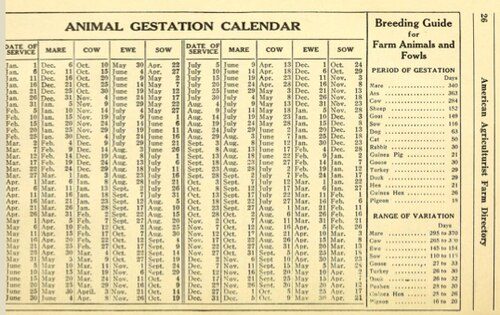
A cow stays pregnant for between 280 and 284 days — roughly nine months. This narrow window is one of the most useful things you can know when managing cattle, because it lets you predict the expected calving date with real confidence. The more precise sources describe it as 280 to 284 days, while others round it to "about nine months." Both are correct — one gives you a specific window, the other a general sense of the timeline.
What "About Nine Months" Means in Practice
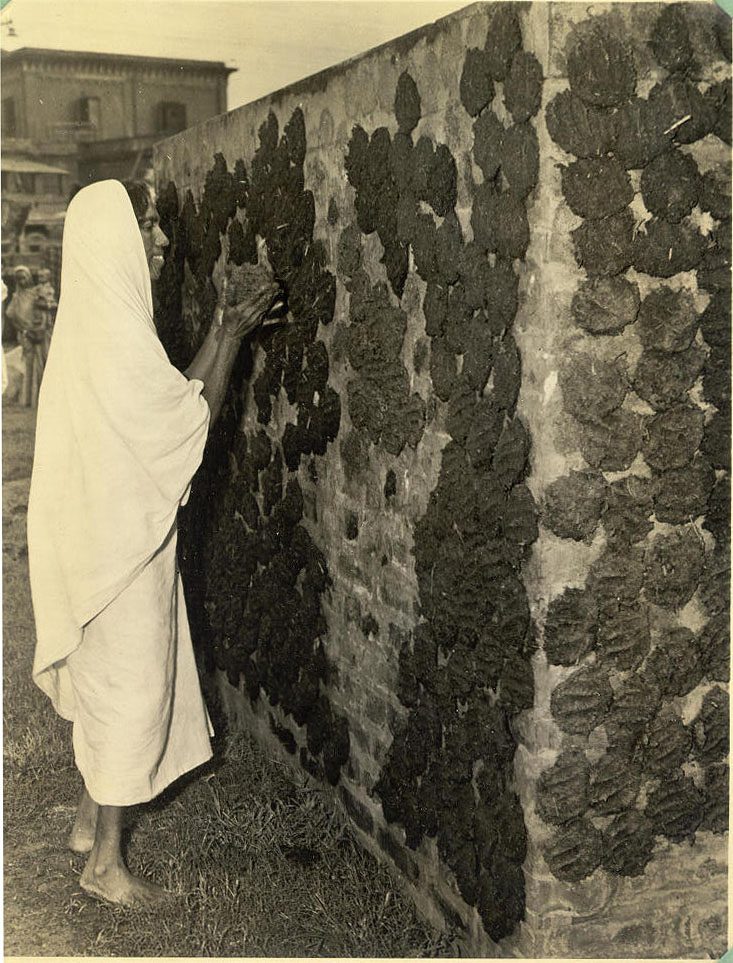
A woman drying cow-dung to be used as fuel in Calcutta in 1945 by Clyde Waddell (Public domain) · source
That 280 to 284 day range is your best tool for planning. Count forward from the date of service and you will know roughly when to expect your calf. Under the conditions studied in semi-wild Highland cattle, the average interval between one calving and the next is 391 days. That full cycle — from giving birth to giving birth again — is what farmers often call the calving interval, and it helps you plan breeding seasons and feed budgets around the herd's natural rhythm.
A dairy heifer is typically first bred at around 13 months of age, which marks the start of her entry into the dairy production cycle. Under natural conditions, semi-wild Highland cattle heifers give birth for the first time at 2 or 3 years of age, showing how much modern breeding schedules have accelerated the process.
Anjarle Bridge and Cows-fix by Photographer: Dey.sandip Additional Credit: User Atention for water spot removal. (CC BY-SA 3.0) · source
The Dry Period: Why Those 40–65 Days Matter
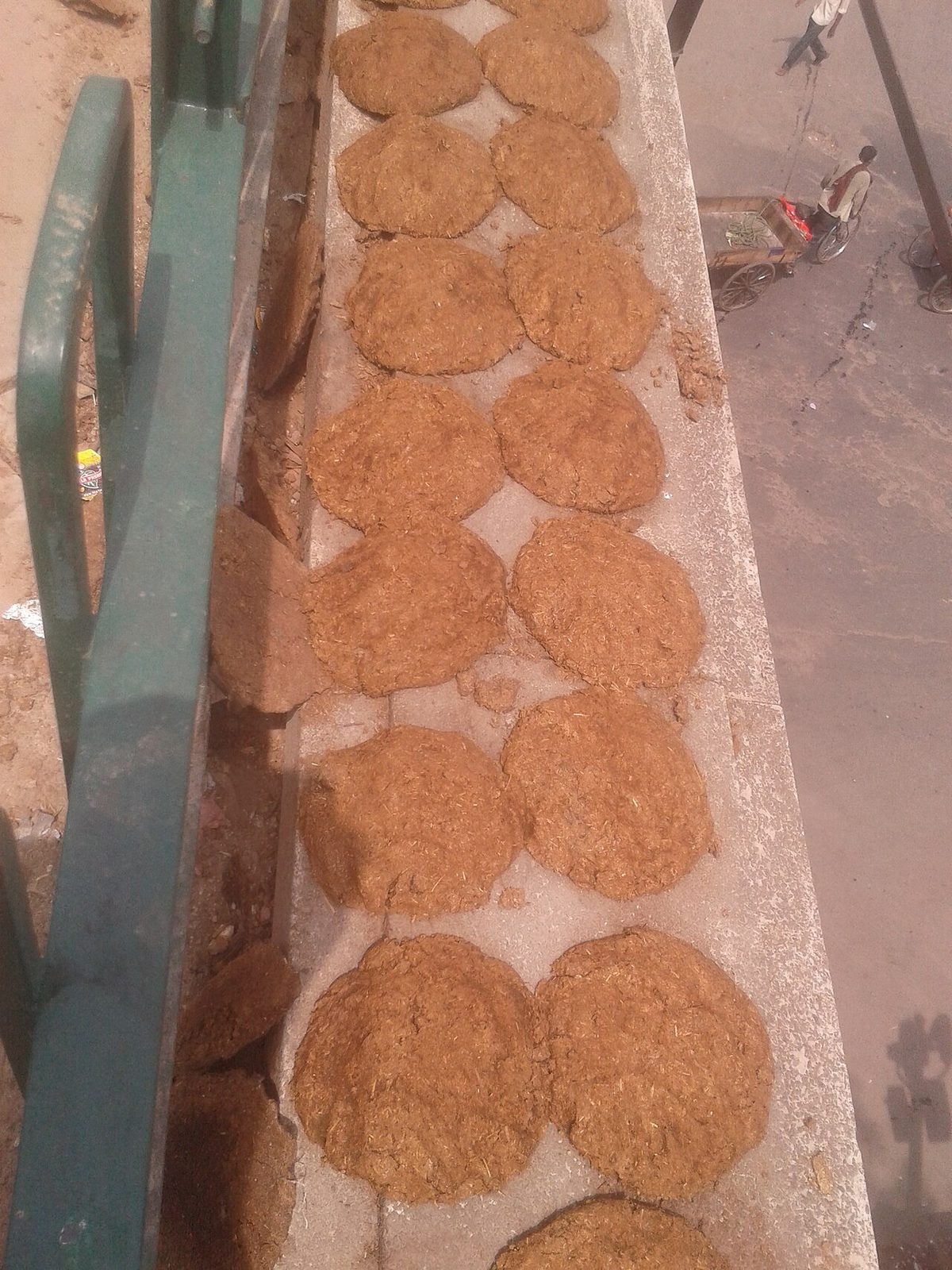
Cow dung dry 01 by Vis M (CC BY-SA 4.0) · source
Before a cow calves, she goes through a non-lactation phase called the dry period. This lasts between 40 and 65 days before calving, and it is one of the most important phases in her production cycle.
The dry period is divided into two stages. The far-off phase runs from 60 to 21 days before calving. The close-up phase covers the final 21 days right up to calving itself. During this time the cow is not being milked, and that rest allows the udder tissue to rejuvenate and helps eliminate intramammary pathogens — the bacteria that cause mastitis.
Towards the end of the dry period, the cow produces colostrum, the antibody-rich first milk that gives the newborn calf its best start in life.
Length matters more than you might think. A dry period shorter than 40 days is linked to reduced milk yields and a higher risk of infection. A dry period longer than 65 days can decrease lifetime milk yields, lead to over-conditioning, and raise the risk of metabolic diseases and infections. Sticking within the 40 to 65 day window protects both the cow's health and your bottom line. During the dry period, the cow is also especially vulnerable to intramammary infections because of the anatomical and functional changes happening inside the udder.
Physical Signs That Calving Is Near
Road closure, Esplanade, East Cowes, Isle of Wight by P L Chadwick (CC BY-SA 2.0) · source
Your cow's body gives you clear signals as calving approaches. Learning to read them helps you be ready.
About one month before calving, a first-time mother's udder will begin to develop and may look congested or swollen. An experienced mother — one that has calved before — usually shows udder development only about a week before calving. The difference is striking if you know to look for it.
Body temperature is another reliable indicator. In the weeks before calving, a cow's temperature runs higher than normal, often reaching around 39 °C instead of her usual 38 °C. Then, roughly 24 hours before calving, her temperature drops suddenly by at least 0.5 °C, falling to around 38.4 °C. Many farmers track temperature specifically to catch this drop and use it as a prediction tool for when labour will begin.
In the final 24 hours, you may also notice the sacroiliac ligaments near the base of the tail relaxing. This softening is driven largely by a hormone called relaxin and is a clear sign that the body is preparing for the calf to pass through the birth canal.
The Science of What Triggers Birth
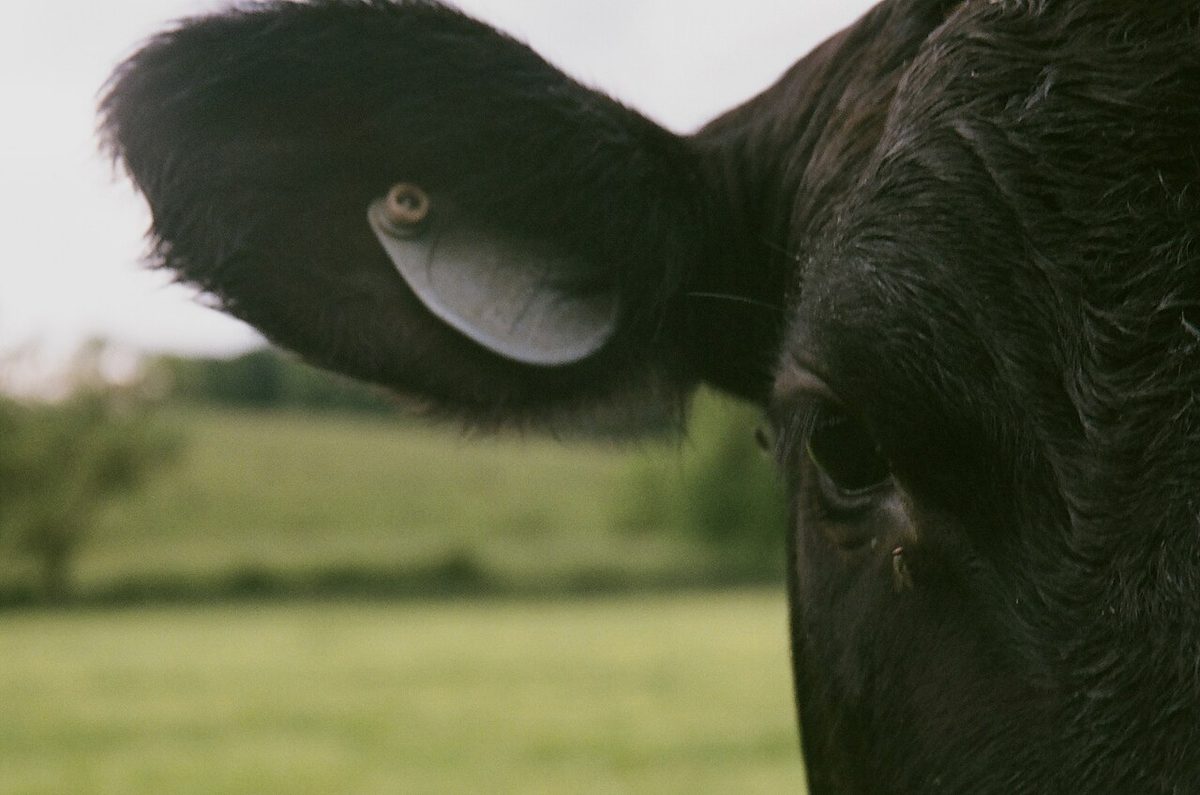
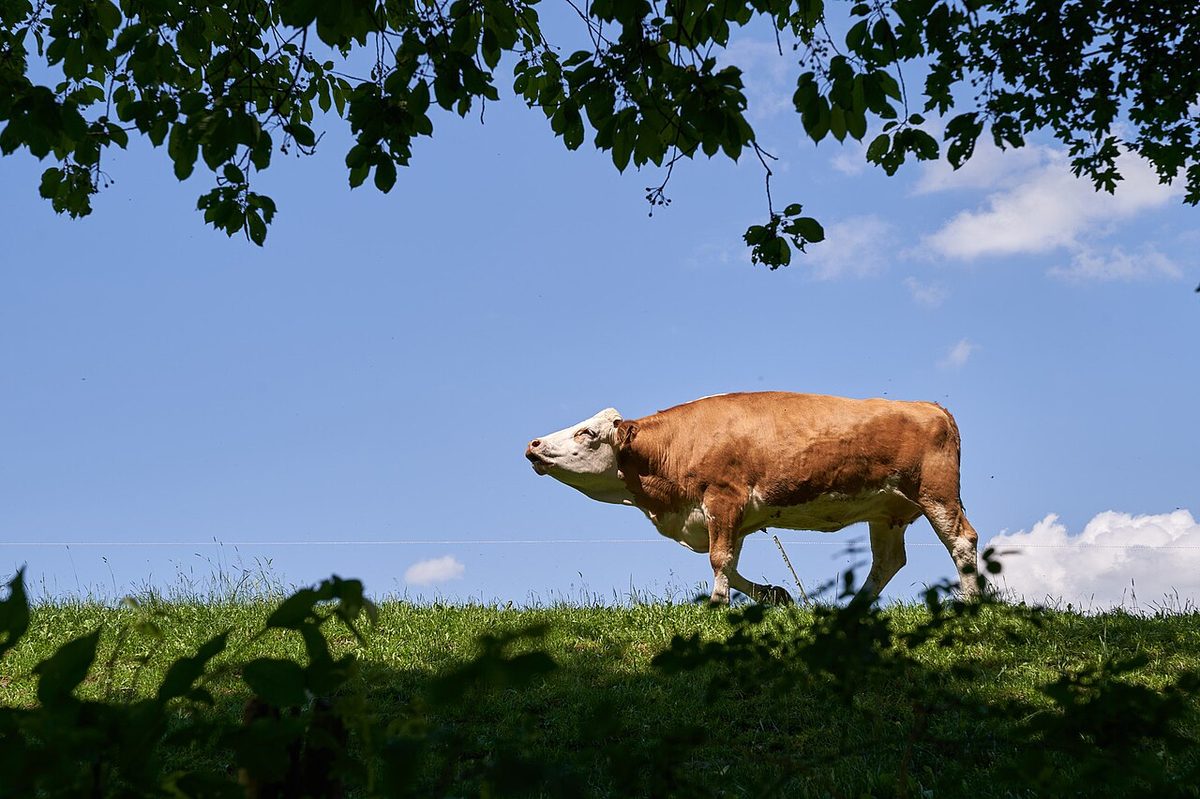
A Japanese wagyu cow grazing by MistyEyedKid (CC BY 4.0) · source
Calving is not random. A precise hormonal cascade — started by the calf itself — sets the whole process in motion.
The fetal hypothalamus releases a hormone called ACTH. This stimulates the calf's adrenal glands to produce corticosteroids. Those corticosteroids act on the cow's placenta, causing it to switch from producing progesterone to producing estrogen.
Estrogen then stimulates two key things: the hormone relaxin, which softens the cervix so the calf can pass through, and prostaglandins, which break down the corpus luteum — the structure that has been producing progesterone throughout pregnancy. Once progesterone drops and estrogen rises, contractions can begin, and calving is underway. It is a remarkable chain of events, and every step depends on the one before it.
How Pregnancy Is Sustained
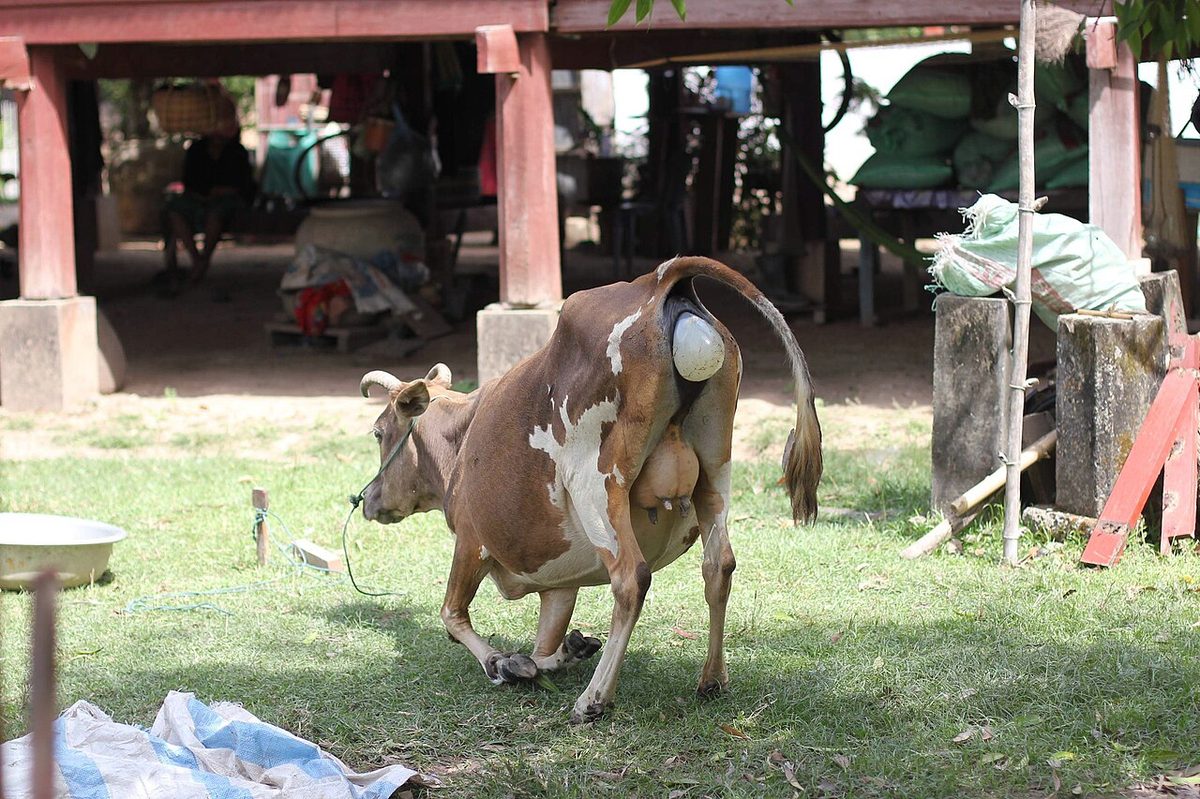
Calving in Laos (1 of 9) by Basile Morin (CC BY 4.0) · source
While calving is triggered by a cascade, staying pregnant depends on a different mechanism entirely. Very early in gestation, the bovine embryo produces and releases a protein called interferon-tau.
This protein prevents oxytocin receptors from building up in the uterine lining and stops the production of prostaglandins. By doing both, it prevents the corpus luteum from being destroyed. Because the corpus luteum must stay intact throughout pregnancy, the cow does not go into estrus while she is carrying a calf. Interferon-tau is the reason pregnancy can continue without interruption from the normal oestrous cycle.
Starting the Next Generation
Volvo S60 at Cowes Yacht Haven during Cowes Week 2010 by Arriva436 (CC BY 3.0) · source
A calf is born after about nine months of gestation. Within a few minutes of birth, the calf usually stands up. Within an hour, it is suckling. For the first few days, the calf cannot keep up with the herd, so the mother hides it and visits several times a day to nurse. By about a week old, the calf can follow the mother continuously.
Under natural conditions, calves stay with their mothers until weaning at 8 to 11 months of age. On most dairy farms, though, calves are separated from their mothers within one to three days of birth. This is done to reduce disease transmission and to simplify milking management. A 2019 review found that the behavioural effects on both cow and calf were worse the earlier the separation happened. So there is a real trade-off between farm management efficiency and animal welfare that every producer has to weigh.
In some regions, including across the European Union, calves must be identified and tagged according to local regulations. France has eradicated brucellosis, which affects what testing and movement rules apply there. Rules vary by country and region, so check with your local agricultural office or vet for the requirements that apply to you.
The Global Picture: Herds, Prices, and the Cost of Pregnancy
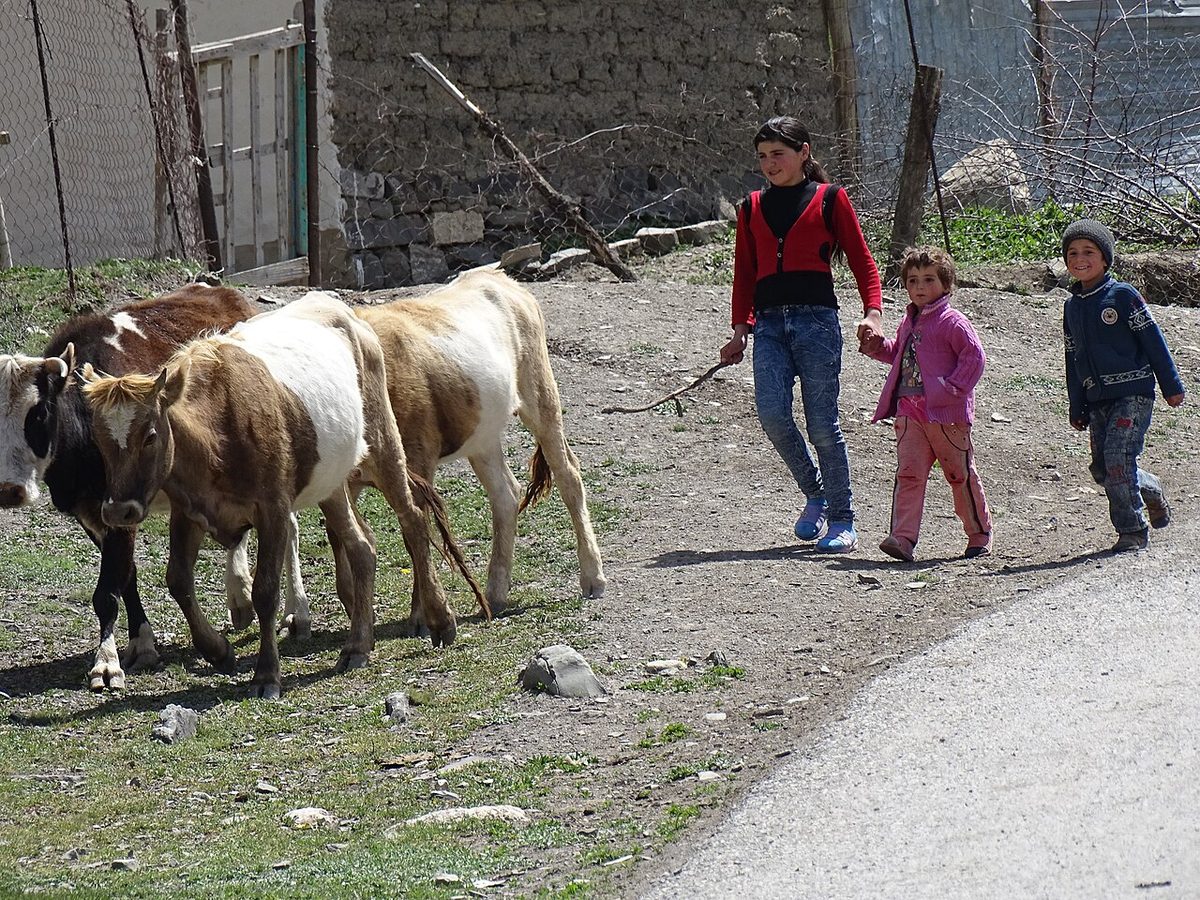
Cows with Child Herders - Village of Xinaliq - Caucasus Mountains - Azerbaijan by Adam Jones from Kelowna, BC, Canada (CC BY-SA 2.0) · source
The world cattle population in 2022 was over 940 million animals. In the United States, the average dairy herd holds about 120 cows, and there are roughly 75,000 dairy herds — around 9 million dairy cows in total. Keeping that many animals cycling through pregnancy, lactation, and the dry period is a massive logistical undertaking.
A dairy cow's productive life is far shorter than her natural lifespan. She is typically removed from the herd around age six, even though cows can naturally live 25 to 30 years. Reproductive problems, mastitis, and lameness are common reasons for culling. Because dairy cows must be repeatedly impregnated to keep producing milk, a significant number are sent to slaughter while pregnant. In the U.S. in 2014, roughly 9.5% of cattle slaughtered were culled dairy cows. Across Europe, an estimated 9 to 27% of dairy cows are slaughtered while pregnant.
Live cattle prices vary by market. In Europe, the average price for live cattle is around €5 per kg, with a range from €2 to €8 per kg depending on conditions and quality.
Cow milk prices differ even more widely by country and currency:
| Currency | Average price per tonne | Price range |
|----------|------------------------|-------------|
| EUR | EUR 464 | EUR 35 – EUR 3,795 |
| USD | USD 486 | USD 381 – USD 627 |
| GBP | GBP 382 | GBP 286 – GBP 501 |
| ILS | ILS 2,464 | ILS 1,950 – ILS 2,738 |
| ZAR | ZAR 6,758 | ZAR 5,300 – ZAR 7,780 |
| TRY | TRY 8,793 | TRY 2,384 – TRY 15,159 |
| CAD | CAD 869 | CAD 745 – CAD 969 |
| LKR | LKR 127,839 | LKR 13,768 – LKR 172,472 |
These ranges reflect the truly global nature of the dairy market. Local milk prices depend on supply and demand, quality standards, transport costs, and what buyers in your area are actually paying. For current rates in your region, speak to nearby buyers or your local agricultural office — what you earn per tonne can differ significantly from these worldwide averages.
How Temperature Can Help You Predict Calving
How Temperature Can Help You Predict Calving
It sounds surprising, but a cow's body temperature often drops right before she calves. This happens because a hormone called prostaglandin is released, which relaxes the pelvis and cools the body slightly.
Starting about 24 hours before calving, a cow's normal temperature of roughly 38.5°C (101.3°F) may fall to around 37.5°C (99.5°F). If you are monitoring a close-up cow and her temperature suddenly drops, she will likely calve within the next day. A simple rectal thermometer is all you need — check her temperature once or twice a day during the final week of gestation.
Signs That Calving Is Imminent
Alongside the temperature drop, watch for these common signs that labour is near:
Udder filling — her udder will swell and may even leak colostrum a few days before birth.
Relaxed ligaments — the muscles around her tail head and hips feel loose and sunken when you press on them.
Nesting behaviour — she may separate from the herd, paw at the ground, and look for a quiet spot.
Discharge — a thick, yellow mucus plug is often passed 12 to 24 hours before labour begins.
When to Call the Vet
Most cows calve just fine on their own, but you should contact your vet if:
Labour has started but no calf appears after two hours of strong contractions.
The water bag is visible for more than an hour with no progress.
The cow seems exhausted, distressed, or stops pushing.
You suspect a breech (backwards) or malpositioned calf.
Practical Takeaways
Knowing your cow's expected calving date — and watching for the right signs — puts you in control of the process. Mark your calendar 283 days after the last service, monitor temperature in the final week, and keep your vet's number handy. A little preparation goes a long way toward a healthy calf and a healthy cow.
❓ Frequently asked questions
How long is a cow pregnant?
Cow gestation lasts between 280 and 284 days, or roughly nine months. During this time, the cow does not go into estrus because the bovine embryo produces a protein called interferon-tau, which prevents the destruction of the corpus luteum and thereby maintains pregnancy.
What are the physical signs that a cow is about to calve?
About a month before calving, first-time mothers begin developing their udder, while experienced mothers show udder development only about a week out. The udder may appear congested or swollen. In the final weeks, body temperature rises to around 39 °C, then drops by at least 0.5 °C to roughly 38.4 °C approximately 24 hours before calving — a signal many farmers use to predict timing. Relaxation of the ligaments near the base of the tail is also observed in the final day, driven largely by the hormone relaxin.
What happens inside a cow's body to trigger birth?
The process is initiated by the fetus. The fetal hypothalamus releases ACTH, which prompts the fetal adrenal glands to produce corticosteroids. These act on the cow's placenta, shifting hormone production from progesterone to estrogen. The resulting rise in estrogen stimulates the release of relaxin, which softens the cervix, and prostaglandins, which halt progesterone production and allow contractions to begin.
How long is the dry period and why does it matter?
The dry period lasts 40–65 days before calving and is divided into two phases: far-off (60–21 days before calving) and close-up (21 days to calving). This resting phase allows the udder to rejuvenate and the cow to build colostrum reserves. Dry periods shorter than 40 days reduce milk yield, while periods longer than 65 days decrease lifetime milk yields and increase the risk of metabolic disease and infection.
How much does cow milk sell for?
Milk prices vary widely depending on the currency and country. The global average price is EUR464 per tonne, with prices in USD averaging USD486 per tonne, GBP382 per tonne, CAD869 per tonne, TRY8793 per tonne, ILS2464 per tonne, ZAR6758 per tonne, and LKR127839 per tonne. Live cattle in Europe average €5 per kg live weight, with a range of €2–€8 per kg.
📚 Where the figures in this guide come from
We read what has already been published on the subject, take out the figures and rules it actually states, and write it up in plain, everyday language.
Every number and name here traces back to a source listed below — nothing in this guide is invented.
Our own records
Price observations recorded by this site (worldwide)
Prices, rules and animal health advice change and vary by area. Check anything important with a local vet, dealer or agriculture office before you spend money.
Spotted a mistake? Tell us in the comments and we will correct it.


 Menu
Menu
💬 Comments
Login to comment
No comments yet. Be the first to share your experience!