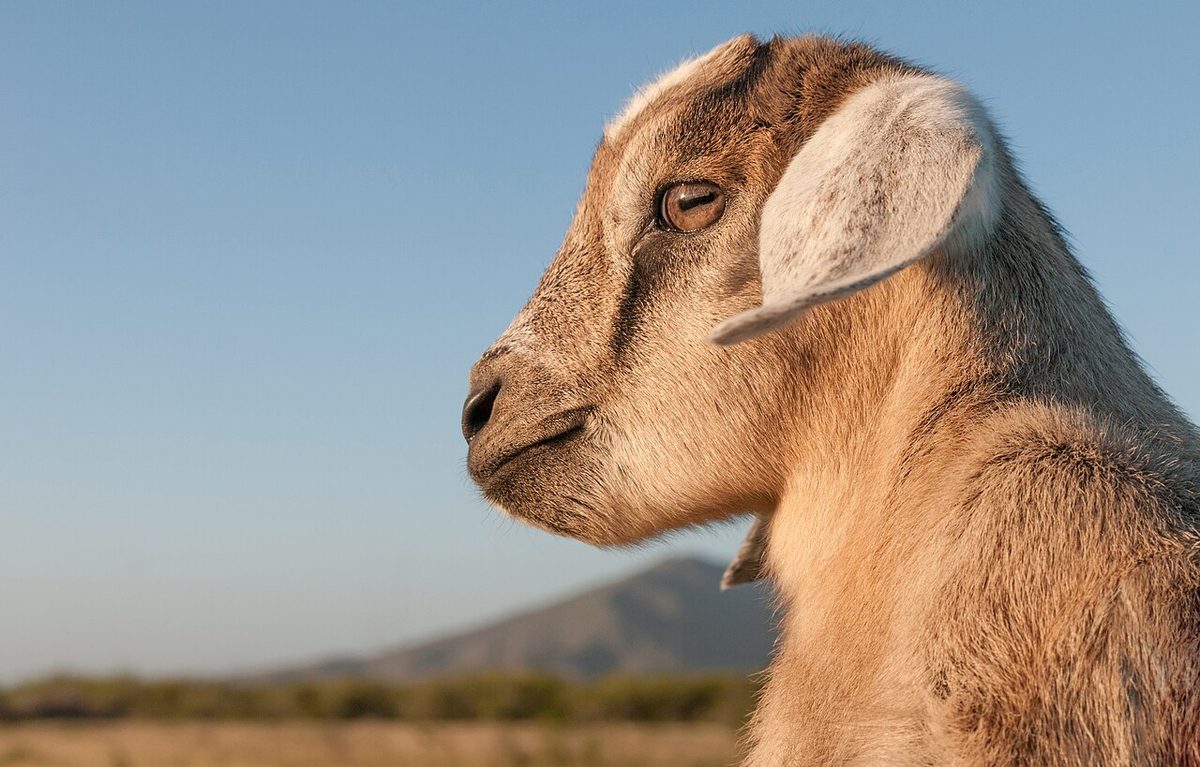
Goats headbutt mainly to settle who is boss. It is usually the bucks — the males — slamming heads to sort out rank in the herd, and the winner earns breeding access while the loser is warned off.
That is the short answer. There is a little more to it: any ruminant can headbutt to defend itself, so not every clash is about status. And while the horns take the impact, the neck still carries a heavy load every single time. Here is what that means for the goats in your pen.
Why bucks lock heads
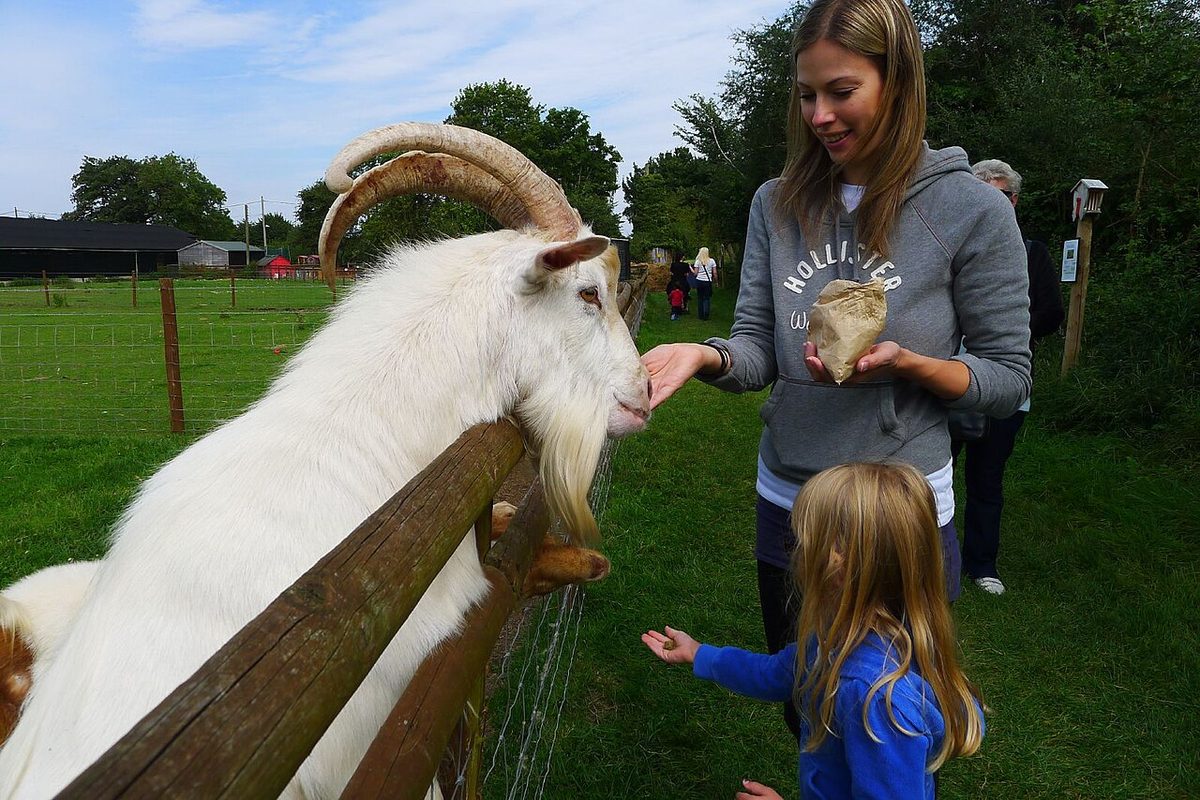
Headbutting looks wild from the outside, but it is really a contest. Bucks (male goats) and rams (male sheep) are the animals best known for it, and the behaviour shows up most often between males competing for dominance in a herd or flock. It is not random aggression. Something is on the line.
Three things drive it:
- Rank in the herd — male against male, the version you will see most often.
- Breeding rights — a stronger male proves what he is made of and pushes rivals out of the running.
- Self-defence — any ruminant may headbutt to protect itself.
A contest for rank, not a tantrum
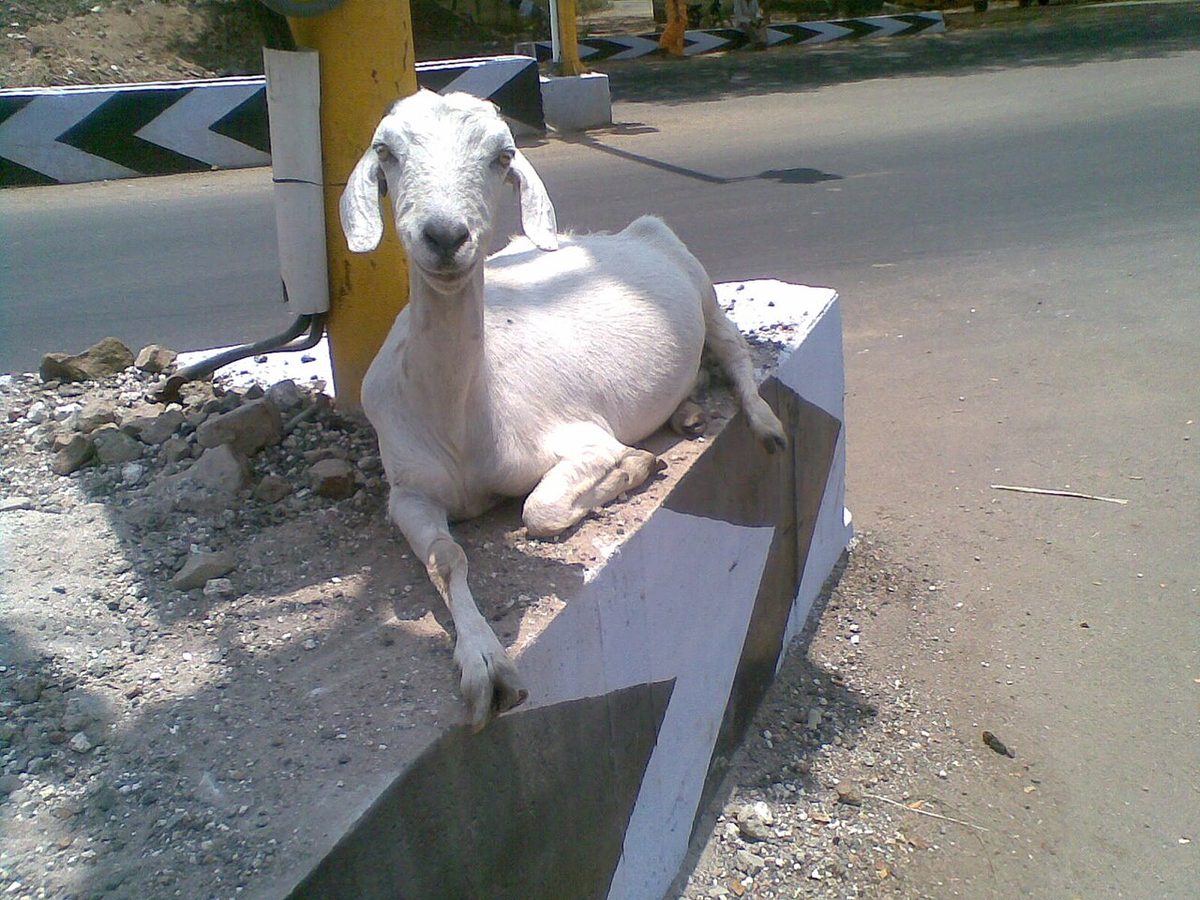
When two bucks square up, back off and come together again, they are asking each other one simple question: who gives way? The clash answers it. That is why it helps to read the behaviour as a competition with a purpose rather than as bad temper.
Winning buys breeding rights

A superior male can use headbutting to show his strength to potential mates. Beating other males in the clash also deters them from breeding. So the behaviour ties straight back to mating competition and rank — not to feed, and not to fear.
Self-defence is the other reason
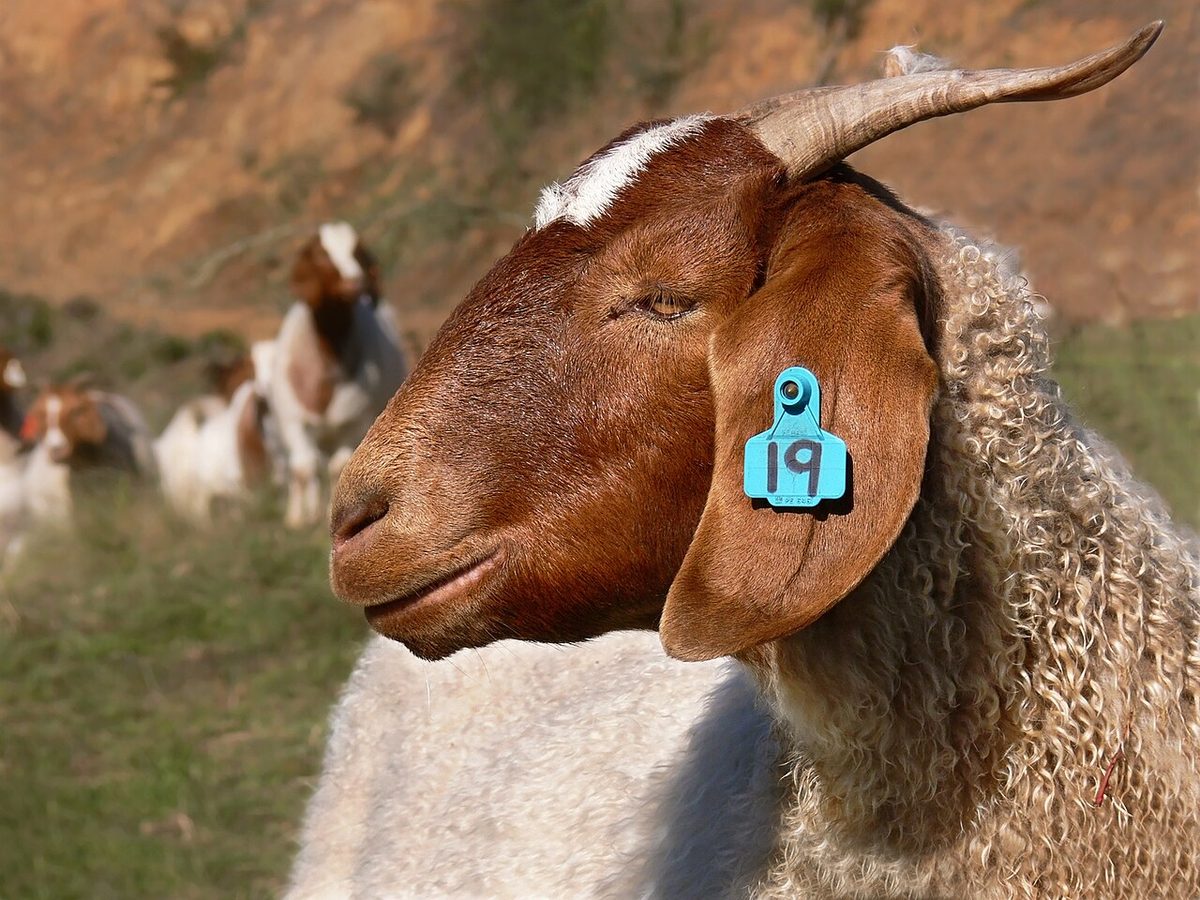
Headbutting is not only a male-against-male affair. It is something any ruminant may do in self-defence. Dominance fighting between males is simply the form people notice most.
Horns take the hit, the neck takes the load
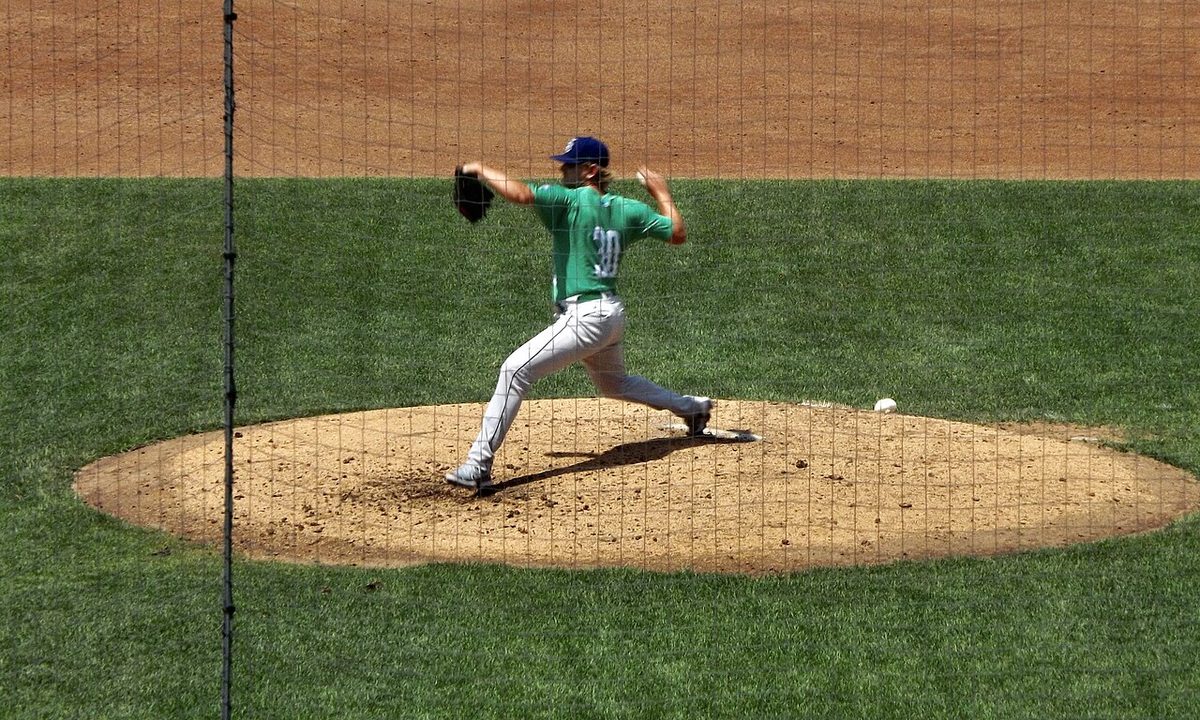
It is horn on horn
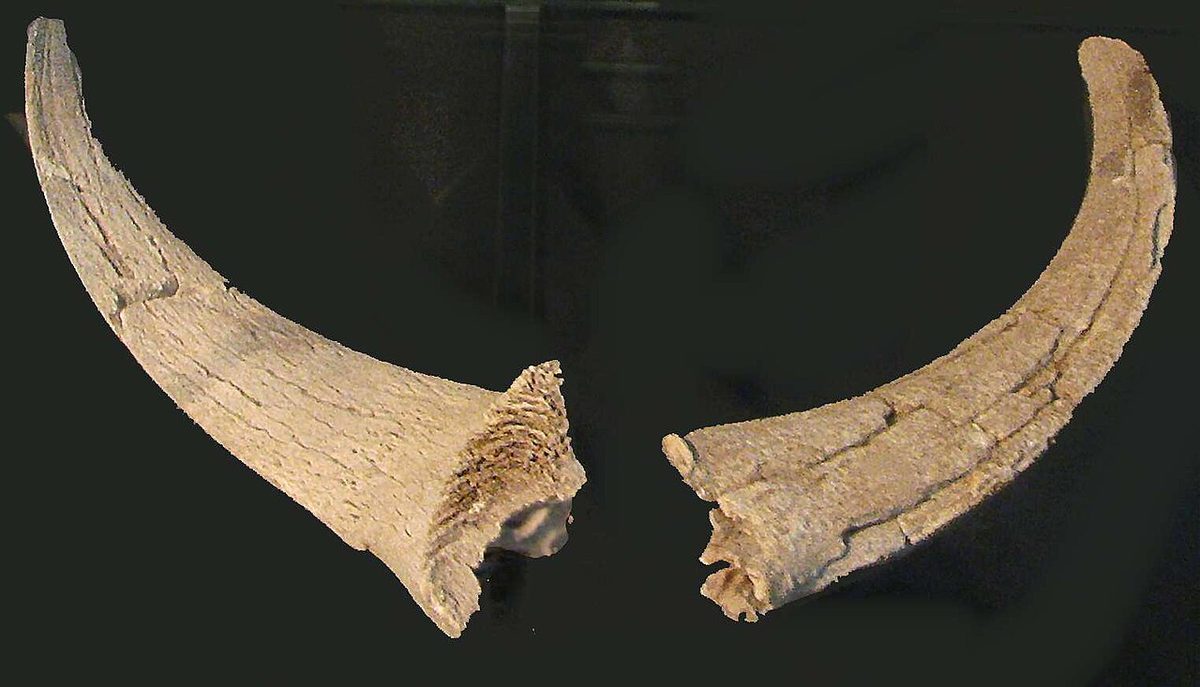
In these clashes, it is the horns on the animals' heads that meet. That horn-to-horn contact is the reason given for rams not suffering catastrophic injury, even though they repeat the collision again and again. The explanation is spelled out for rams rather than for goat bucks, so treat it as the mechanics of the clash rather than a promise about your own animals.
The neck is where the strain lands
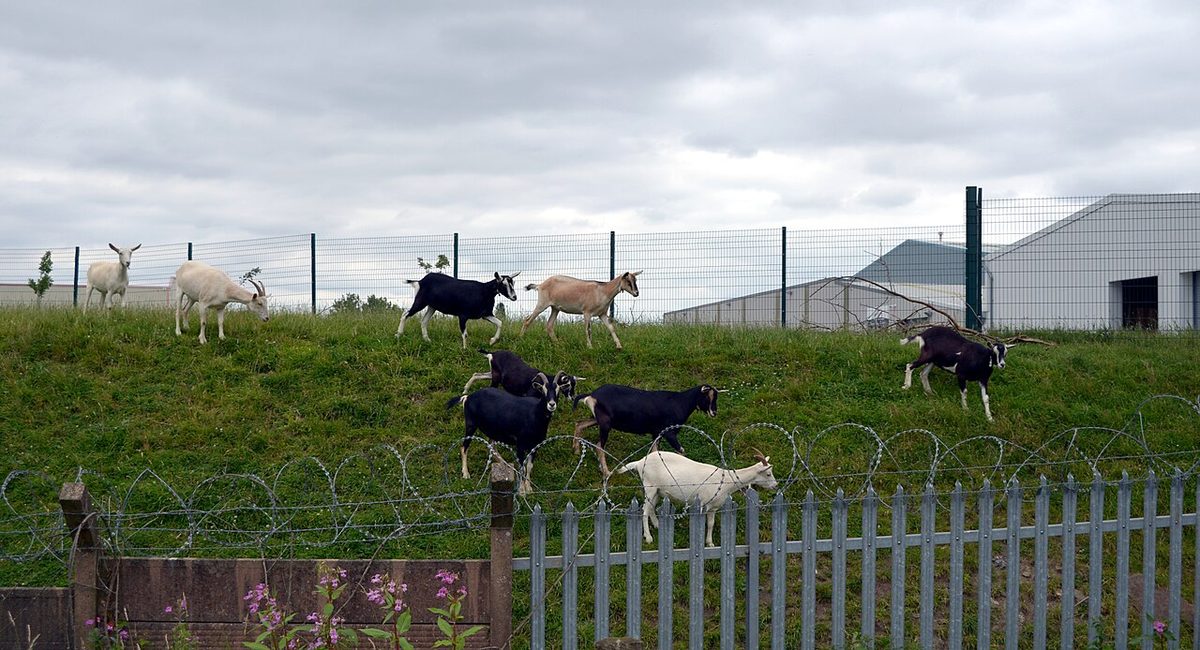
This is the part most people miss. Even with the horns absorbing the blow, each collision puts extreme compression pressure on the animal's neck. Not the skull — the neck. Load a spine like that often enough over a lifetime and it leaves a mark, which is exactly what old skeletons show.
What old bones show about a lifetime of butting
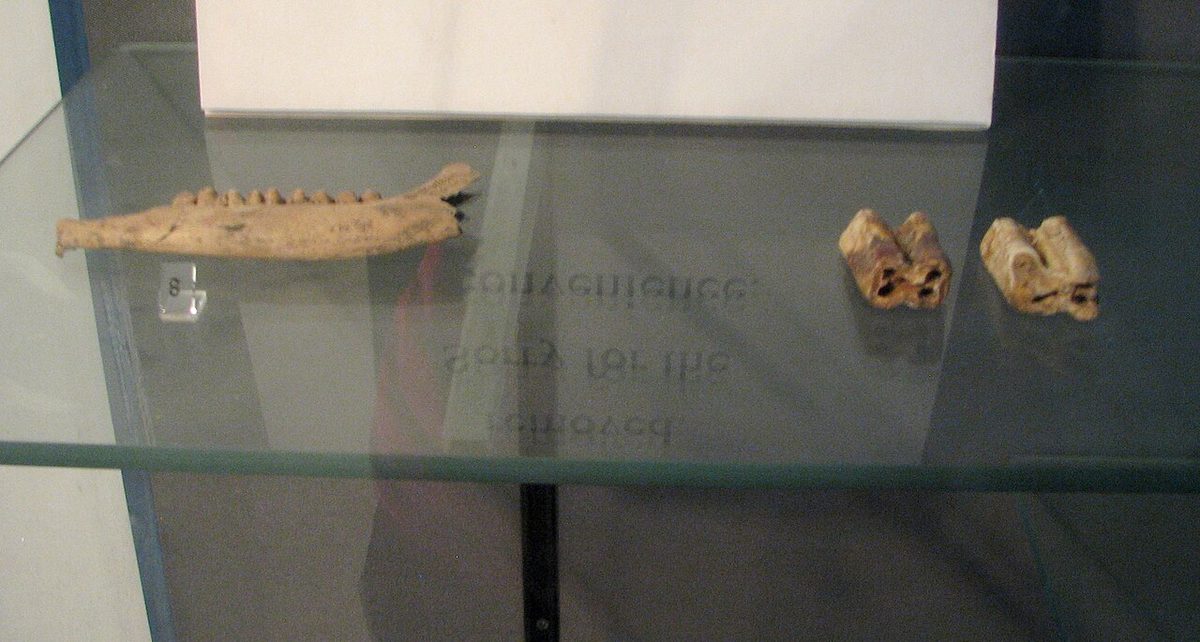
A study of skeletons from wild Soay sheep looked at what years of clashing do to the neck. It found damage to the centrum of at least one cervical (neck) vertebra in over half of the rams. In the ewes, it found none.
- Rams: over half showed damage to the centrum of at least one cervical vertebra.
- Ewes: none did.
That split is put down to a lifetime of fighting and butting. Two honest cautions before you read too much into it. Those were sheep, not goats. And it is a study of skeletons, so take it as a strong hint about what repeated clashing does to horned males over the years, not as a measurement of what is happening inside the buck in your pen today.
Could all that banging hurt their brains?
Straight answer: this one is not settled, and you should be careful of anyone who tells you it is. What can be said is that headbutting goat bucks have been put forward as a good model for studying chronic traumatic encephalopathy, or CTE — the trauma linked to repeated hits to the head. In people, CTE is seen in boxers, in American football players and in footballers who practise headers over and over.
Read that carefully, because it is easy to twist. Bucks have been suggested as a useful animal for studying the condition. That is not the same as saying CTE has been confirmed in goats. The suggestion is on the table; the confirmation is not something anyone can hand you.
From 'battering ram' to red cards: headbutting beyond the barn
The words we borrowed from sheep
If you have ever called something a battering ram, you were borrowing from this behaviour. Both 'battering ram' and 'hydraulic ram' come from the way rams headbutt. In English, 'headbutt' works as both a noun and a verb — the thing and the doing of it.
People are not built for it
In humans, a headbutt means a deliberate strike using the robust parts of the skull. The parts that work as striking areas are the ones with thick bone and a tight curve: the forehead near the hairline, the outboard curved part of the parietal bone, and the occiput at the back of the head. The strongest bones are the frontal bone and the occipital and parietal bones at the back of the skull. The strike can be thrown forward, rising, sideways or even backwards.
It is still a bad idea. Combat instruction generally discourages headbutts except as a last resort, because they can badly injure the person delivering the strike as well as the person receiving it, and a misplaced strike is the specific danger. The parts of the face that come off worst are the bridge of the nose, the cheekbones, the jaw hinge, the temple and the top edge of the eye socket. Catch teeth or the mouth and both people get damaged. A goat brings horns and thick skull bone to the job. A human face does not.
Sport bans it almost everywhere
Most combat sports forbid the strike outright. Lethwei is named as the only professional sport that allows it. It also appears in capoeira, muay boran, combat sambo, some full-contact karate rulesets such as Kūdō, and krav maga, and it is the main focus of the Eritrean martial art Testa.
Everywhere else the penalties are heavy:
- Association football: an intentional headbutt, or even an attempt at one, warrants a red card. Zinedine Zidane was sent off for headbutting Marco Materazzi in the 2006 FIFA World Cup Final. Gennaro Gattuso was suspended for four matches in February 2011 after headbutting a Tottenham assistant coach. Roy O'Donovan received an eight match ban in 2016, one of the longest in A-League Men history. Darwin Núñez was sent off in August 2022.
- Ice hockey (NHL): an unsuccessful attempt draws a double minor. An actual headbutt brings a major penalty and a game misconduct. A match penalty is mandatory for reckless endangerment.
- Handball: Milena Knežević was banned for two matches after a headbutt on 3 March 2014.
The contrast is the useful bit. What is ordinary, everyday business in a herd of goats is a sending-off offence in almost every human sport — because goats come equipped for it and we do not.
What changes from farm to farm — and who to ask
Many of the questions keepers actually ask about headbutting have no single answer that fits every farm, every climate and every set of local rules. I would rather say so than give you a number I cannot stand behind. These are the ones to take to someone nearby:
- How to reduce or stop headbutting — handling, training, and when to separate animals.
- Whether does and kids butt, and how their behaviour differs from a buck's.
- Whether polled, disbudded or dehorned goats still butt, and whether losing horns changes the injury risk.
- The age at which butting starts, and whether the rut or the season makes it worse.
- Whether feeder design, pen space, stocking density or mixing in new animals sets it off.
- Which breeds butt more or less.
- How to treat a goat hurt in a clash, and what warning signs to look for in the neck or head.
All of that depends on your animals, your buildings and the practice where you farm. Ask a vet, an experienced neighbour or your local livestock office. Someone who can put hands on your goats will always beat a general article.
When a goat presses its head into you
This gets asked constantly, and it deserves an honest answer rather than a guess: what a goat means when it pushes its head into your leg is not something I can settle for you here. The goat behaviour described above is dominance fighting between males, plus self-defence by ruminants. Head pressing aimed at people is different ground.
There is a gentle version in another animal, worth knowing about so you do not confuse the two. Cats 'bunt' — they press the forehead against a person or another animal, using scent glands there to mark territory with pheromones. That is scent-marking, not fighting, and it is described for cats, not for goats. If your goat leans into you often, get someone local who knows goats to watch it happen and tell you what they see.
What goats are worth
Prices are the other thing not to guess at. In our own price records — 75,264 observations across all countries — goats do not appear among the 25 commodities listed at all. The nearest small-ruminant figure is sheep meat: 558 rows, running from a low of EUR562 to a high of EUR29682 per tonne, with an average of EUR3160 per tonne, and the most recent observation dated 2025-01-31. That is sheep meat, not goats, and it lumps every market together, so use it for a rough sense of scale only. For what a goat is worth where you farm, ask your nearest market or dealer.
The bottom line
Goats headbutt because it works. A clash of horns settles rank, wins breeding rights and warns rivals off, and any ruminant may use the same move to defend itself. The horns are what keep the damage from being catastrophic — but the neck pays the bill, and in that study of wild Soay sheep, over half of the rams carried damage in at least one neck vertebra while none of the ewes did. Whether repeated butting harms a goat's brain is still an open question; bucks have been suggested as animals for studying CTE, and that is as far as it goes. So watch your bucks, respect what those heads can do, and for the practical calls on your own farm — handling, horns, injuries, prices — talk to someone who can stand in the pen beside you.

 Menu
Menu
💬 Comments
Login to comment
No comments yet. Be the first to share your experience!