You know how to raise a good bird. The hard part is everything after that: working out who nearby will actually buy your chicken, and whether the price you are offered is fair. Meanwhile the supermarket down the road sells a hot cooked chicken for less than a raw whole bird, and the big chains seem to have their supply sorted years in advance.
When a buyer types "chicken meat farmers near me", you want to be the farm they find. This post sets out what chicken meat has been fetching in Canada, who the real buyers are, the scale you are pricing against, and — just as important — which questions you must answer locally instead of guessing.
What chicken meat is fetching in Canada

We hold 49 chicken meat price observations for Canada. Here is what they show:
- Lowest recorded: CAD2290 per tonne
- Highest recorded: CAD2940 per tonne
- Average: CAD2726 per tonne
- Most recent observation: 2025-01-31
Treat this as a benchmark, not an offer
These are national figures, quoted per tonne. They are not a farm-gate price. There is no breakdown here for what a grower receives per kilogram or per bird, live or dressed, and nothing in the numbers is more recent than 2025-01-31.
So use the average as a sanity check. If a buyer's offer sits far away from that CAD2726 per tonne average once you work it through, that is a fair thing to ask about. What you can actually get at your own gate depends on your area, your volume, your product form and your buyer. The only reliable way to learn it is to ask the processors, chefs and market sellers nearest you what they are paying right now.
How chicken compares with the other meats you could raise
We hold 245 price rows for Canada in total, spread across five meats, all ending 2025-01-31. Ranked by average recorded price per tonne, chicken sits in the middle:
- Cattle meat: average CAD4088 per tonne (range CAD2832 to CAD5583)
- Sheep meat: average CAD3452 per tonne (range CAD2463 to CAD5242)
- Turkey meat: average CAD2892 per tonne (range CAD2470 to CAD3140)
- Chicken meat: average CAD2726 per tonne (range CAD2290 to CAD2940)
- Pig meat: average CAD1922 per tonne (range CAD1466 to CAD2386)
Chicken is the steady one
Look at the gap between each low and high. Chicken runs from CAD2290 to CAD2940 per tonne — the tightest band of the five. Cattle swings from CAD2832 to CAD5583, and sheep from CAD2463 to CAD5242. Turkey, the closest poultry comparison, averages above chicken at CAD2892 per tonne but moves in a similarly narrow band.
That matters when you are planning. Beef and sheep can pay far more at the top of their range, but you are riding a much bigger wave. Chicken has been more predictable.
One warning, though. These are prices, not profits. There is no cost side here — no feed, chick, heating or labour figures — so you cannot read profitability off this list. Your break-even is your own number, and you will only get it from your feed dealer, your hatchery and your own records.
Who actually buys chicken locally in Canada
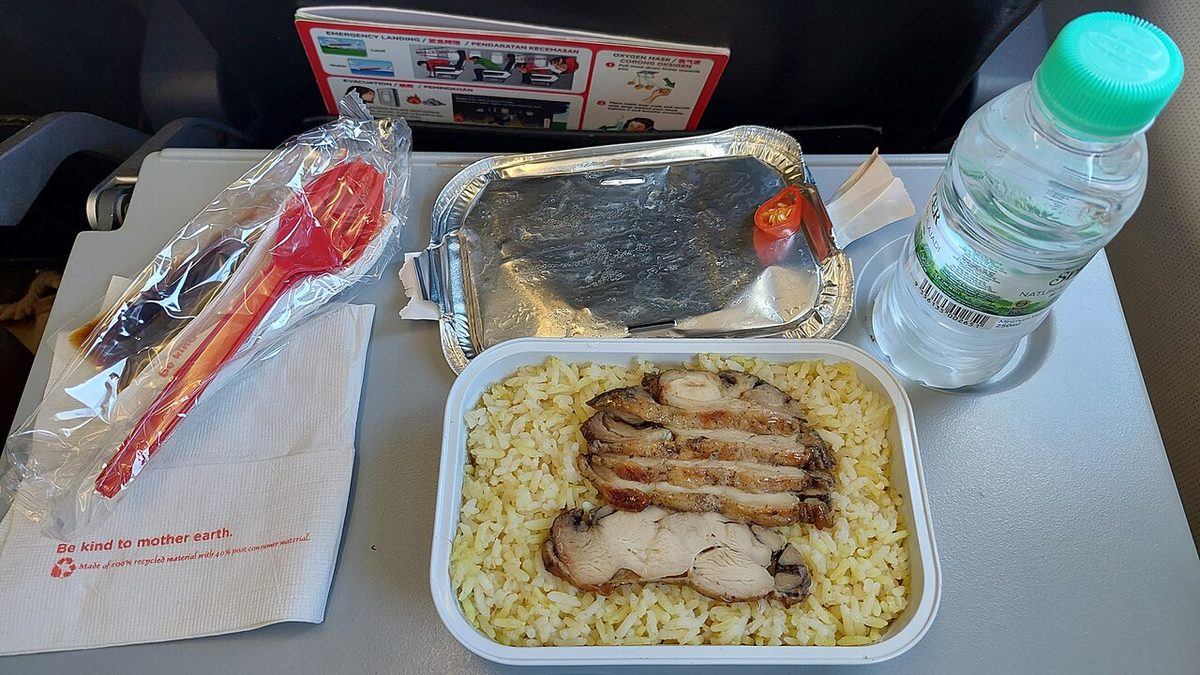
Canadian demand for chicken has a very specific shape: rotisserie. It has been popular here since the 1950s and is genuinely part of Canadian pop culture. Two casual dining chains, Swiss Chalet and St-Hubert, dominate the Canadian restaurant market for chicken. Swiss Chalet even owns a cable channel that runs rotisserie chicken content twenty-four hours a day, seven days a week — usually just birds turning on a spit. That tells you how embedded the product is.
Rotisserie chicken is also the central item for other Canadian chains, for international chains such as Nandos, and for plenty of individual restaurants. And most Canadian supermarket chains, Costco included, keep a hot rotisserie counter running.
So your realistic list of local buyers looks something like this:
- Independent restaurants where chicken is the signature dish
- Smaller local chains and rotisserie-led kitchens
- Supermarket and deli hot counters
- Direct customers who want whole birds or specific cuts
Be realistic about the big chains
The largest chains lock their volume into long supply arrangements with big processors, not with individual farms. In the United States, Tyson Foods supplies a majority of retail grocers plus Yum! Brands chains that use chicken, including KFC and Taco Bell, as well as McDonald's, Burger King, Wendy's, Walmart, Kroger, IGA, delis and schools. KFC has had outlets in Canada since the mid-1960s and had over 31,980 locations in 150 countries as of September 2025.
You are not going to win that business, and you do not need to. Your opening is the independent operator who wants to say where the bird came from.
Getting found is a local job
How buyers in your area go looking for a grower varies a lot from region to region — market stalls, farm-gate sales, word of mouth through a processor, local listings. There is no single answer that works everywhere in Canada. Ask your nearest market manager, a couple of local chefs and your closest small processor how buyers reach them, and build from there.
Why the cooked bird in the shop looks cheaper than yours
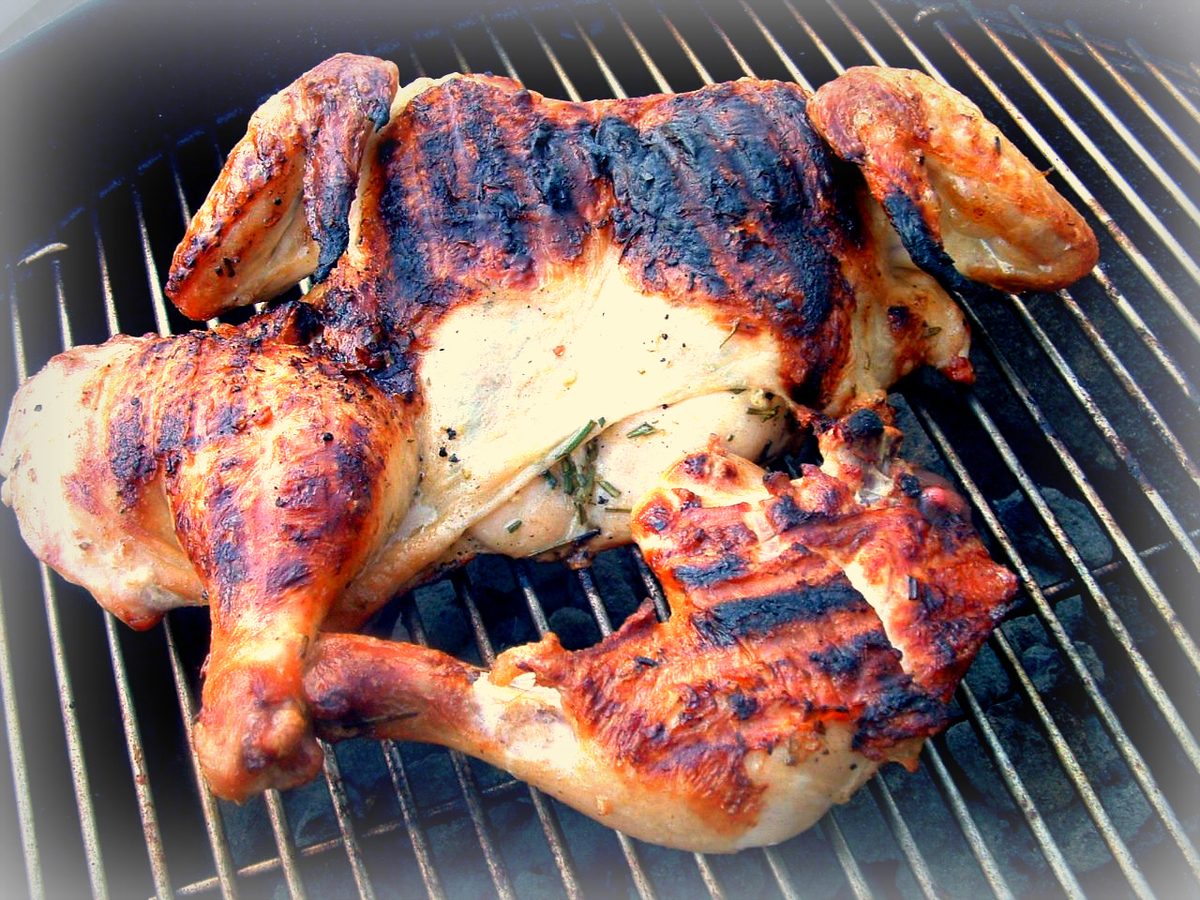
This one frustrates a lot of growers. Rotisserie chickens are often sold for less than raw whole chickens in the same store. It makes your own pricing look expensive to customers who do not know the trade.
There are two explanations for it, and they are not settled. Some hold that it is simple loss-leader pricing: cheap cooked chicken pulls shoppers through the door, and they fill the basket with higher-margin side dishes and alcohol. Others point at the birds themselves — poultry close to its 'best by' date that would otherwise be destroyed unsold, so cooking it lets the store recoup some of what it spent. Both explanations are put forward for Canadian supermarkets, and neither has been proven to be the main driver.
Either way, the lesson for you is the same. That shelf price is a retail decision made for retail reasons. It is not a measure of what it costs to raise a chicken, and it should not set your floor.
The scale you are up against — and why it is not permanent
It helps to know the size of the machine. Tyson Foods is the largest meat company in America and the world's second-largest processor and marketer of chicken, beef and pork after JBS S.A. It produces about one-fifth of the beef, chicken and pork sold in the United States. In 2019 it was slaughtering roughly 155,000 cattle, 461,000 pigs and 45,000,000 chickens every week across 200 facilities worldwide, and as of 2025 it employed 133,000 people, concentrated in the US Midwest and South.
Chicken did not reach that scale by accident. Tyson, founded in 1935, grew during the Second World War when chicken was not among the foods rationed by the US federal government. Later, KFC pushed chicken into fast food and broke the hamburger's grip on the market.
Even the giants lose plants
Processing capacity is not a fixed feature of the landscape. Tyson closed some of its US plants in 2023 and 2024 as earnings fell and demand shifted. On 20 January 2026 two more closed: Lexington, Nebraska, with approximately 3,200 jobs lost, and Amarillo, Texas, affecting 1,761 employees. In March 2024 it sold its Dexter, Missouri broiler processing plant, hatchery and feed mill to egg producer Cal-Maine Foods for an undisclosed sum.
Those are American plants, and none of this tells you anything about the plant nearest you. That is exactly the point. Do not build a whole business on one buyer or one processor. Phone your nearest small-scale plant yourself and ask what minimum bird numbers and booking lead times they need — that varies by region, and you need it in writing before you place a chick order.
Where a small farm can stand apart
Large processors carry baggage a local seller can quietly position against. Tyson has been the focus of controversies over the environment, animal welfare, employee satisfaction and price fixing. At the same time it has bought into the premium end — acquiring the organic chicken and chicken-sausage brand Smart Chicken and its parent Tecumseh Poultry in mid-2018, taking a 5% stake in Beyond Meat in 2016 and selling it in 2019, and launching the blended 'Raised and Rooted' line — and in 2025 it was named top of the Food Production category in Fortune's World's Most Admired Companies.
Read that both ways. The premium space is real and growing, which is good news for you. But it is not empty, so your story needs to be specific and true.
Cuts, forms and niches worth asking your buyers about
Do not assume every buyer wants the same bird in the same shape.
- Boneless, skinless thighs are gaining ground. In cooking that traditionally used quartered chicken parts, modern versions increasingly call for boneless, skinless thighs instead.
- Whole birds still move well. They are the backbone of supermarket rotisserie counters and of chains like Swiss Chalet and St-Hubert.
- There is a dairy-free niche. Chicken paprikash was adopted as a Sabbath dish by the Jews of Hungary and Czechoslovakia and remains popular among Ashkenazim, cooked with no dairy at all because meat and dairy cannot be mixed. Some of your customers will care about that.
Retailers elsewhere also show what happens to unsold hot birds. In Australia, supermarkets pull unsold hot rotisserie chicken after four hours on the shelf to comply with the Safe Food Australia guidelines for hot food published by Food Standards Australia New Zealand. Coles then shreds it and sells it in the refrigerated deli as 'shredded chicken', Woolworths does something similar, and Costco blast-chills its unsold hot birds and sells them refrigerated at a reduced price.
Useful to know as a product idea — but those are Australian rules and Australian practices. Do not assume the same clock or the same handling applies here. Confirm Canadian hot-holding and handling requirements with your own food safety authority before you sell anything cooked.
Check these locally before you sell a single bird
Some of the most important numbers in chicken farming are not national at all. They are yours, or your province's. Get them from the right person rather than from a general article:
- Quotas, licences and marketing-board rules — including any cap on how many birds you may raise and sell. Rules can differ by province. Ask your provincial agriculture office.
- Slaughter and inspection rules for selling to neighbours, farmers' markets or restaurants, and whether on-farm slaughter is allowed where you are.
- Breeds and strains used in your region, with realistic growth rates, feed conversion and days to market. Your hatchery or dealer will know.
- Costs — chicks, feed, heating and labour — and the break-even price per bird they give you.
- Winter housing, heating, water systems and how cold weather affects stocking density and mortality on farms like yours.
- Biosecurity and disease reporting, including your duties around avian influenza. Talk to a local vet before you need one.
- Premiums and certification for pasture-raised, organic, halal or kosher chicken, and who does the certifying near you.
Anyone who quotes you a firm figure on those without knowing your province is guessing. Do not build your budget on a guess.
Here is the short version. Chicken in Canada has been a steady earner rather than a spectacular one, averaging CAD2726 per tonne in our records, in a tighter band than beef or sheep. The demand is genuinely there — rotisserie chicken has been part of Canadian life since the 1950s — but the biggest chains and processors buy on contracts you cannot reach. Your money is in the independent restaurant, the market stall and the customer who wants to know the farm's name.
So start with three phone calls this week: your nearest small processor, one independent chicken-led restaurant, and your provincial office. Get their numbers and their rules, put them against your own costs, and price from there — not from the cooked bird on the supermarket shelf.
 Menu
Menu
💬 Comments
Login to comment
No comments yet. Be the first to share your experience!