Feed is the part of livestock keeping that never lets up. If you keep goats, cattle or birds in Singapore, you have probably asked the same two questions: which fodder crops are worth growing or buying here, and how do you turn a green cut into feed that keeps your animals productive and safe?
This guide sticks to what holds up across farms — how climate decides your crop list, the three ways to use one cut of forage, how often you can cut before replanting, and what to watch when you feed it out. Where the honest answer is that it depends on your plot, your buyer or your vet, you will read that instead of a number that does not fit your farm.
Start with what your output is worth
Before you spend on seed or storage, look hard at what leaves your farm. The recorded Singapore prices held here cover four livestock products, four rows each — 16 rows in total, with sample and manually entered rows excluded. For all four, the most recent observation is dated 2024-12-31.
- Goat milk — average SGD10344 per tonne (SGD10000–SGD10750)
- Duck and other bird eggs — average SGD8526 per tonne (SGD6378–SGD10256)
- Cow milk — average SGD6065 per tonne (SGD6000–SGD6227)
- Hen eggs — average SGD3307 per tonne (SGD2556–SGD3802)
Goat milk is the highest-value line, well clear of cow milk. Eggs split sharply by bird, with duck and other bird eggs sitting far above hen eggs. If you can only feed one group really well this season, those gaps show you where good fodder pays back fastest.
Your cost side is not in those figures. Hay, imported forage, seed, wrap, bags, a chopper, a silo — prices differ by supplier and move through the year, so build any budget on fresh quotes from a dealer near you.
Let the climate pick your fodder crops
Grasses carry most of the world's animal feed. The family runs to around 780 genera and around 12,000 species, and grassland covers 40.5% of the Earth's land area, leaving out Greenland and Antarctica. Cereal grasses also do double duty: rice gives 20% of human dietary energy, wheat 19% and maize 5%, and the same crops feed meat animals. Which of them will thrive for you is decided by climate, not preference.
Warm-season (C4) grasses
C4 grasses use a photosynthesis pathway tied to a special leaf structure, Kranz anatomy, which gives them better water use efficiency and suits them to hot, dry conditions. Around 46 percent of grass species are C4. The named ones are:
- Annuals: maize, sudangrass, pearl millet
- Perennials: big bluestem, Indiangrass, Bermudagrass, switchgrass
- The whole Andropogoneae tribe: maize, sorghum, sugar cane, Job's tears, bluestems
Cool-season (C3) grasses
These are the temperate species: wheat, rye, oat, annual bluegrass, orchardgrass (also called cocksfoot), fescue, Kentucky bluegrass and perennial ryegrass. In heat, they are the ones most likely to disappoint you.
Two crops that prove the rule
Sugarcane grows only in the tropical and subtropical zones. Sugar beet grows only in the temperate zone, and it needs 15 to 21 °C (59 to 70 °F) through the growing months, plus 460 mm (18 inches) of rainfall where irrigation is not adequate. Same job on the farm, opposite homes.
If your ground stays hot most of the year, build your shortlist from the warm-season group. Seeding rates, yields, cutting height and the best stage of cut all swing with local soil and weather, so ask a nearby dealer or extension office what has actually performed on plots close to yours before you commit a field.
Fresh, hay or silage: three ways to use one cut
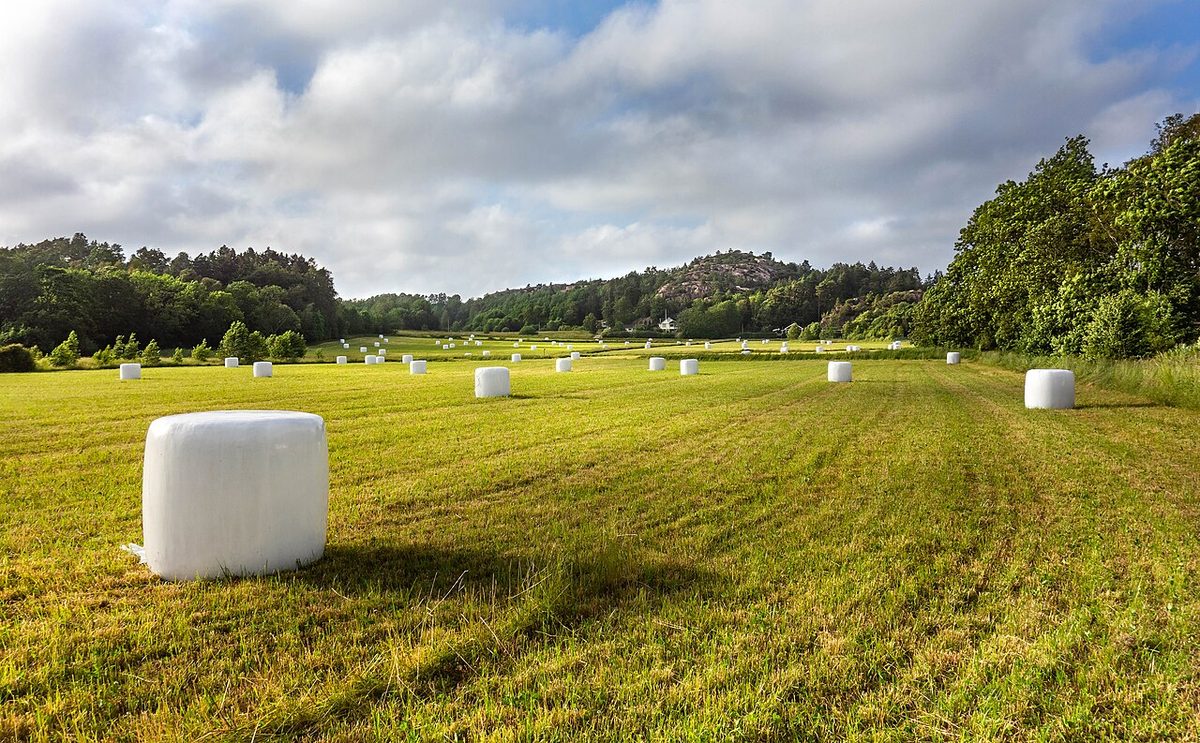
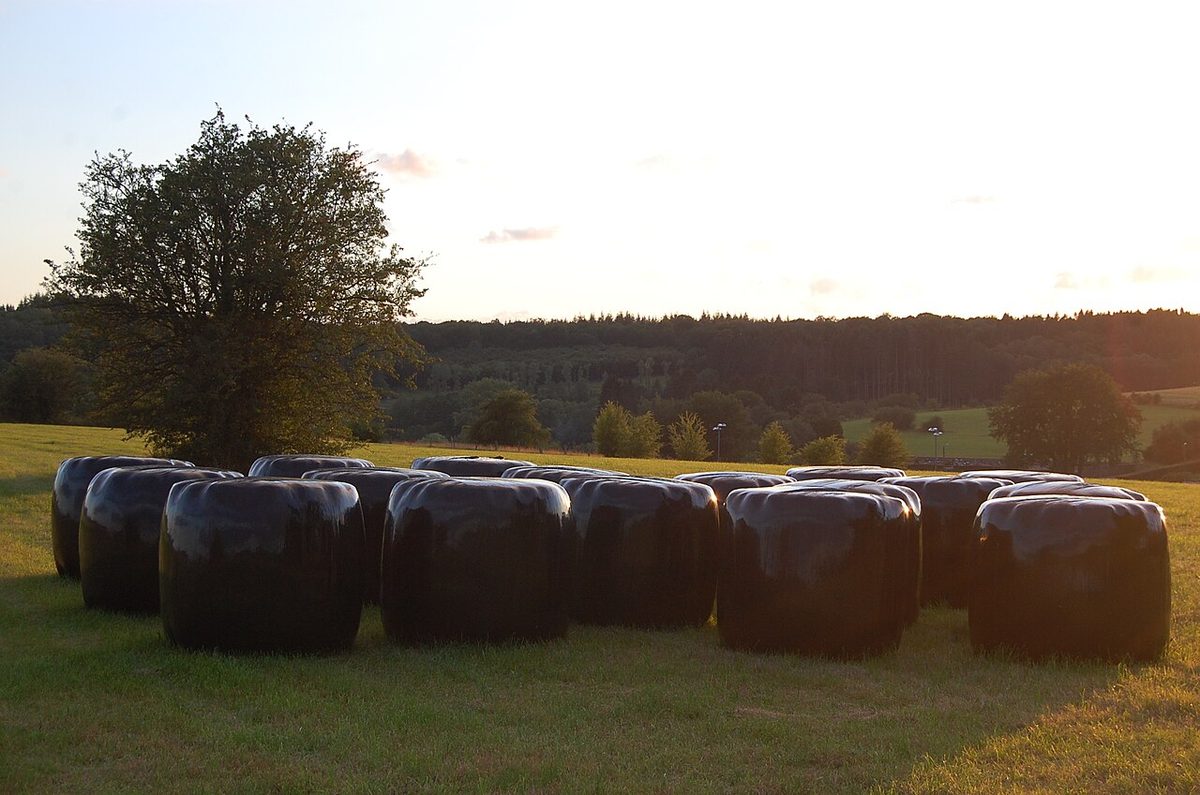
One crop can reach your animals three ways — grazed or cut fresh, dried as hay, or fermented as silage. Alfalfa (Medicago sativa, called lucerne in the UK, South Africa, Australia and New Zealand) is the classic example, long grown as livestock fodder and used all three ways. A 13th-century Arabic dictionary, Lisan al-'Arab, records it grown as animal feed and eaten both fresh and dried.
It is a perennial legume, up to 1 metre (3+1/2 feet) tall, native to warmer temperate climates. The real work happens underground: roots 2–3 m (7–10 ft) deep, sometimes more than 15 m (49 ft) to reach groundwater, with the taproot pushing down around 6 feet per year in loose soil. That depth finds moisture shallow-rooted plants cannot, which is why the crop handles drought and holds soil against erosion, and the perennial crowns store carbohydrates as a reserve.
Hay or silage is a choice of system
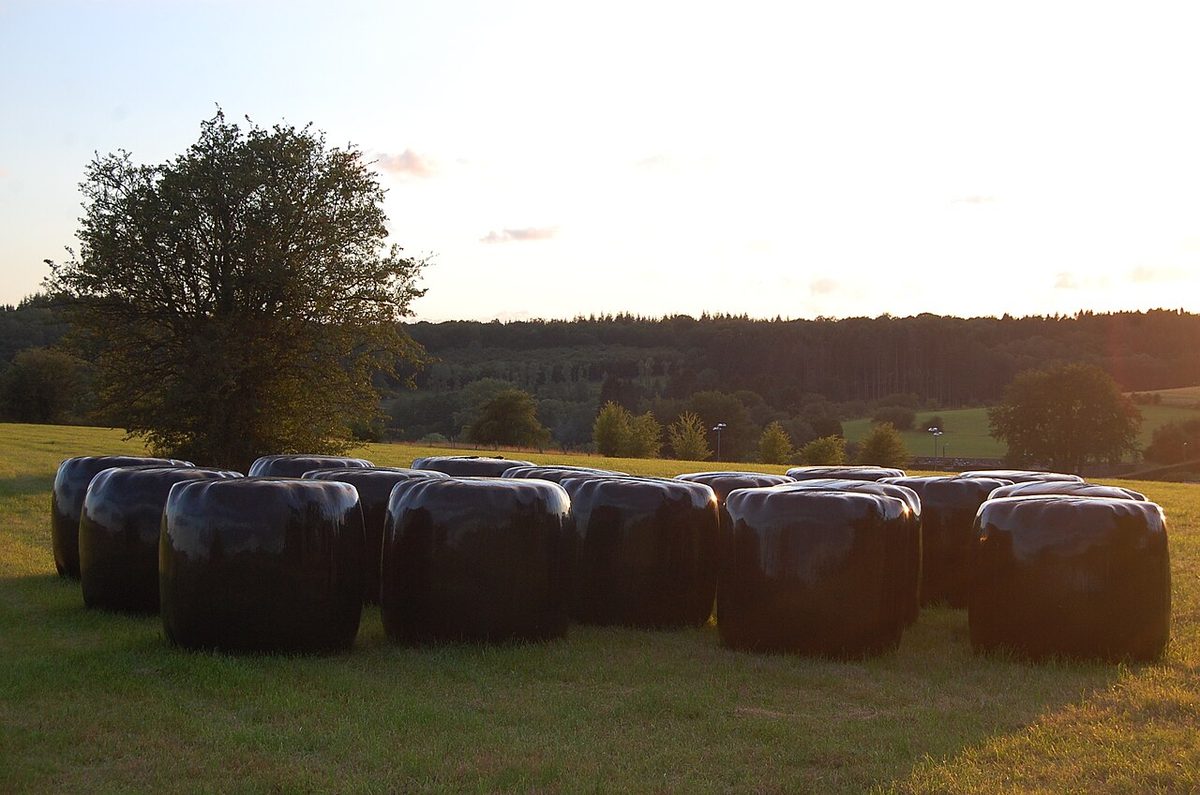
Hay and silage are two different farm systems, not two containers for the same thing. Some farms build the whole year around fermented feed; others stay on dried hay and never ensile at all.
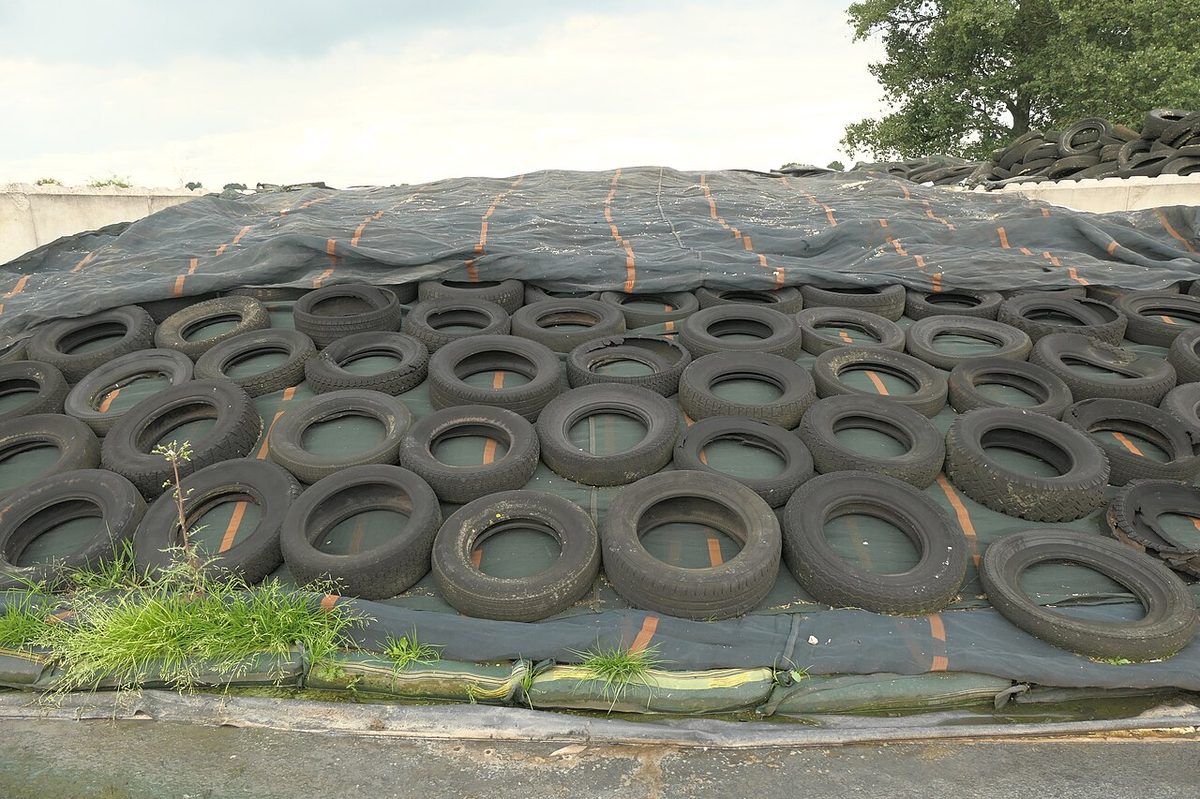
The working details of ensiling — chop length, how wet the crop should be, how hard to pack it, how to seal it, how long to leave it, whether additives earn their keep — depend on your crop, your machinery and your weather, and they differ from farm to farm. So does how well a clamp, bag or wrapped bale holds up in heat and humidity. Take those settings from someone already making good silage in conditions like yours, or from your dealer, rather than from a general rule.
Silage can cost you a buyer
Check this before you buy equipment. Some premium dairy buyers refuse milk from farms that make or feed silage at all. For the protected cheese Vorarlberger Bergkäse, only farms with predominantly grassland farming and no silage production or feeding — "haymilk" — may supply, and that milk must reach the dairy at least once a day and be processed immediately. If a premium buyer is part of your plan, ask about their feed rules first.
Cutting, regrowth and the things that go wrong
Why grass comes back
Grass blades grow from the base of the blade, not from the tip of a long stem. That low growth point evolved alongside grazing animals, and it is why grass takes repeated mowing or grazing without serious damage. Each leaf has a sheath hugging the stem and a blade above it, and any leafy shoot other than the first from the seed is called a tiller.
One caution for cutting by hand: many grasses stiffen their blades with silica bodies called phytoliths, which discourage grazing animals, and some, such as sword grass, are sharp enough to cut human skin. Cover your arms and wear gloves.
How many cuts before you replant
For alfalfa, a fourth-century farming manual put it at four or six cuts a year. Stand life is where planning horizons split: some work to four to eight years, others to the older rule that one sowing lasts ten years, and some stands live more than 20 years depending on variety and climate. There is no dependable figure for how fast yield falls inside that life, so keep your own notes — cut weights, speed of regrowth, thinning patches — and let the plot tell you when it is finished.
Never sow alfalfa back into alfalfa
Alfalfa is autotoxic: its own seed struggles to establish in an existing alfalfa stand, with medicarpins and phenols both playing a part. How long the effect lasts depends on soil type — clay soils hold it longer — as well as cultivar and the age of the previous crop.
- Rotate through another species, such as corn or wheat, before you reseed alfalfa.
- A soil assay can measure autotoxicity, and tolerance varies by cultivar; 'WL 656HQ' is named as a tolerant one.
Pests bite hardest in the warmest weather
The alfalfa weevil, aphids, the potato leafhopper and the seedcorn maggot (Delia platura) can pull yields down dramatically, and the second cutting takes the worst of it, when weather is warmest. Diseases are harder to read: symptoms are often subtle and easily misdiagnosed, and can show on leaves, roots, stems and blossoms. Root rots include Phytophthora, Rhizoctonia and Texas root rot, and downy mildew comes from the oomycete Peronospora aestivalis. If a stand is going backwards and the reason is not obvious, get experienced eyes on it early.
Mow in strips
Alfalfa is also an insectary plant: it shelters predatory and parasitic insects and can protect an interplanted crop such as cotton. Mowing the whole area at once destroys that insect population. Mow in strips instead, so part of the growth stays standing and the useful insects stay with you.
After spraying, the label decides when you cut
Registered insecticides and chemical controls are sometimes used against forage pests — the spotted alfalfa aphid, widespread in Australia, sucks sap and injects salivary toxins into the leaves. Whatever you spray, its label states the withholding period: the wait before that forage can be grazed or cut for hay or silage. It is not the same for every product, so the label on the container you bought is the authority. Which products are registered for forage use also differs by place, so check with your supplier or local agriculture office. Two label words worth knowing: an adjuvant is added to a pesticide formulation to make it more effective or safer, and an acaricide targets ticks and mites.
Feeding it out without hurting your animals
Go slow with fresh green legume
Fresh legume fodder bloats cattle. The old warning on alfalfa is still the right one: it may be given to cattle, but new feed should be given very sparingly at first, because it bloats them up. The same passage measures by land rather than by ration — a jugerum of it is abundantly sufficient for three horses all the year.
What "sparingly" means in kilos per head, how many days a changeover should take, and what to do if an animal does bloat are questions for a vet who can see your animals. Do not put stock onto a full feed of fresh legume on day one.
Feed quality shows up in the bucket
Fodder quality moves both yield and flavour. Alpine cattle kept outdoors almost continuously on mountain meadows found juicy, rich fodder with plenty of herbs, and that gave mountain milk its special quality and spicy taste. Once the herds left those pastures, fodder quality deteriorated and milk yield dropped with it; by winter the milk was usually just enough for the farm's own use, with hardly any cheese-making left. That summer season on the high pasture lasted between about 70 and 120 days, depending on region and altitude.
The point carries to any farm. When the quality of your cut slides, the milk shows it before the accounts do — and with goat milk averaging SGD10344 per tonne in the recorded Singapore prices, a poor few weeks of fodder is not cheap.
What you can buy in, and buying it together
Processing byproducts are real feed
Not everything has to come off your own ground. Sugar beet pulp goes into animal feed. The beet root is 75% water, about 20% sugar and 5% pulp, and that pulp is insoluble in water and made up mainly of cellulose, hemicellulose, lignin and pectin. For the grower, byproducts such as pulp and molasses add another 10% to the value of the harvest. World sugar beet production reached 294 million tonnes in 2024, with Russia and Germany the two largest producers — but the crop grows only in the temperate zone, so it will not come off your own field. If it reaches you, it arrives as a processed feed.
Feeding rates, storage and price for byproduct feeds vary by supplier and batch. Get the details from the seller, and talk to your vet before any byproduct becomes a large share of a ration.
Cooperatives
If your plot is small, a cooperative is the well-worn route to inputs and markets you could not justify alone. It is simply a group of farmers or farm businesses who pool resources into a jointly owned enterprise, and it comes in two shapes:
- Service cooperatives: members farm individually, while the co-op supplies inputs such as seeds, fertilizers and fuels, or handles transport and marketing.
- Production cooperatives: members farm jointly, sharing land, machinery and other resources.
A shared chopper, a shared store or a shared delivery run is exactly the kind of cost these arrangements exist to spread.
Where to start
- Trial two or three warm-season species on a small area before you commit a whole field.
- Decide whether you are a hay farm or a silage farm, and confirm your buyer's feed rules before you spend on kit.
- Record every cut — date, weight, speed of regrowth — so the plot, not the calendar, tells you when to replant.
- Bring in new green feed slowly, legumes especially, with your vet reachable.
- Ask locally about licensing, feed import rules, food-safety requirements and registered pesticides. These vary by place and change over time, so take them from the office or dealer nearest you.
Good silage and fodder preparation is mostly discipline: match the crop to your climate, cut in a way the plant can recover from, keep the insects that work for you, and change feed slowly. The numbers that will not travel from one farm to another — moisture targets, dose rates, days to wait, cost per tonne — are the ones to collect close to home, from someone already doing this in conditions like yours.
 Menu
Menu
💬 Comments
Login to comment
No comments yet. Be the first to share your experience!